Panama Trip
Panama Explorer
Panama is a small but mighty country in Central America, connecting North and South America at the narrowest point of land between the Pacific and Atlantic Oceans. It is home to approximately 4.4 million people and is one of the fastest-growing economies in Latin America, largely thanks to the Panama Canal, one of the greatest engineering achievements in history.
Panama City is a striking mix of gleaming skyscrapers and Spanish colonial architecture, earning it the nickname the “Singapore of the Americas.” The country uses the US Dollar alongside its own currency, the Balboa, making it easy for American travelers. English is widely spoken in tourist areas. Panama is also a biodiversity hotspot, it is home to more bird species than the US and Canada combined.
Top things to do in Panama
- Wander the old streets of Casco Viejo
- Watch ships pass through the Panama Canal
- Monkey Island Panama
- Soberania National Park
- Walk or bike Amador Causeway
- Megapolis Hotel Panama Rooftop Bar
- Avenida Balboa and Cinta Costera
- Day trip to San Blas Islands
- Visit Taboga Island or Pearl Islands
- Relax at Rooftop pool
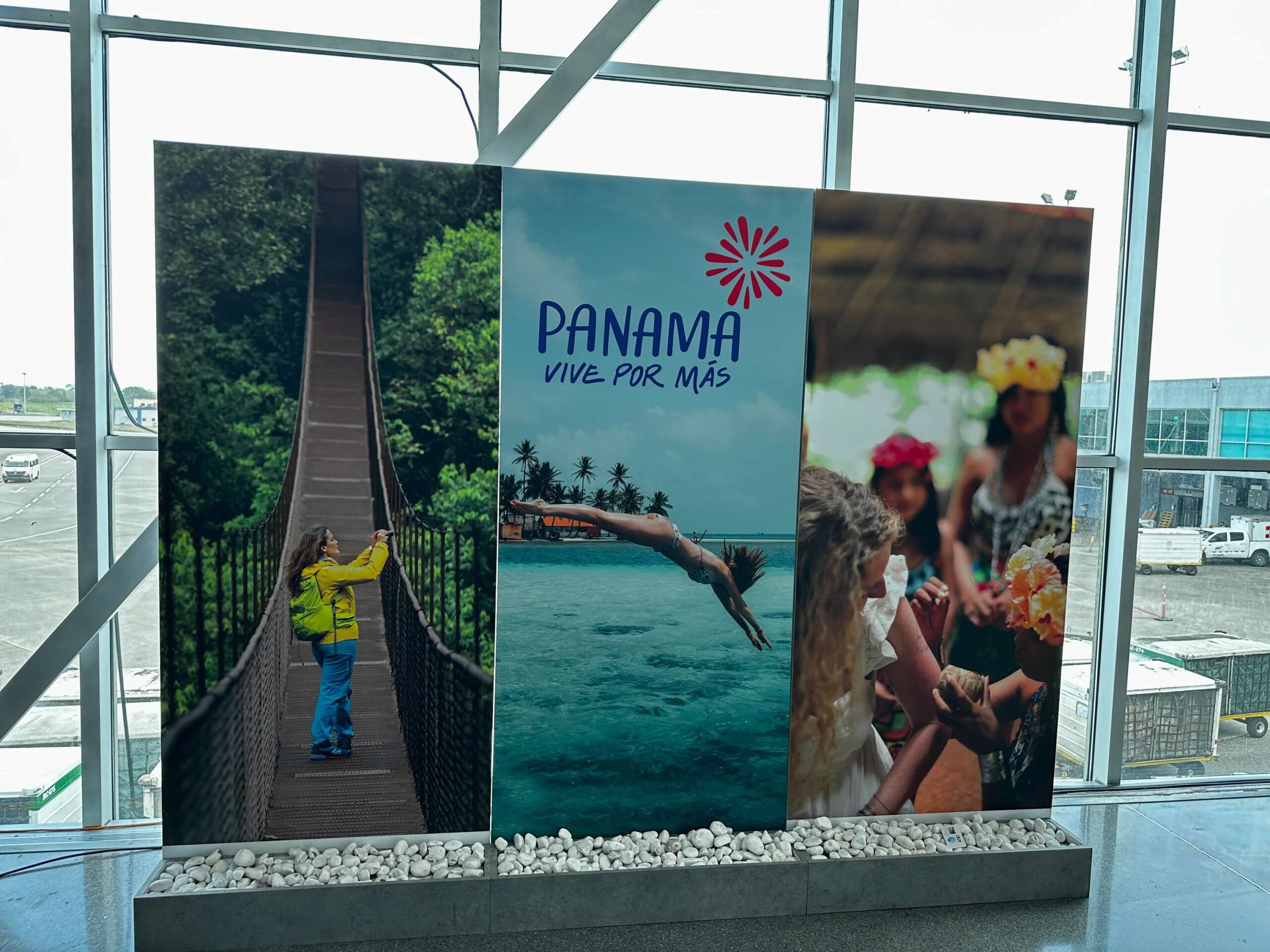
We will not be doing all of these in 2 days, but this is the list I found in my research.

* above image from google images
Our itinerary
- Day 1 : Arrival – Casco Viejo
- Day 2 : Panama Canal & Old City
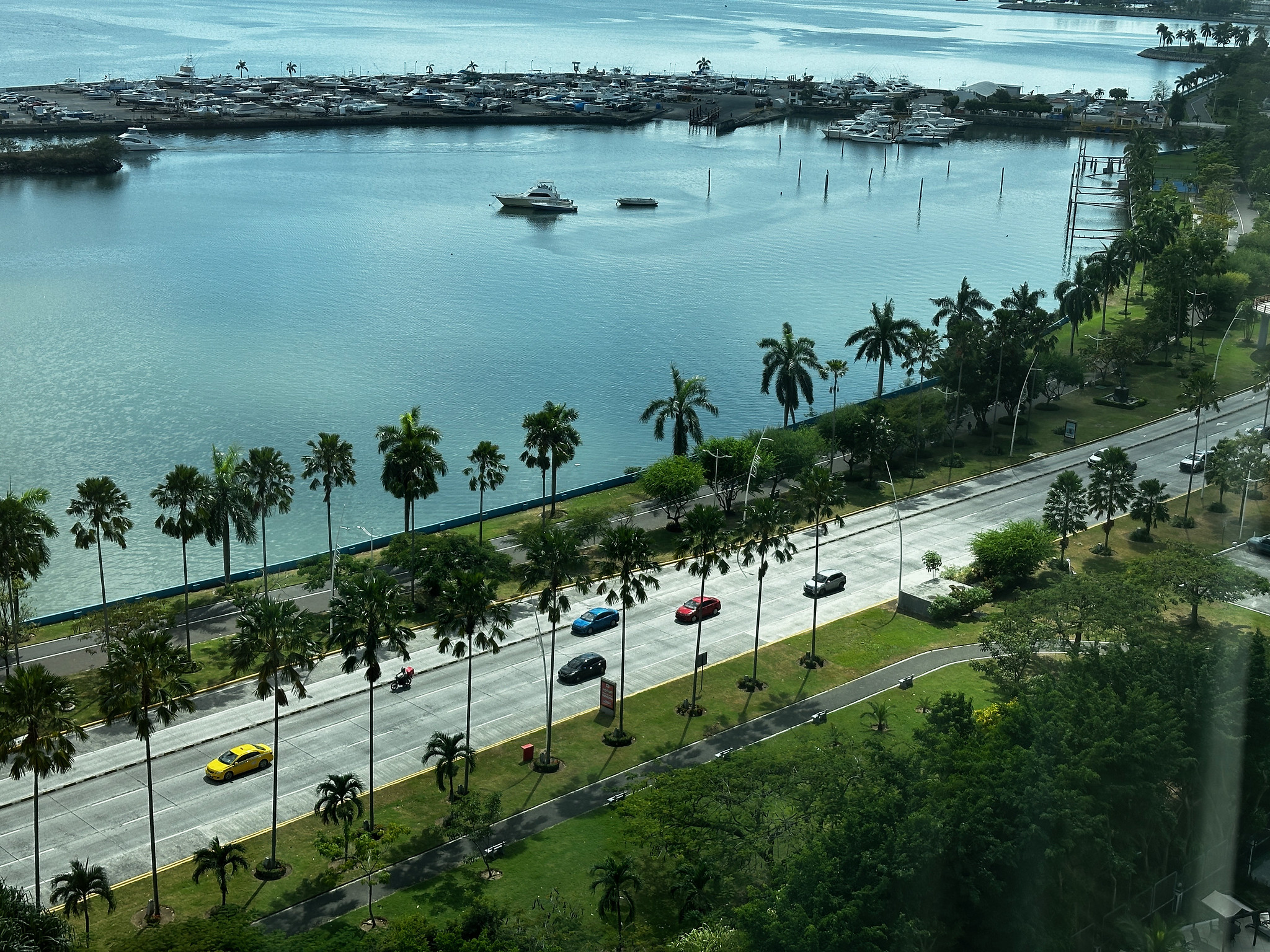
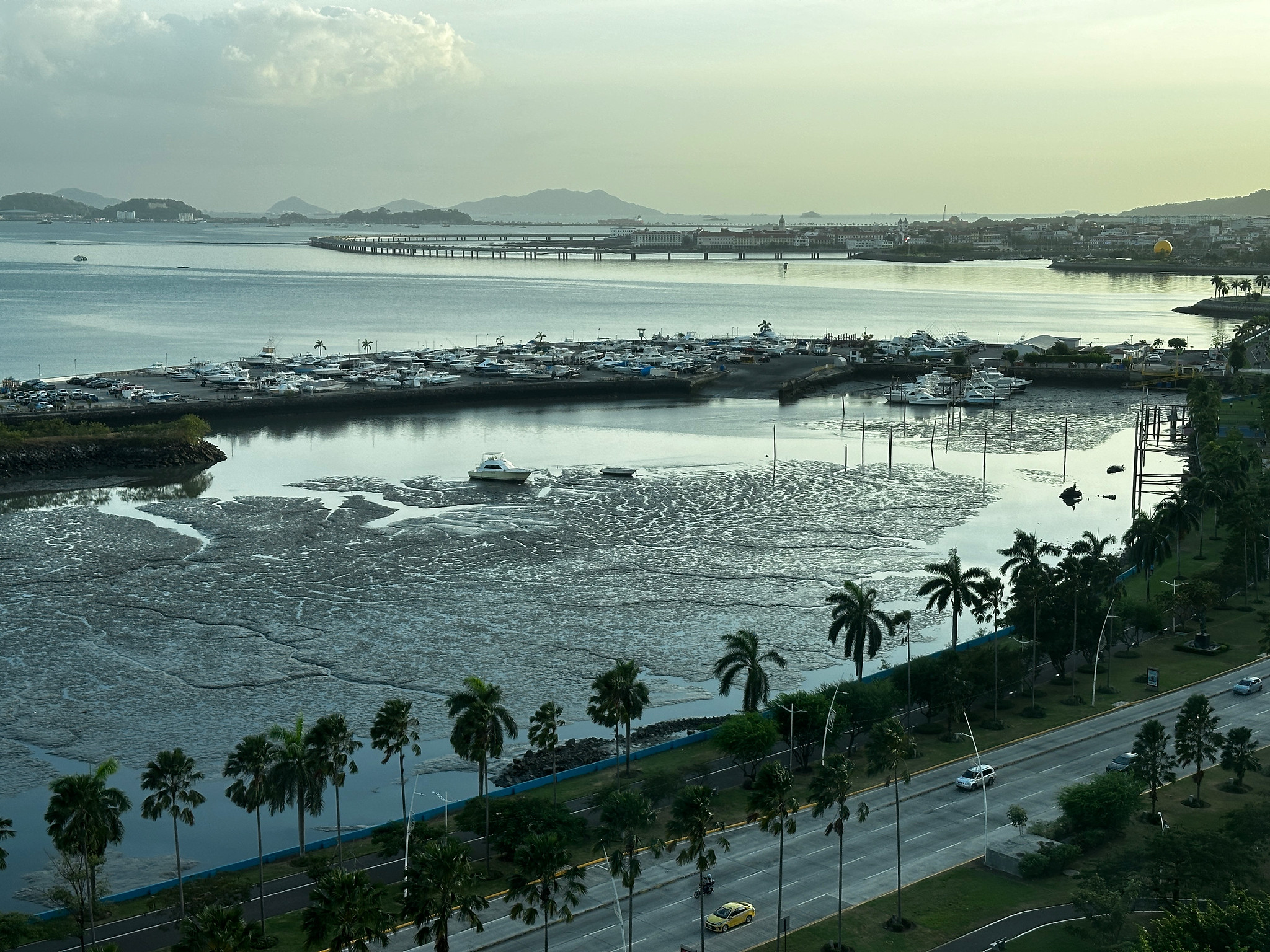
We landed at around 2:00 PM. Got picked up by a driver who took us to the Intercontinental Miramar hotel. First views of Panama and view from the hotel room.
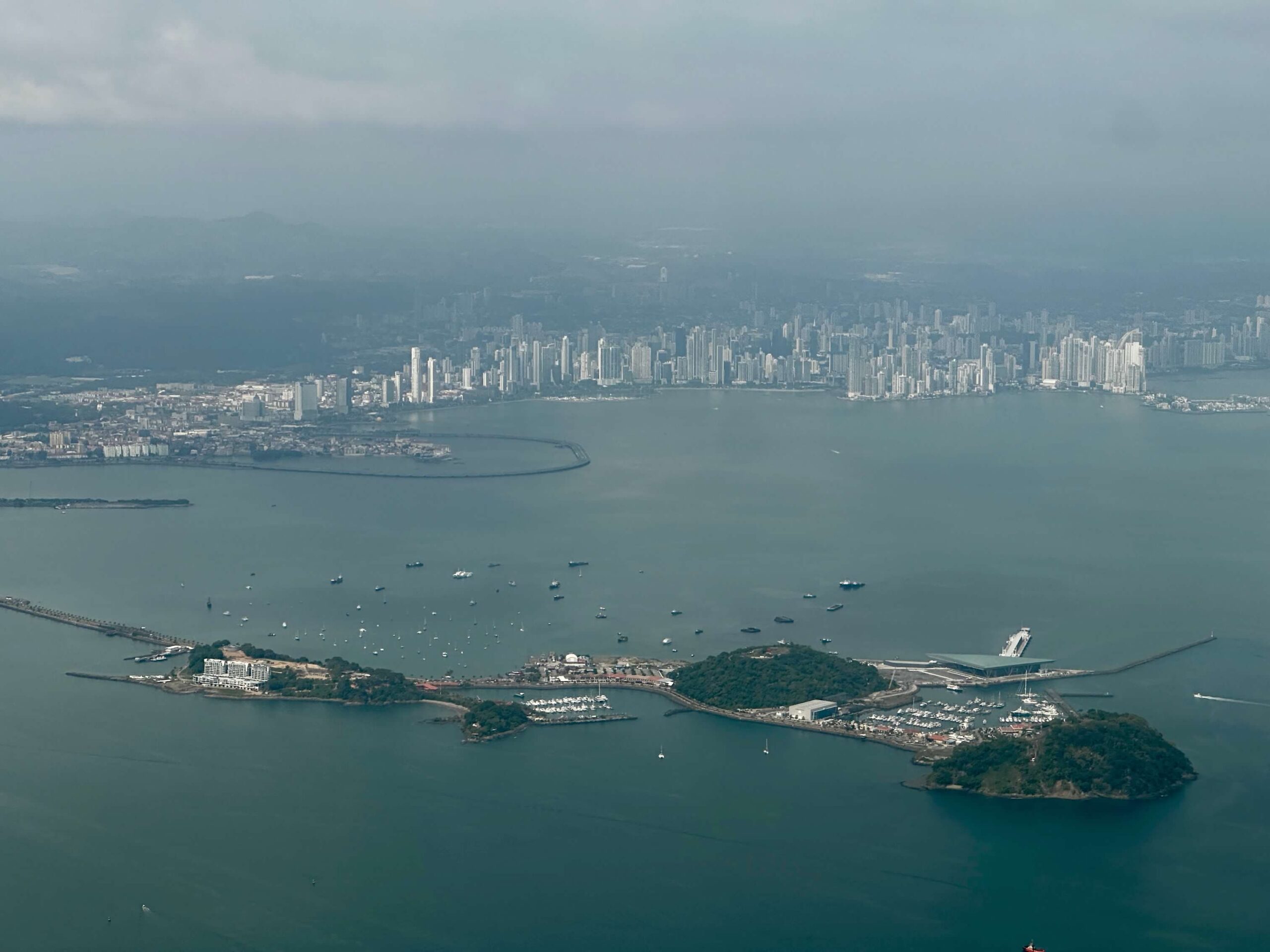
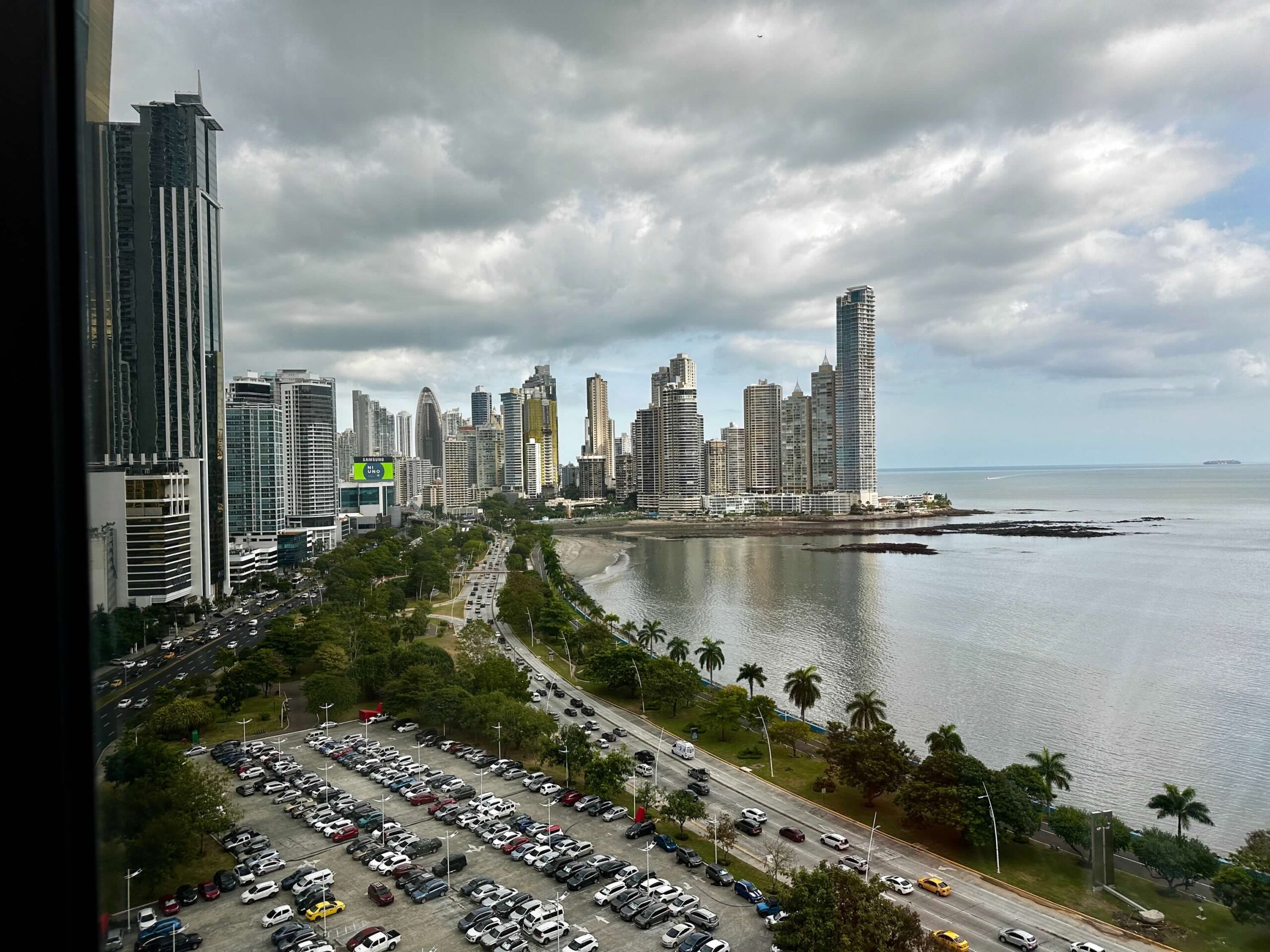
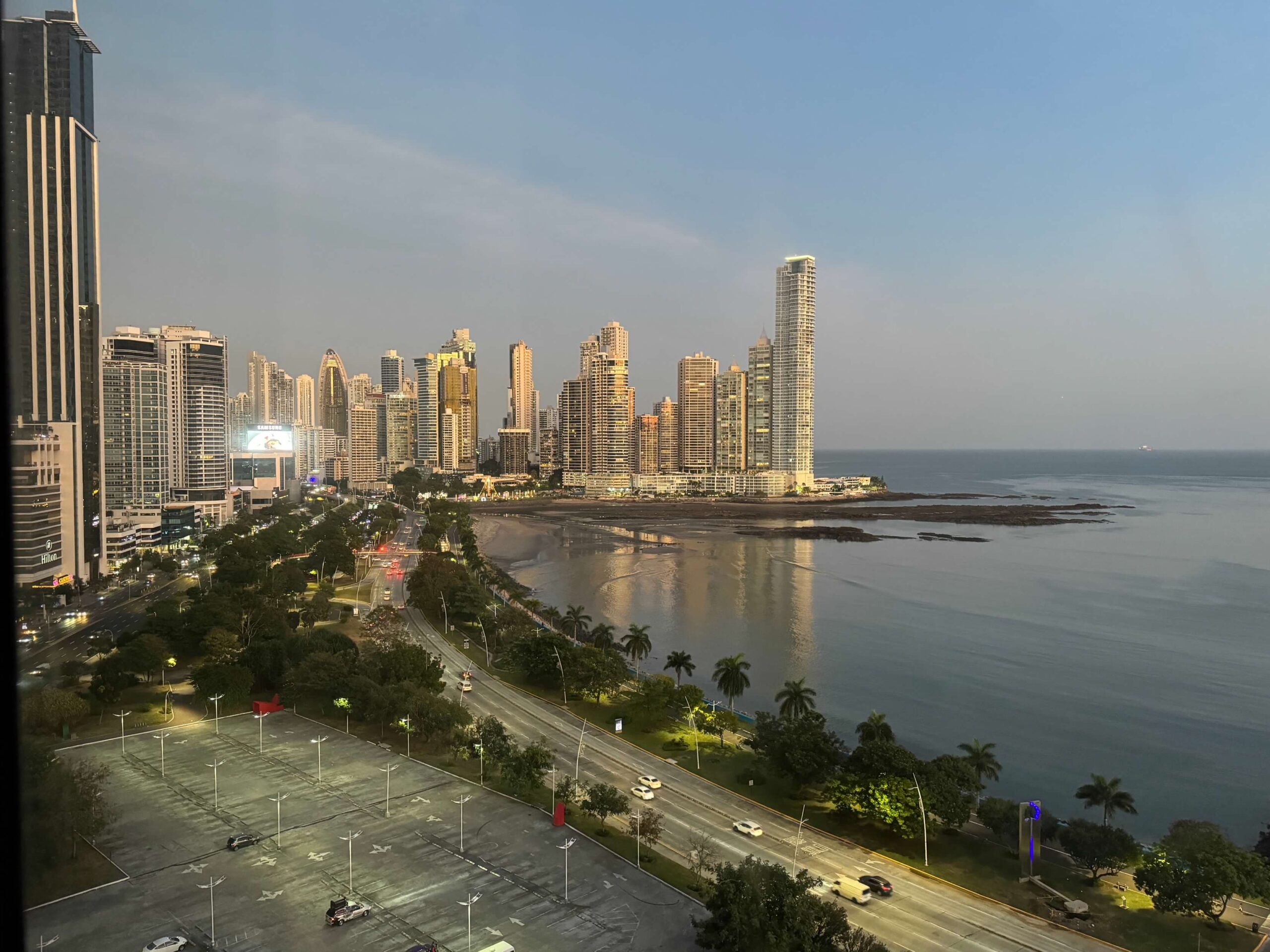
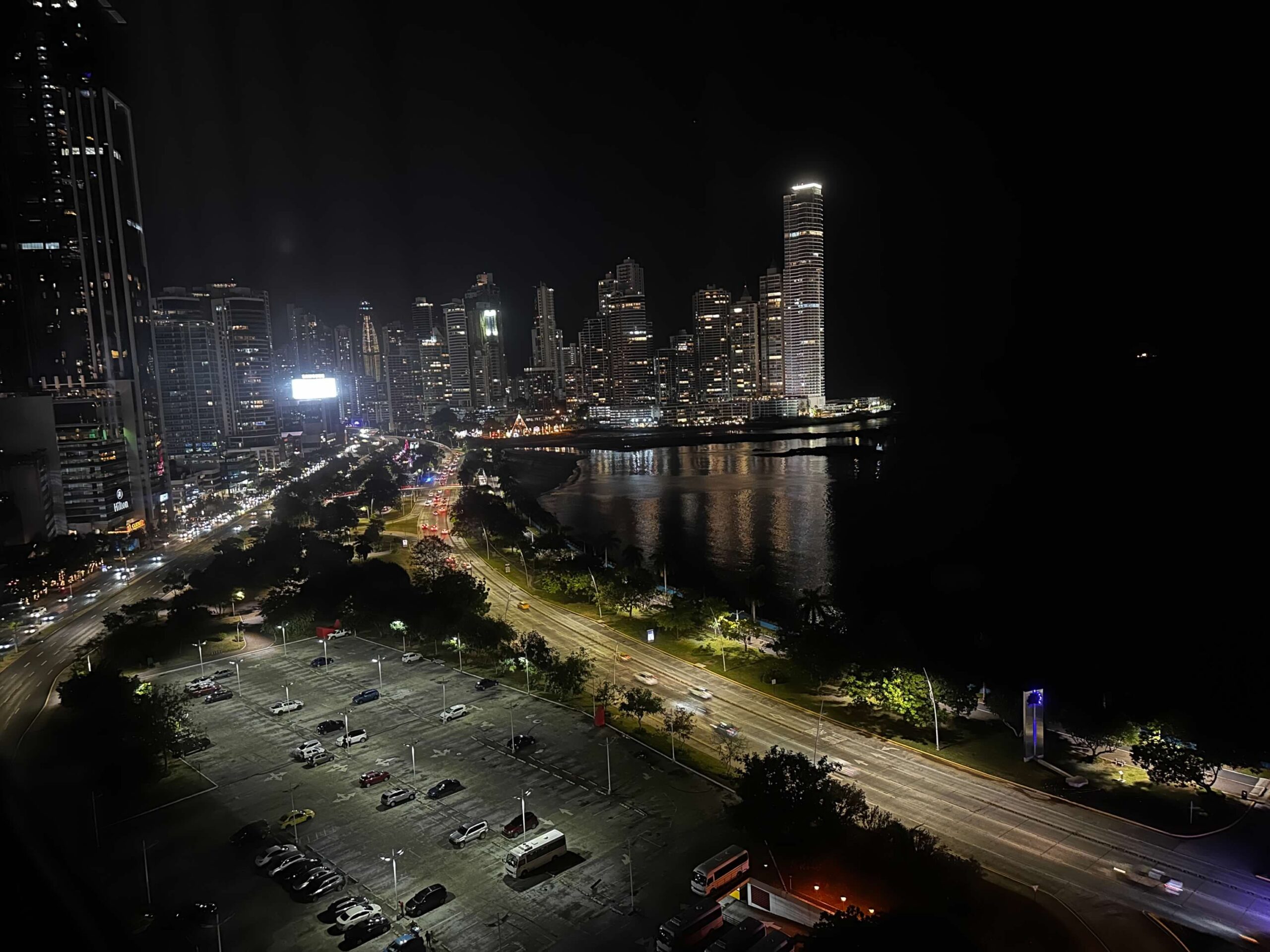
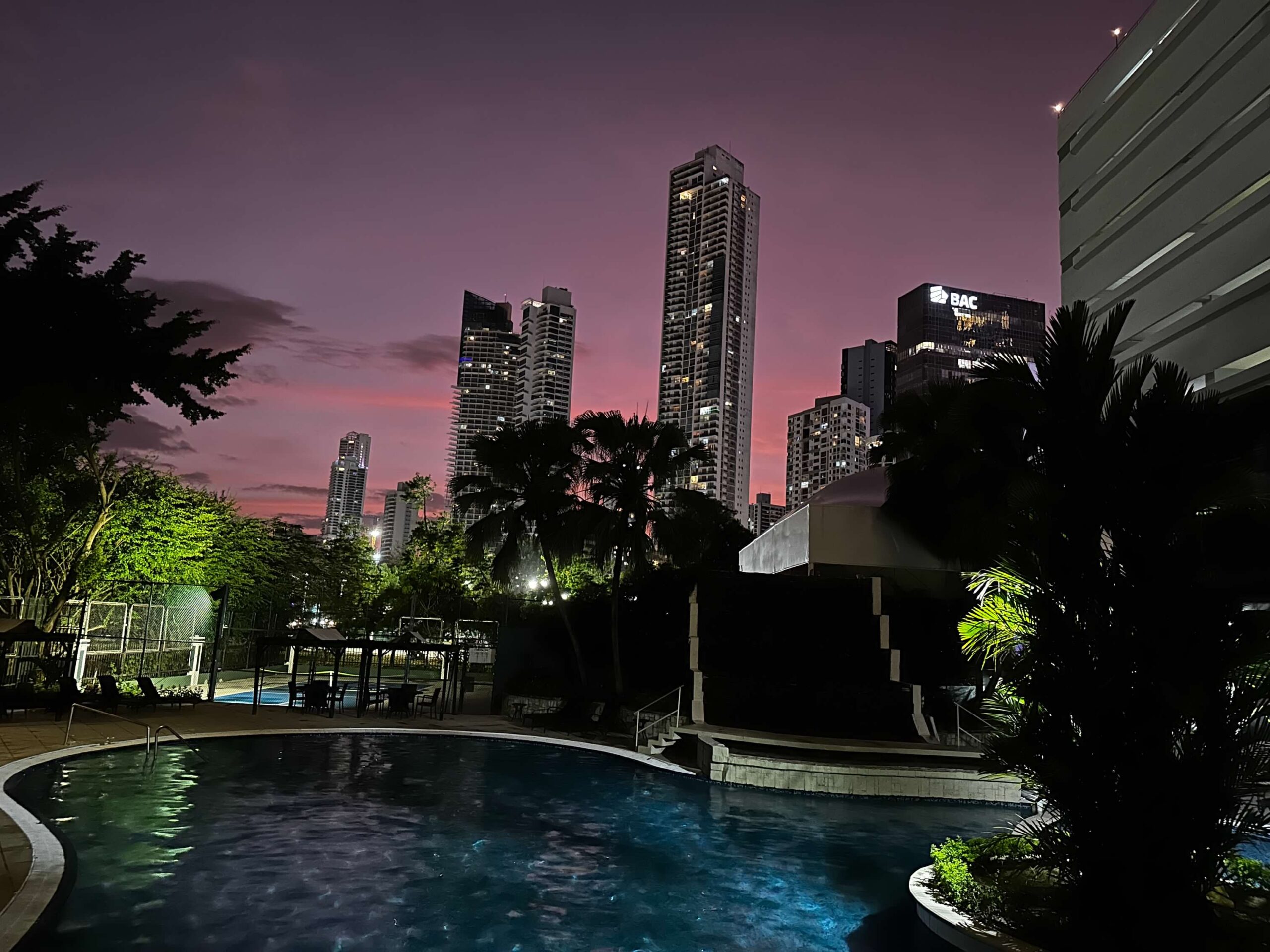
After settling in, we grabbed an Uber to the old city, Casco Viejo and went straight for a late lunch.
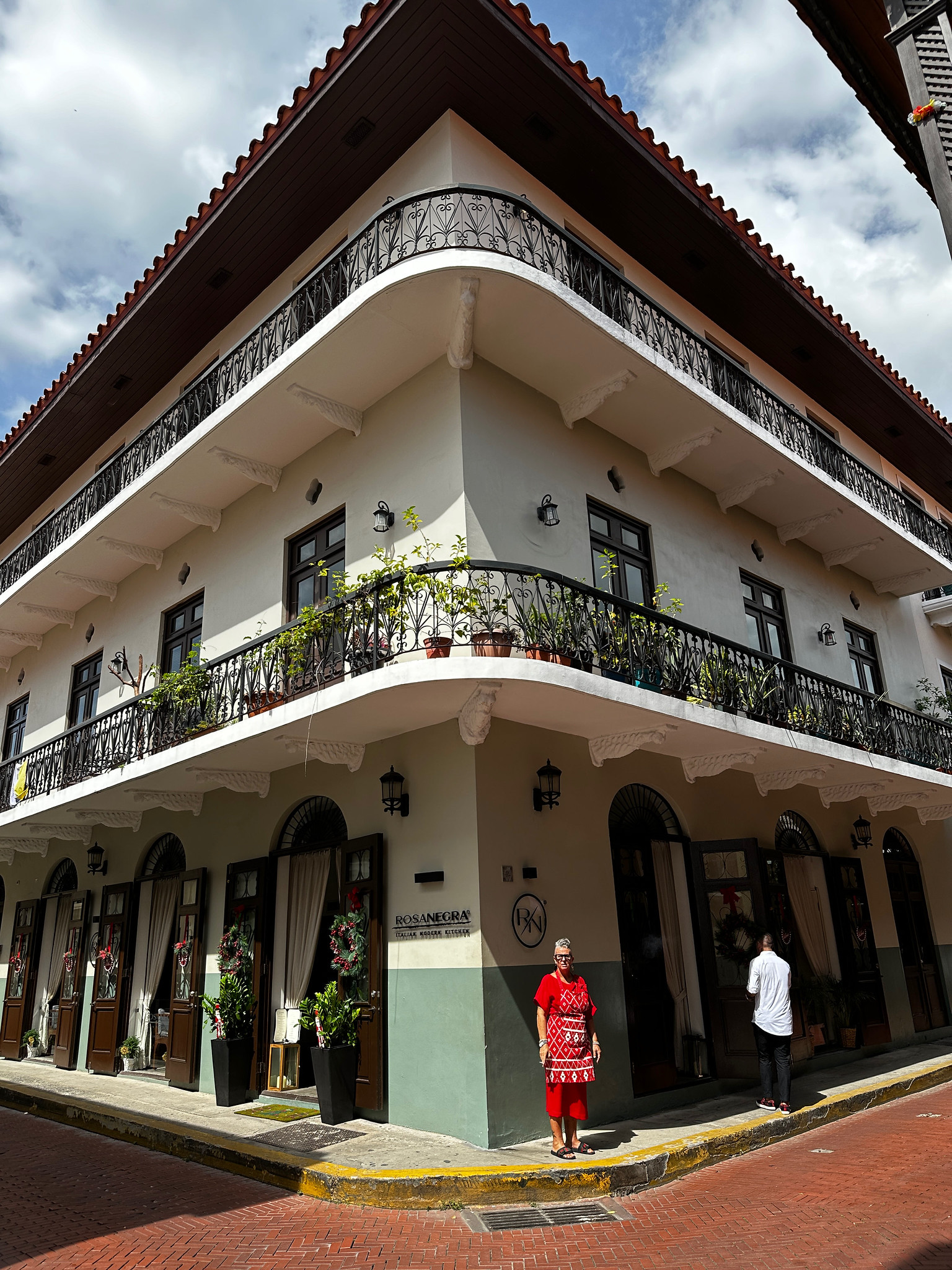
Casco Viejo
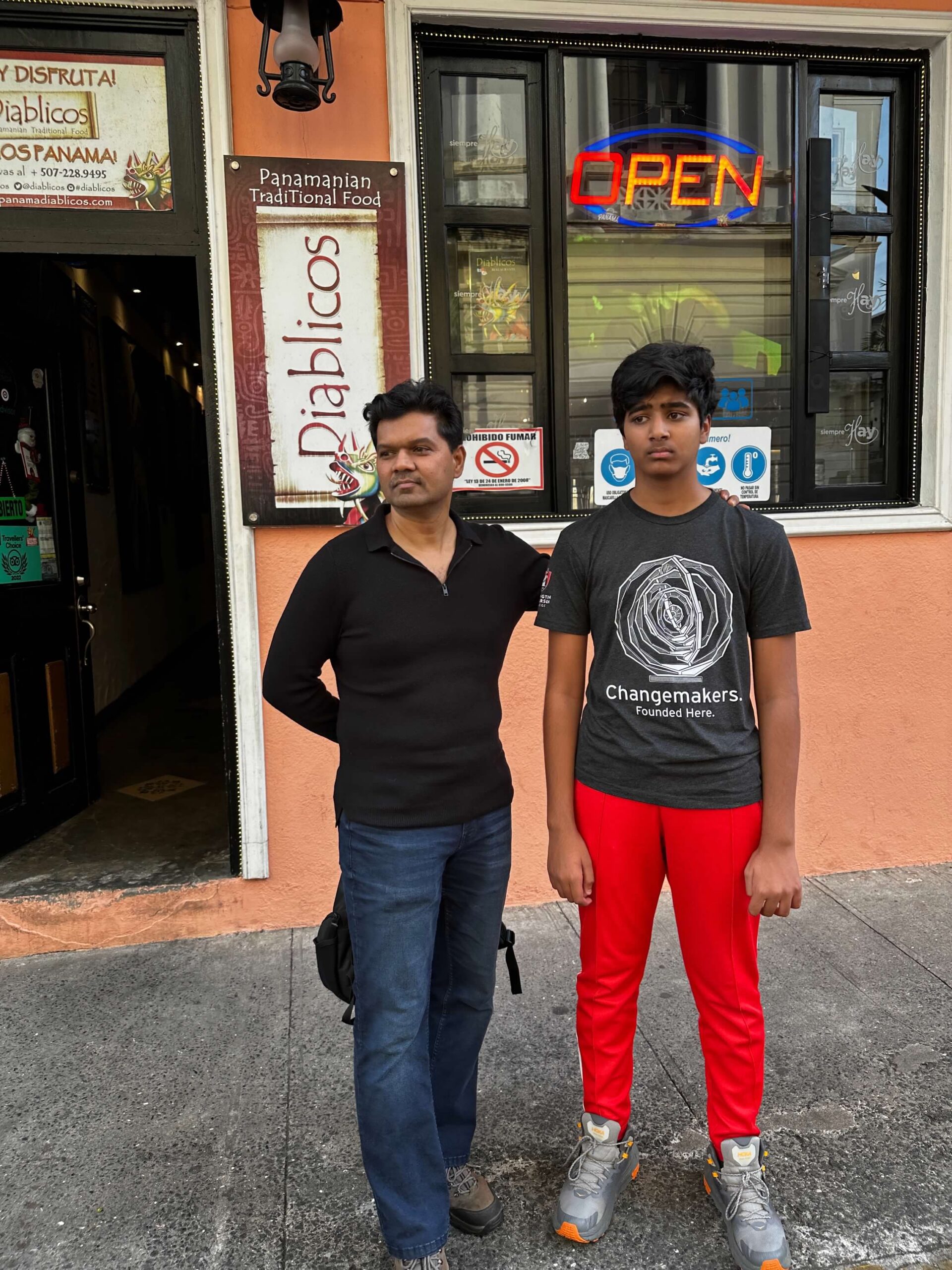
Diablocos Restaurant
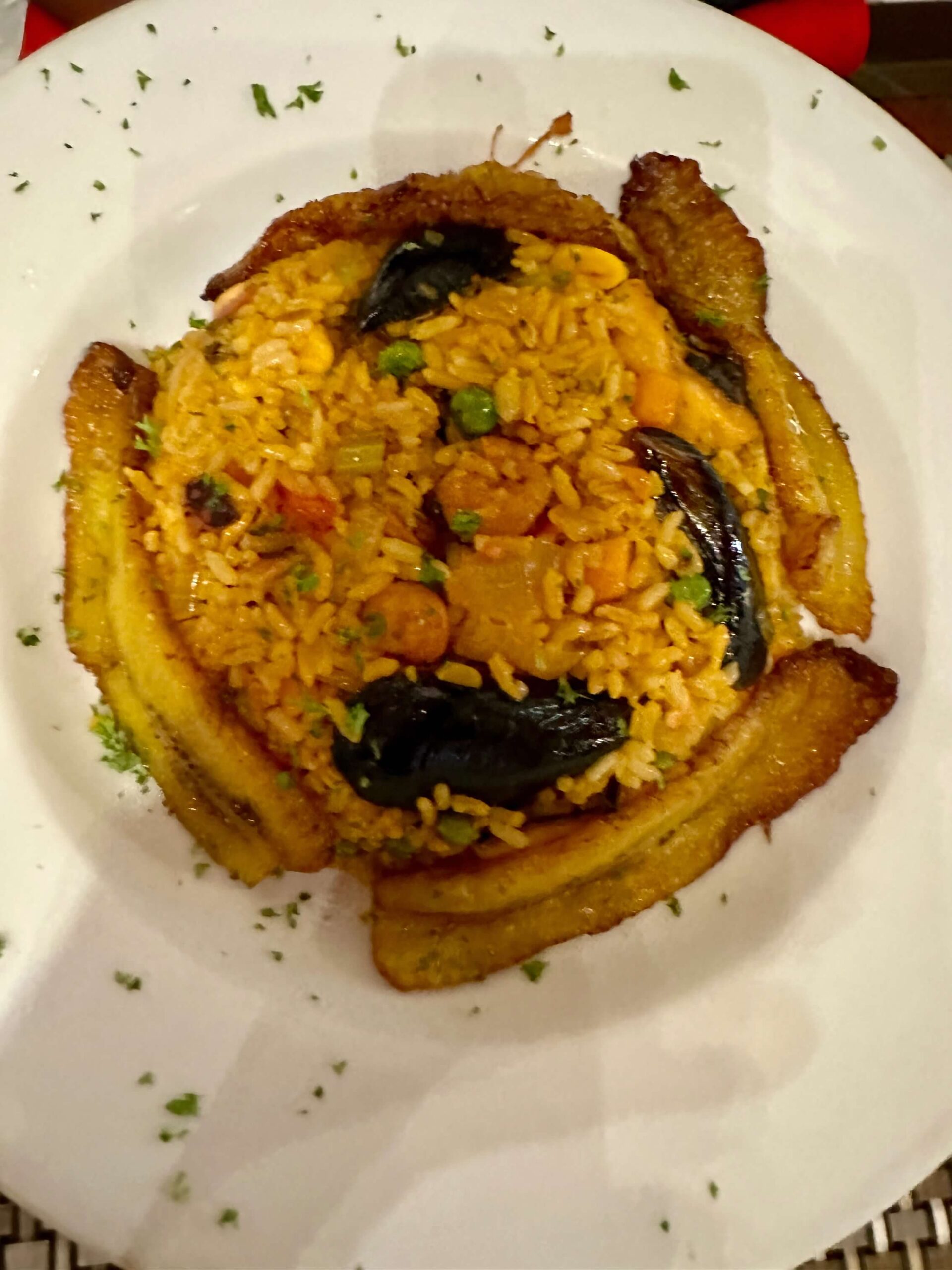
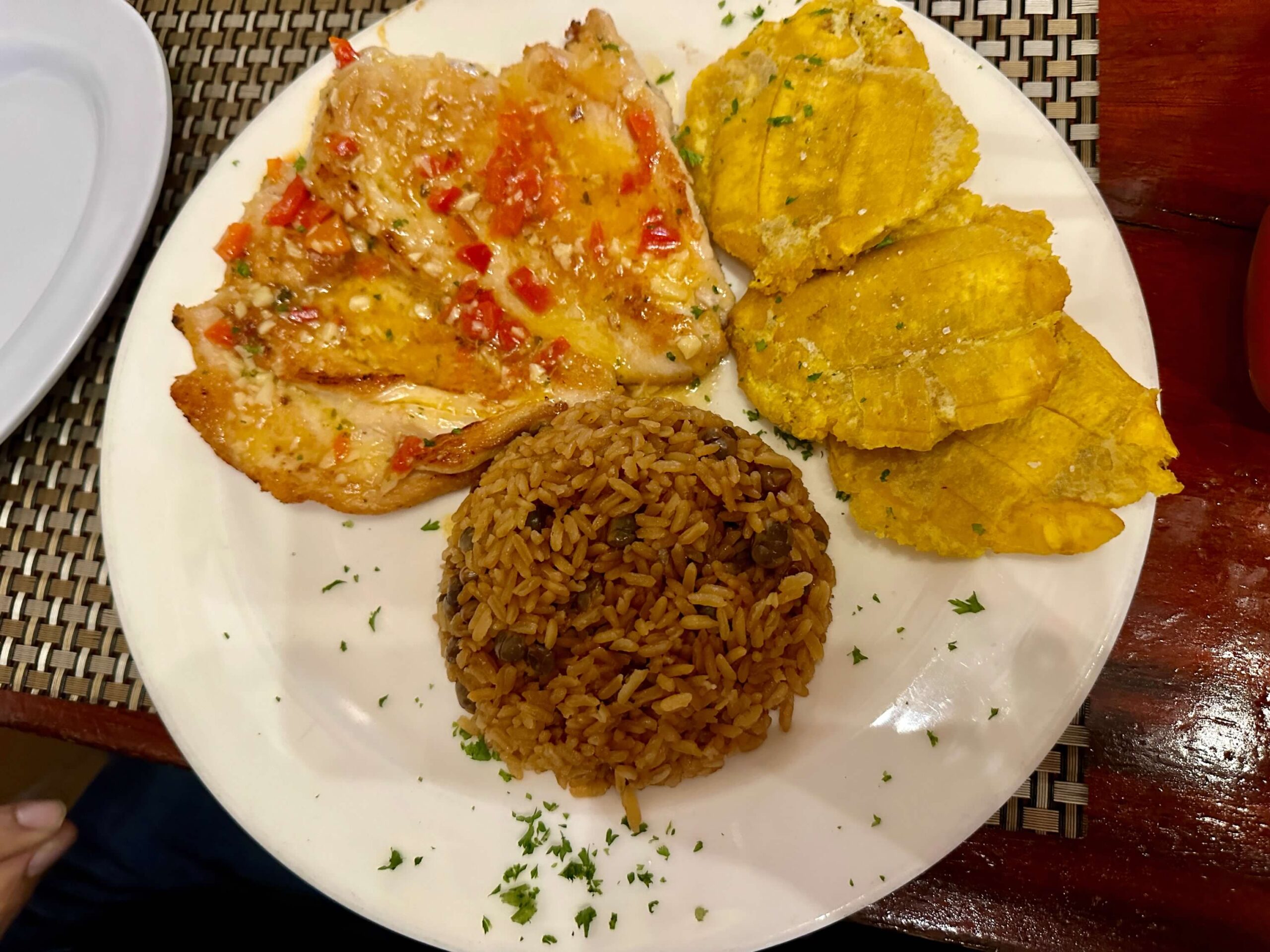
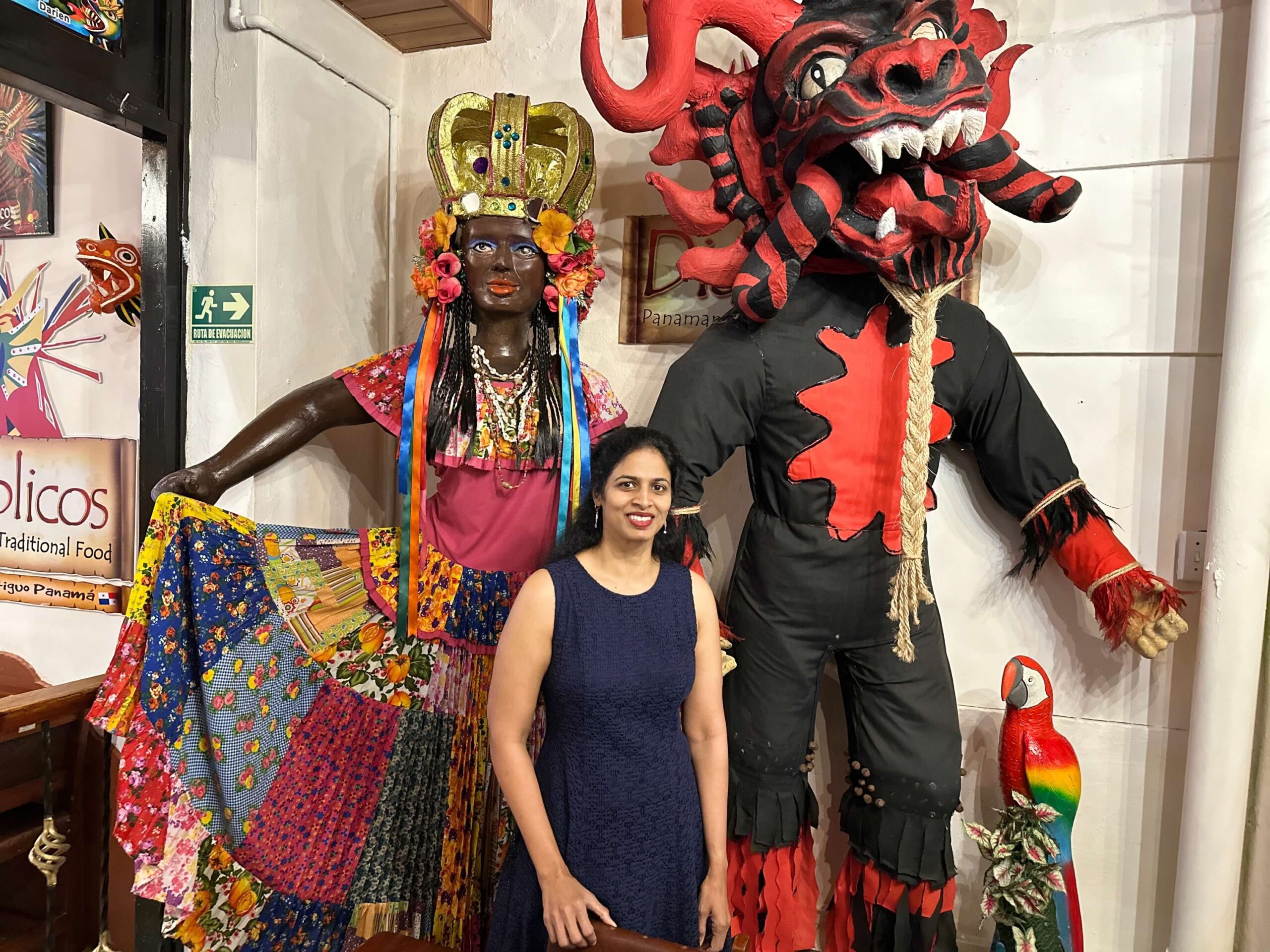
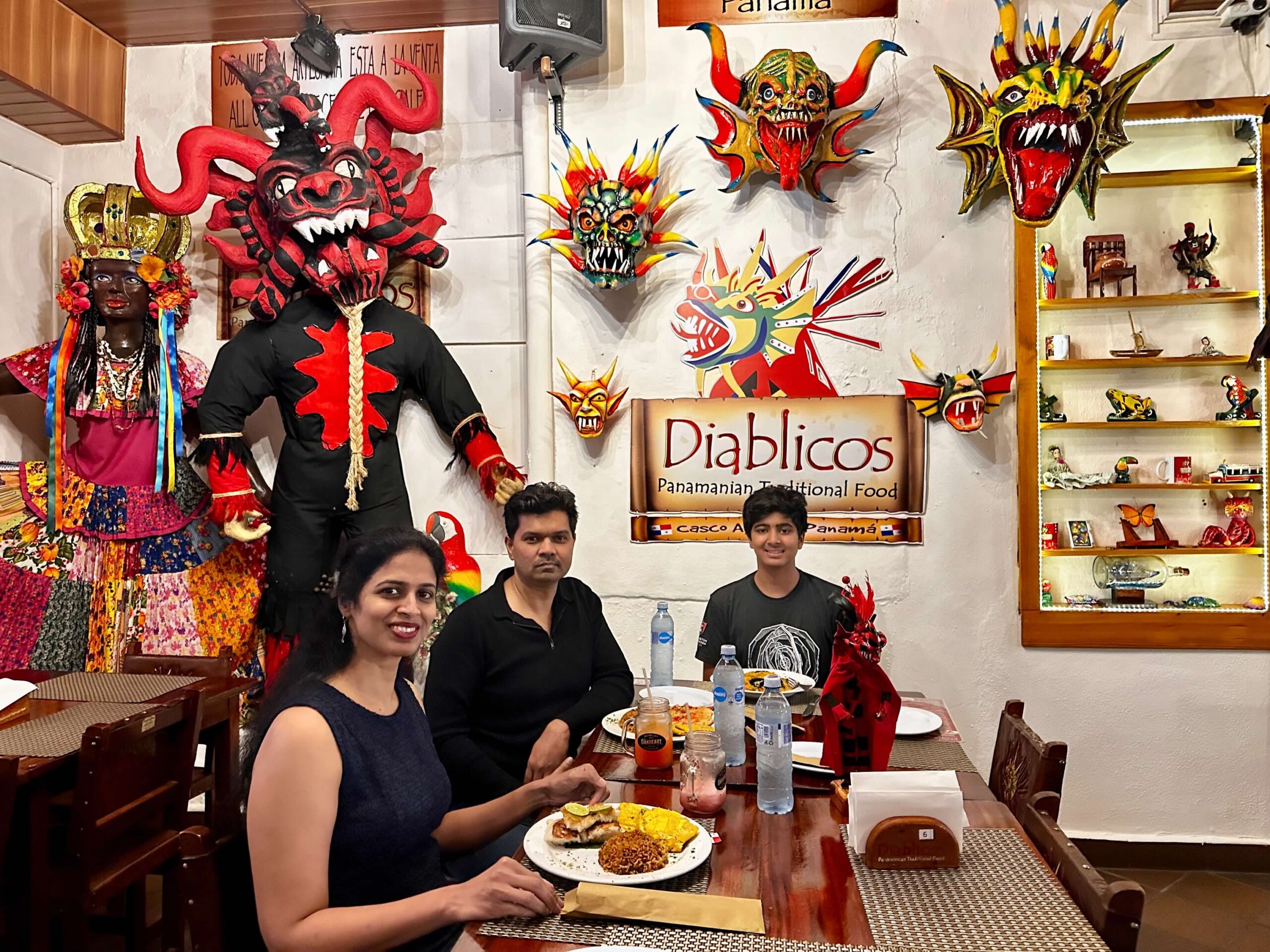
Our first meal was at Diablocos, a traditional Panamanian restaurant. We were practically the only people there, it was only around 5 PM and locals eat late! We started our trip with good seafood: rice with chimichurri, plantain (which you find everywhere), fried fish, and a delicious traditional spread. The environment was striking, dragon paintings on the walls, demon statues, masks all in the same black-and-gold color scheme. It seemed like part of folklore show.
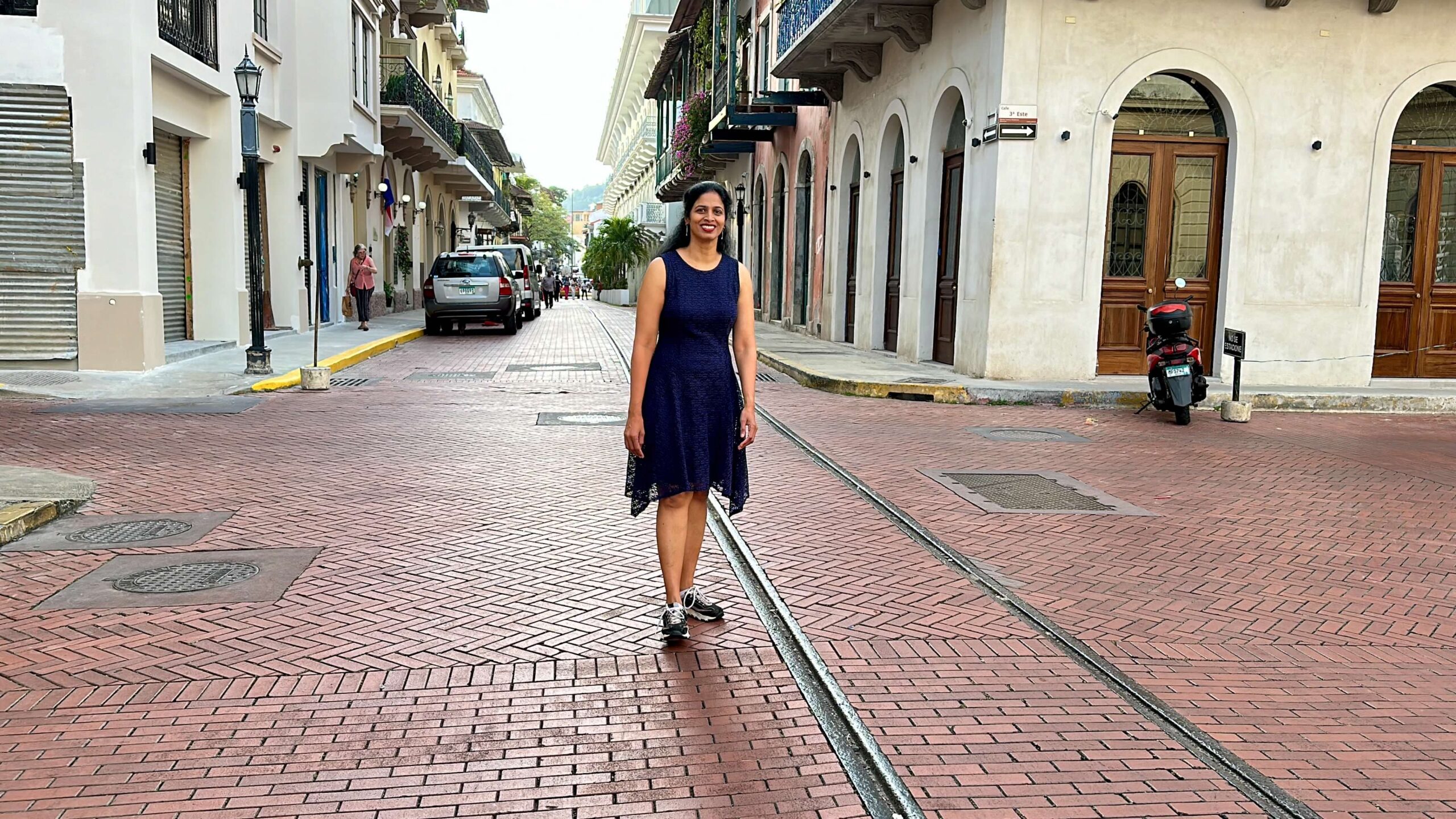
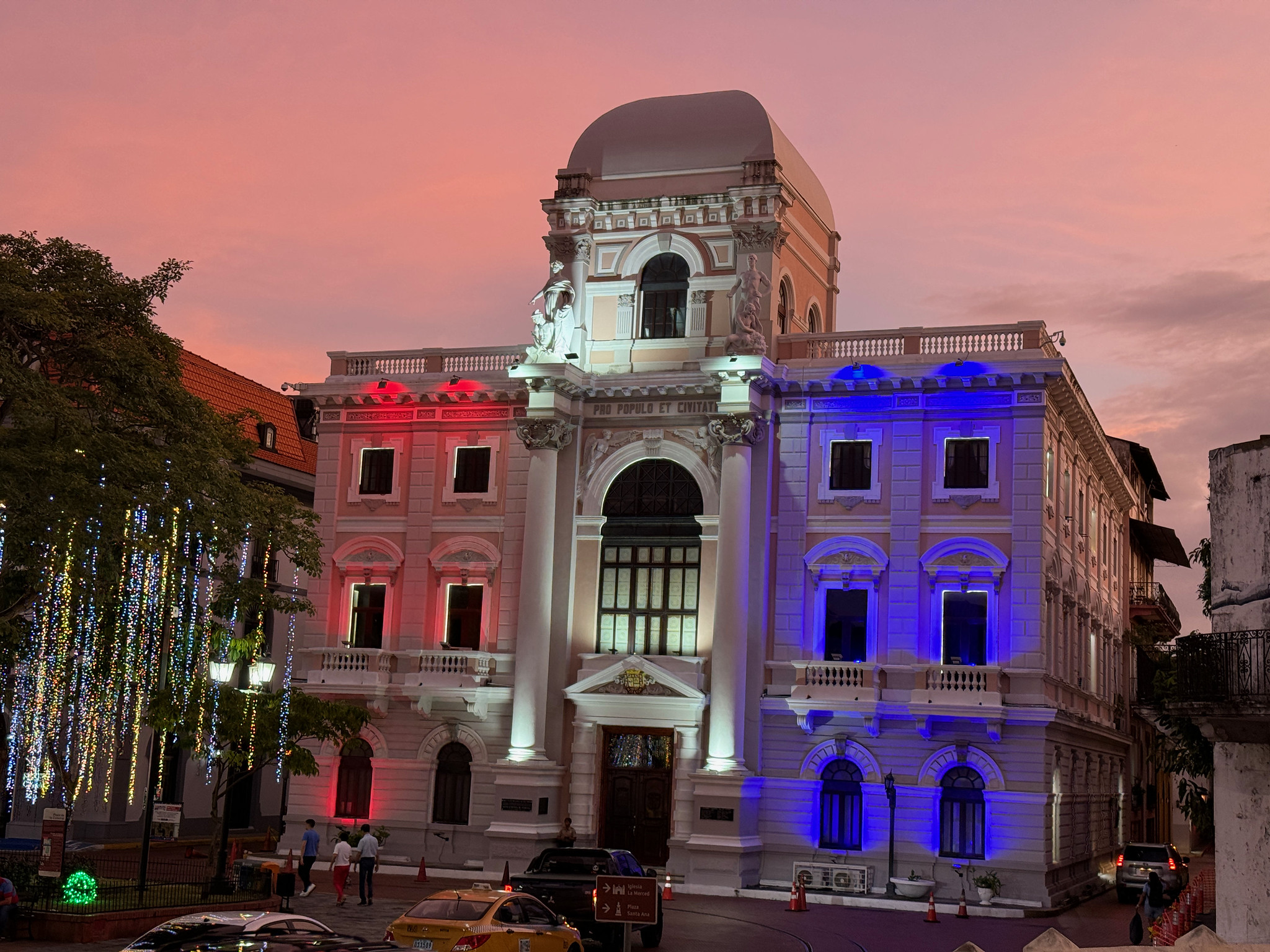
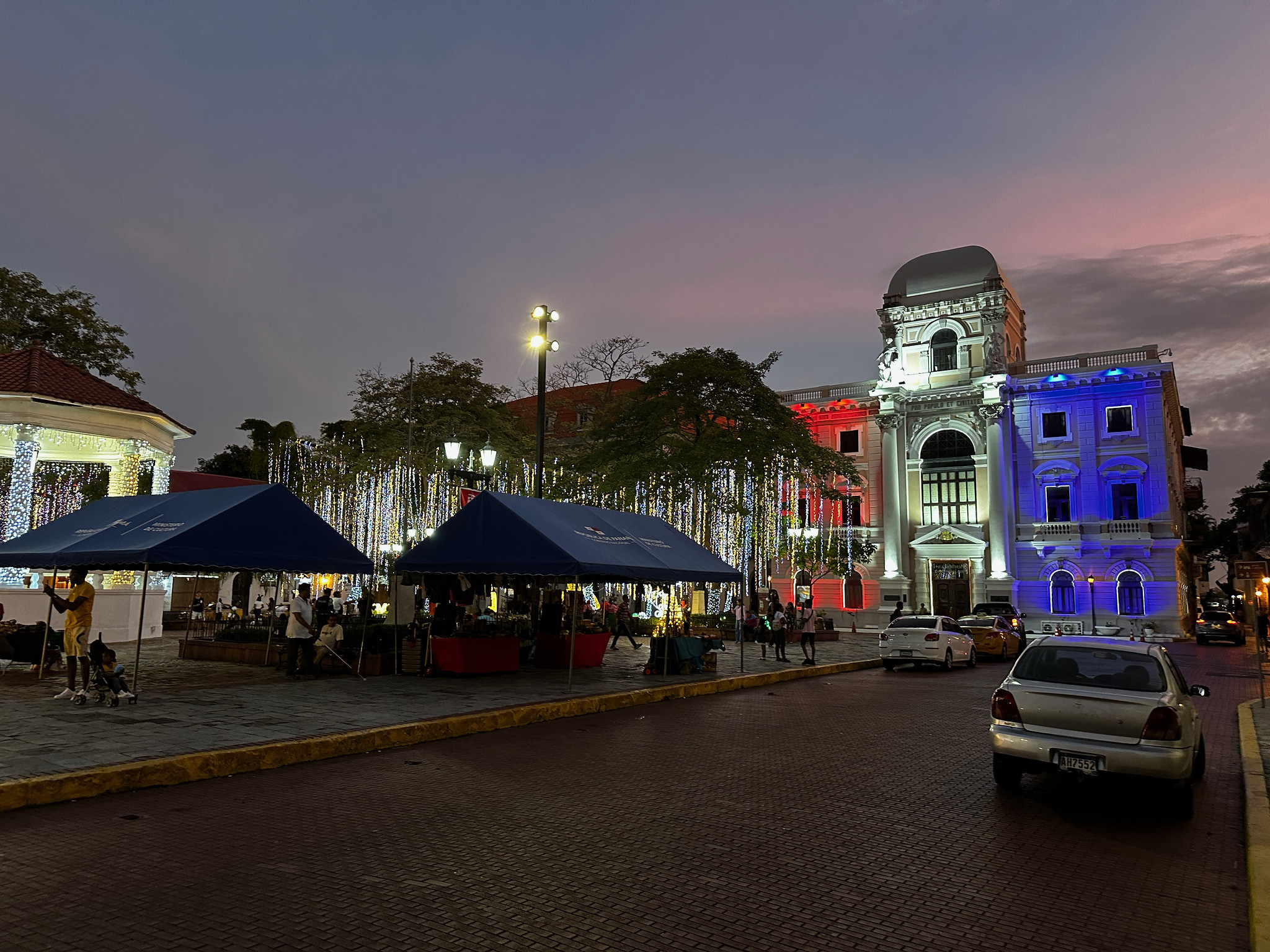
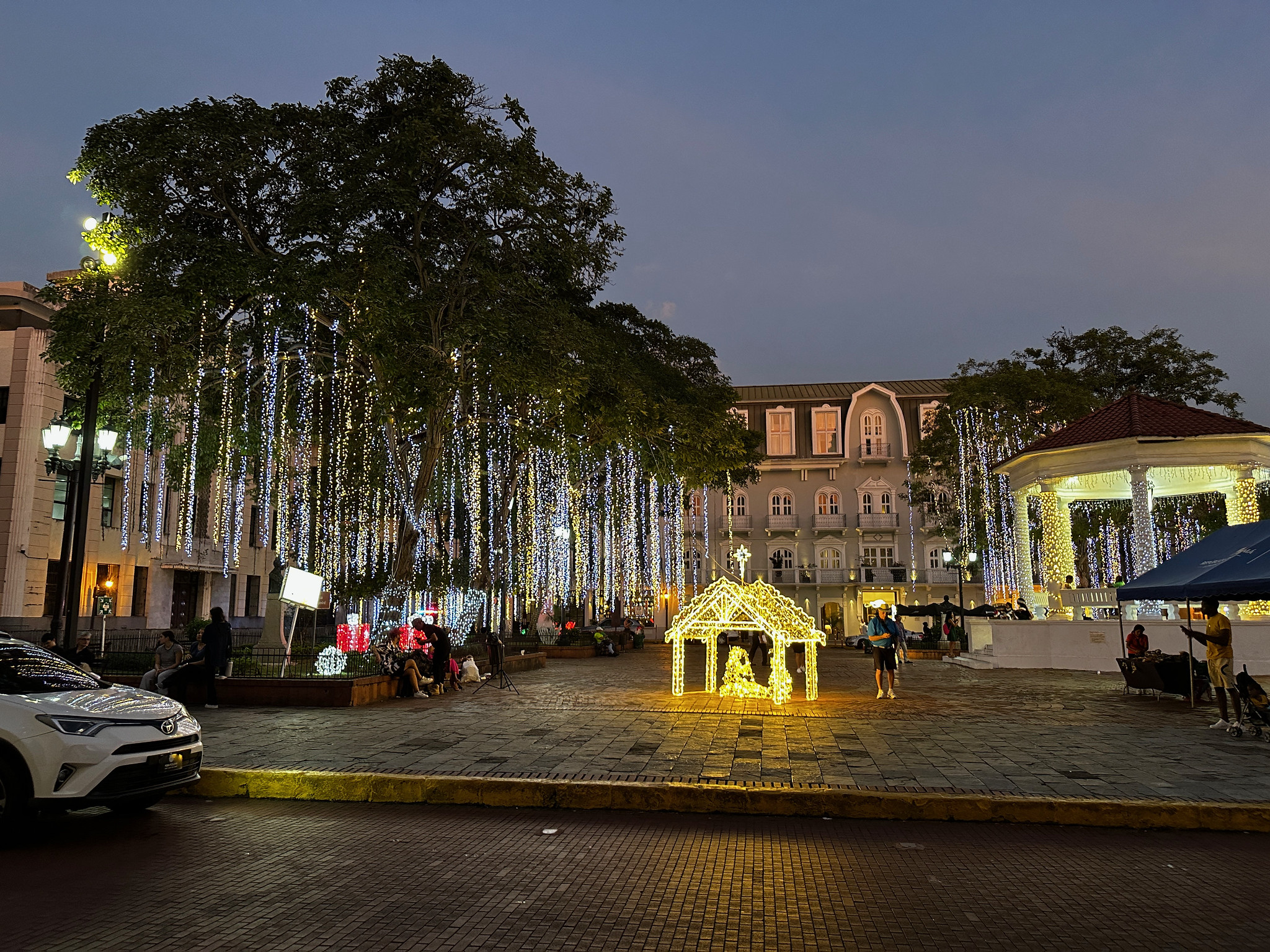
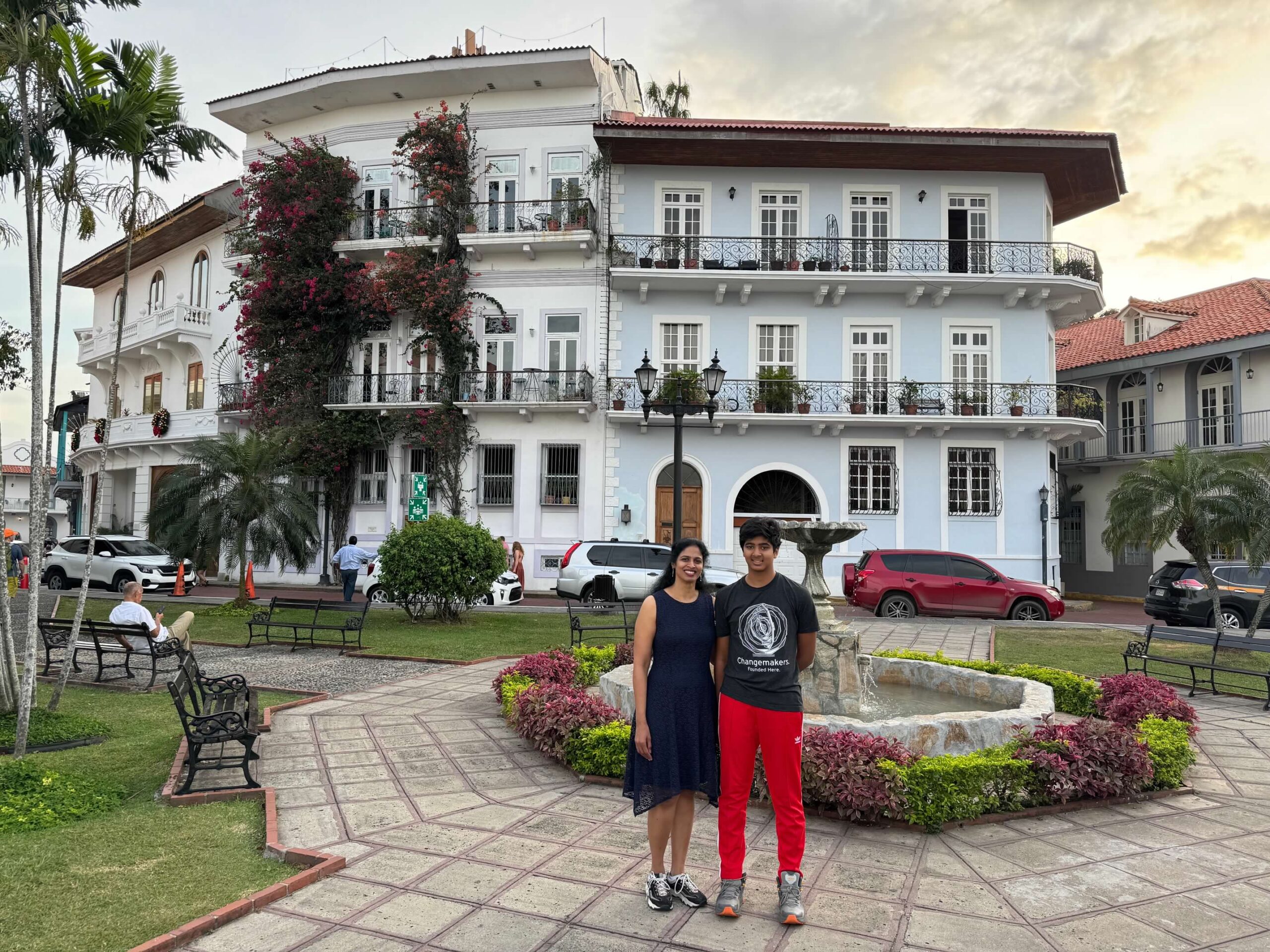
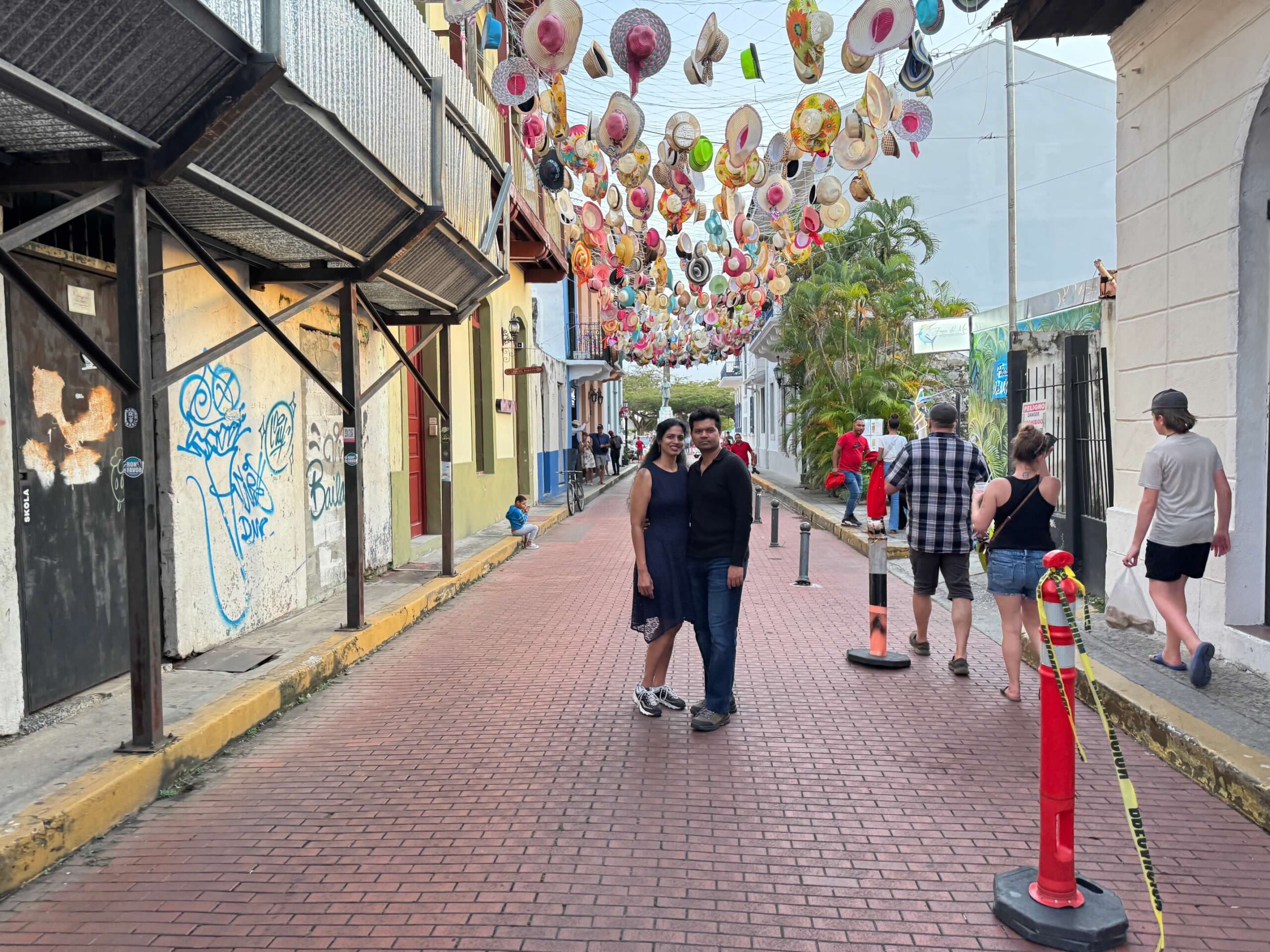
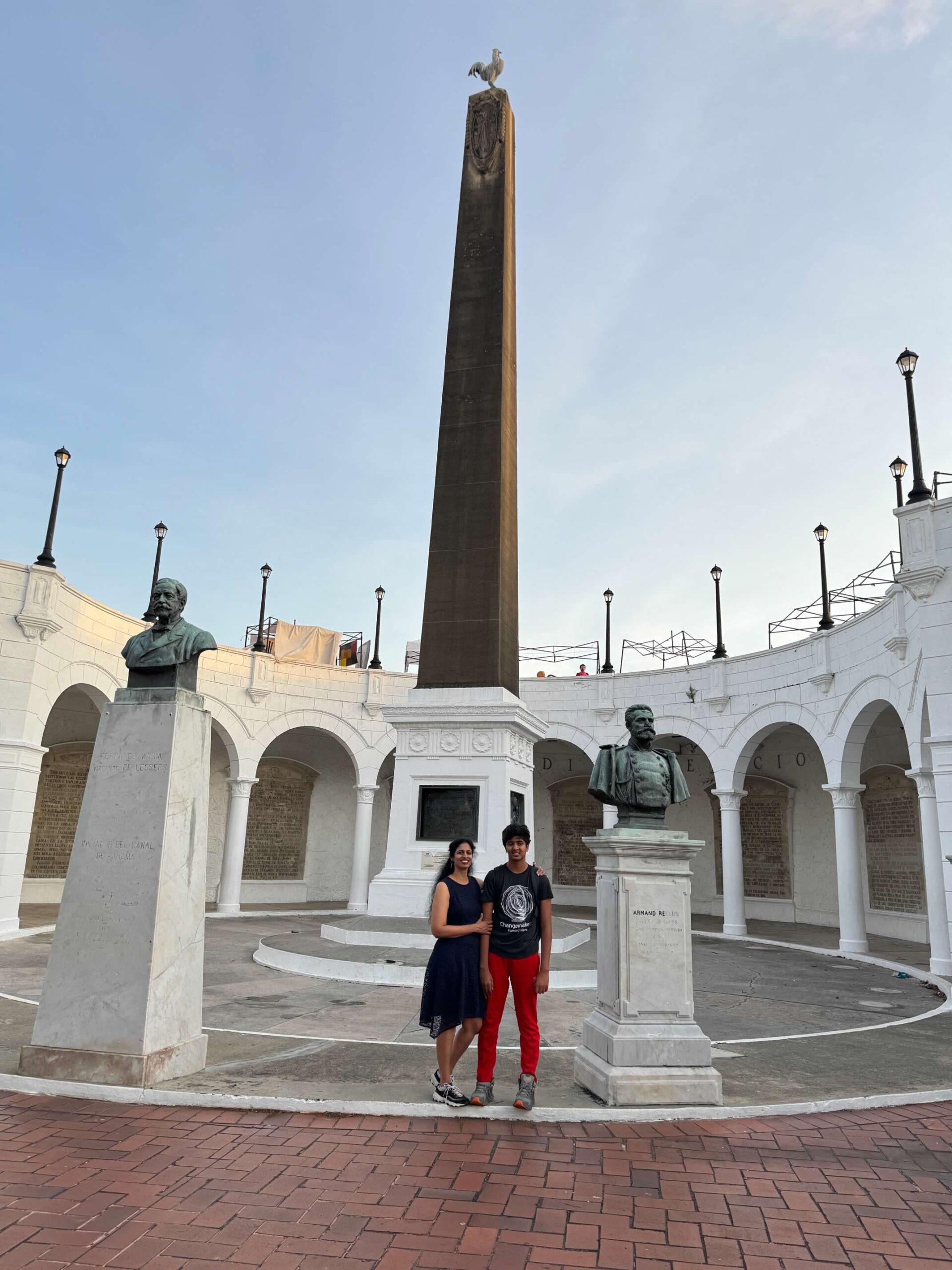
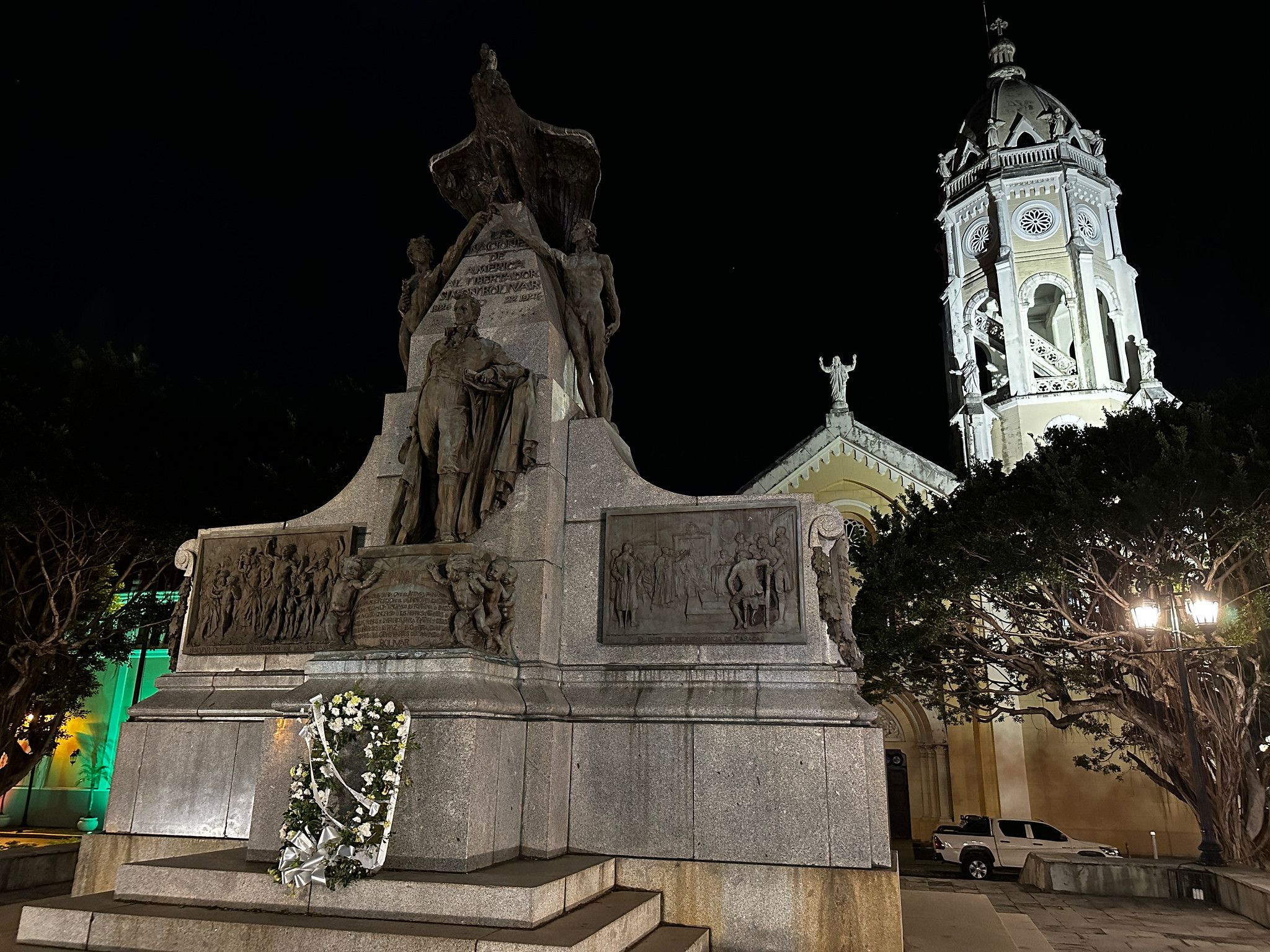
Casco Viejo Evening Walk & Plaza Santa Maria La Antigua
After dinner, we walked through Casco Viejo area and the area was lively and wonderful. Walked by Presidential Palace, different countries Embassies and hotels.
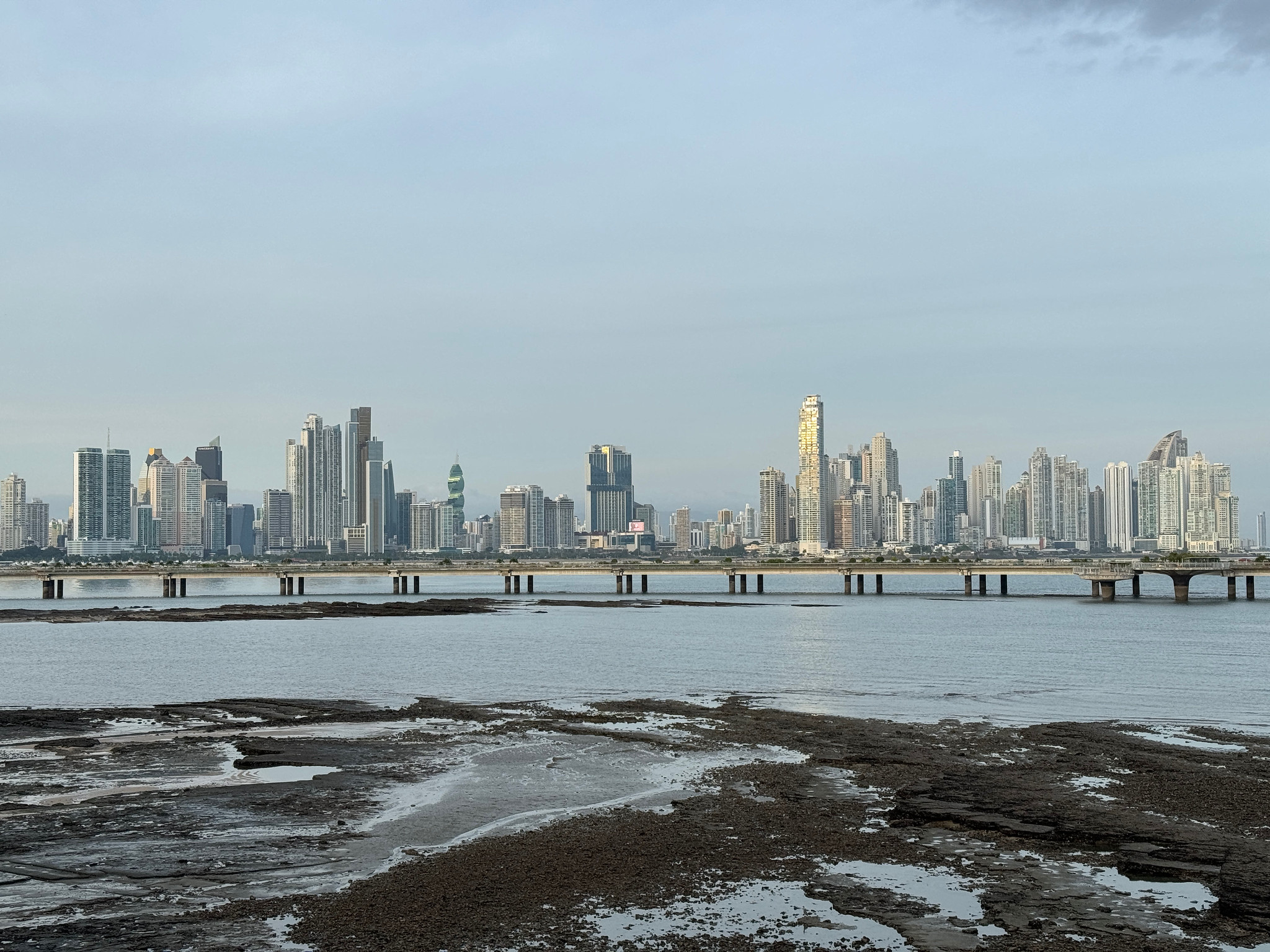
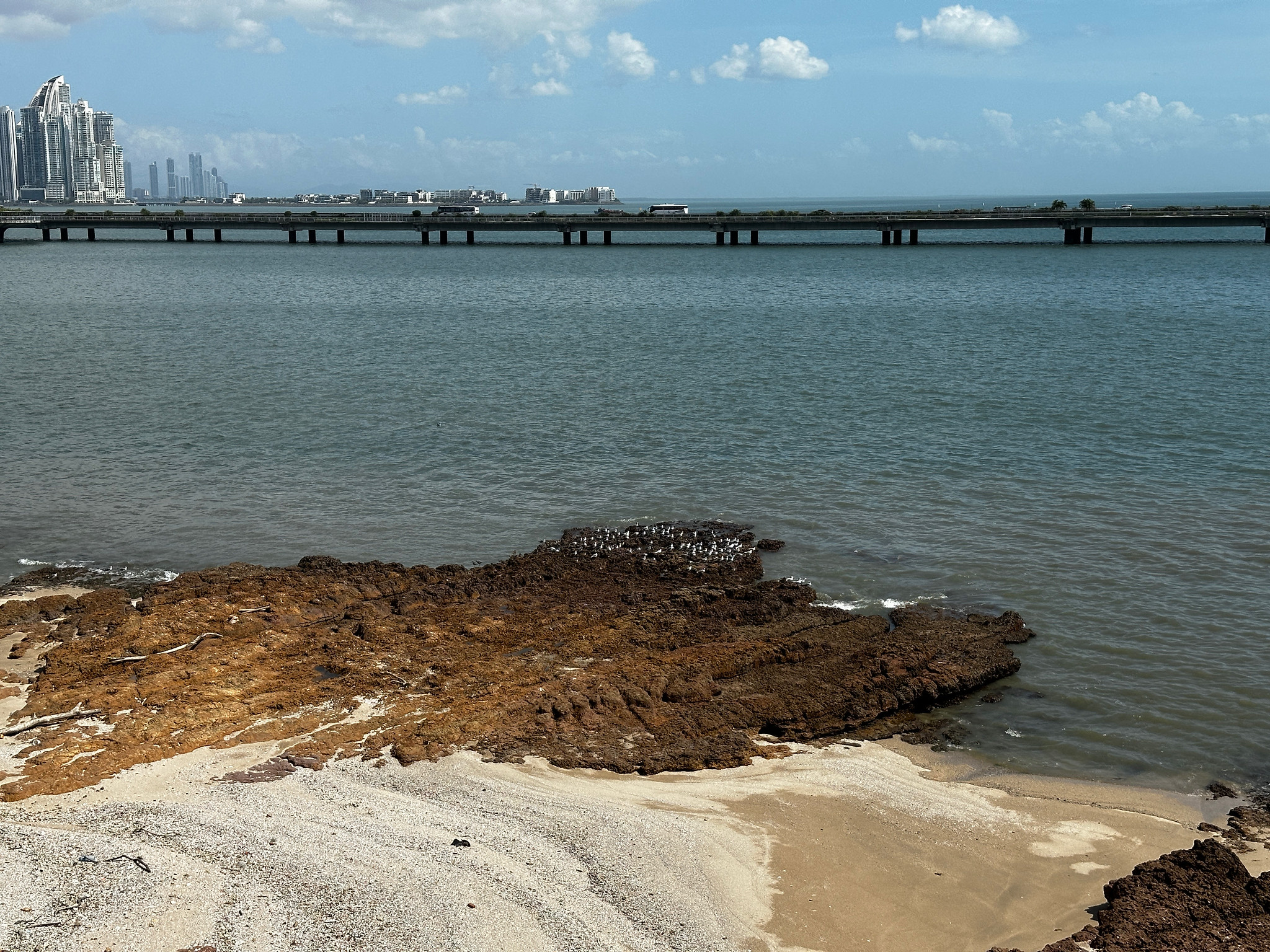
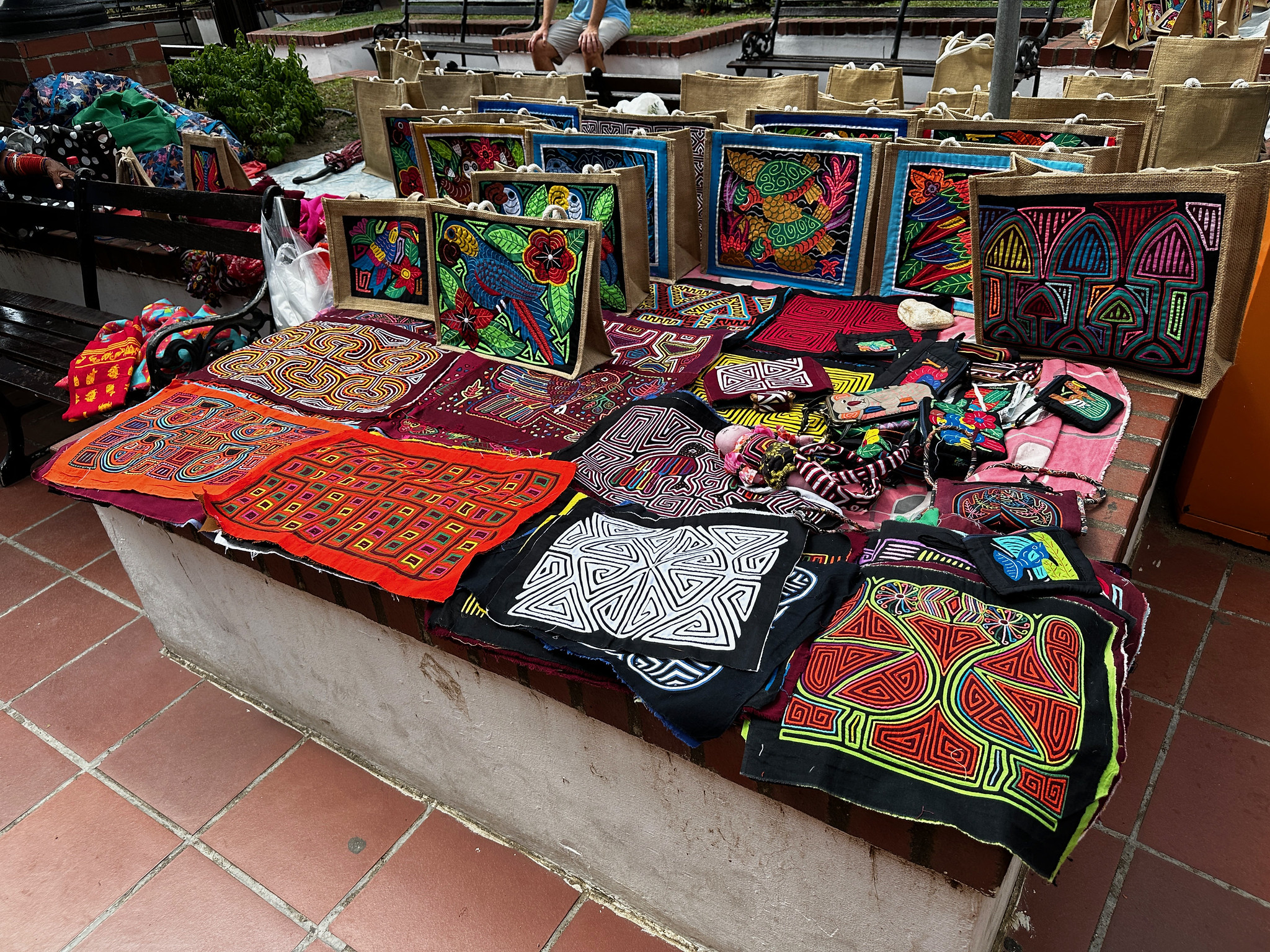
We noticed for the first time that the ocean tide here changes periodically, switching between low and high every 6 hours. At low tide you just have rocks; come back in 6 hours and you find water. One route had many vendors selling along a commercial touristy area.
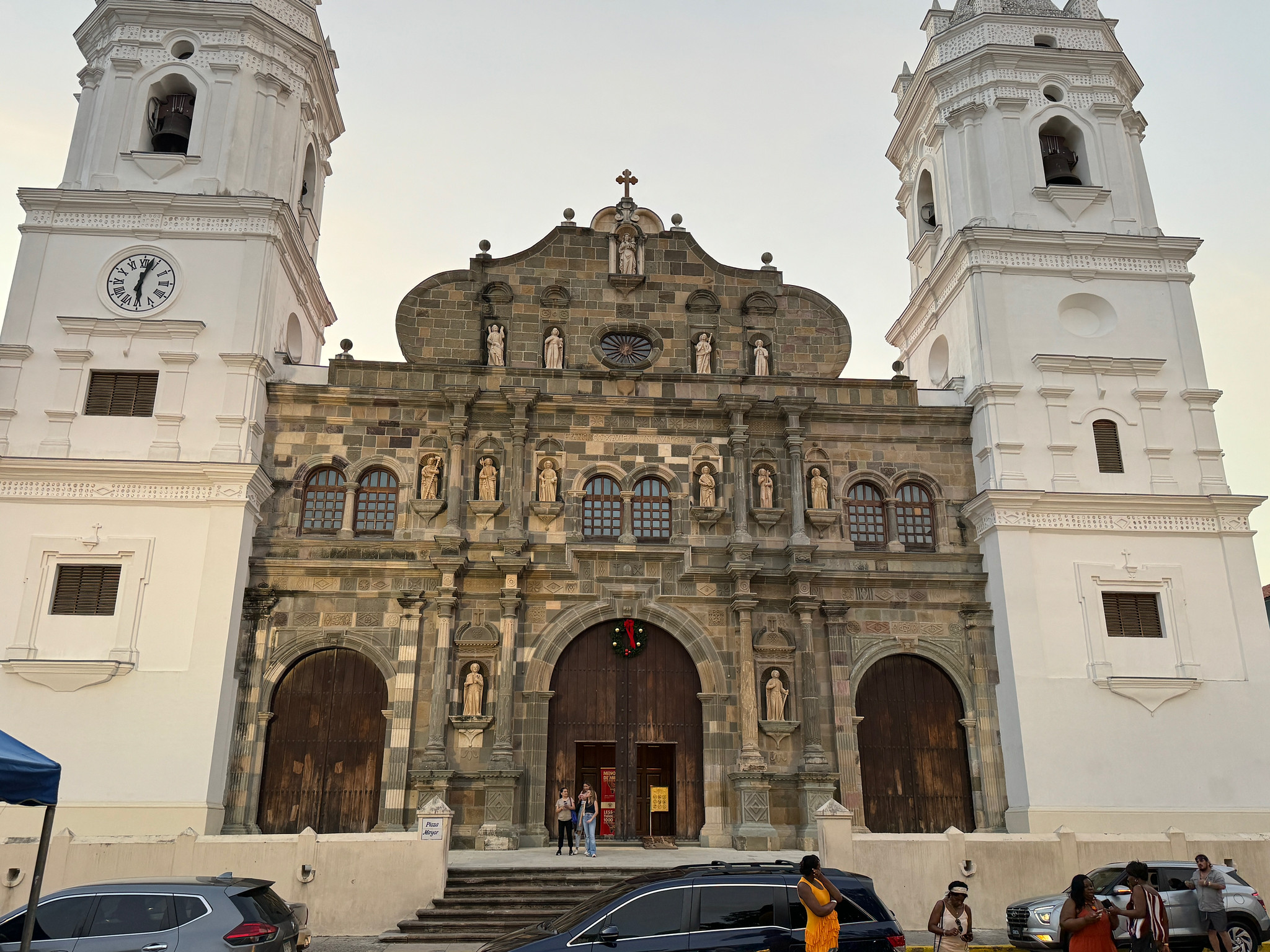
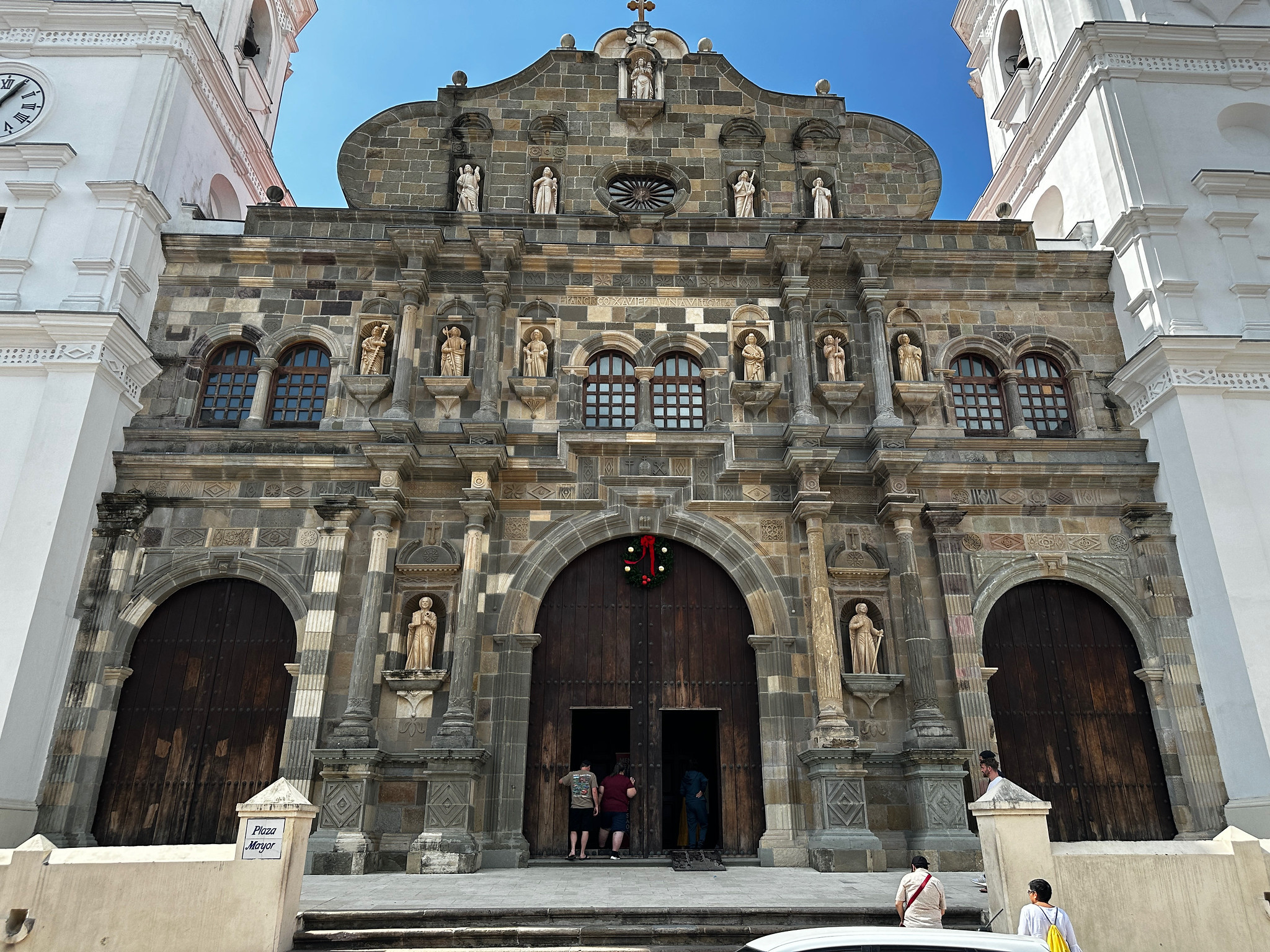
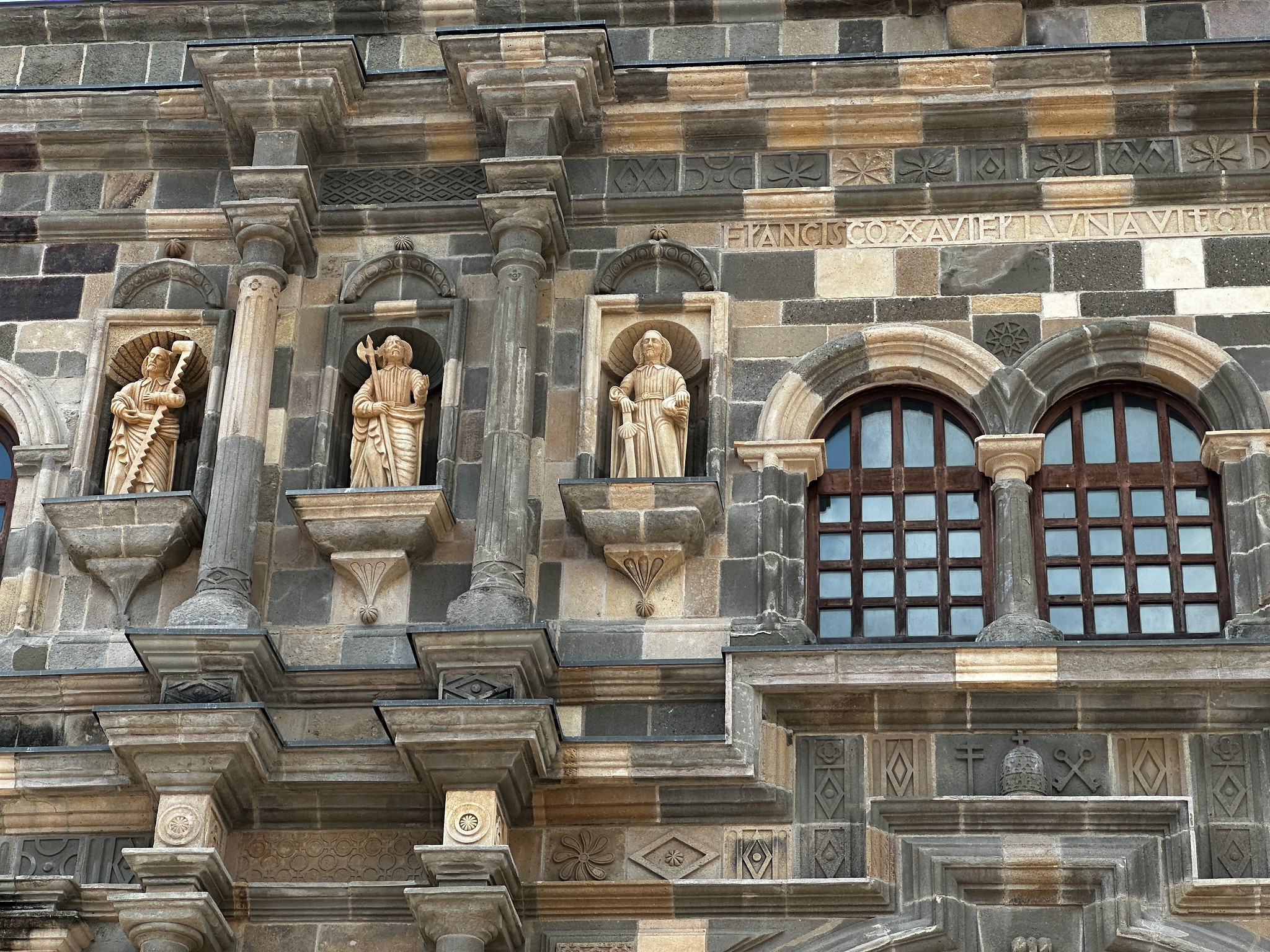
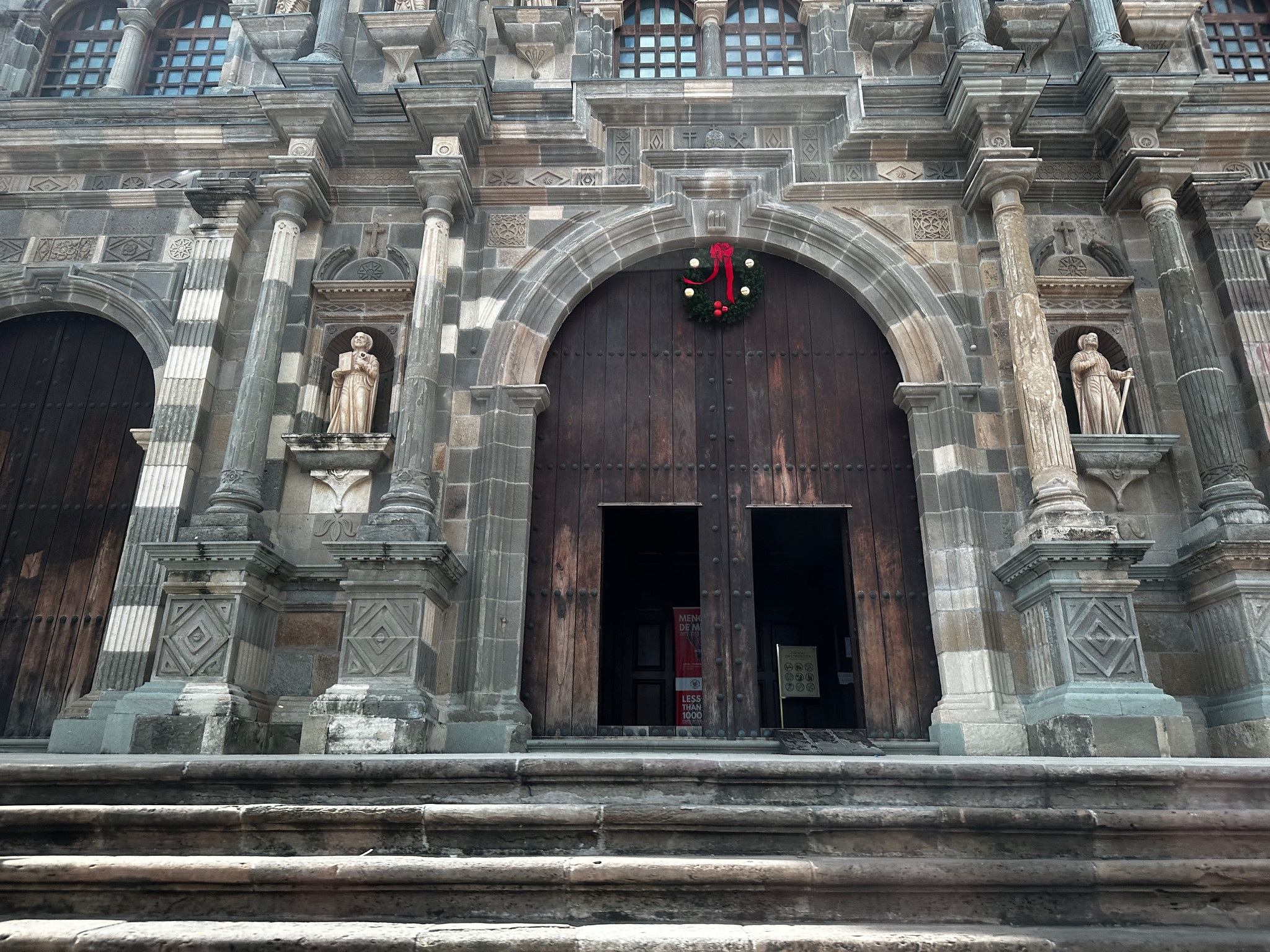
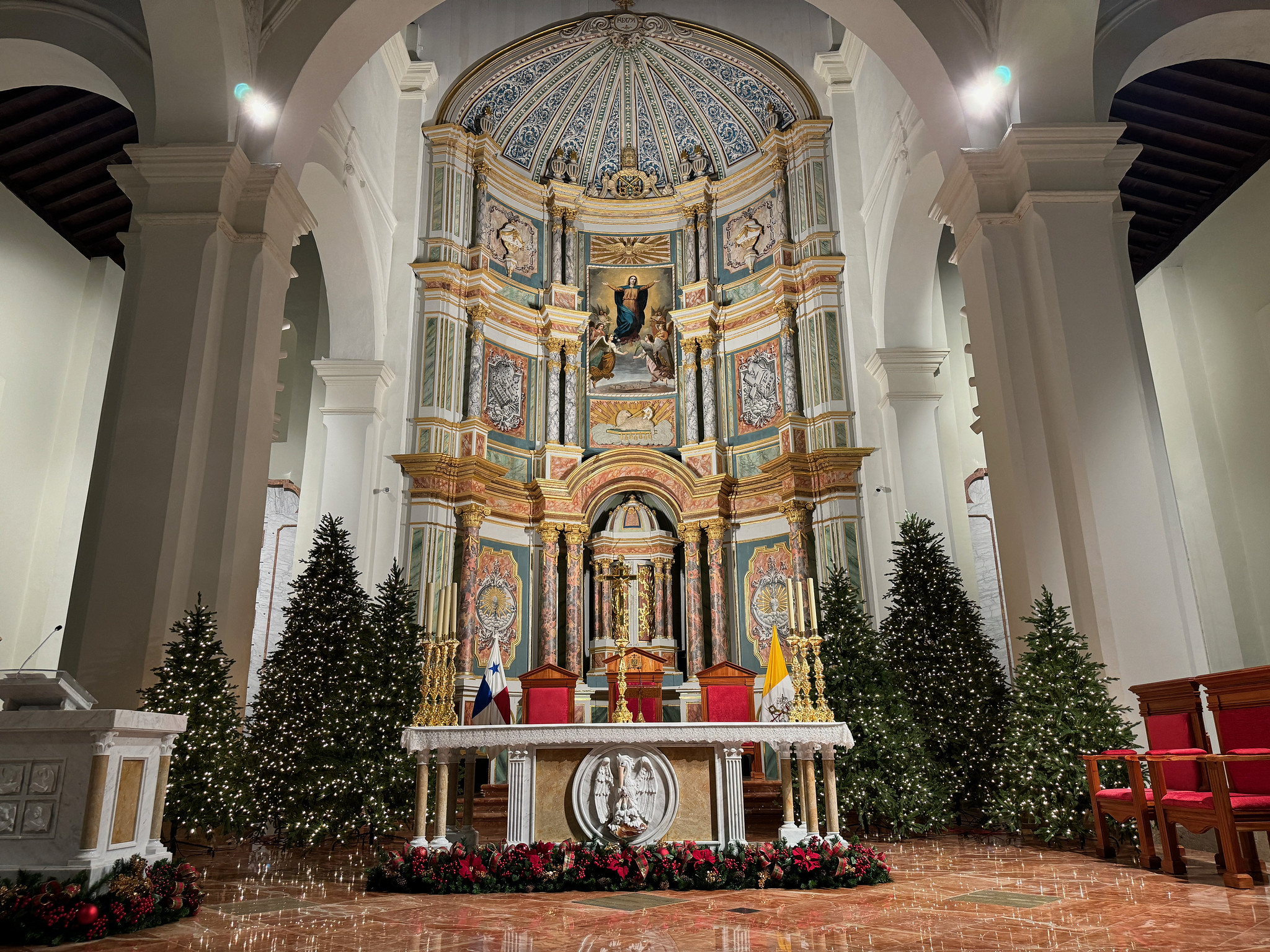
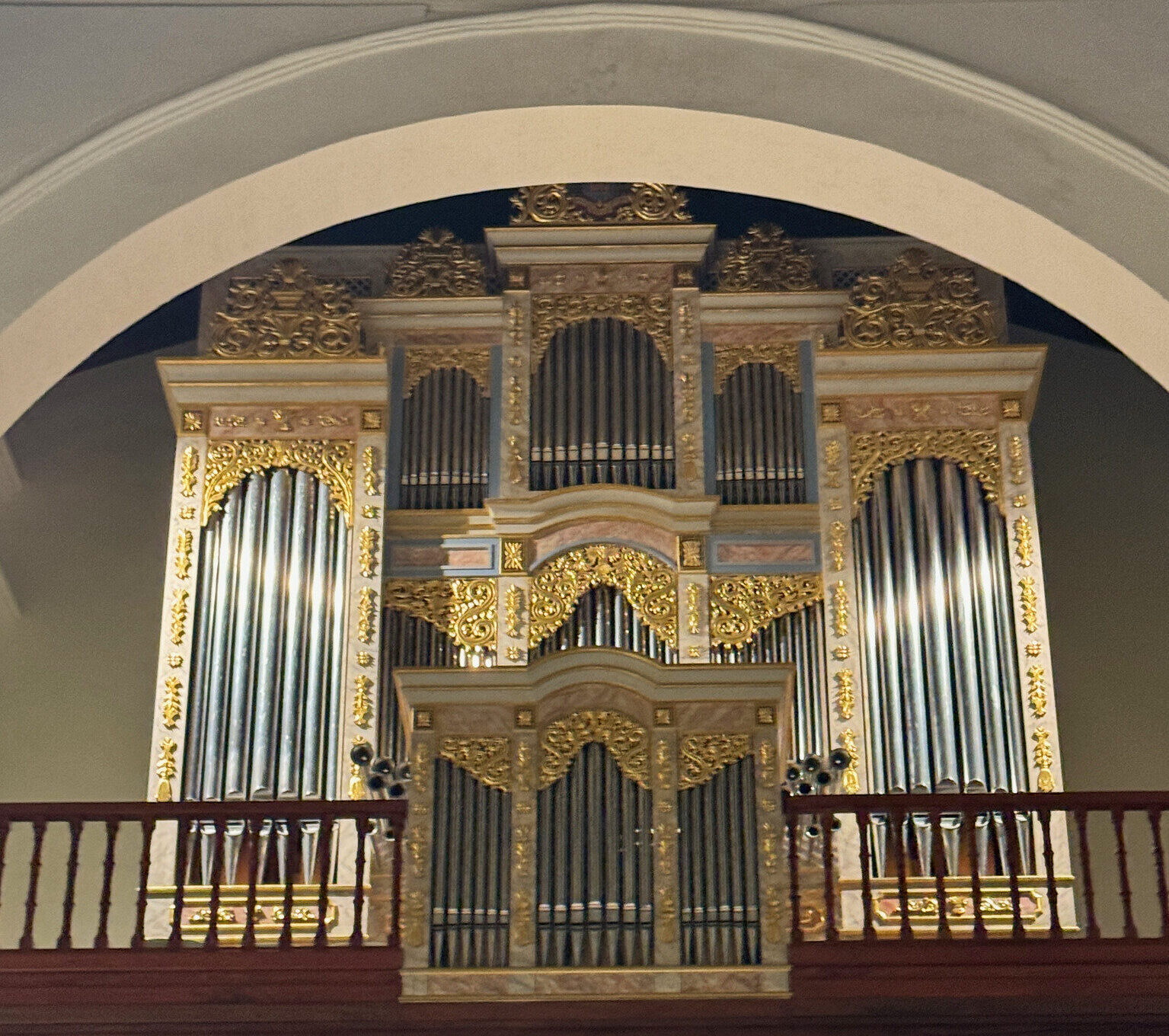
Basilica of Santa María la Antigua
We visited the Cathedral Basilica de Santa Maria La Antigua. One side of the cathedral had a beautiful depiction of Jesus ascending, with a dress and a crucifix, and a grand tabernacle.
Day 2 – Panama Canal
Panama Canal: The Engineering Marvel That Changed Global Trade
The Panama Canal is one of the world’s greatest engineering achievements, connecting the Atlantic Ocean and the Pacific Ocean through the narrow Isthmus of Panama. By allowing ships to avoid the long and dangerous journey around the southern tip of South America, the canal has significantly reduced travel time and transportation costs, making it a cornerstone of international trade.
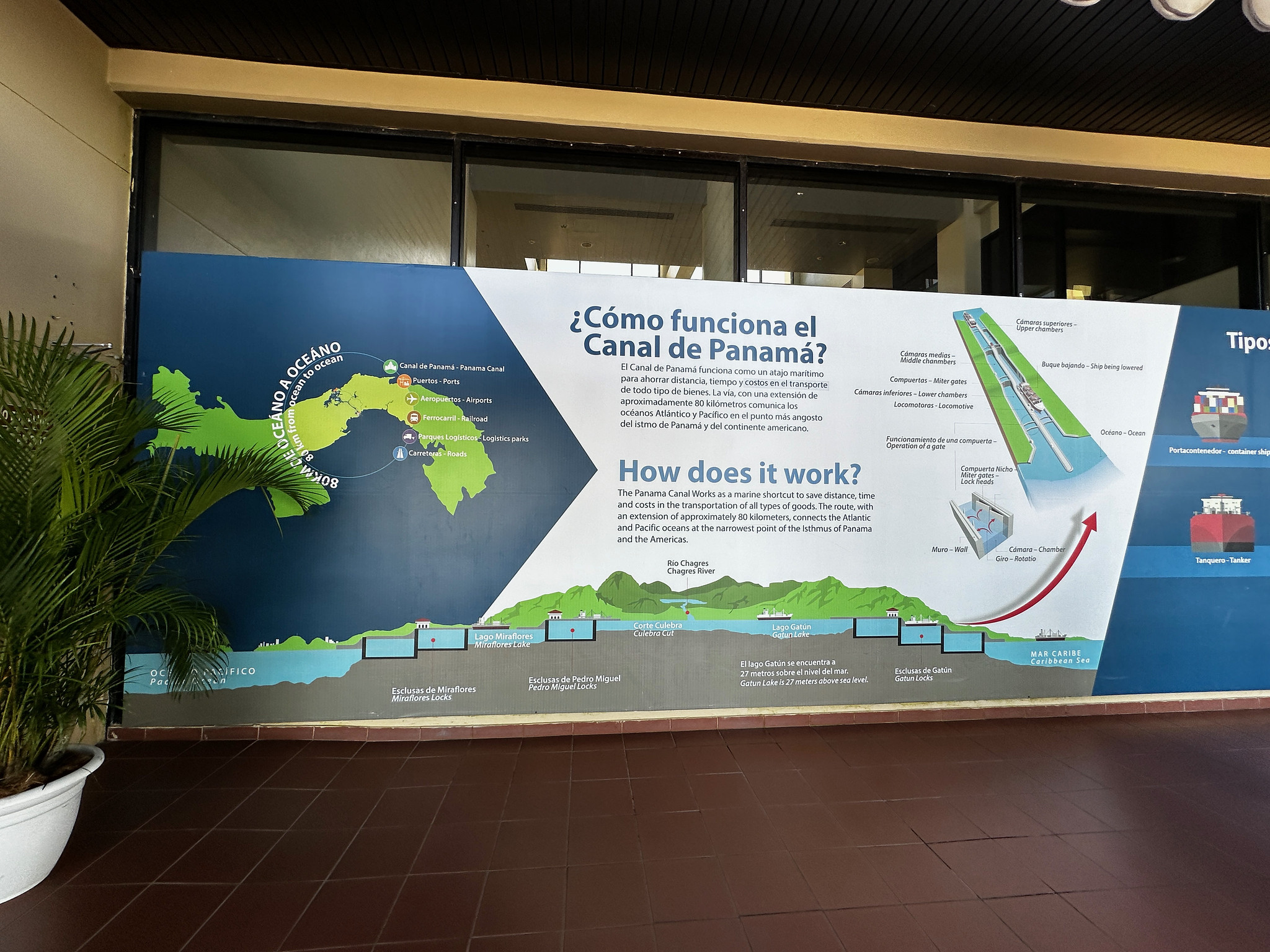
It’s an is an 82-kilometer (51-mile) artificial waterway located in the country of Panama. It serves as a shortcut for ships traveling between the Atlantic and Pacific Oceans.
Before the canal existed, ships had to sail approximately 13,000 kilometers (8,000 miles) around Cape Horn, a route known for harsh weather and dangerous seas.
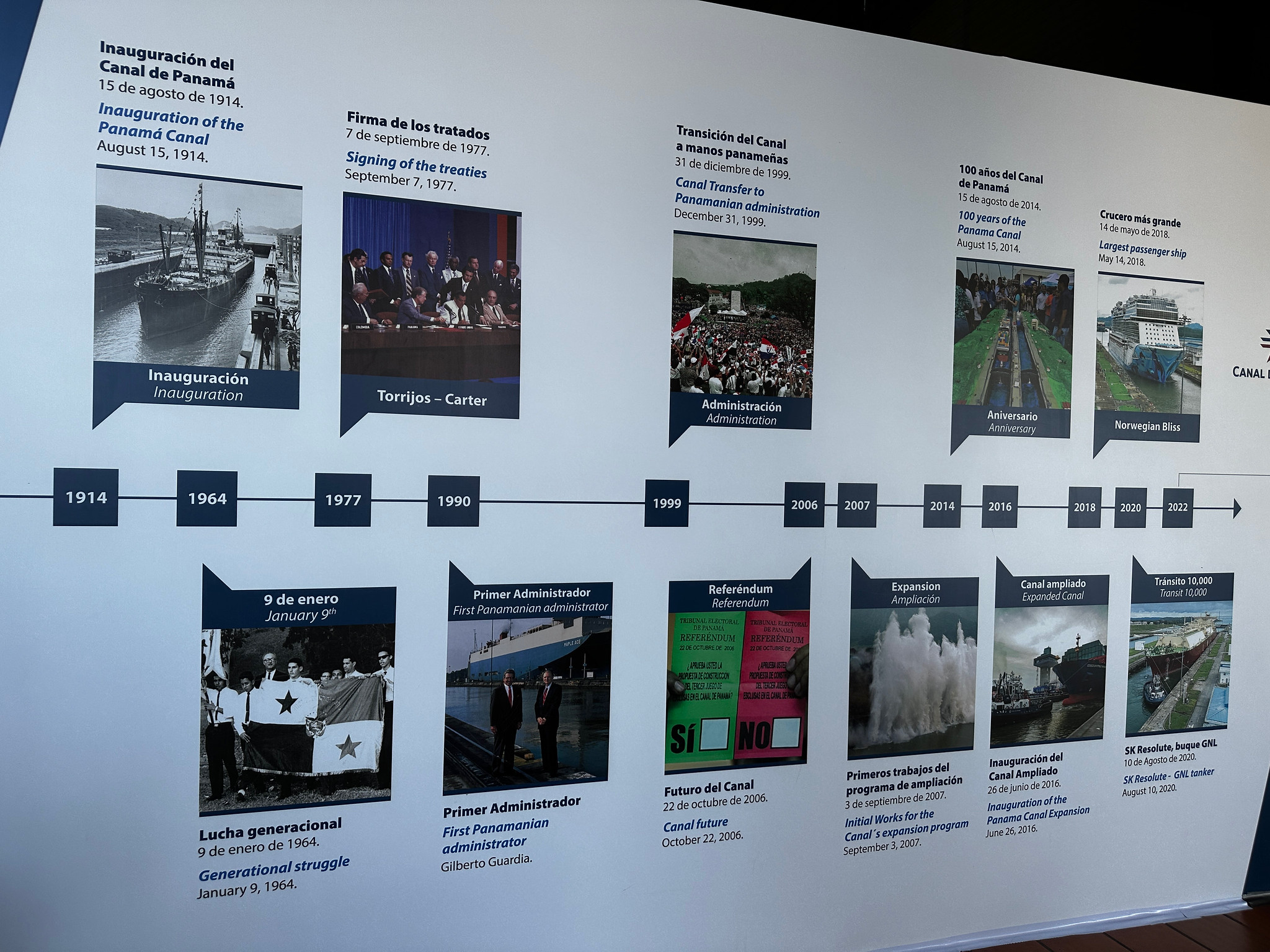
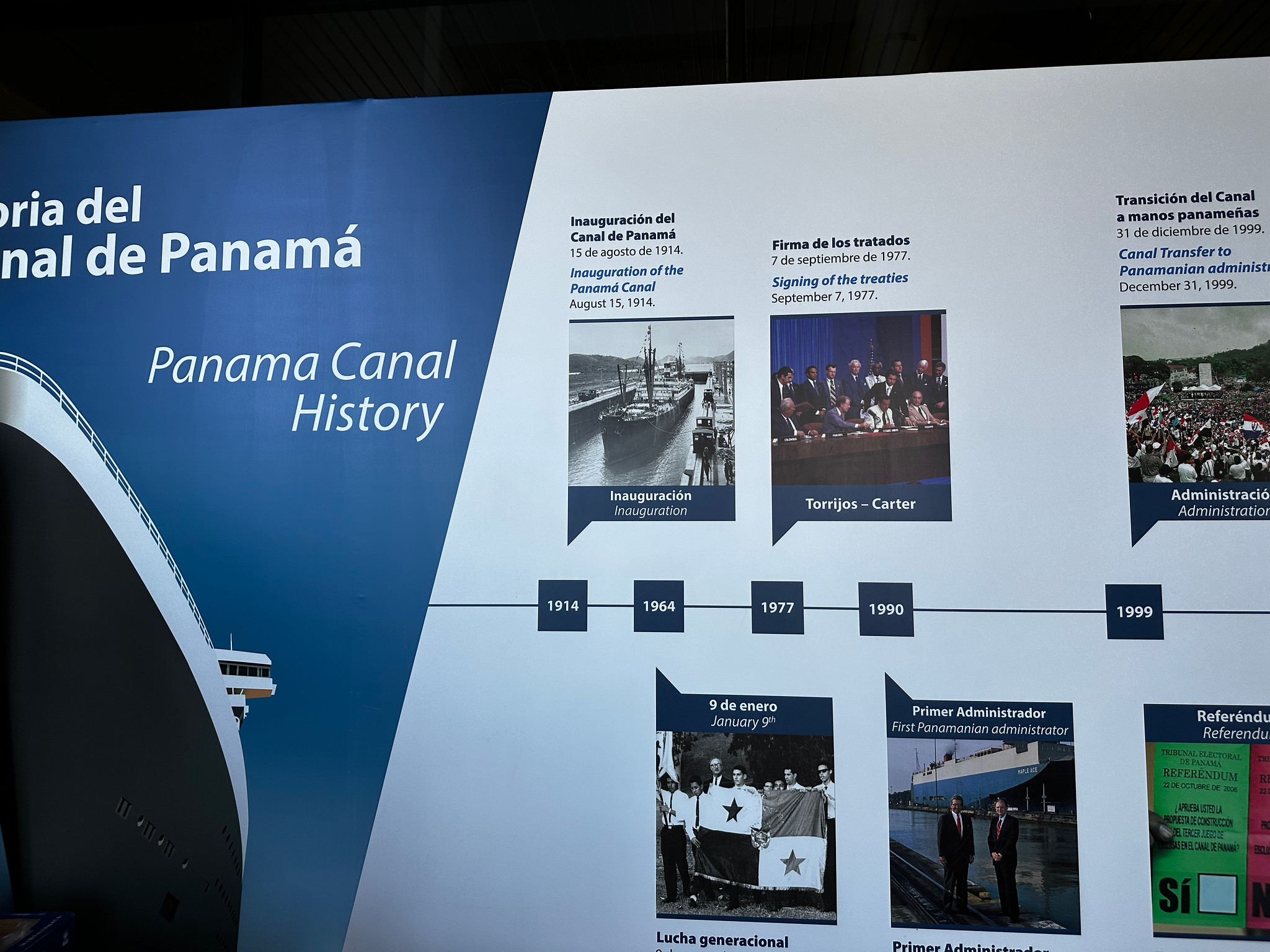
The idea of building the canal was started in 16th century, French attempted and failed in 18th century and Americans attempted and completed in 1914.
This project ran from 1904 to 1914, 10 years.
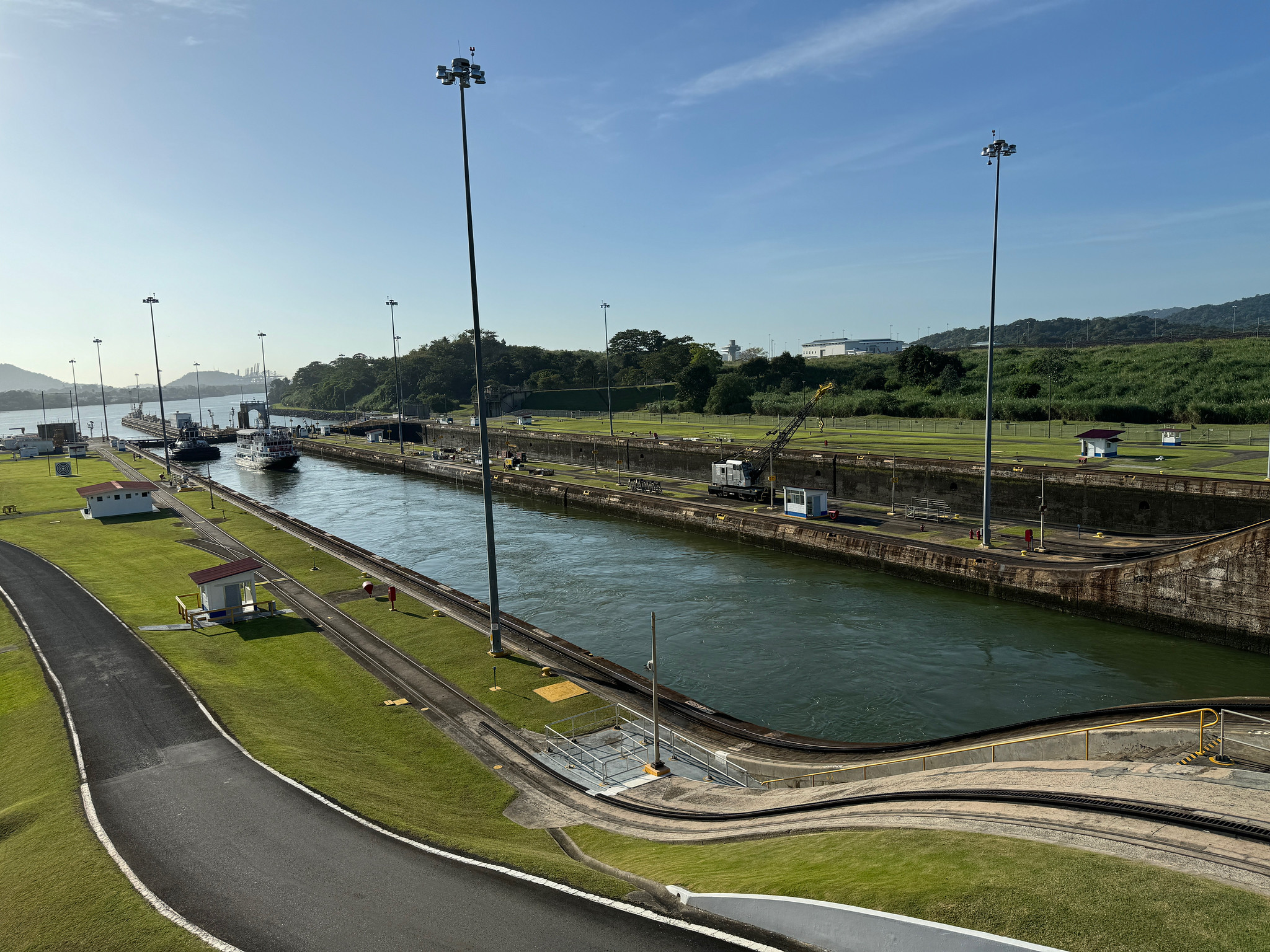
Panama canal uses Lock System as the Land in Panama is higher than sea level.
Step-by-Step Process
- A ship enters the first lock.
- Water raises the ship about 26 meters (85 feet) above sea level.
- The ship crosses Gatun Lake.
- Another series of locks lowers the ship back to sea level on the opposite side.
This process usually takes 8 to 10 hours for a complete transit.
In 2016 canal underwent a major expansion as the Third set of locks are added to allow much bigger ships.
Length: 82 km (51 miles)
Opening date: August 15, 1914
Transit time: 8–10 hours
Maximum elevation: 26 meters (85 feet) above sea level
Uses freshwater from Gatun Lake to operate its locks.
The canal is managed by the Panama Canal Authority.
We hired a guide for a half-day Canal tour.
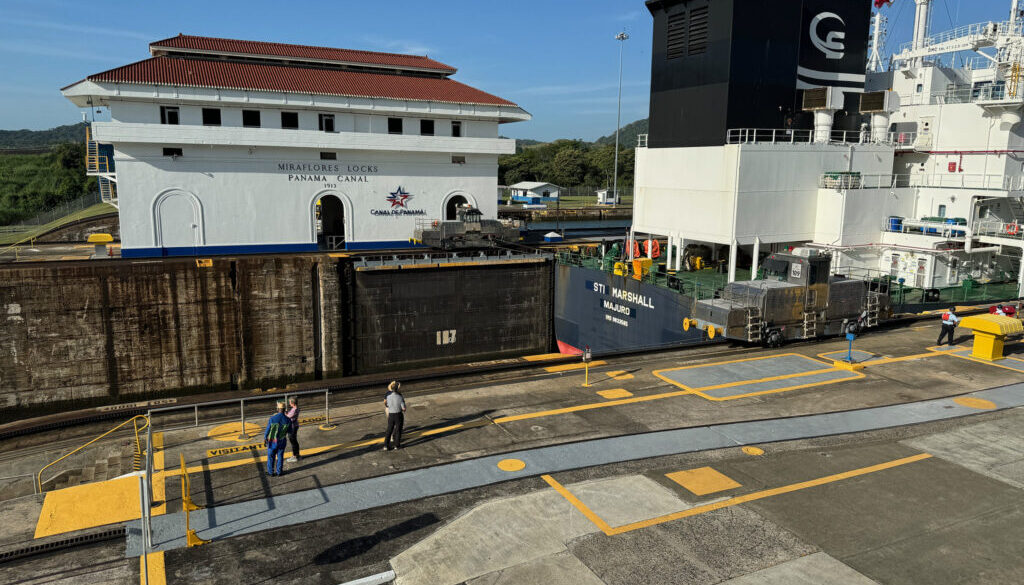
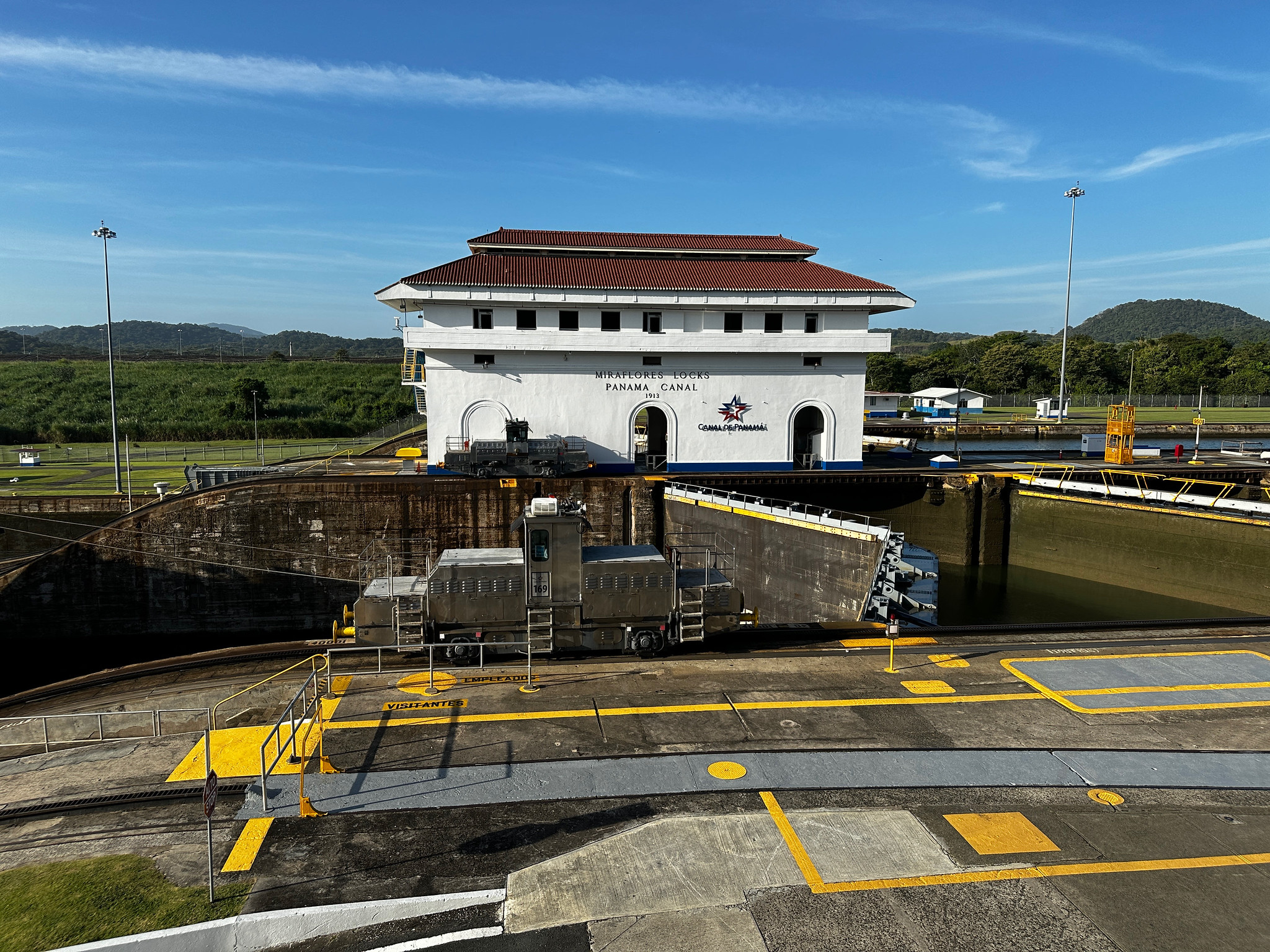
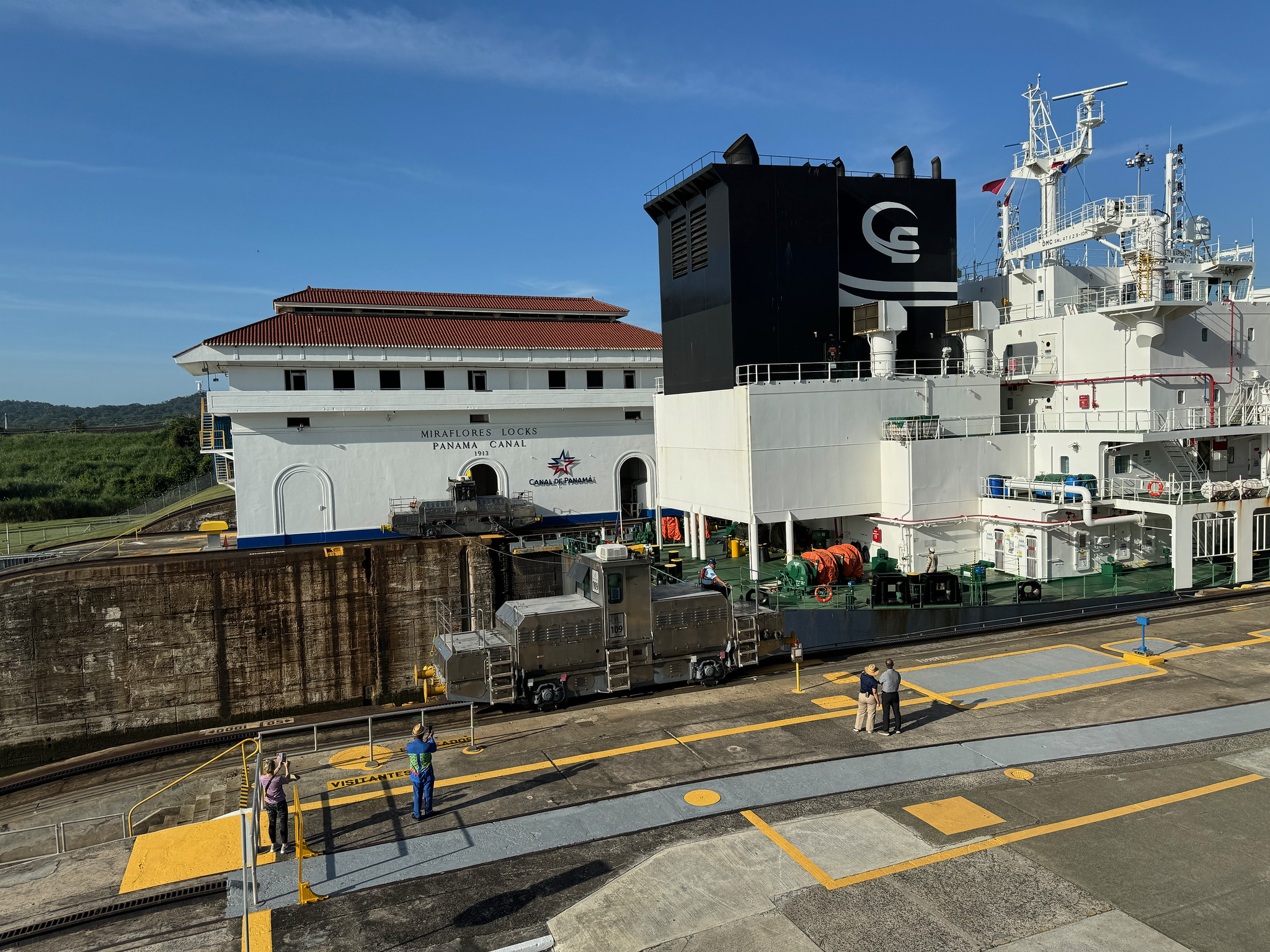
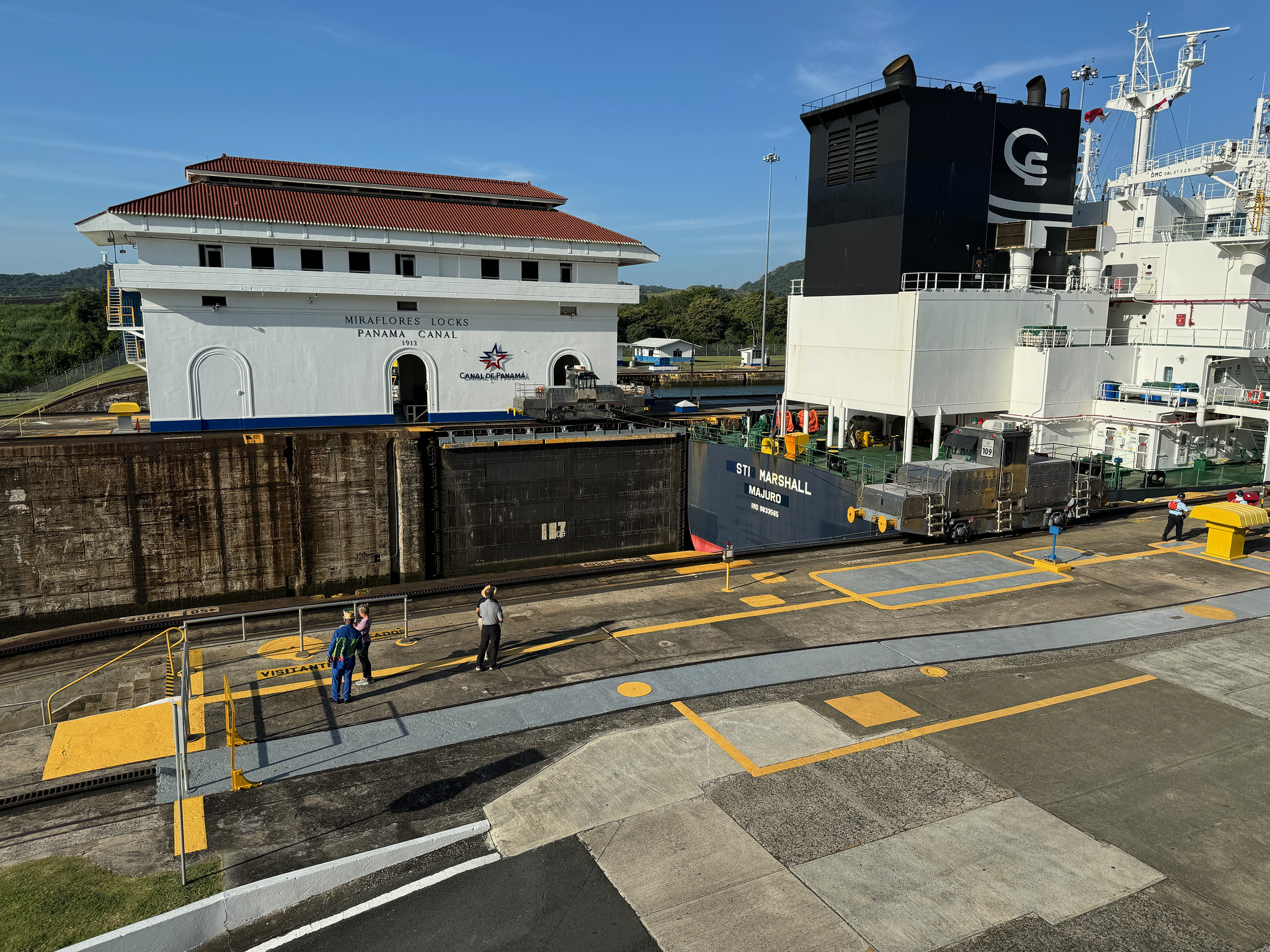
The tour started with a short film narrated in the style of Morgan Freeman, telling the story of the Canal, from the early struggles to get it built, through to the massive commercial operation it is today. The Canal generates enormous revenue for Panama: ships pay between $100K–$250K to pass through, and an oil tanker alone is worth $4 million. Halliburton was one of the early contractors. Cruise ships must book their slots up to a year in advance to ensure their spot.
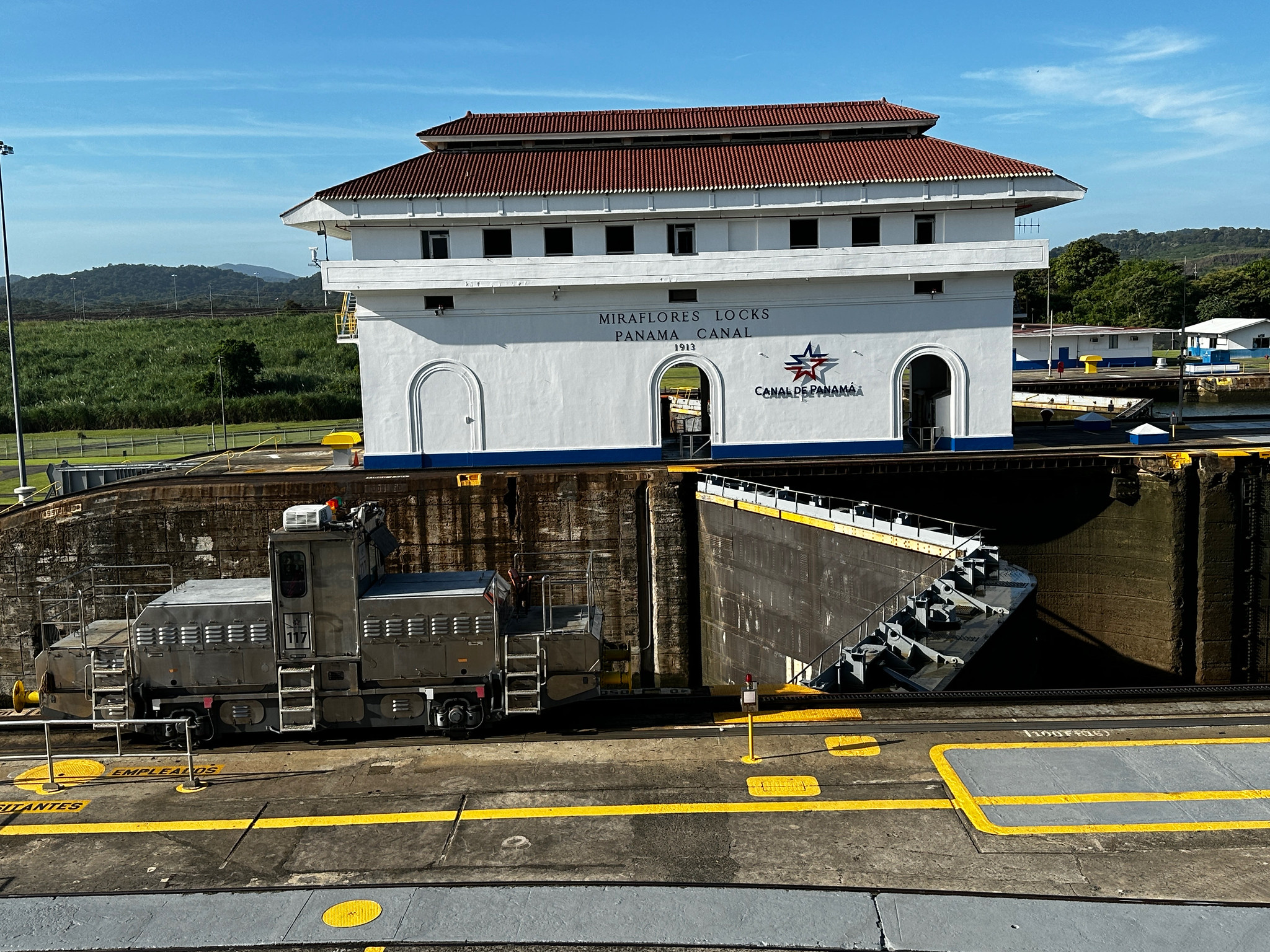
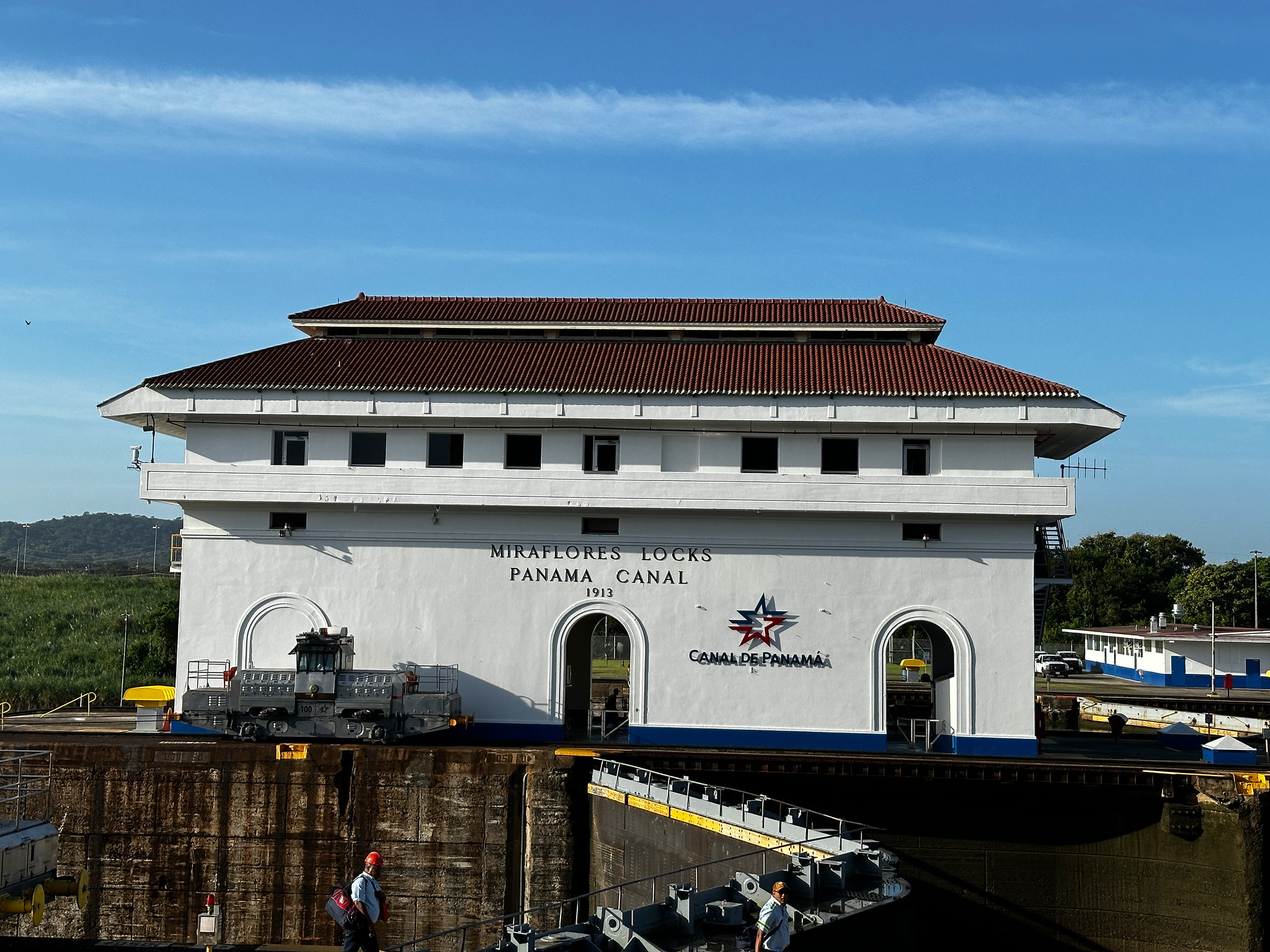
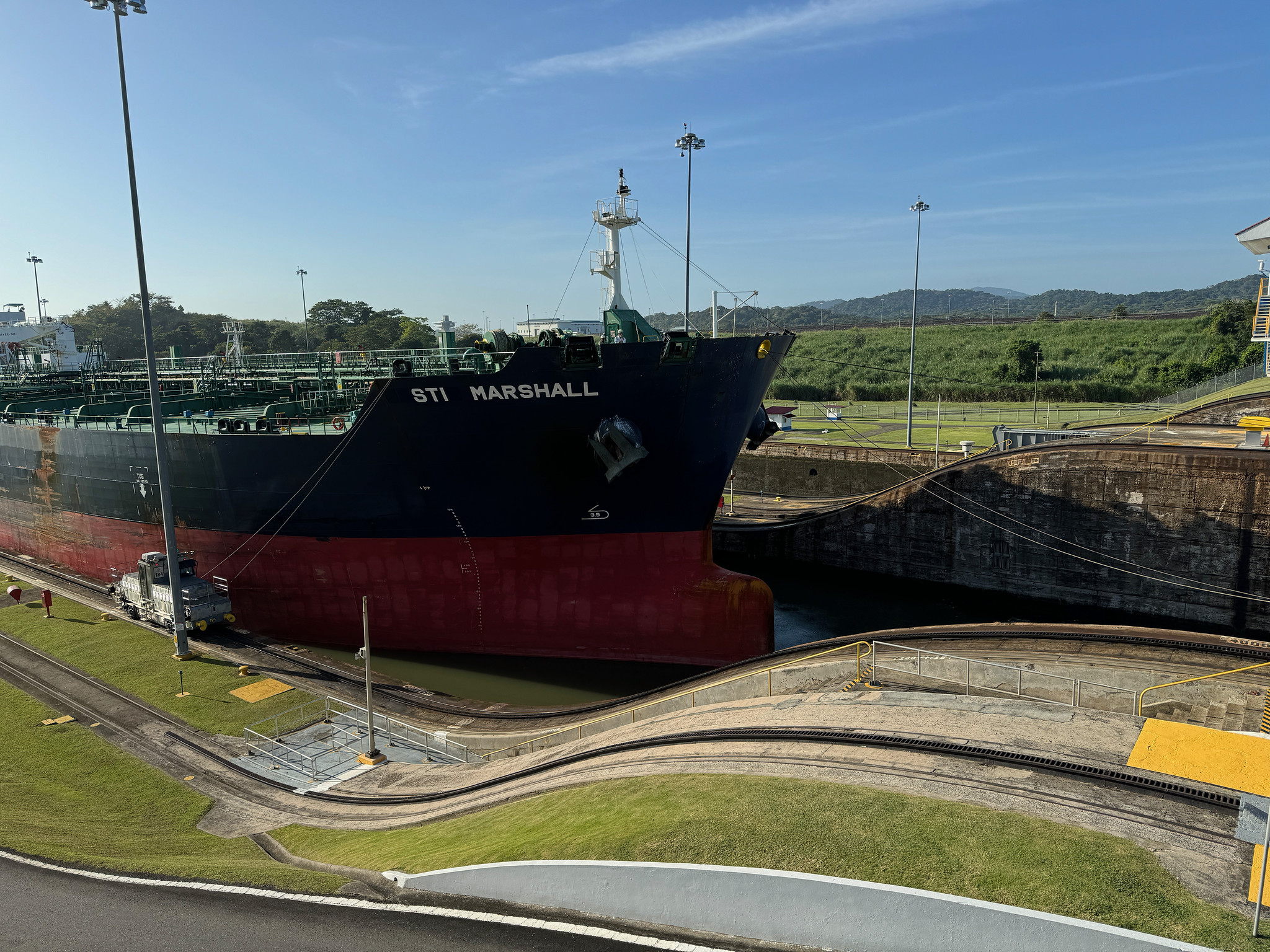
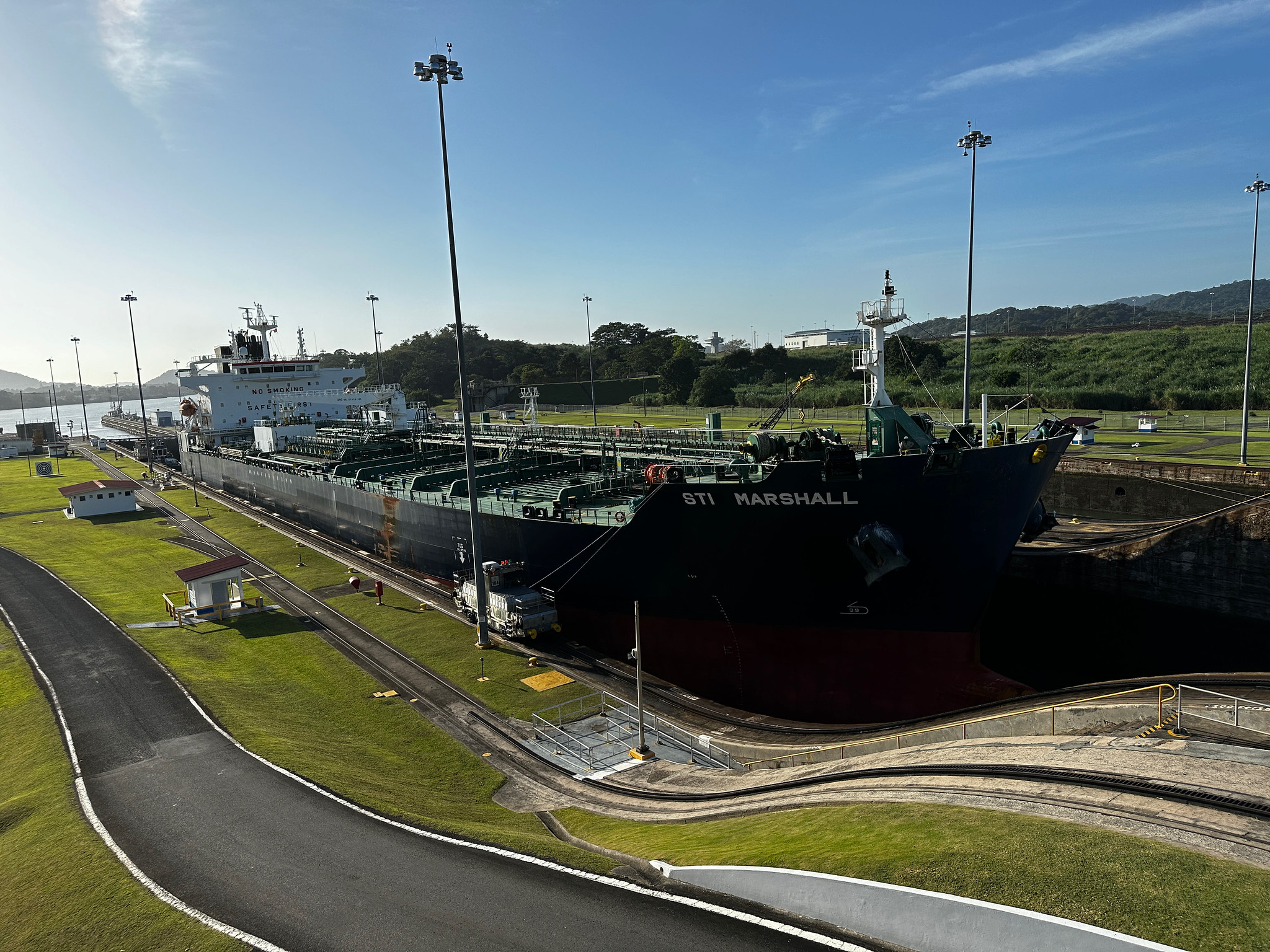
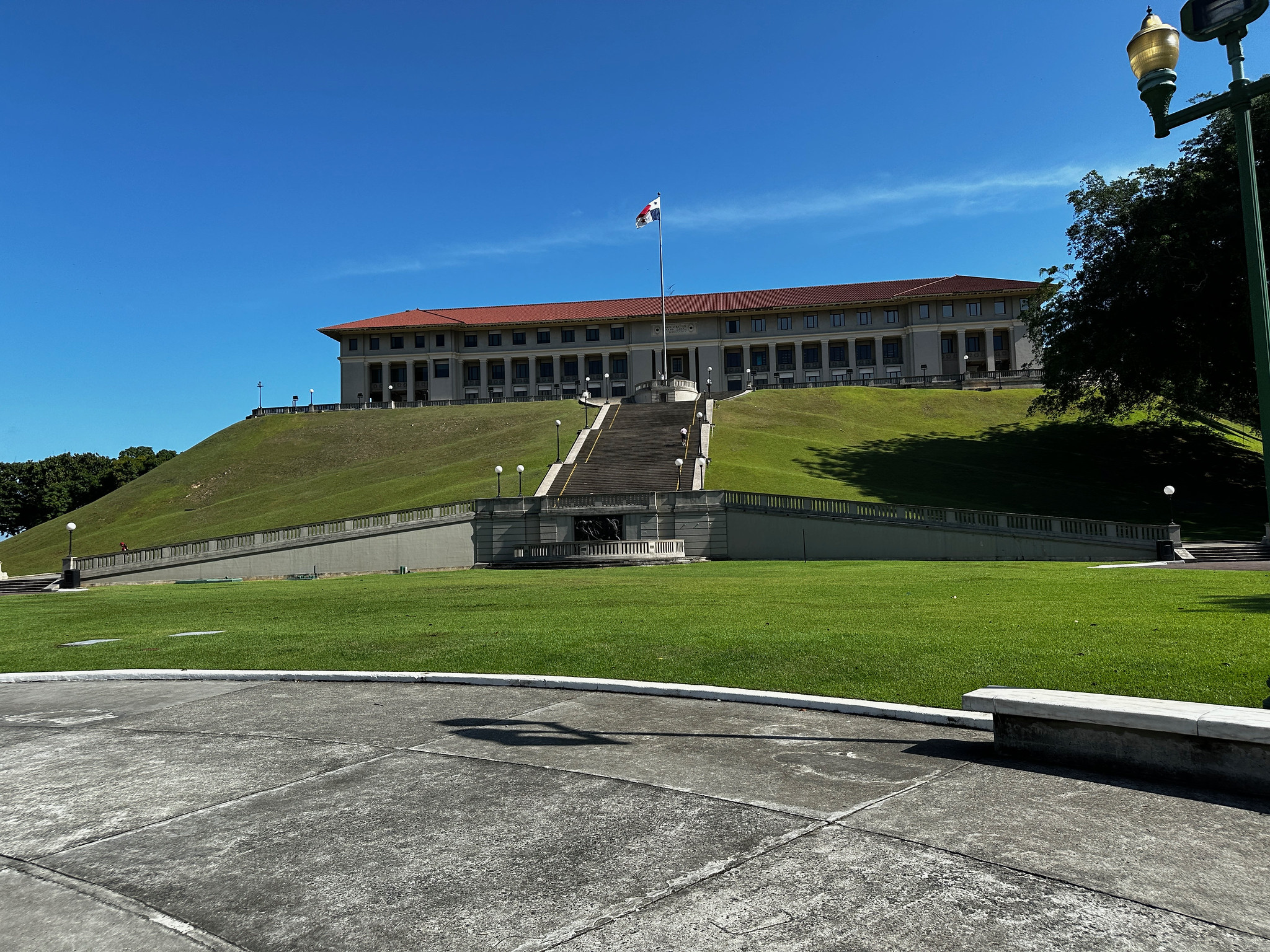
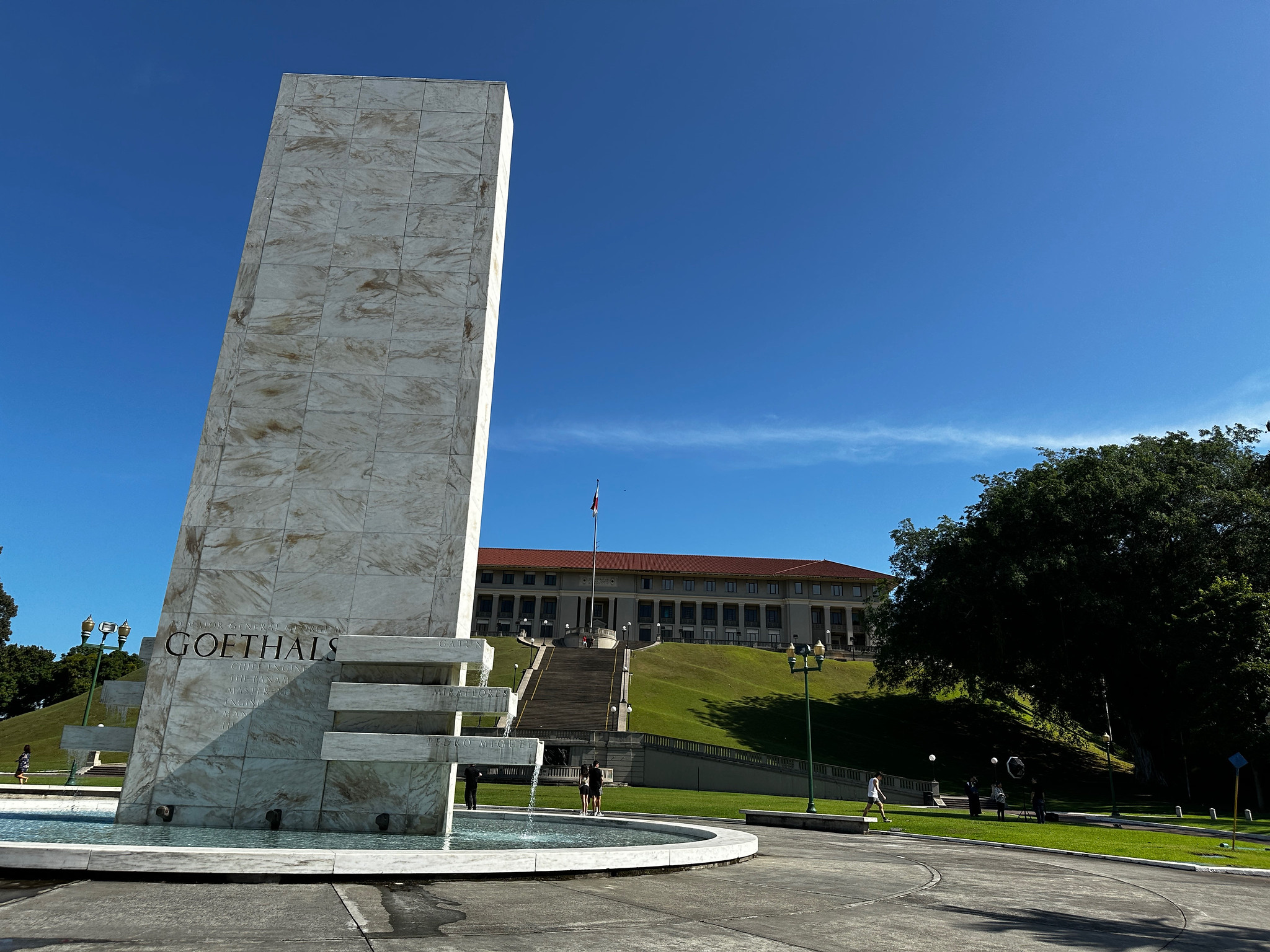
We stood right next to the locks and watched ships pass through, including massive tankers. It is hard to believe the scale until you are standing there. We also visited the Goethals Monument, honoring the engineer who completed the Canal.
City Tour, Amador Causeway & Bio Museum
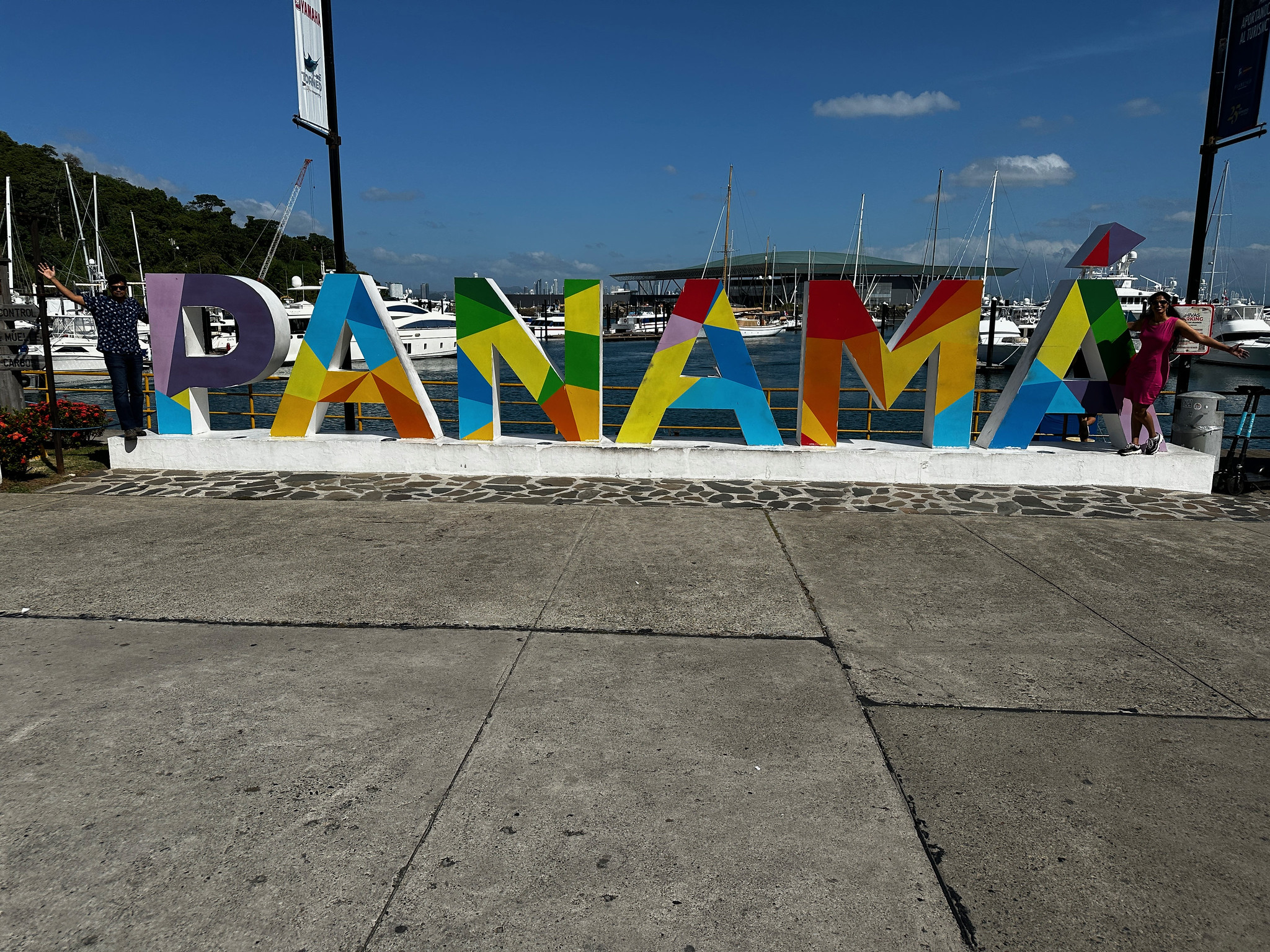
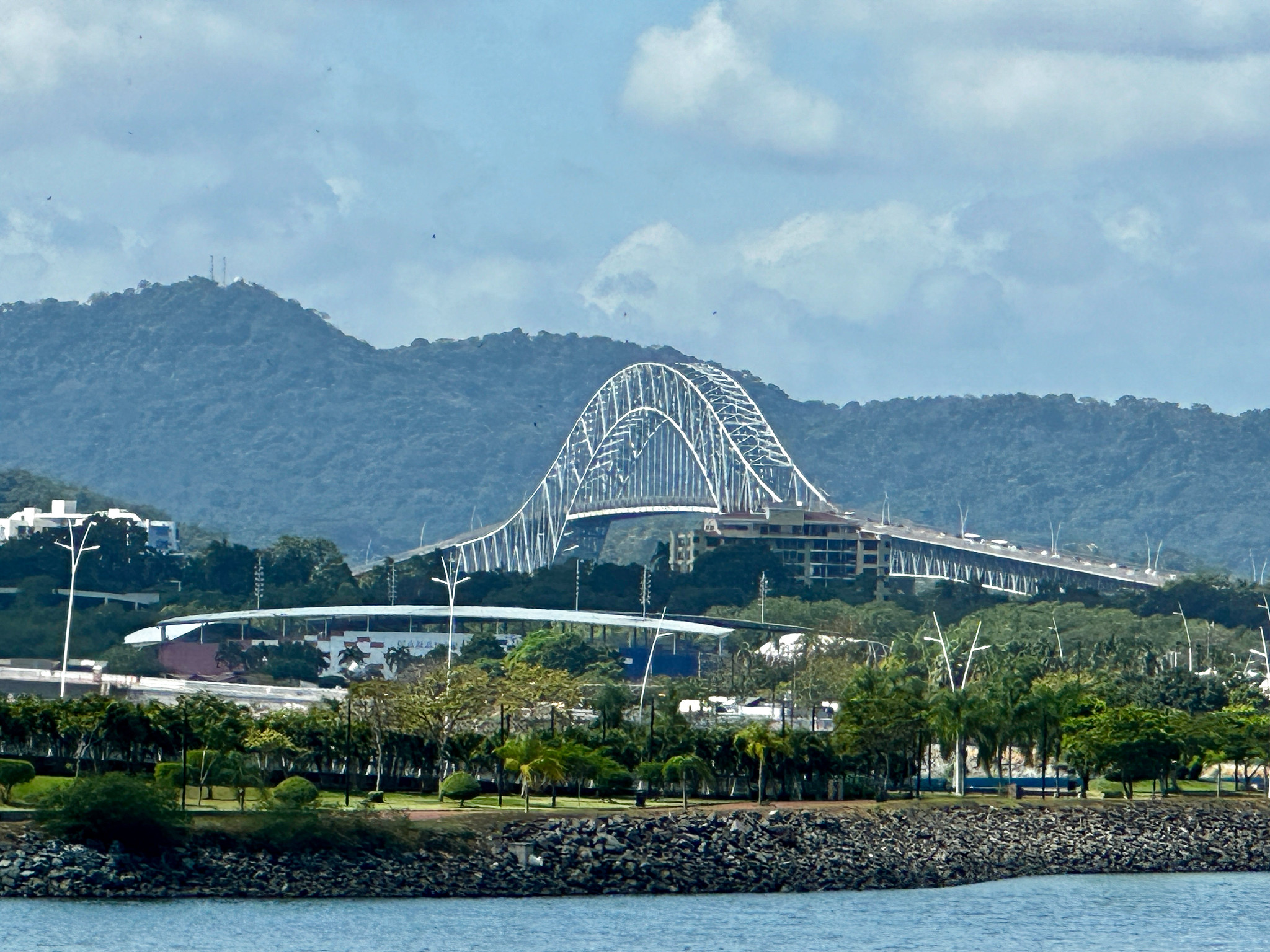
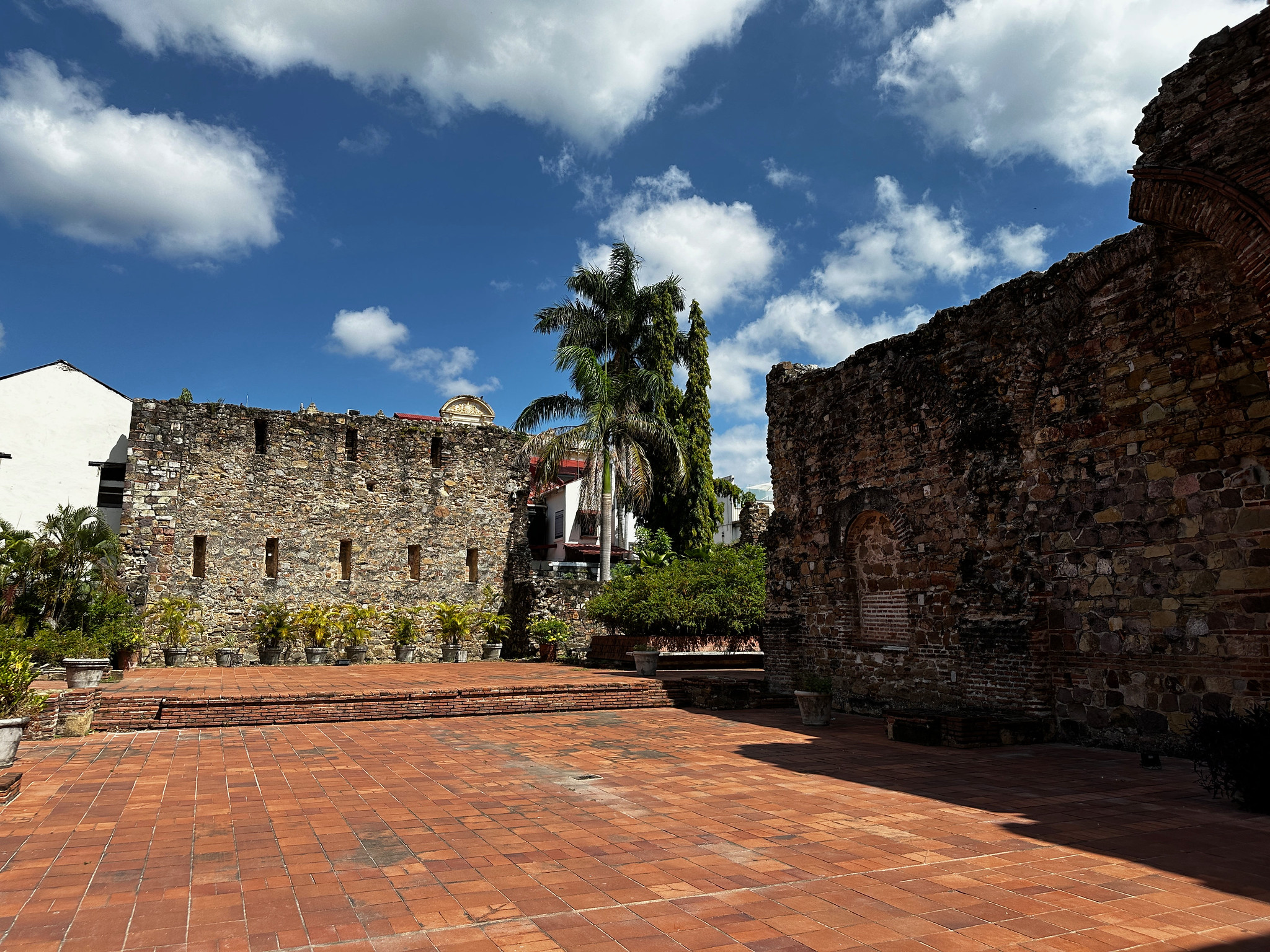
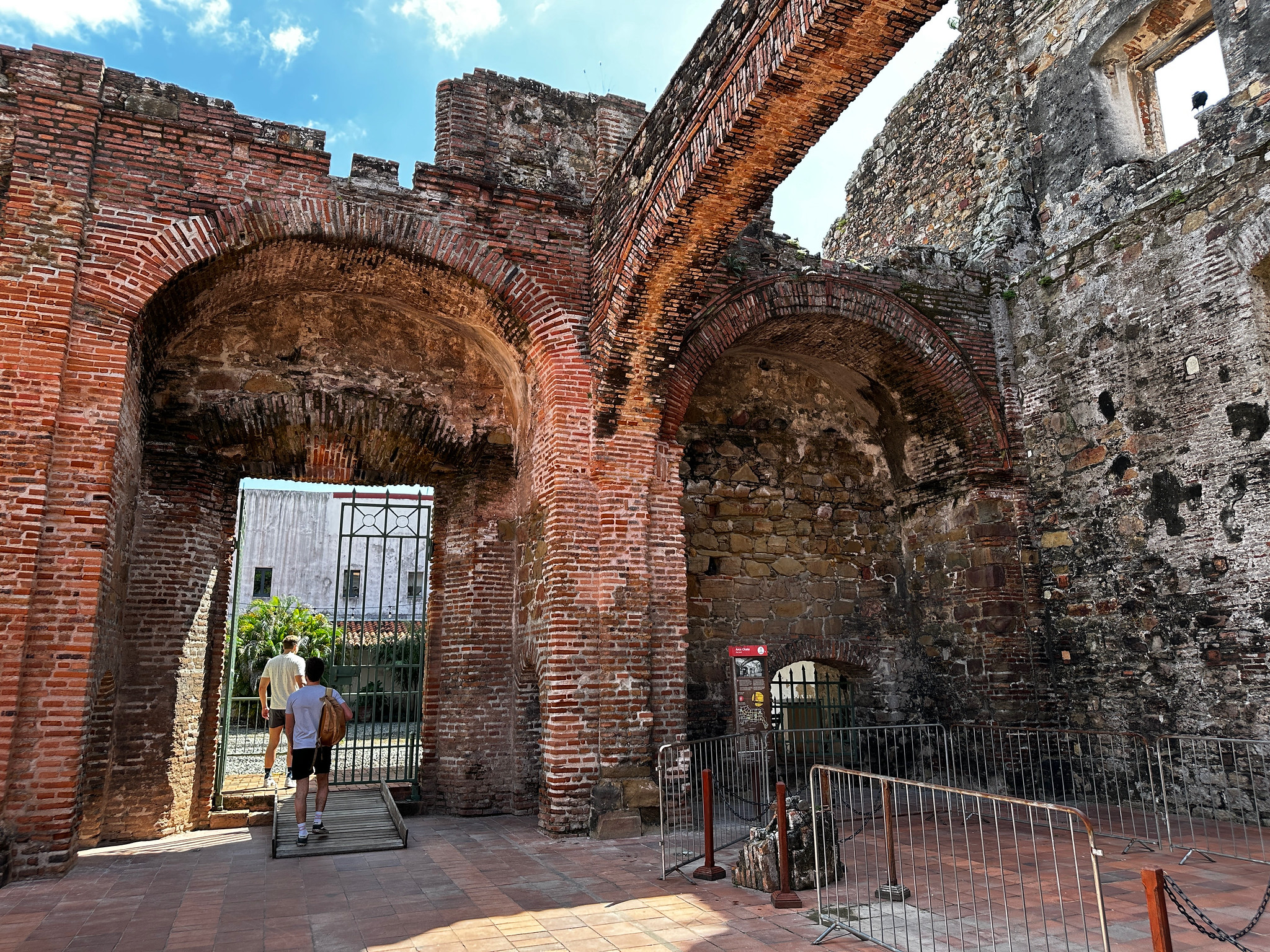
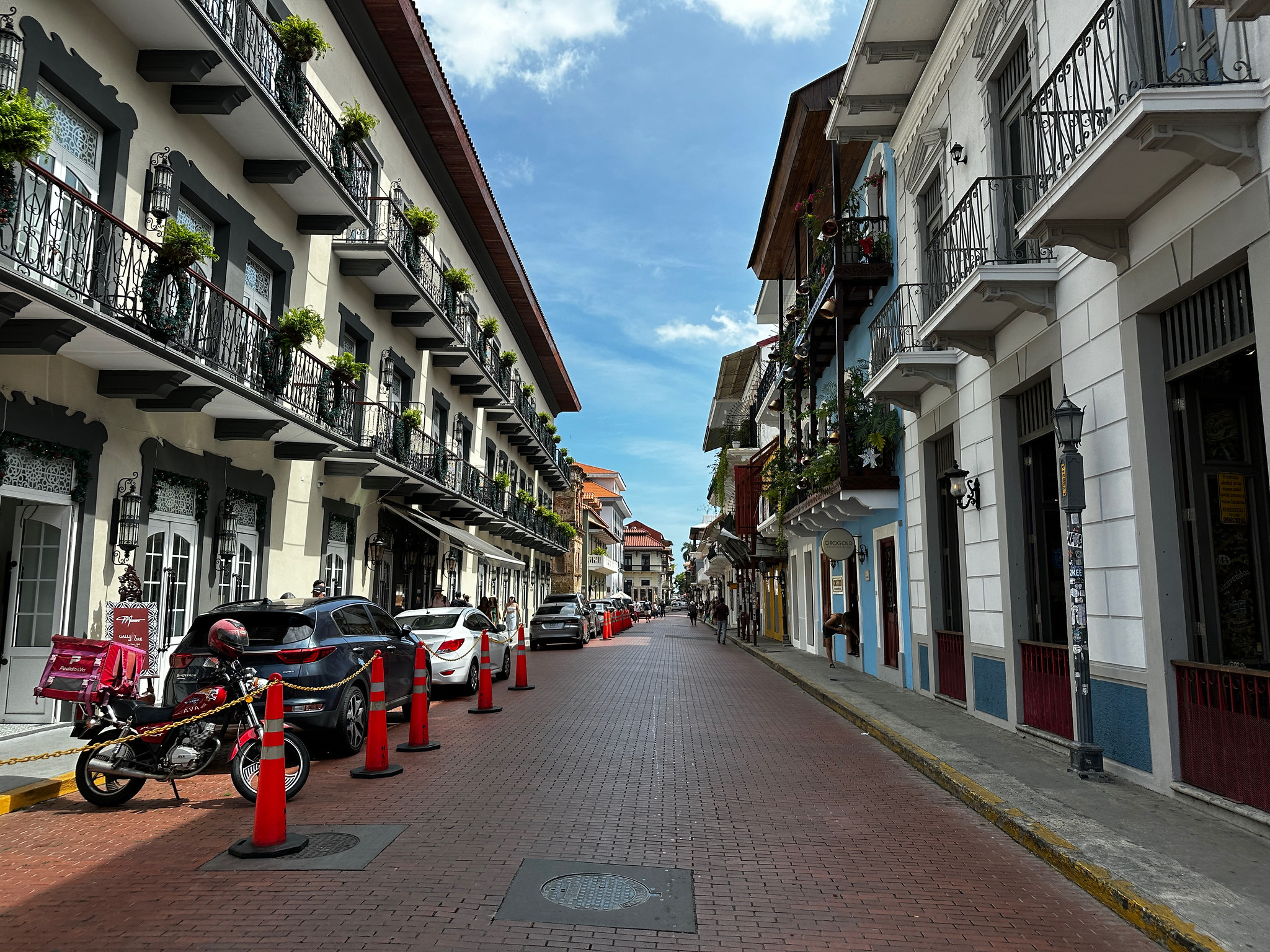
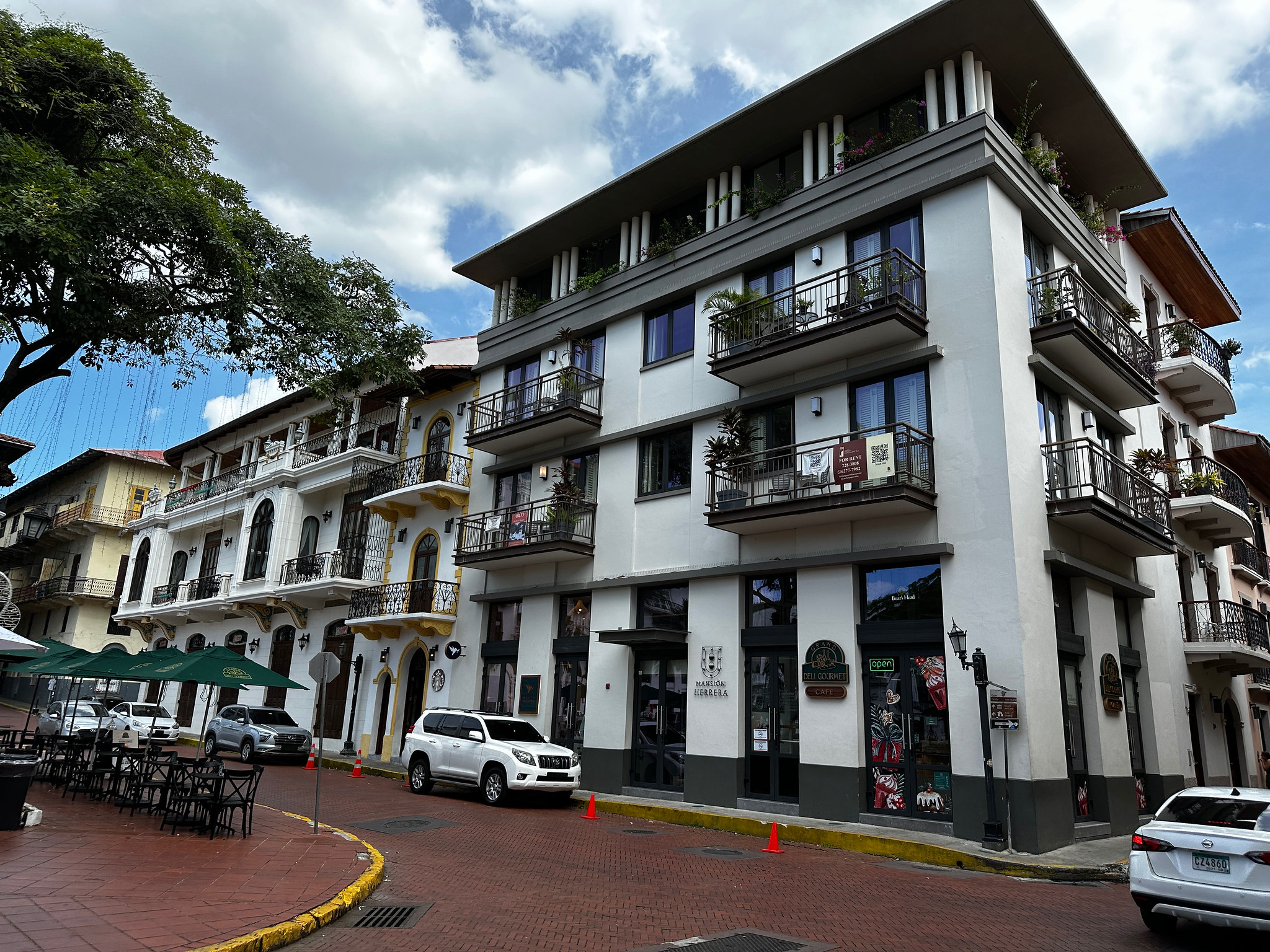
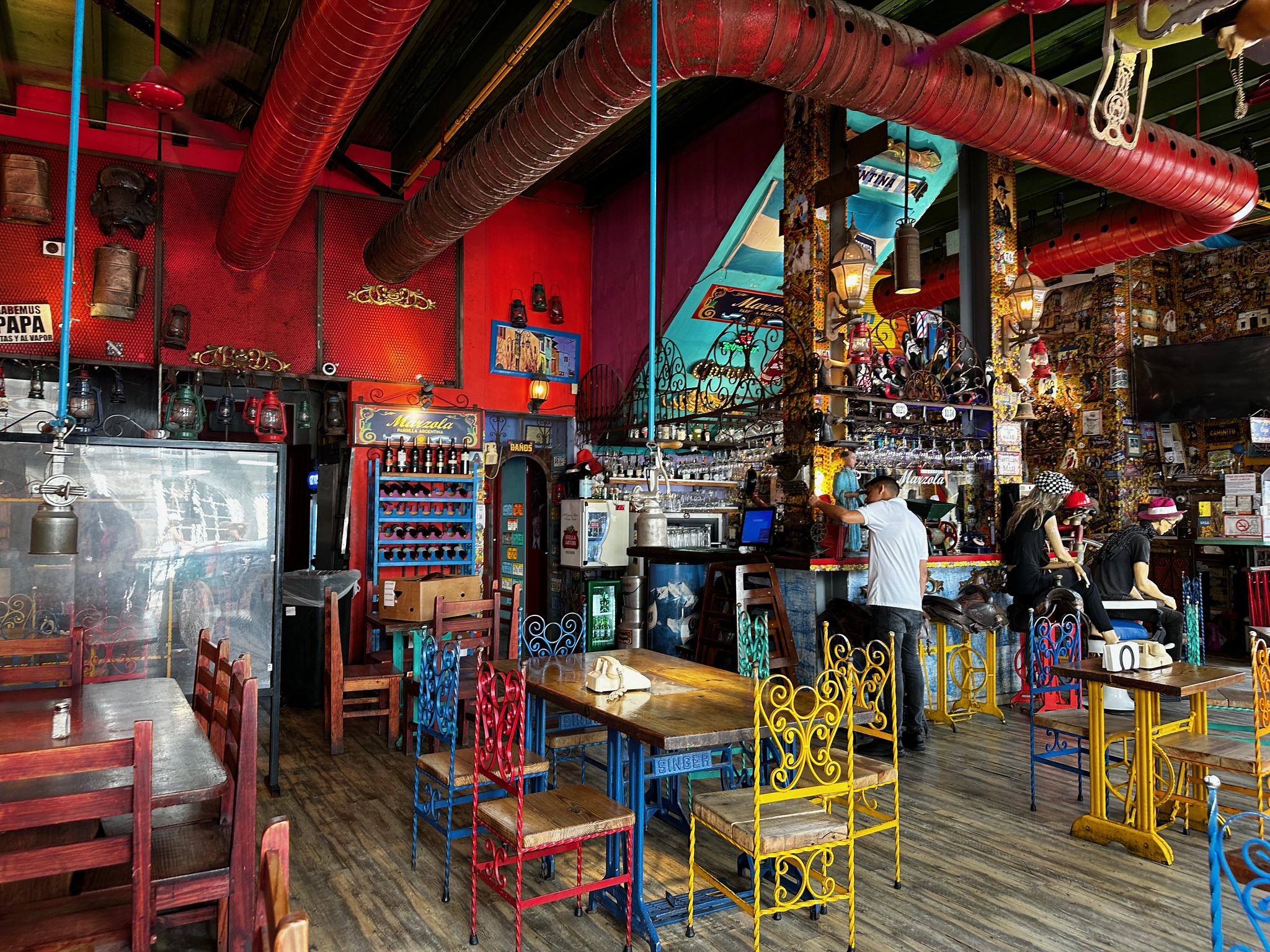
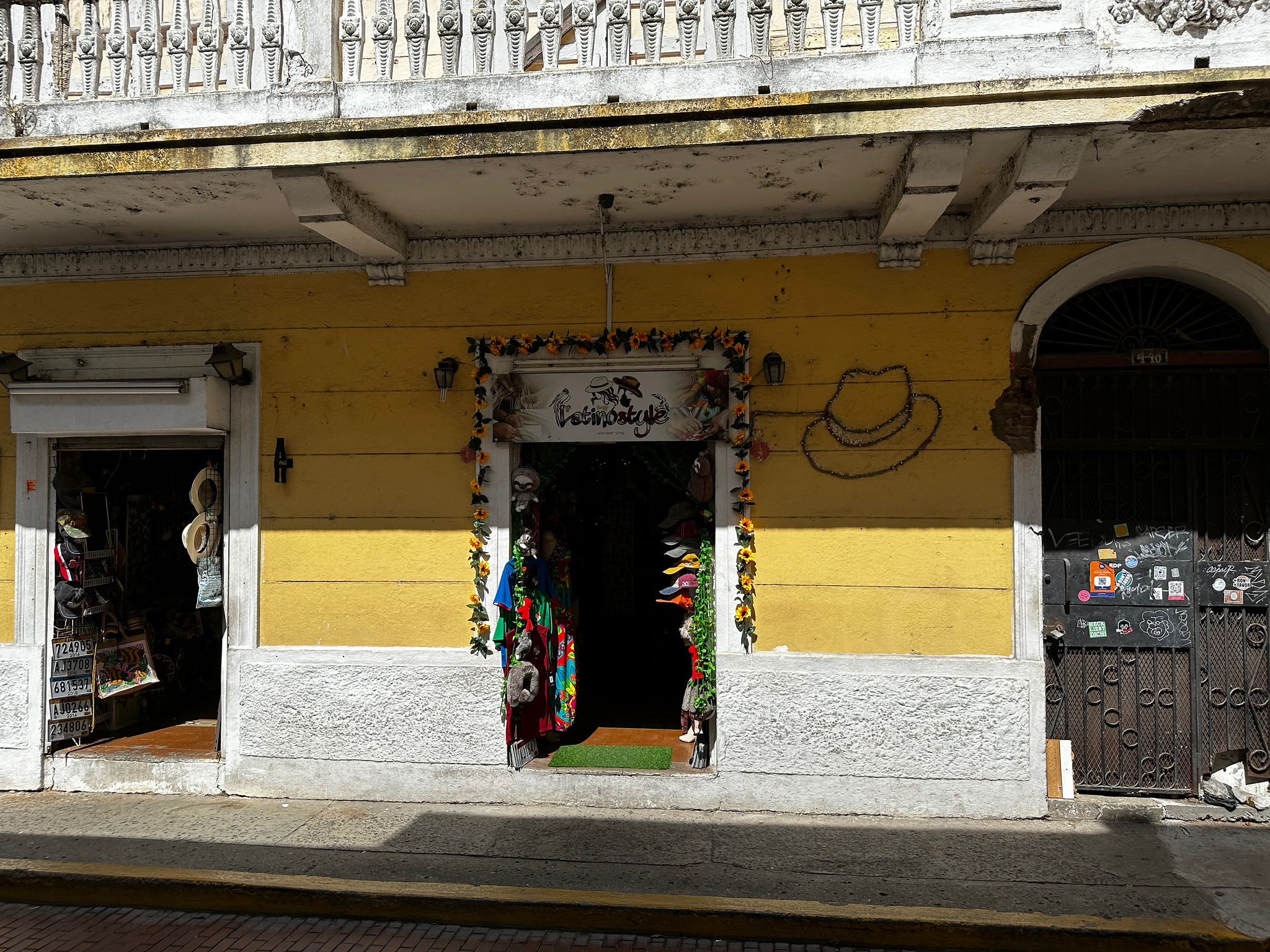
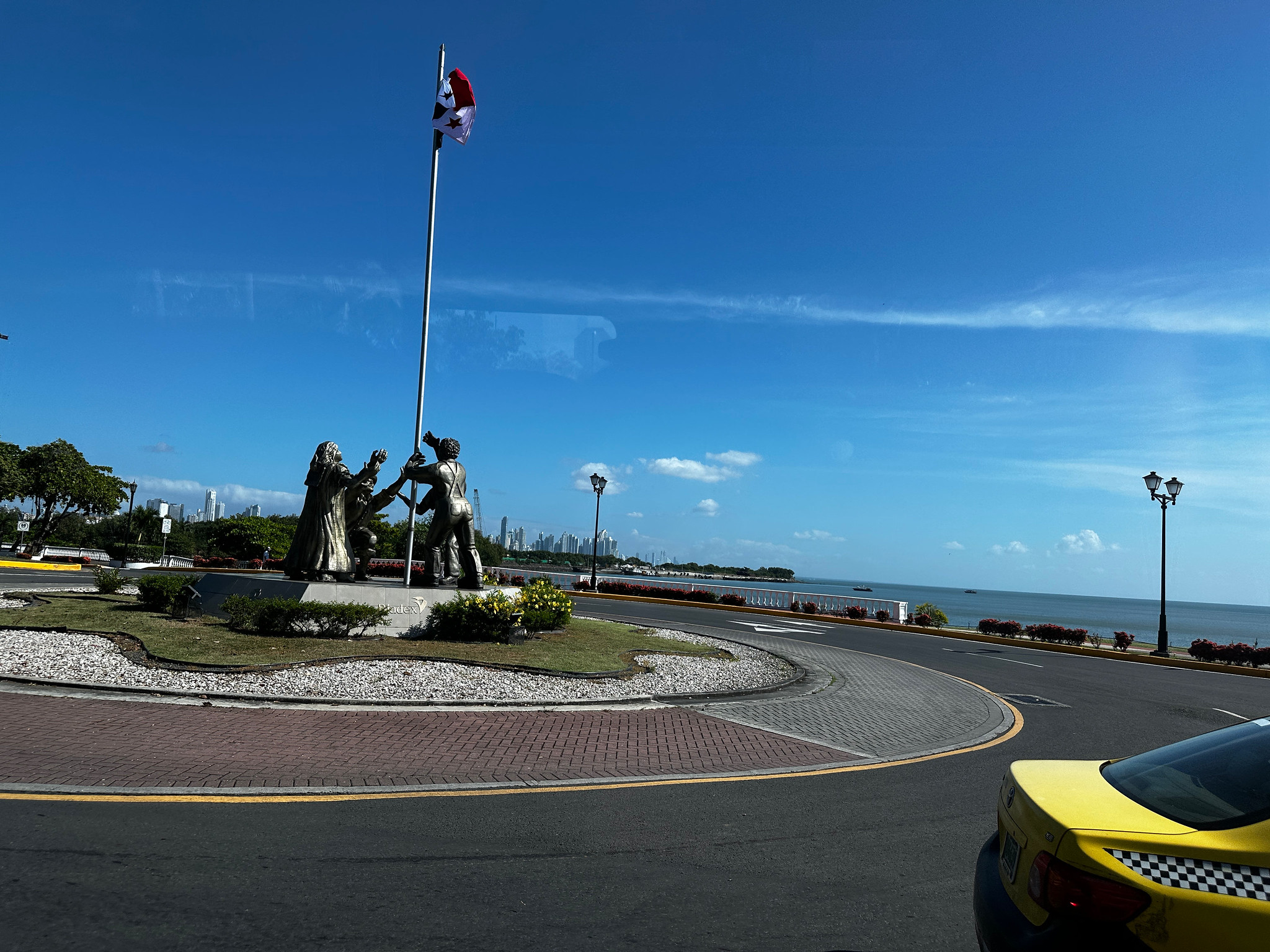
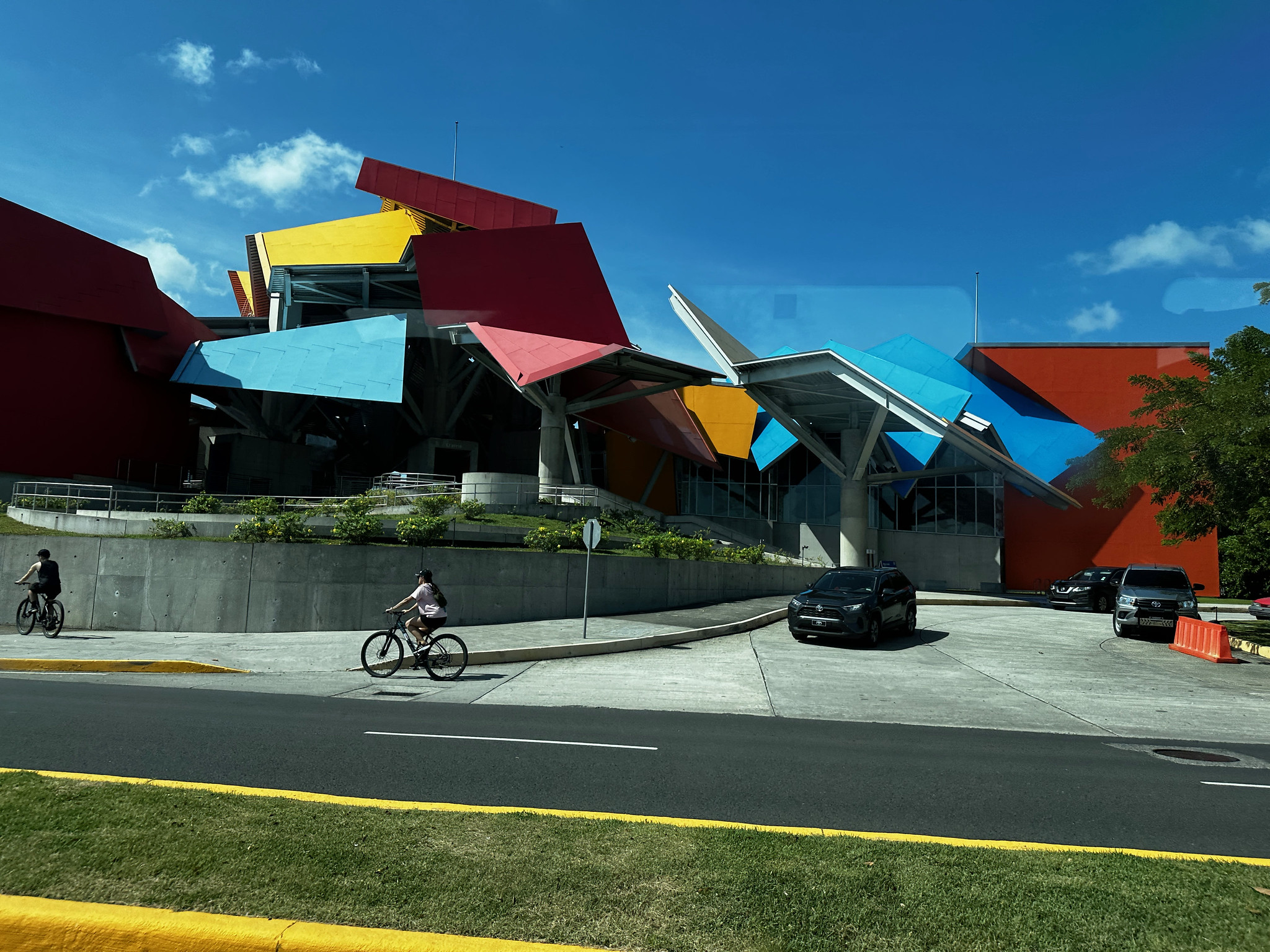
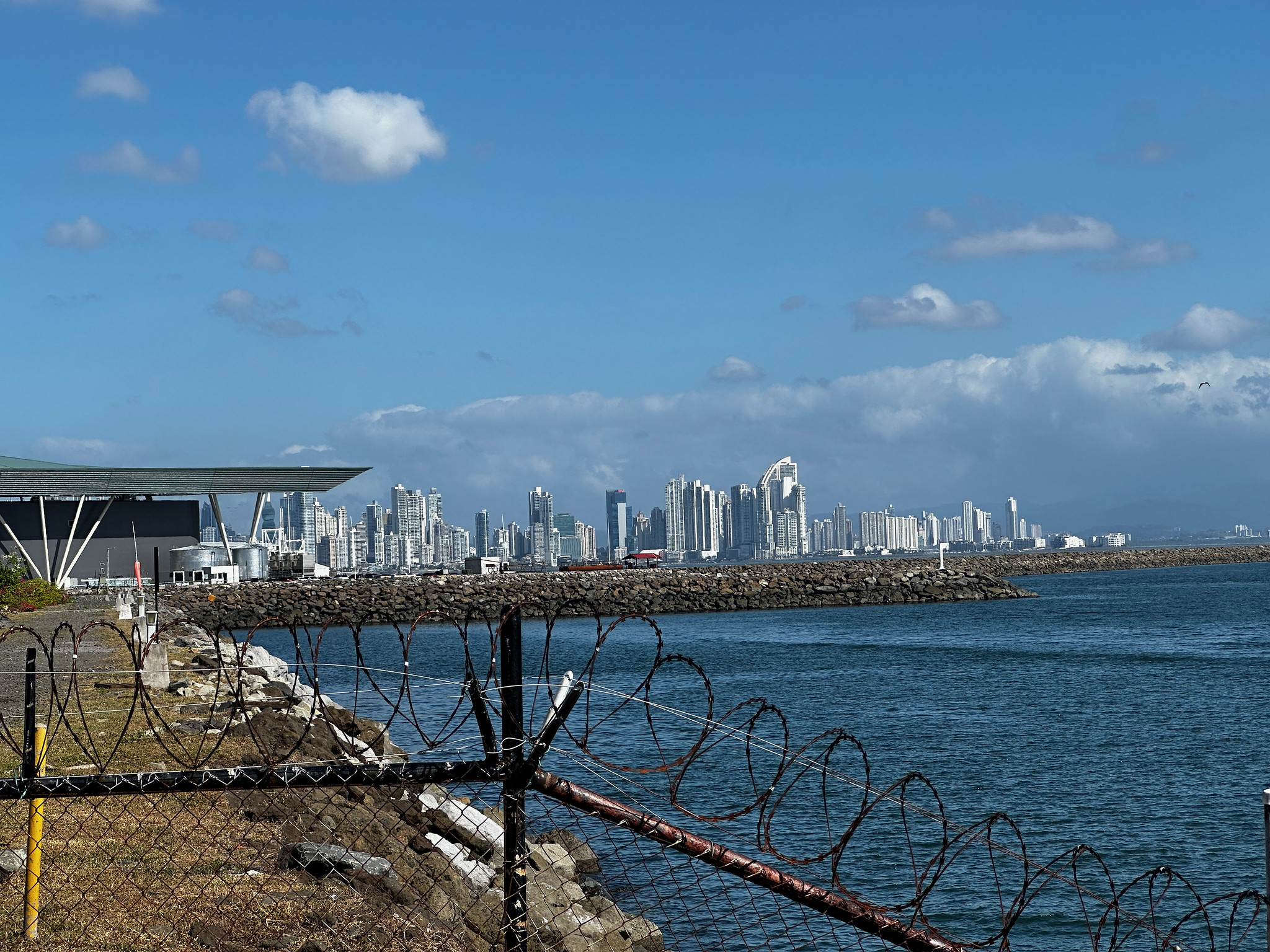
After the Canal we drove along the Amador Causeway, which juts out into the Pacific with beautiful views back at the Panama City skyline. There are signs for the Bio Museum designed by Frank Gehry, a splash of color against the sea. We passed several shops and restaurants at the waterfront level.
San Jose Church & En La Fonda
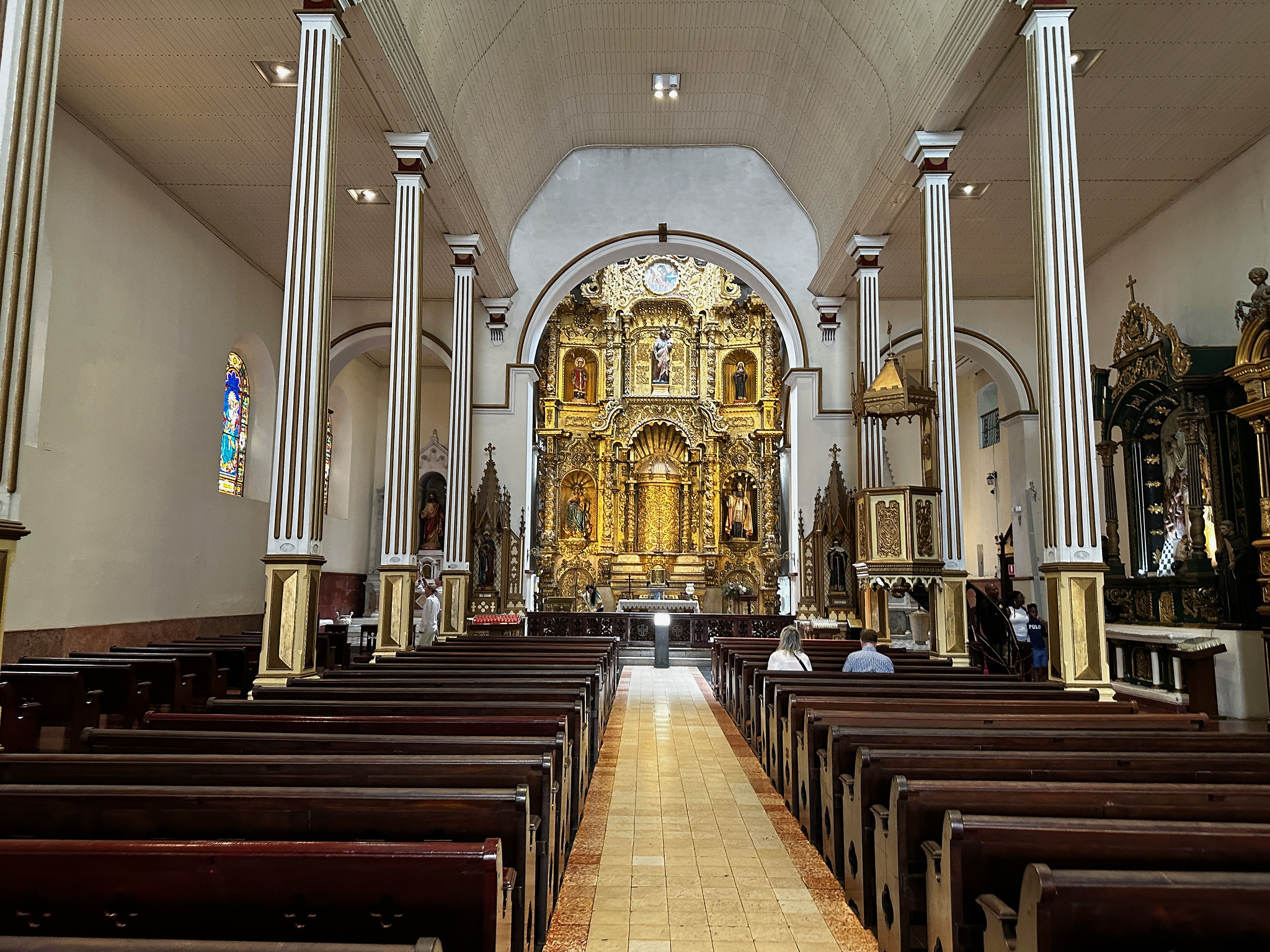
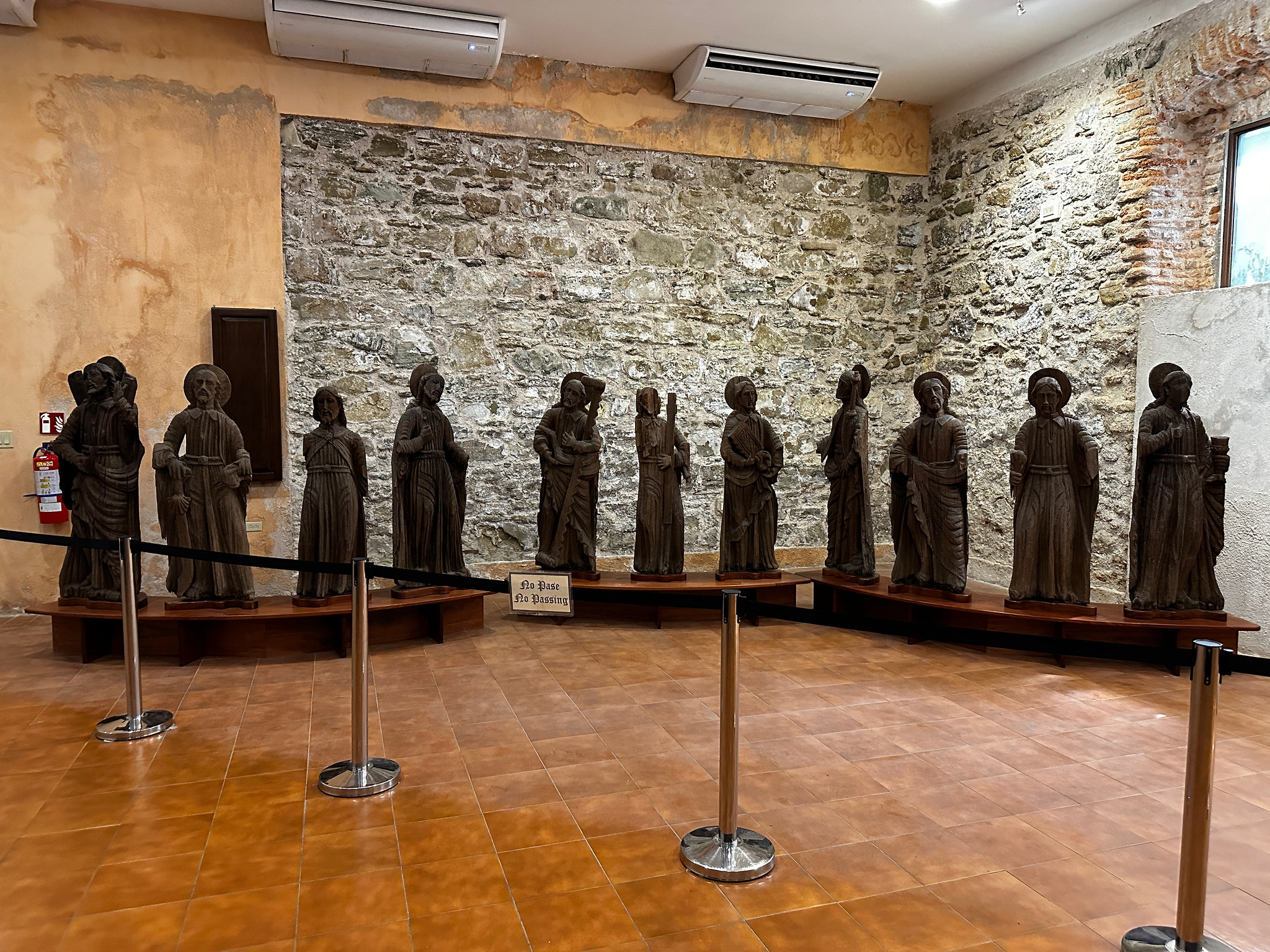
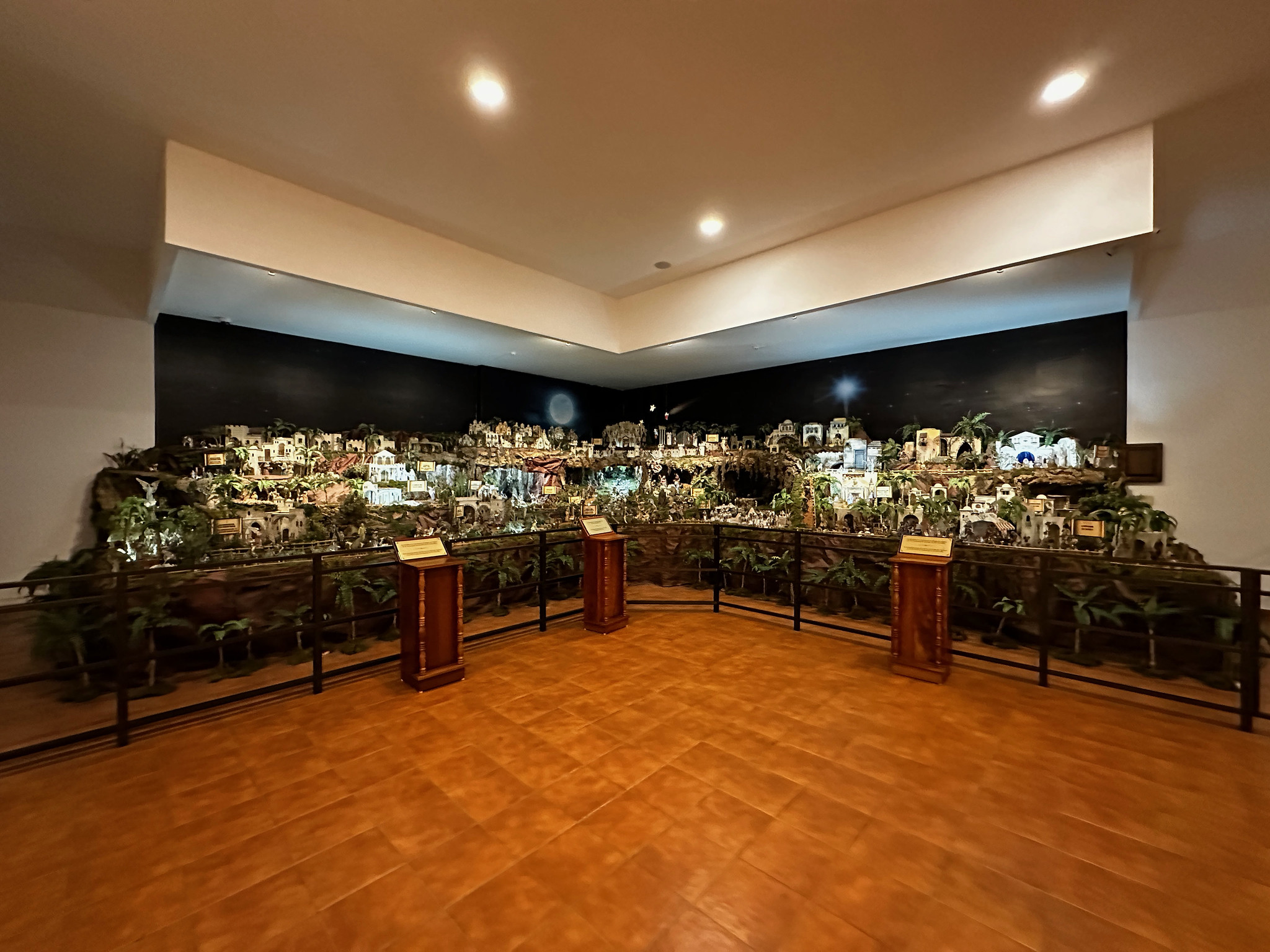
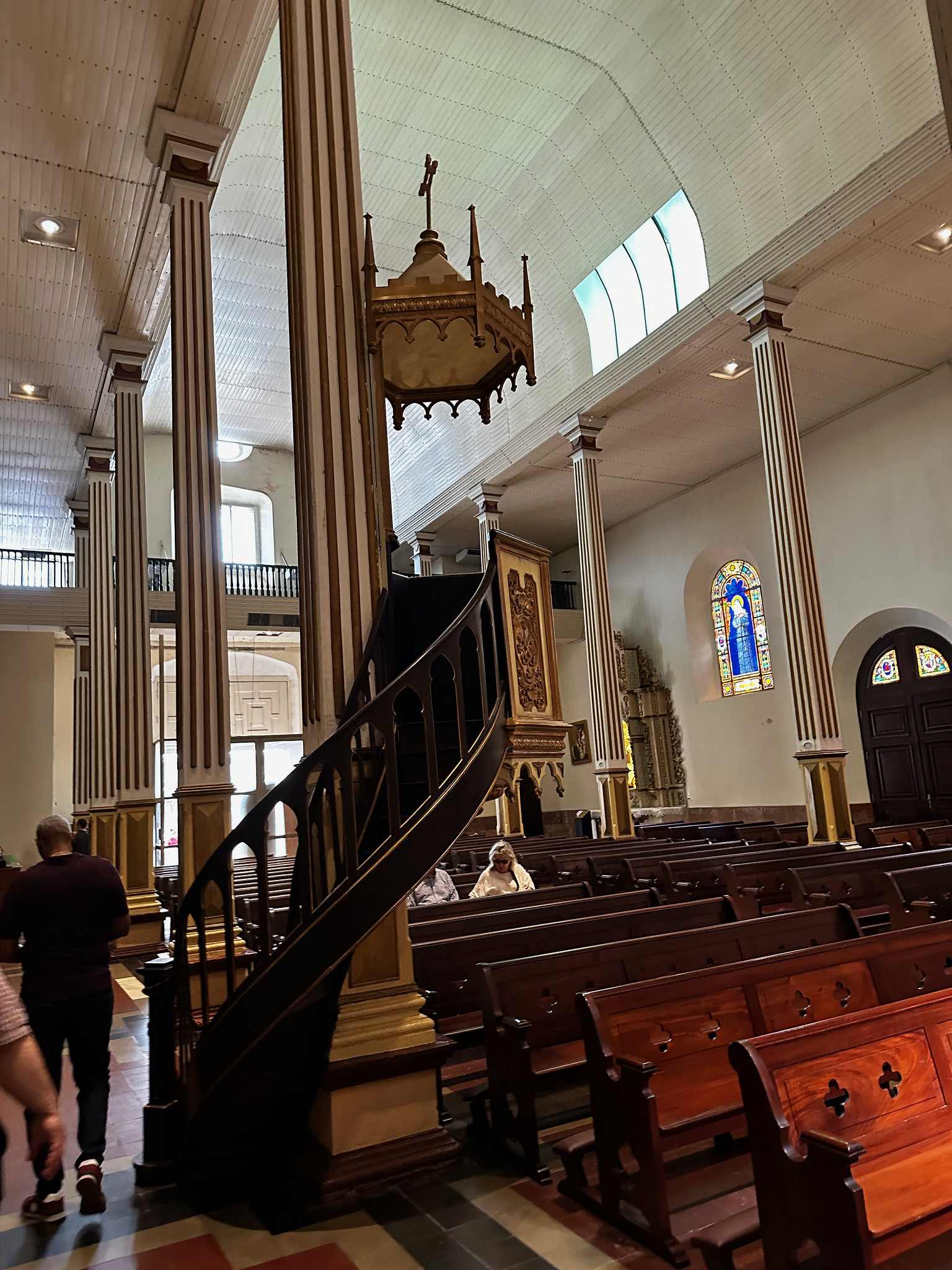
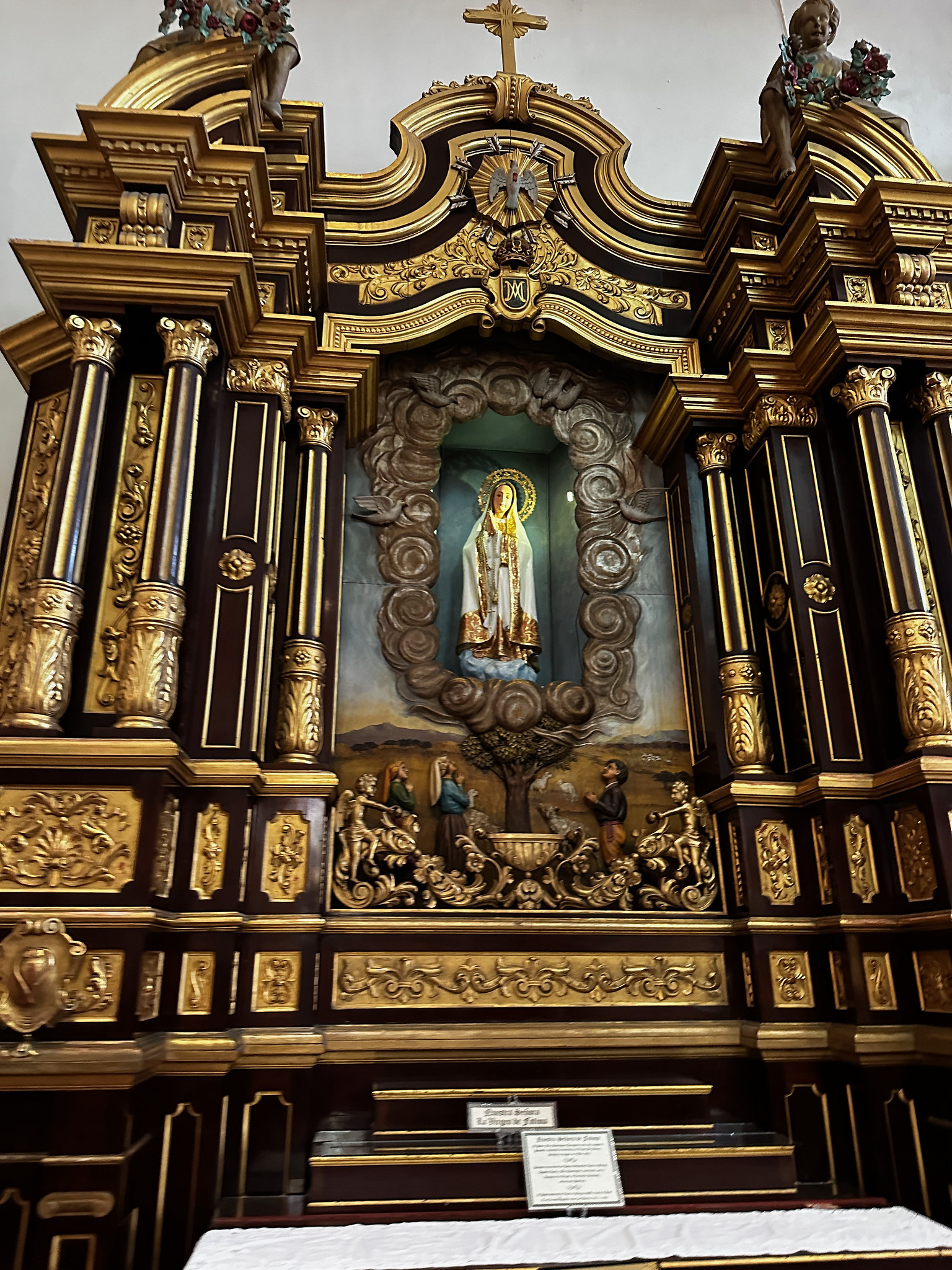
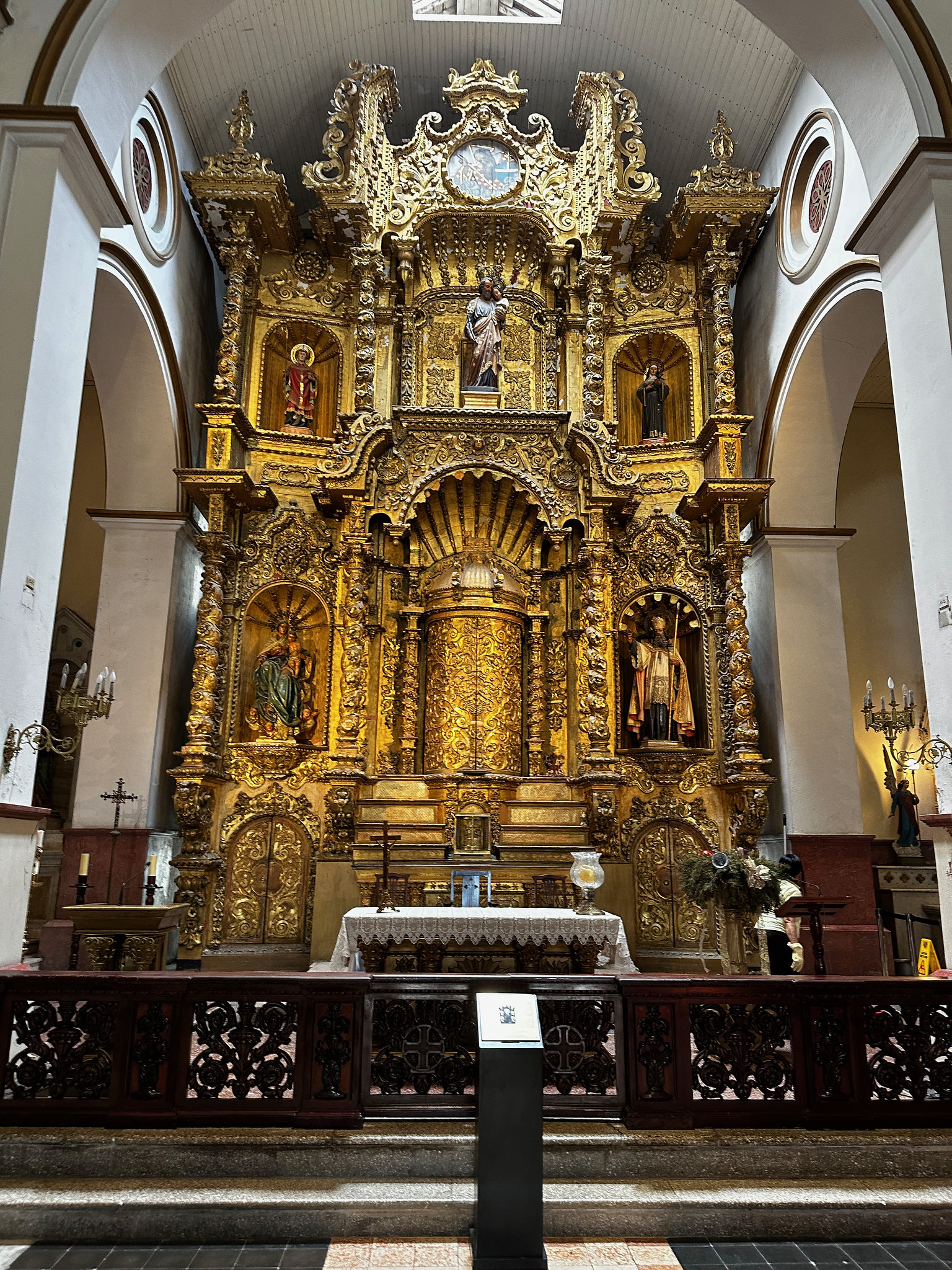
We stopped at the San Jose Church, a big, impressive landmark in the old city.
The Iglesia de San José is a historic colonial church in Casco Viejo, Panama City, renowned for its breathtaking Golden Altar (Altar de Oro). Originally located in the old settlement, the baroque mahogany and gold-leaf altar was famously disguised with black paint to save it from pirate Henry Morgan in 1671.
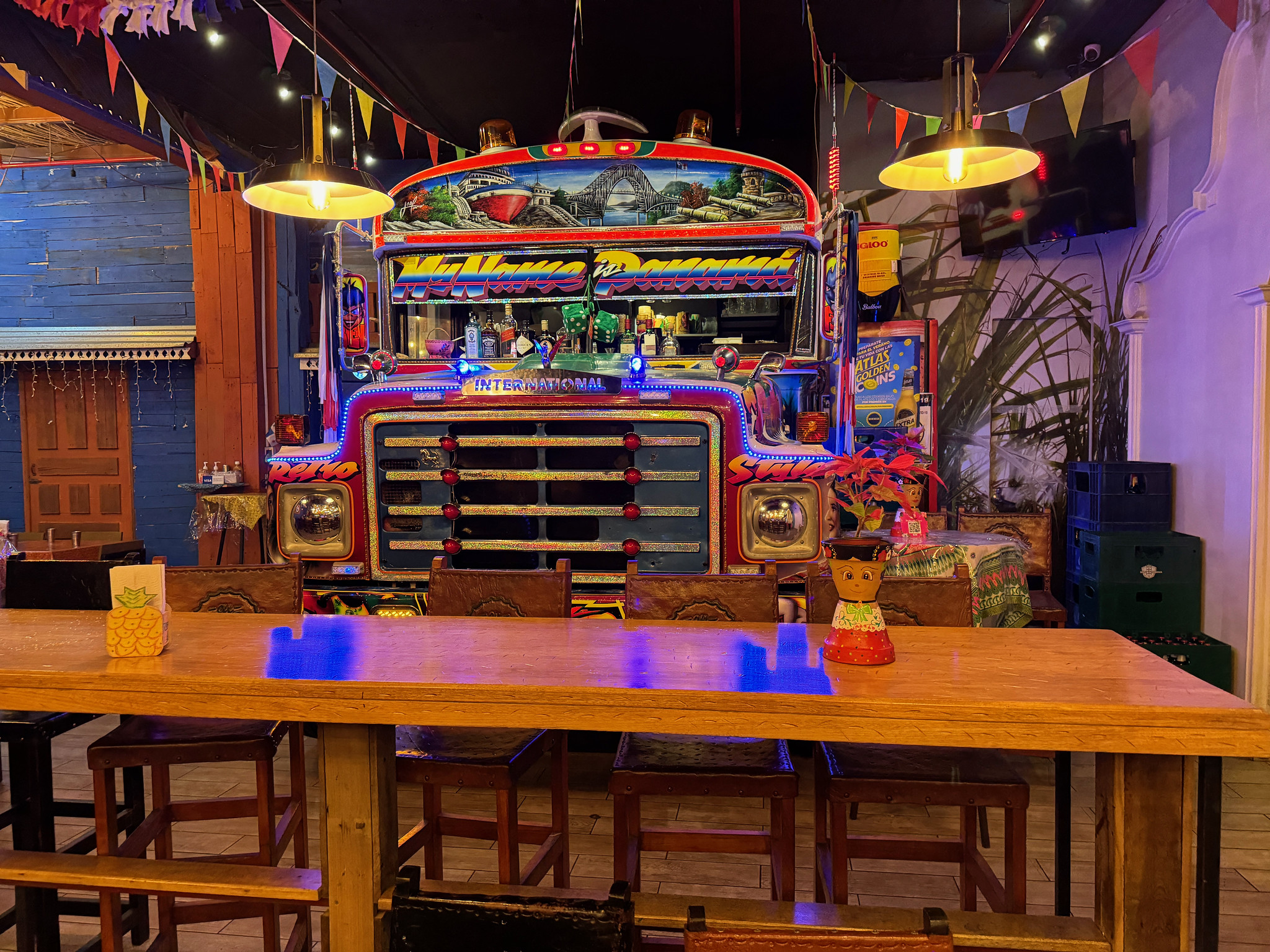
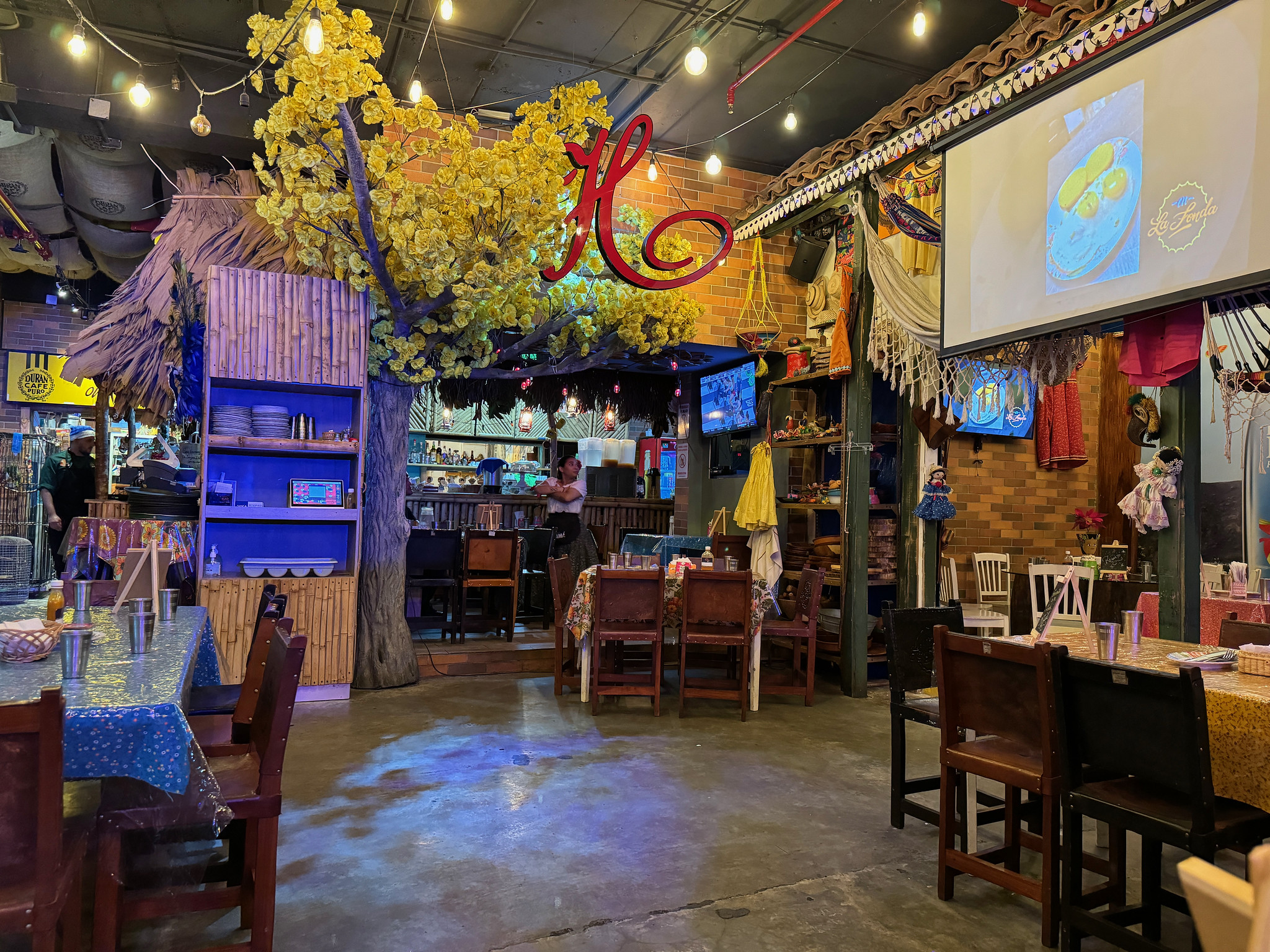
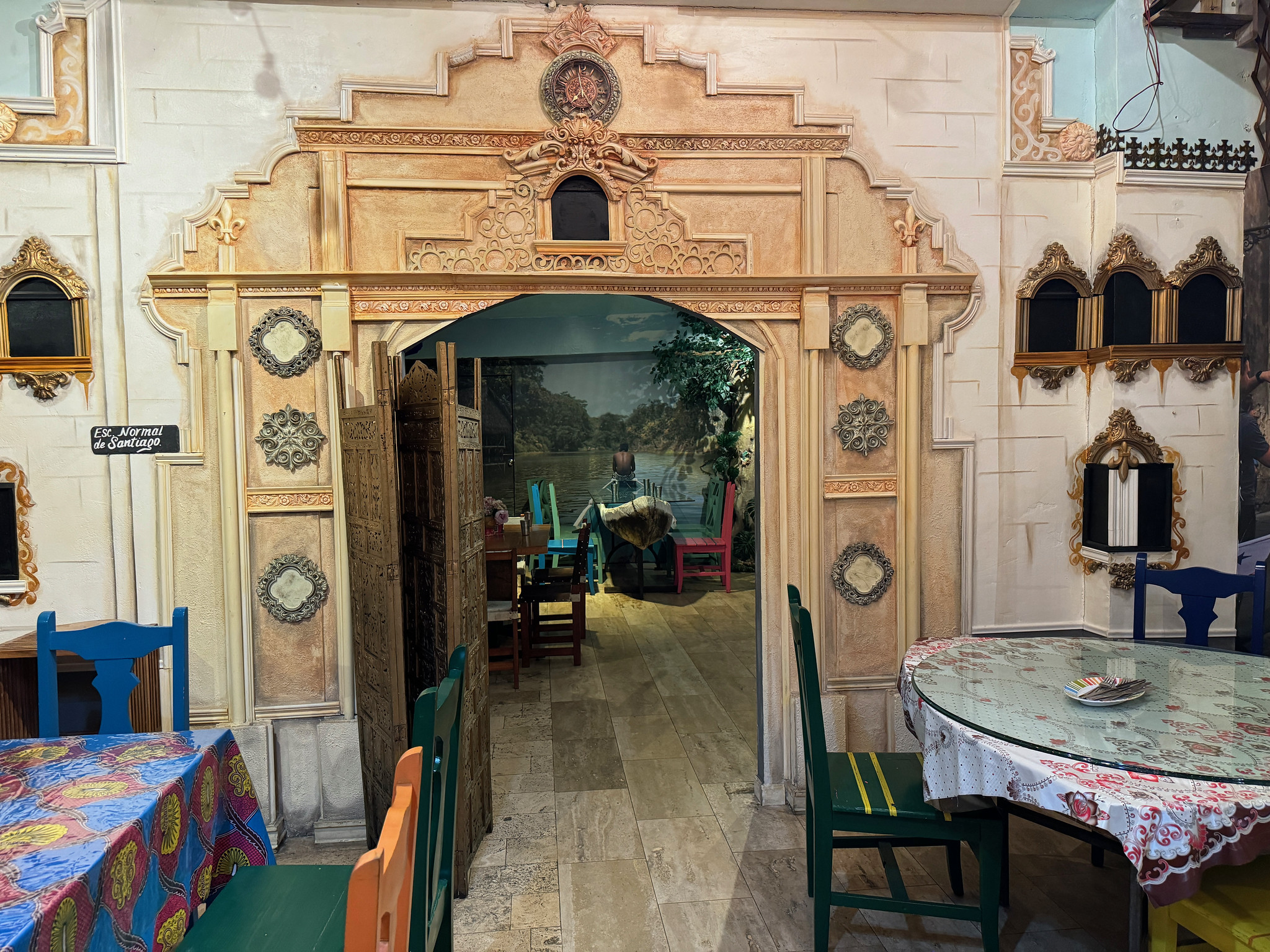
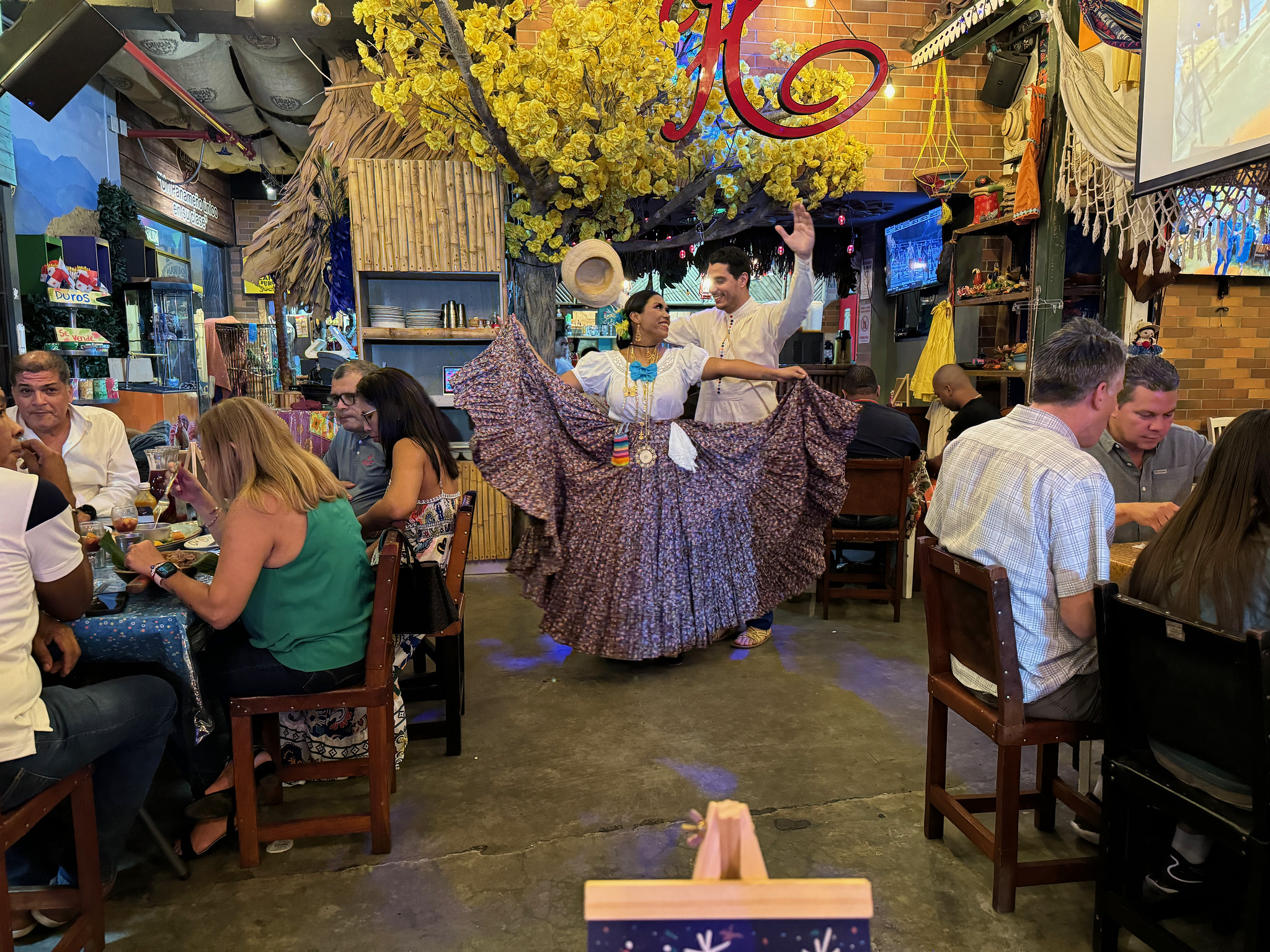
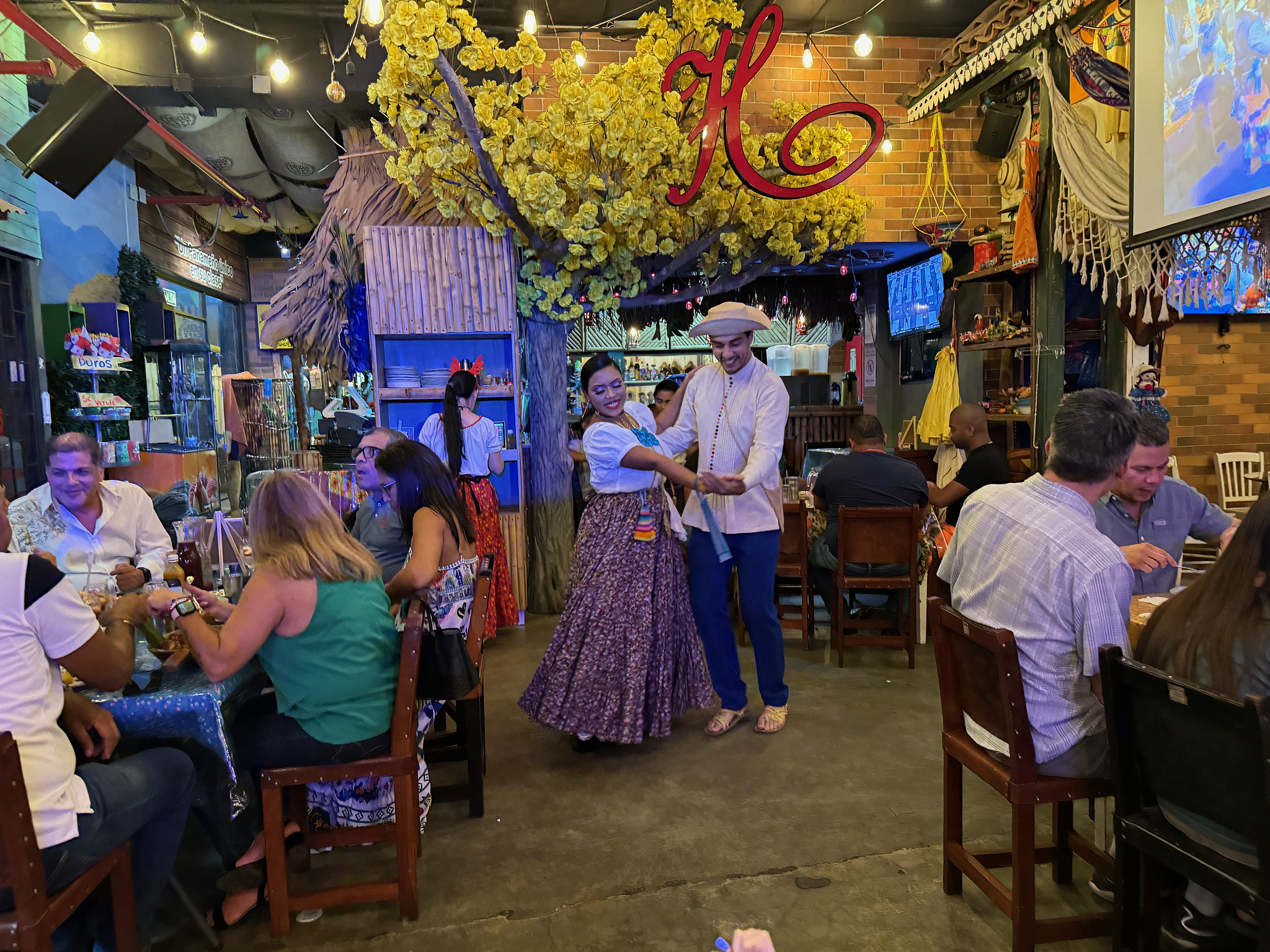
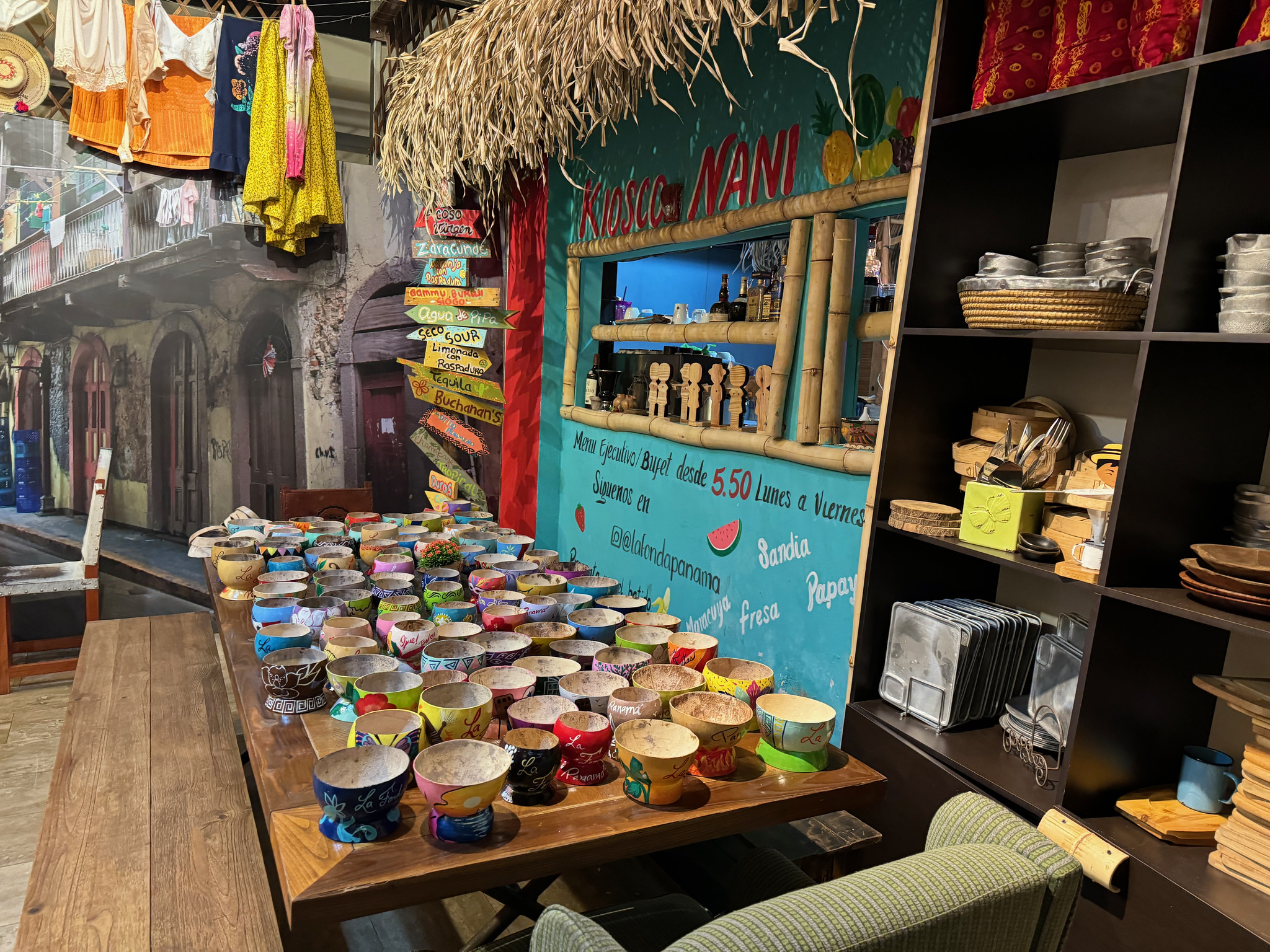
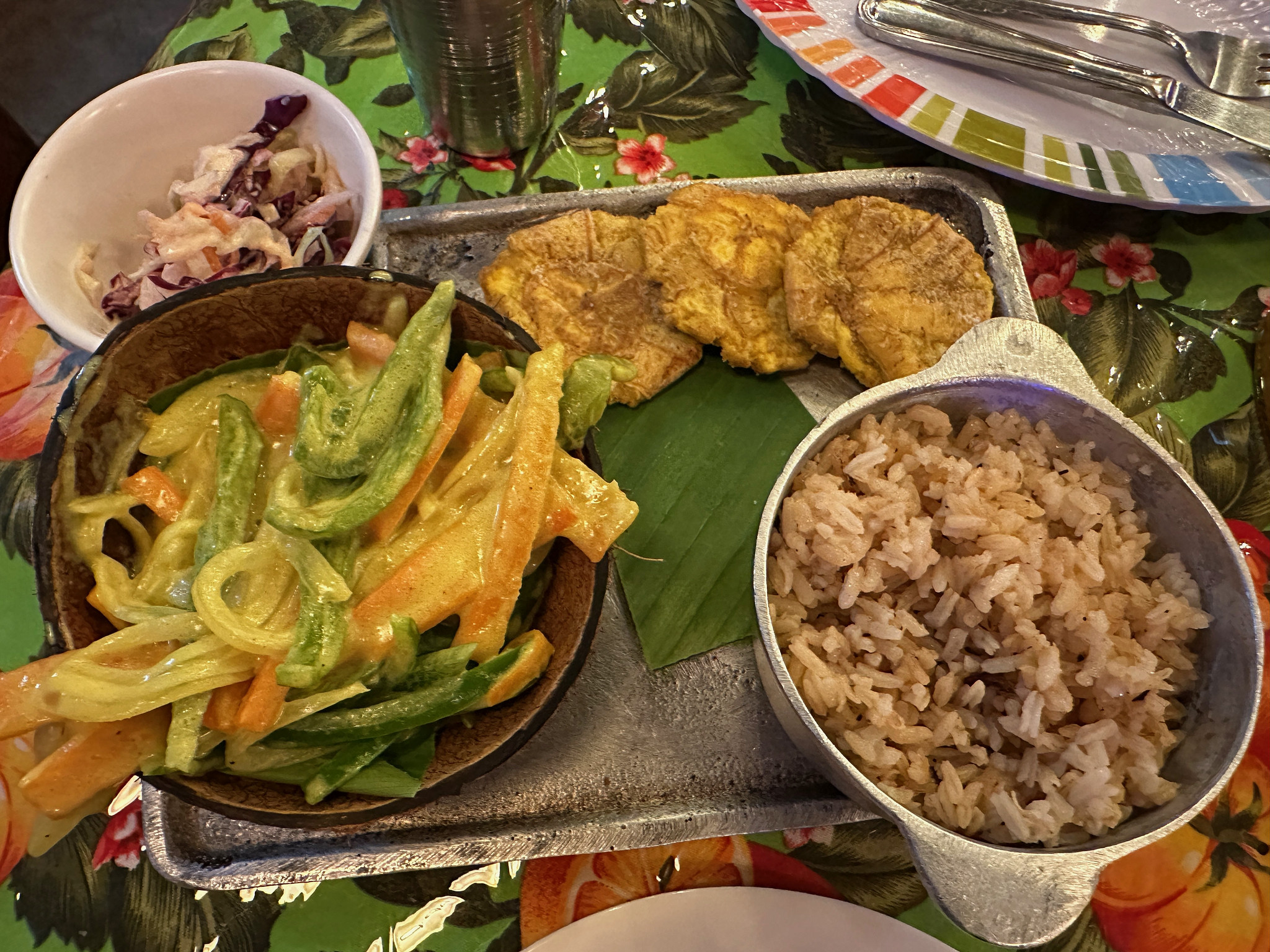
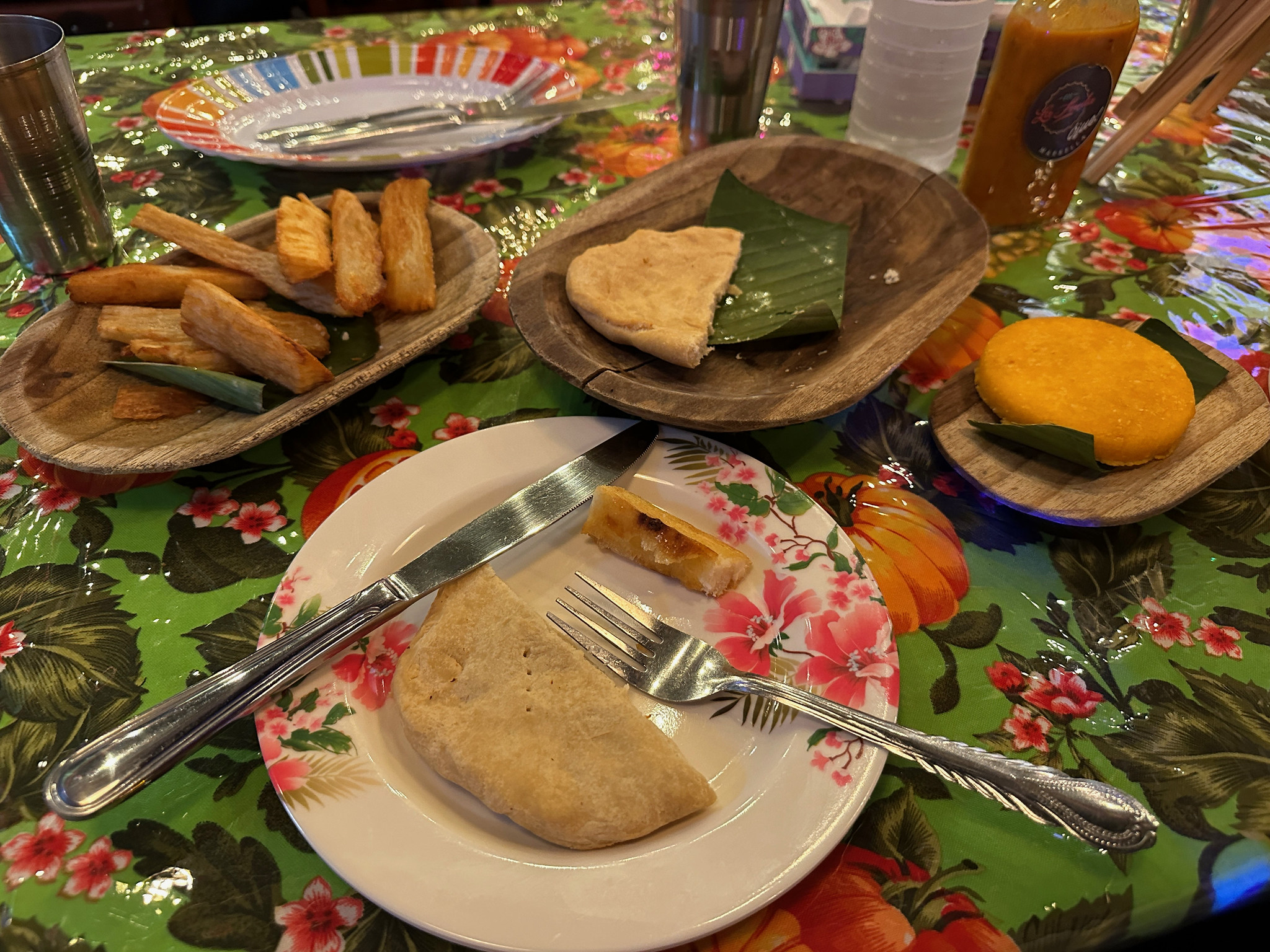
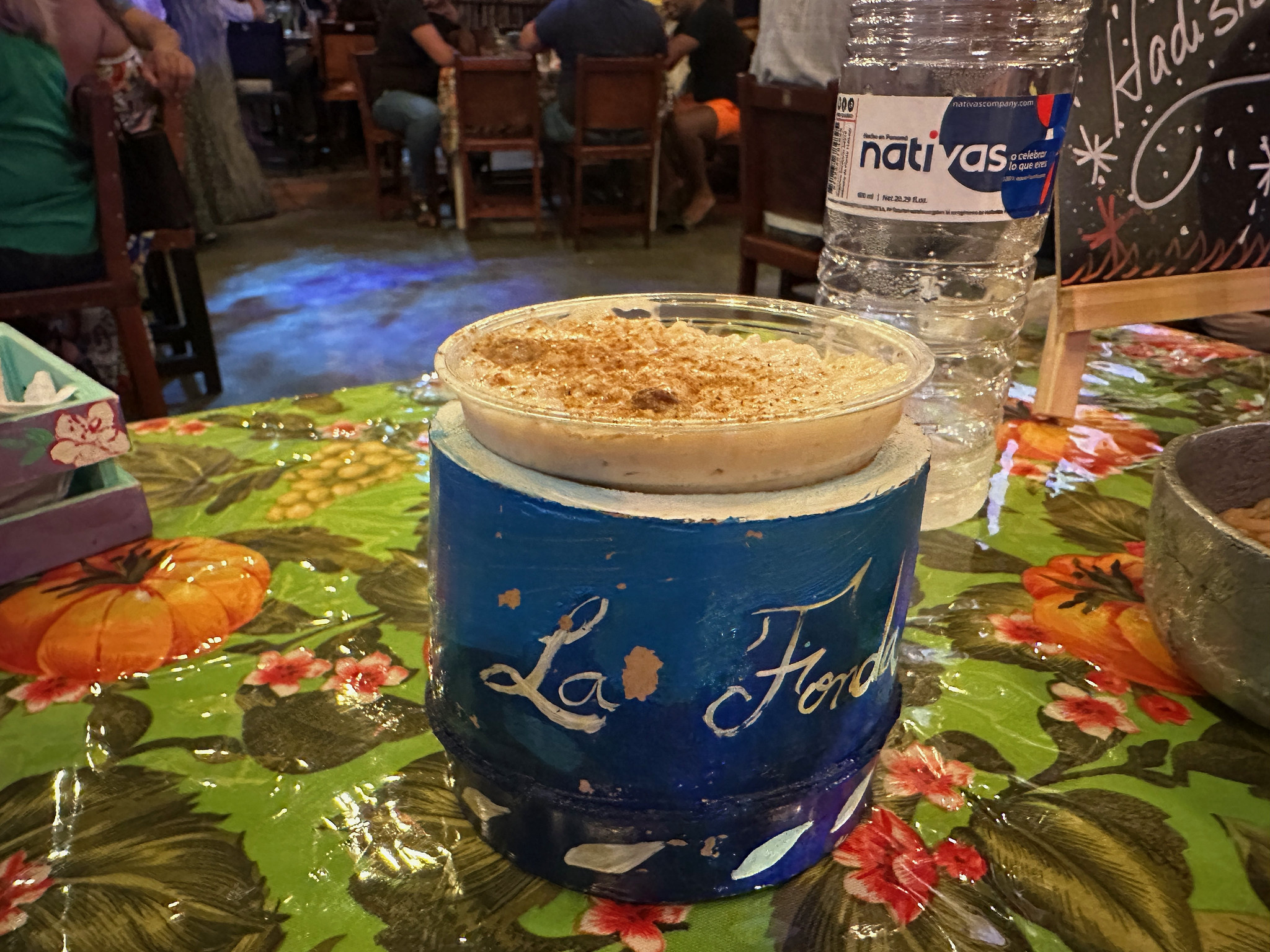
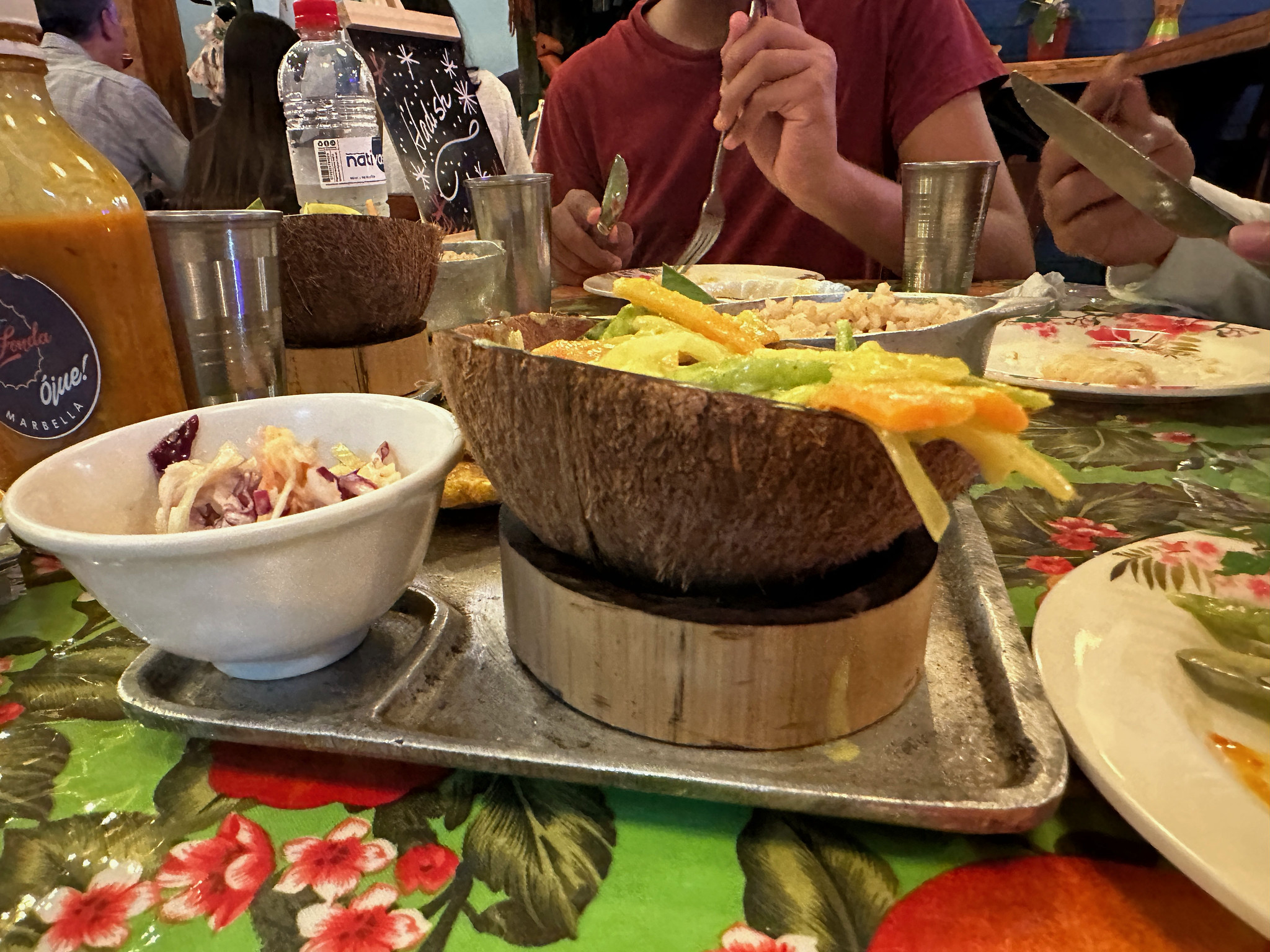
Dinner was at En La Fonda, a lively restaurant with great local food. There was a party atmosphere and live music. Some tattoo shop nearby had music blasting well into the night!
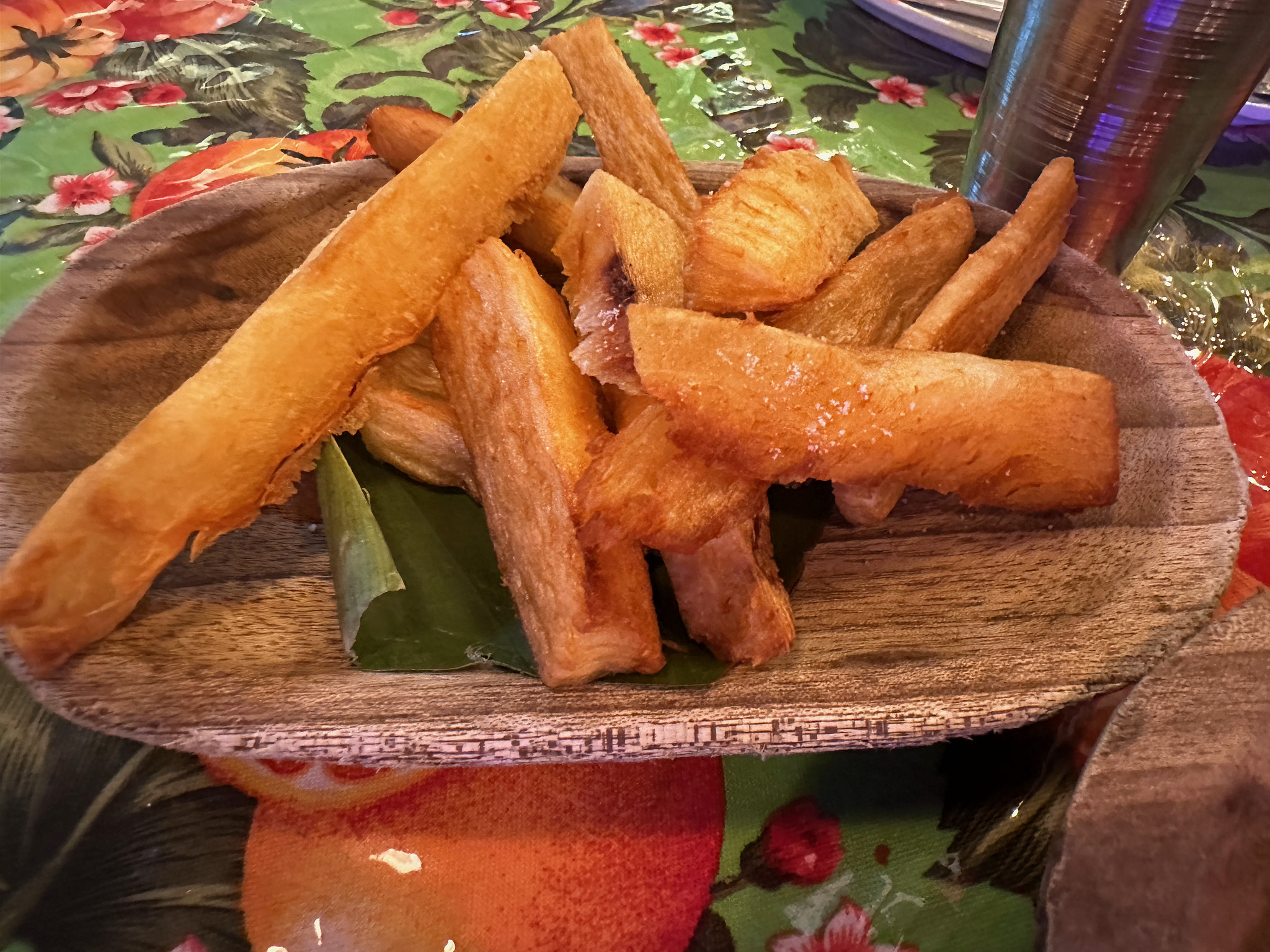
En La Fonda Panamá is a popular local restaurant where visitors can enjoy authentic Panamanian home-style cuisine, also known as comida típica. The menu features traditional favorites such as rice, fried plantains, and Panama’s iconic sancocho soup. Beyond the delicious food, the restaurant offers a lively cultural experience with traditional Panamanian music and dance performances, interactive entertainment, a party bus, a DJ, and karaoke later in the evening. Its colorful décor and vibrant atmosphere make it a memorable place to experience Panama’s rich culture and hospitality.
Day 3 – Chagres River & Emberá Indigenous Village
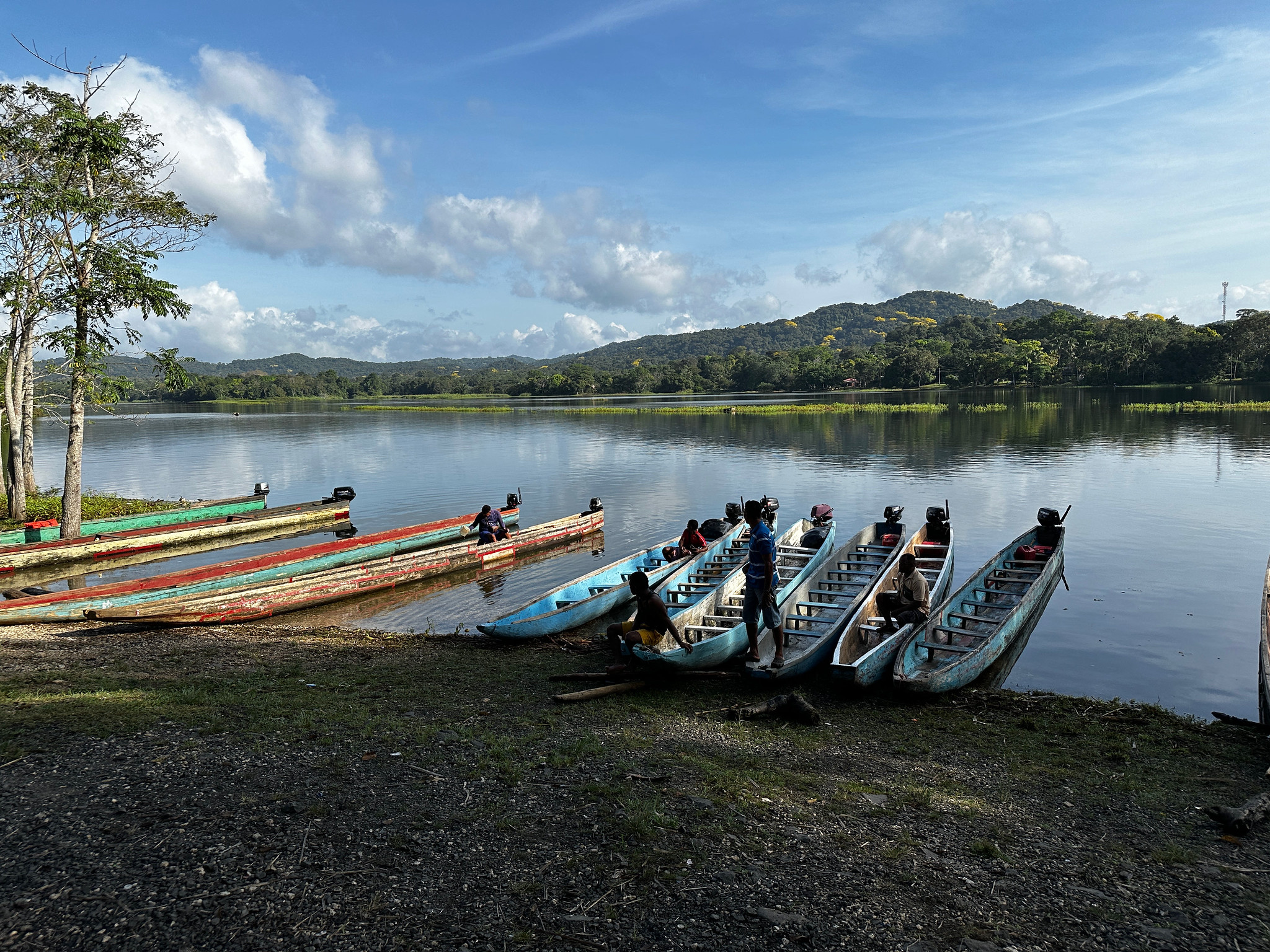
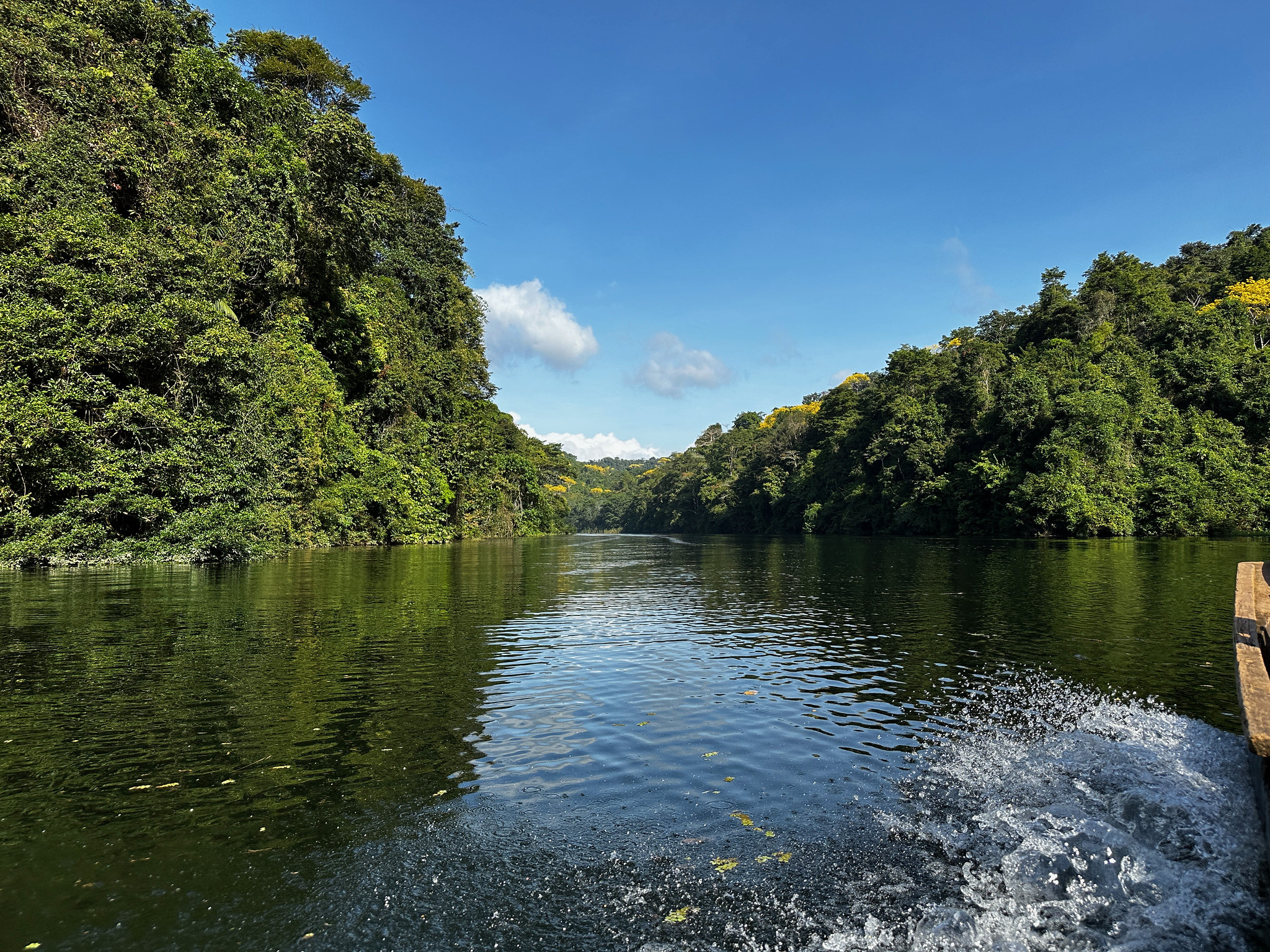
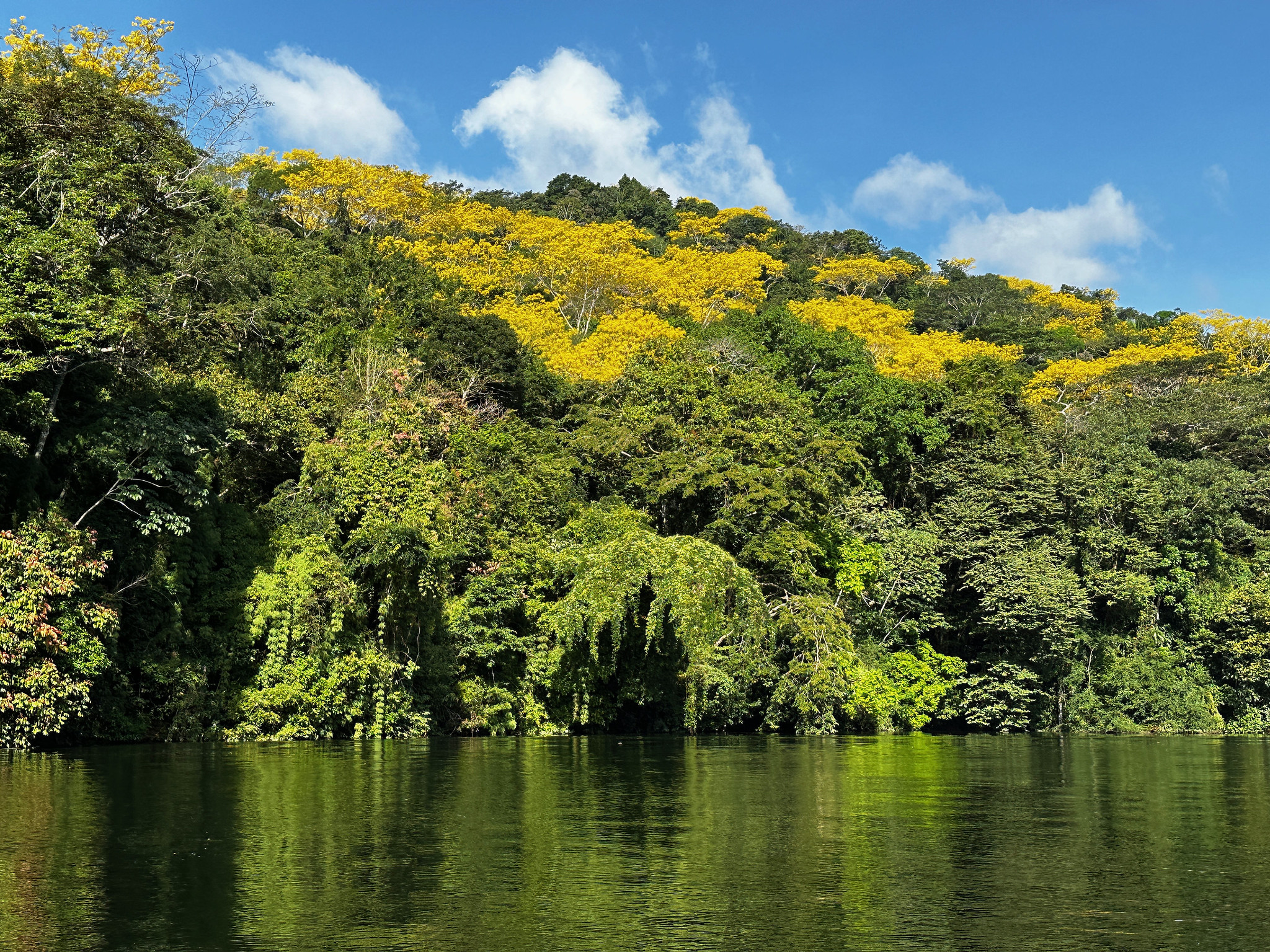
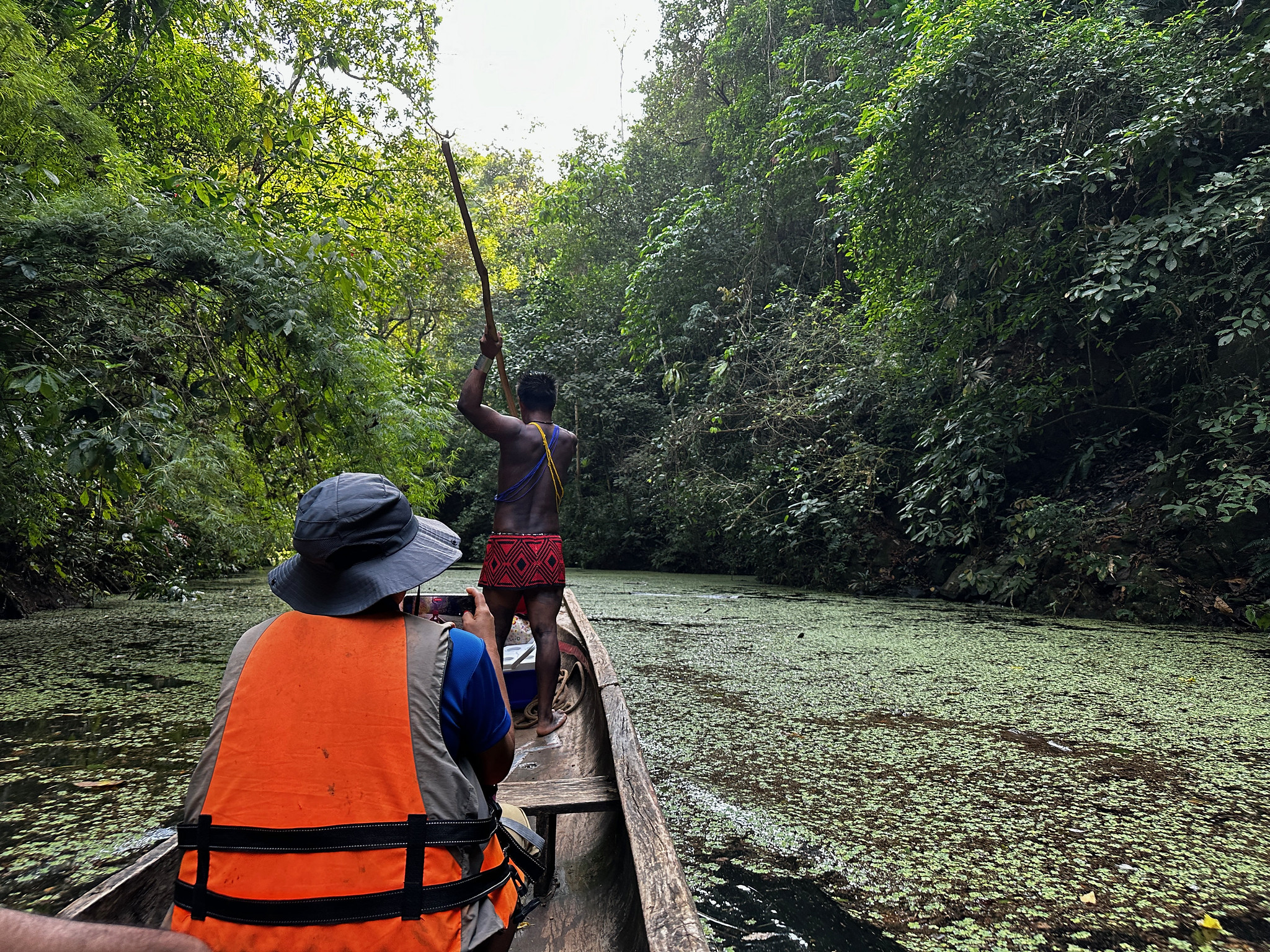
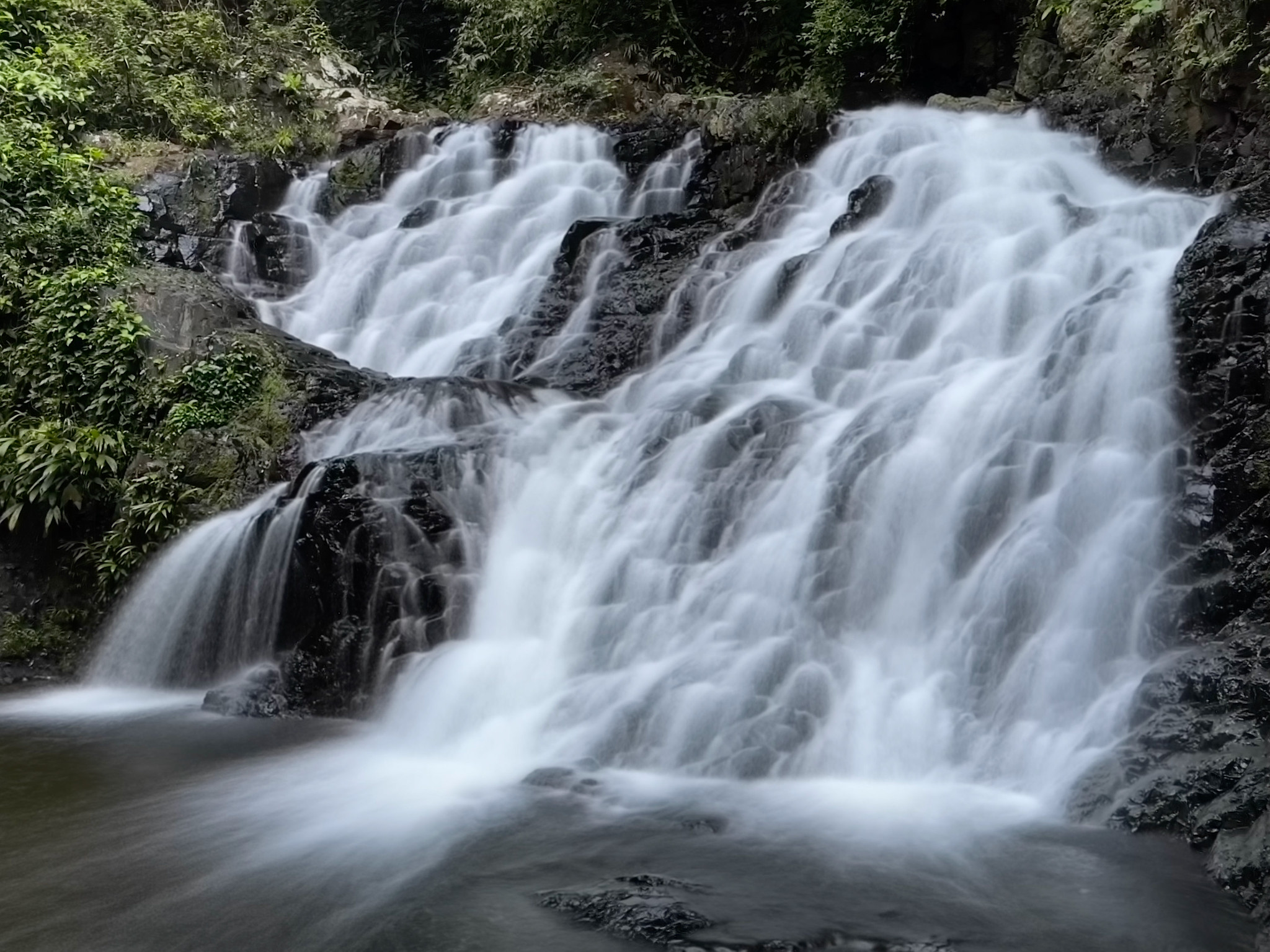
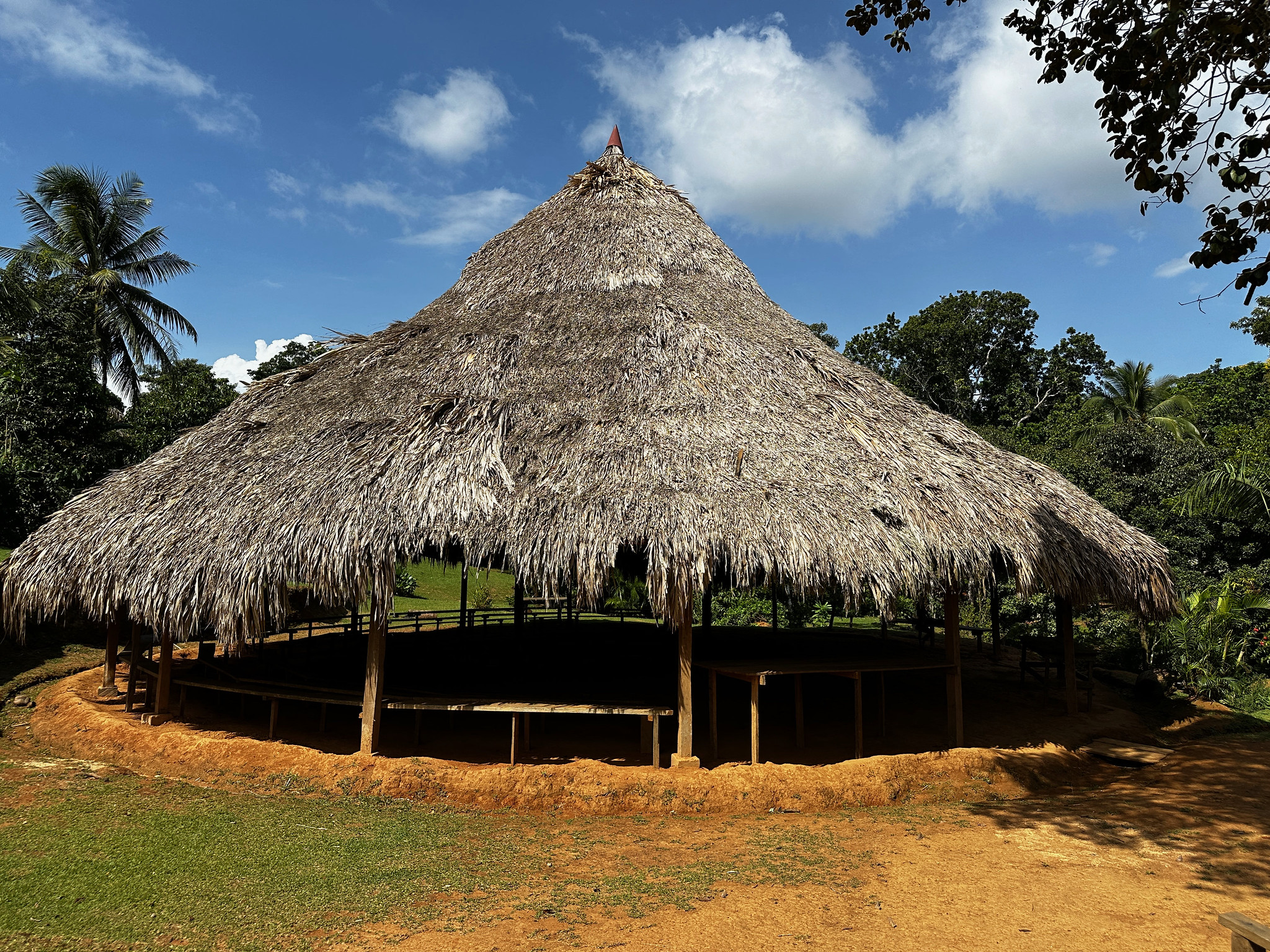
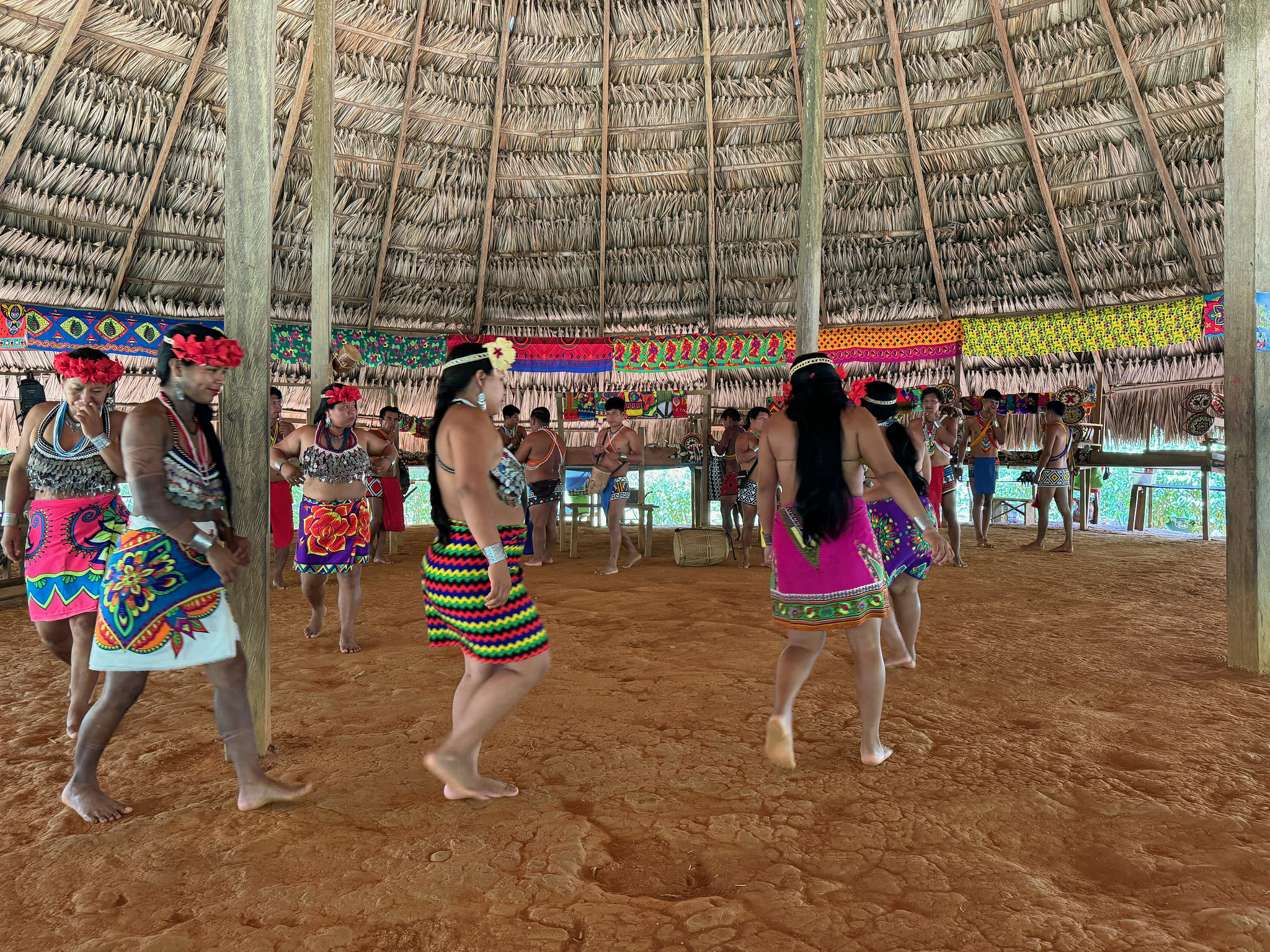
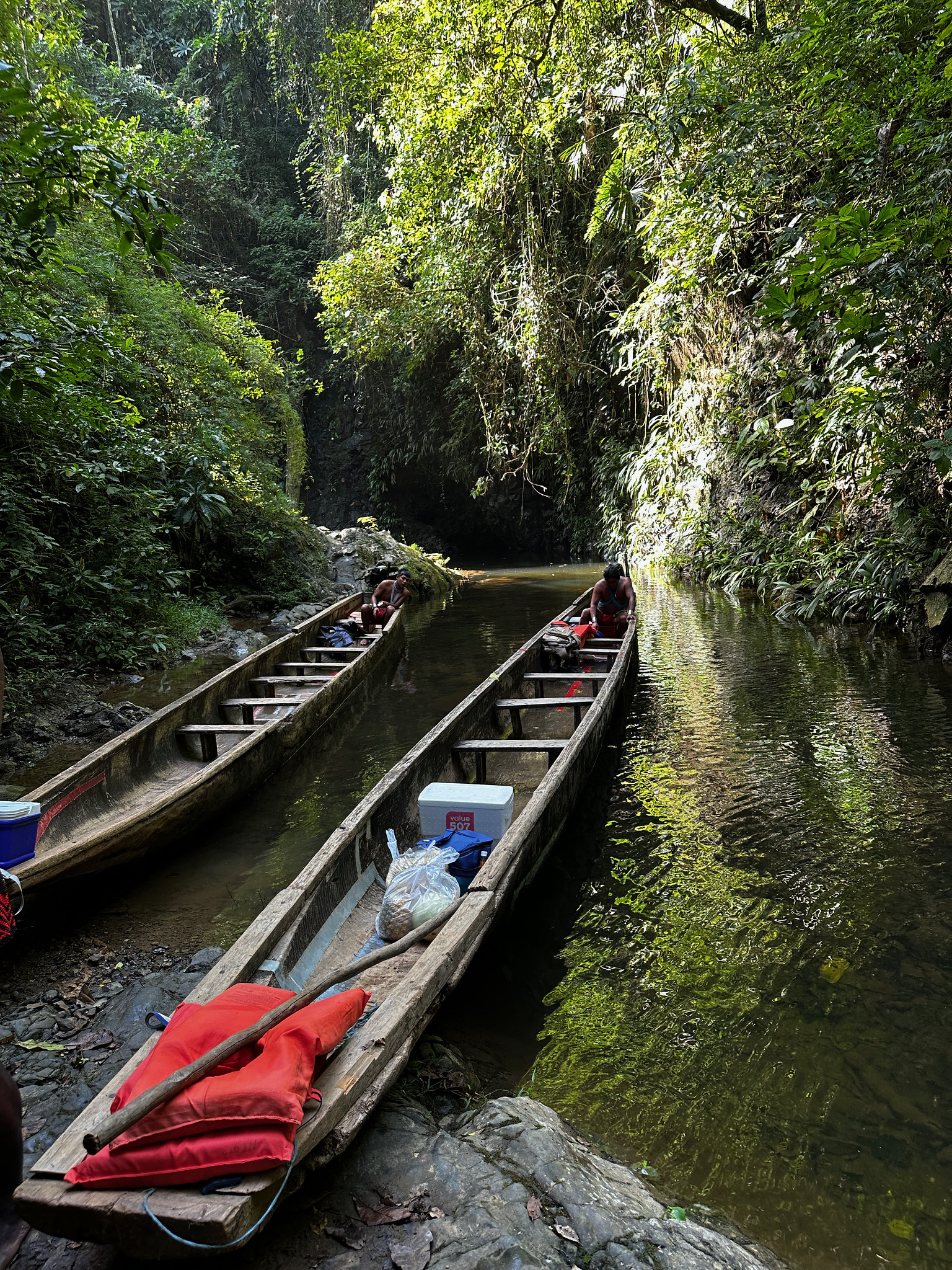
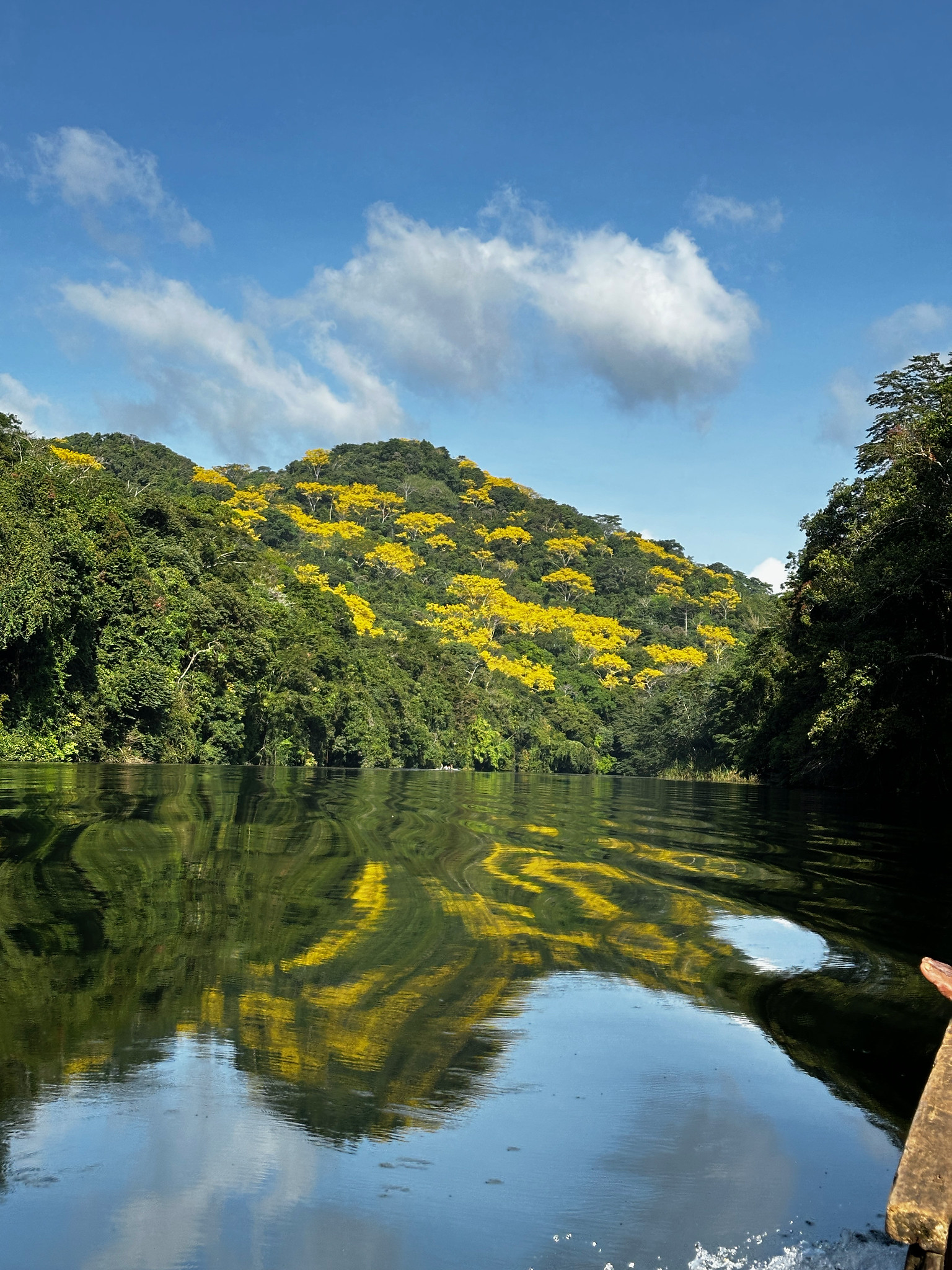
We started the day early with a scenic journey to the Chagres River, where we boarded a traditional boat bound for an Emberá Indigenous village. Cruising along the crystal-clear river, surrounded by lush rainforest, was an unforgettable experience in itself.
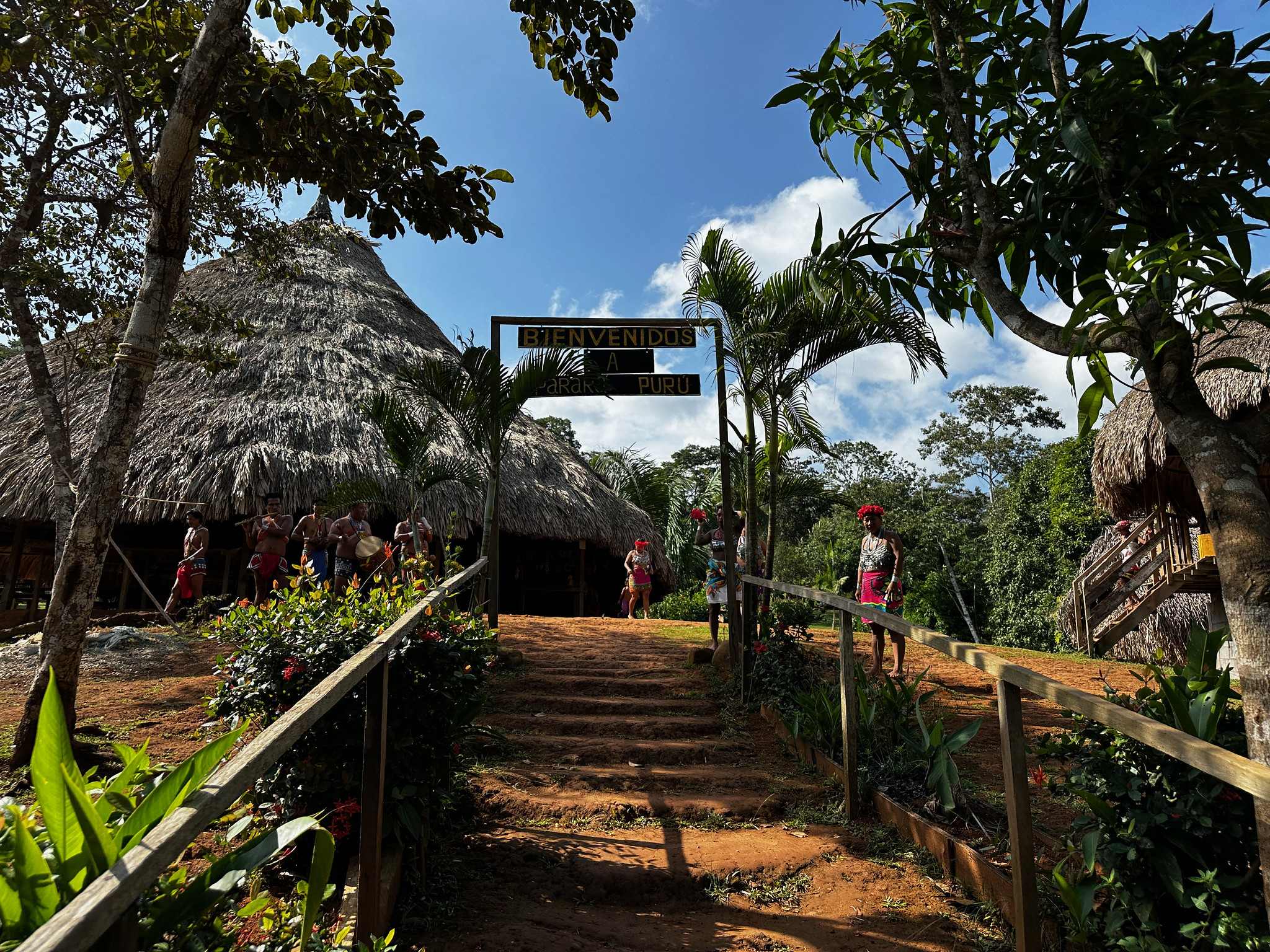
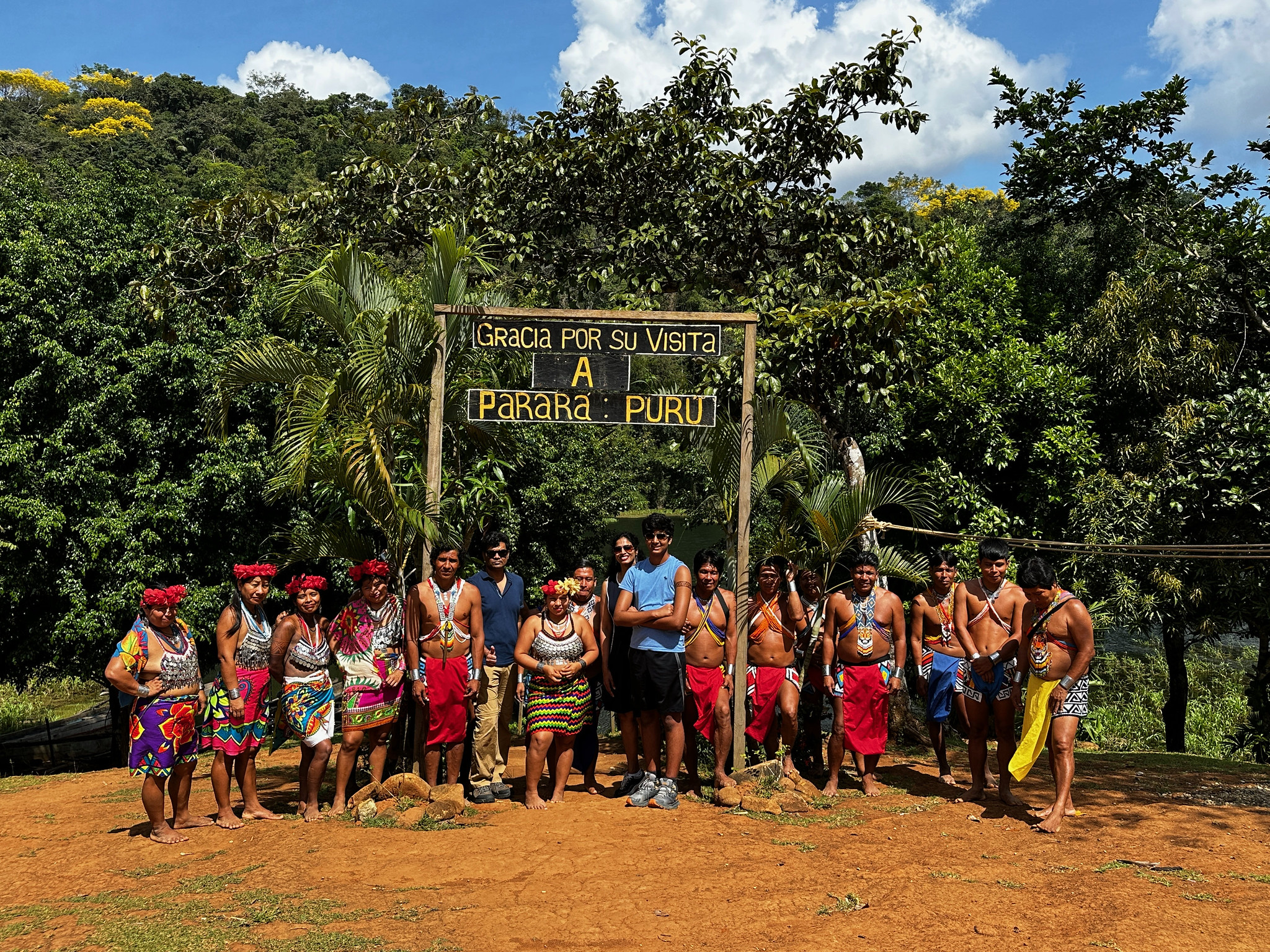
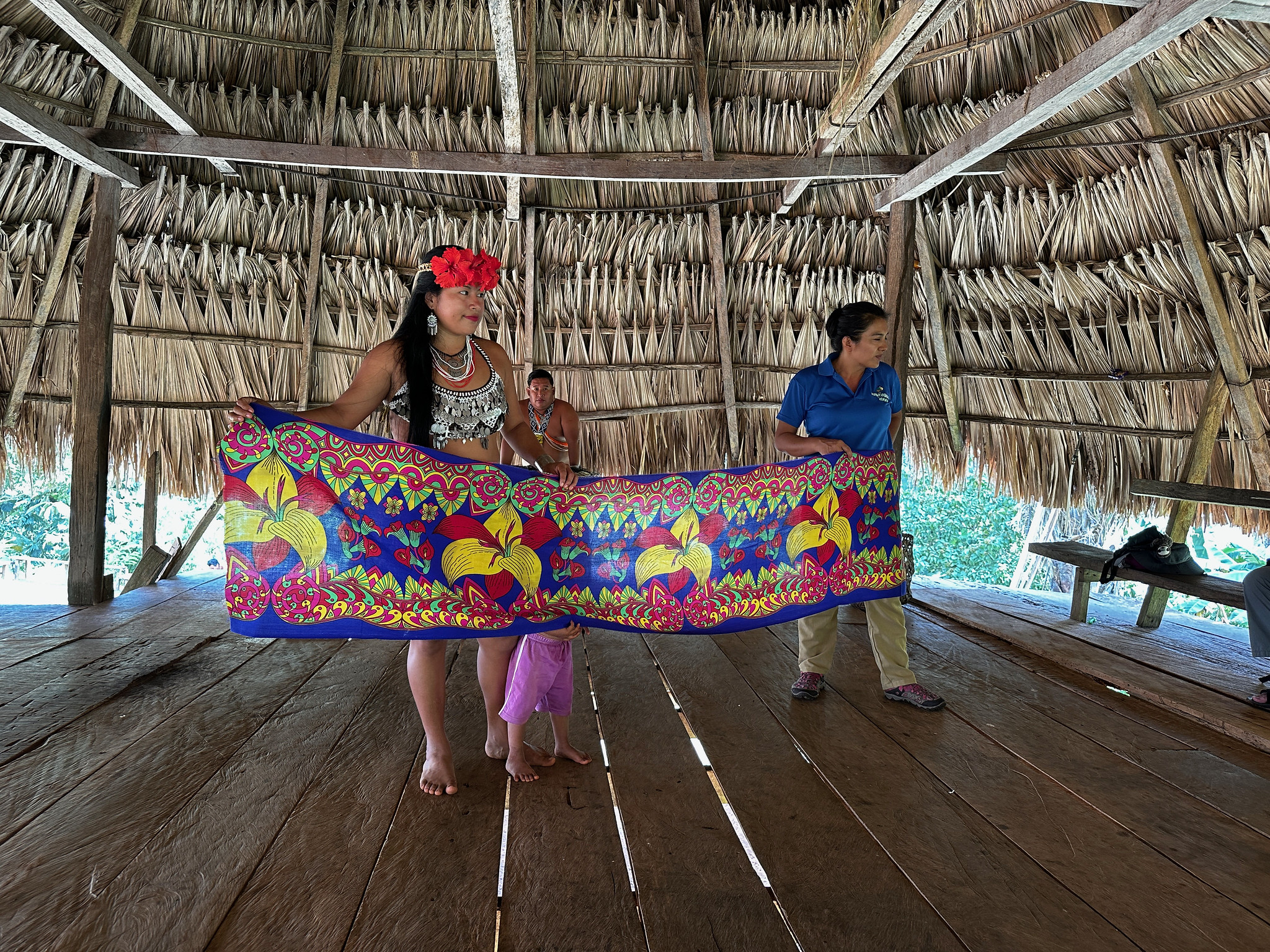
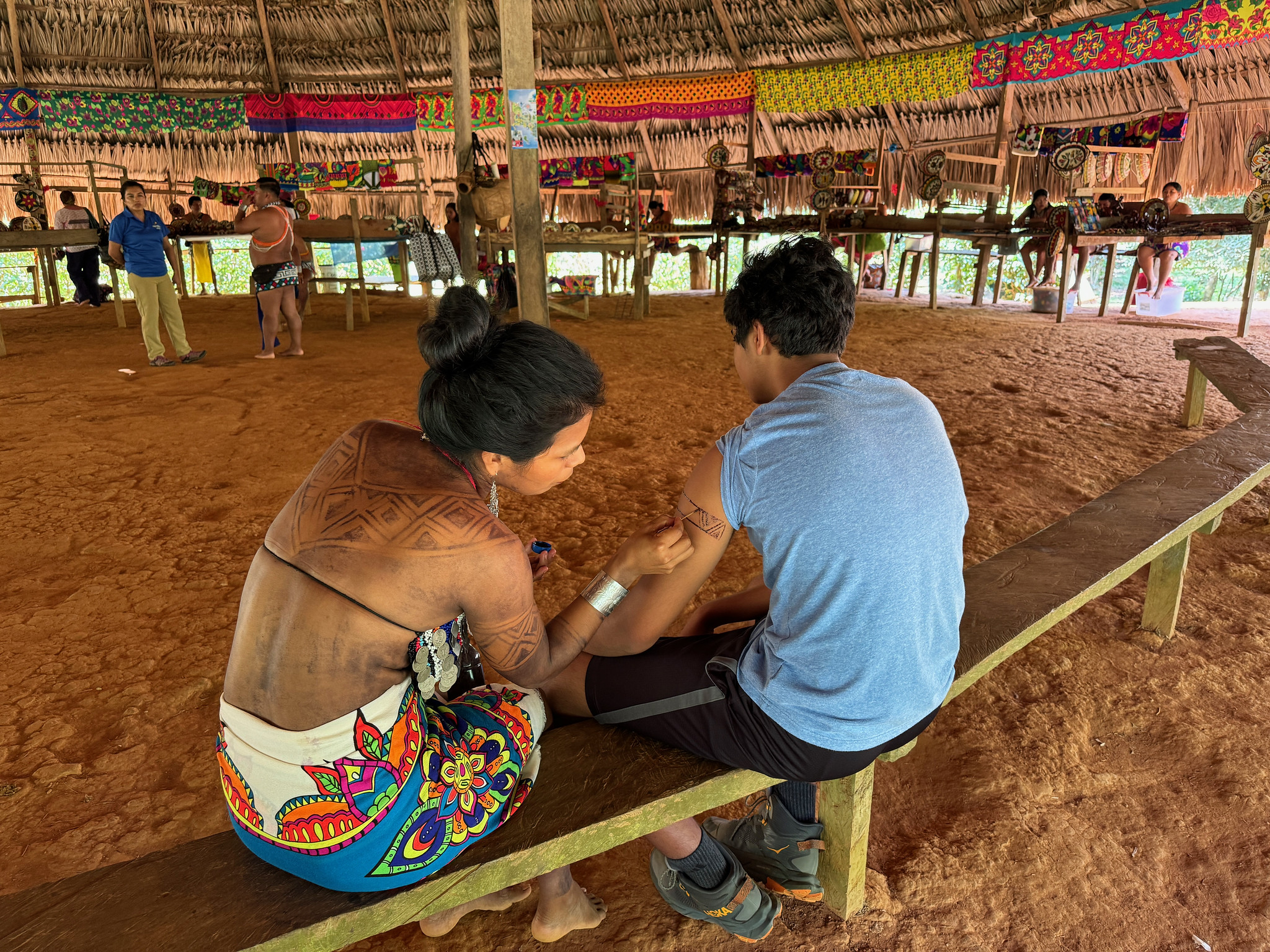
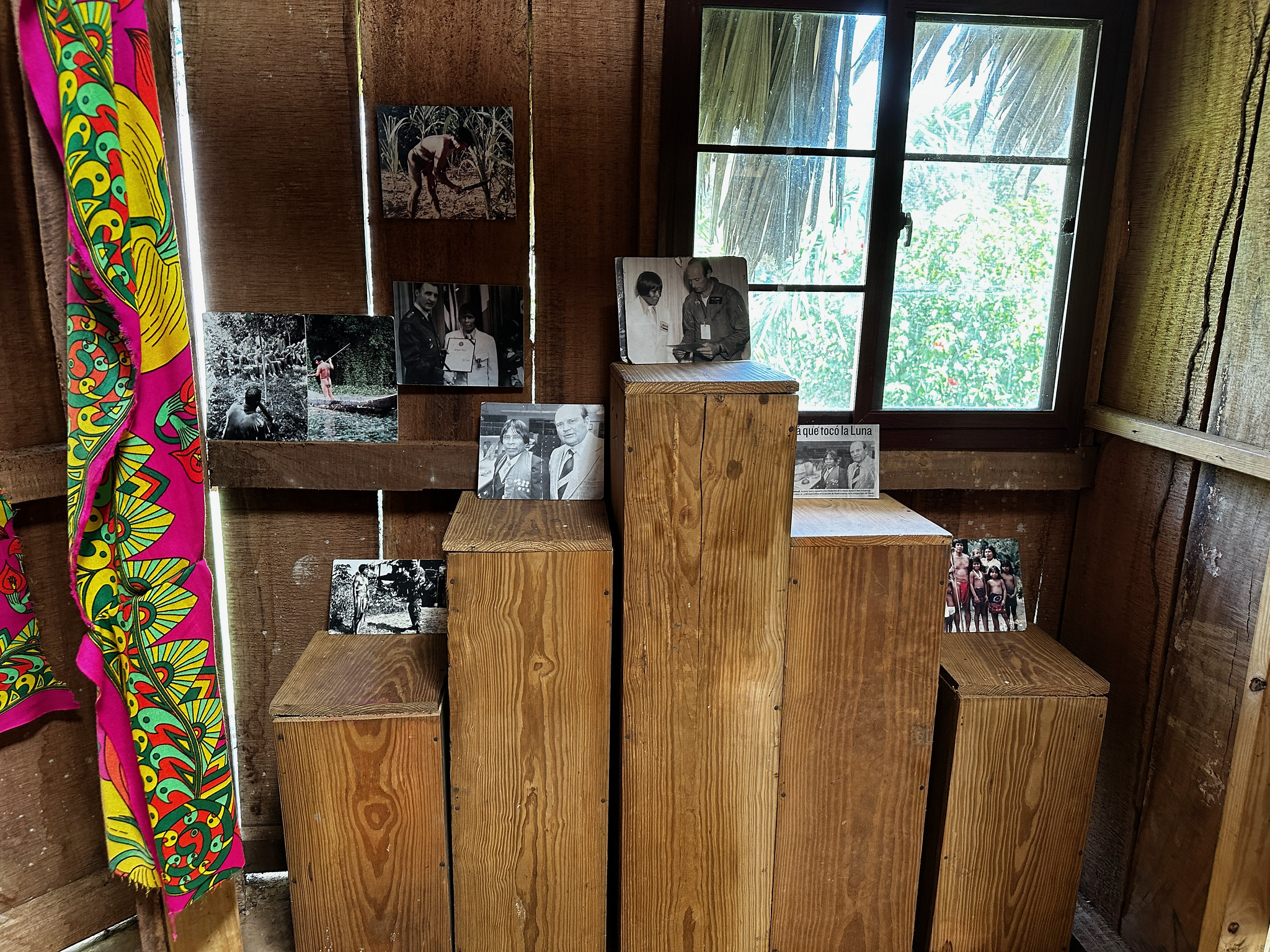
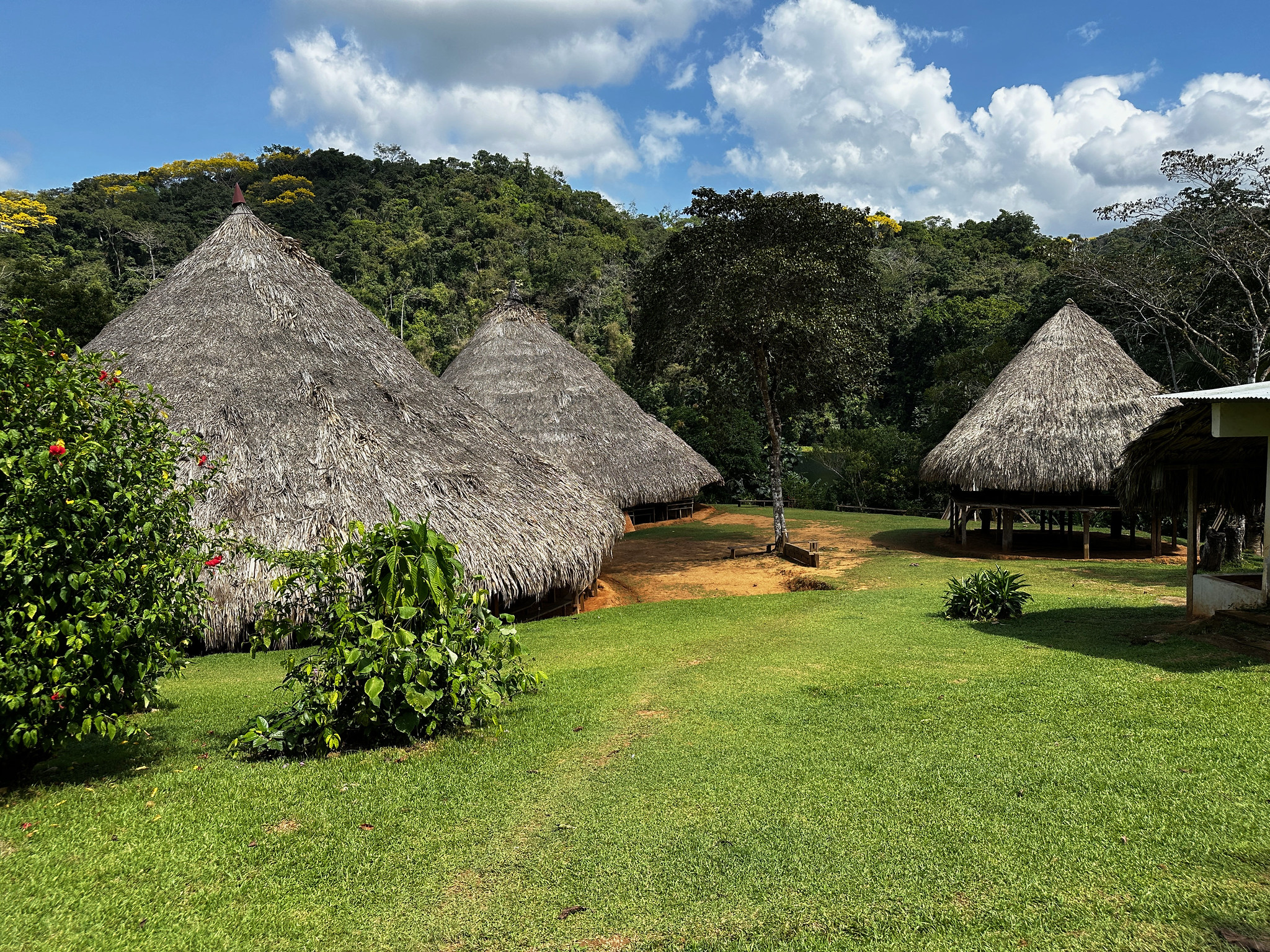
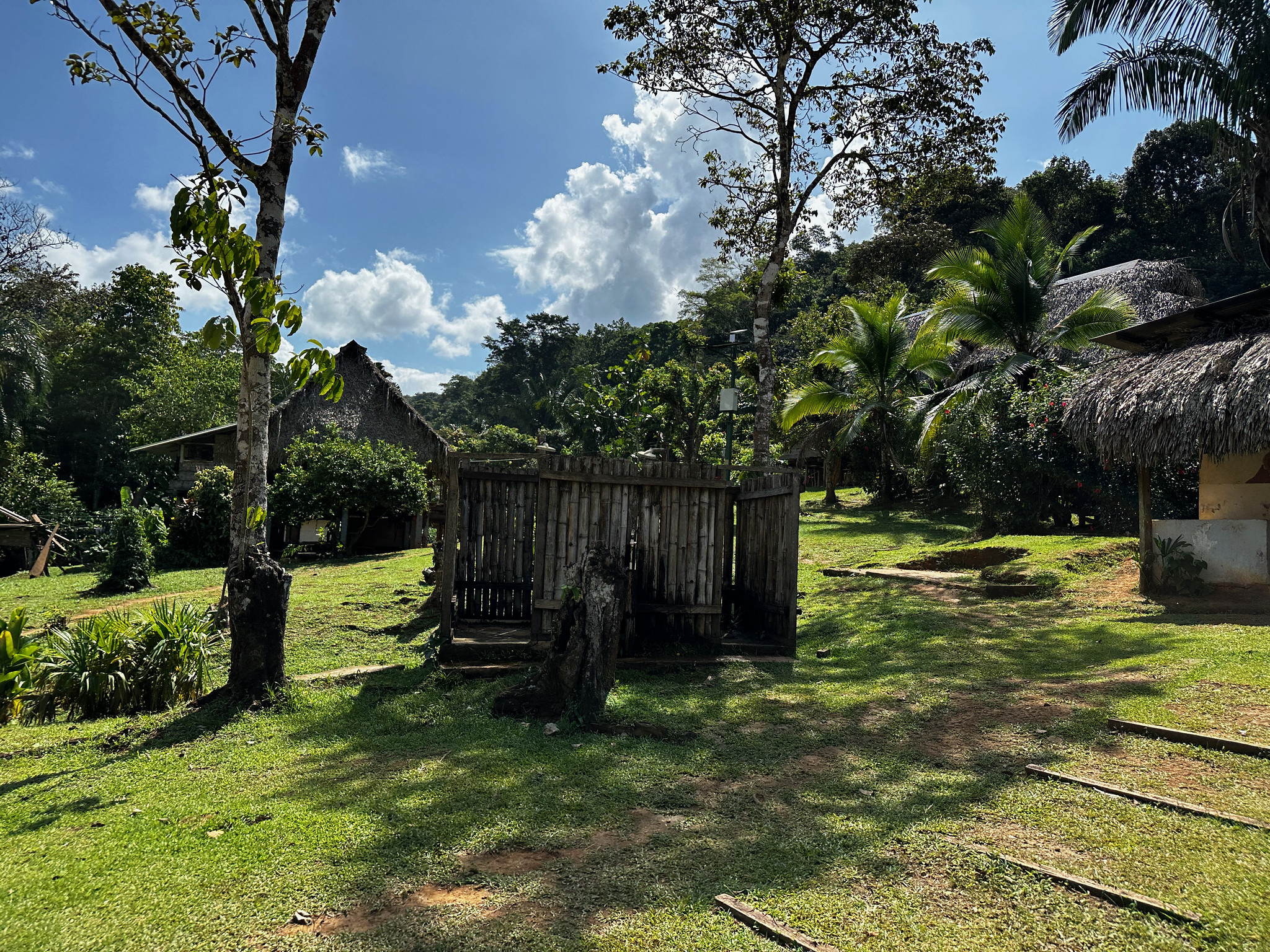
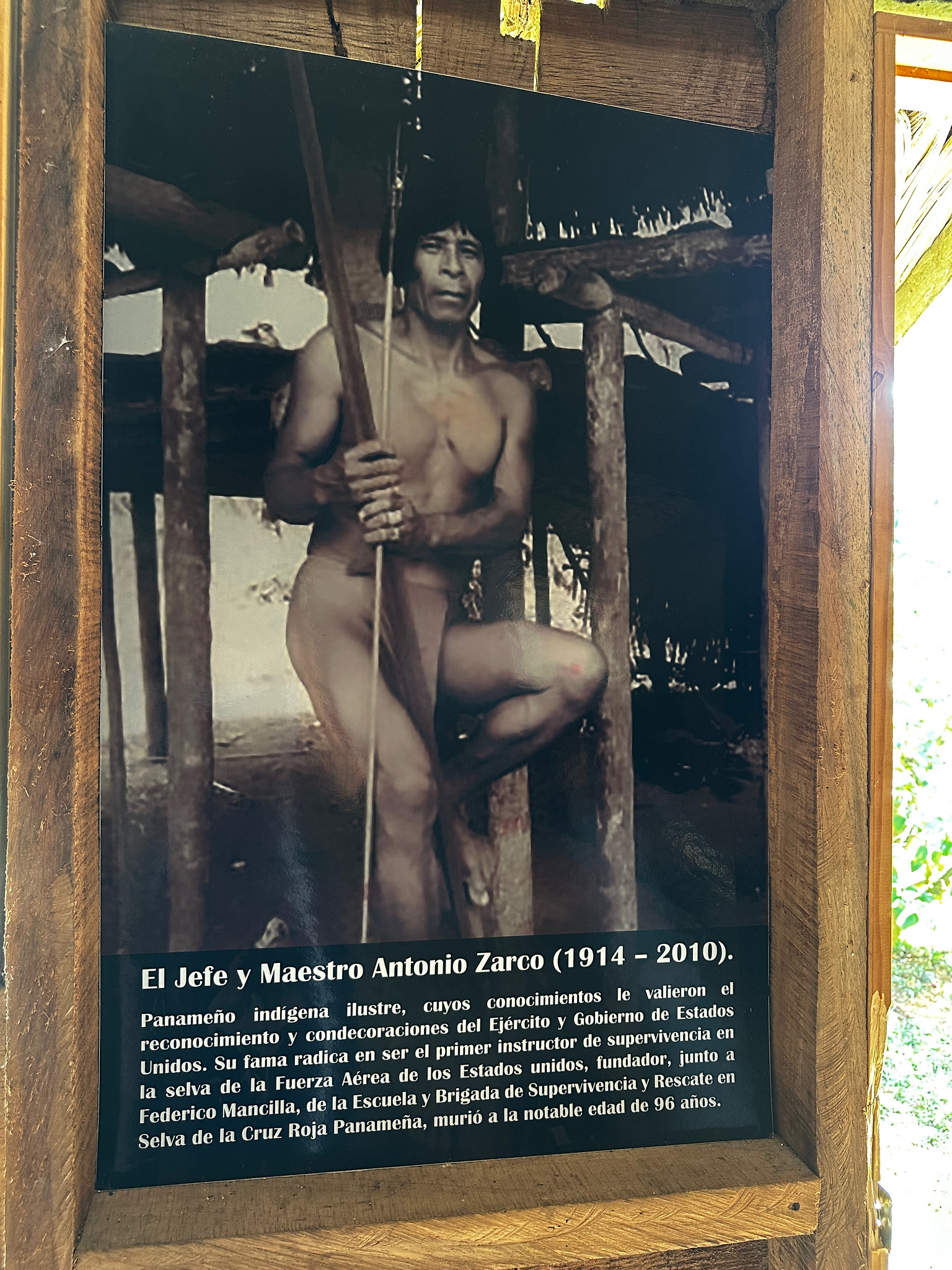
Upon our arrival, the village chief warmly welcomed us and shared fascinating insights into the Emberá people’s history, traditions, and way of life. The village’s homes and communal buildings are constructed with natural materials, including roofs woven from palm leaves gathered from the surrounding forest.
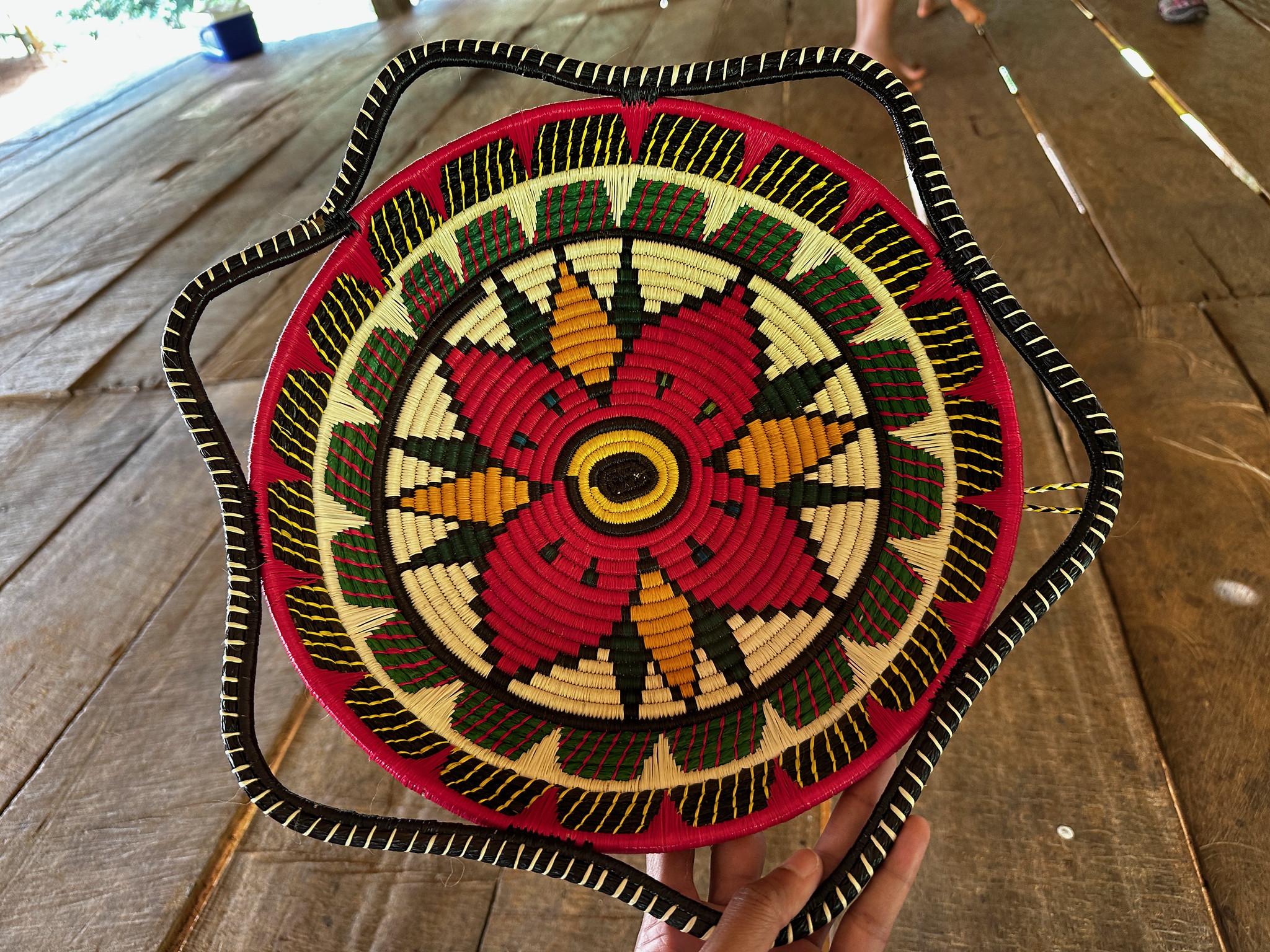
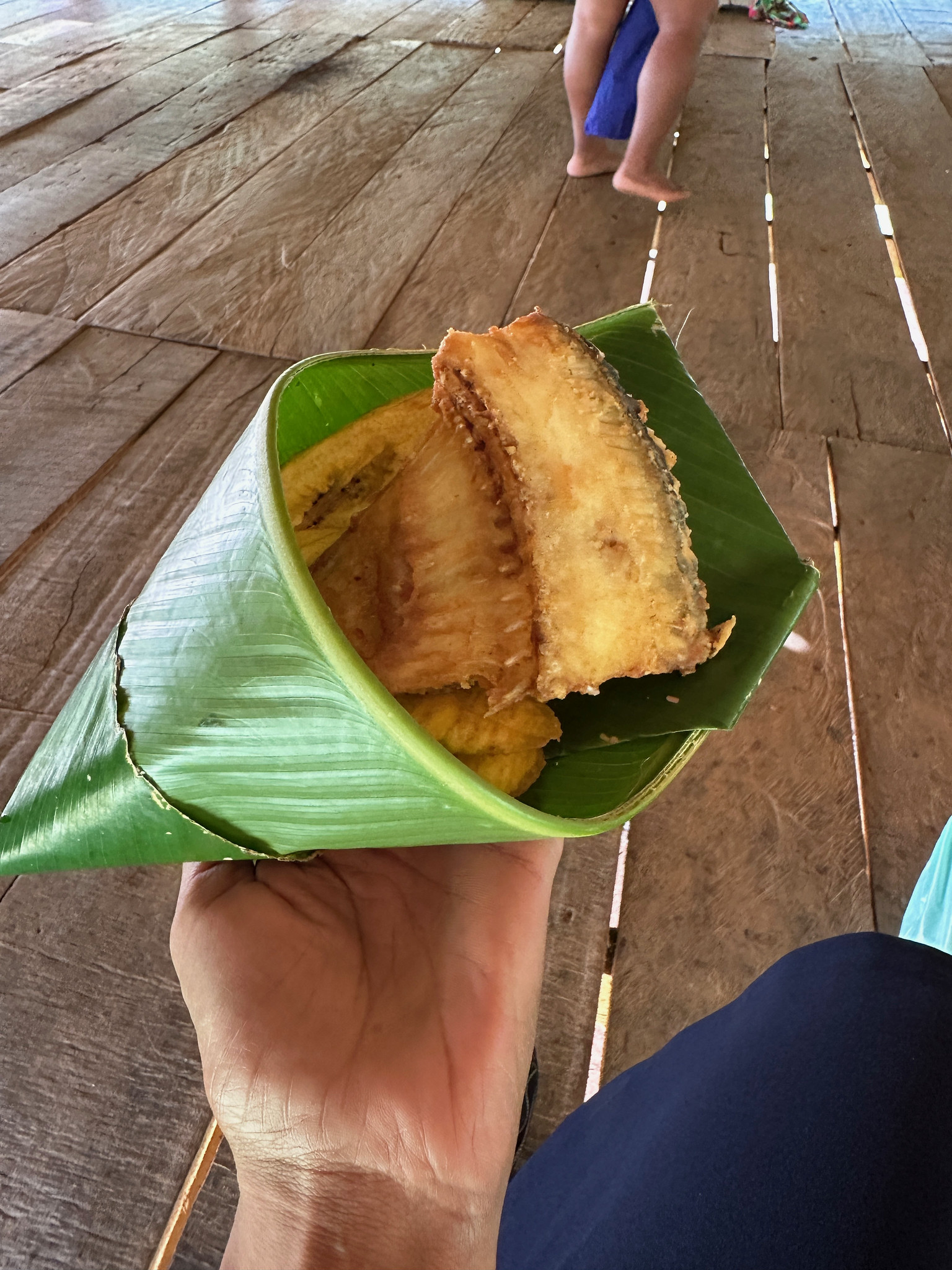
Our hosts treated us to a delicious traditional meal, giving us the opportunity to experience authentic Emberá flavors. Before leaving, we explored the village’s handcrafted souvenirs, including intricate woven baskets and stunning artwork made from colorful butterfly wings. These handmade creations provide an important source of income for the community.
Visiting the Emberá village was a truly humbling and enriching experience. It offered a meaningful glimpse into a culture that has preserved its traditions for generations, making it one of the most memorable highlights of our trip to Panama.
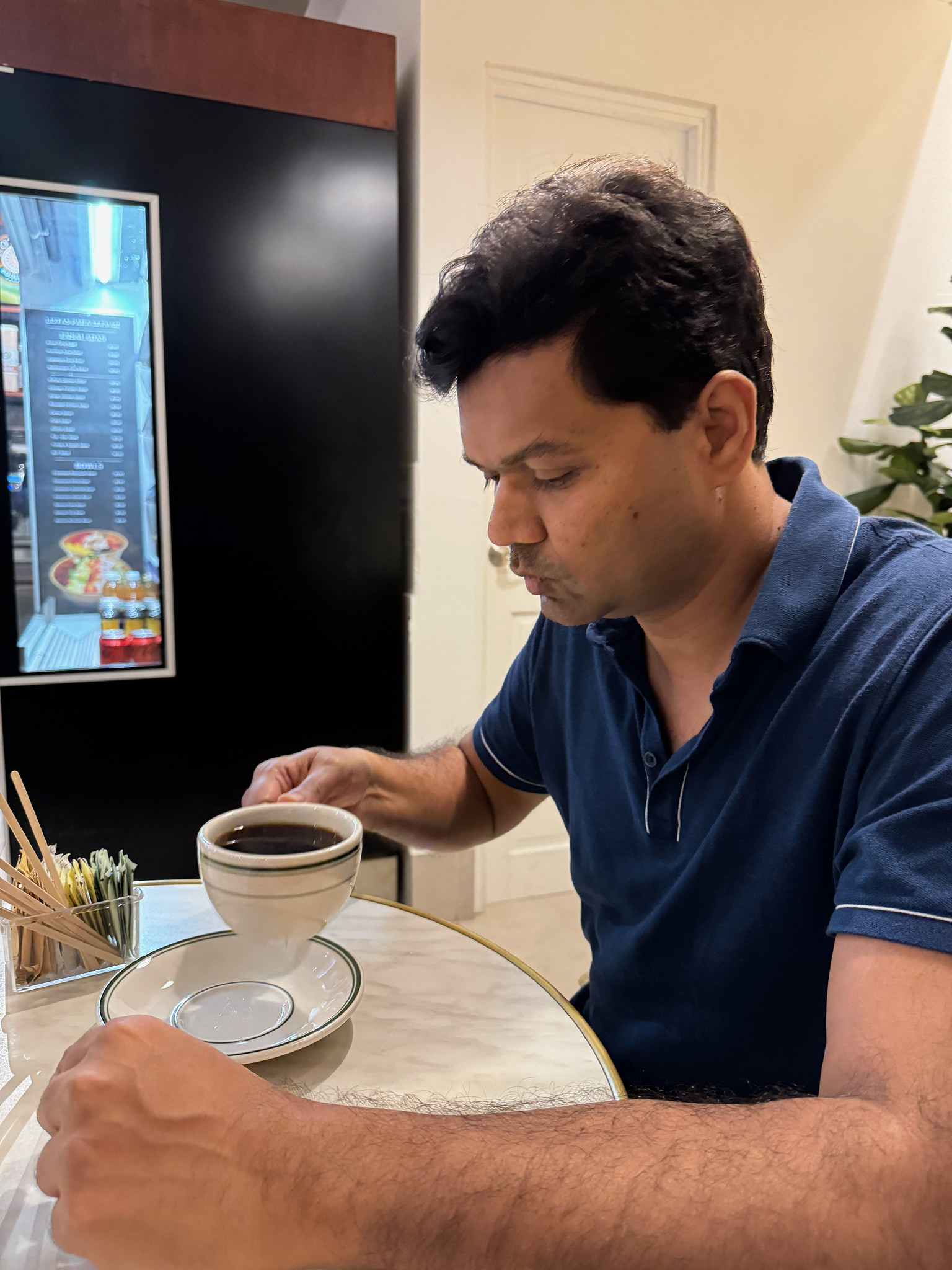
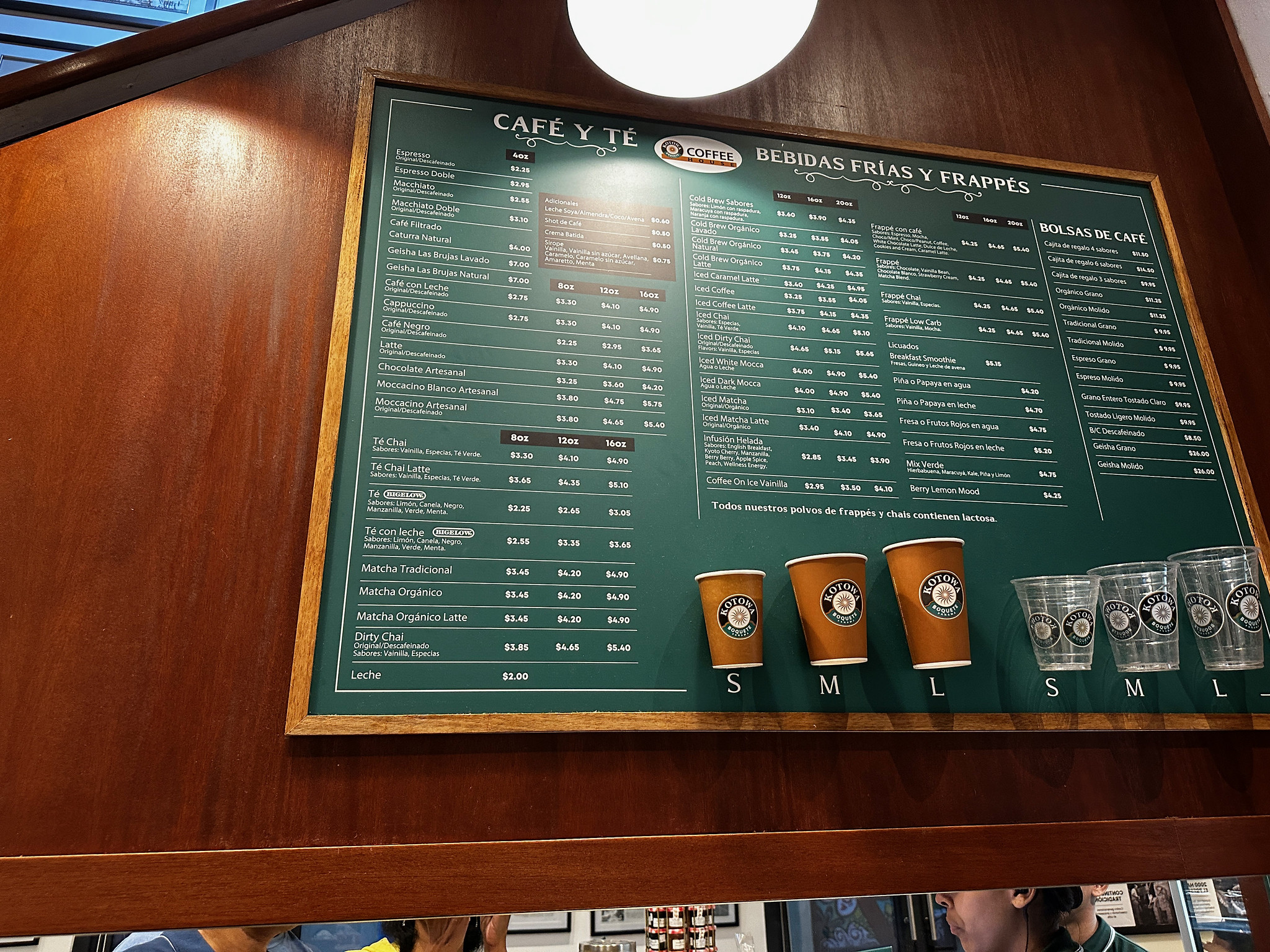
Geisha Coffee (also commonly spelled Gesha) is one of the world’s most celebrated and expensive specialty coffees. Although the variety originated in the Gesha forests of Ethiopia, it achieved international fame in the highlands of Boquete, Panama, where the combination of volcanic soil, cool mountain climate, and high elevations produces an exceptional cup.
Panamanian Geisha is prized for its remarkably delicate and complex flavor profile. Instead of the bold, chocolatey notes found in many coffees, it offers elegant floral aromas reminiscent of jasmine, bright citrus acidity, and flavors of bergamot, peach, tropical fruit, and honey with a tea-like finish. Because these subtle flavors are easily masked, it’s best enjoyed as a pour-over (such as a V60 or Chemex) without milk or sugar.
One reason Geisha coffee is so expensive is that it is difficult to grow. The plants produce relatively low yields, the cherries are hand-picked at peak ripeness, and only the finest lots make it to specialty auctions. Award-winning Panamanian Geisha has repeatedly broken world auction records, with some lots selling for thousands of dollars per kilogram.
Trying a cup of authentic Geisha coffee is a must when you are in Panama..
Dinner at the Roof top restaurant
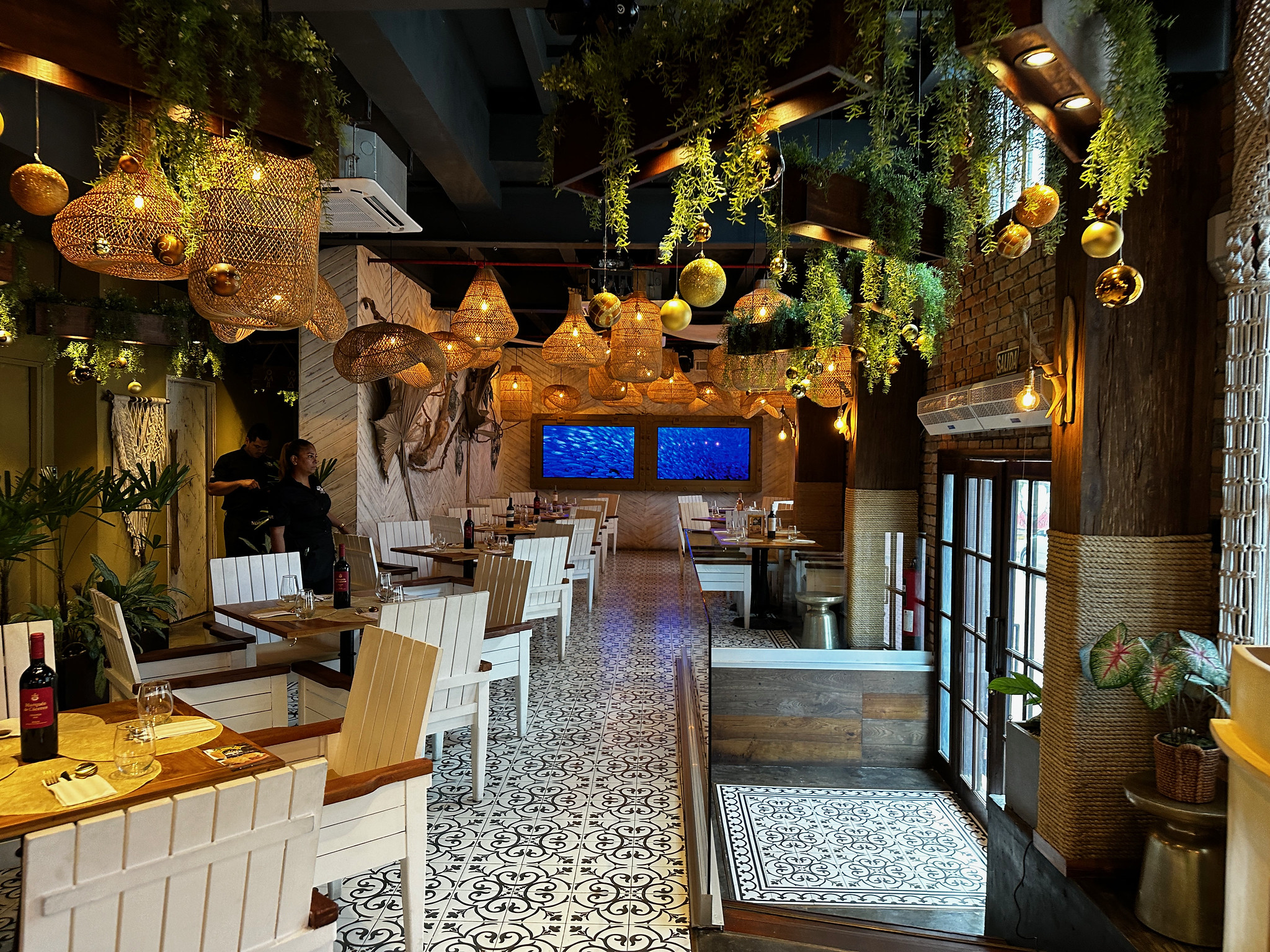
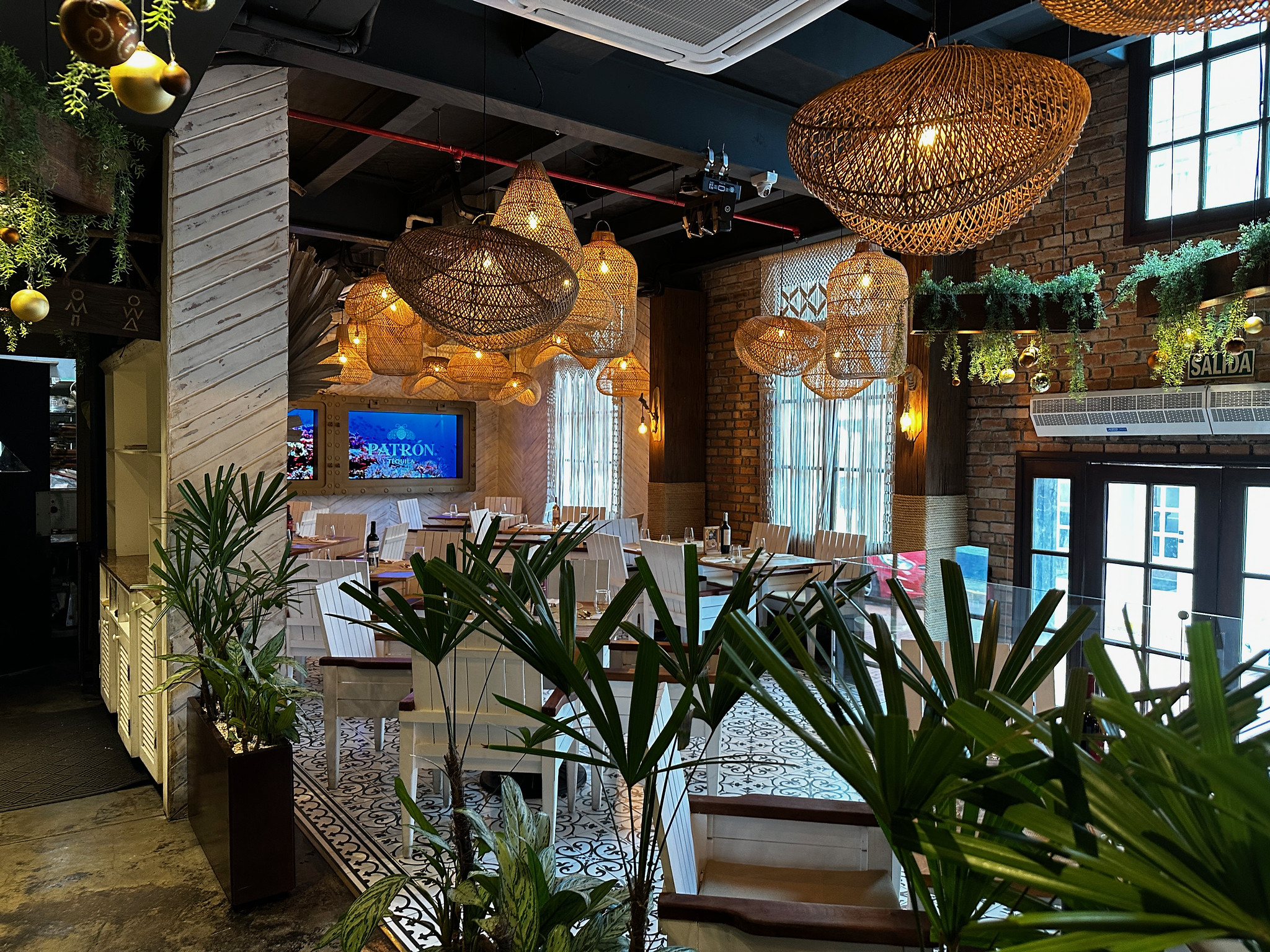
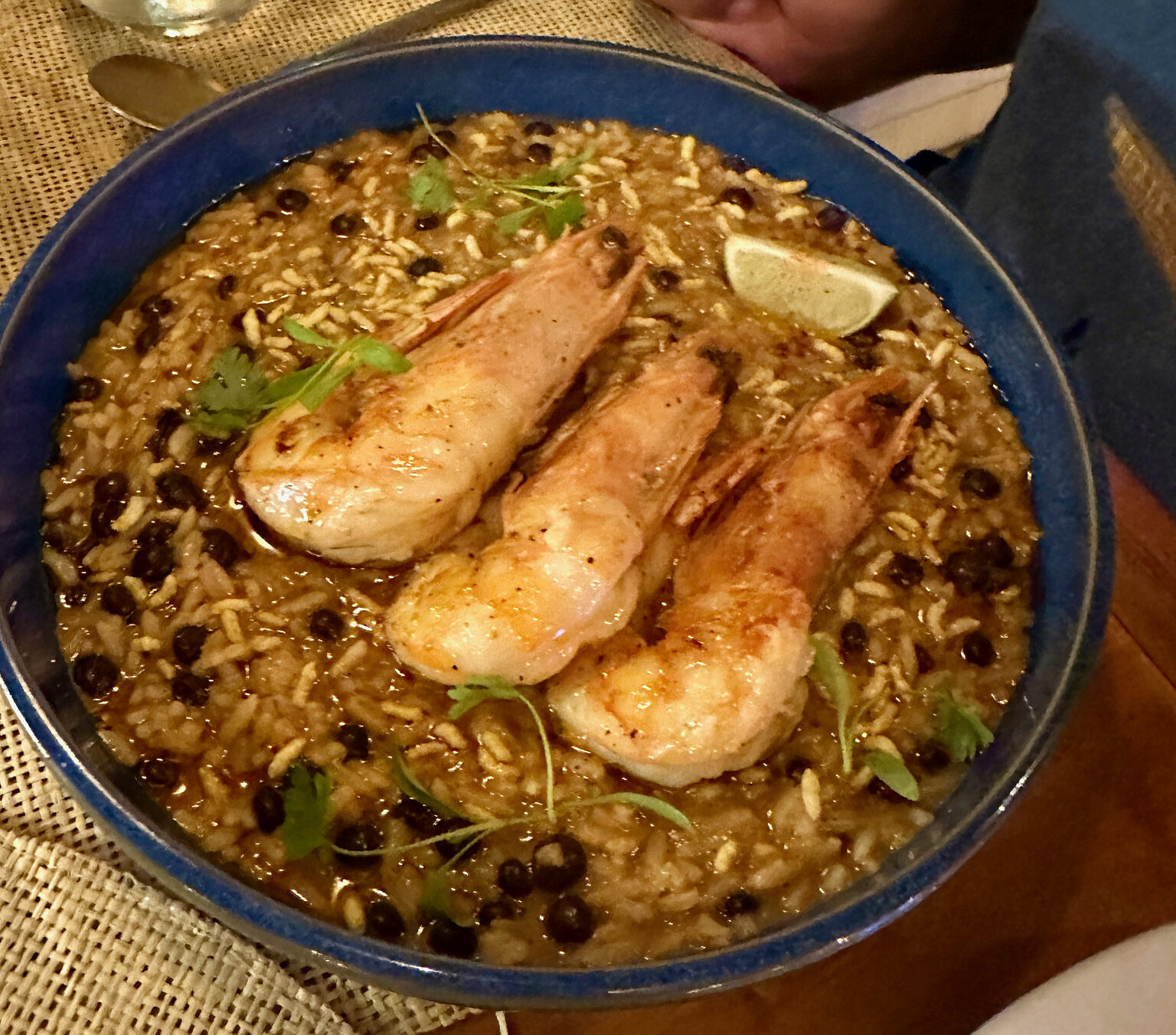
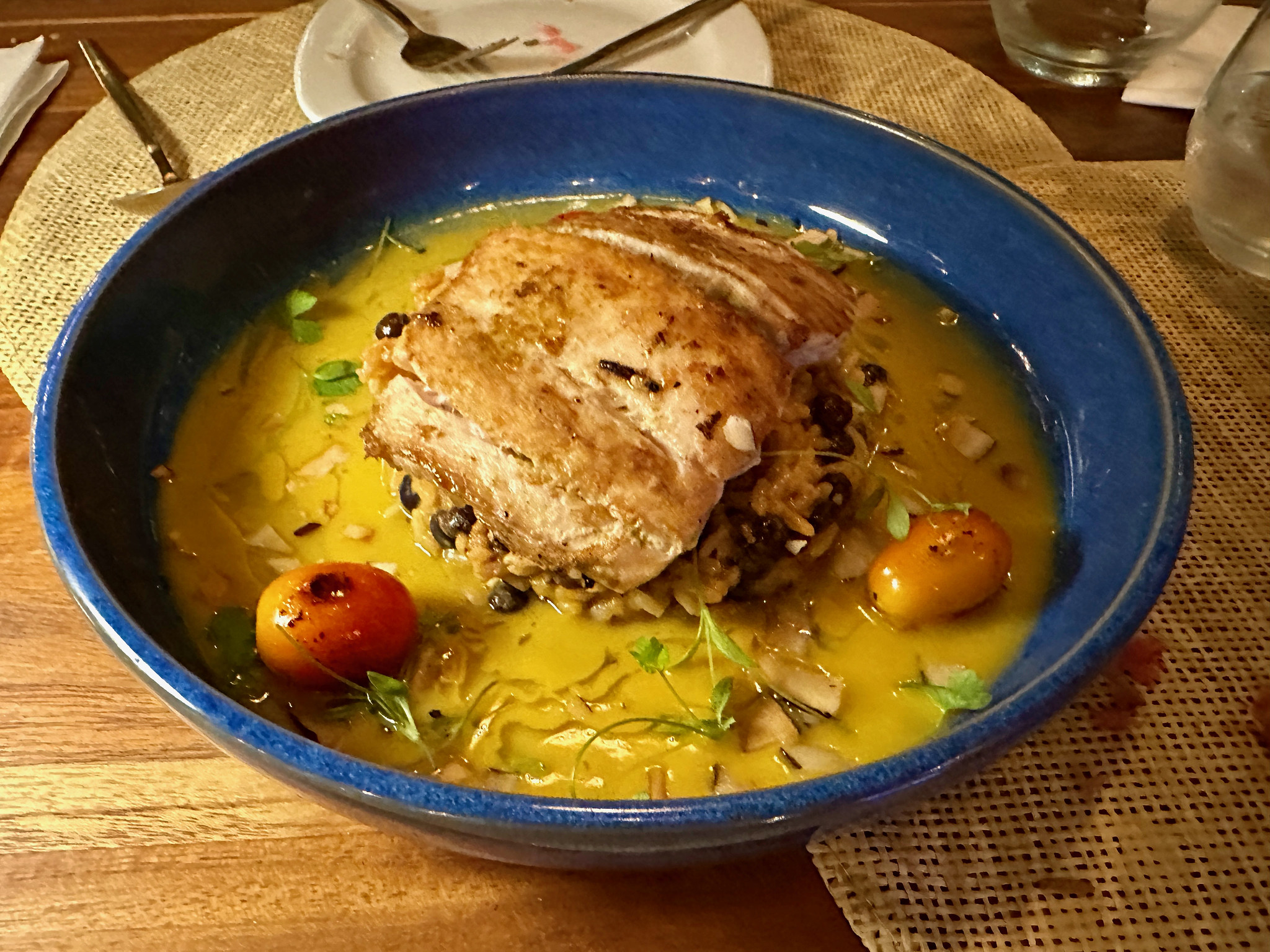
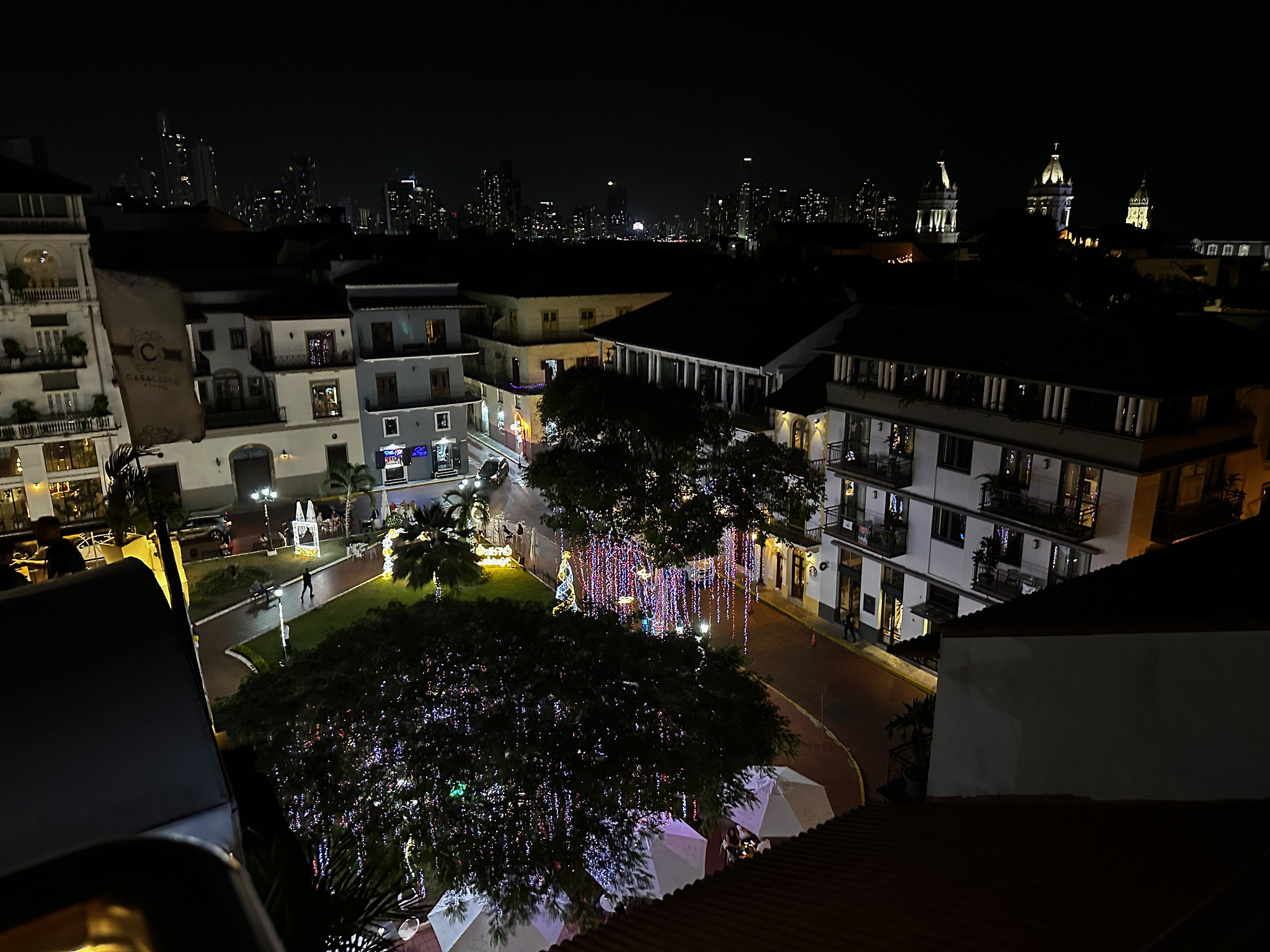
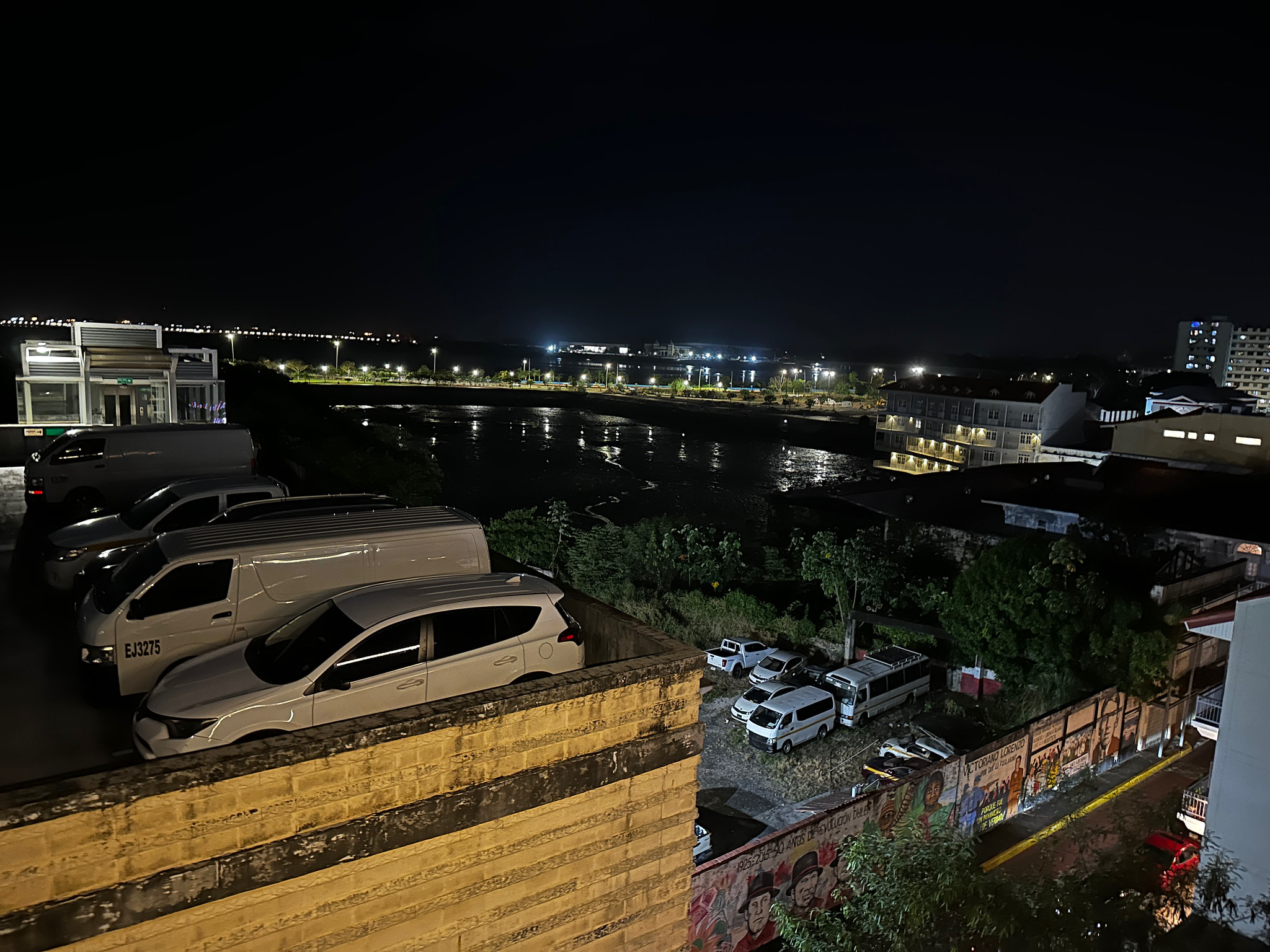
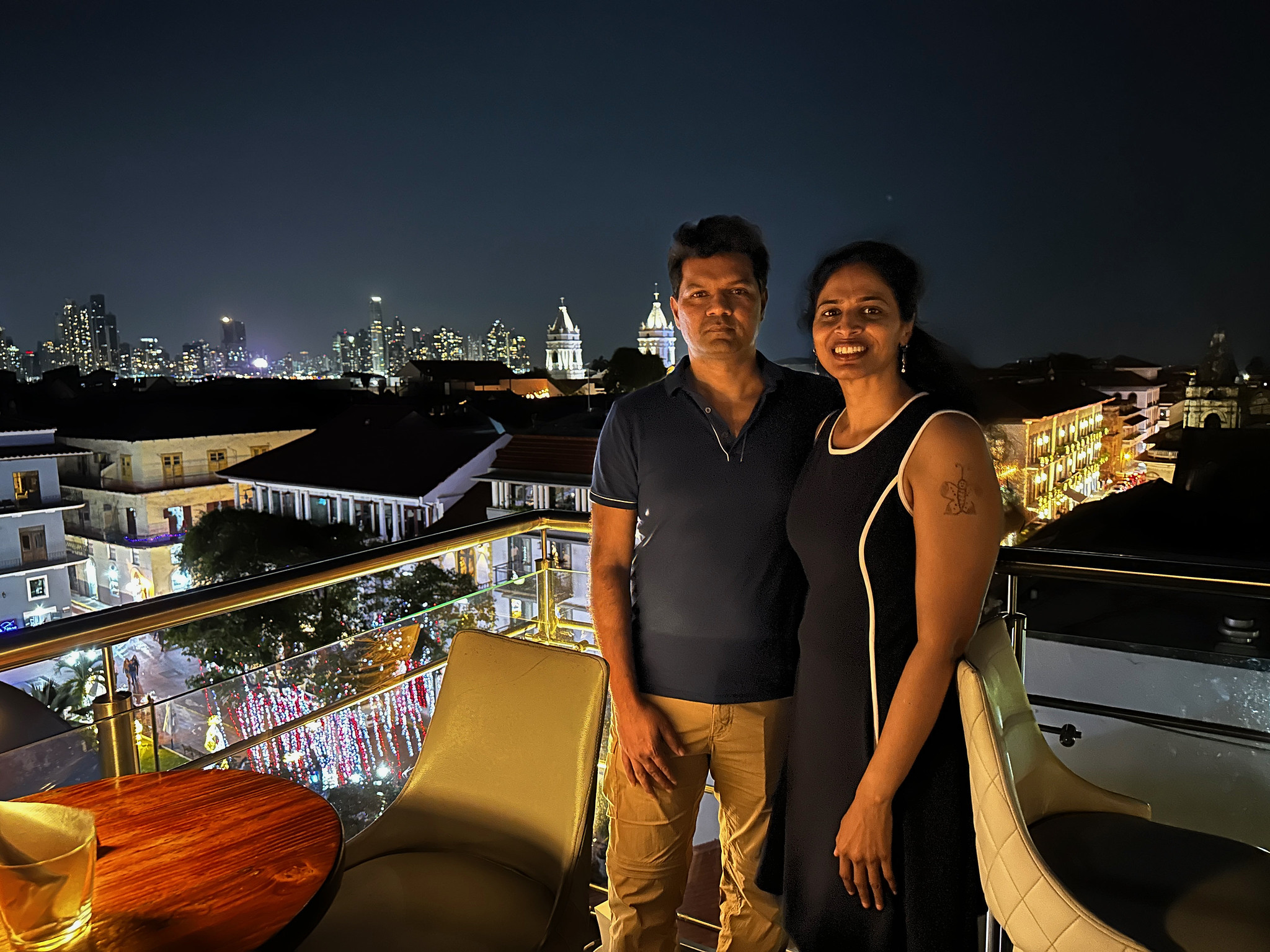
After a day of exploring, we headed to the rooftop at CasaCasco in Casco Viejo for dinner. The rooftop offered stunning panoramic views of Panama City’s skyline, the historic district, and the sparkling waterfront, creating the perfect setting to unwind. As the sun set and the city lights came to life, we enjoyed delicious food, refreshing drinks, and a lively atmosphere. With its stylish ambiance, great music, and breathtaking views, CasaCasco was the perfect place to end the day and experience Panama City’s vibrant nightlife.
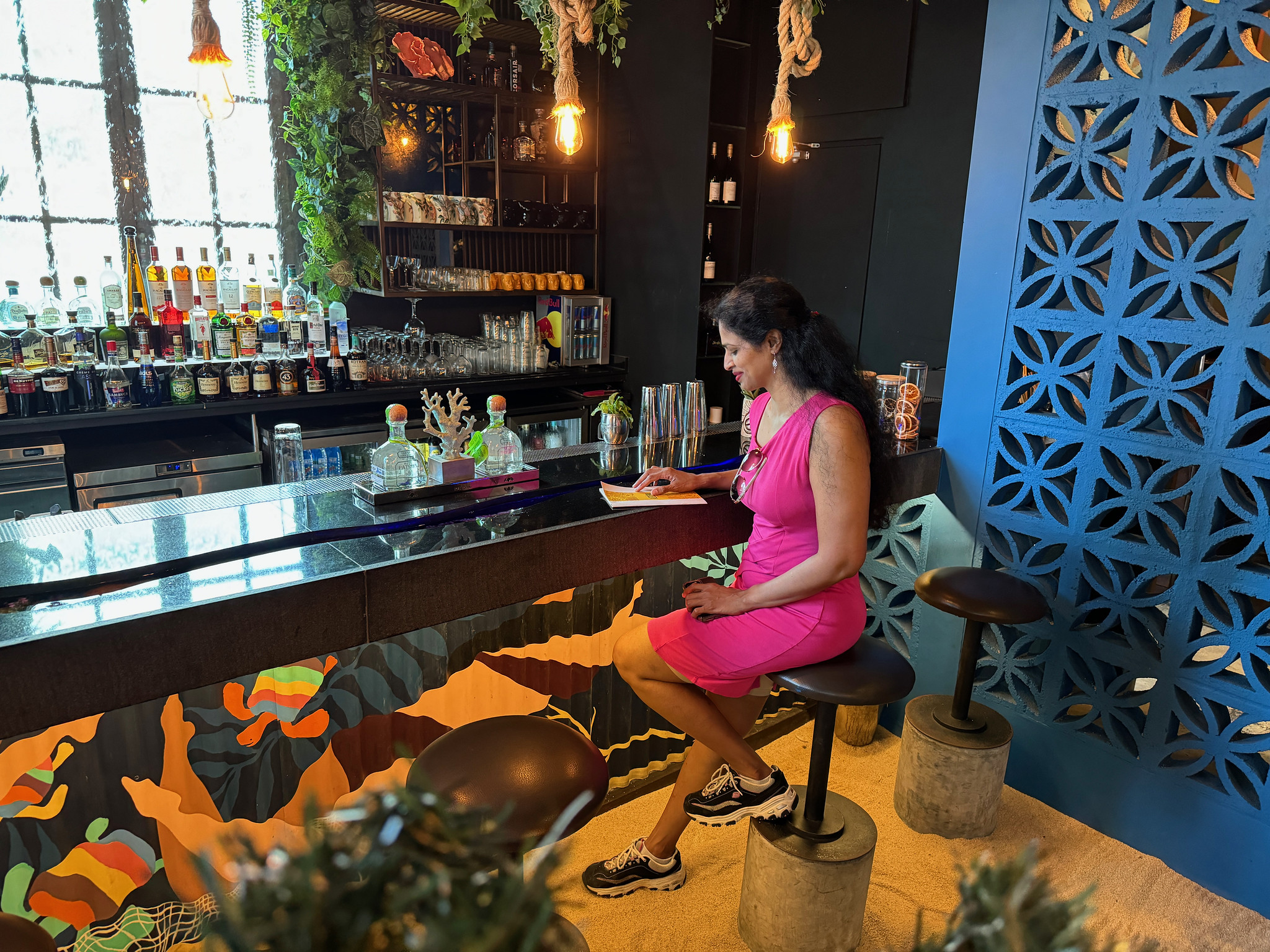
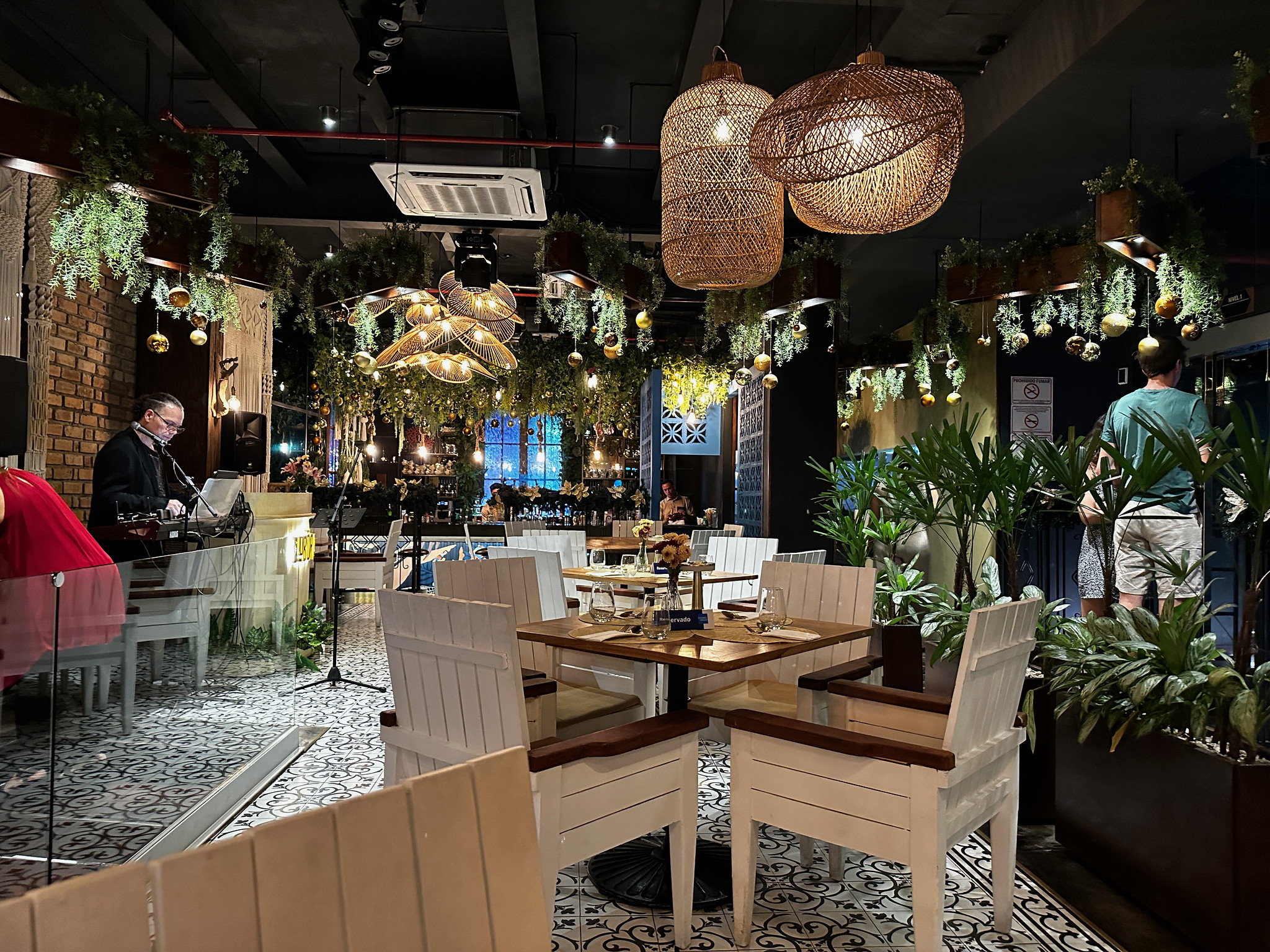
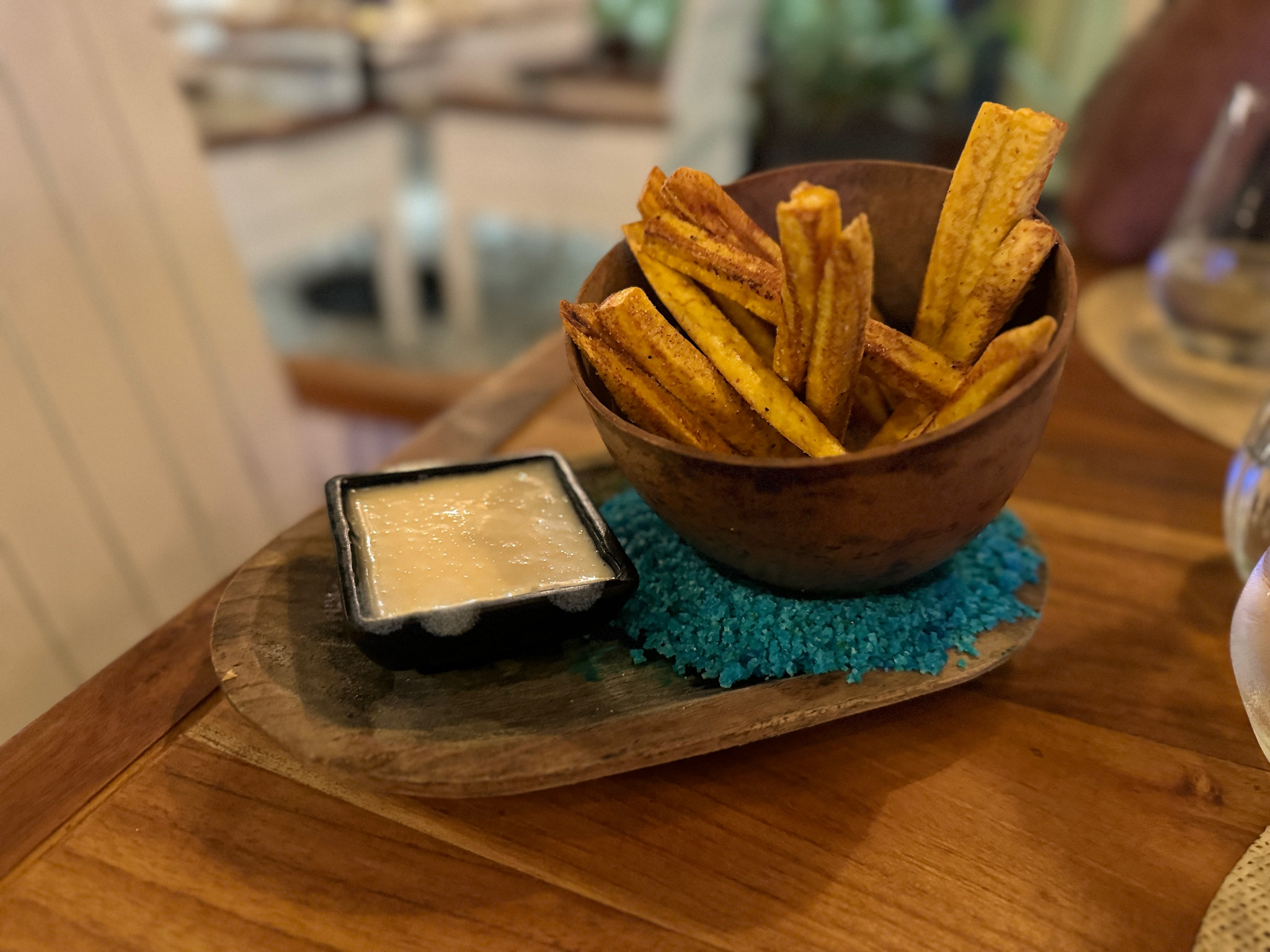
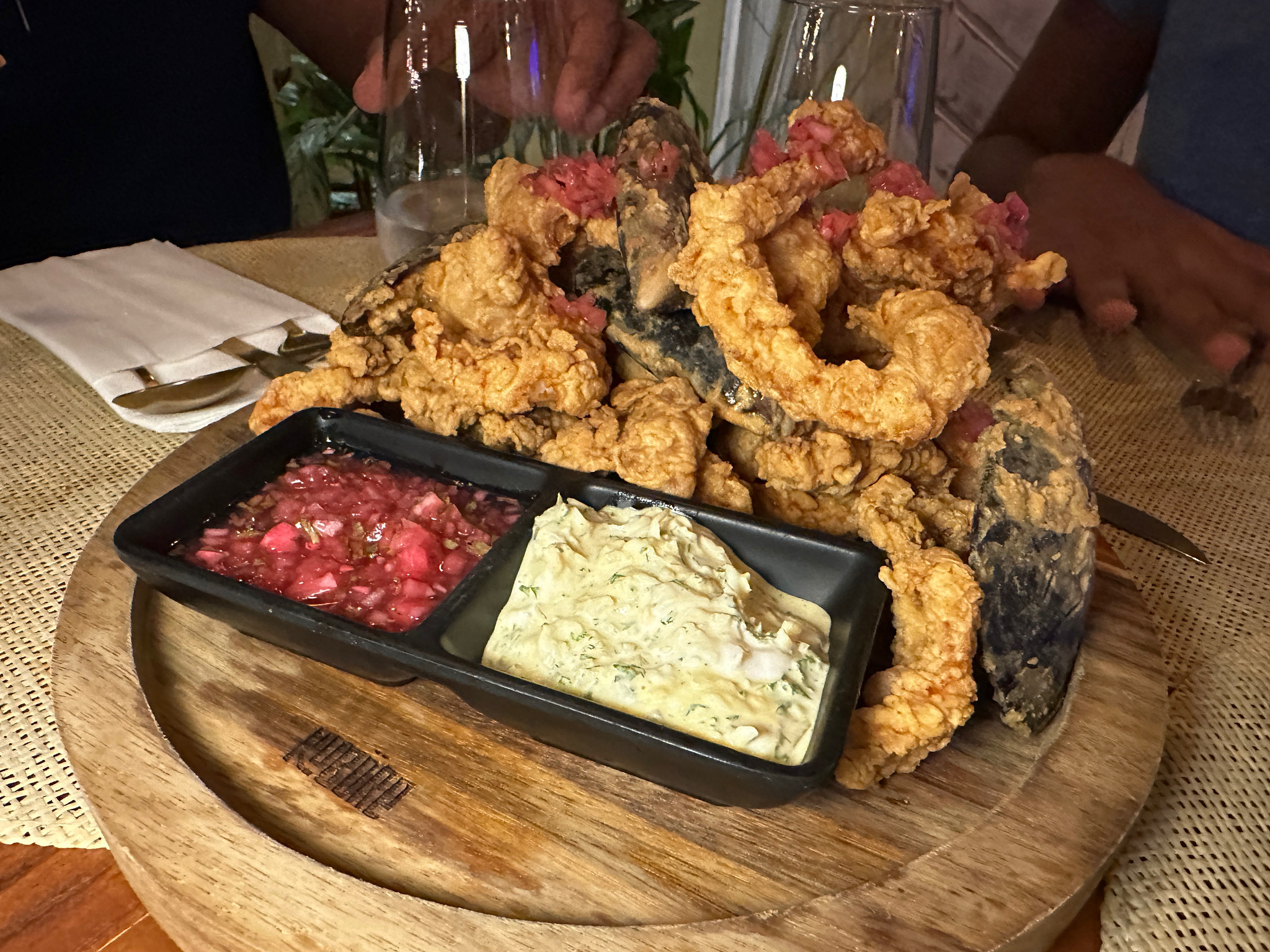
Three days in Panama gave us the perfect blend of history, culture, nature, and adventure. From watching massive ships navigate the engineering marvel of the Panama Canal to wandering the charming streets of Casco Viejo, cruising along the Chagres River to visit the Emberá Indigenous community, and ending our evenings with incredible food and rooftop views, every experience revealed a different side of this vibrant country. Panama may be small, but it’s filled with unforgettable landscapes, rich traditions, and warm hospitality. We left with wonderful memories, a deeper appreciation for its culture, and already found ourselves dreaming about returning to explore even more.
Bye Bye for now…
Date of Travel: Dec 2023