Parnu and Tallinn
Estonia
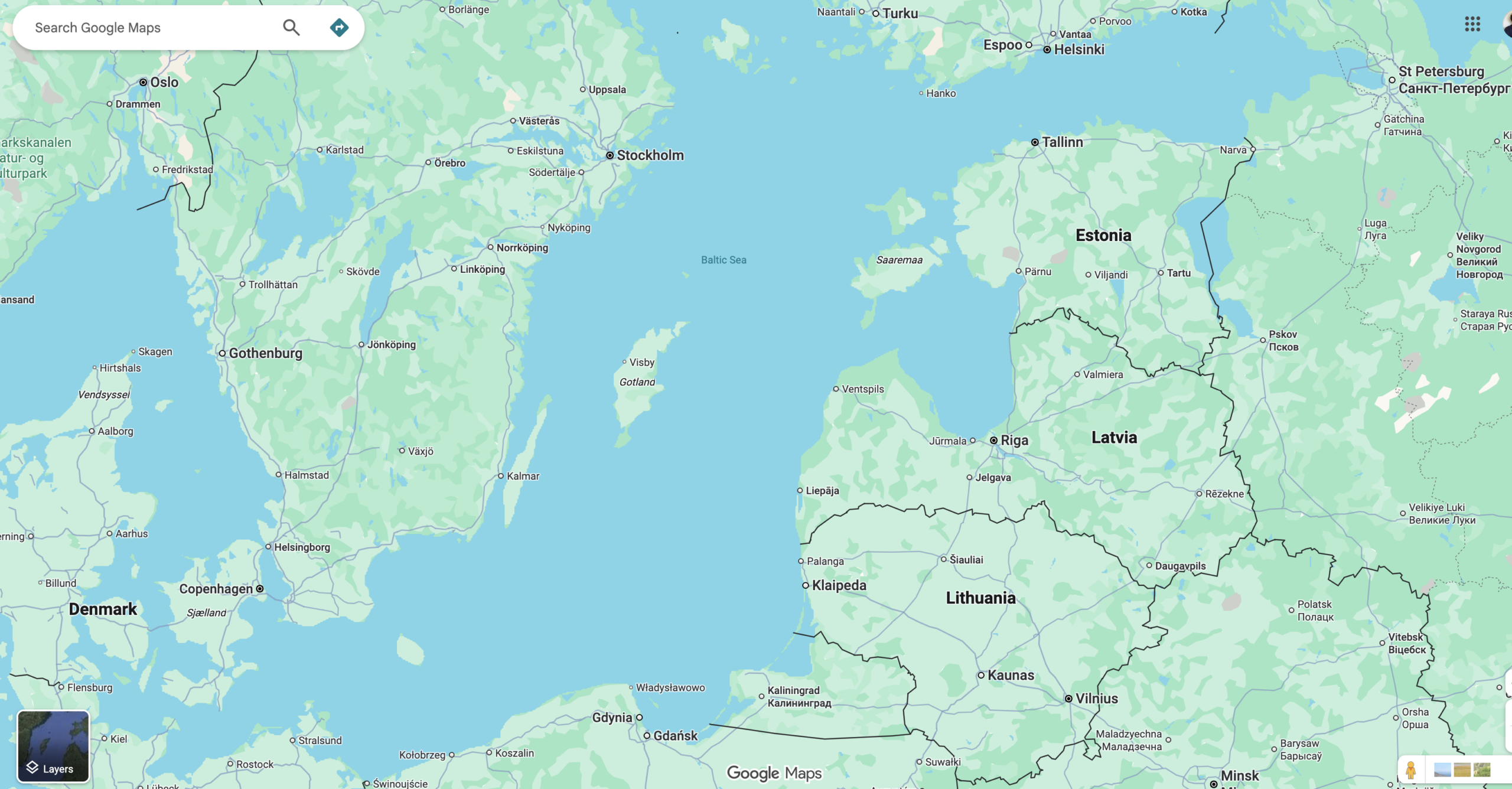
Nestled along the eastern coast of the Baltic Sea, Estonia is one of Northern Europe’s hidden gems, where medieval history blends seamlessly with modern innovation. Despite its small size, the country is known for its beautifully preserved old towns, dense forests, thousands of islands, and a strong connection to nature. Estonia regained its independence from the Soviet Union in 1991 and has since become one of the world’s most digitally advanced nations, offering services like online voting and digital residency. From charming seaside resorts like Pärnu to the fairy-tale streets of Tallinn, Estonia offers a perfect mix of history, culture, and scenic beauty.
Currency
- Currency: Euro (€)
- Estonia adopted the Euro on January 1, 2011, replacing the Estonian Kroon (EEK).
Top 5 Cities in Estonia
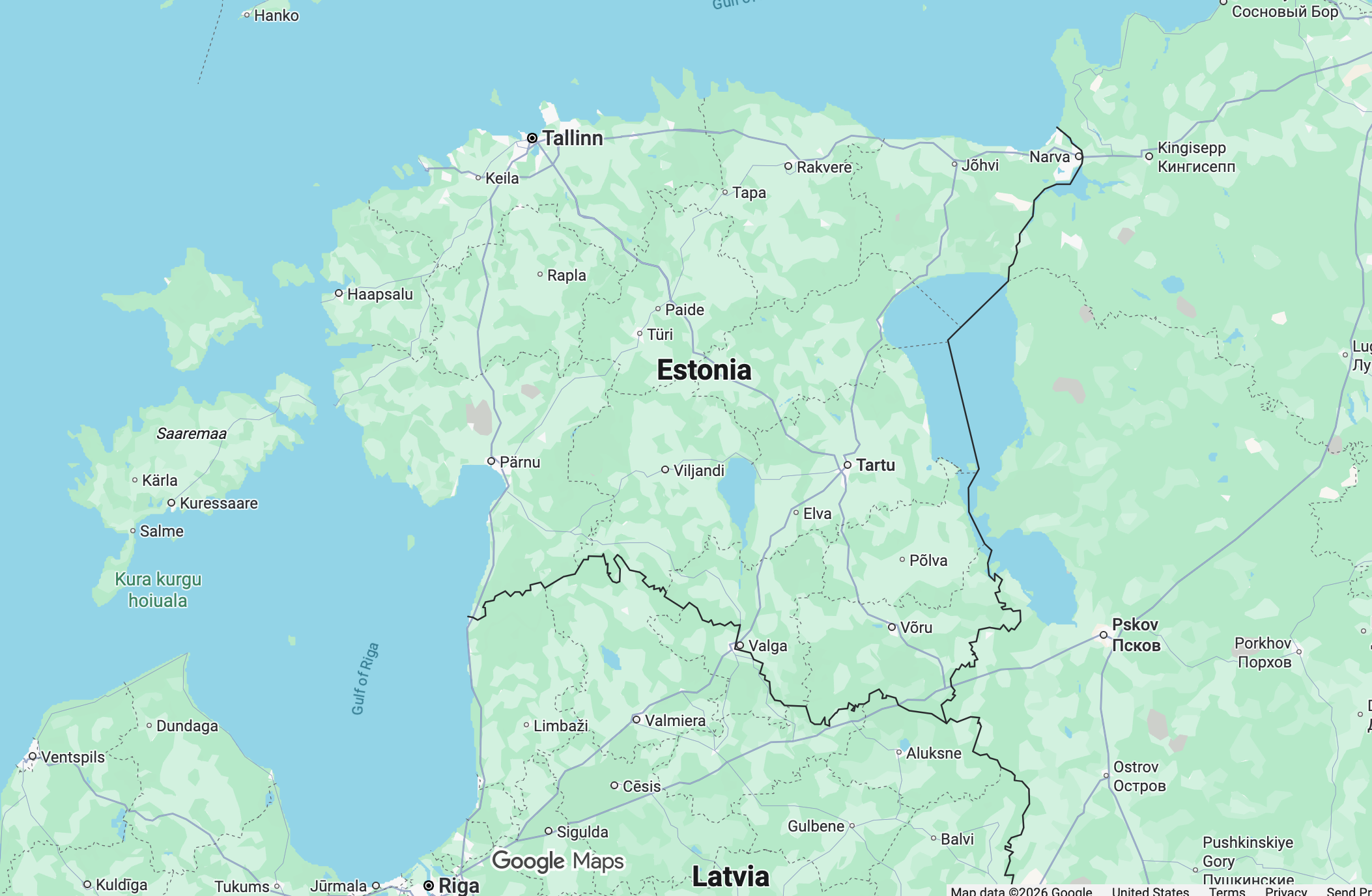
- Tallinn – The capital and largest city, famous for its UNESCO-listed medieval Old Town, colorful merchant houses, and vibrant café culture.
- Tartu – Estonia’s intellectual heart and home to the country’s oldest and most prestigious university, founded in 1632.
- Pärnu – Known as Estonia’s “Summer Capital,” this charming seaside town is loved for its sandy beaches, spas, and relaxed atmosphere.
- Narva – Located on the Russian border, Narva is best known for its impressive medieval castle facing another fortress across the river.
- Kuressaare – The largest town on Saaremaa Island, famous for its remarkably preserved medieval bishop’s castle and peaceful island lifestyle.
Estonia Cuisine
Estonian cuisine is simple, hearty, and heavily influenced by the country’s Nordic and Baltic neighbors. Traditional dishes often feature rye bread, potatoes, pork, fish, dairy products, mushrooms, and seasonal berries. Along the coast, fresh fish such as herring and sprats are common, while smoked meats and soups remain local favorites. Estonia also has a growing café culture, with bakeries serving delicious pastries, cakes, and creative takes on croissants.
Some popular Estonian foods include:
- Kiluvõileib – Open-faced sandwich topped with Baltic sprats, egg, and herbs.
- Verivorst – Traditional blood sausage, commonly served during Christmas. Often considered the national dish, this dark sausage is made of pig’s blood, barley, and spices. It is a traditional winter staple usually served during the holidays with sauerkraut and lingonberry jam.
- Mulgipuder – A comforting mashed potato and barley dish.
- Kama – A unique dessert made from roasted grain flour mixed with yogurt or kefir.
- Kohuke – A sweet chocolate-coated curd cheese snack loved by locals.
Since we don’t eat pork or beef, we will have fish, chicken, vegetarian dishes, fresh salads, soups, and excellent pastries in Estonia.
Day 1 – From Riga to Estonia’s Summer Capital, Pärnu
After breakfast, we said goodbye to Latvia and continued our journey north toward Estonia, the third and final Baltic country on our itinerary. As usual, after crossing the border, we made a short comfort stop before continuing to our first destination in Estonia—Pärnu, often called the country’s Summer Capital.
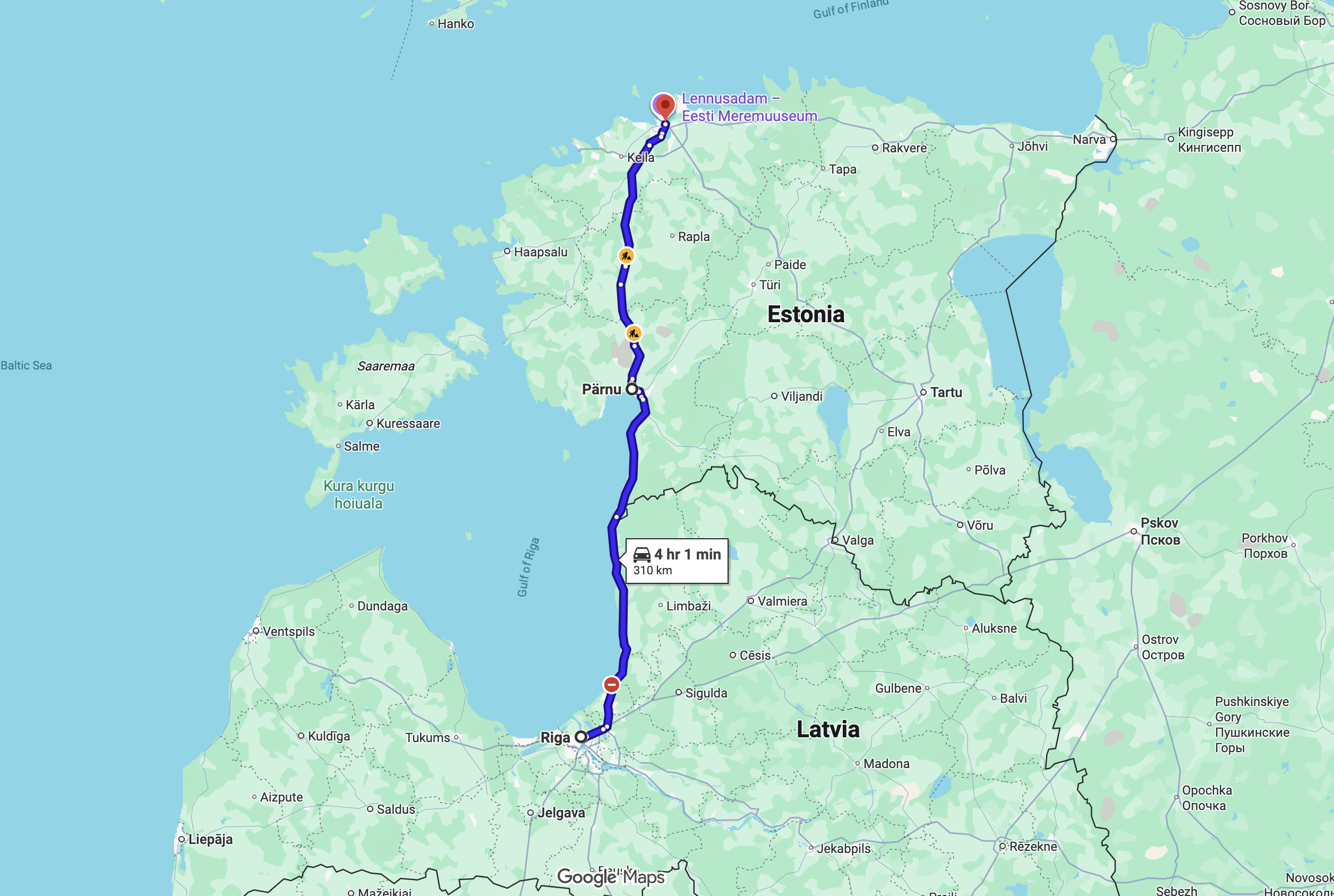
One of the highlights of the drive was finally reaching the Baltic Sea. For the first time on this trip, we were able to walk right up to the shoreline, touch the water, and quite literally taste it! The water was surprisingly less salty than we expected. Our guide explained that the Baltic Sea is one of the least saline seas in the world because it receives large amounts of freshwater from rivers while having only a narrow connection to the North Sea. The low salt content also means that during winter, much of the coastline freezes, creating beautiful icy landscapes.
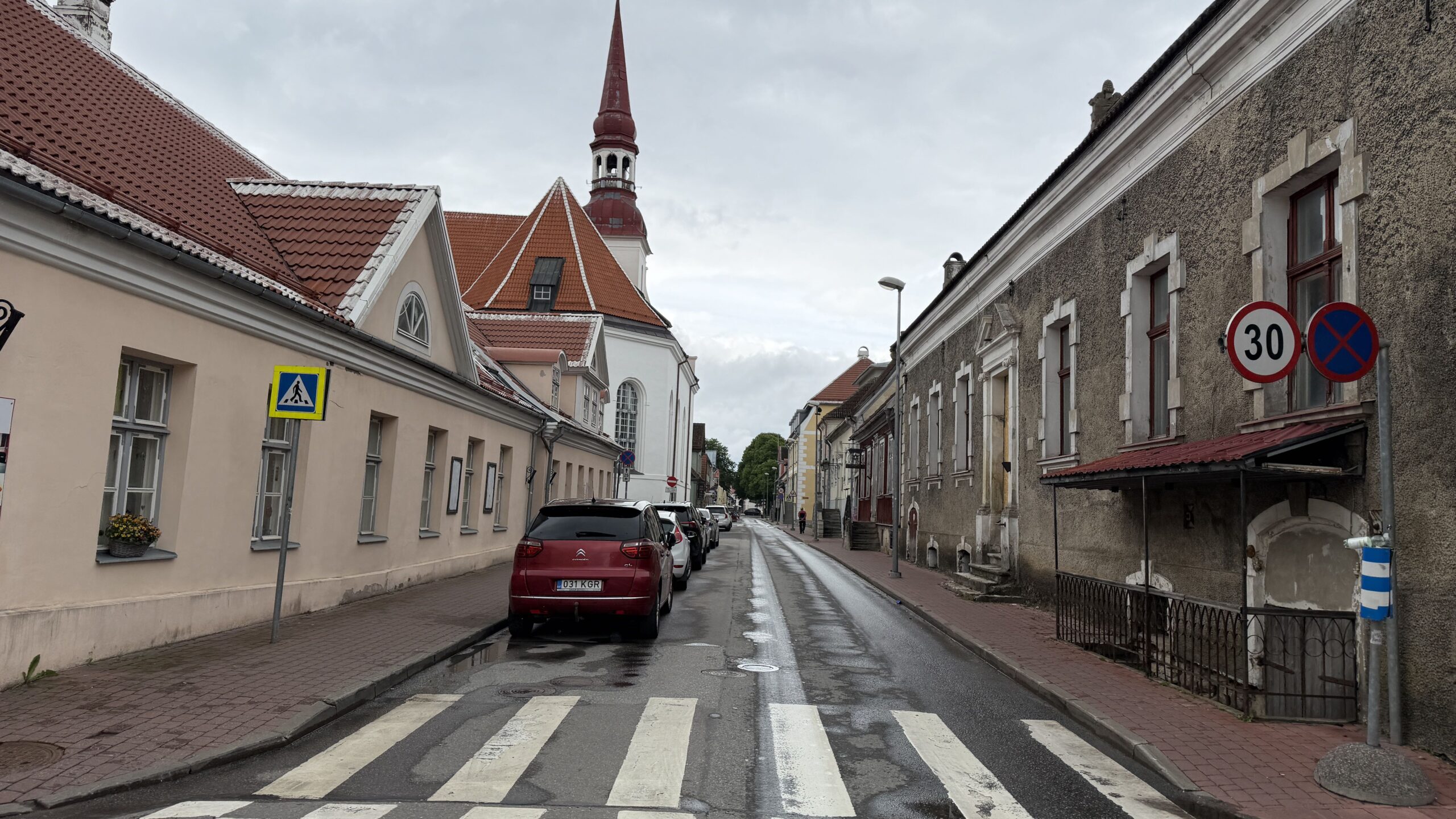
Pärnu itself immediately felt different from the other Baltic cities we had visited. Instead of grand cathedrals and medieval fortifications, the city had a relaxed seaside atmosphere. Wide sandy beaches, green parks, charming wooden villas, and tree-lined streets make it one of Estonia’s favorite holiday destinations. We spent some time walking along the beautiful beach before heading into Pärnu’s compact and well-preserved Old Town.
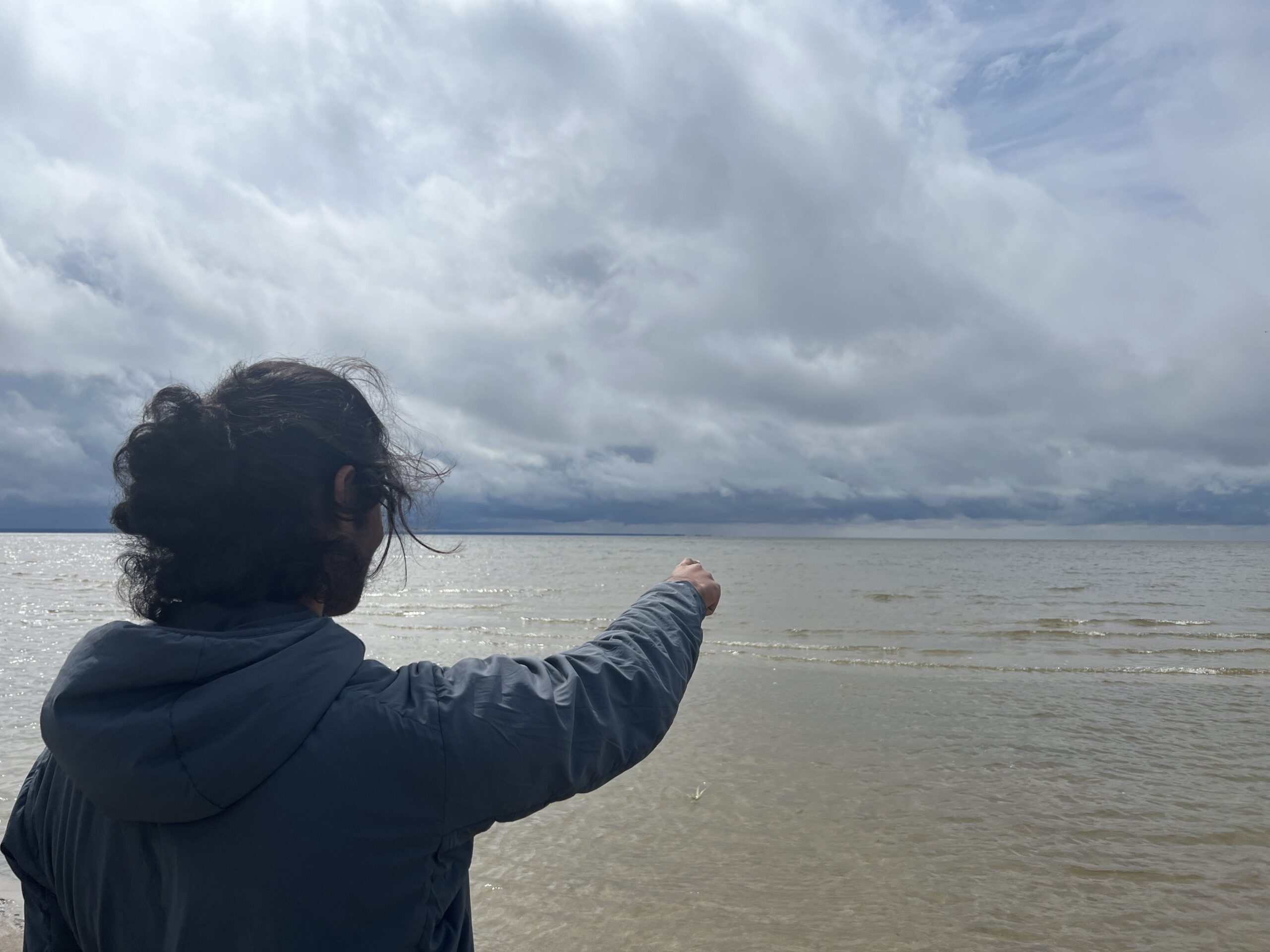
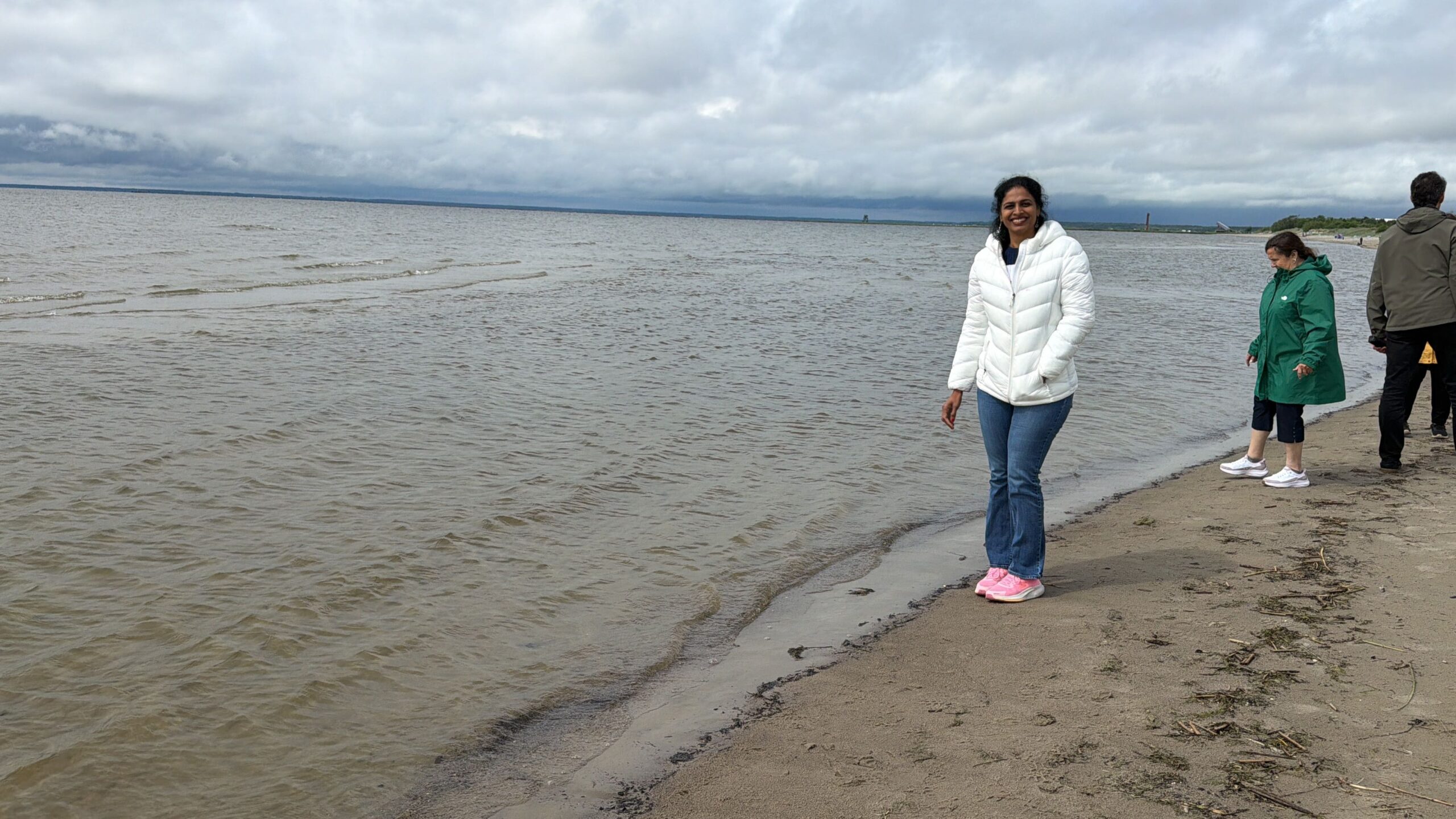
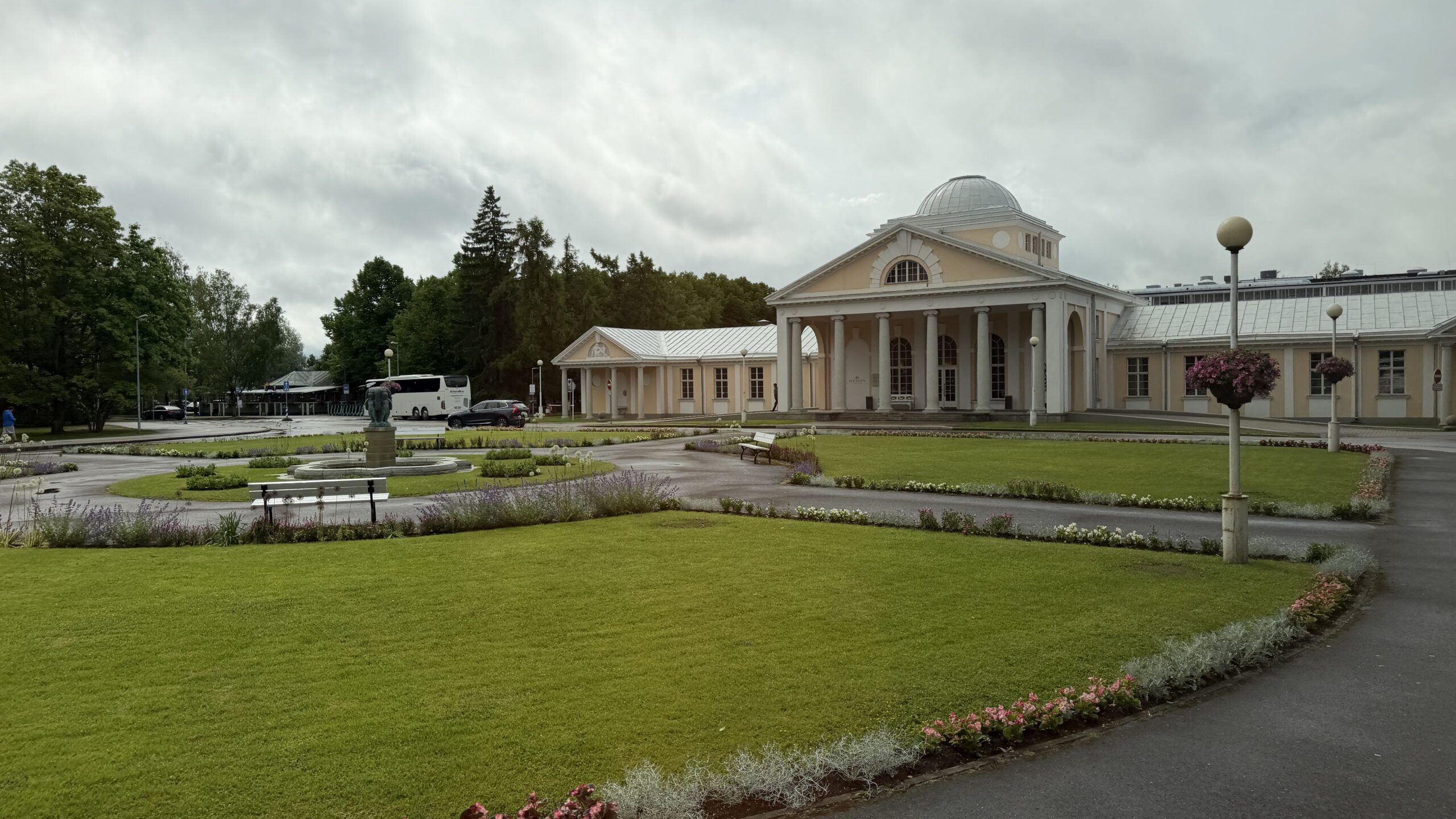
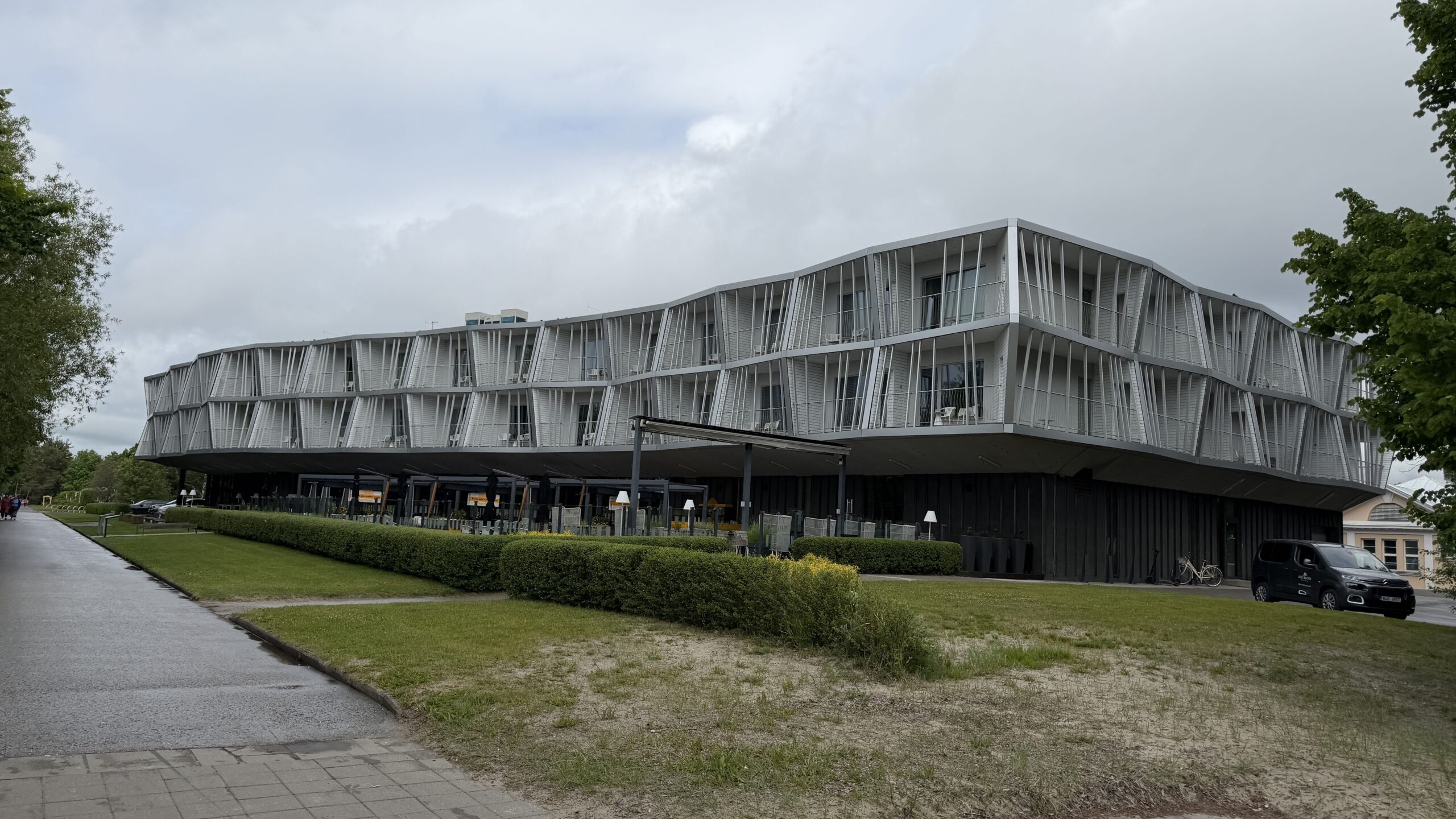
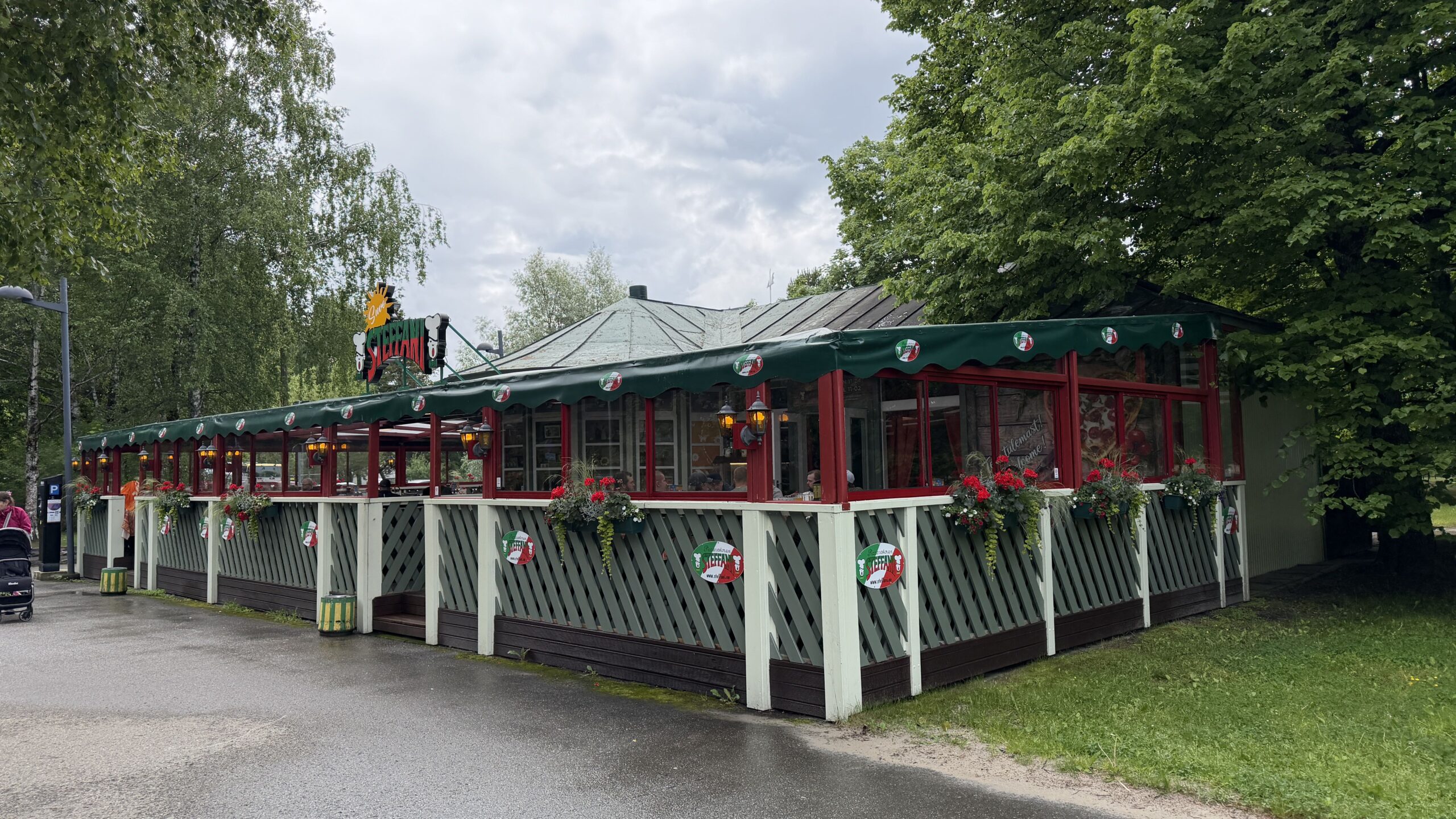
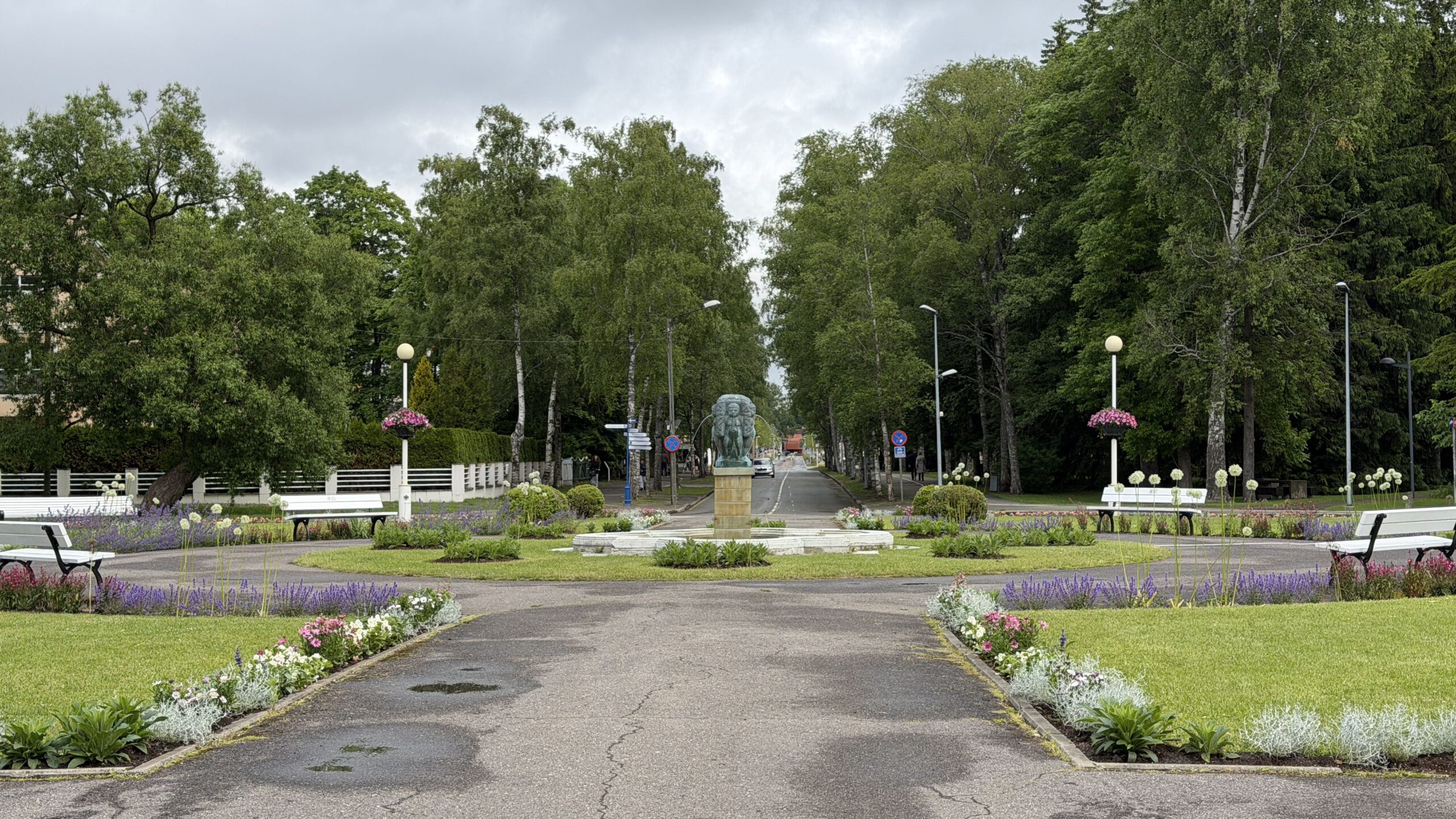
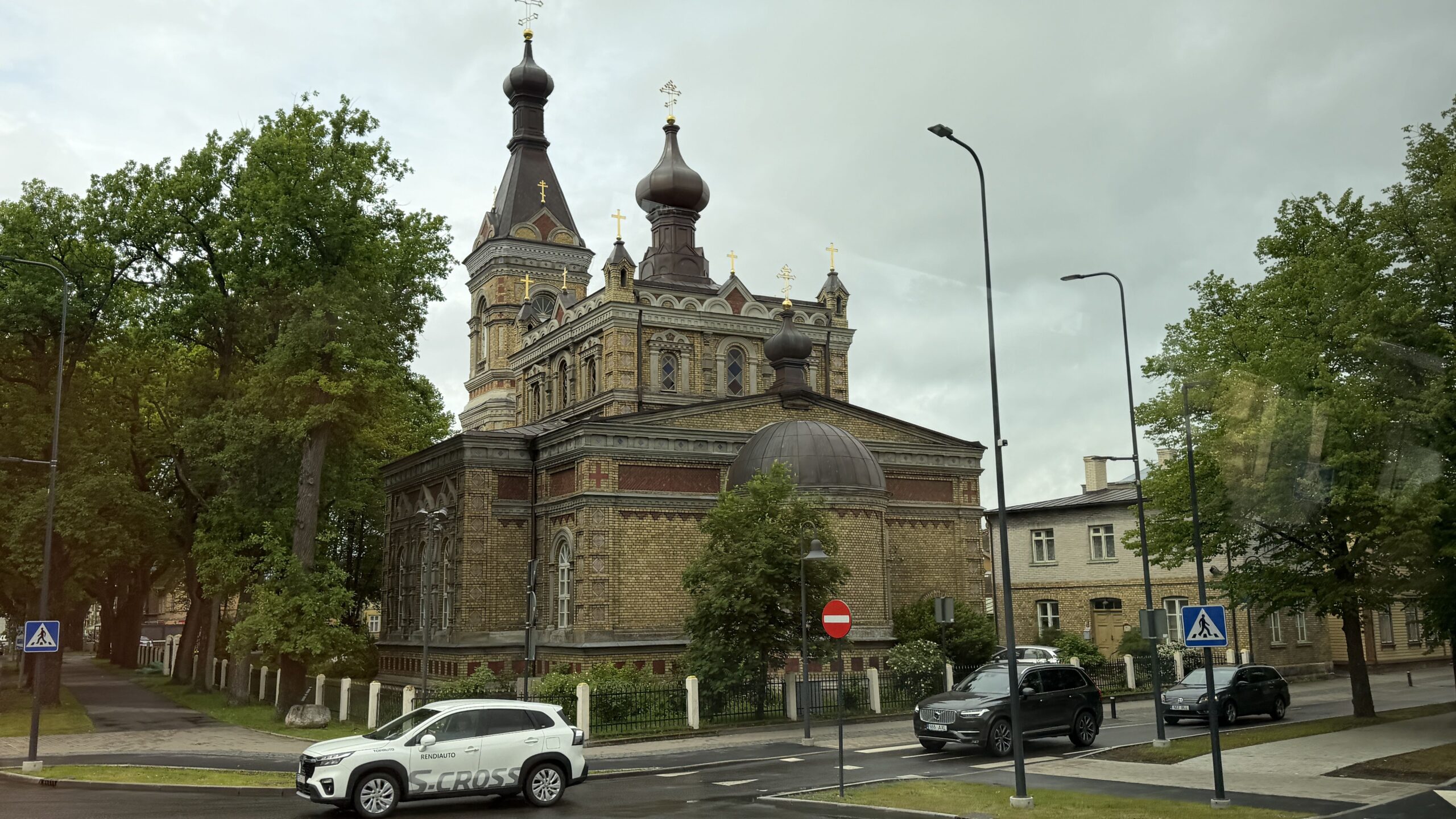
From beach stop we went to city center for exploring and for a lunch. The Pärnu Bus Station is located right in the city center at Pikk tn 13, a short 5 to 10-minute walk from major landmarks like Rüütli Street.
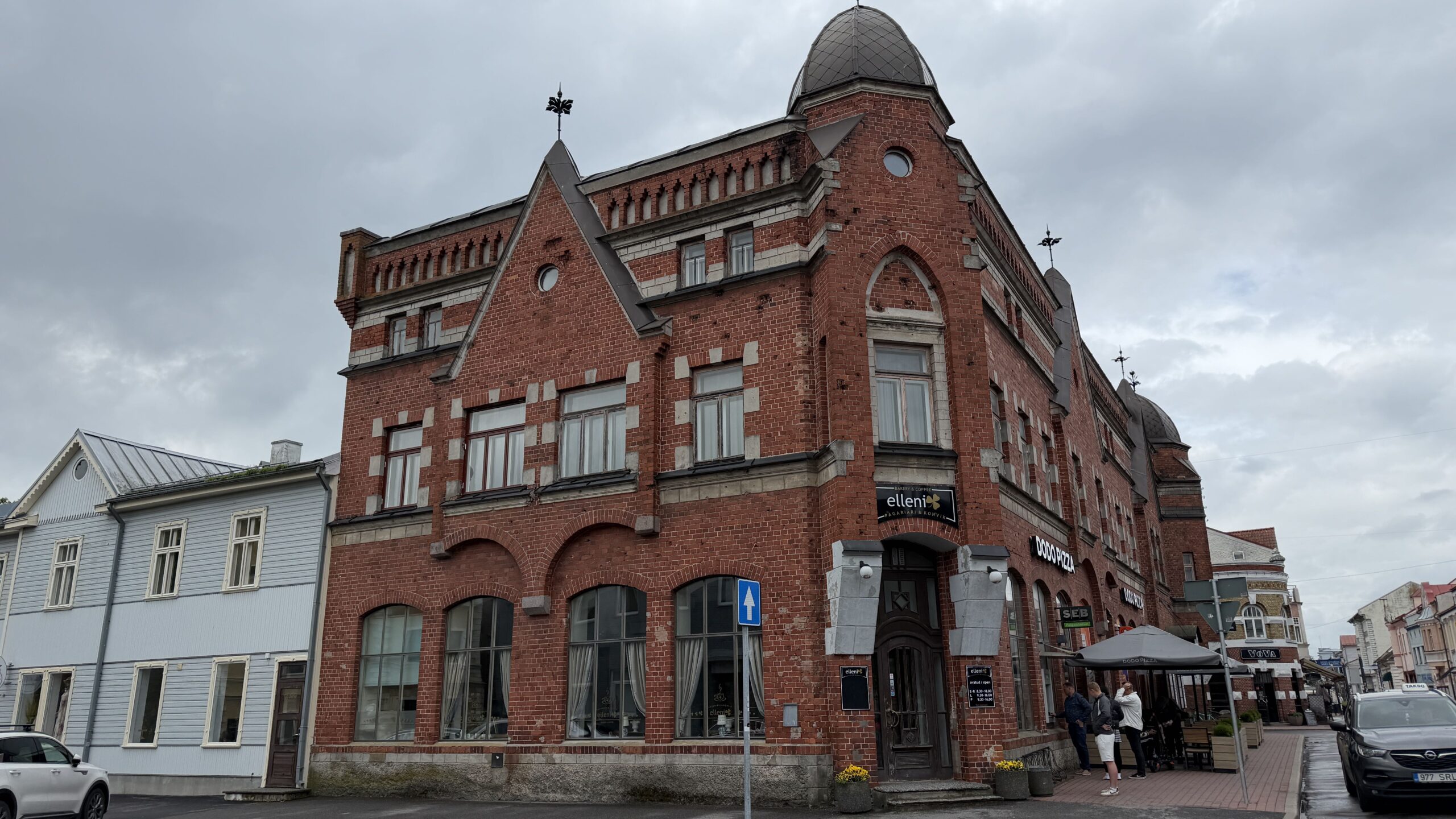
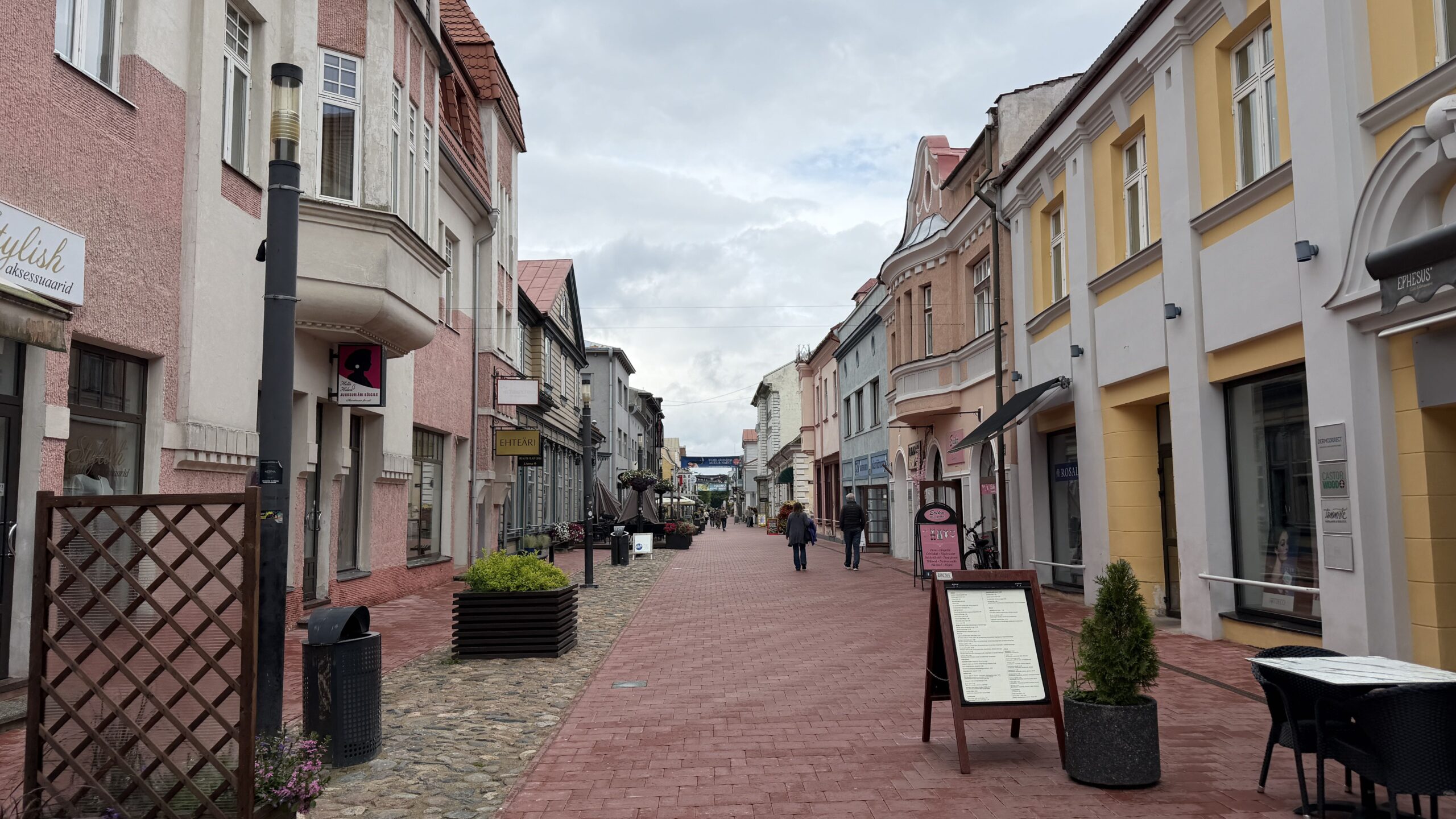
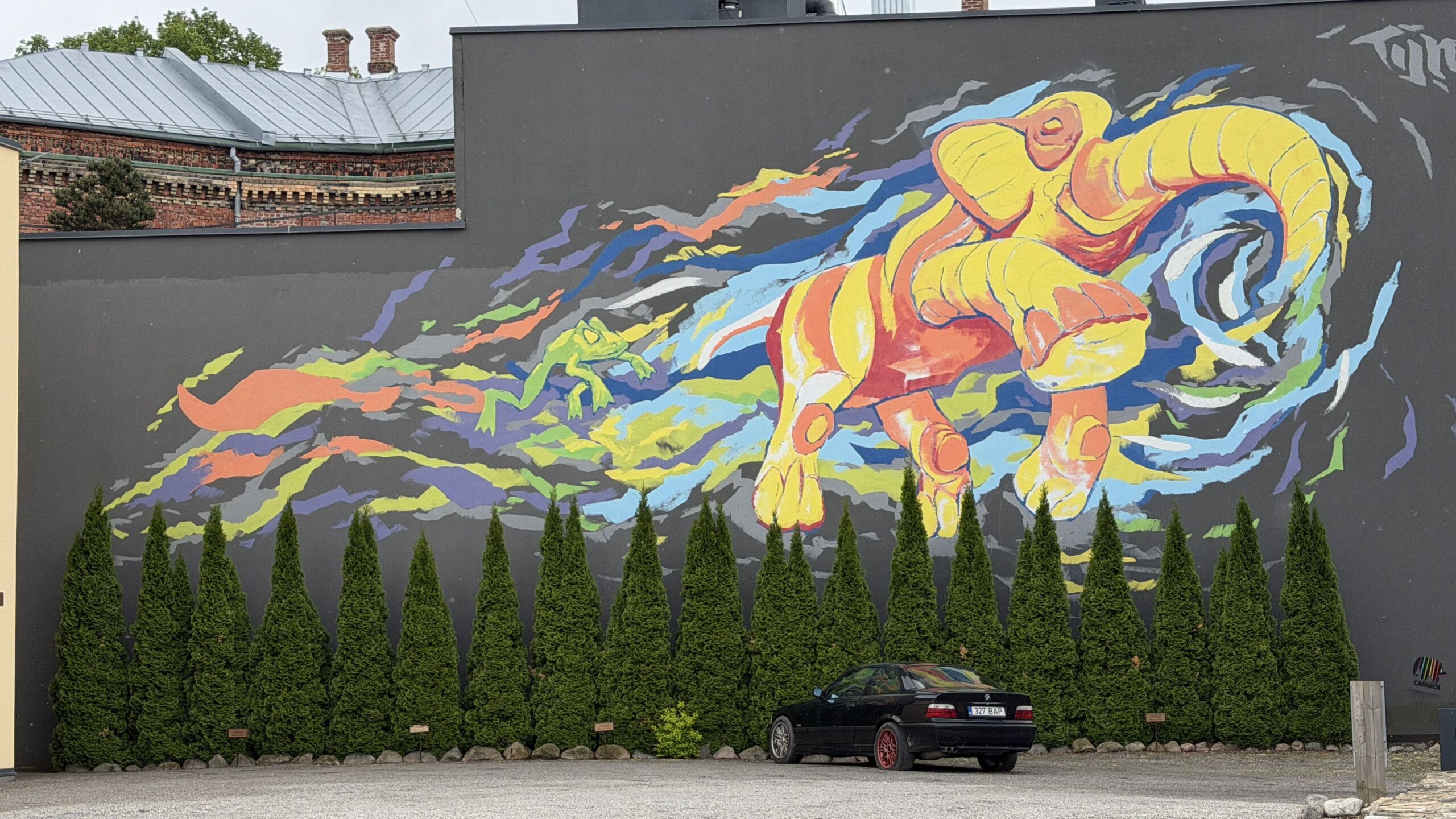
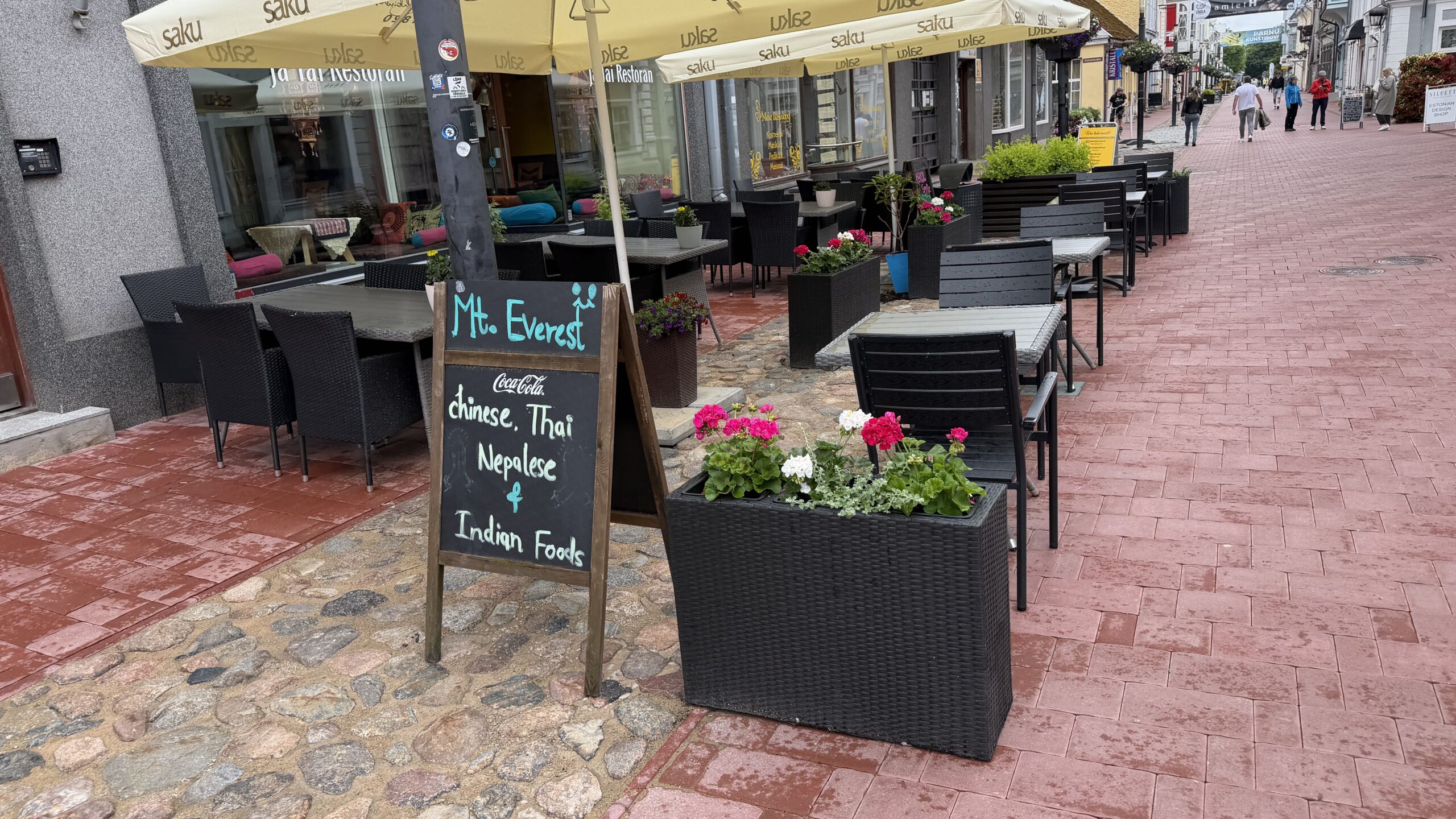
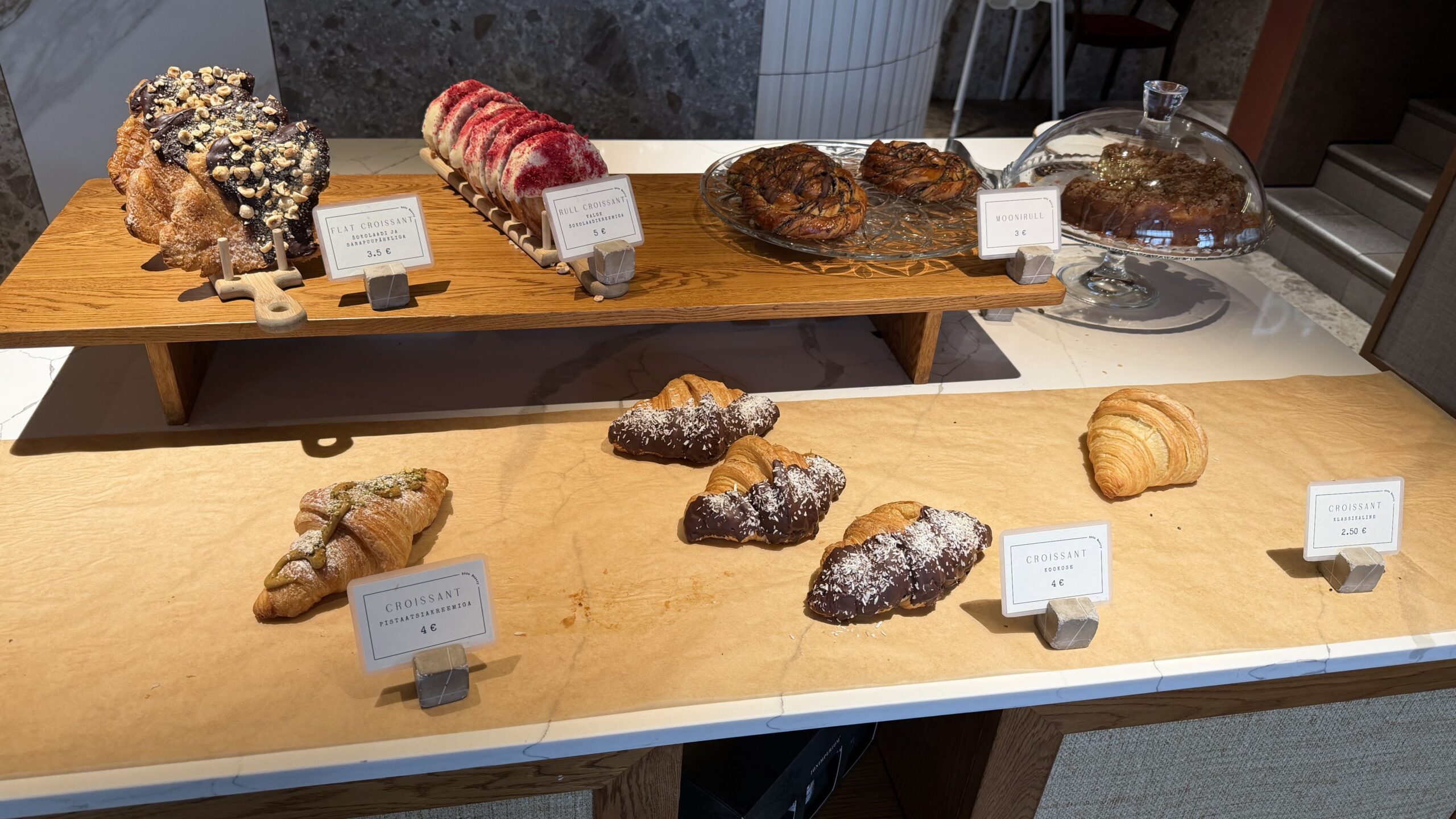
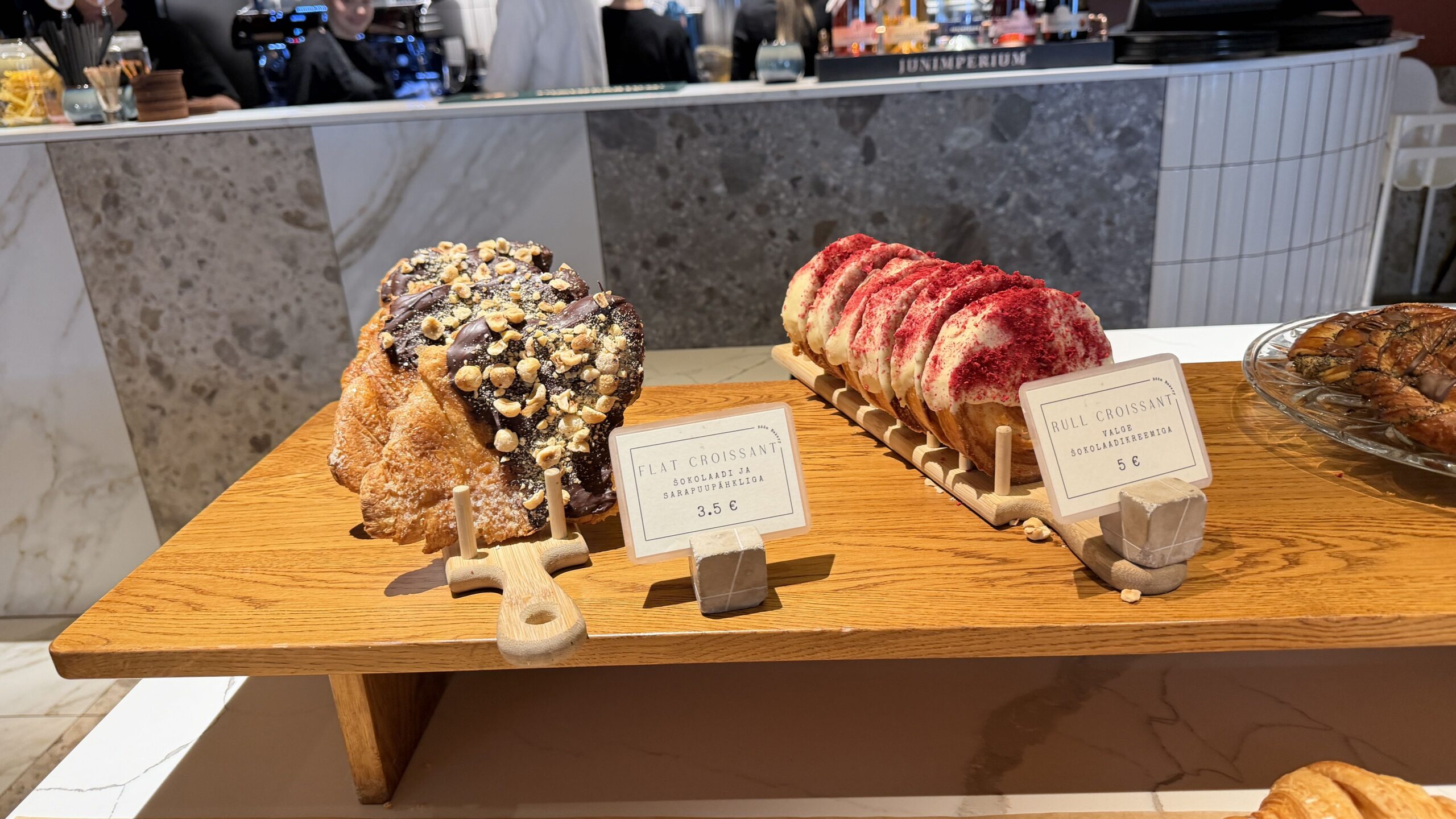
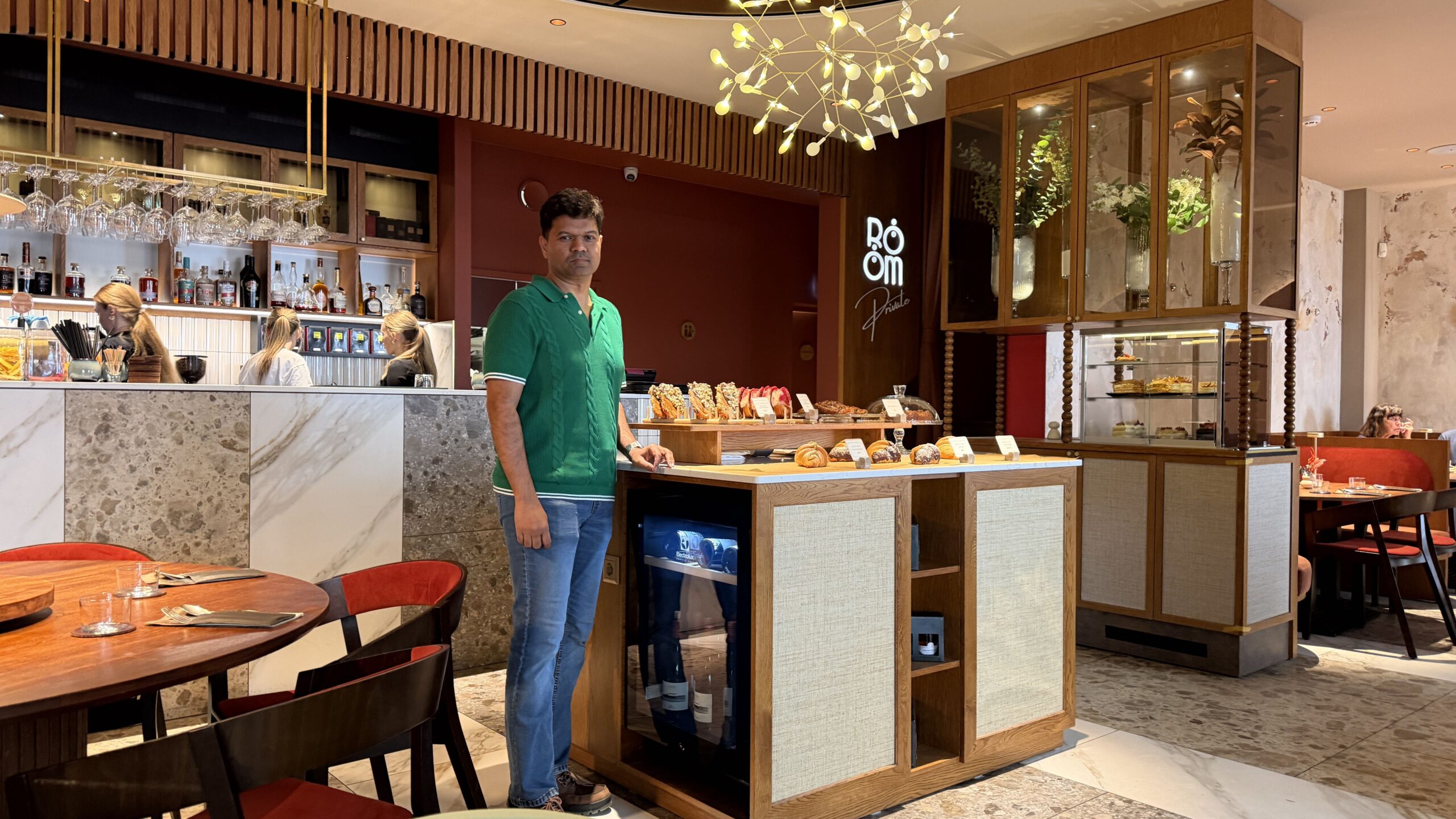
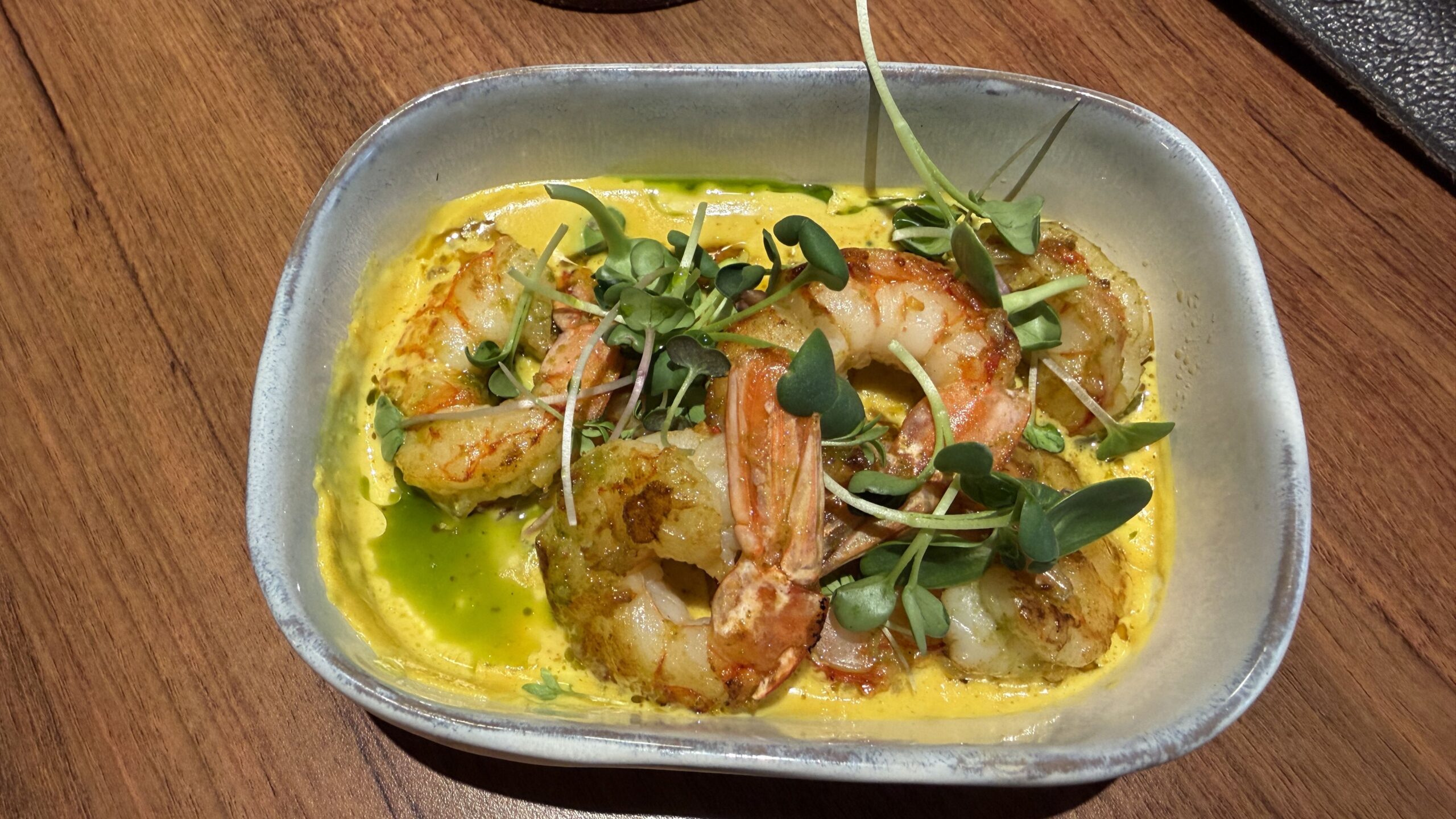
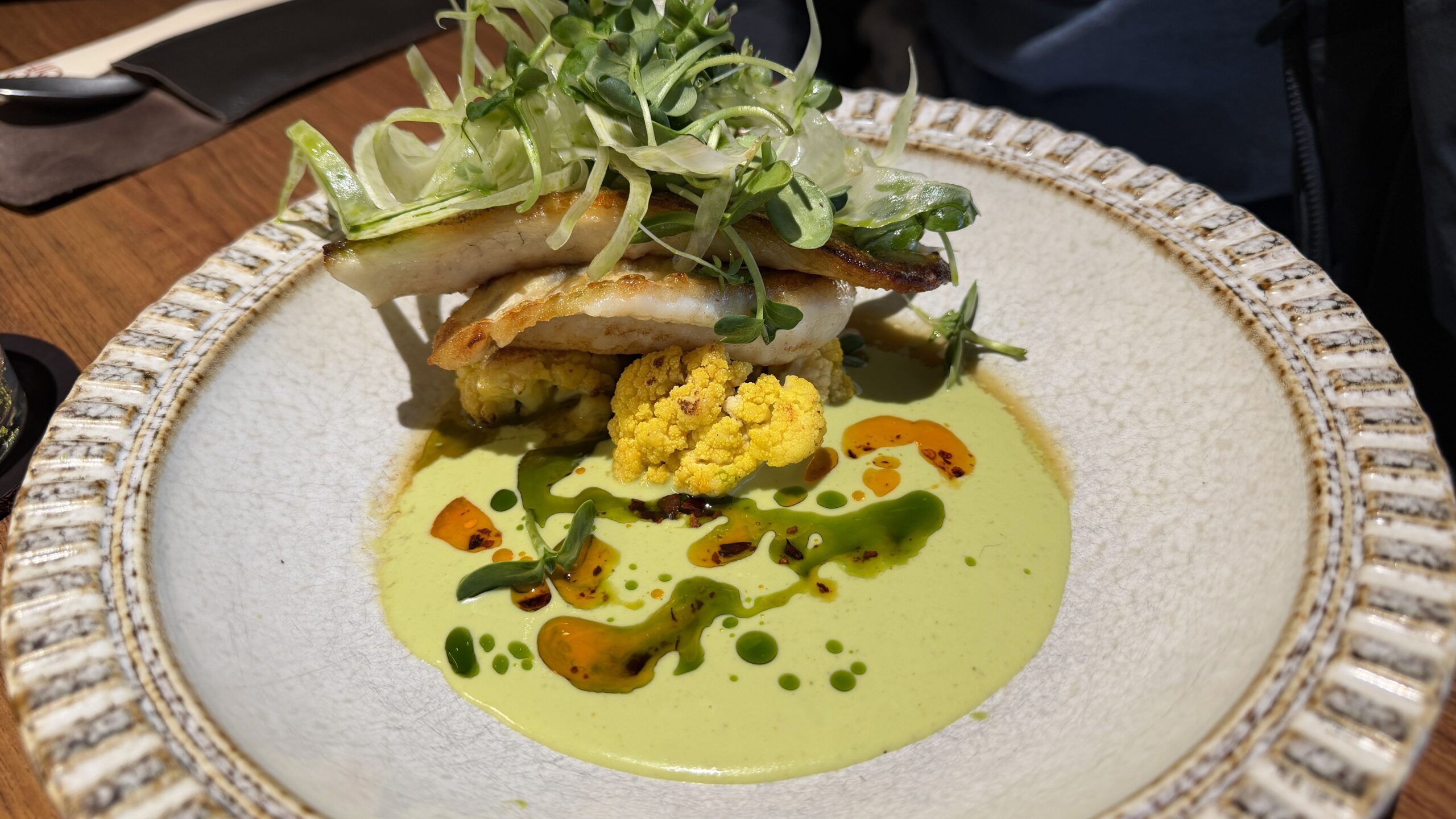
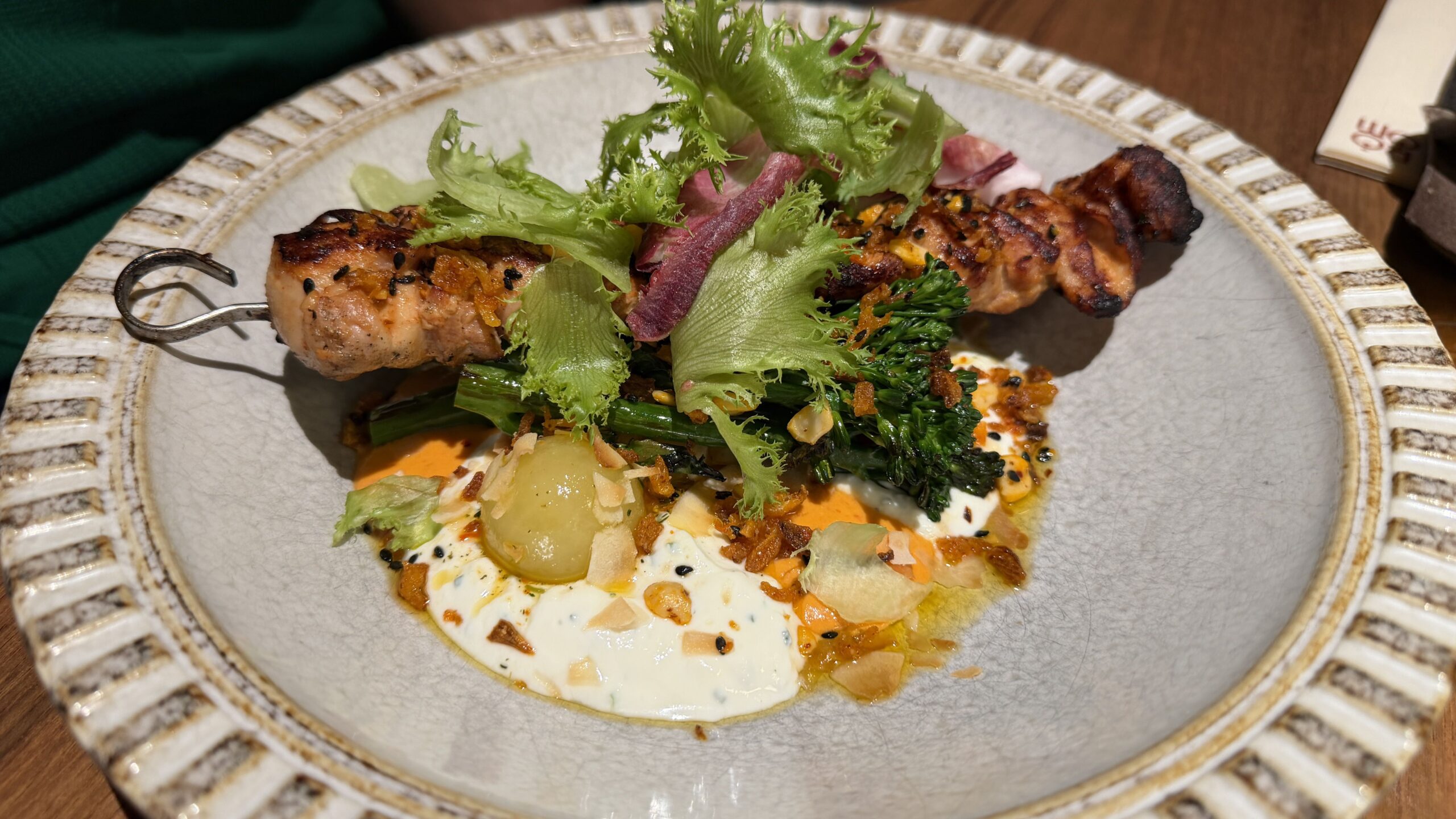
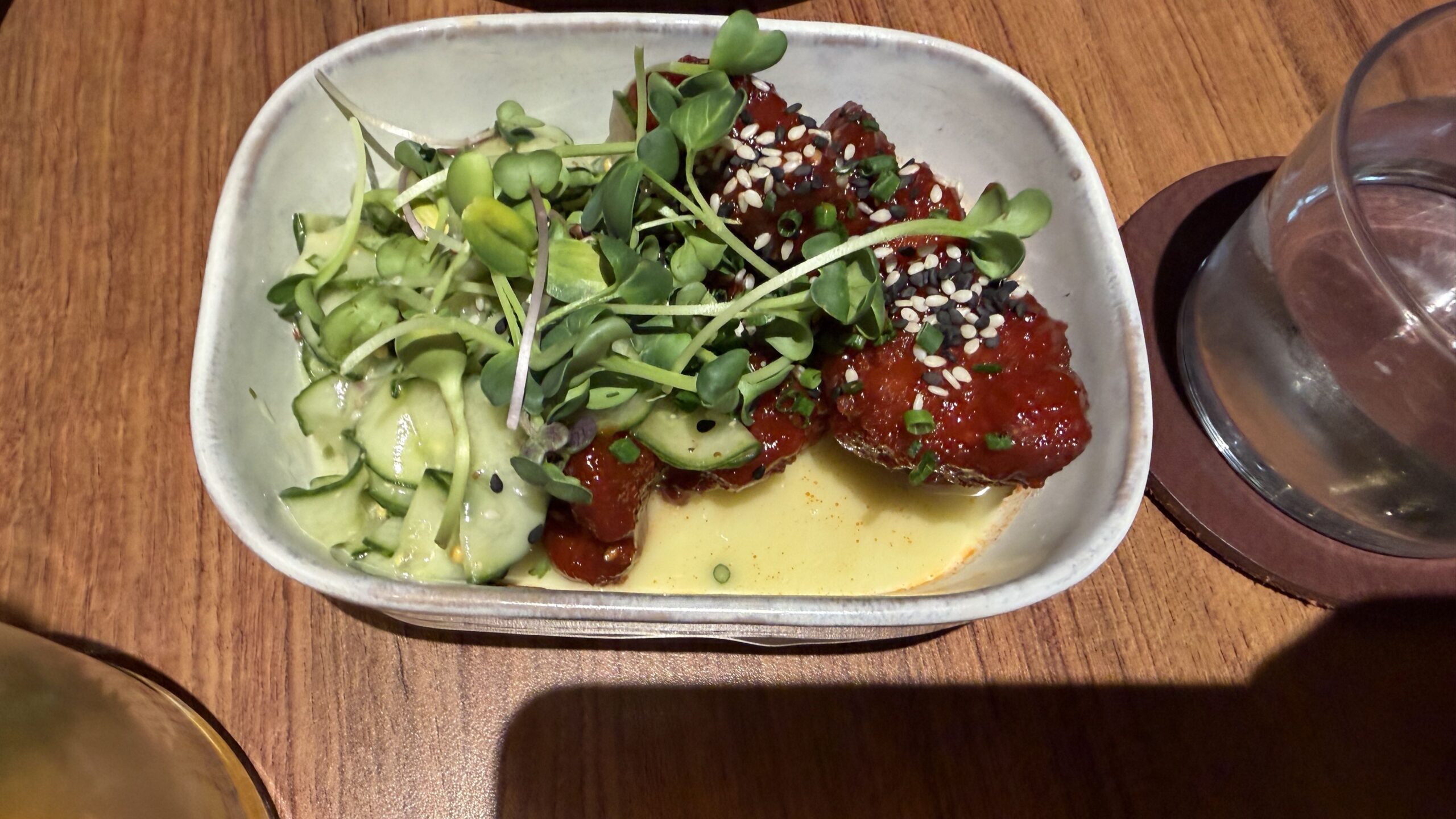
One thing that surprised us was the number of Asian restaurants scattered throughout the streets. For lunch, we chose Room Restaurant, and it turned out to be an excellent choice. The food was delicious, and of course we couldn’t resist trying a couple of local bakery specialties—Flat Croissant and Rull Croissant. Both were fresh, flaky, and made for a perfect sweet treat before continuing our journey.
Then came an unexpected adventure that no one on the tour will forget.
At the designated departure time, one of our fellow travelers never returned to the bus. His belongings were still on board and no one even had his contact number. The tour director and driver walked around the area searching while the rest of us waited on the bus. As the minutes passed, everyone started offering different suggestions. Some wondered whether he had boarded another bus, he is OK health wise, while others were already calculating how much a taxi from Pärnu to Tallinn would cost if he eventually had to catch up with us on his own.
After about 30 minutes, the tour director contacted the local police and nearby hospitals to report the missing traveler. She also informed the Tour office, and they advised us to wait a little longer. Nearly an hour and a half had passed before the tour director went out for another search.
Thankfully, the mystery had a very simple ending.
The traveler had been standing patiently on the opposite side of the street the entire time! He had carefully counted the number of turns from where he had been dropped off but accidentally missed one turn, leaving him waiting at the wrong pickup location.
Eventually, the tour director found him, and both returned safely to the bus. There was a collective sigh of relief, followed by plenty of laughter once everyone realized how such a small misunderstanding had turned into a ninety-minute search.
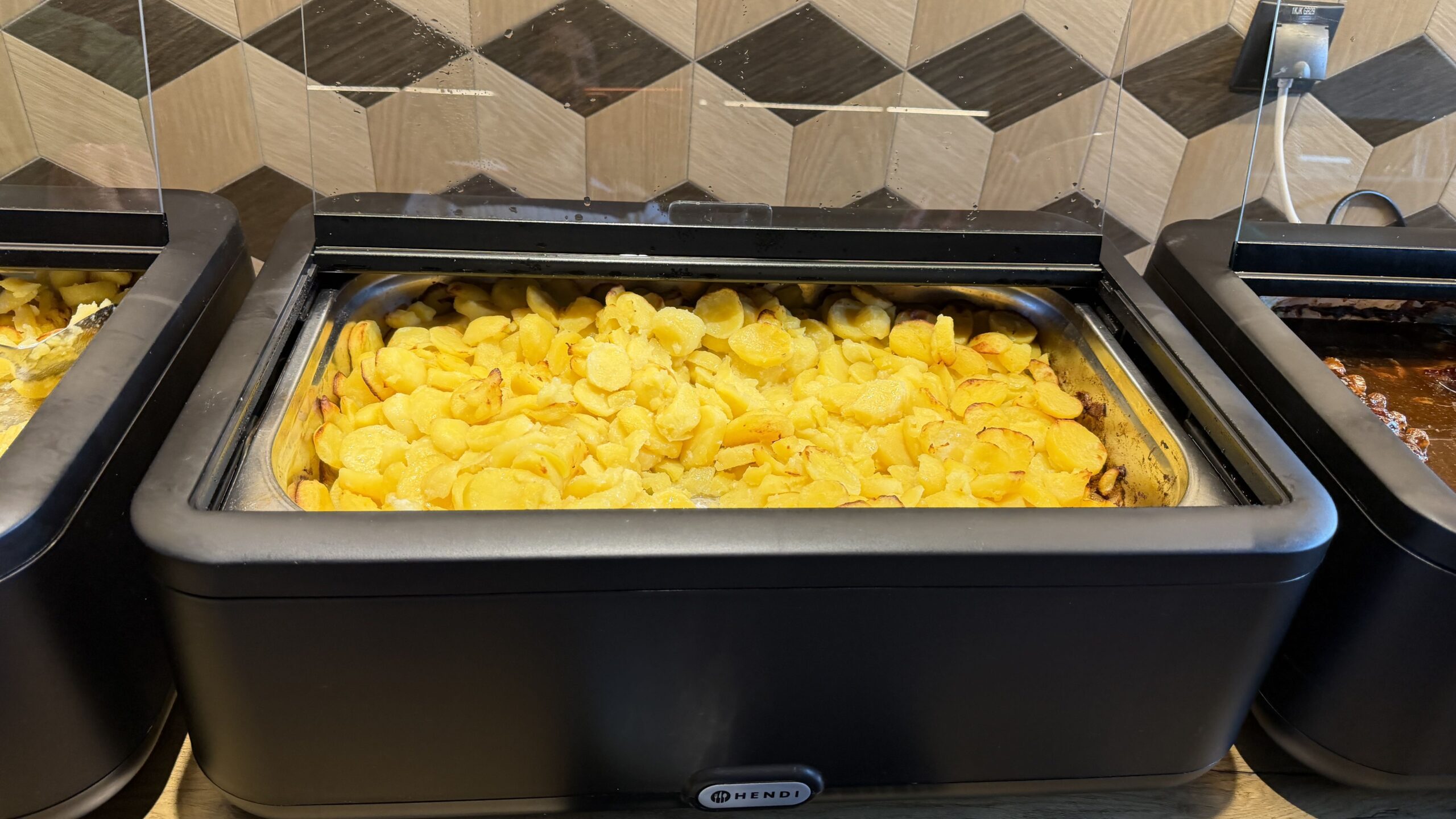
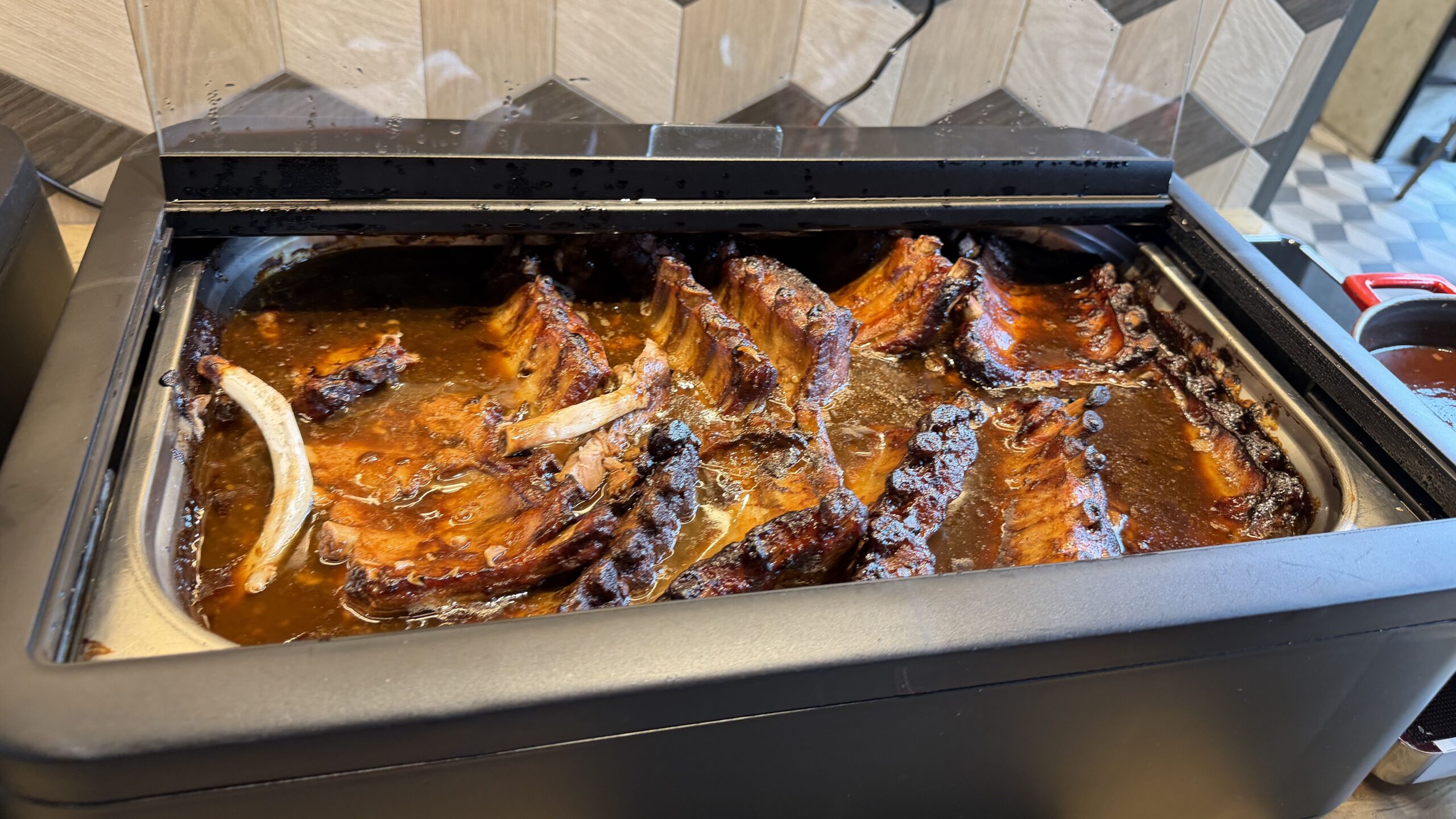
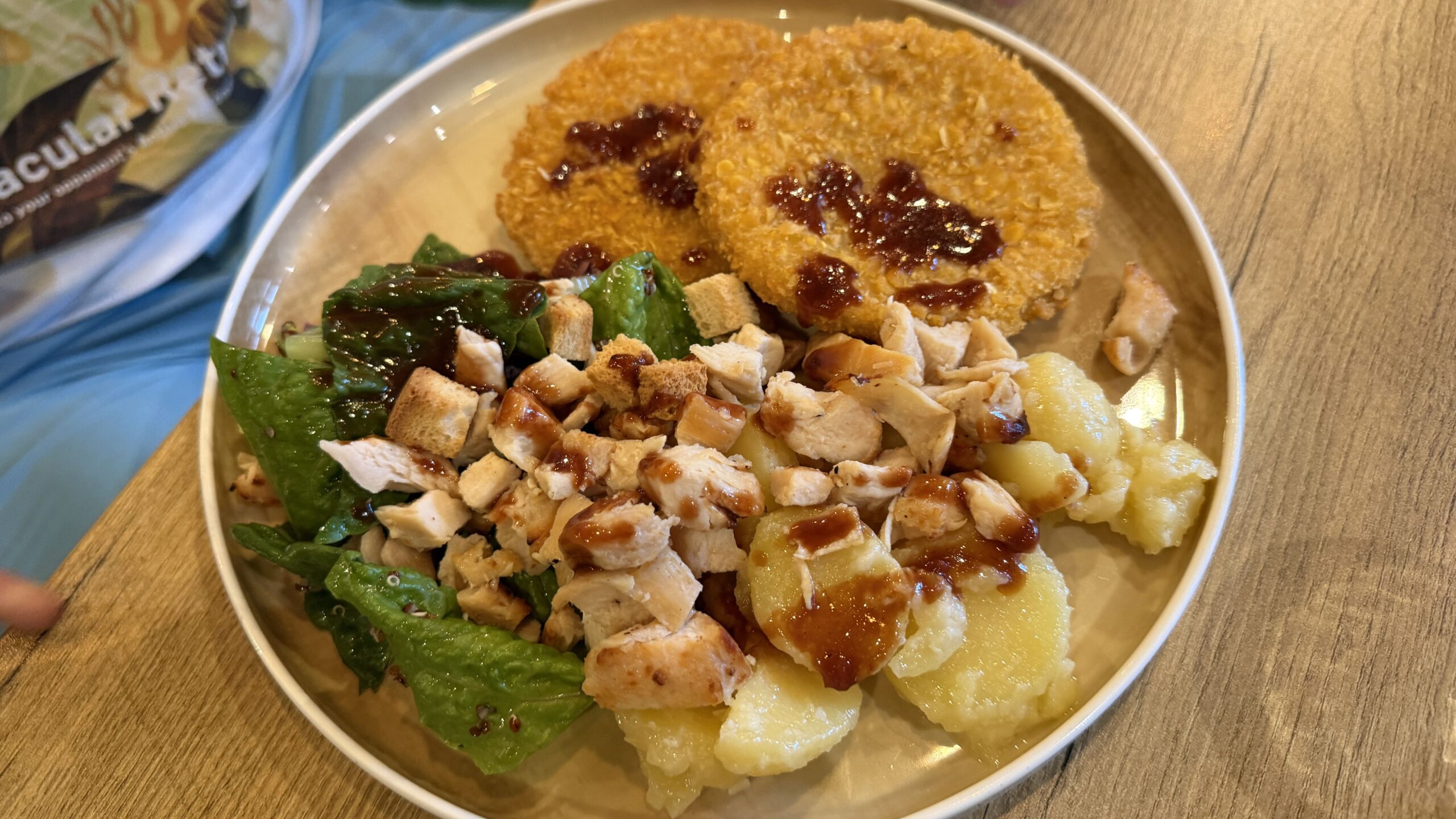
With everyone finally accounted for, we continued our drive to Tallinn, where we checked into our hotel. Dinner had been arranged by the tour, making for a relaxed end to a memorable day. After a long journey filled with beautiful seaside views and an unforgettable bus incident, we called it a night, excited to explore Estonia’s medieval capital the following morning.
Day 2 – Exploring Tallinn – Medieval Streets, Royal Palaces, and Monastic Ruins
We woke up to a pleasant, drizzly morning—perfect weather for exploring Tallinn, one of Europe’s best-preserved medieval cities. Founded in the 13th century, Tallinn has long been an important trading port on the Baltic Sea. Its remarkably intact Old Town earned UNESCO World Heritage status in 1997 and remains one of the city’s biggest attractions.
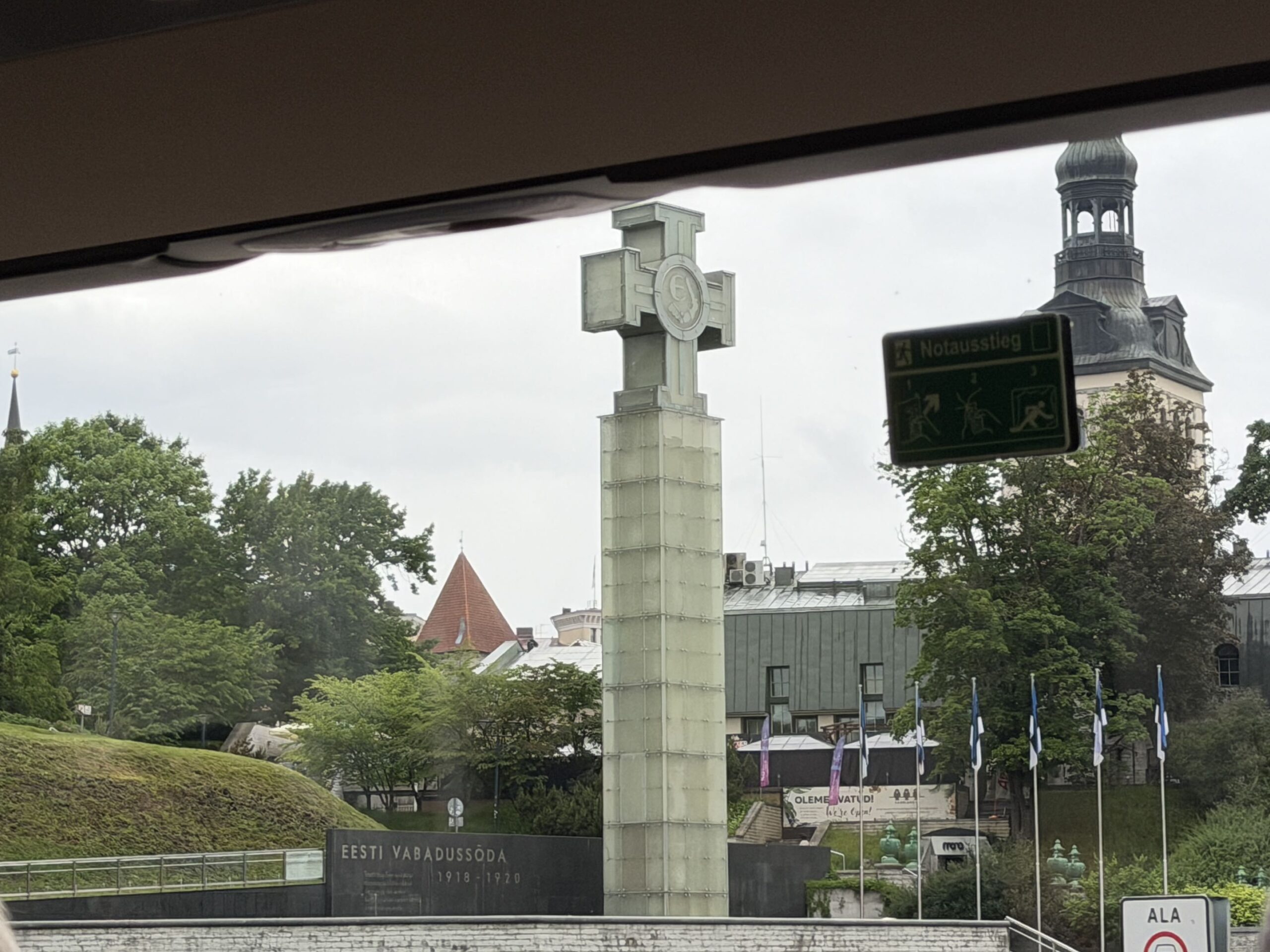
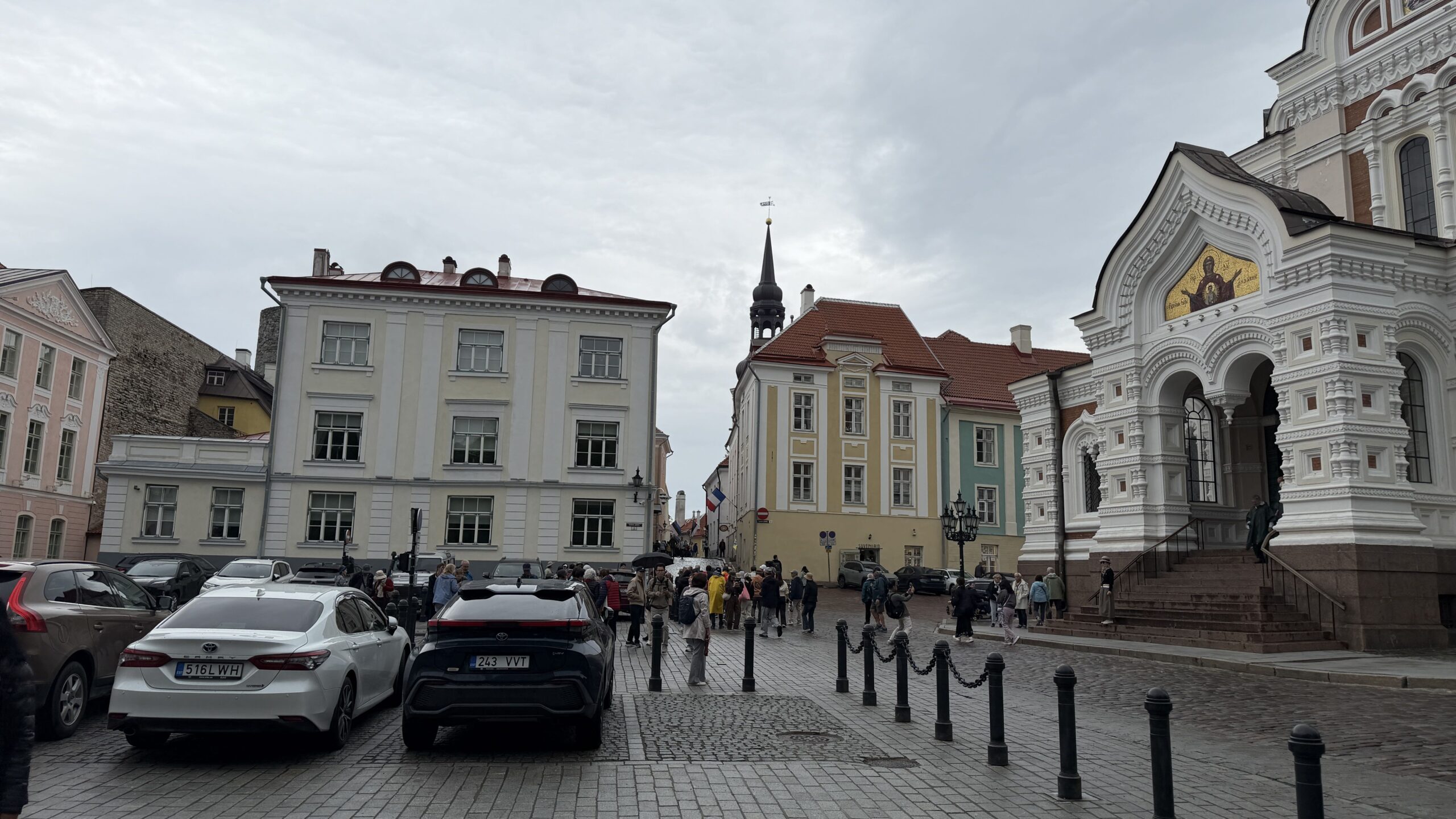
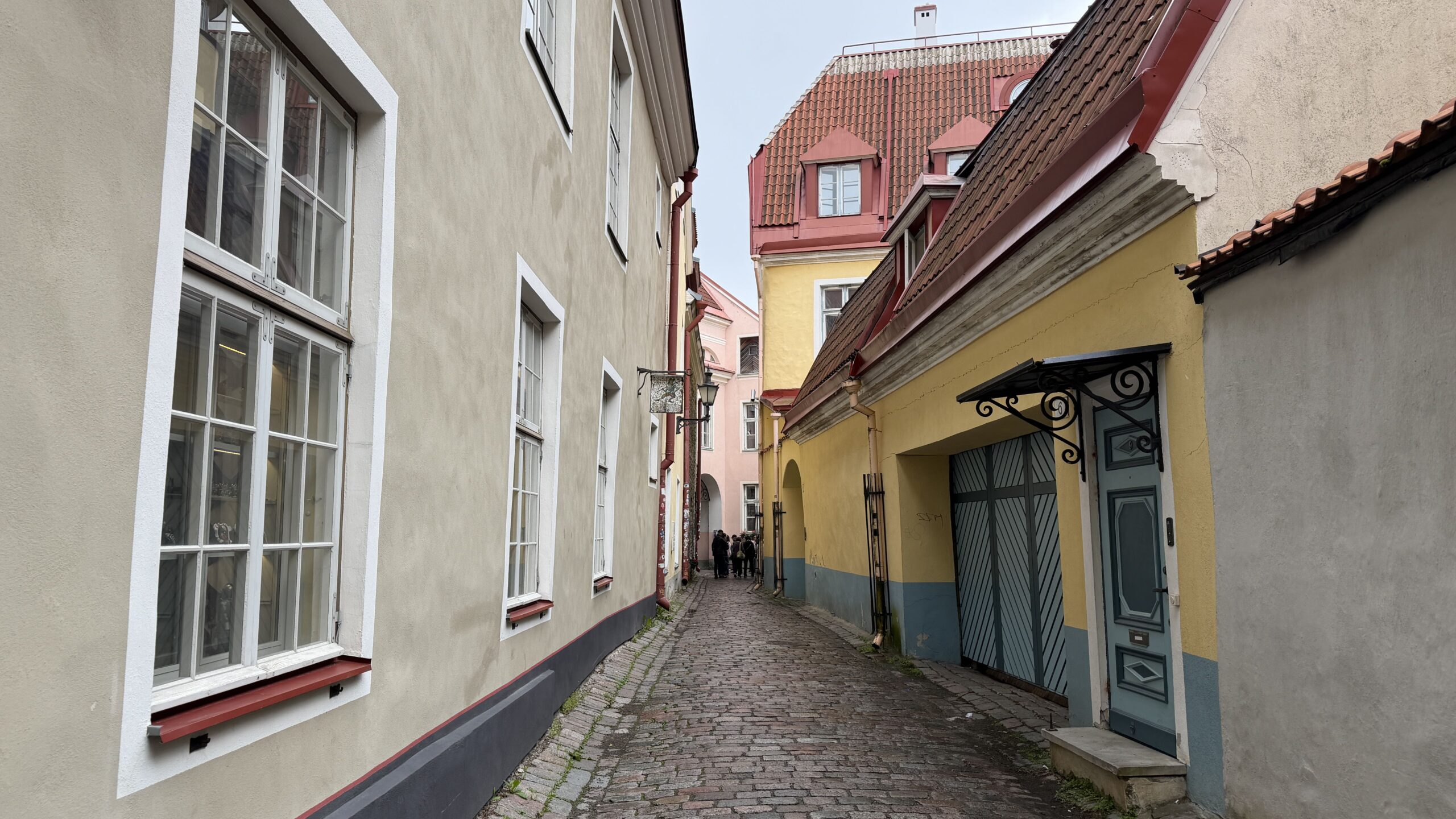
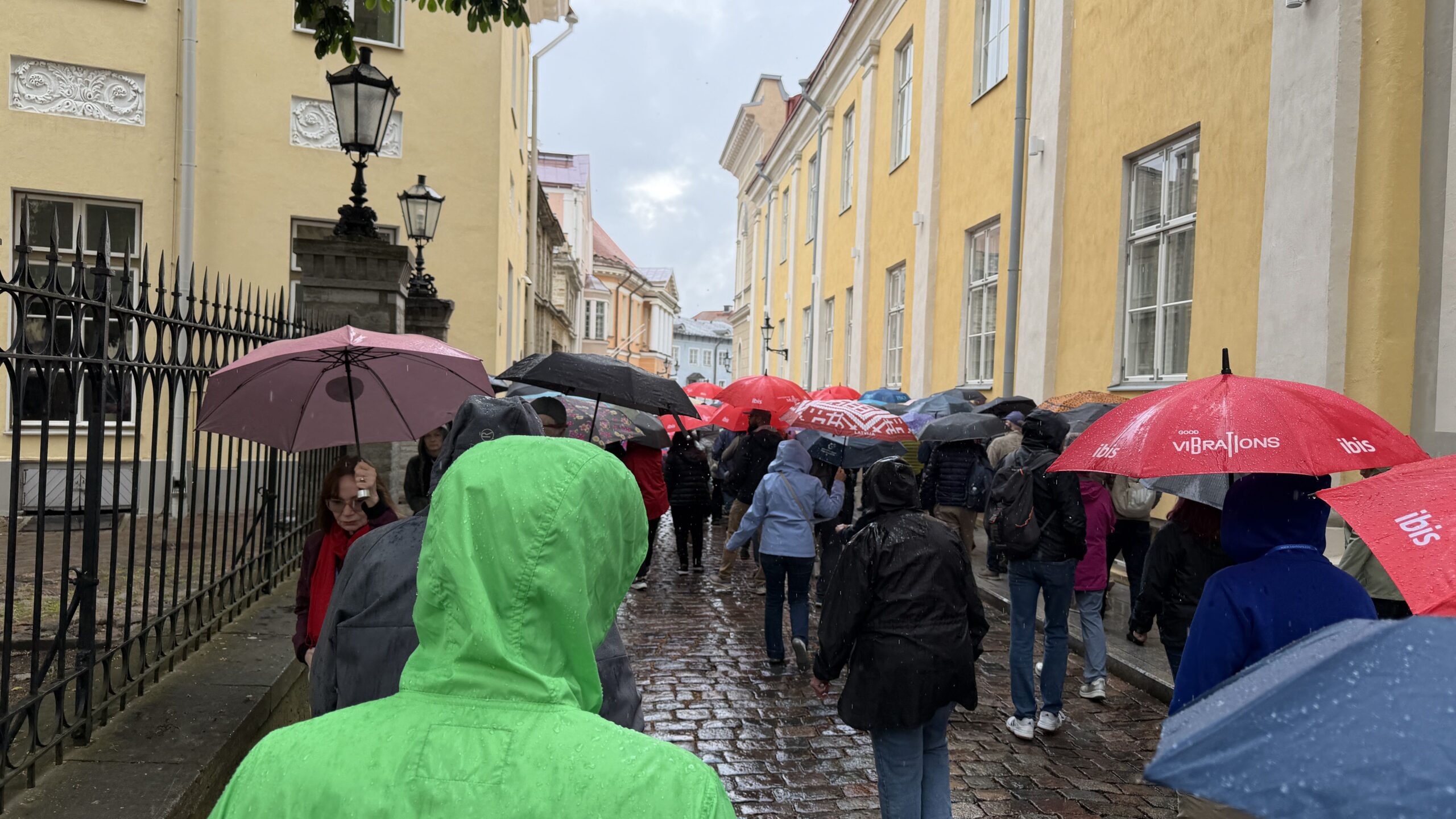
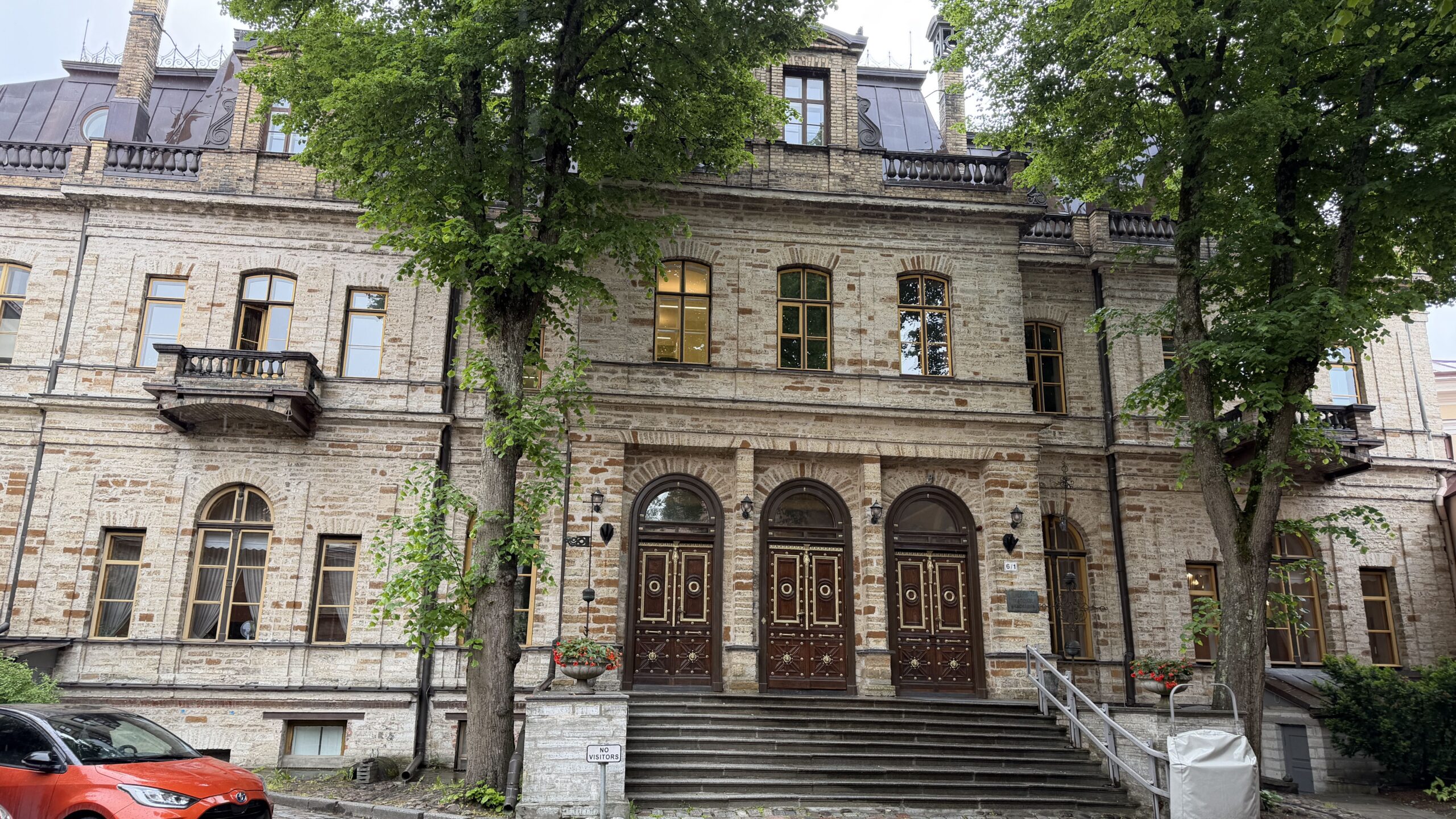
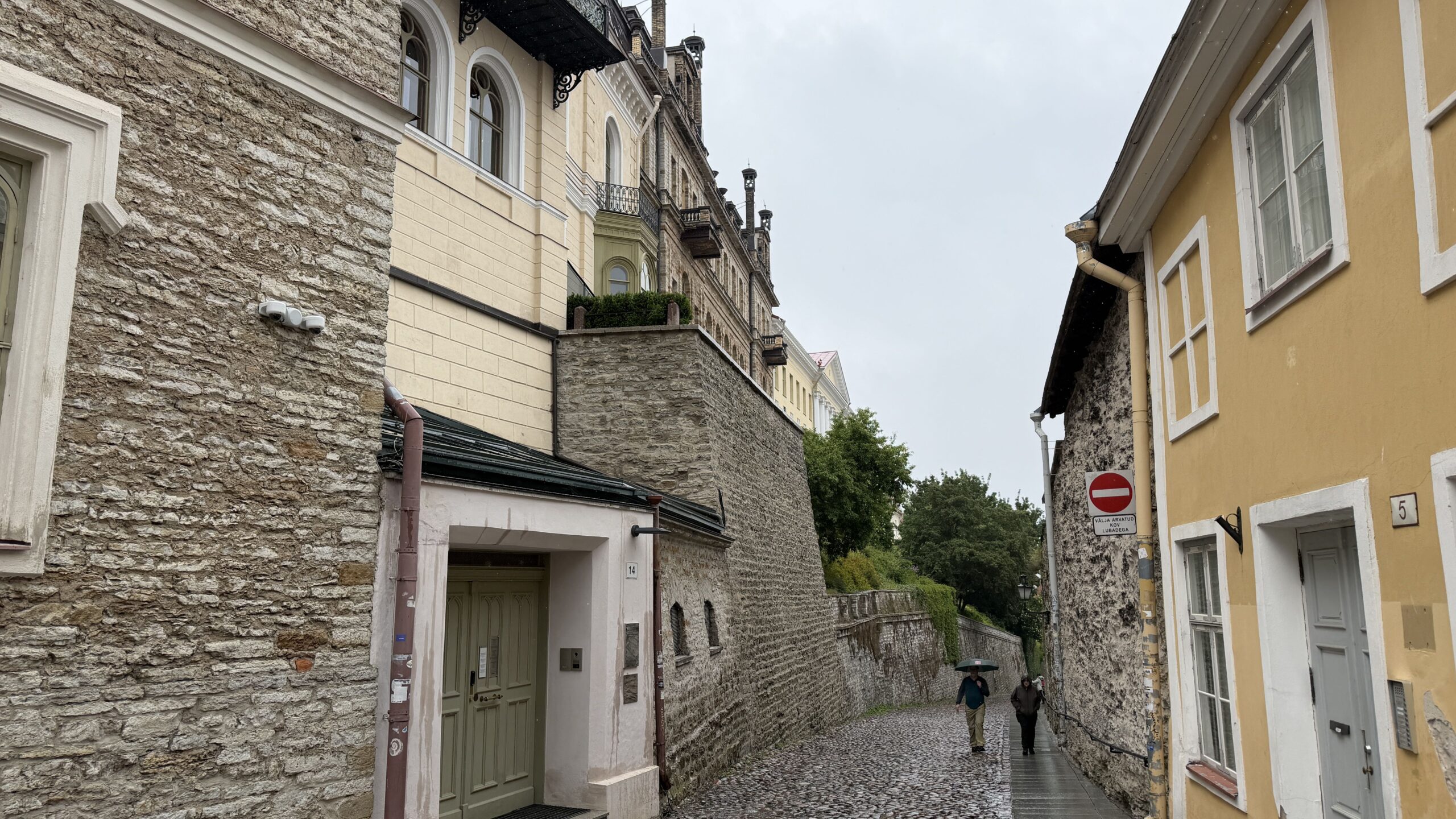
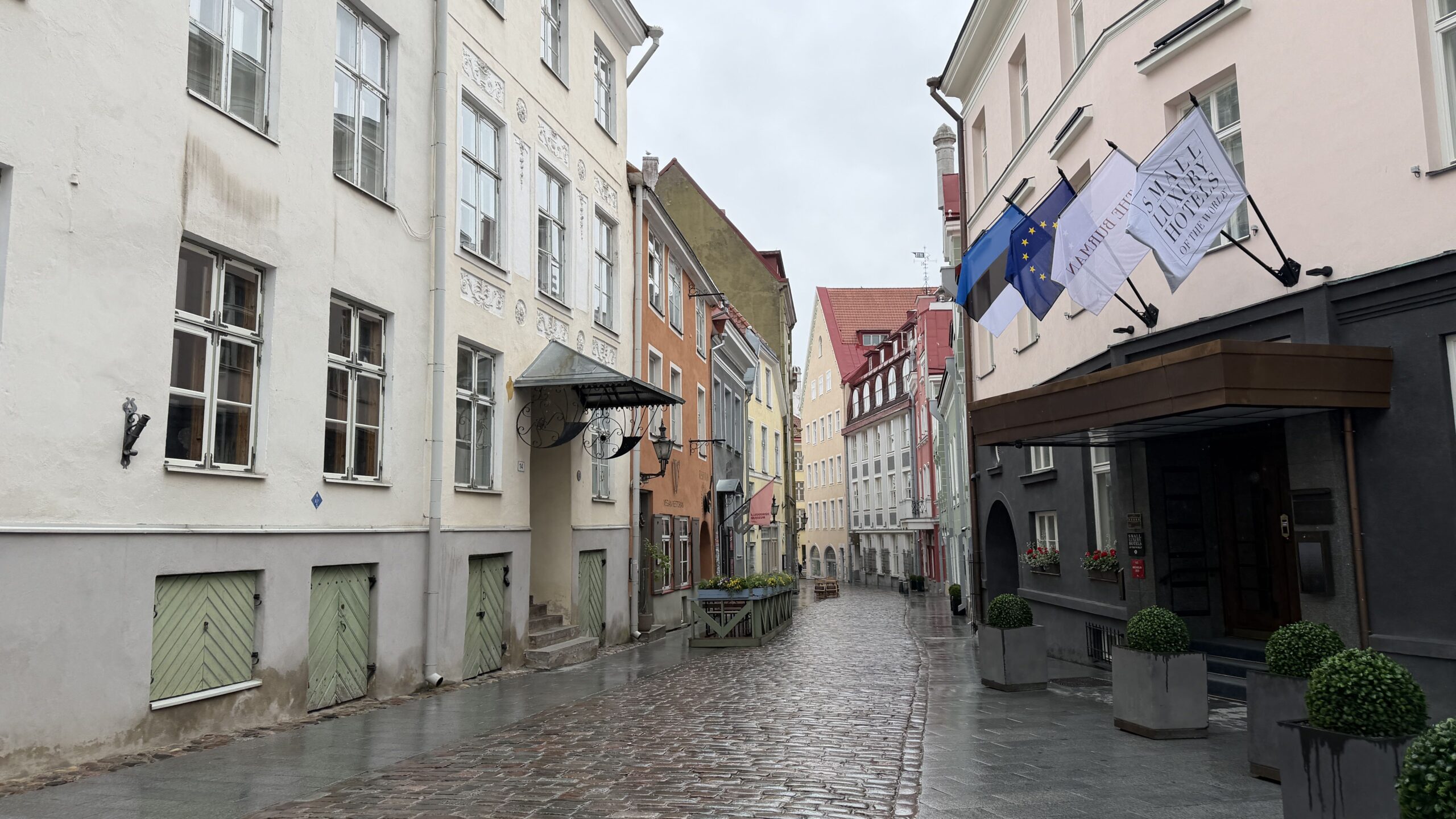
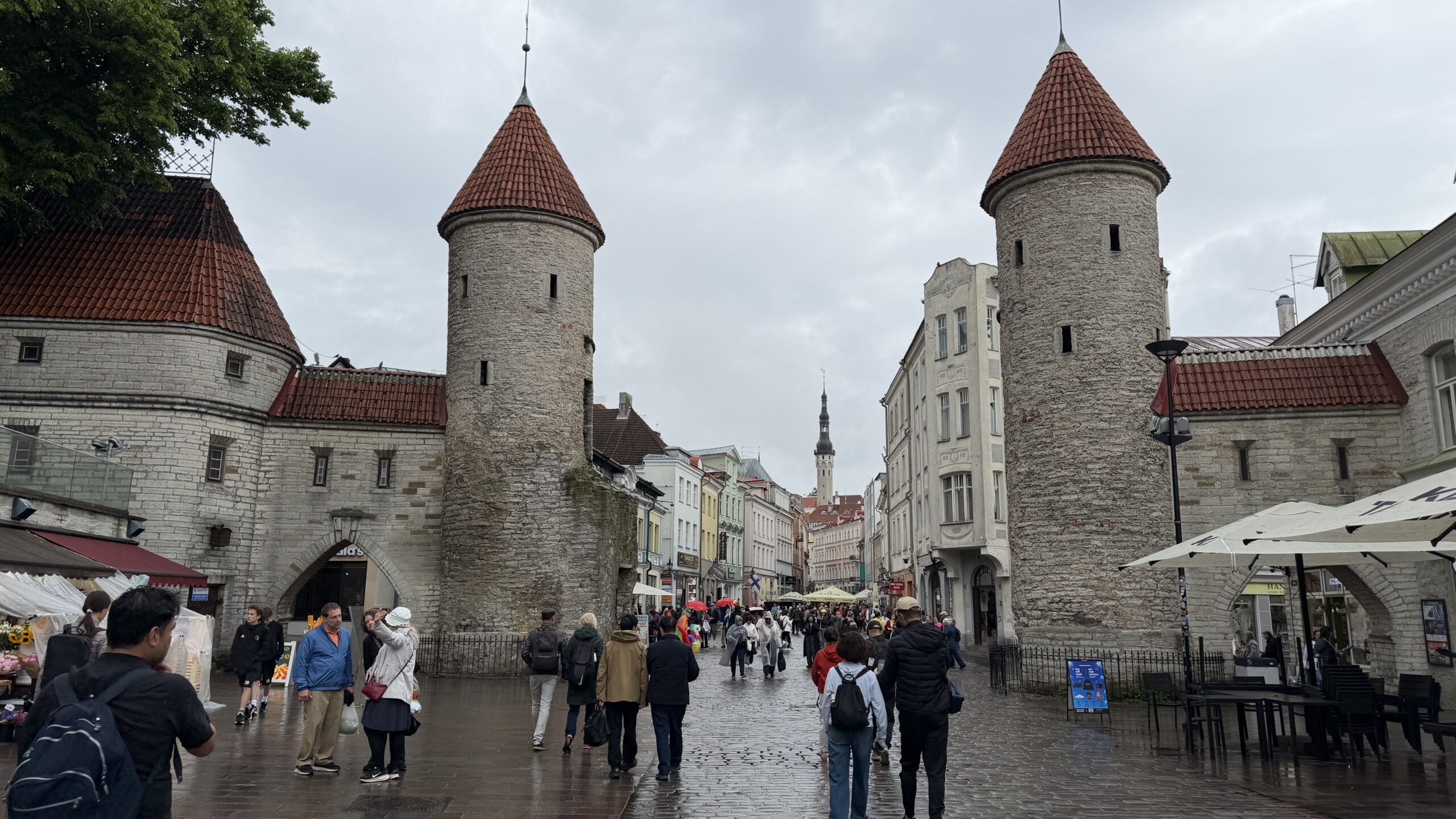
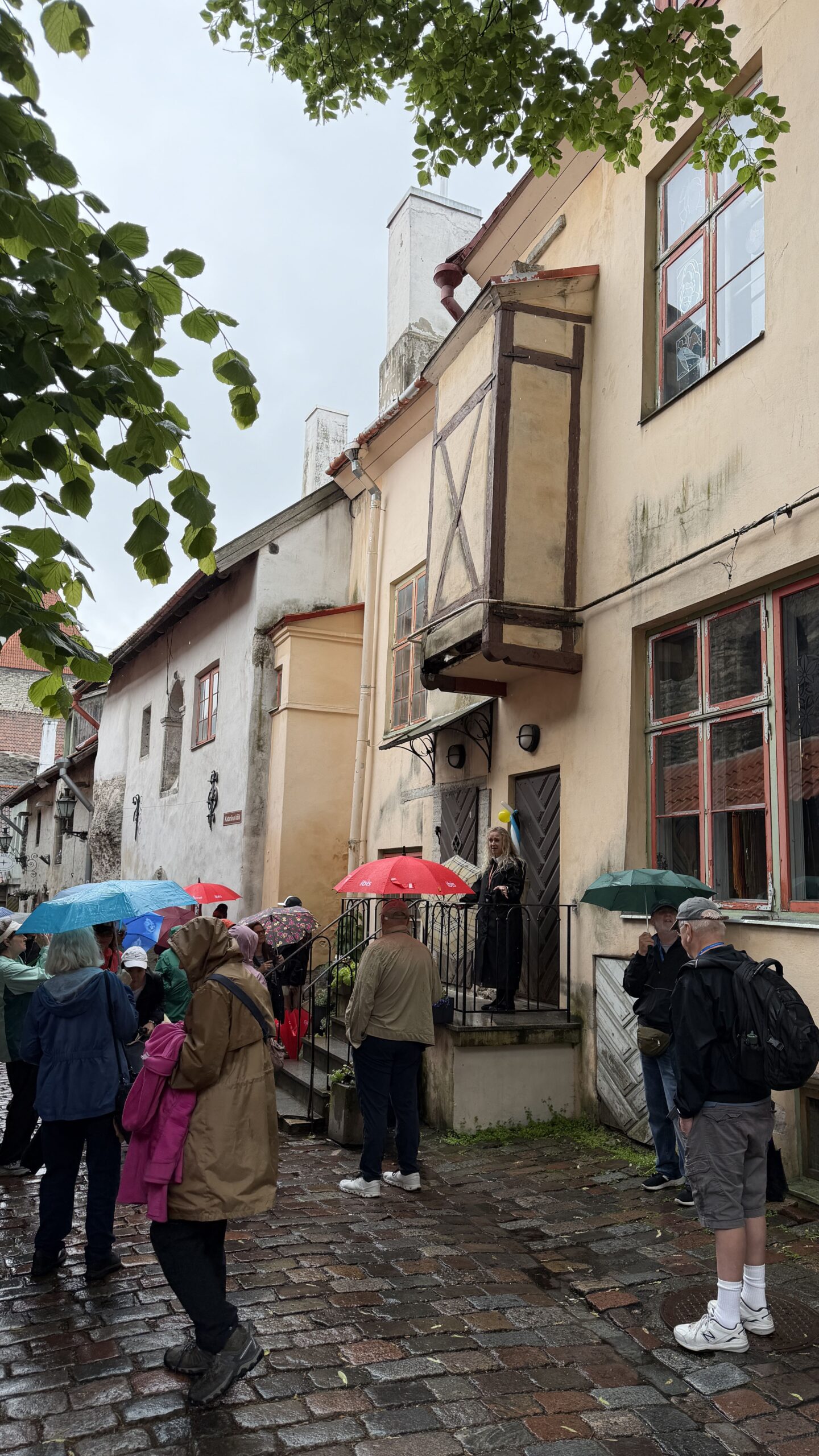
Our day began with a guided walking tour through the heart of the Old Town. The narrow cobblestone streets, colorful merchant houses, medieval towers, and centuries-old city walls made it feel like we had stepped back in time. Our guide explained that Tallinn prospered as a member of the powerful Hanseatic League, and many of the elegant merchant buildings we saw today date back to that prosperous trading era.
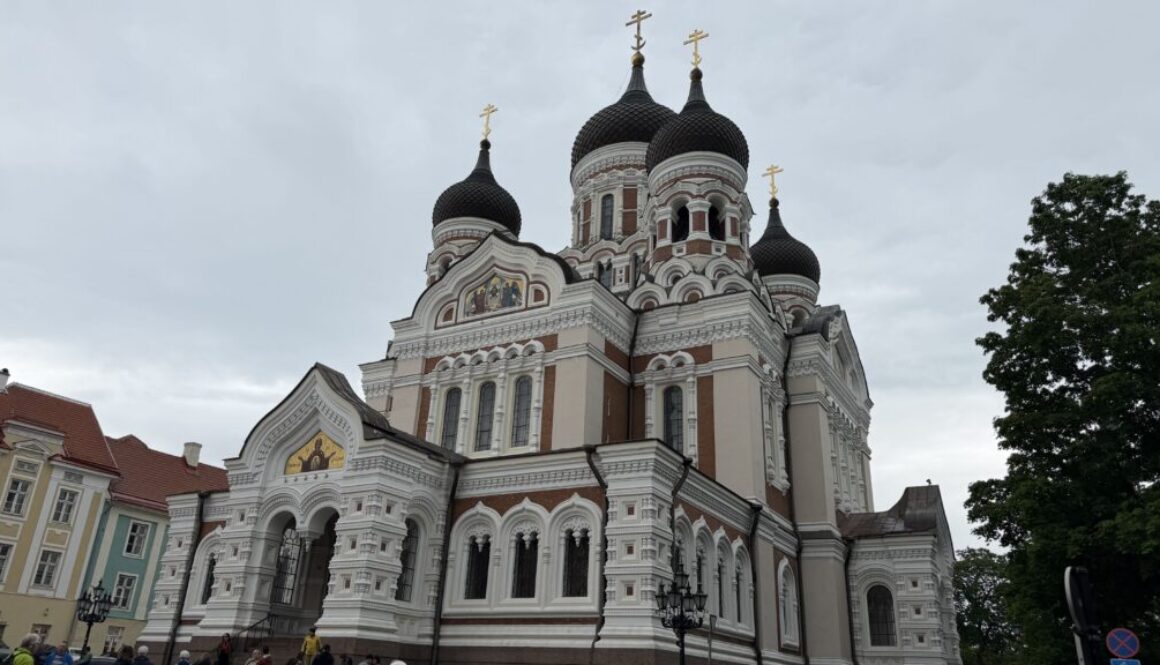
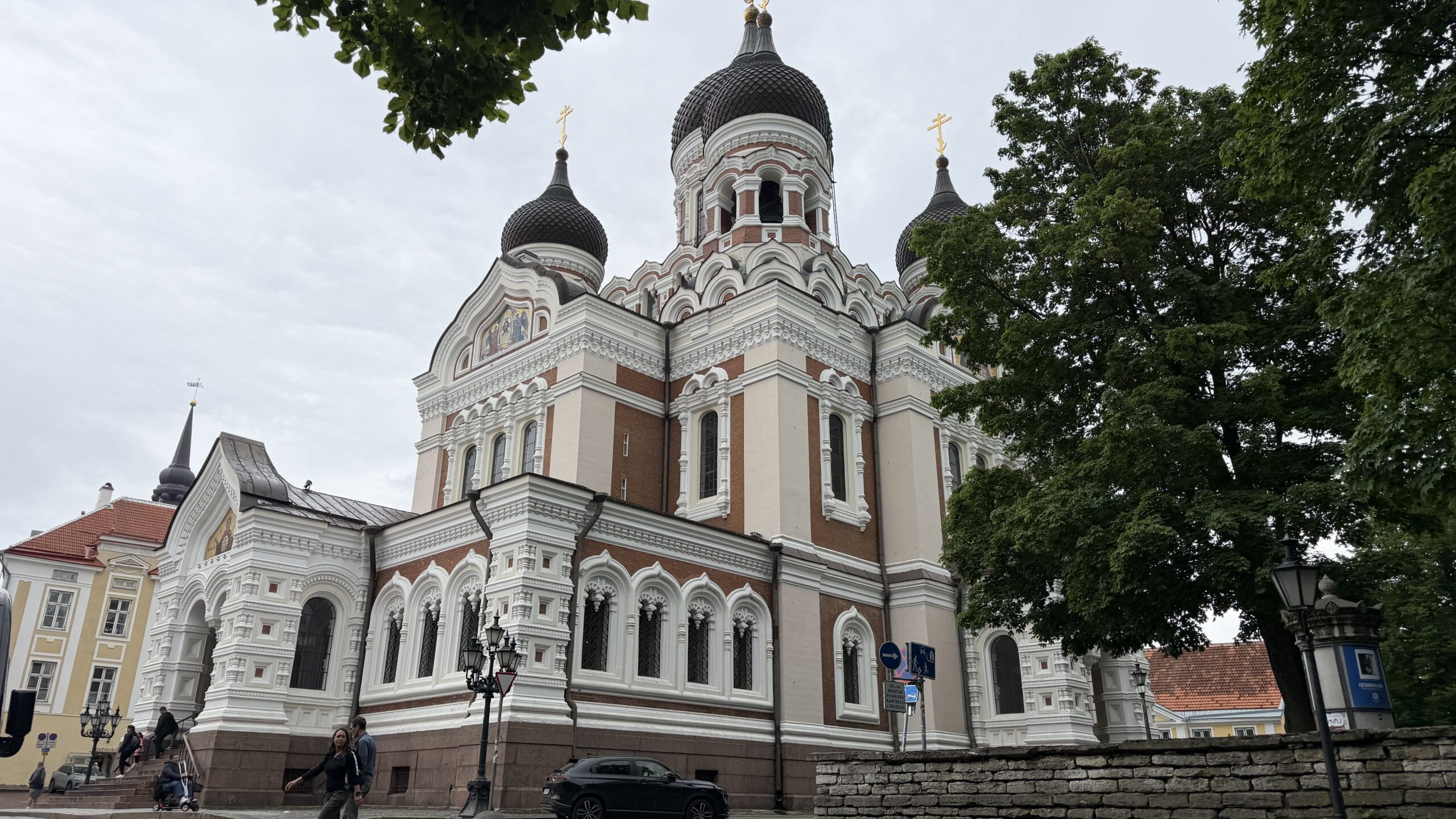
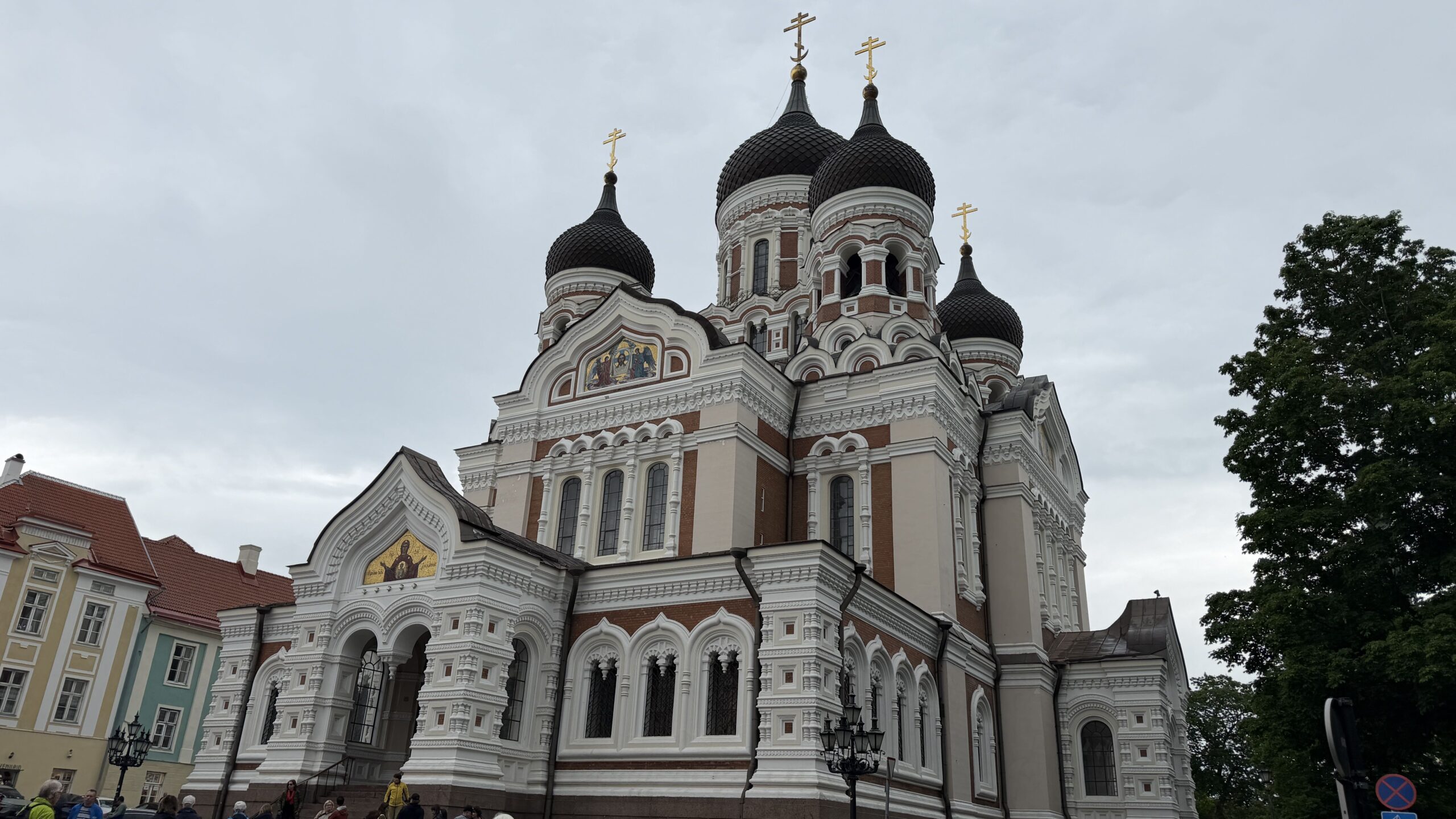
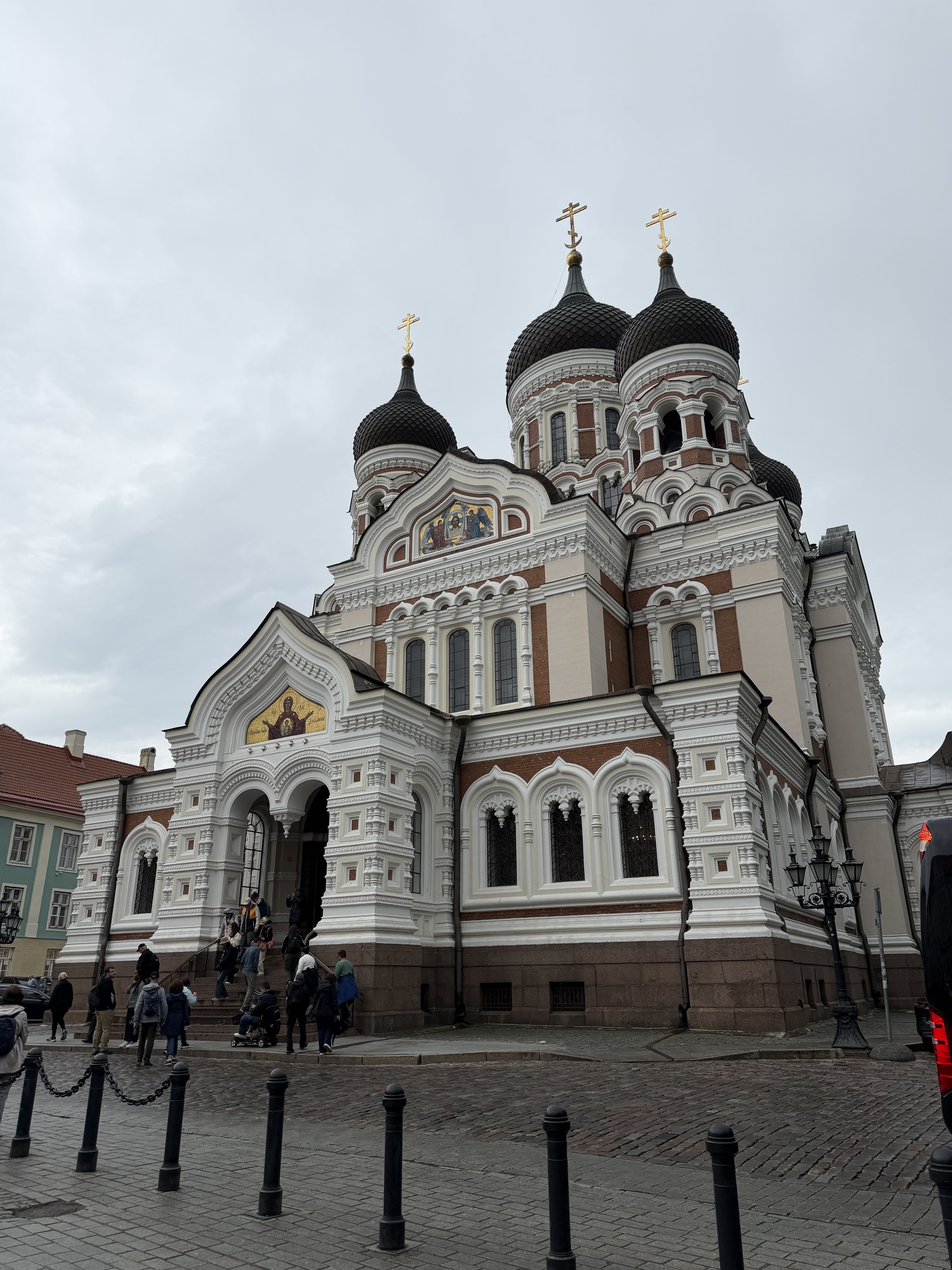
One of the first landmarks we visited was the magnificent Alexander Nevsky Cathedral, the largest Orthodox church in Estonia. Built between 1894 and 1900 during the Russian Empire, its onion domes and richly decorated interior stand in striking contrast to the Gothic architecture surrounding it. It remains one of Tallinn’s most recognizable landmarks.
Photography is not permitted inside the cathedral, helping preserve its peaceful atmosphere. Visitors are also not allowed into the main prayer area, which is reserved for worshipers. Like many Orthodox churches, there is no seating inside the sanctuary, as services are traditionally attended while standing. During our visit, several prayer services were taking place simultaneously at shrines on both the left and right sides of the cathedral, adding to the solemn and spiritual atmosphere.
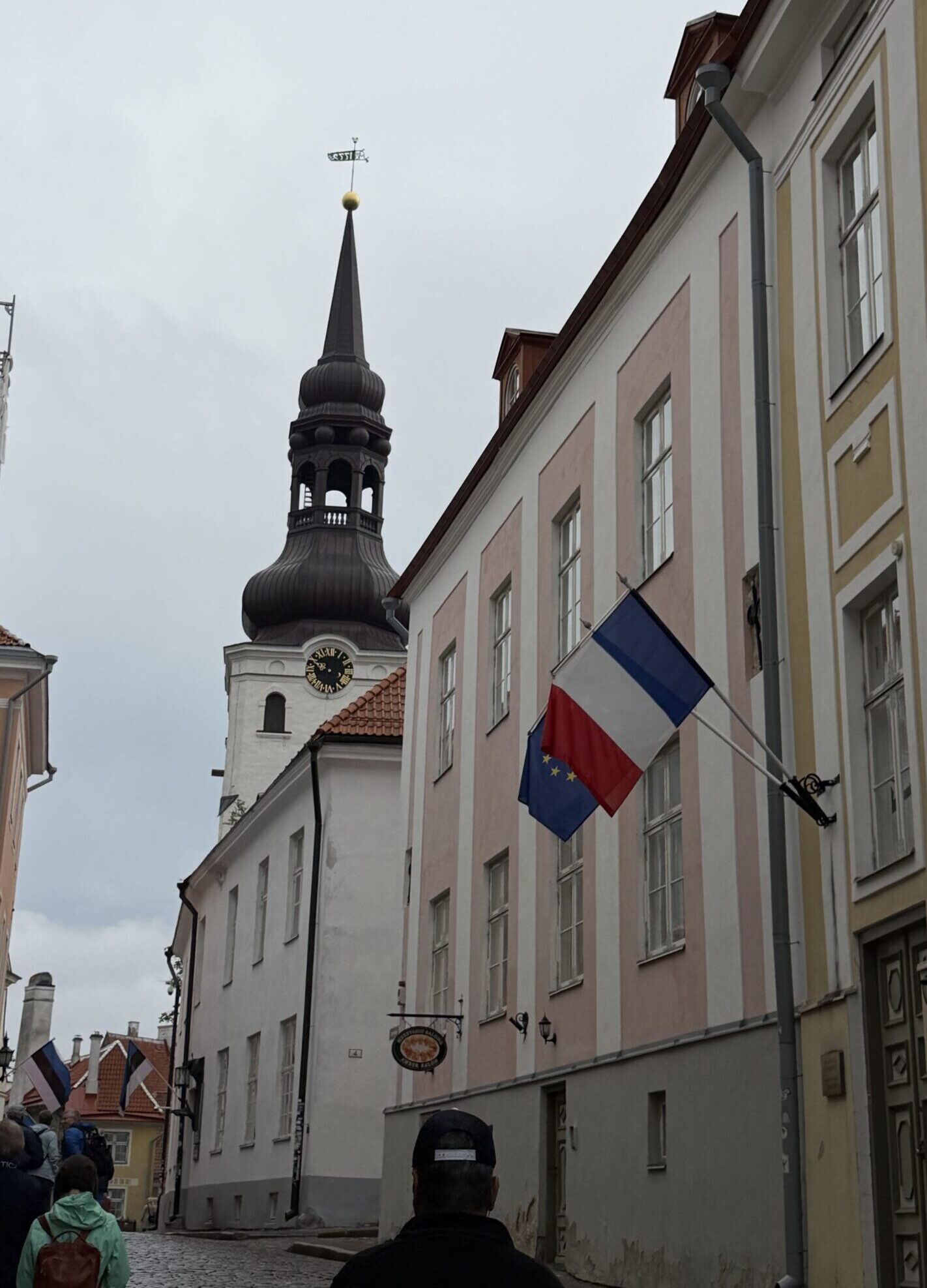
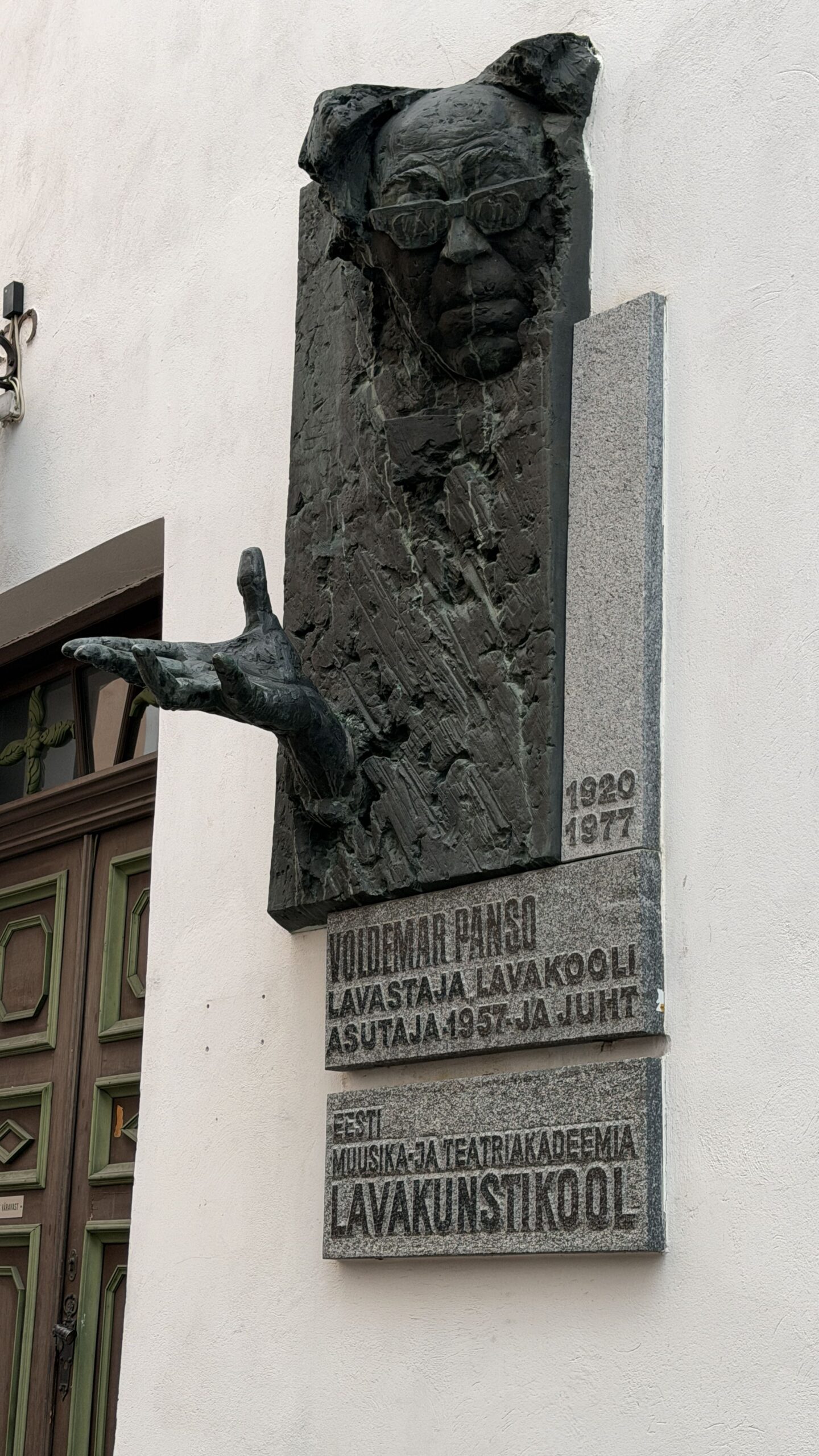
As we wandered through the Old Town, we came across an interesting sculpture featuring a giant head and hand. Our guide explained that it honors Voldemar Panso, one of Estonia’s most respected theater directors and the founder of the drama school at today’s Estonian Academy of Music and Theatre. It was one of those unexpected pieces of public art that catches your attention and makes you curious about the person behind it.
Our walk continued to the Kohtuotsa Viewing Platform, one of the city’s most famous viewpoints. Despite the rain, the panoramic view over Tallinn’s red-tiled rooftops, church spires, and the Baltic Sea was spectacular. The viewpoint was packed with visitors, many arriving from the cruise ships docked in the harbor. Our guide mentioned that although it seemed crowded, this wasn’t even the busiest time of the season. We noticed many Chinese tourists enthusiastically posing for photos, each trying a different creative pose.
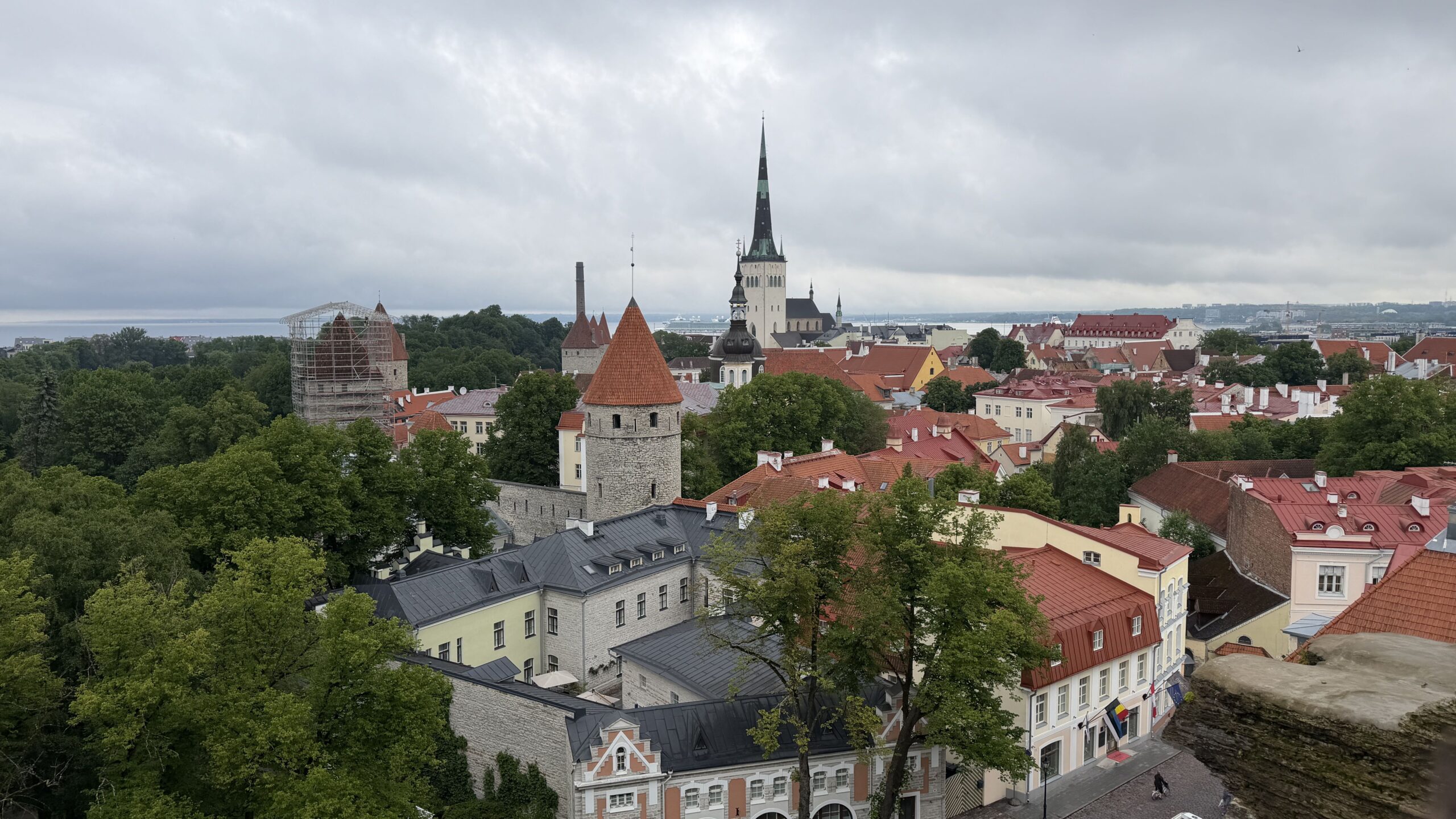
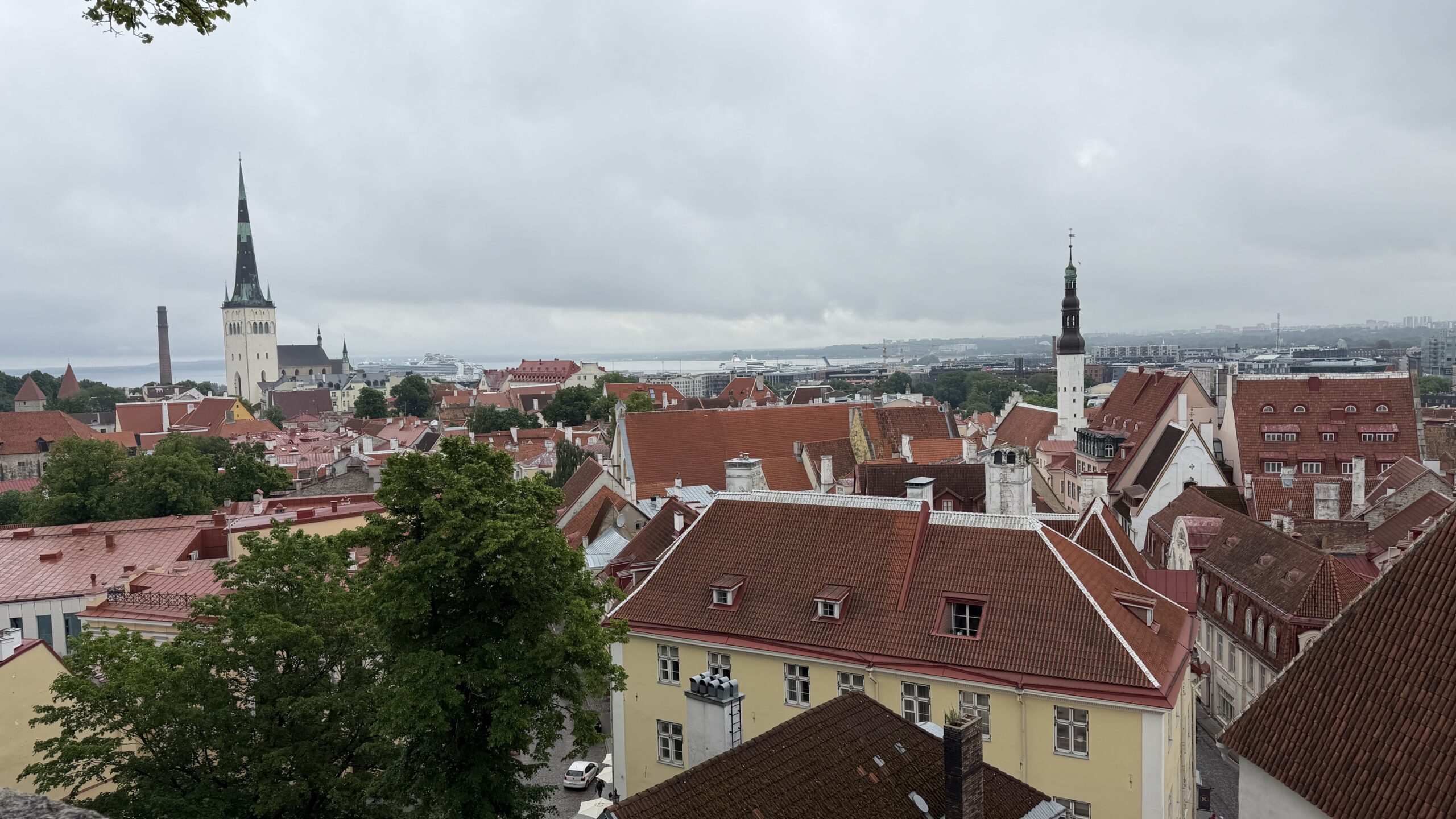
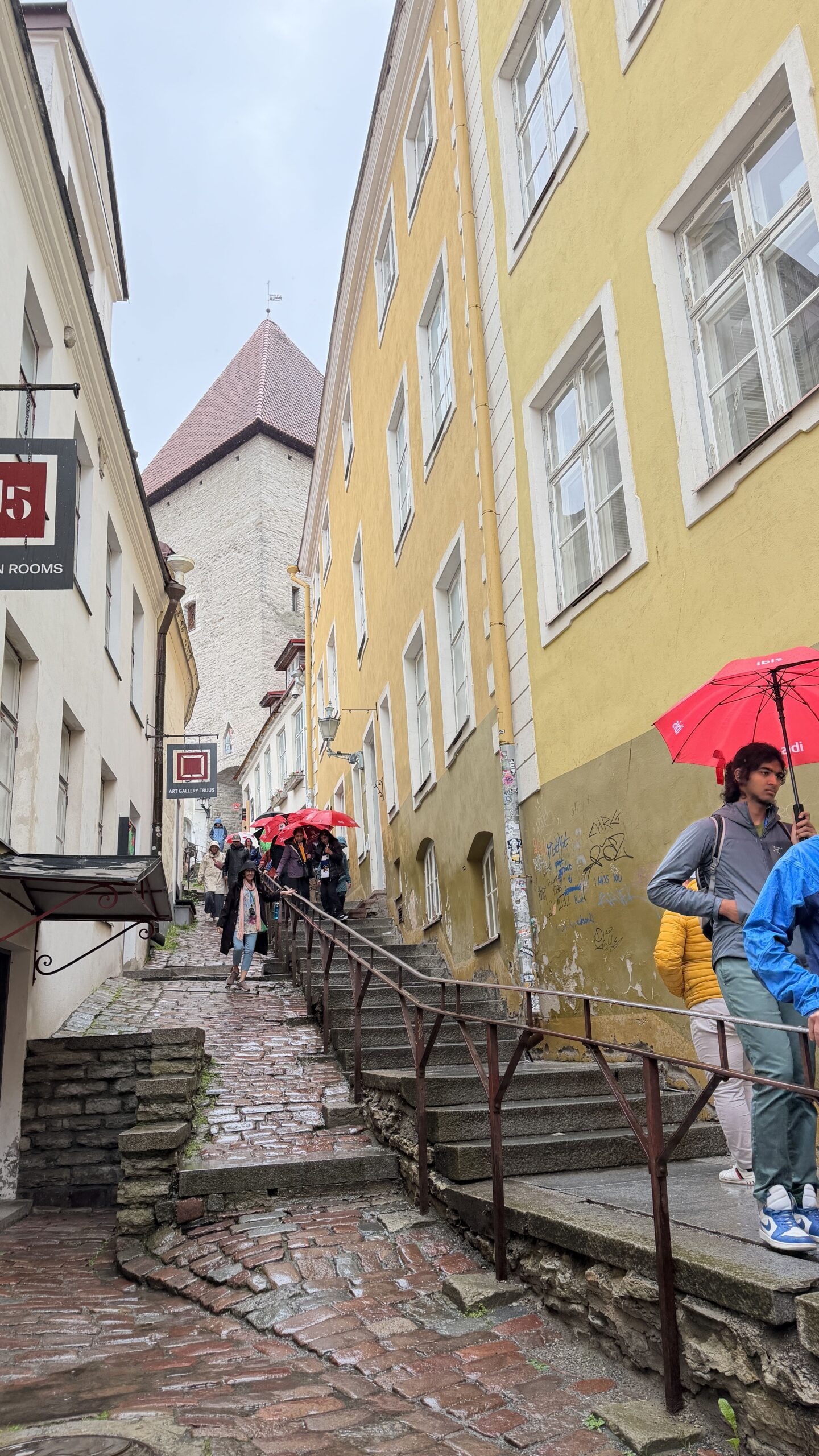
Walking through Tallinn in the rain turned out to be surprisingly enjoyable. The wet cobblestones reflected the colorful medieval buildings, giving the streets an even more magical atmosphere. The Upper Town and Lower Town each had their own distinct character, connected by steep winding streets that have linked the two parts of the city for centuries.
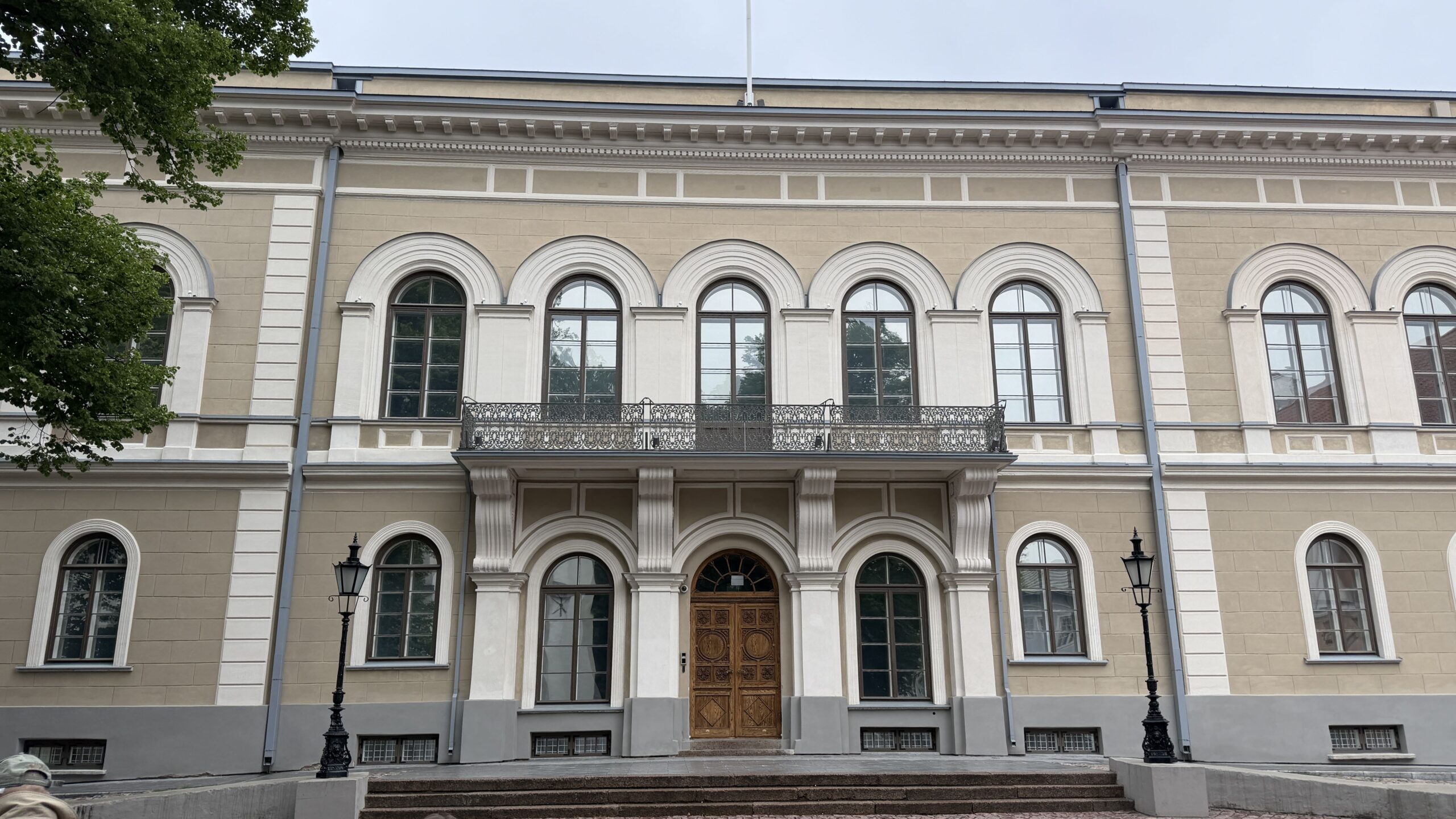
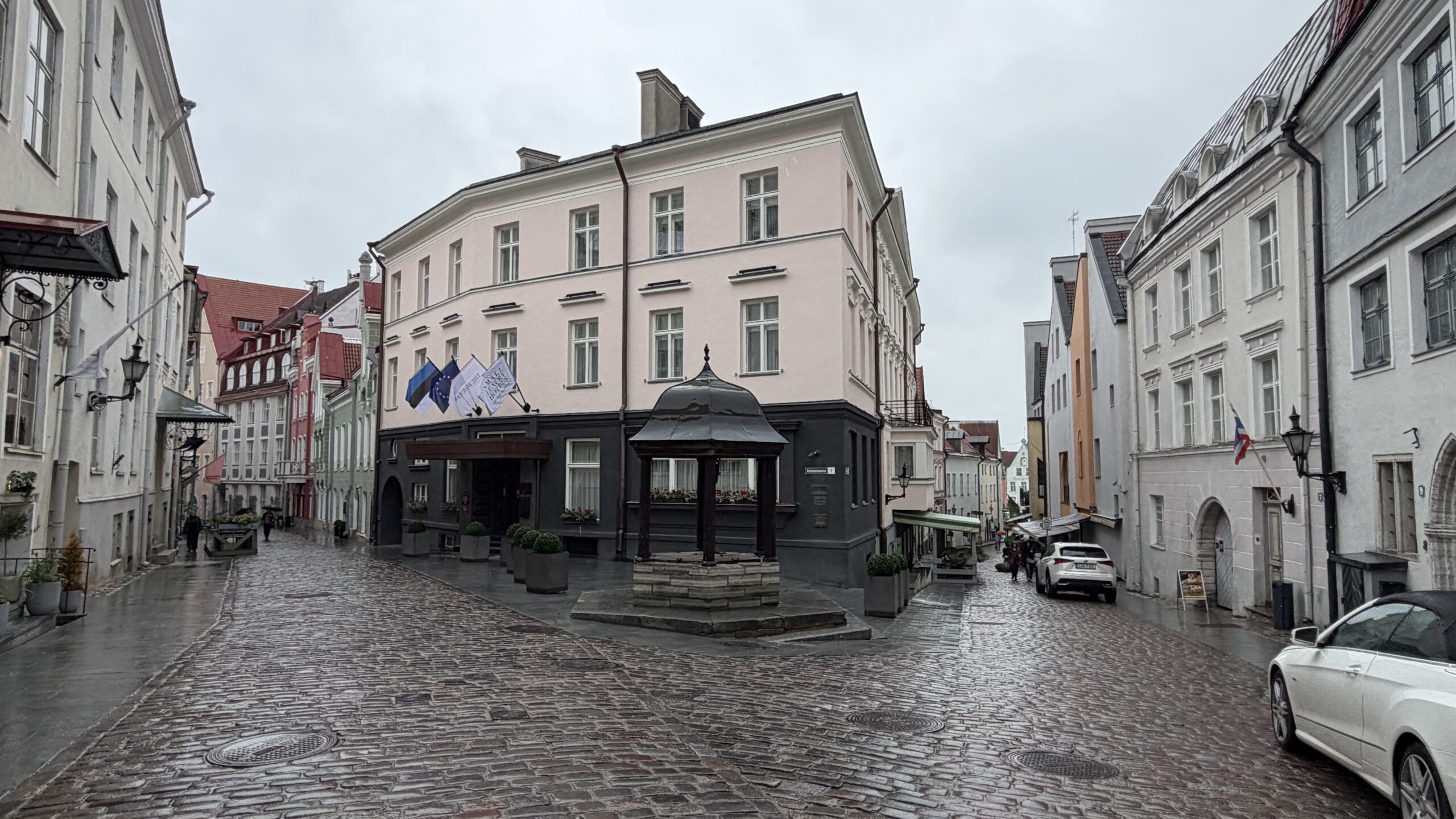
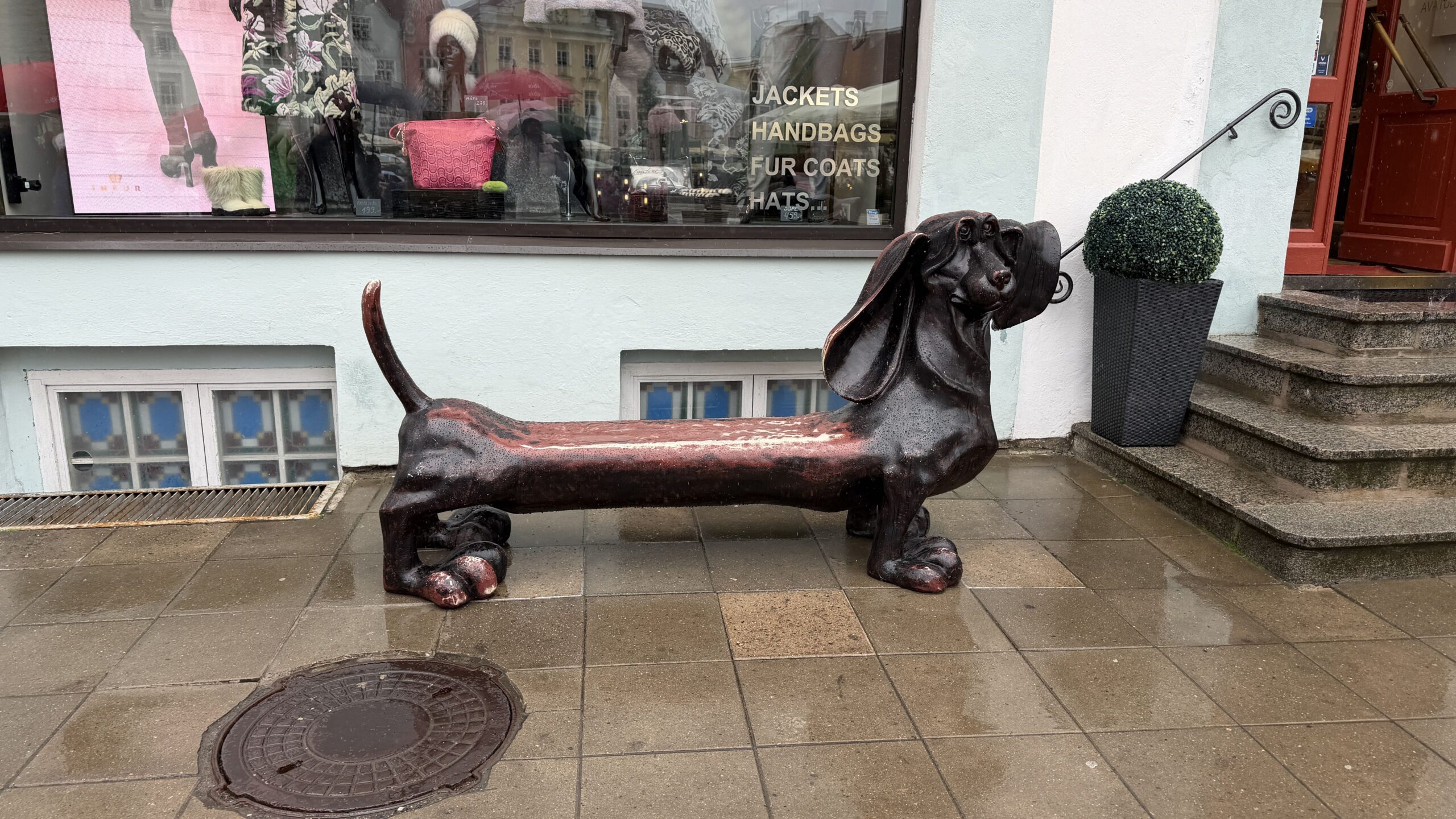
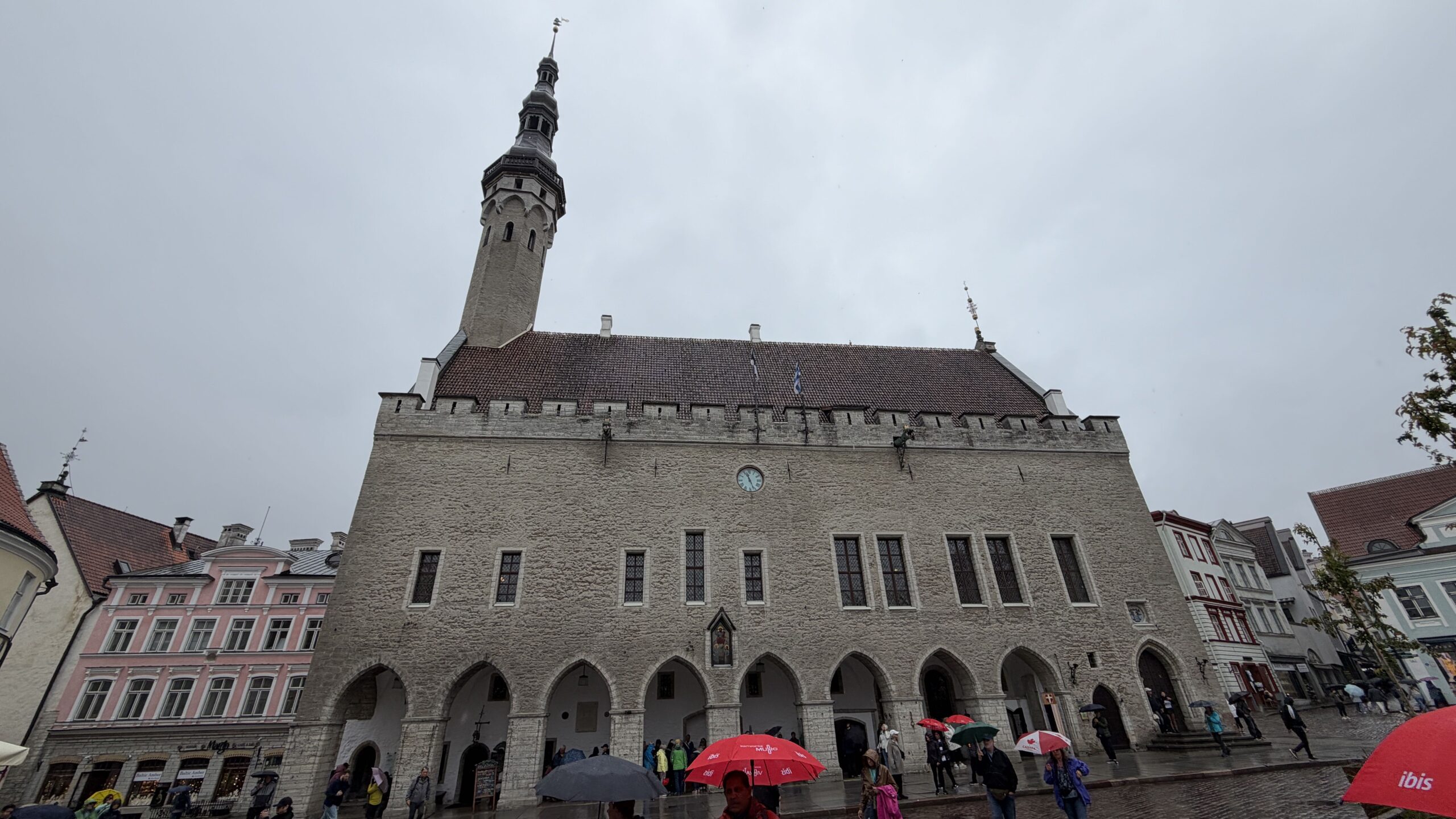
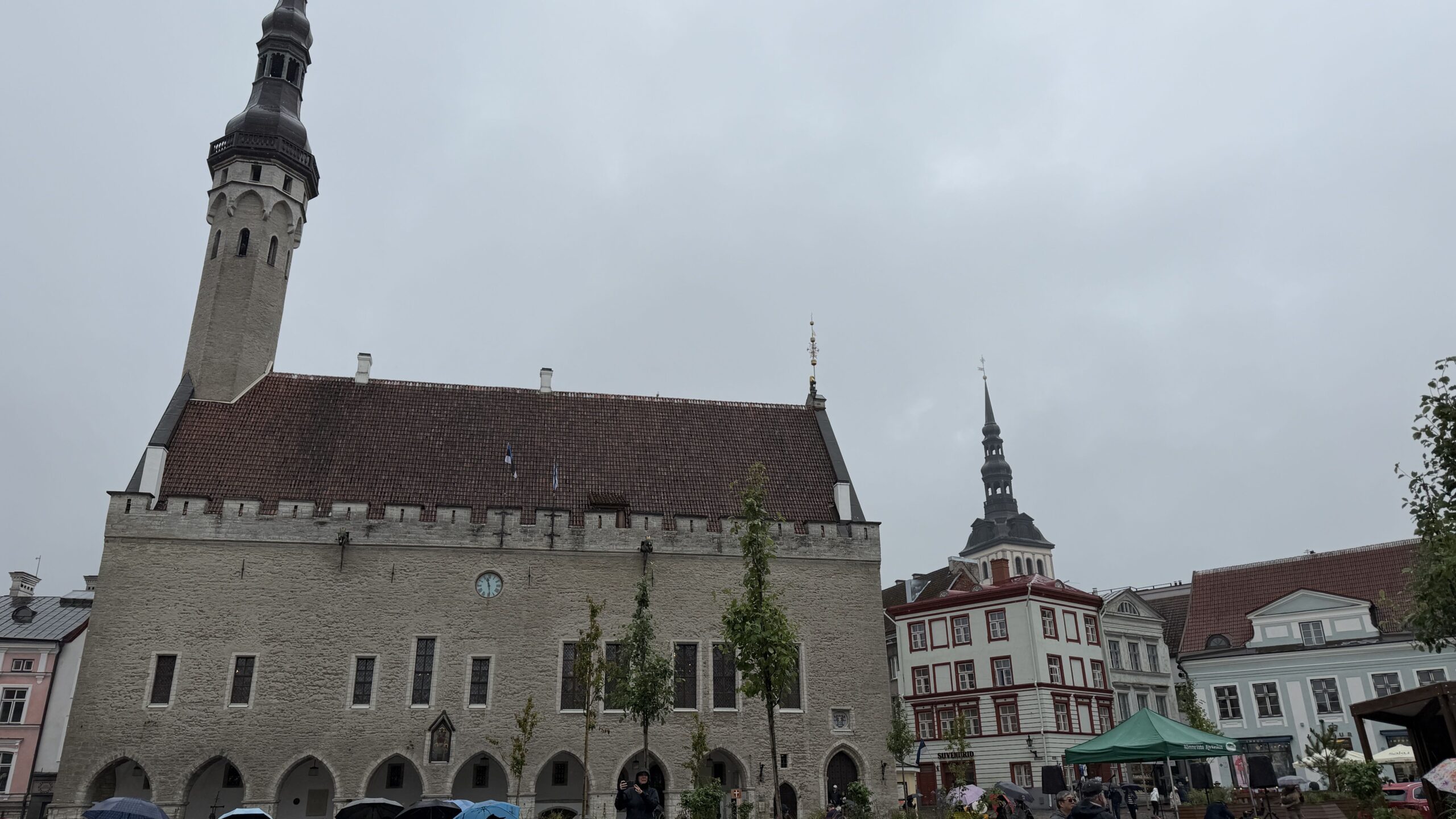
In the Town Hall Square, we admired the beautifully preserved Tallinn Town Hall, the oldest surviving Gothic town hall in Northern Europe. Nearby stood the historic Town Hall Well, although it was locked during our visit. We also spent a little time browsing one of Tallinn’s many amber shops, where beautiful Baltic amber jewelry was displayed in every imaginable shape and color.
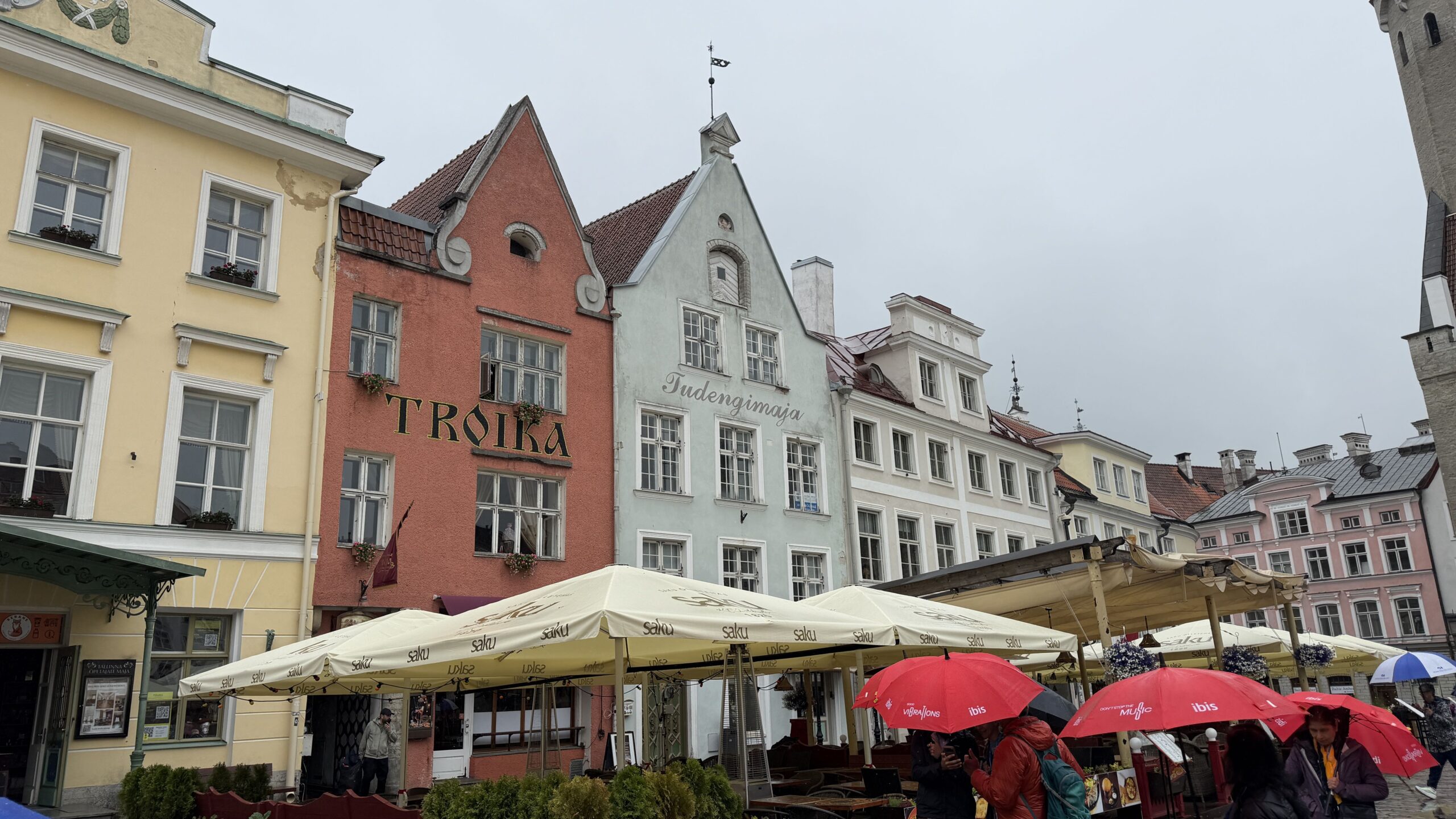
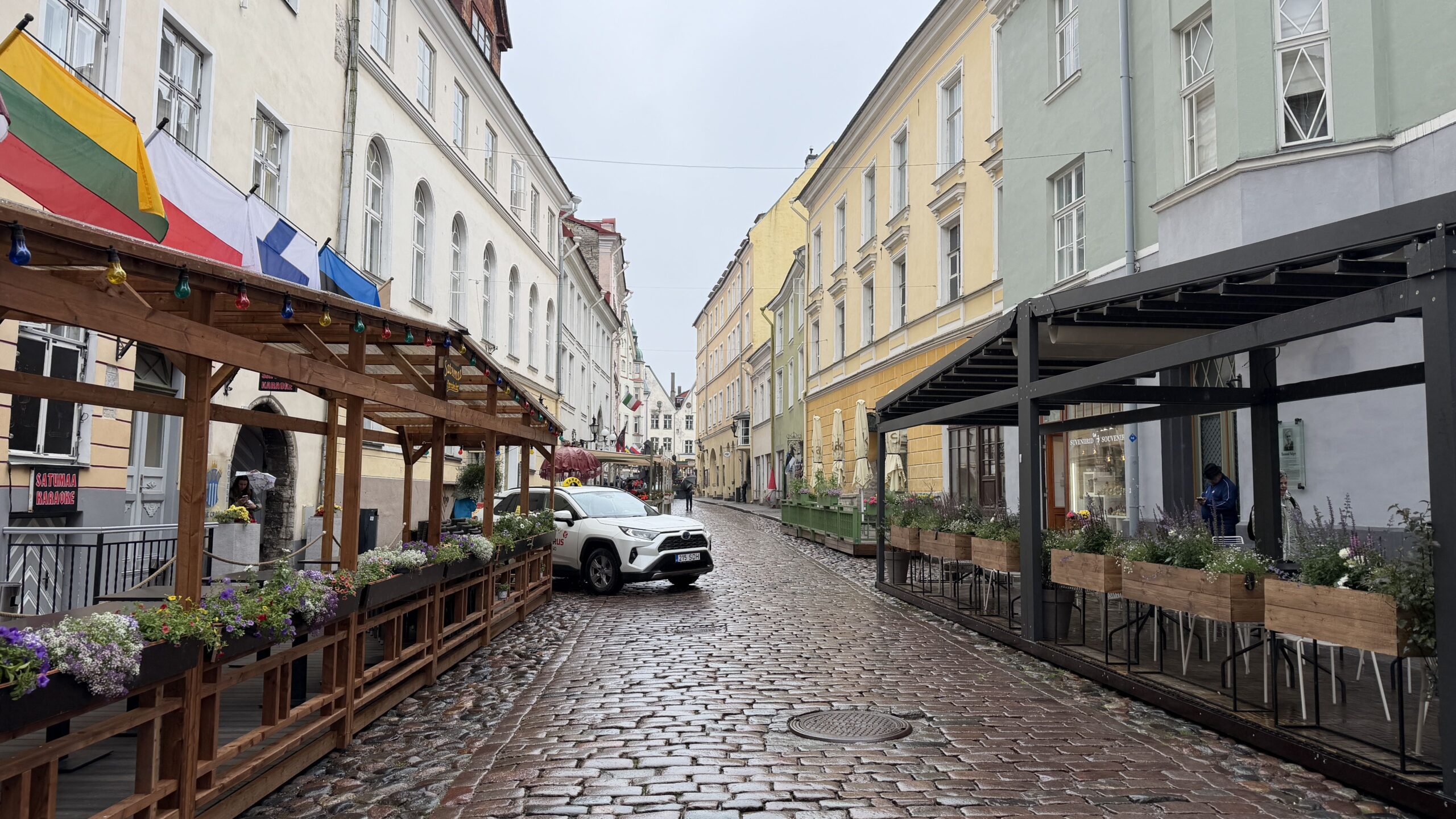
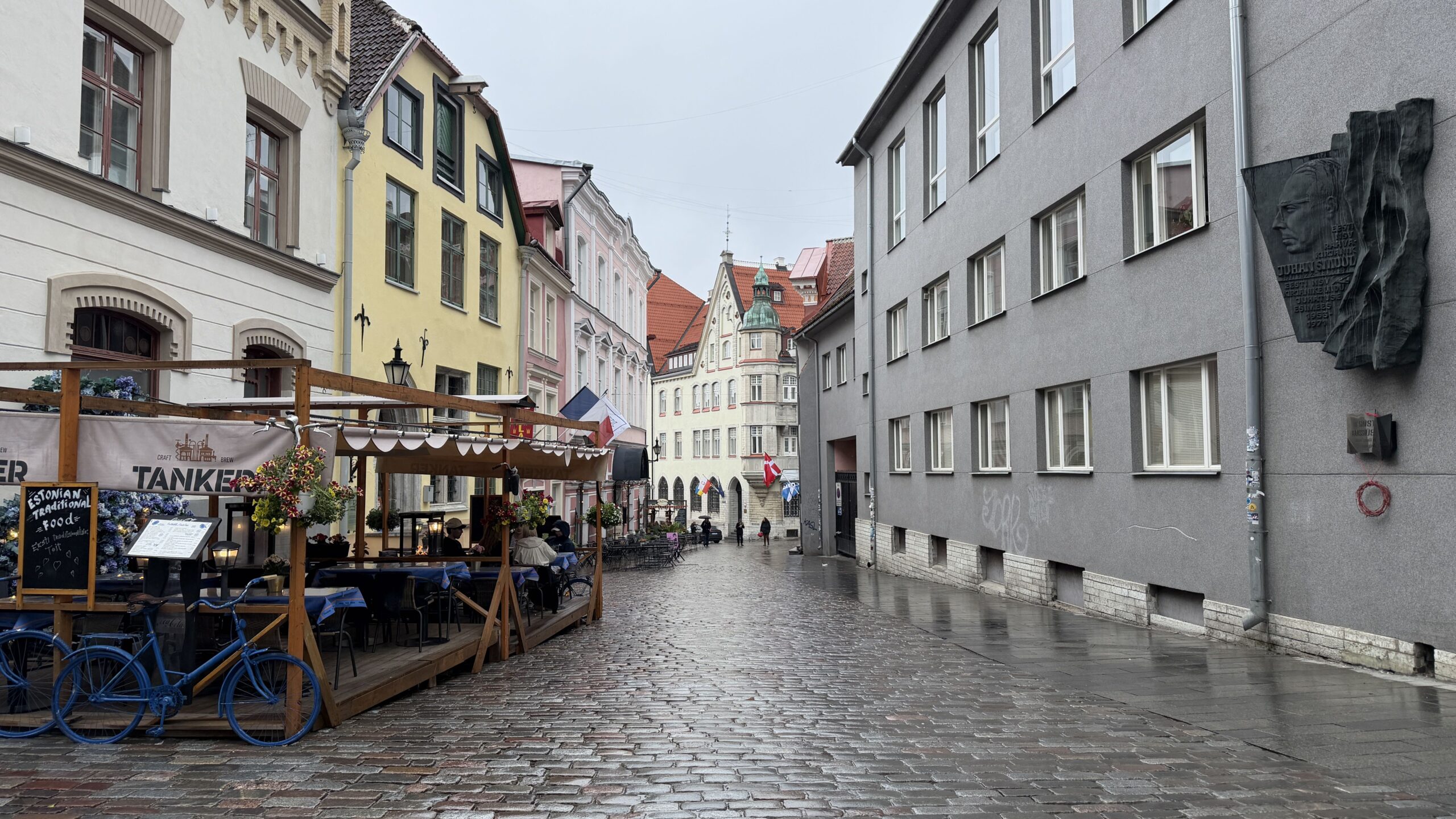
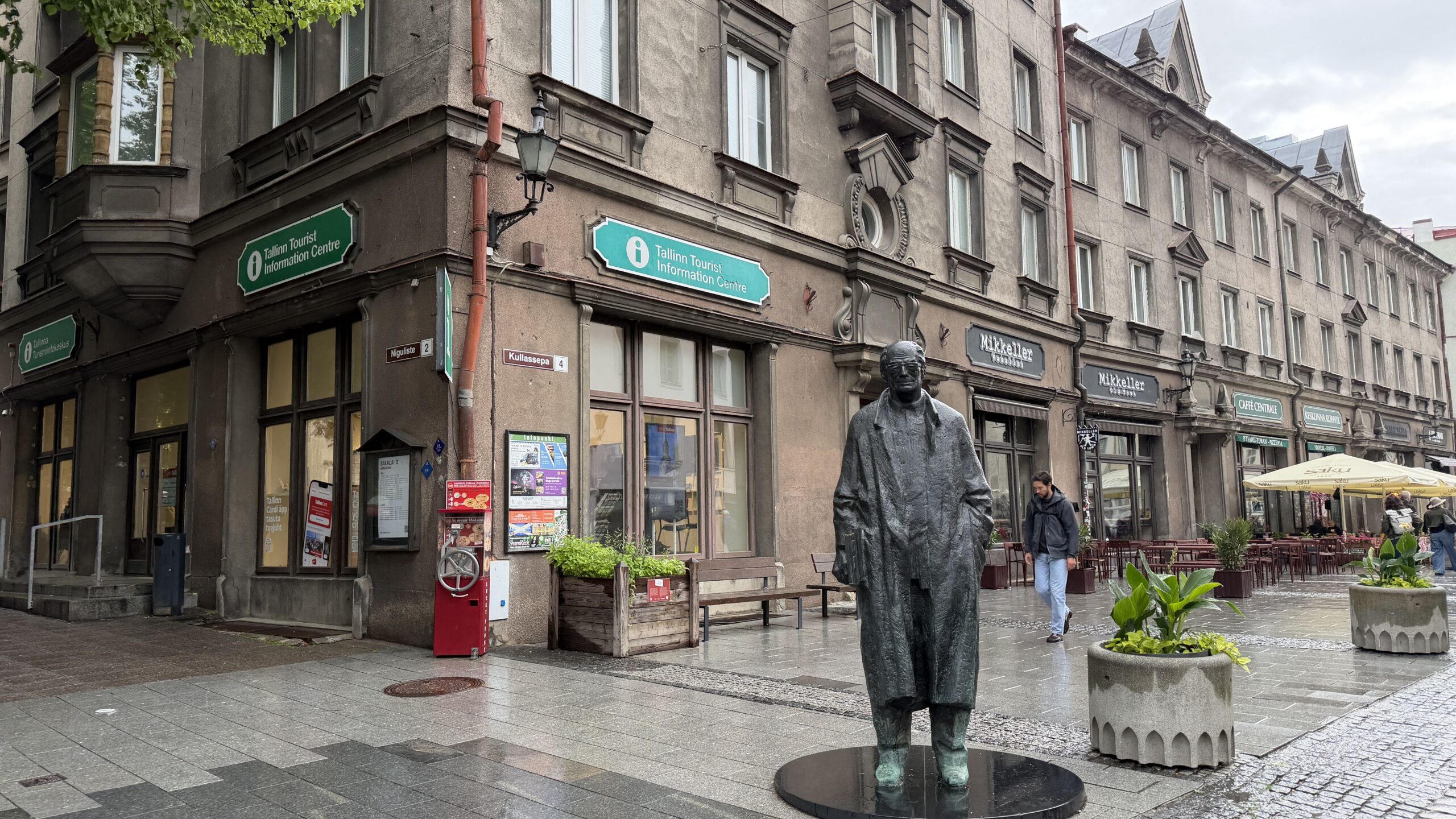
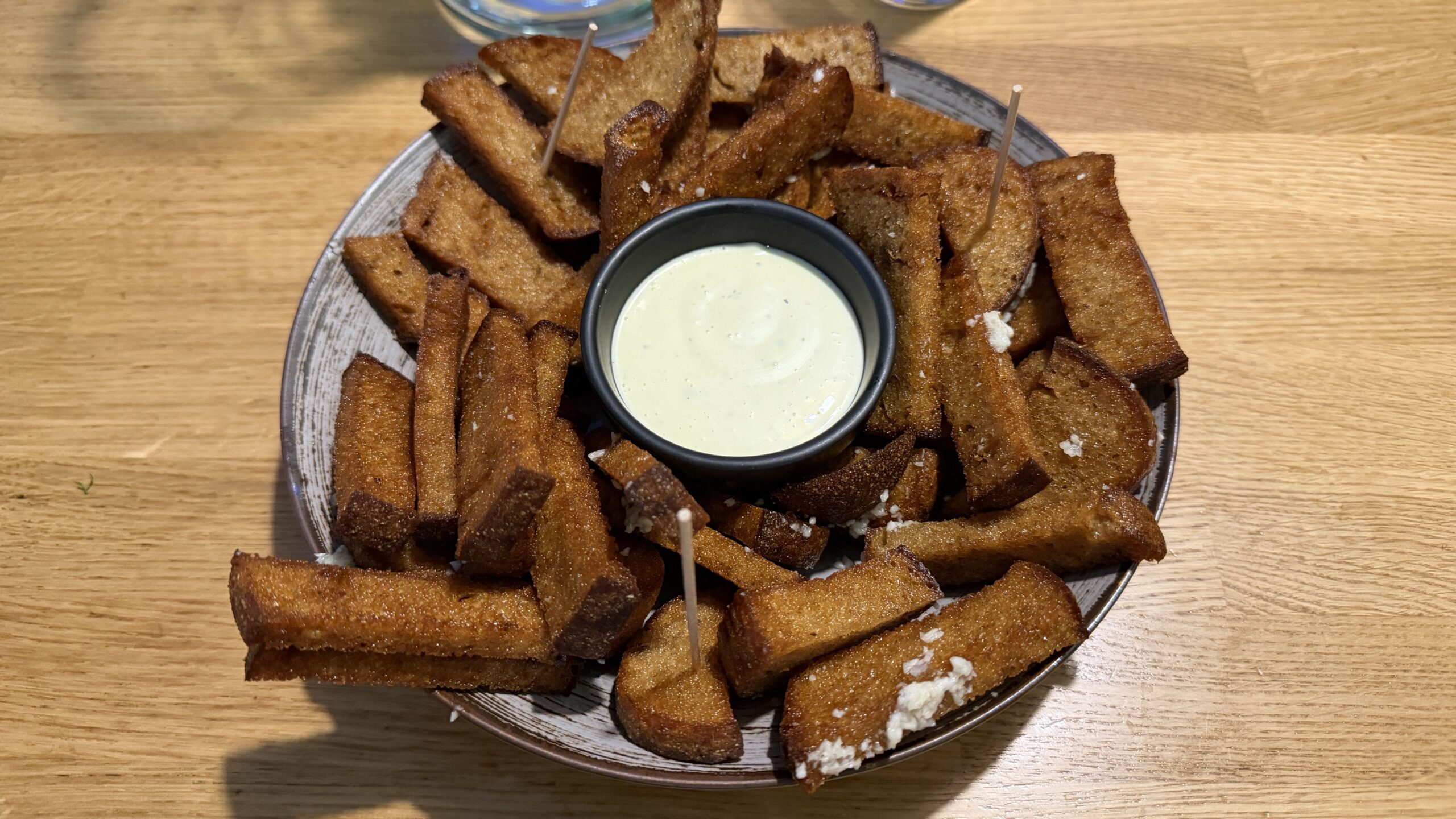
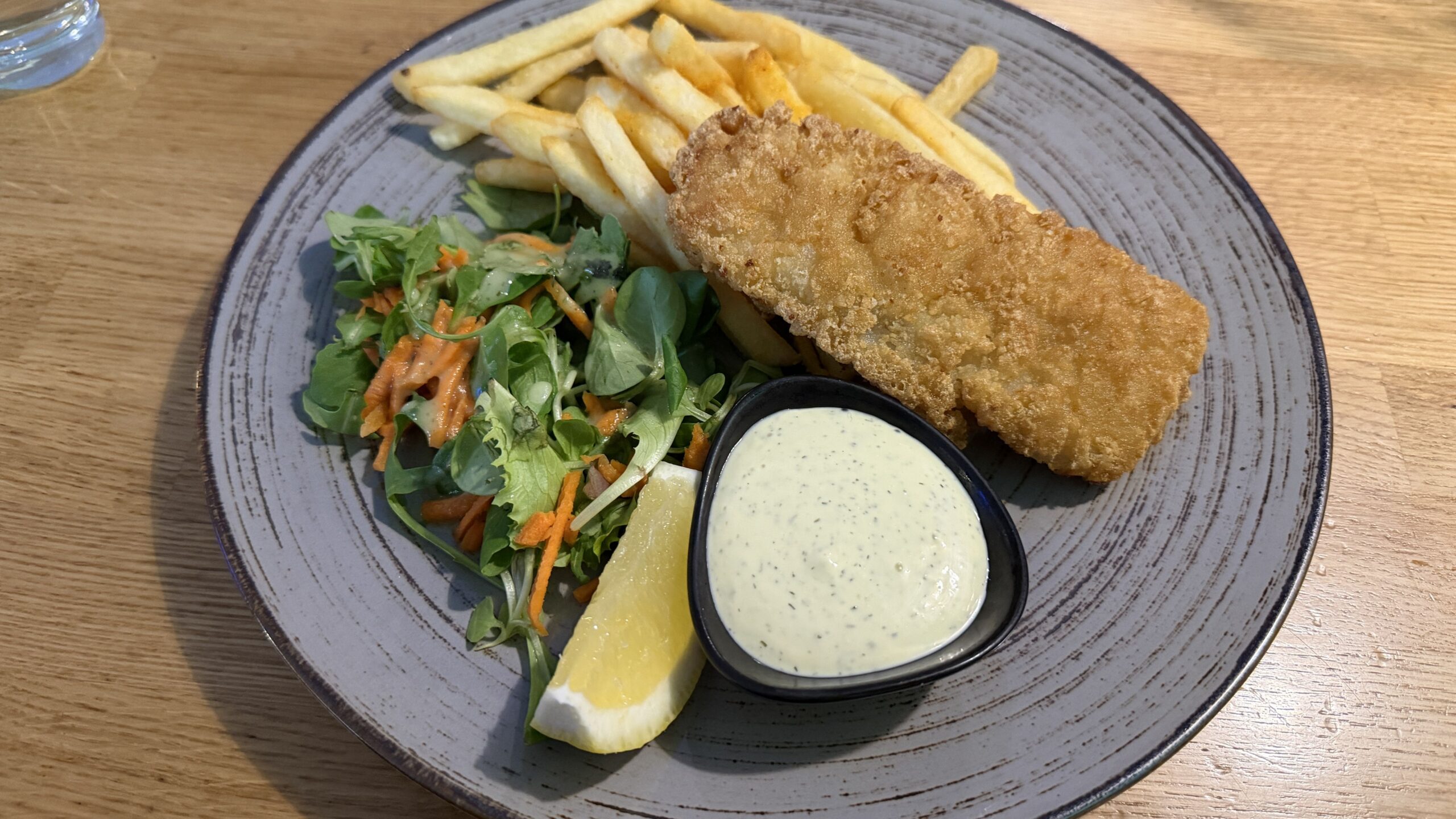
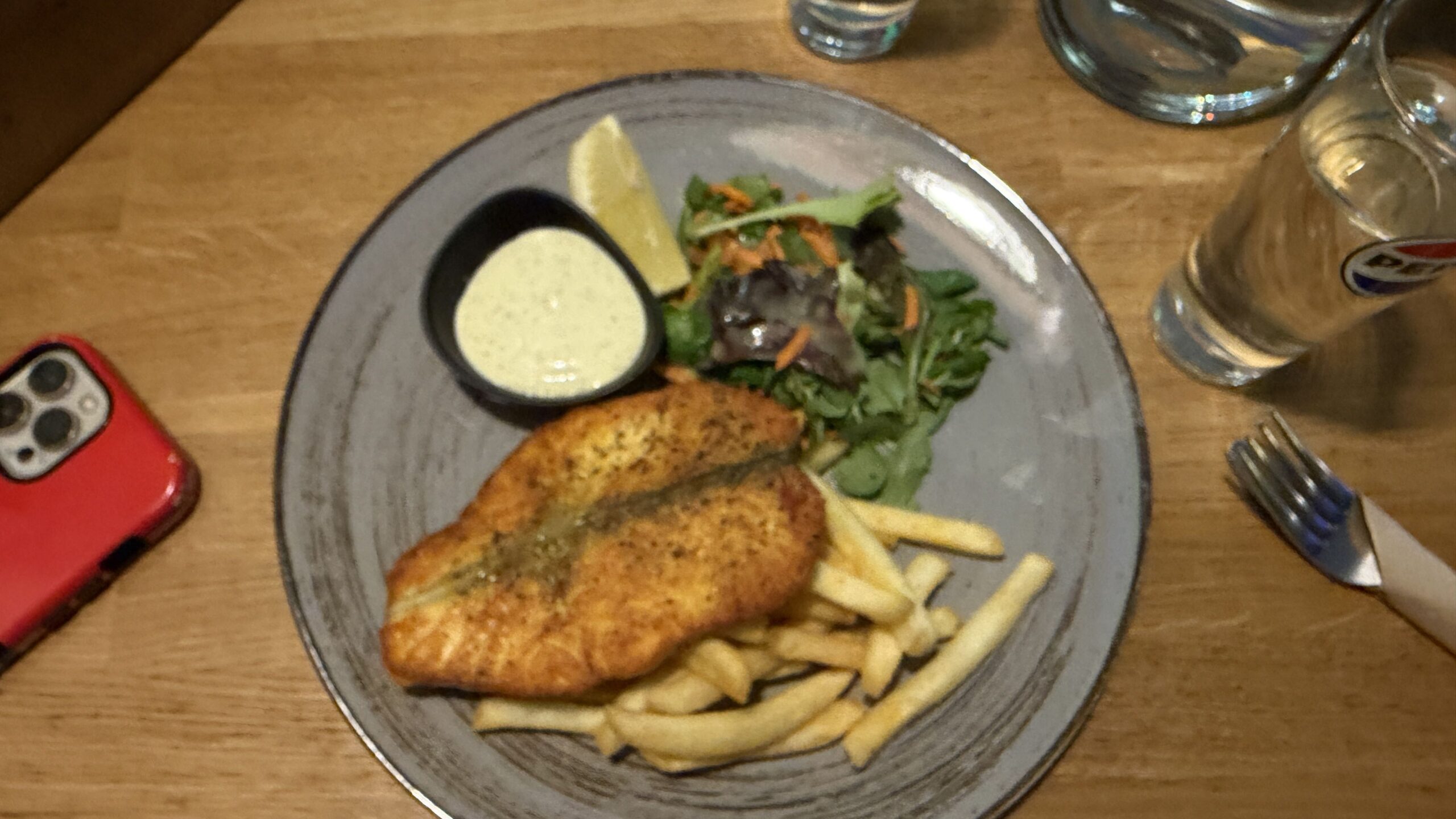
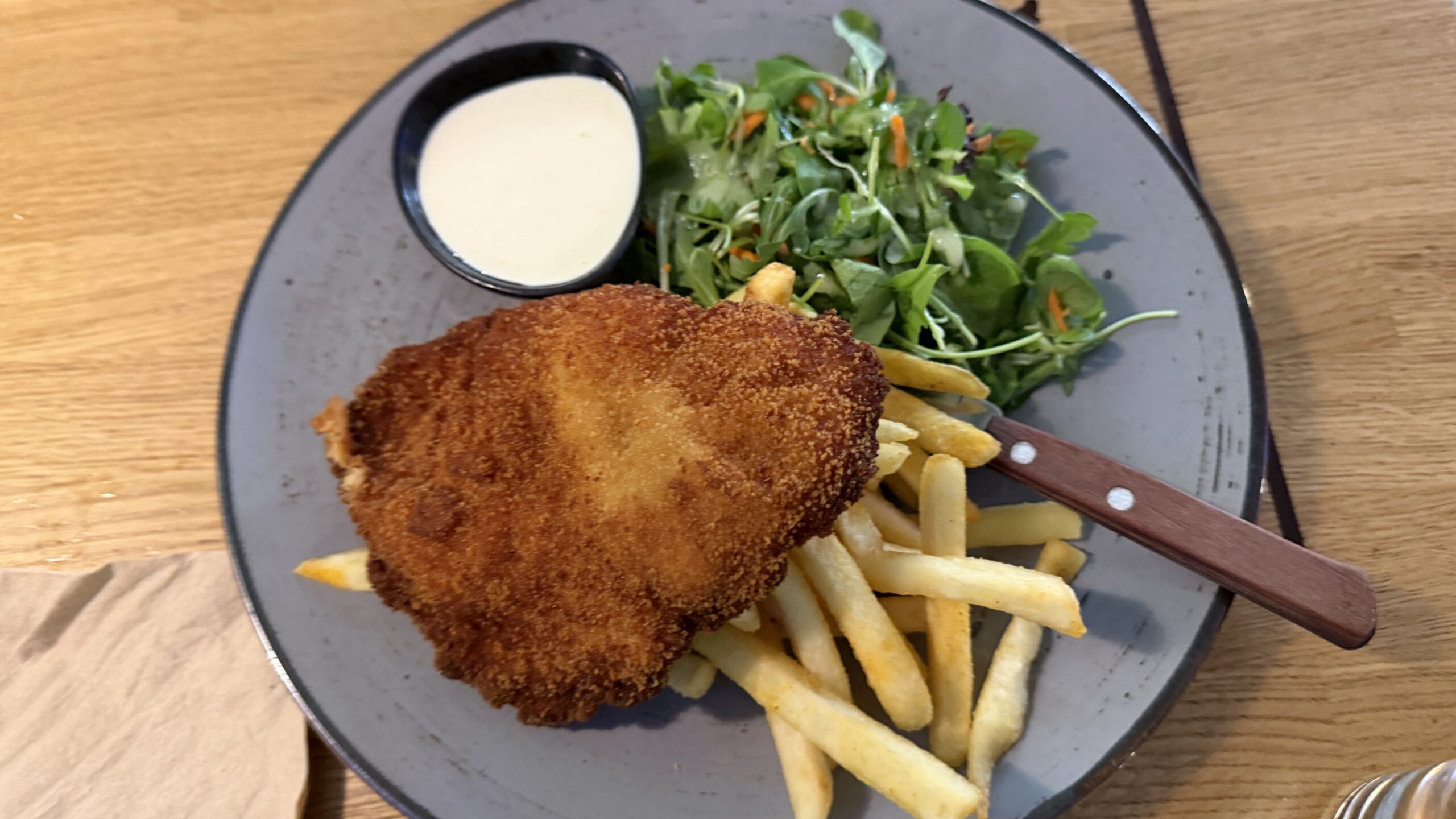
Lunch was in the heart of the Old Town. We kept it simple with garlic bread, fish and chips, and chicken before heading out for our afternoon excursion.
Kadriorg Palace – Peter the Great’s Royal Retreat
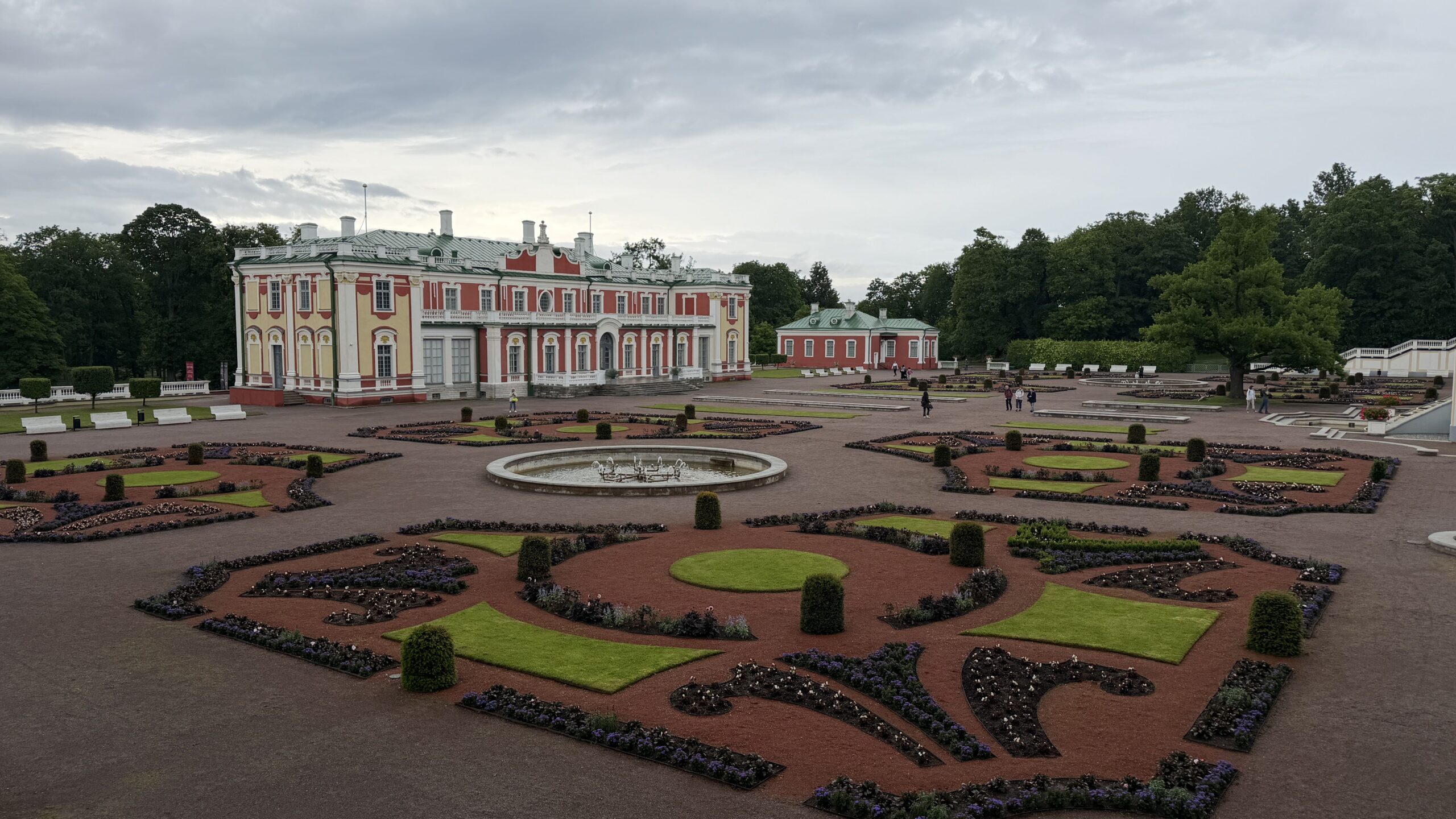
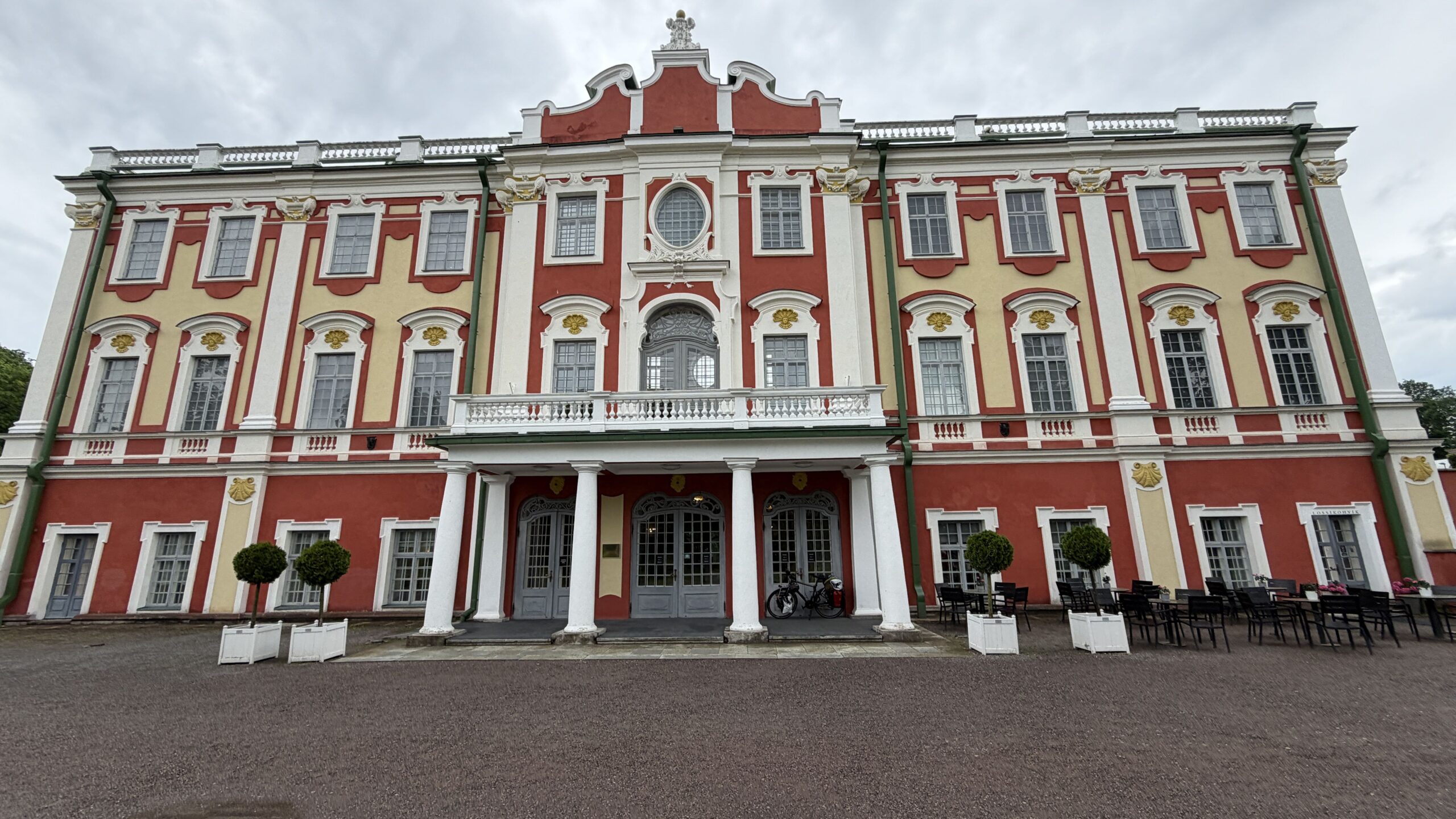
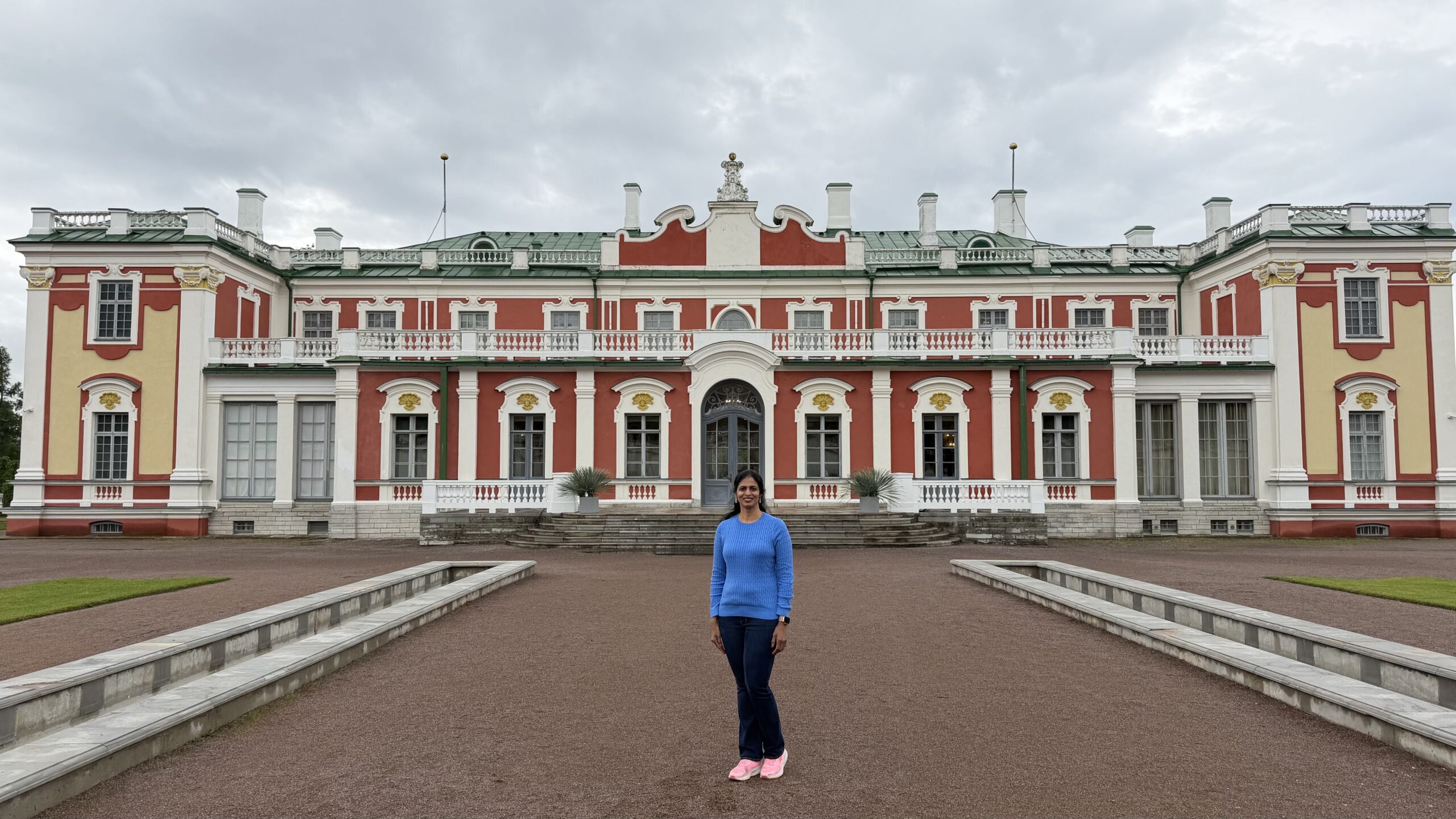
Our afternoon began at Kadriorg Palace, one of Estonia’s most elegant landmarks. Built by Peter the Great for his wife Catherine I in the early 18th century, the palace showcases impressive Baroque architecture inspired by the grand palaces of Europe.
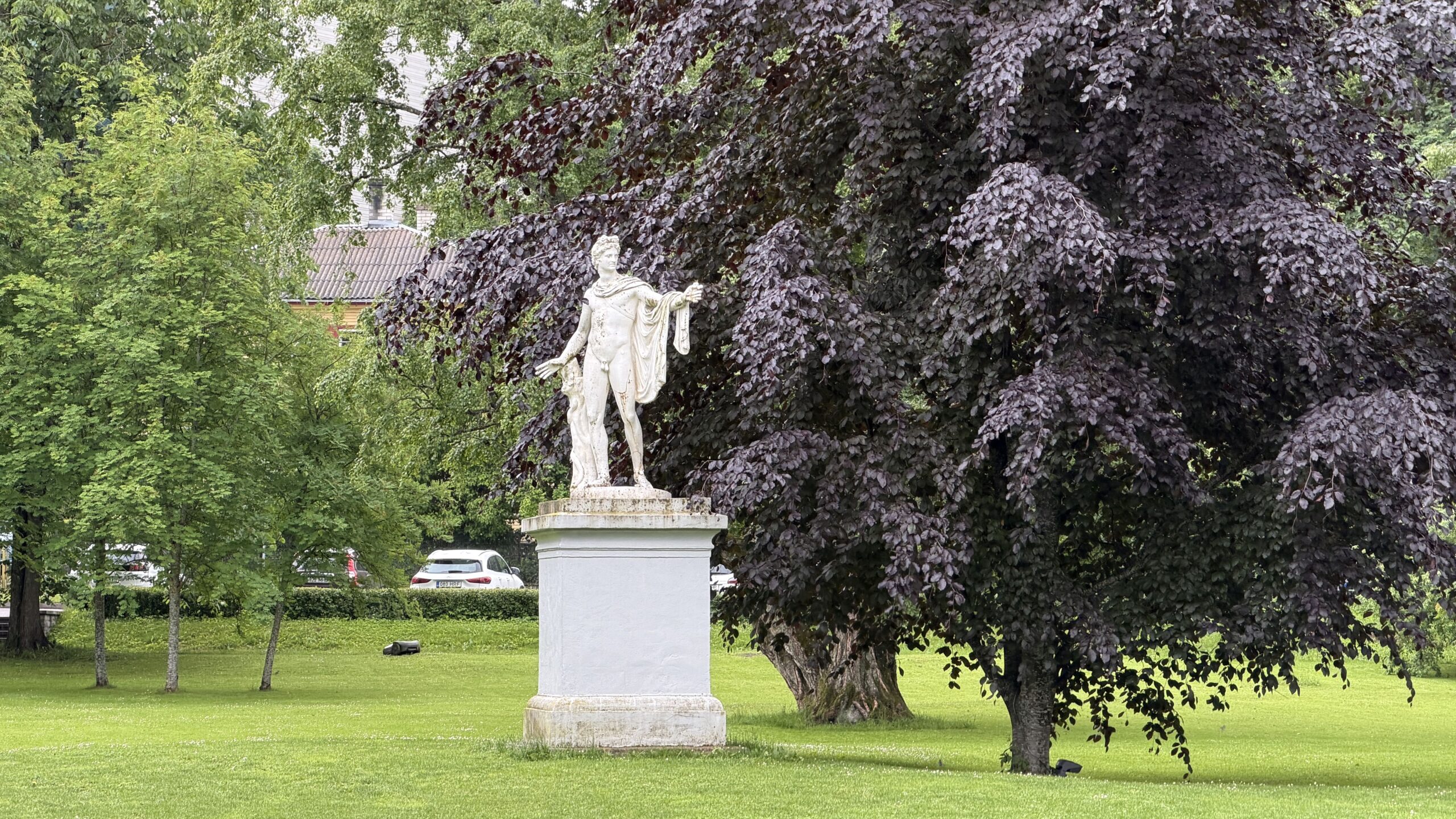
Before entering the palace, we spent time strolling through the beautiful formal gardens. Even though it wasn’t peak rose season and only a few roses were blooming, the perfectly maintained French-style gardens were still impressive. Neatly trimmed hedges, colorful flower beds, and elegant pathways surrounded the palace, while the decorative entrance arch created a wonderful first impression.
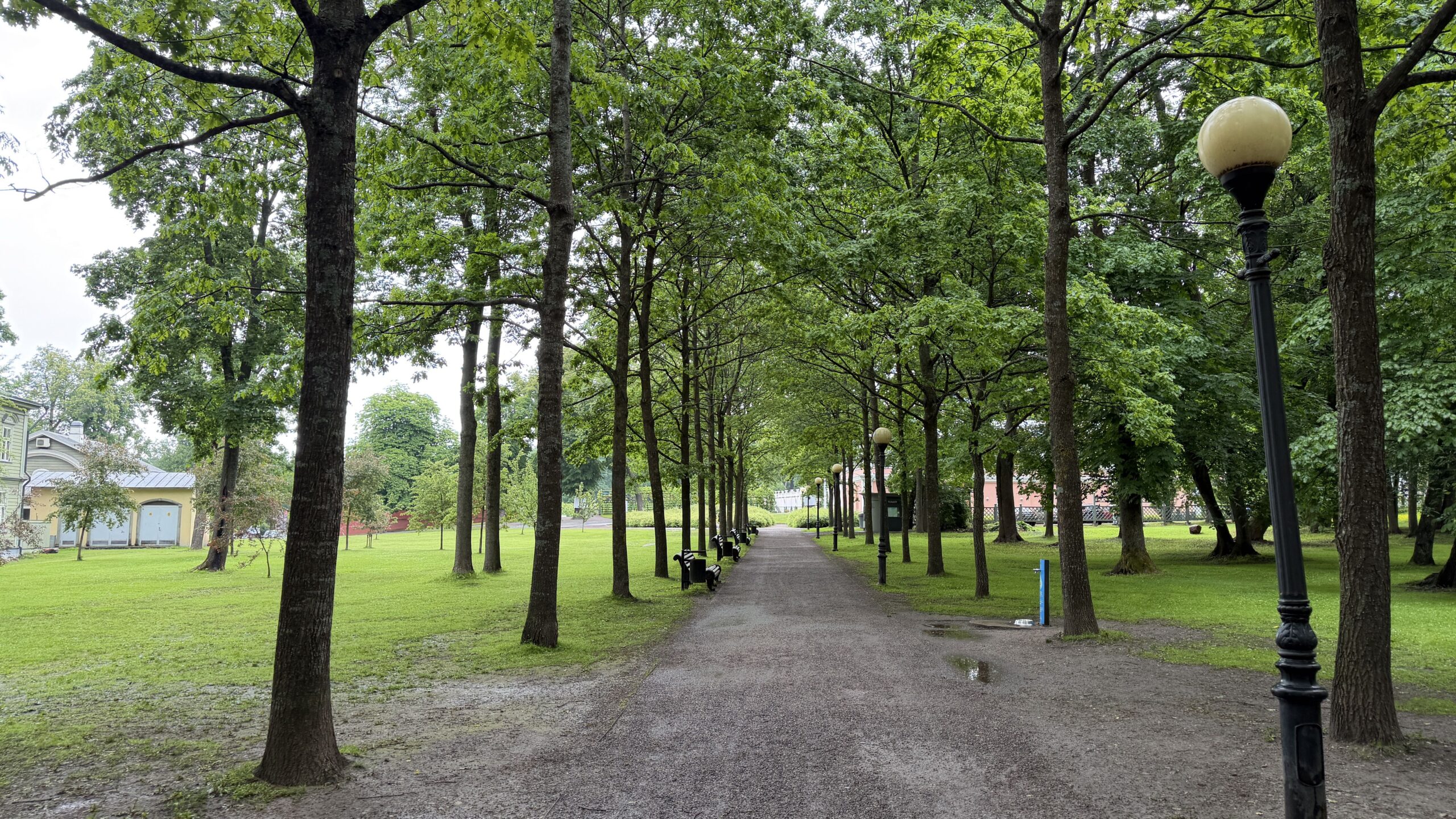
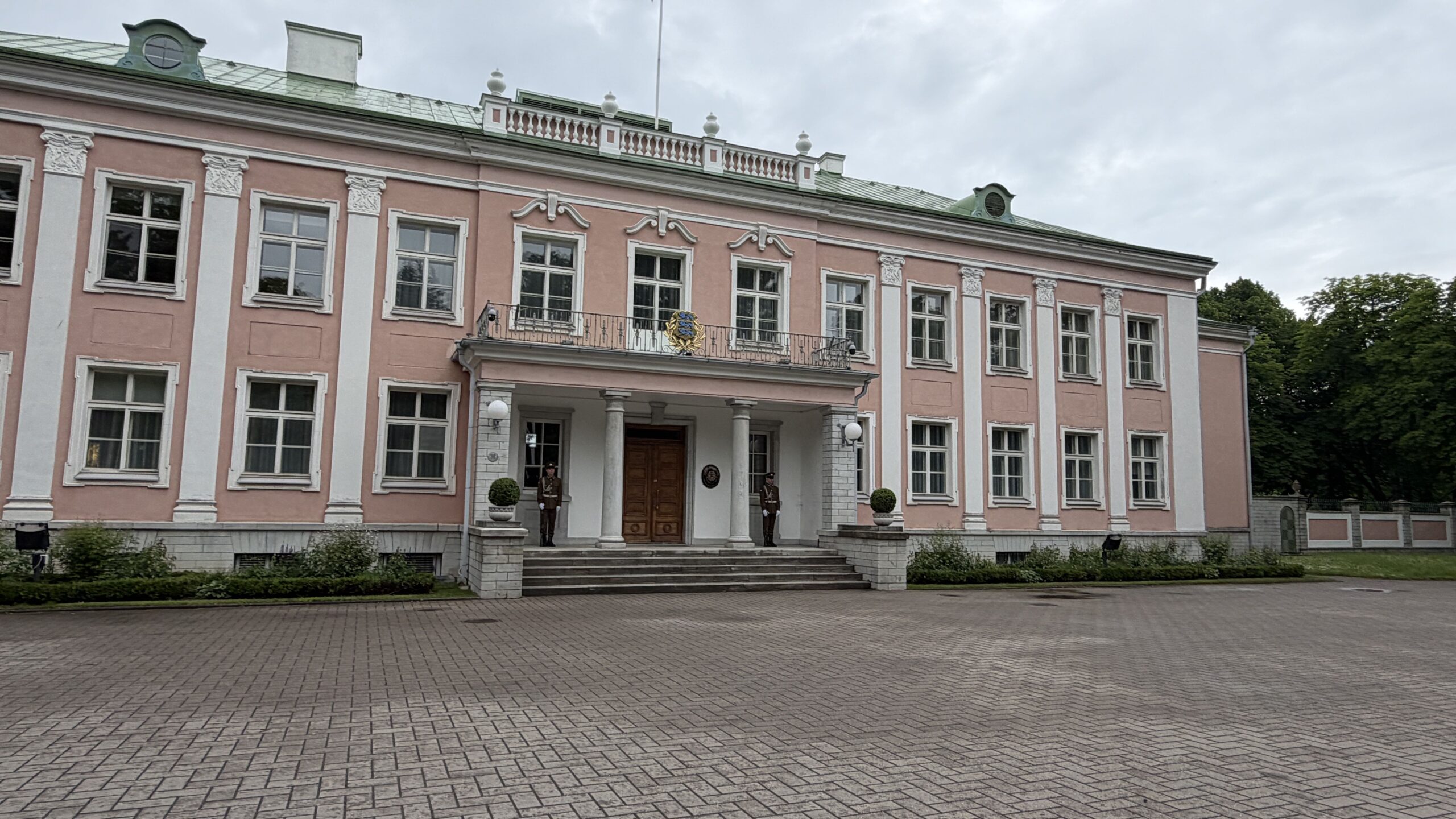
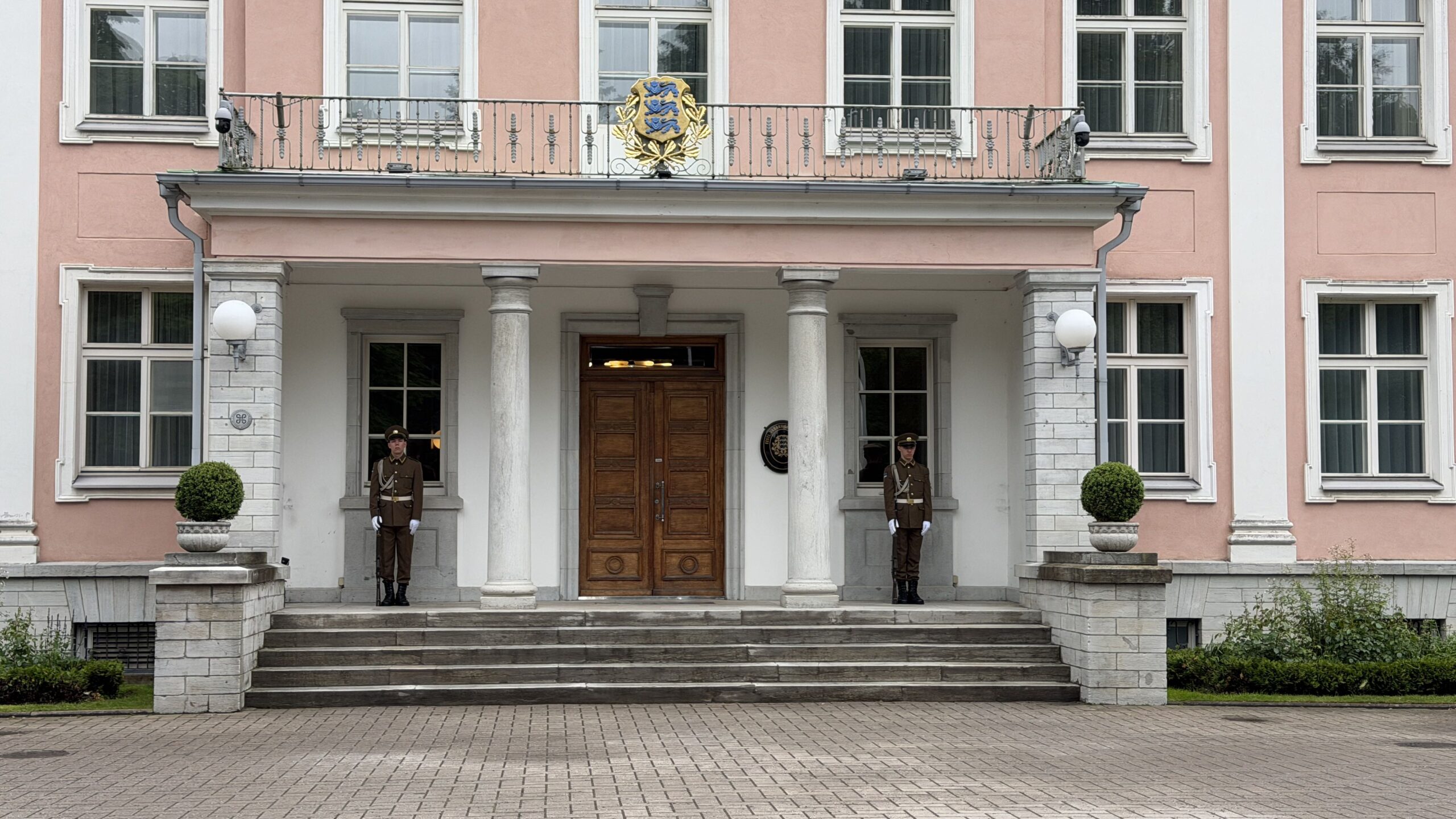
Nearby stands the Office of the President of the Republic of Estonia, making Kadriorg not only a historic landmark but also an important part of modern Estonia.
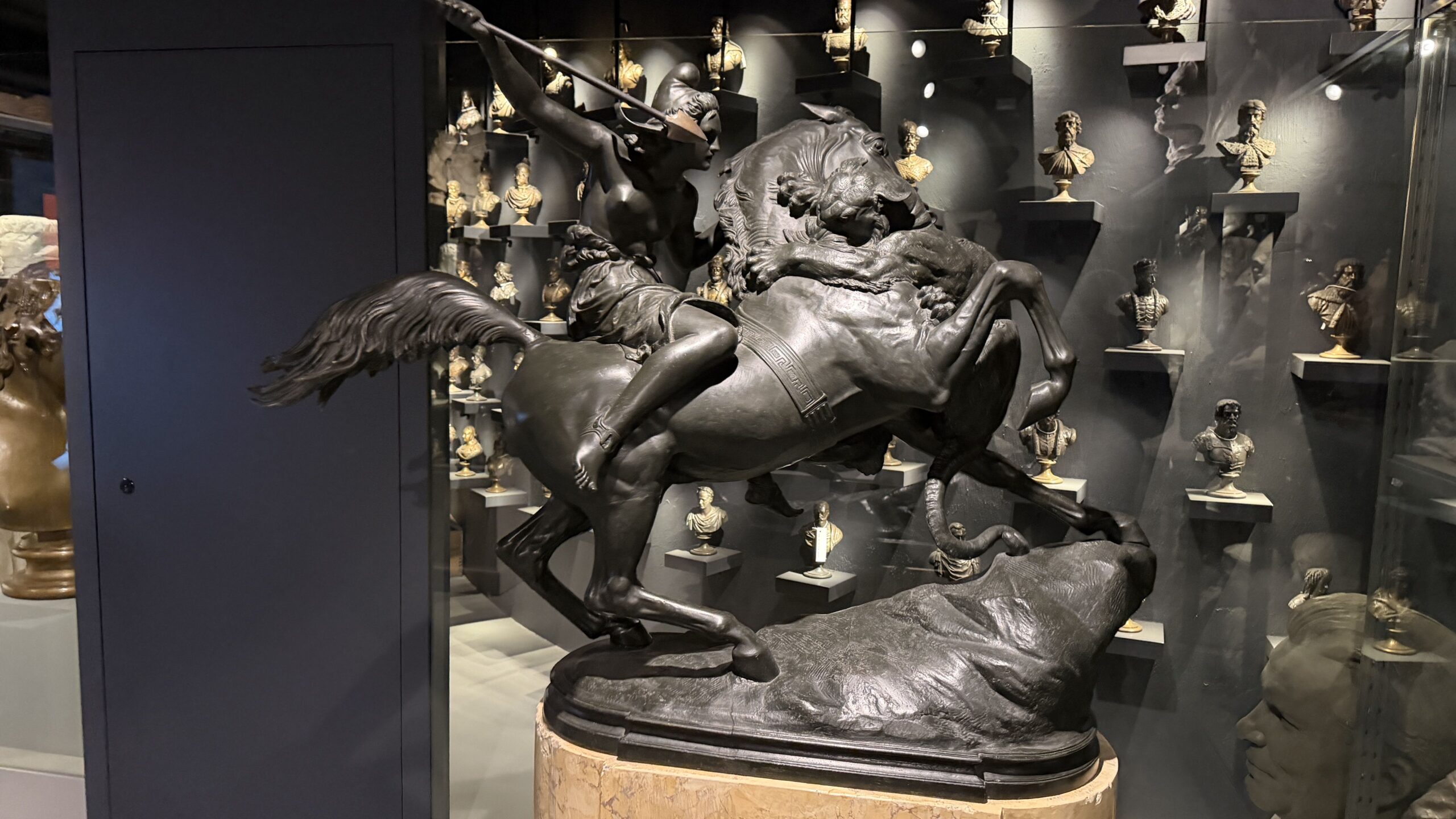
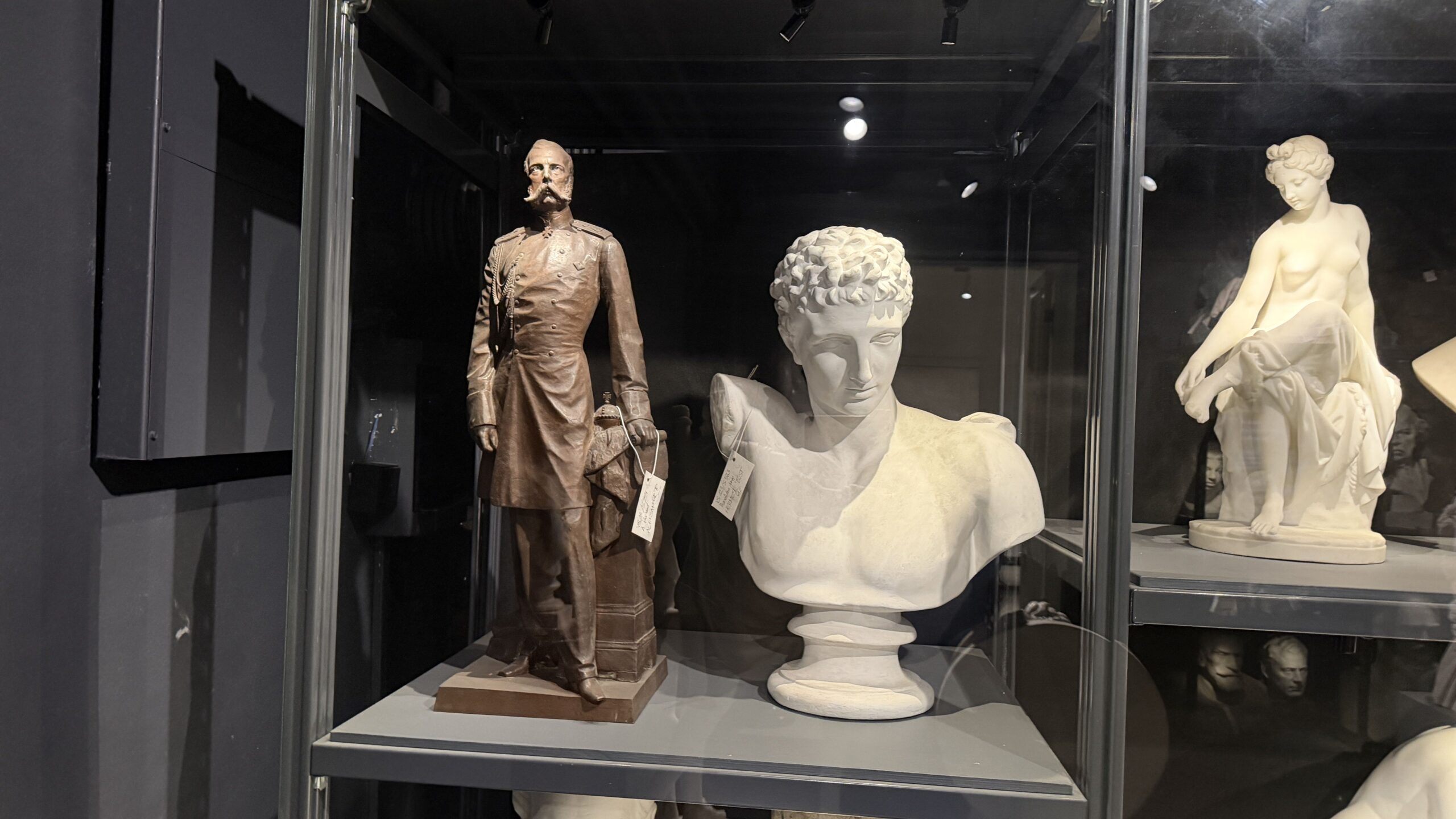
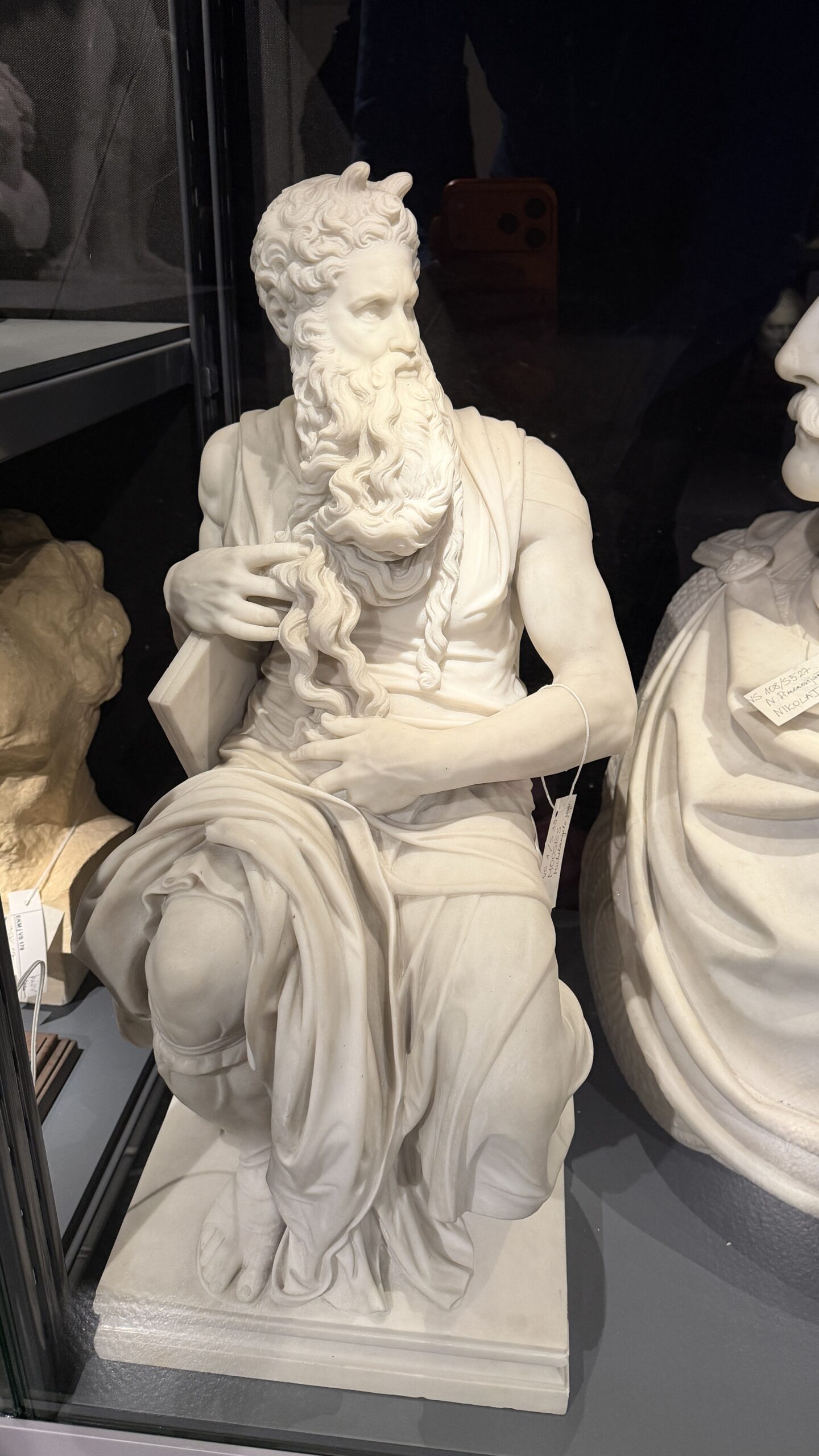
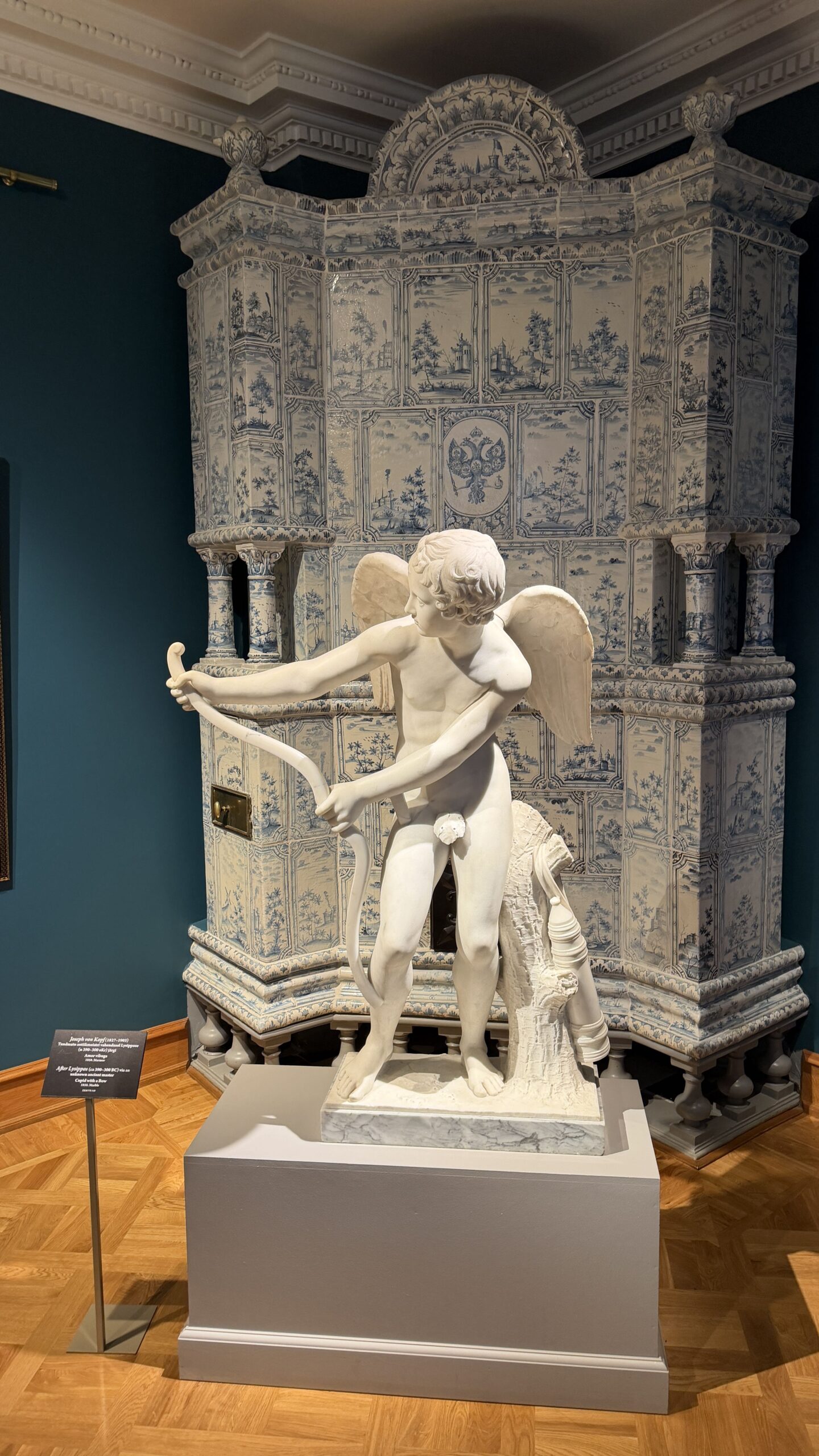
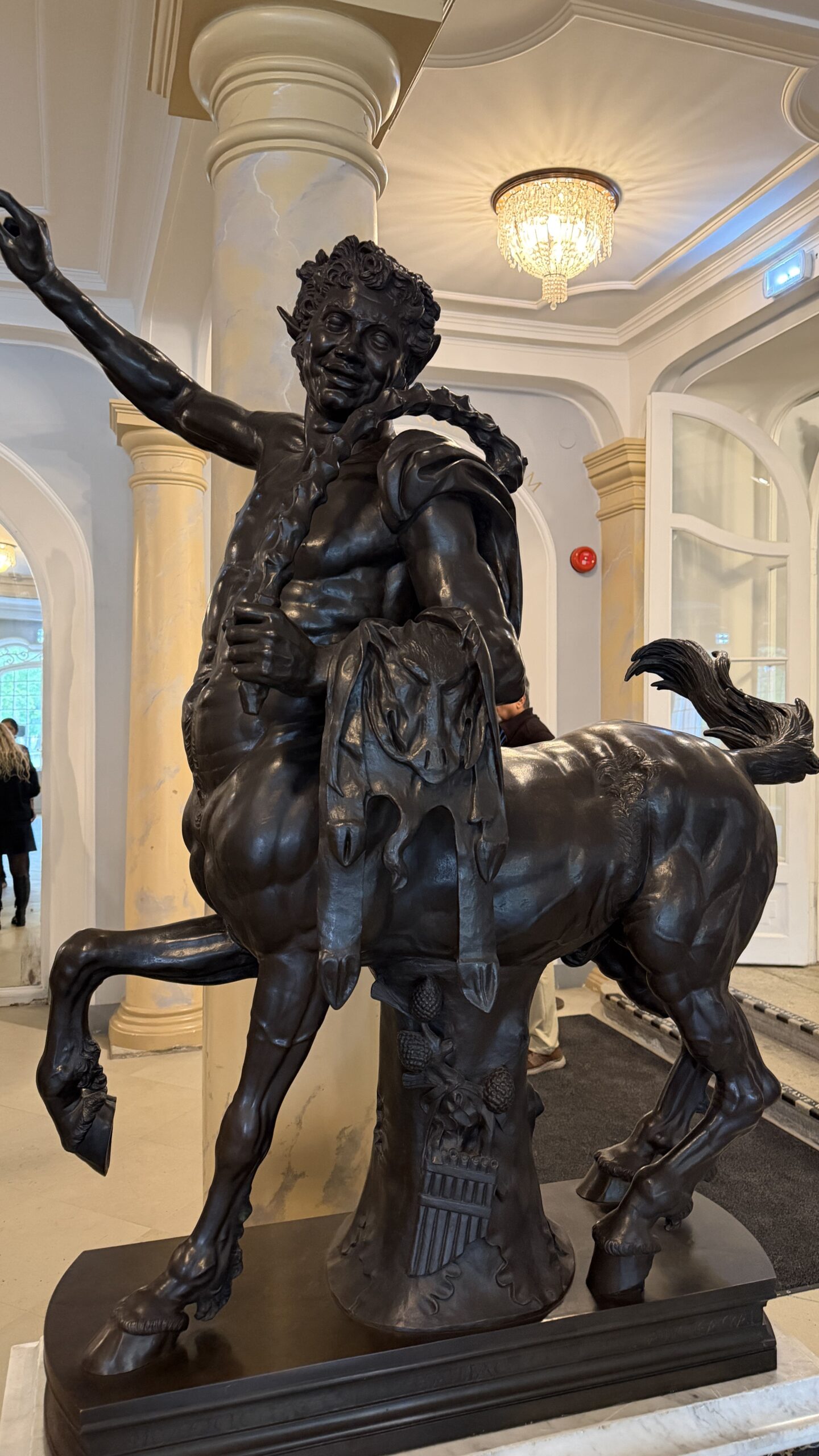
Inside the palace, jackets and umbrellas had to be left at the entrance before beginning the tour. The entrance itself was beautifully decorated with marble statues and dark stone sculptures, setting the tone for what was inside.
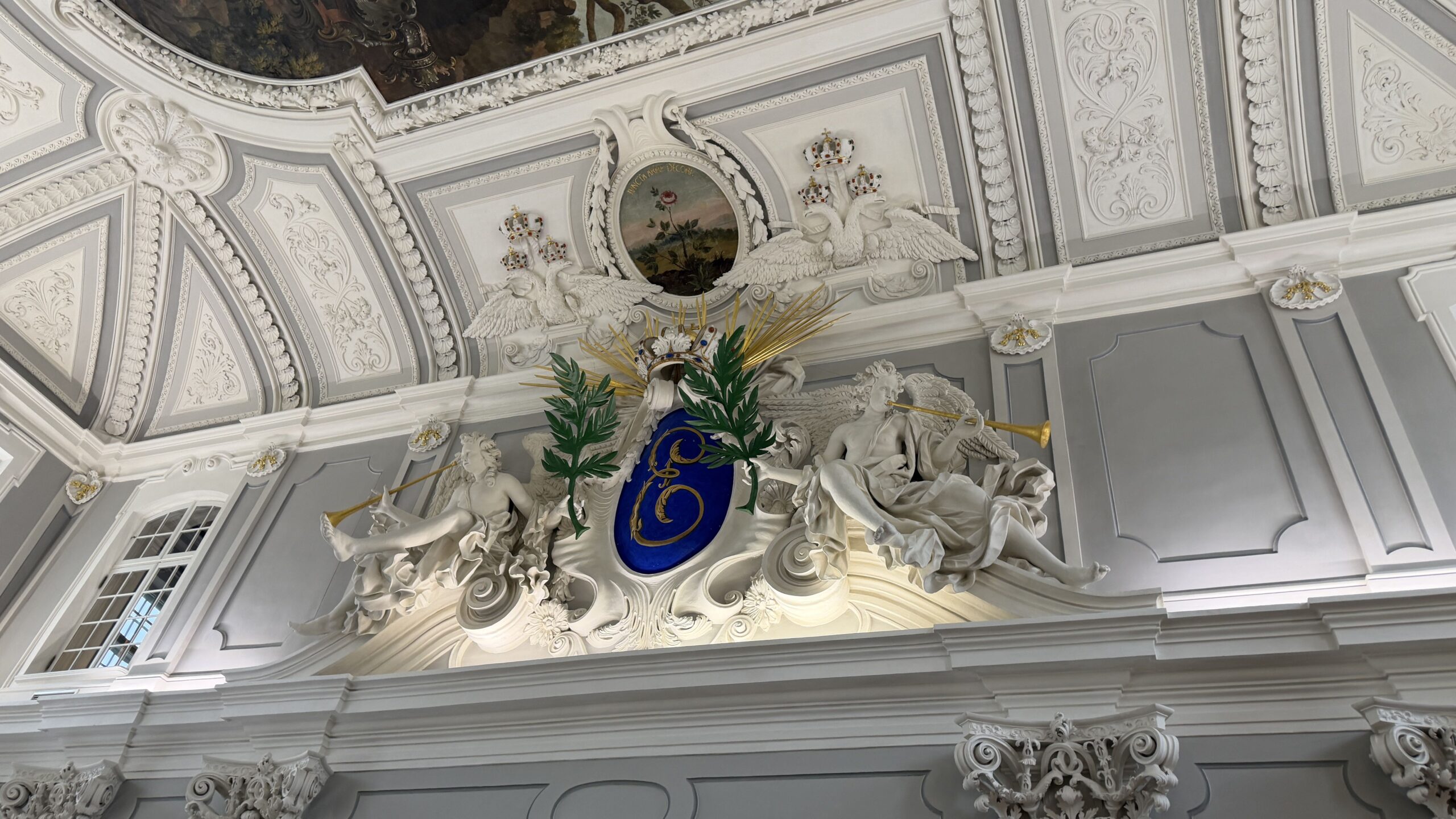
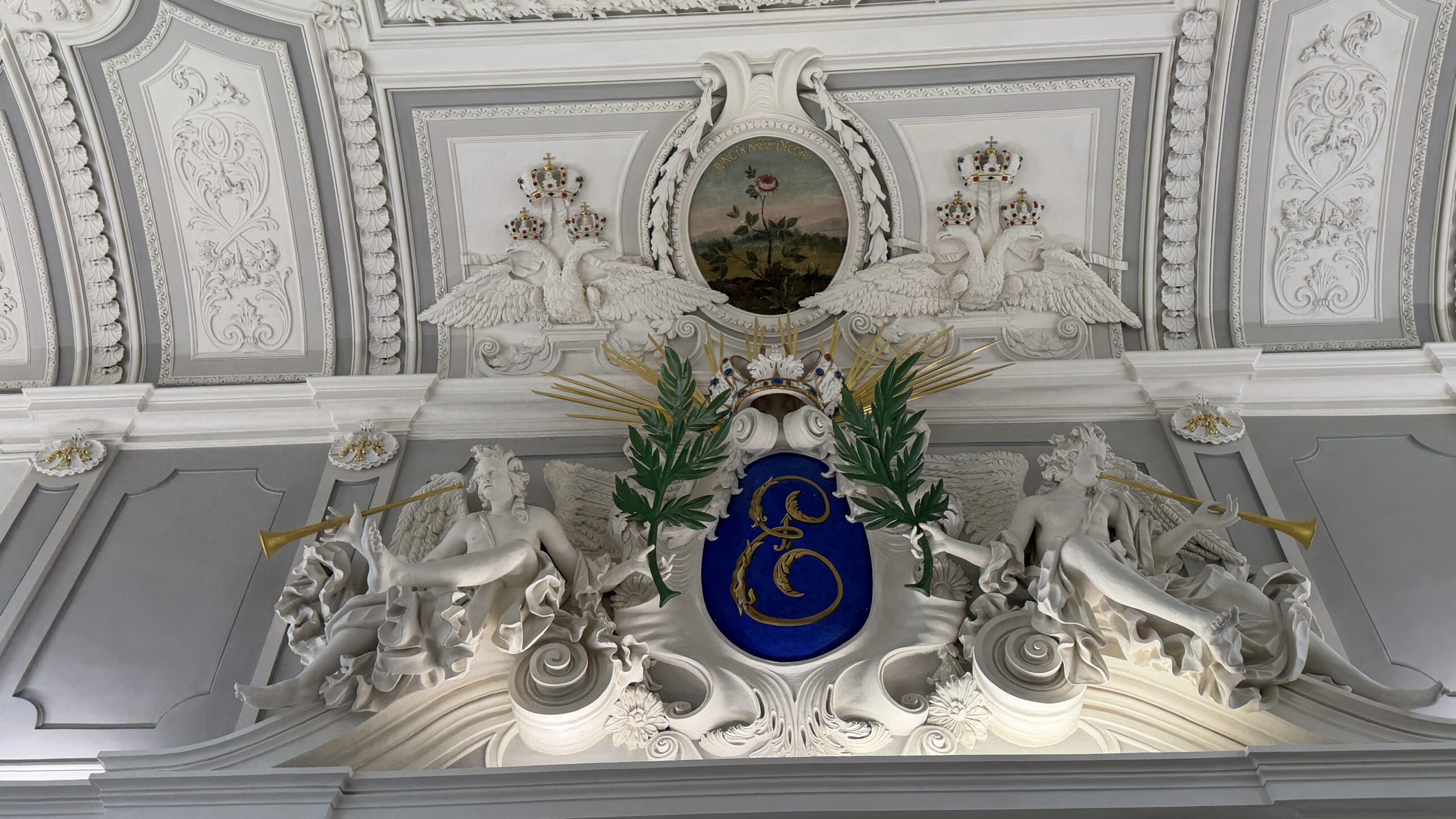
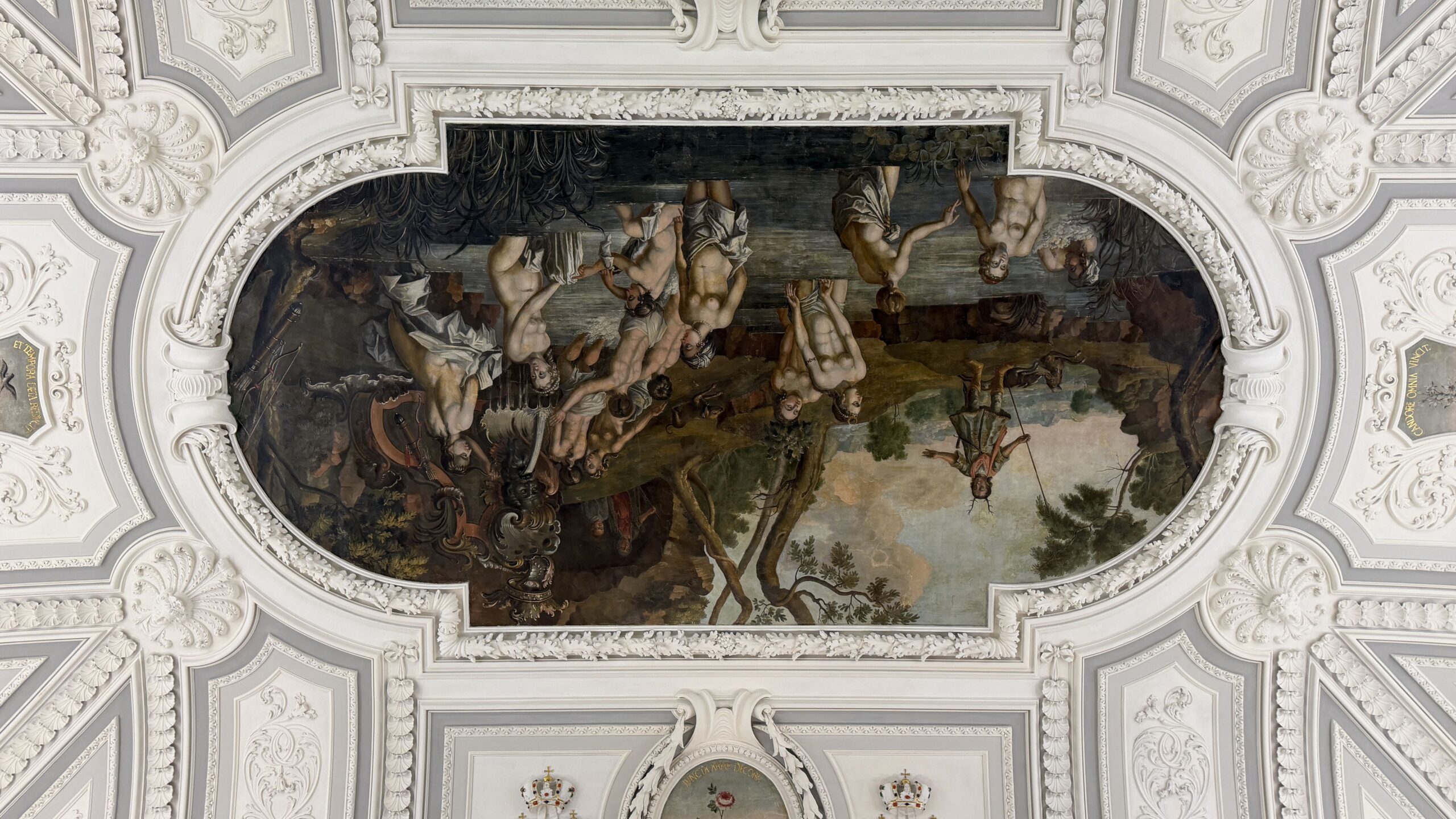
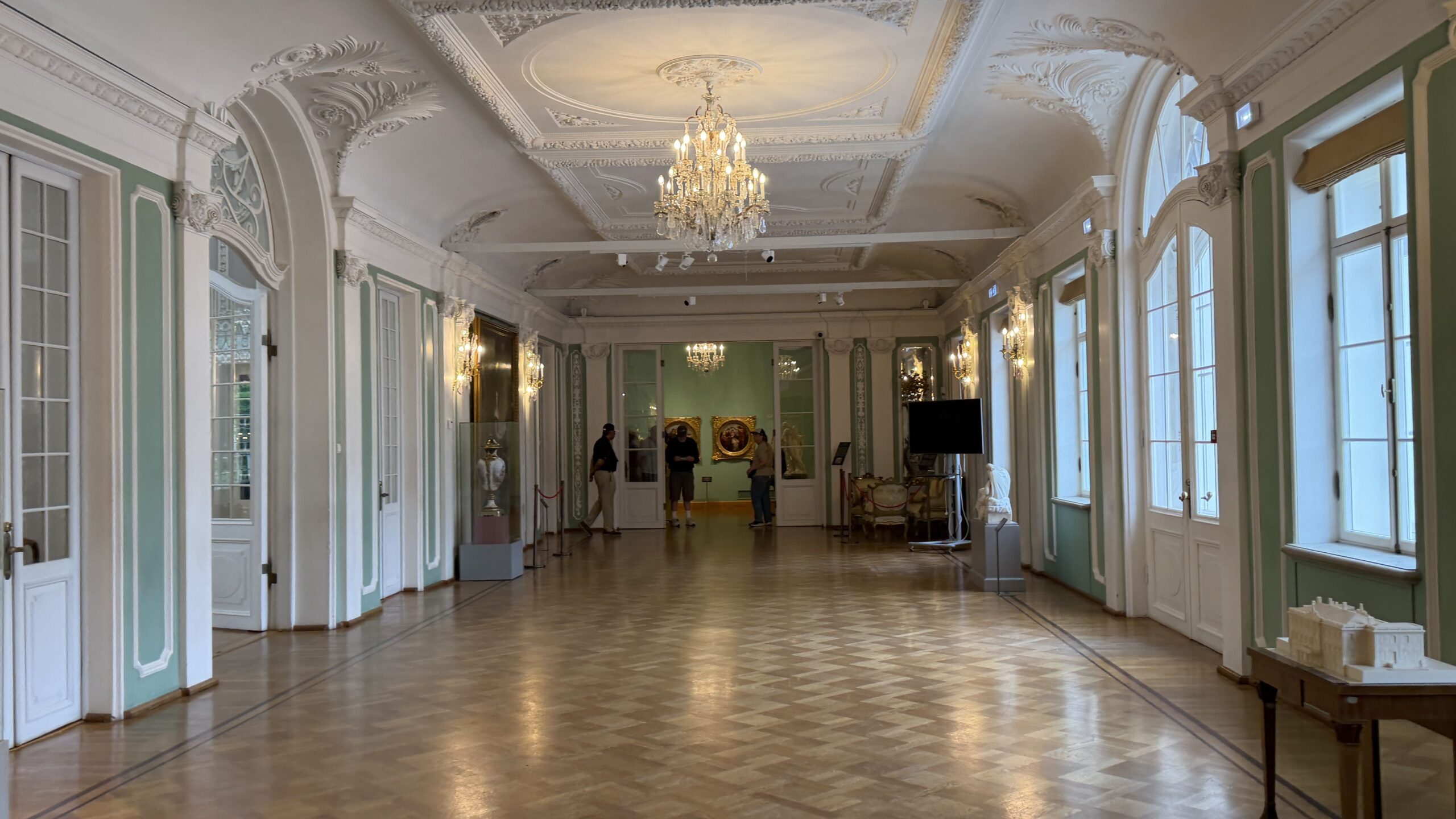
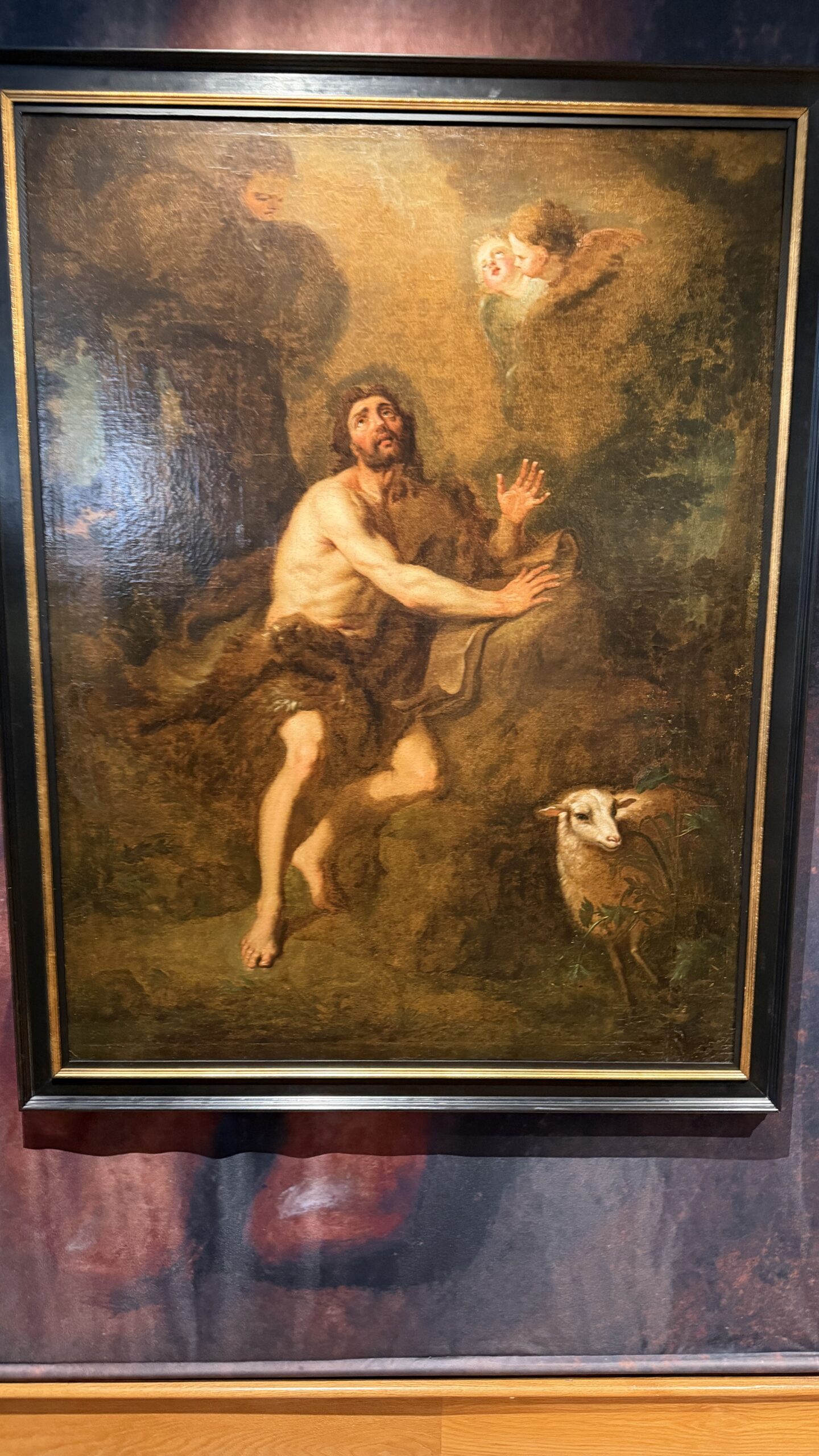
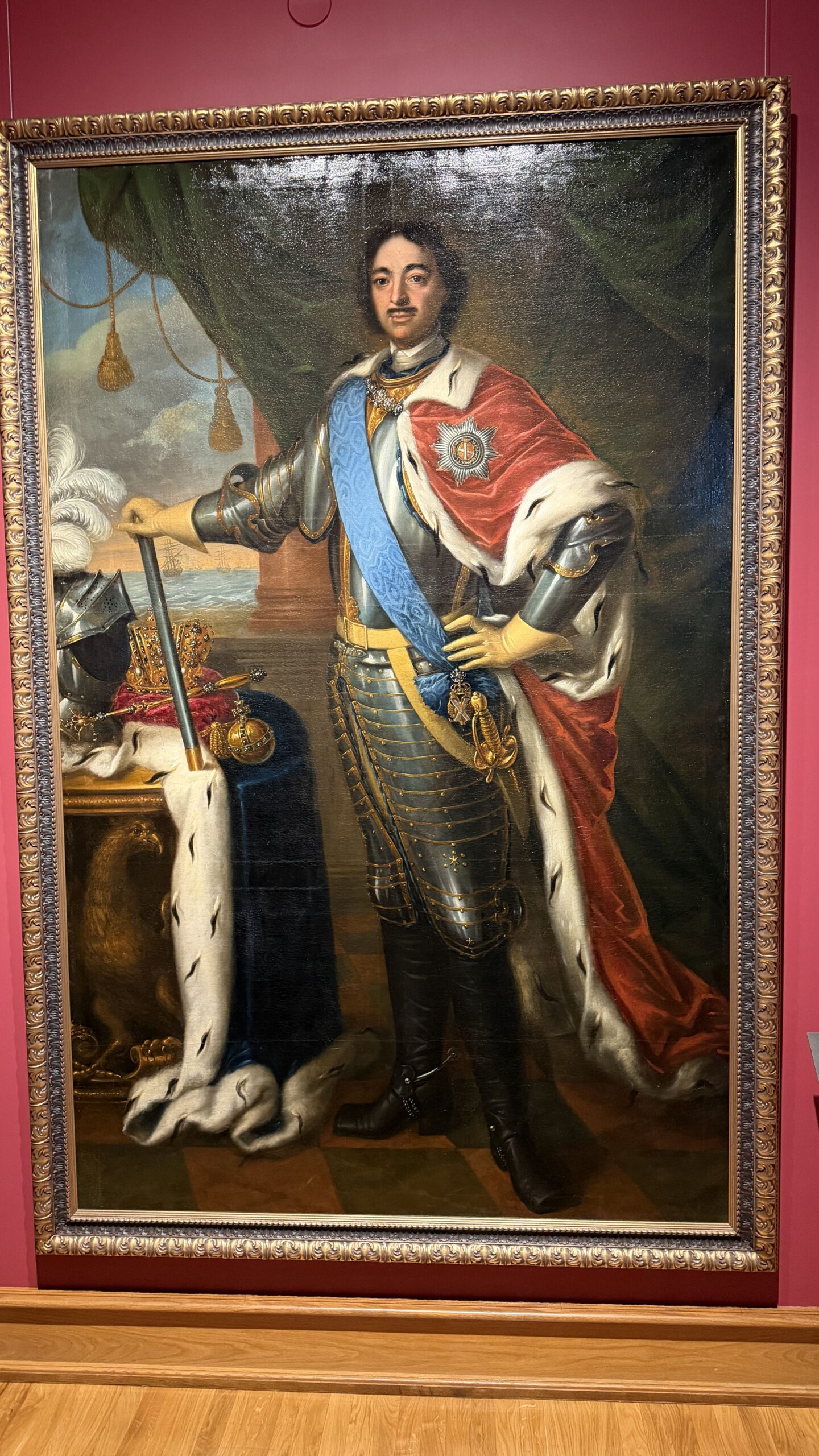
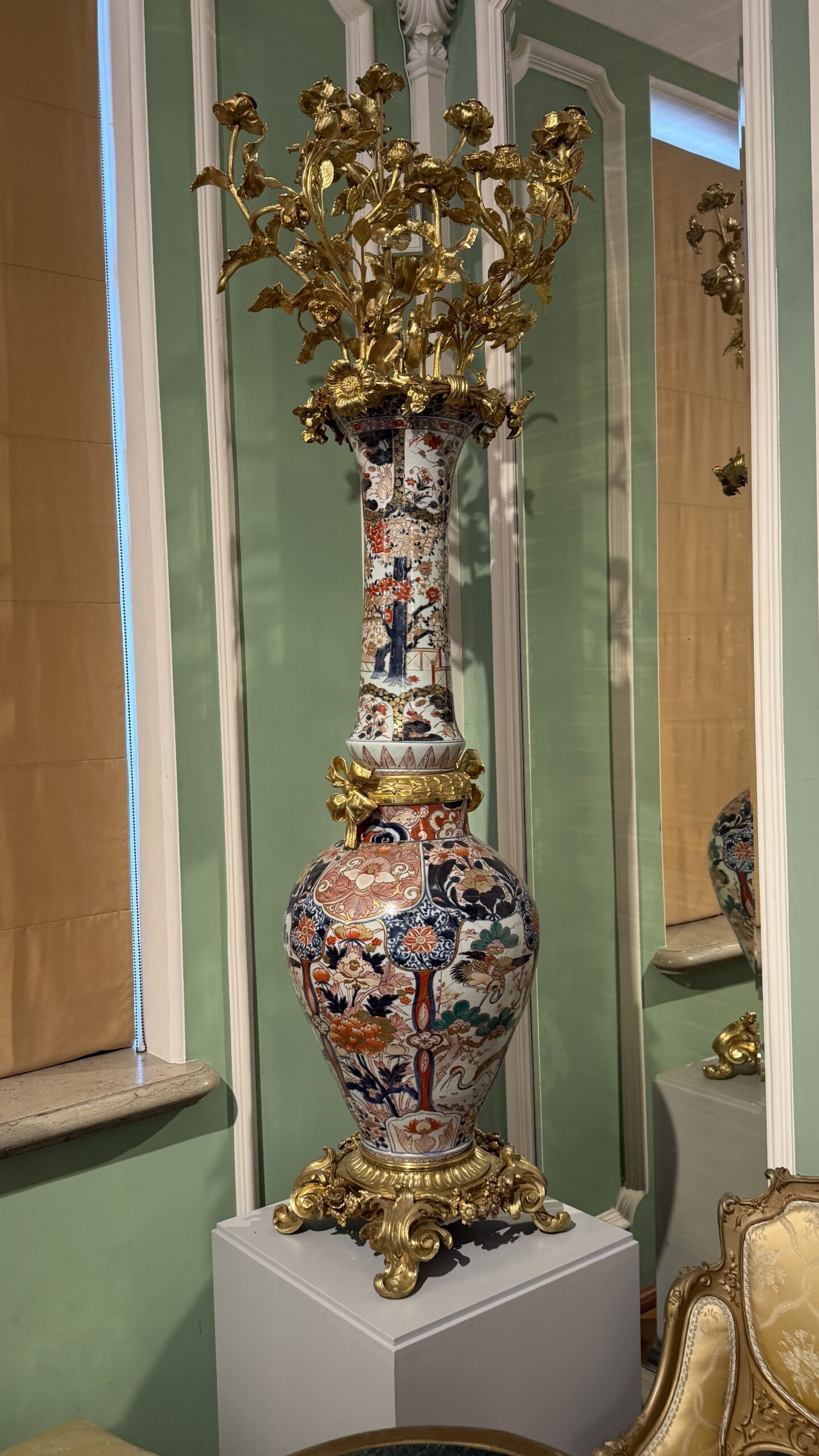
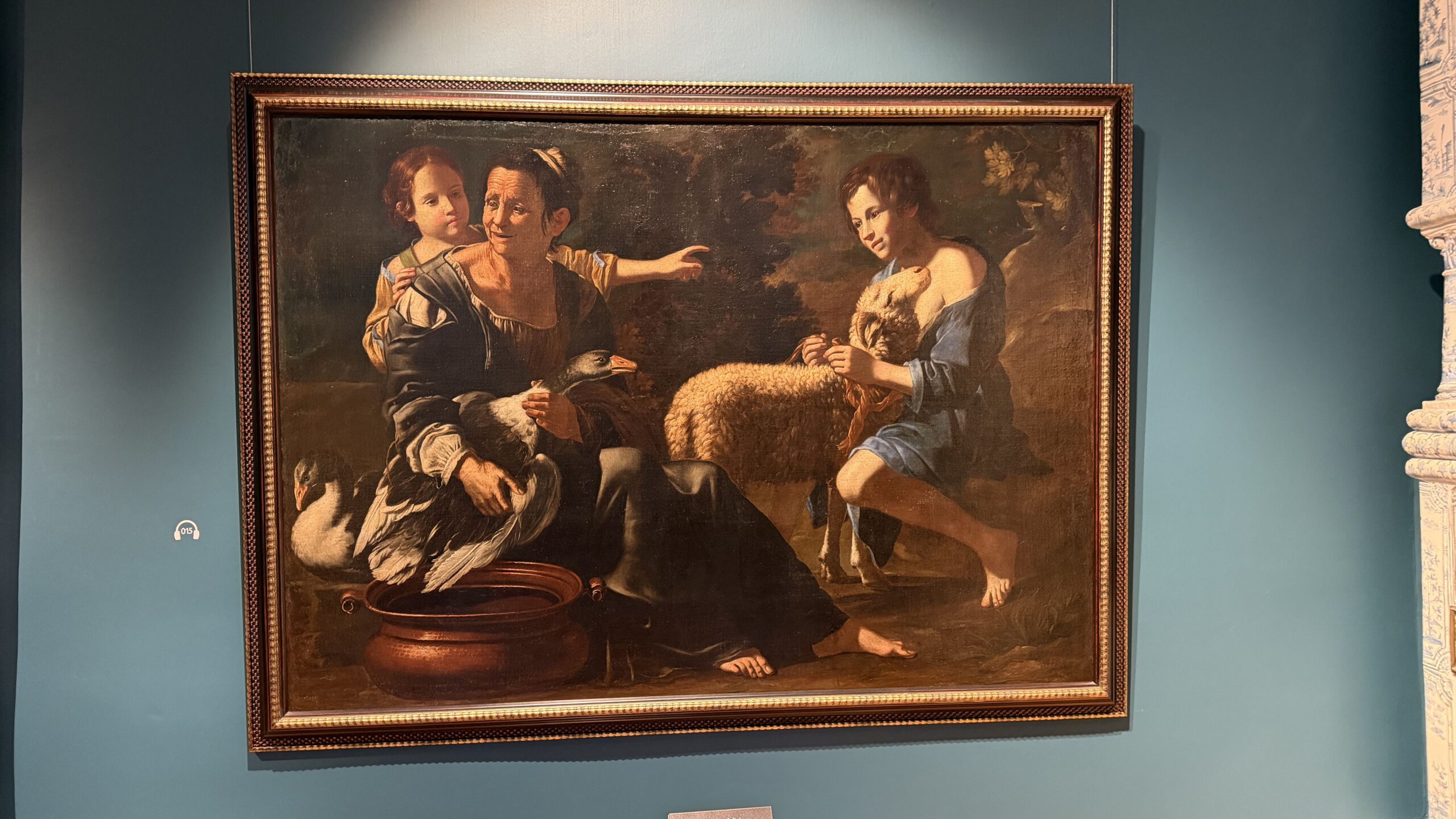
The highlight of the interior was undoubtedly the magnificent Great Hall. Our guide drew our attention to the breathtaking ceiling frescoes and the intricate decorative details covering the walls. Room after room displayed collections of Western European and Russian paintings dating from the 16th to the 20th centuries. Even for someone who isn’t an art expert, it was easy to appreciate the craftsmanship and elegance of the palace interiors.
We also passed the nearby Mikkel Museum and noticed a children’s school within the Kadriorg Park area, showing how this historic district continues to be an active part of daily life in Tallinn.
St. Bridget’s Convent Ruins
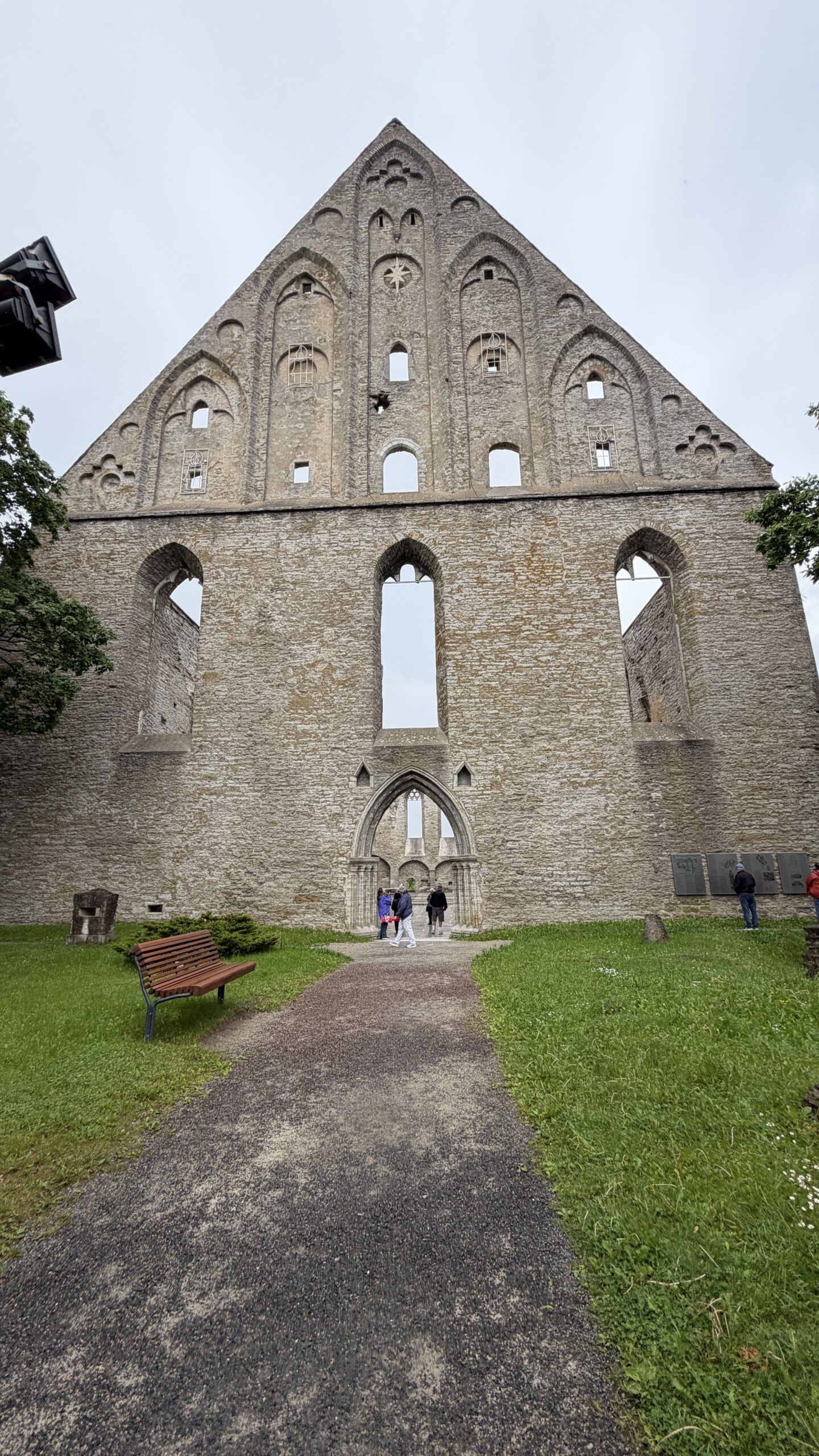
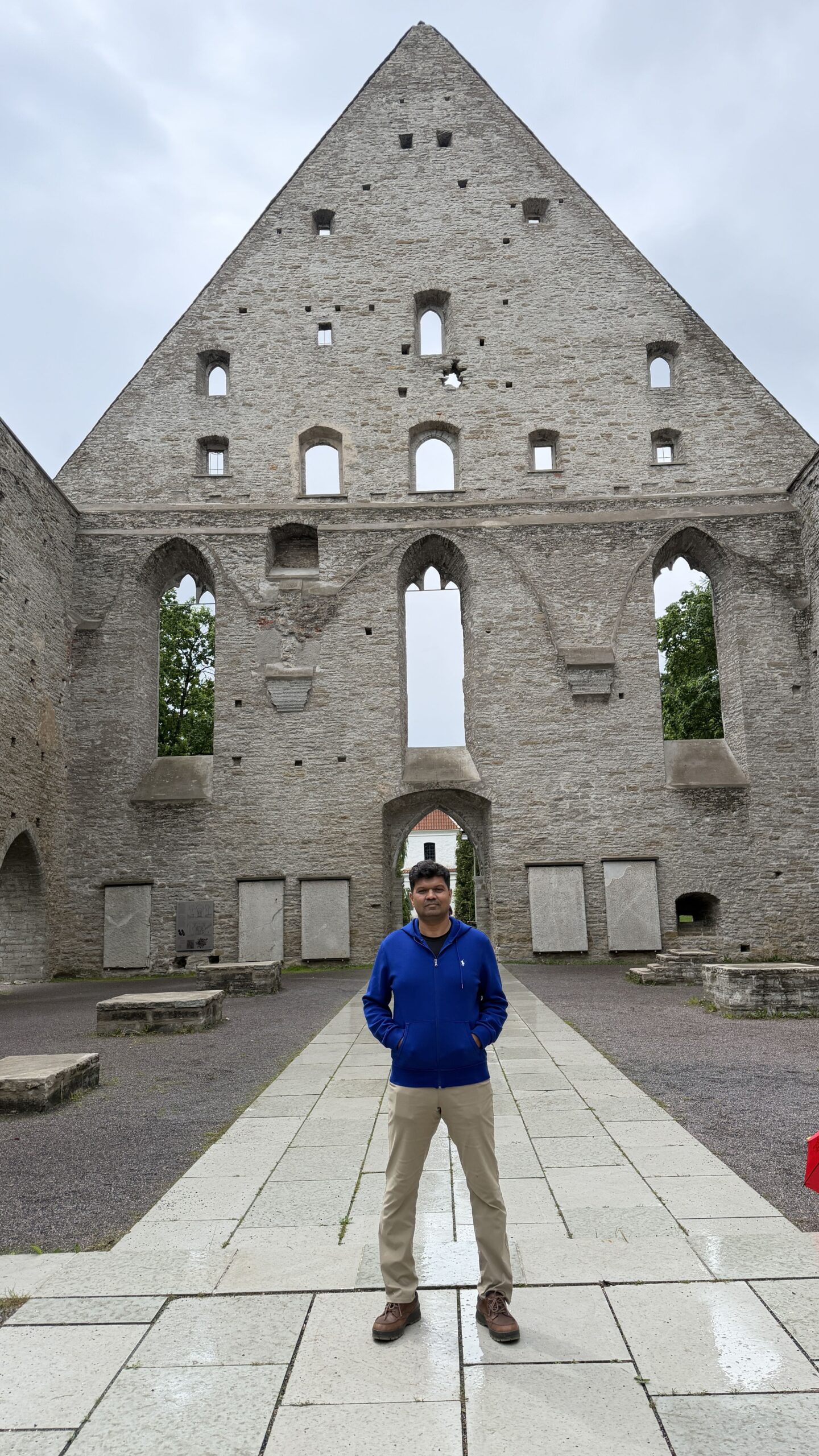
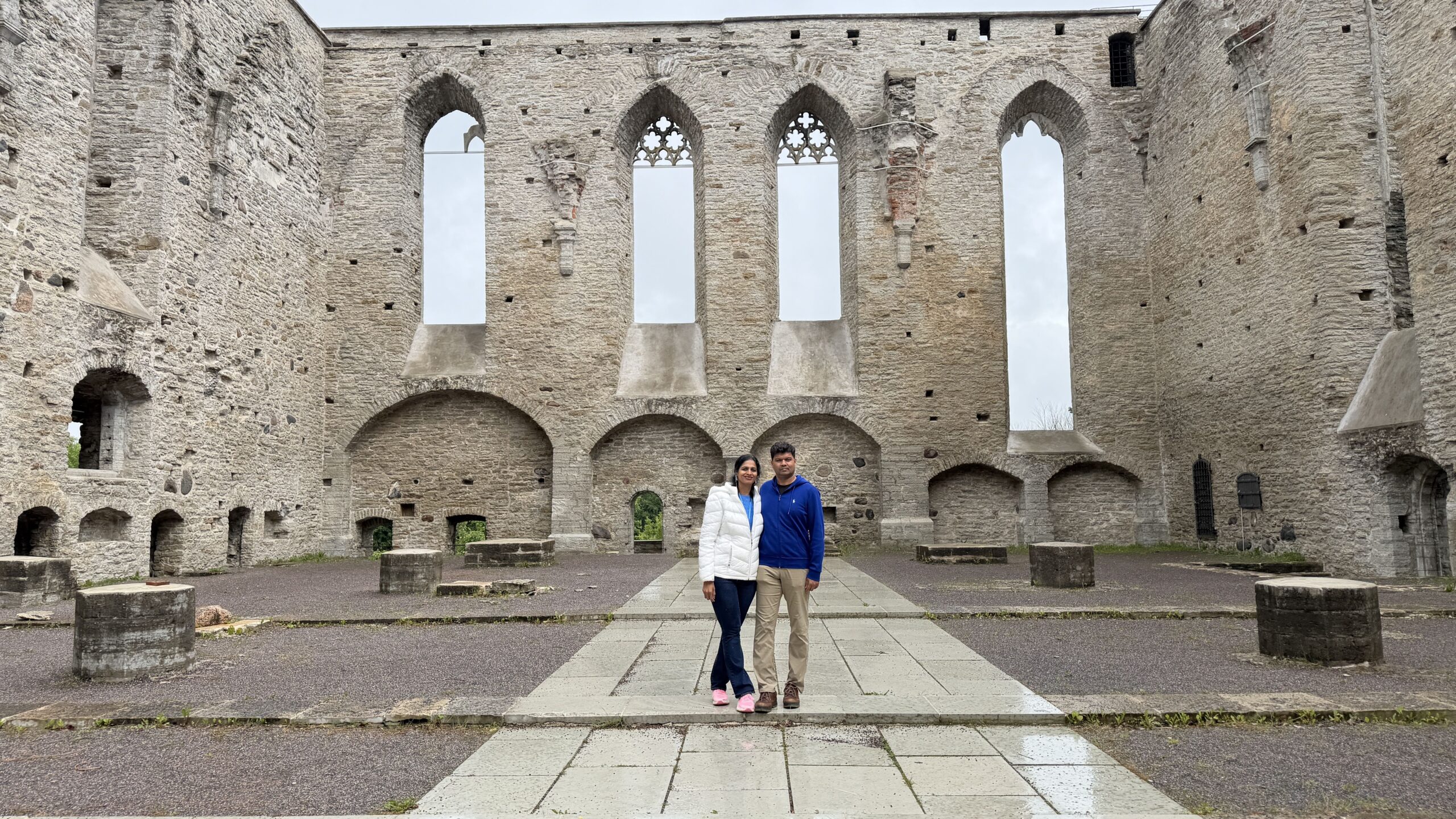
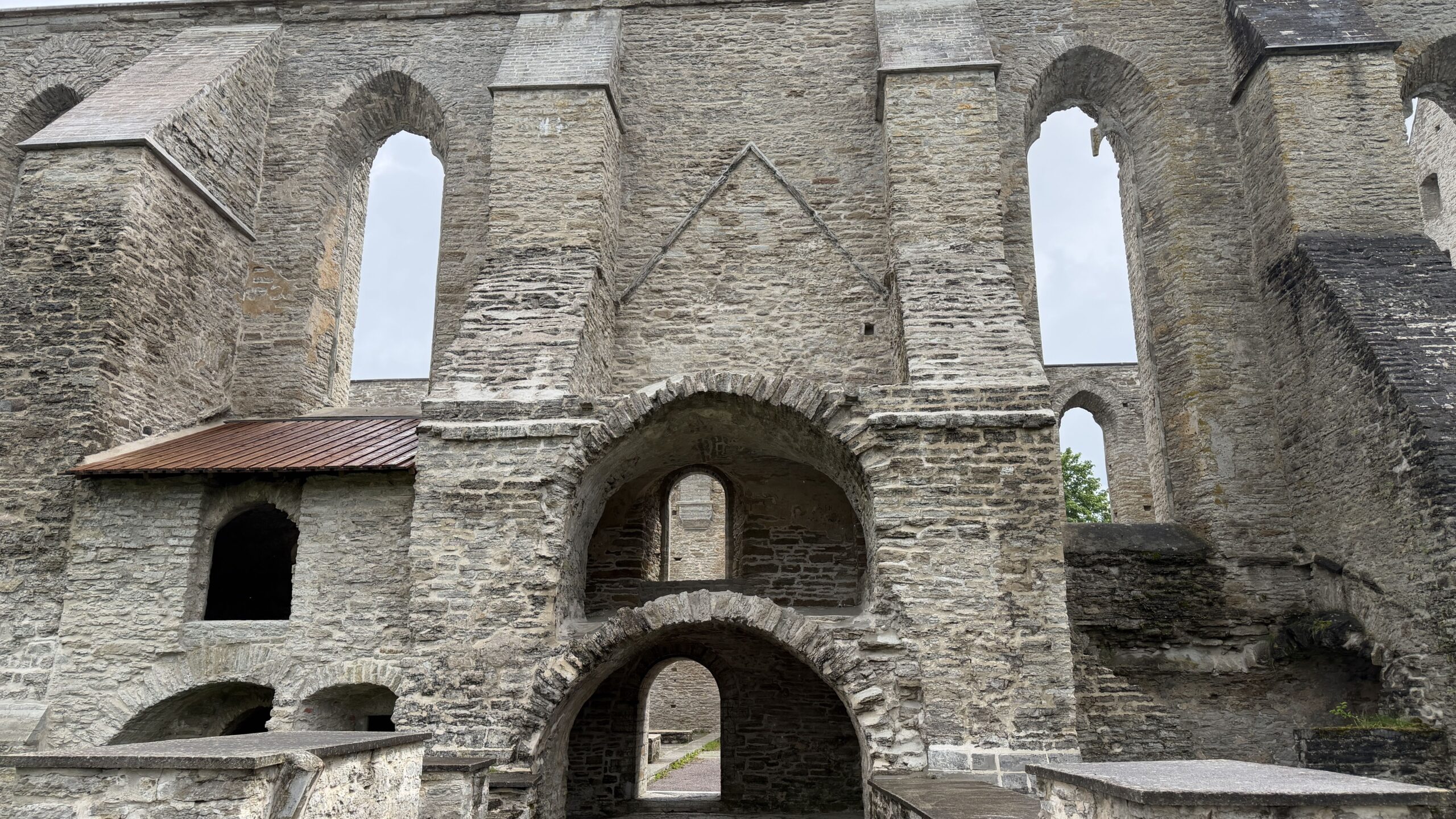
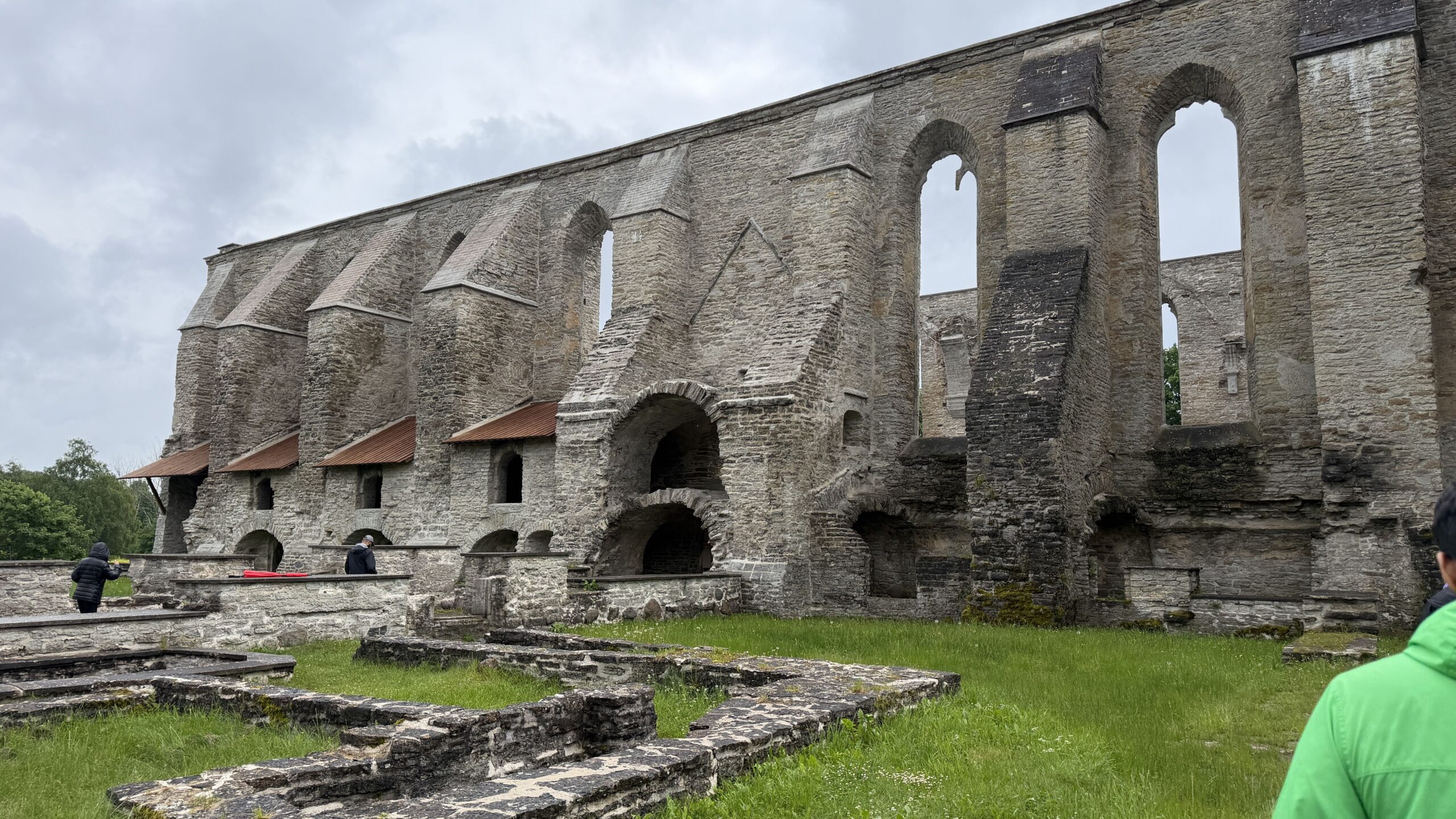
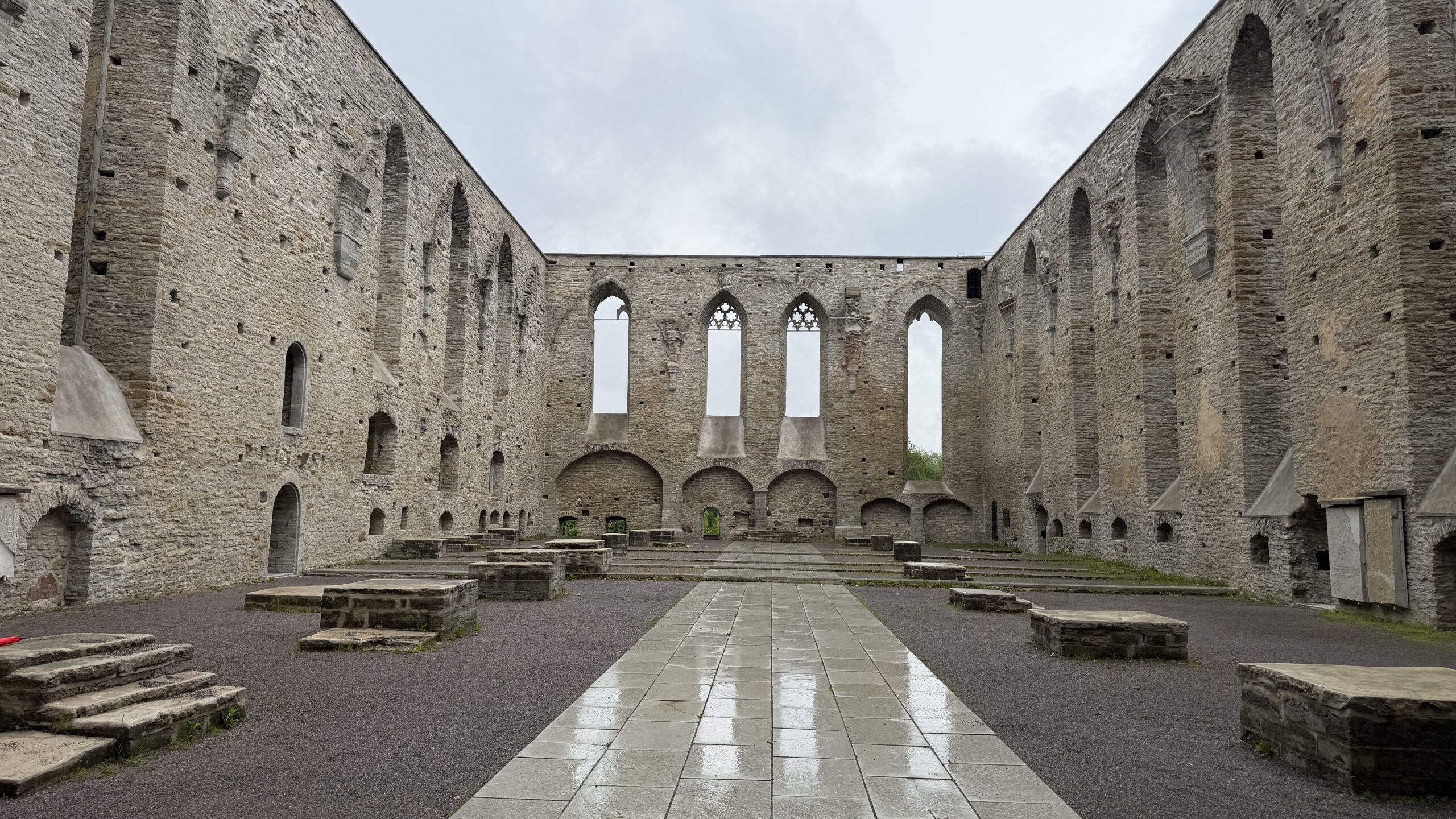
From Kadriorg, we drove to the St. Bridget’s Convent Ruins, located on the banks of the Pirita River. Founded in the early 1400s, this medieval double monastery once housed both monks and nuns, making it one of the most important religious centers in medieval Estonia.
Although much of the convent was destroyed during the Livonian War in the 16th century, its massive stone façade, walls, underground cellars, and graveyard have survived for over five centuries. Walking among the ruins, it wasn’t difficult to imagine the scale of the original monastery.
At the entrance, we passed a small cemetery before entering the main ruins. Our guide mentioned that the site is still occasionally used for concerts and special gatherings during the summer months, and we noticed speakers already installed around the grounds. Today, the historic ruins are cared for by the Bridgettine sisters, preserving both their history and their continuing spiritual significance.
A Rainy Evening in Tallinn
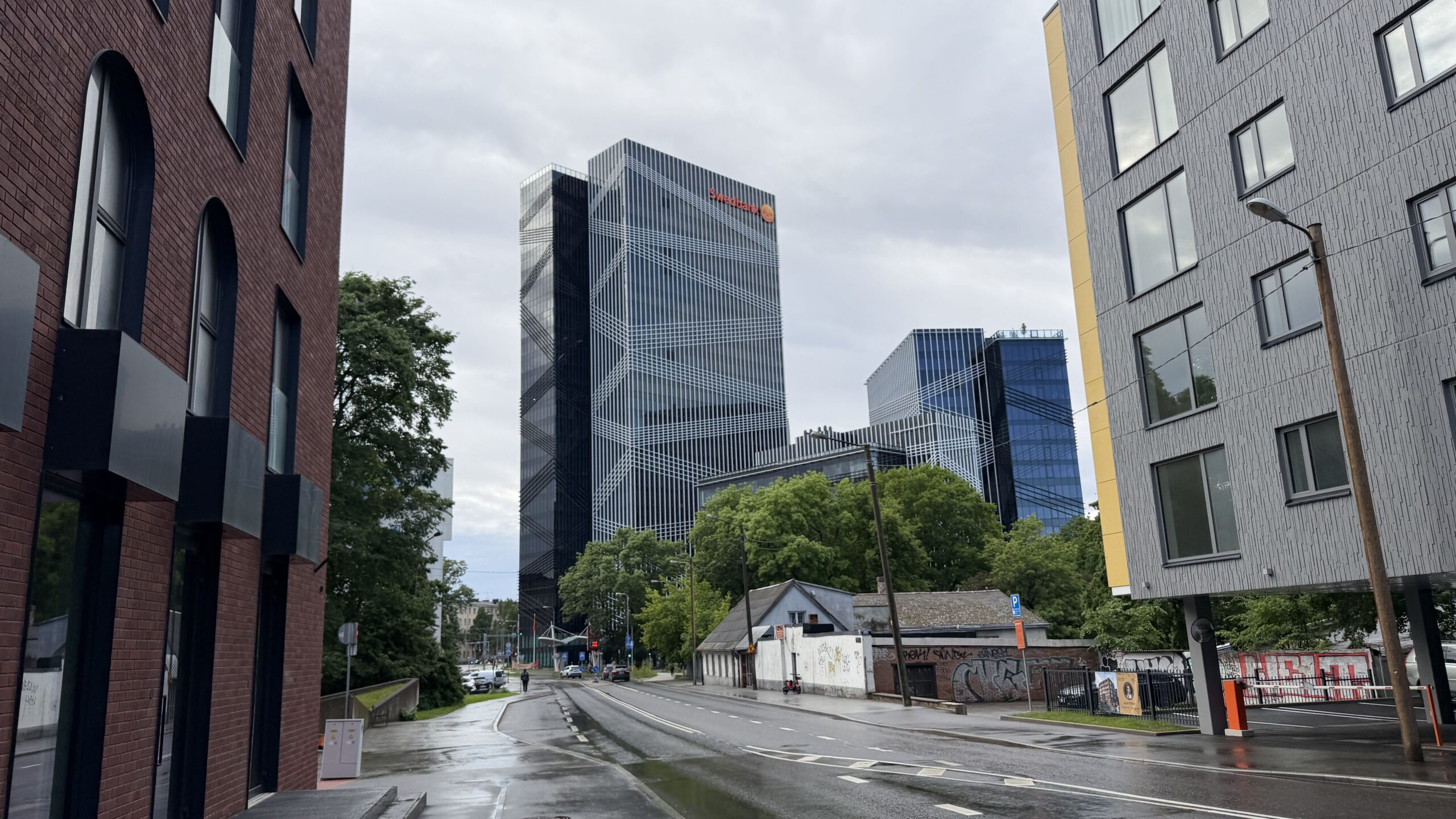
After returning to the hotel, I decided to head back out despite the steady drizzle. Umbrella in hand, I spent some time wandering the nearby streets, enjoying the peaceful evening atmosphere. My biggest concern wasn’t the rain itself—it was keeping my shoes dry since I hadn’t packed waterproof footwear. Fortunately, the weather was pleasantly mild, making it a relaxing walk rather than a chilly one.
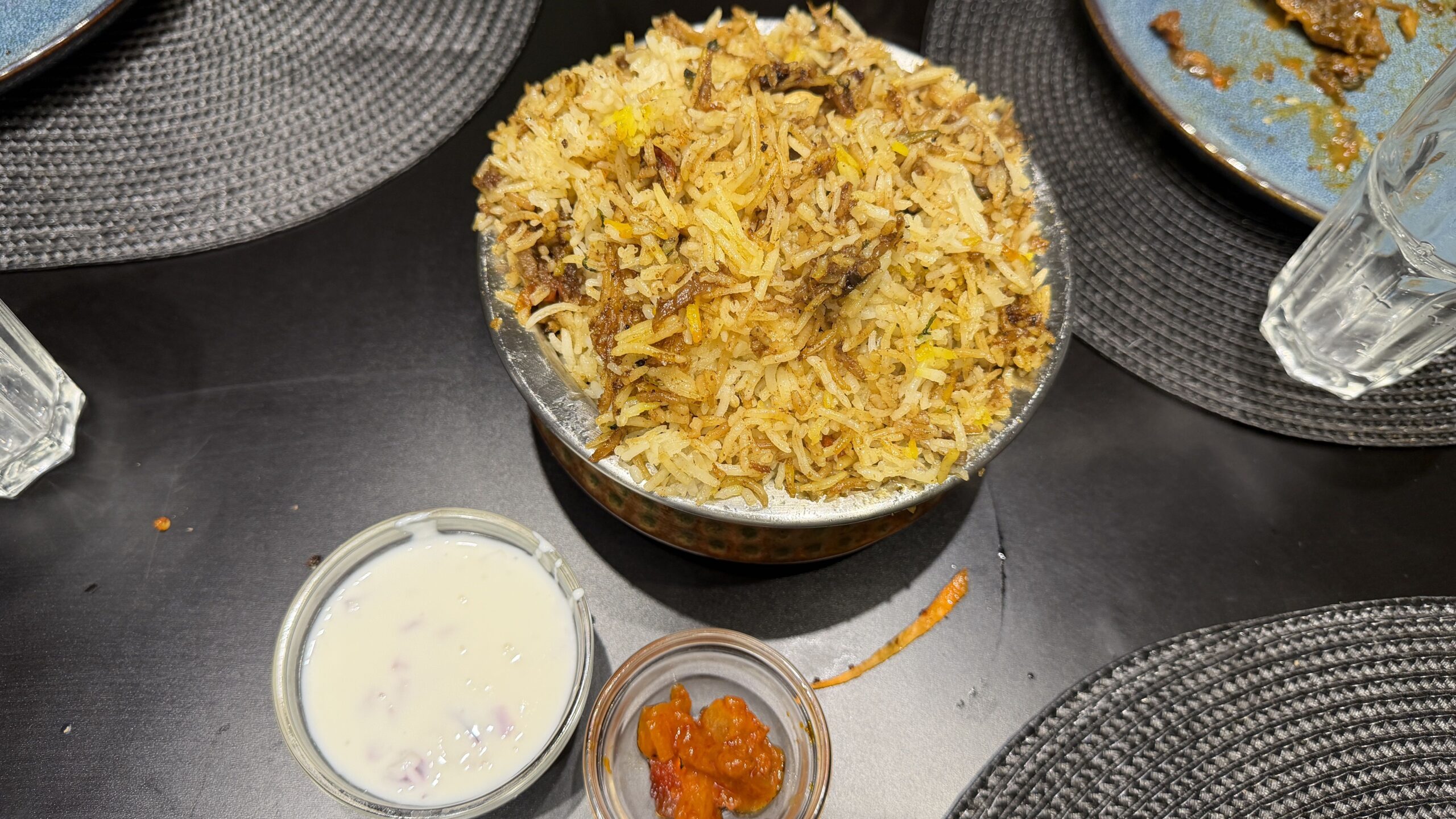
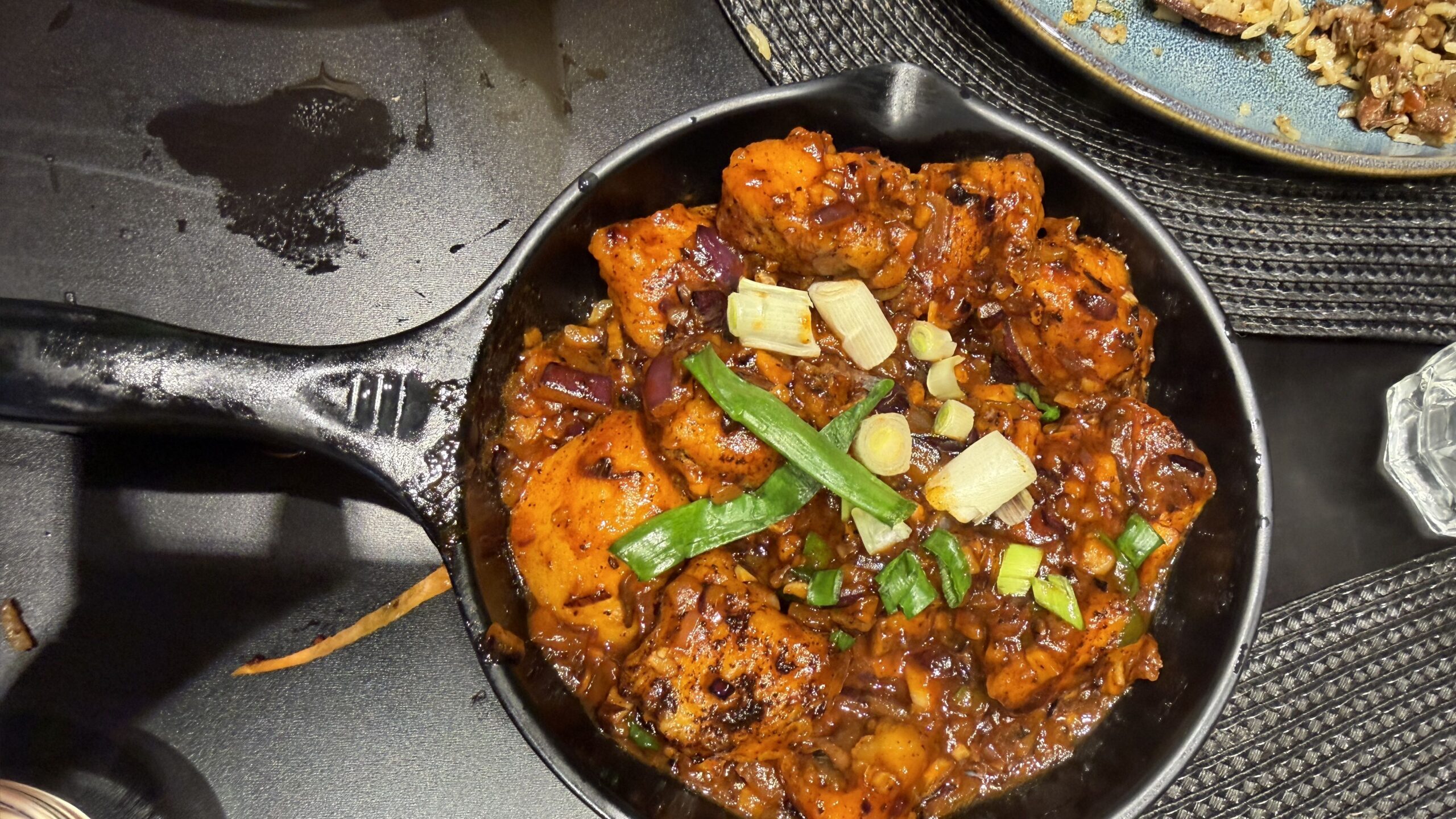
About a ten-minute walk from the hotel, I discovered a South Indian restaurant (Laims Cafe, Liivalaia tn 32, 10118 Tallinn). Since everyone was in the mood for familiar flavors after several days of European cuisine, I returned to the hotel, gathered the family, and we all headed back for dinner. It turned out to be a perfect way to end another memorable day in Estonia.
IKTraveler Tips – Tallinn
- Start your day early in the Old Town. Before the cruise ship passengers arrive, the cobblestone streets are much quieter and perfect for photography.
- Don’t skip the viewpoints. The Kohtuotsa Viewing Platform offers one of the best panoramic views of Tallinn’s medieval rooftops, church spires, and the Baltic Sea.
- Wear comfortable, waterproof shoes. Tallinn’s beautiful cobblestone streets can become slippery and uneven, especially after rain. We were lucky the weather was pleasant, but waterproof footwear would have made the evening walk even more enjoyable.
- Allow time for Kadriorg Palace. The palace itself is beautiful, but don’t rush through the formal gardens. Even outside the peak flowering season, they are worth exploring.
- Visit St. Bridget’s Convent Ruins if you’re interested in medieval history. The peaceful setting along the Pirita River offers a completely different perspective from the busy Old Town.
- Look beyond traditional Estonian food. Tallinn has a surprisingly diverse food scene. If you’re craving Indian, Asian, or other international cuisine after several days of local food, you’ll find plenty of excellent options.
- If you’re visiting during cruise season, expect crowds. Multiple cruise ships can arrive on the same day, making popular attractions much busier. Visiting early or later in the afternoon can make your experience more relaxed.
- Take time to simply wander. Some of Tallinn’s most memorable moments aren’t inside museums—they’re found while strolling through the narrow medieval streets, discovering hidden courtyards, colorful buildings, and cozy cafés. Sometimes the best itinerary is no itinerary at all.
Reflection
Estonia was a wonderful finale to our journey through the Baltic countries. From touching the calm waters of the Baltic Sea in Pärnu to wandering Tallinn’s medieval streets, grand palaces, and centuries-old convent ruins, every stop had its own unique charm. We loved how seamlessly Estonia blends rich history with modern life, while still maintaining a peaceful, relaxed atmosphere. Add in the beautiful parks, delicious food, friendly people, and the occasional rainy walk through cobblestone streets, and Estonia left us with memories we’ll cherish for a long time. If you’re planning a Baltic adventure, don’t just pass through Estonia—take the time to experience its history, coastline, and welcoming culture. It’s a destination that quietly leaves a lasting impression.
Travel Date: June, 2026