Colombia – Medellín and Cartagena
Colombia – Medellín and Cartagena
Day 3 : Medellín
Day 4 : Medellín City Tour
Day 5 : Arrival – Cartagena
Day 6 : Cartagena Old City & San Blas Islands
About Colombia
Colombia is the only country in South America with coastlines on both the Pacific Ocean and the Caribbean Sea. It is home to over 51 million people and is the second most biodiverse country in the world, rich in tropical rain-forests, Andean mountains, beaches, and river valleys. Colombia was for many years associated with violence and instability, but it has undergone a remarkable transformation over the past two decades and is now one of the most exciting travel destinations in Latin America. Its culture blends Indigenous, African, and Spanish influences, and Colombians are known throughout the continent for their warmth and pride in what they call “sabrosura”, a joy for life expressed through food, music, and dance.
The country is also the world’s leading producer of high-quality emeralds.
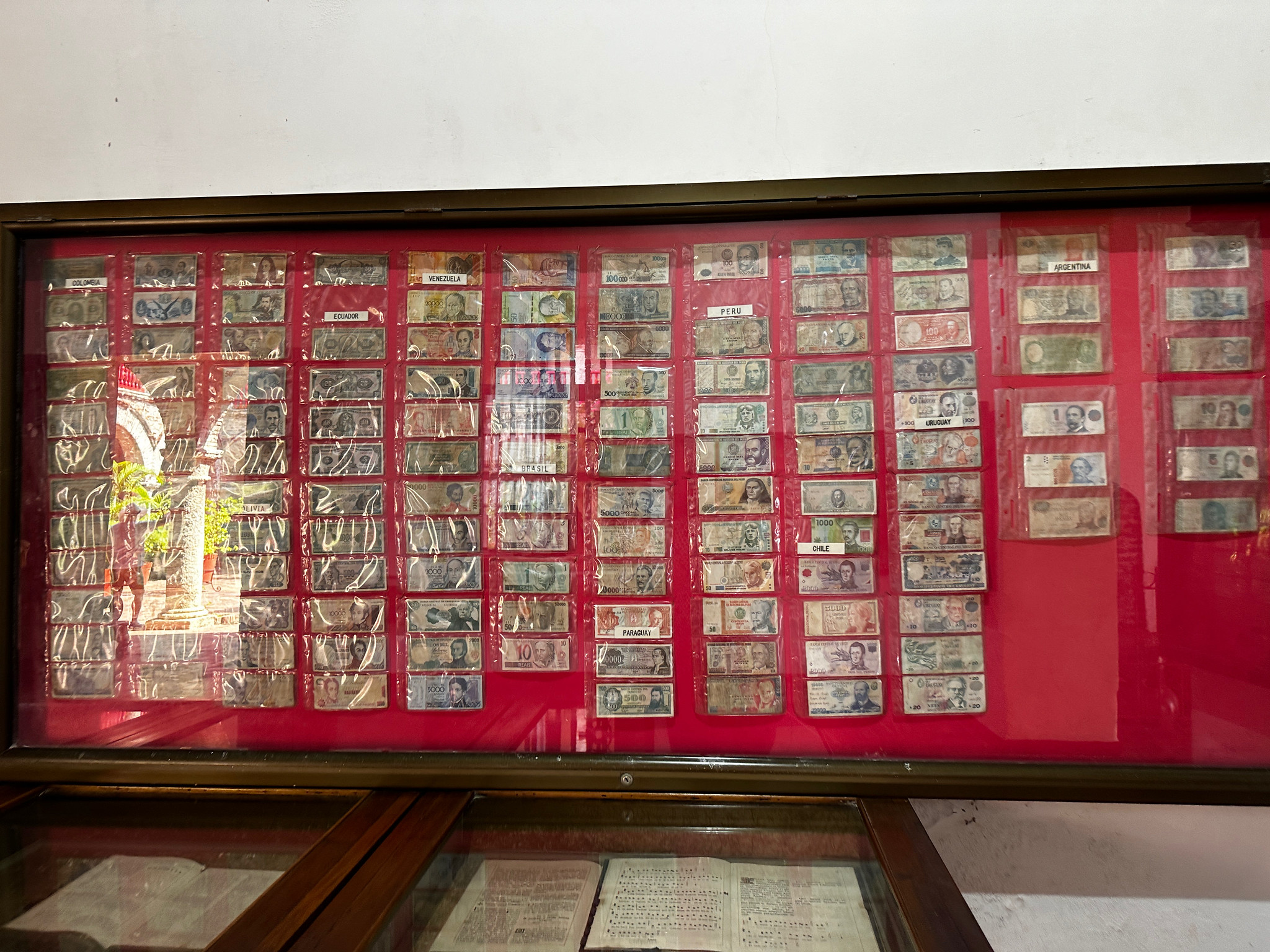
The currency is the Colombian Peso (COP); roughly 4,000 COP to 1 USD at the time of our trip.
We were worried about safety a lot before the trip and booked all tours online.

Medellín
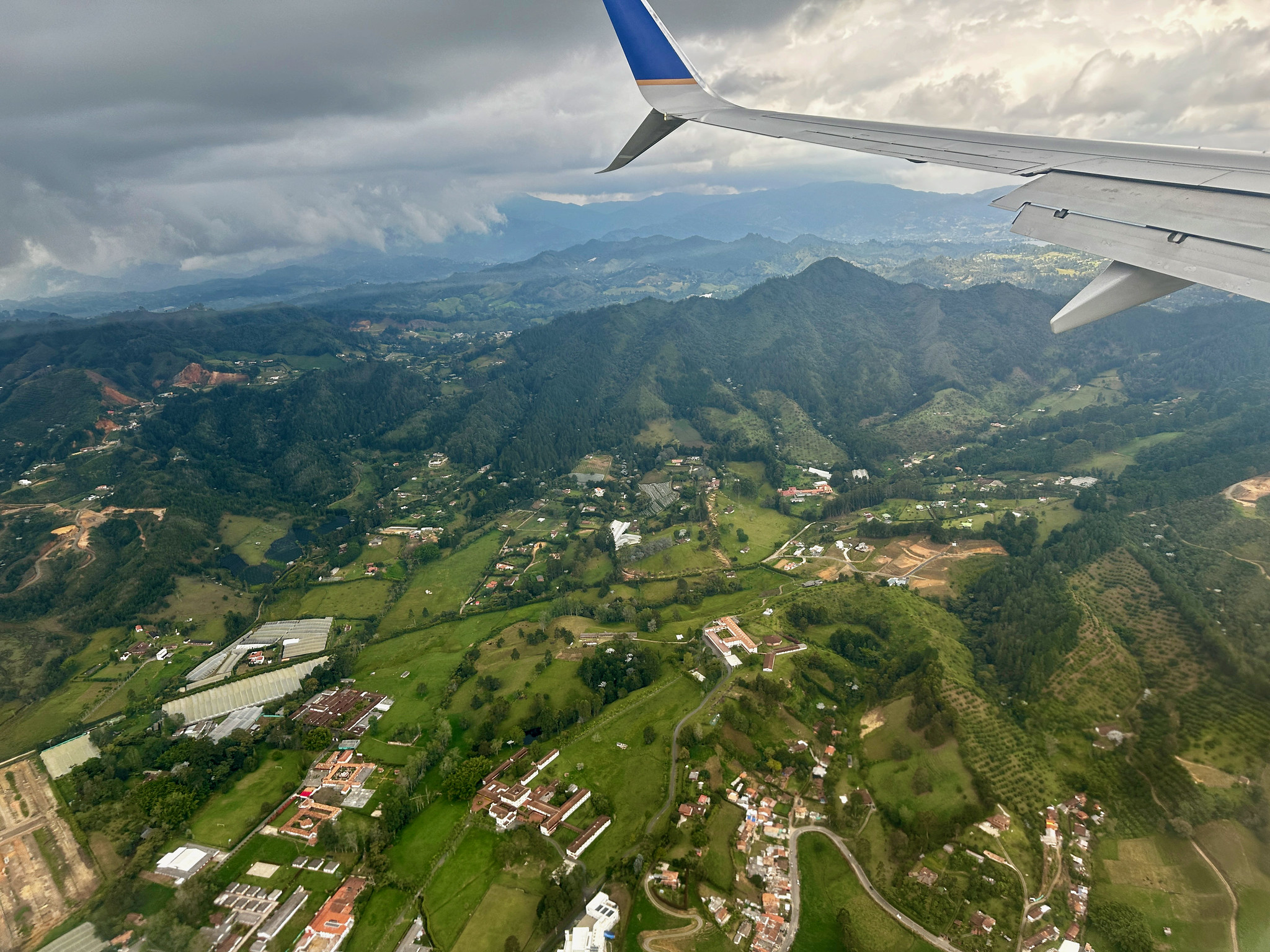
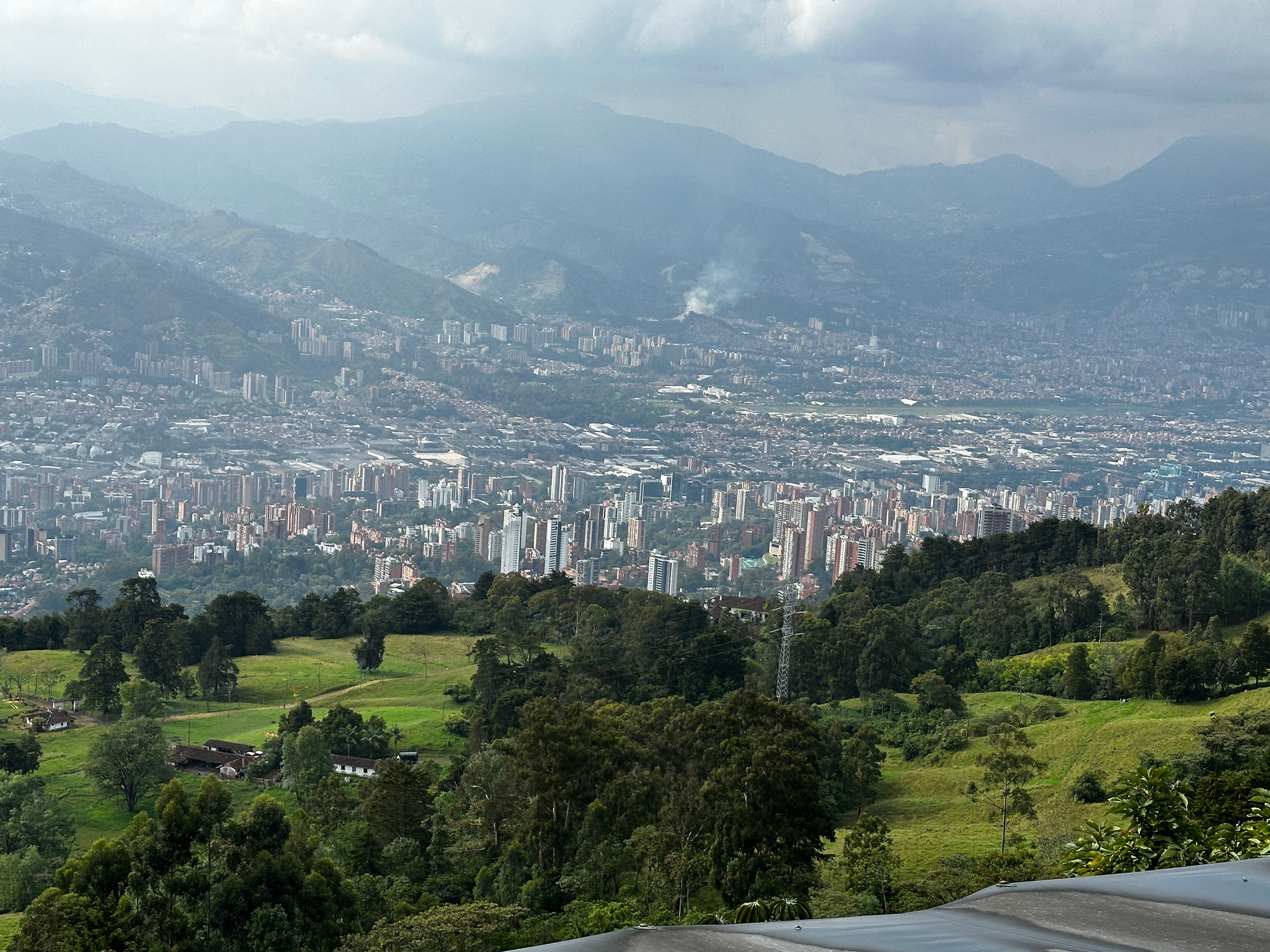
We flew from Panama City into Medellín, Colombia’s second-largest city and home to the Paisa people, known for their unique dialect, food, and culture. The city sits in a narrow valley in the Andes at about 1,500 meters elevation, giving it a spring-like climate year-round (earning its nickname “La Ciudad de la Eterna Primavera”, the City of Eternal Spring).
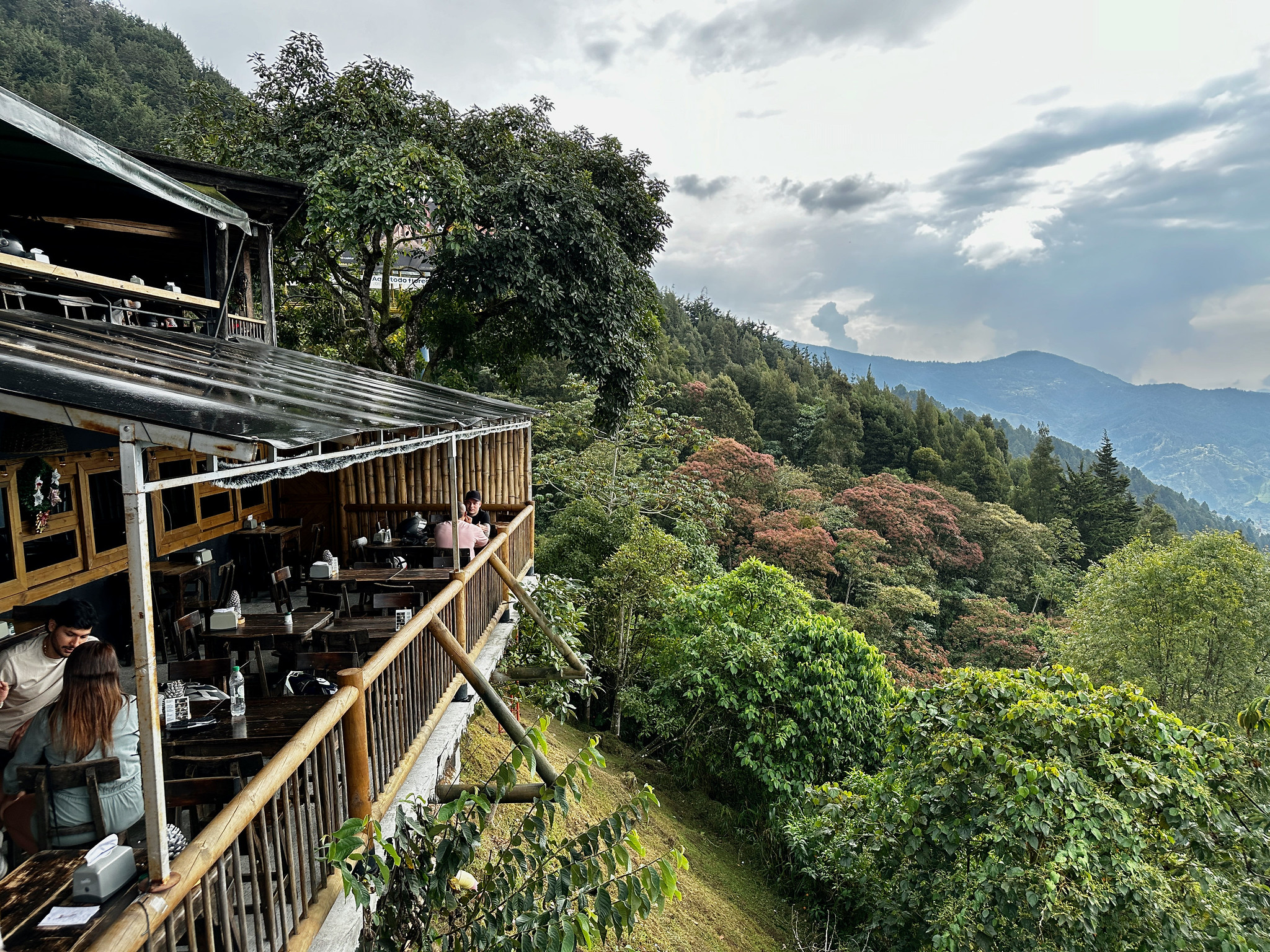
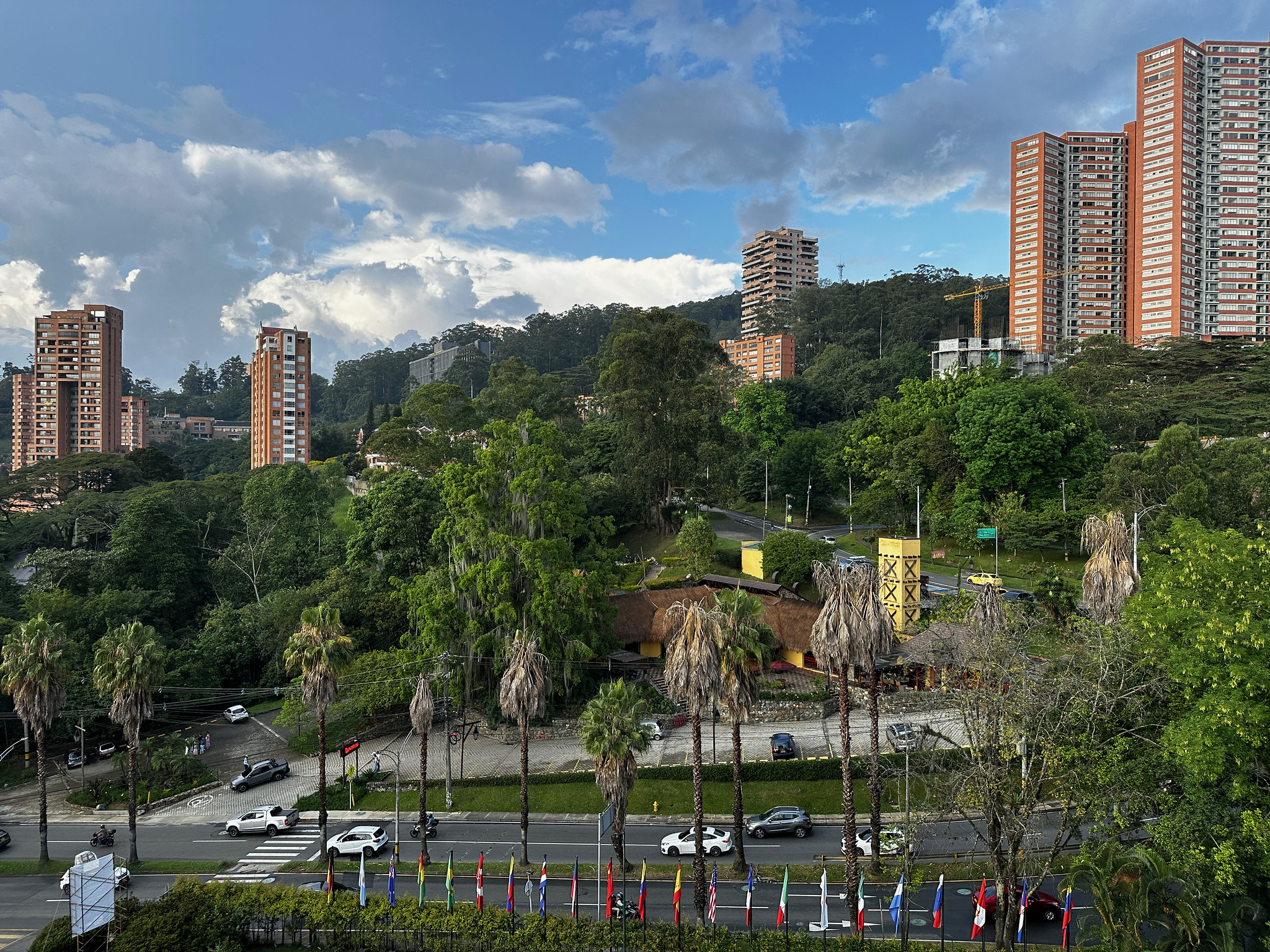
We booked airport to hotel drop off in Expedia and we got picked by the driver on time. He was very friendly and he was a software engineer who is doing this as a part time job. We were surprised to see the Medellin climate and the landscape. He stopped at a view point/quick bite stop.
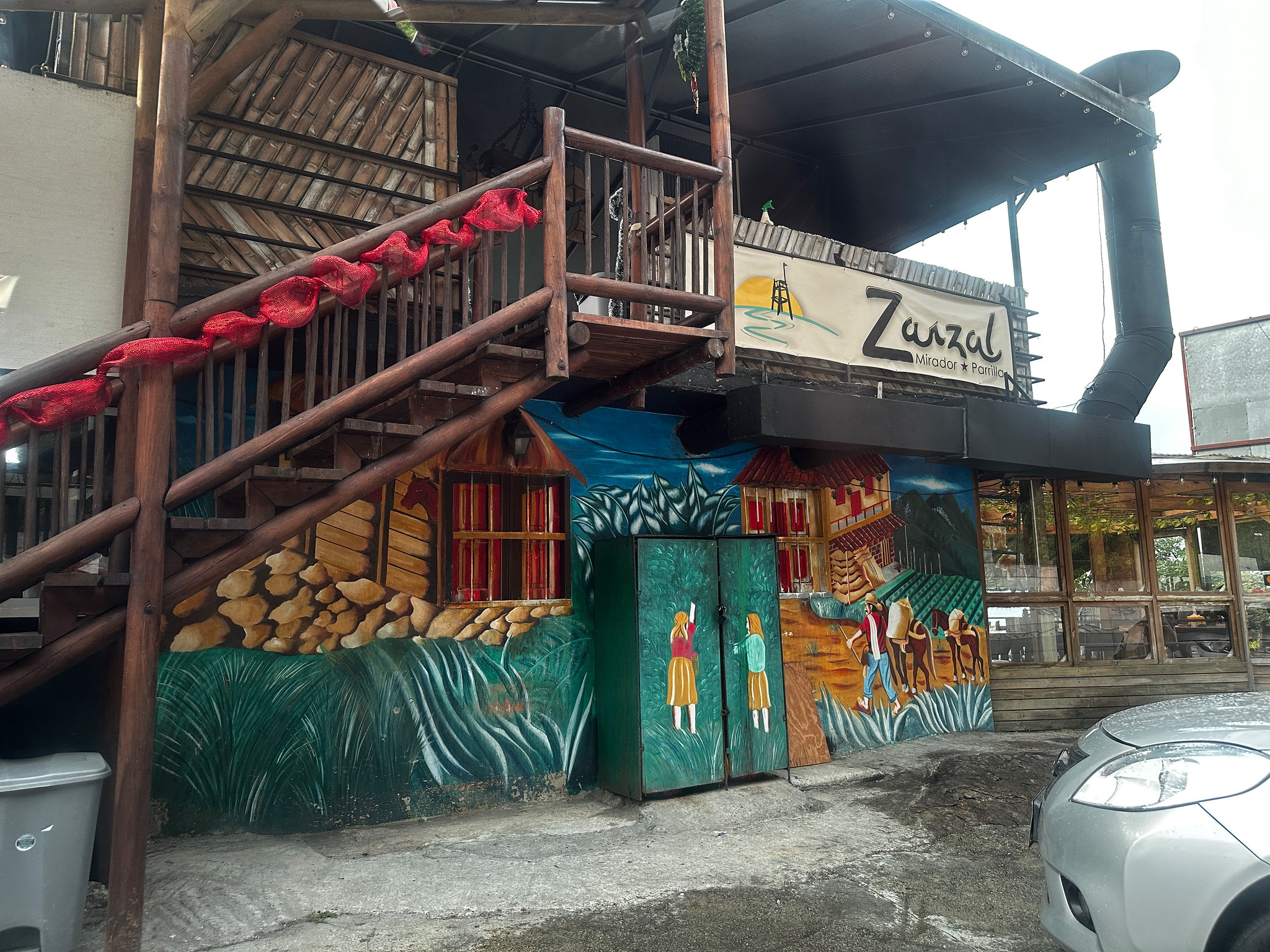
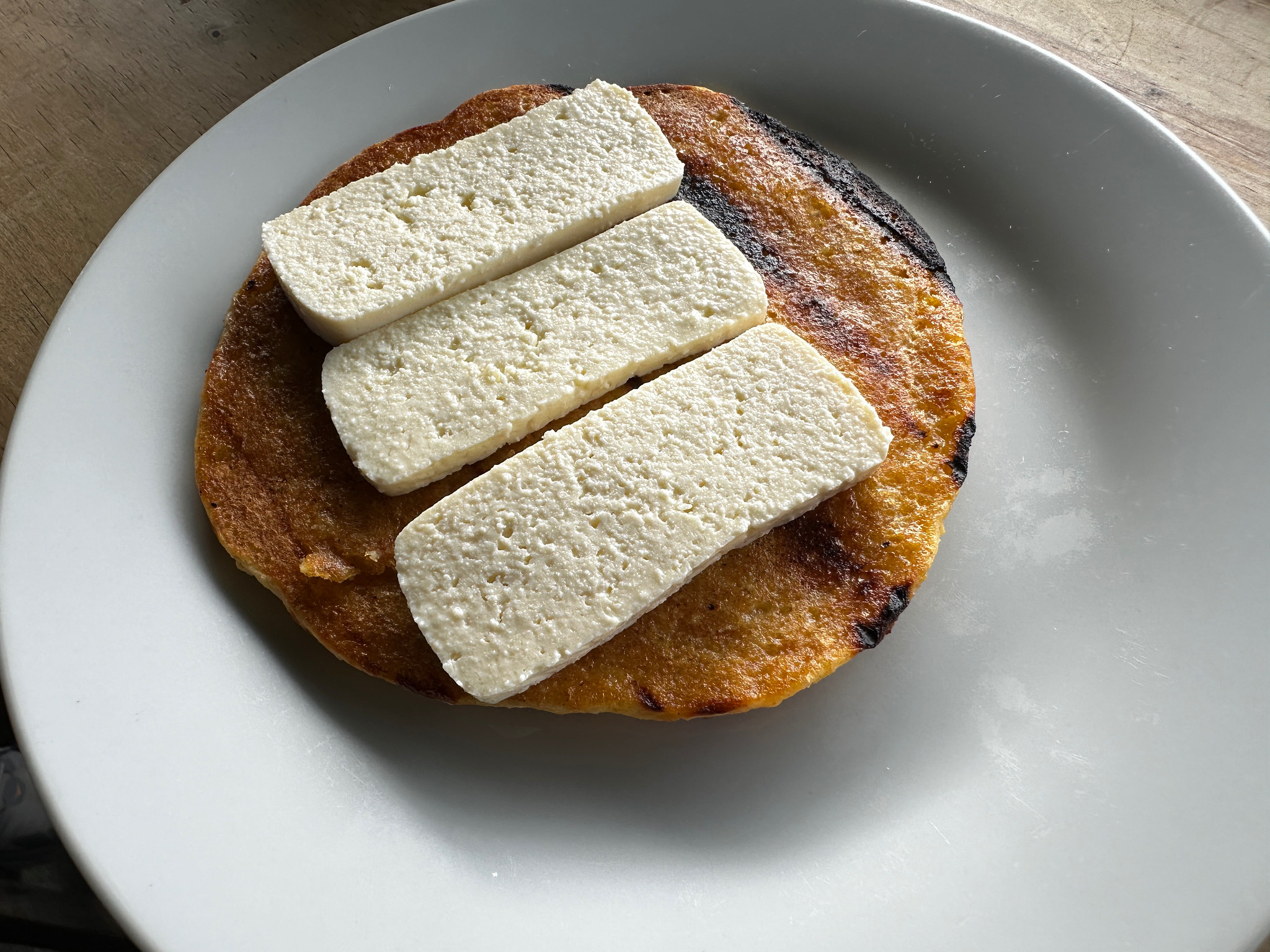
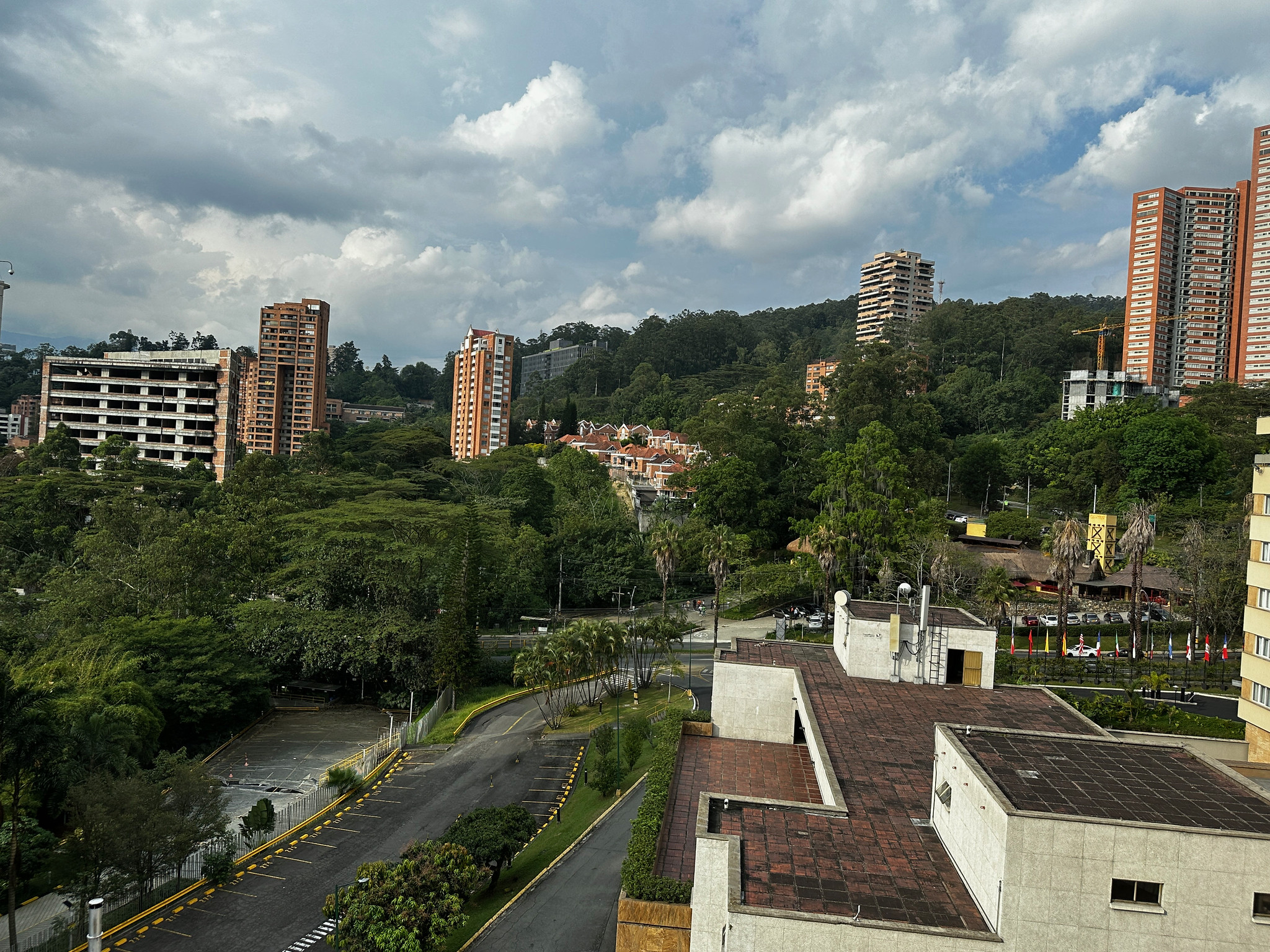
Trip to Sabaneta
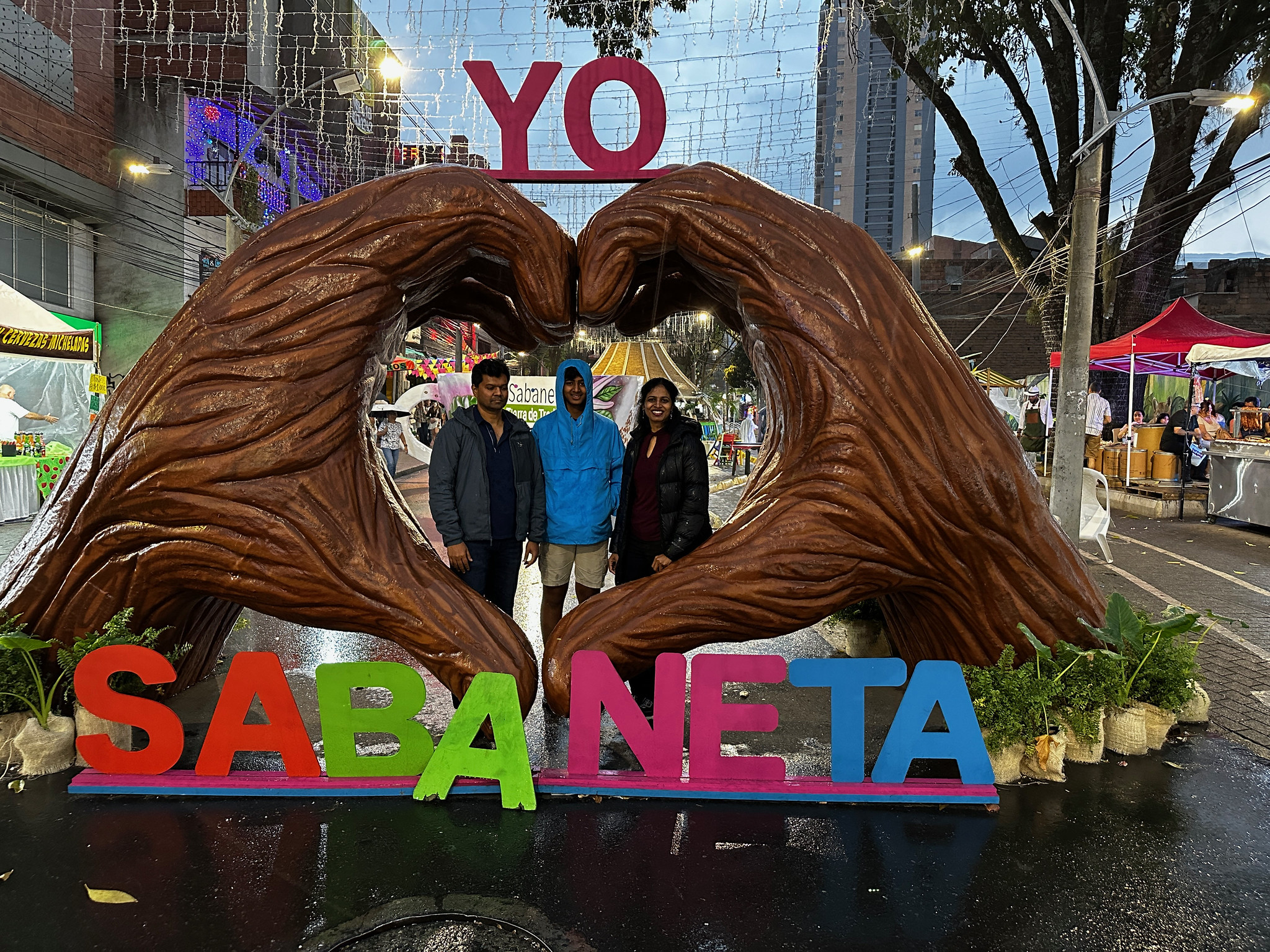
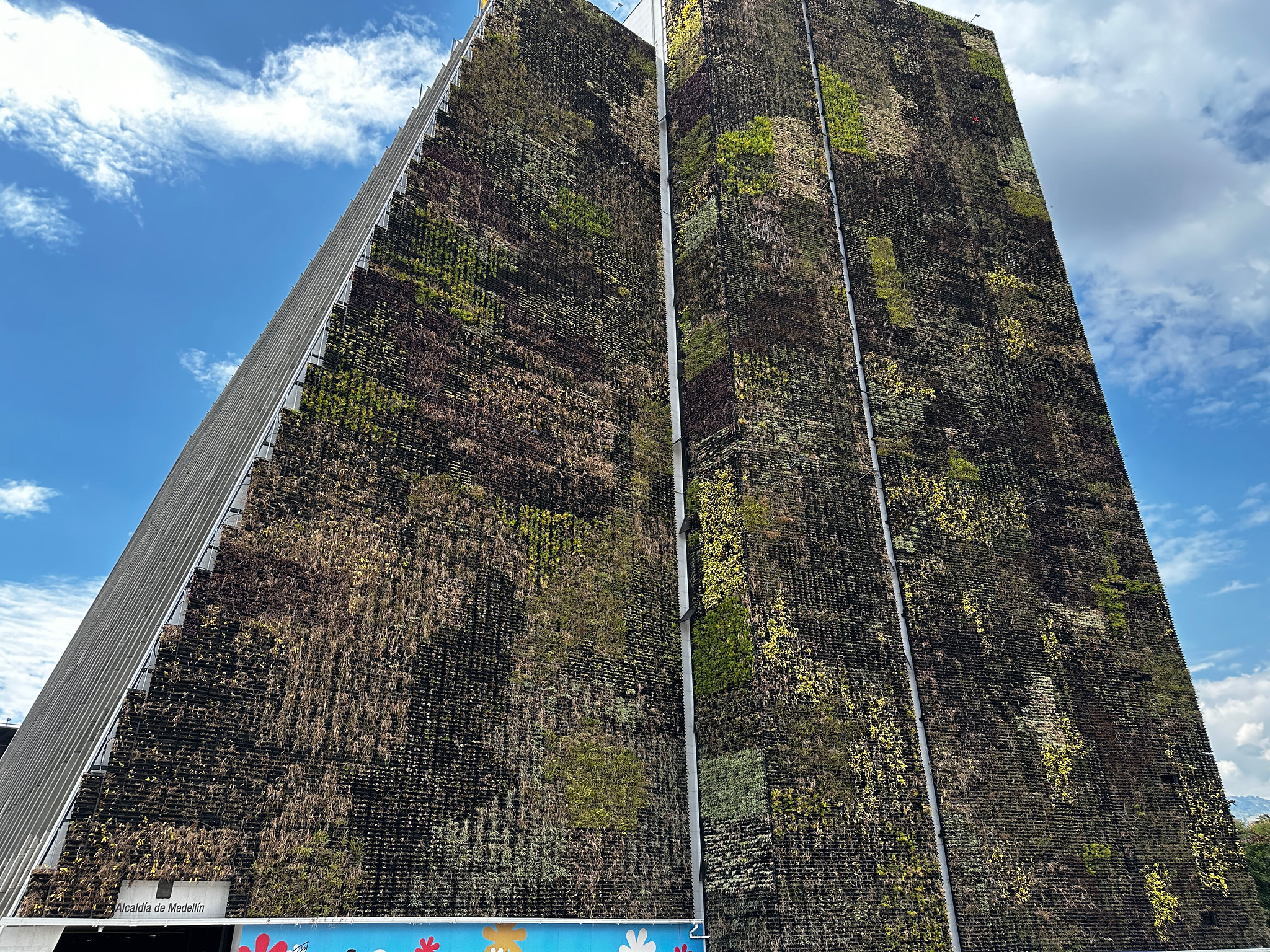
Driver offered a last min offer to take us to Sabaneta. He drove us through Eco friendly building in the city and then drove to Sabaneta.
Sabaneta is the smallest municipality by area in Colombia, but it’s one of the country’s most vibrant and welcoming destinations. Located just south of Medellín in the metropolitan area, Sabaneta has transformed from a quiet town into a lively city while still preserving its traditional Antioquian charm. Its walkable streets, pleasant parks, friendly atmosphere, and excellent restaurants make it a favorite destination for both locals and visitors looking to experience authentic Colombian culture away from the busiest tourist areas.
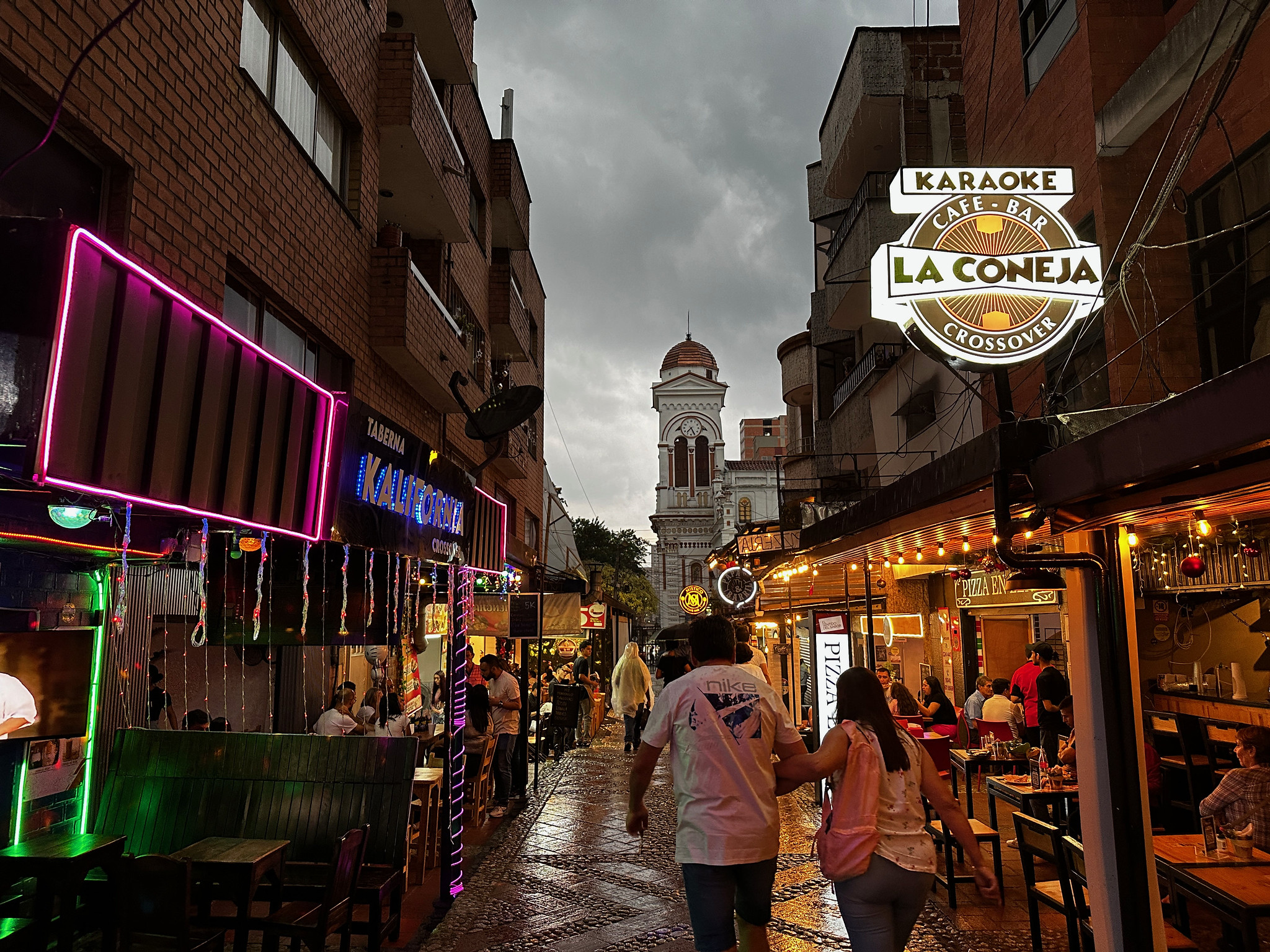
One of the best things about Sabaneta is its lively dining and nightlife scene. In the evenings, the town comes alive with rooftop bars, live music venues, and restaurants offering everything from traditional Colombian cuisine to international flavors. Despite its growth, Sabaneta has maintained a safe, community-oriented feel, making it an ideal place to stroll, enjoy local cuisine, and experience everyday life in Antioquia.
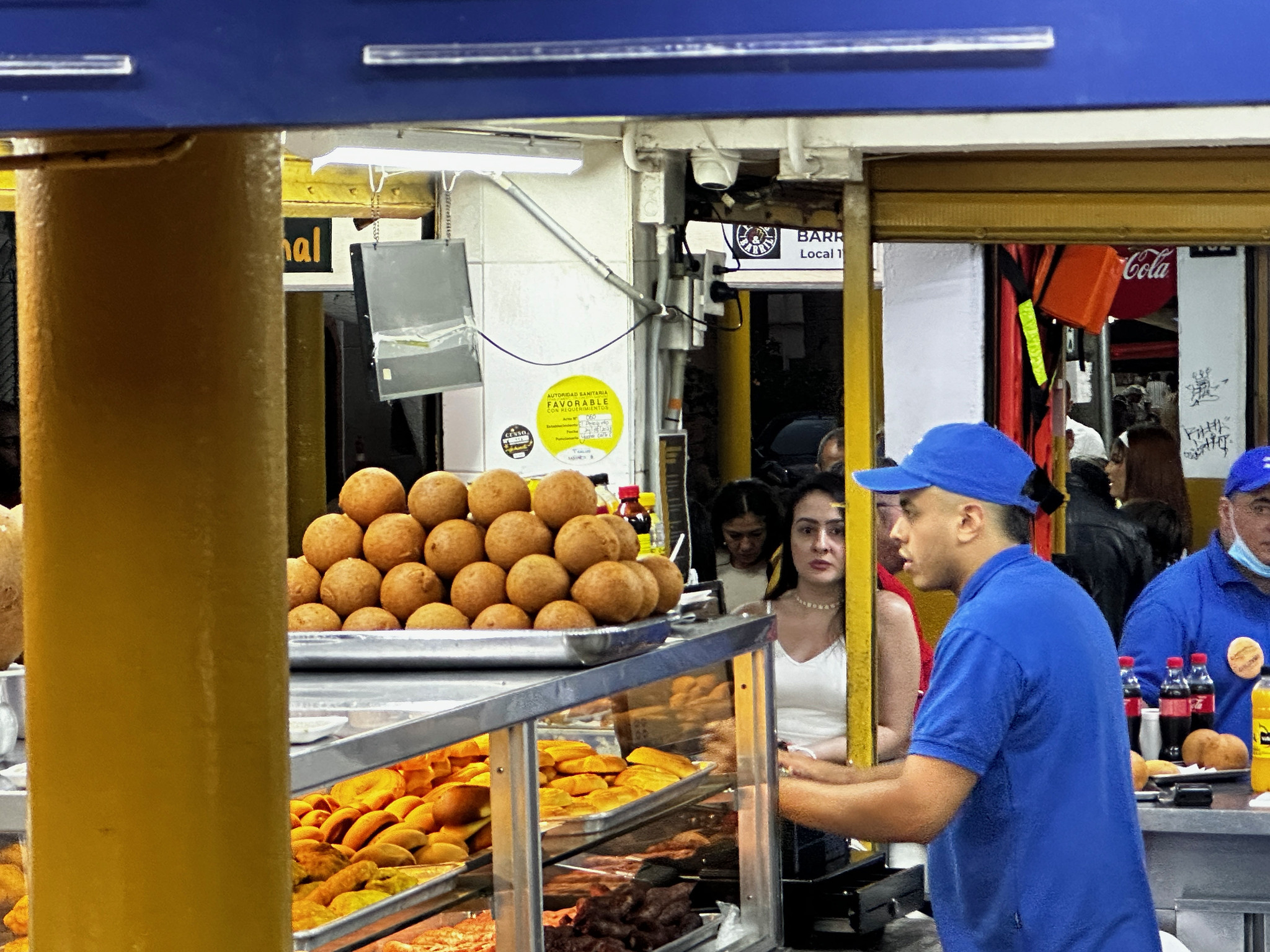
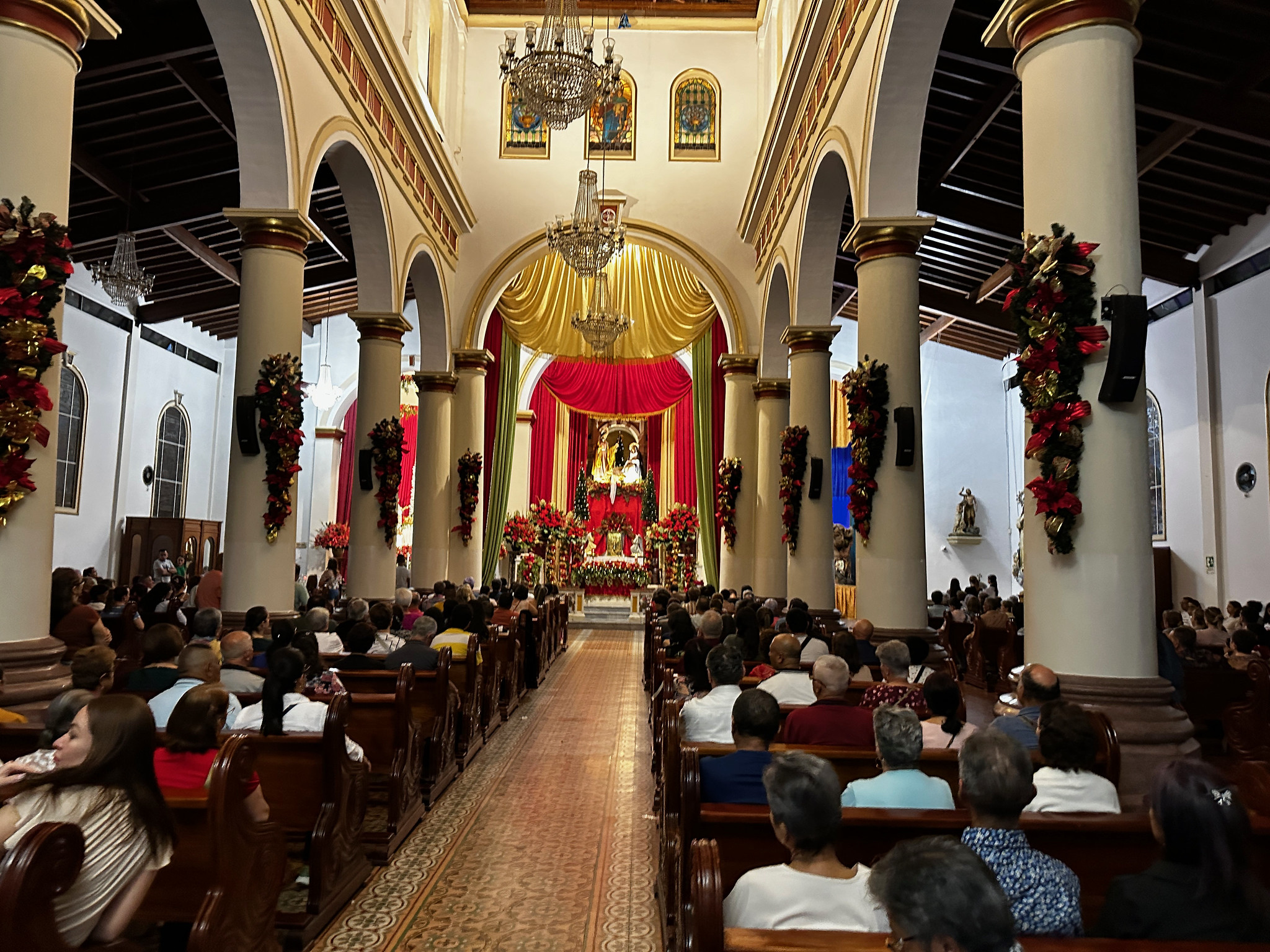
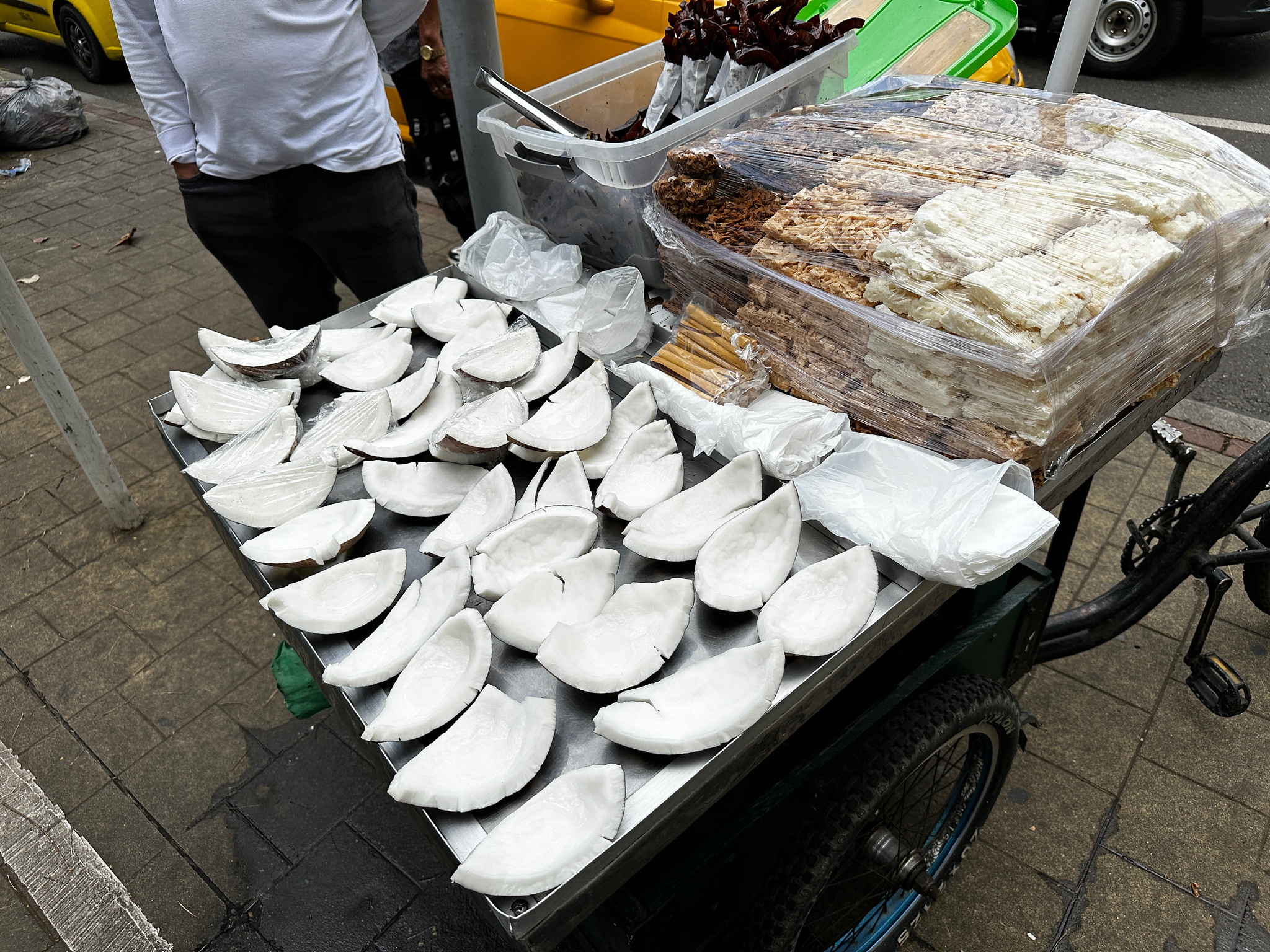
One of the biggest attractions is the street food scene. In the evenings, especially on weekends, the park and the pedestrian alley beside the church fill with food carts and small stalls selling classic Colombian snacks.There were Arepas, Empanadas, Buñuelos (fried cheese dough balls)
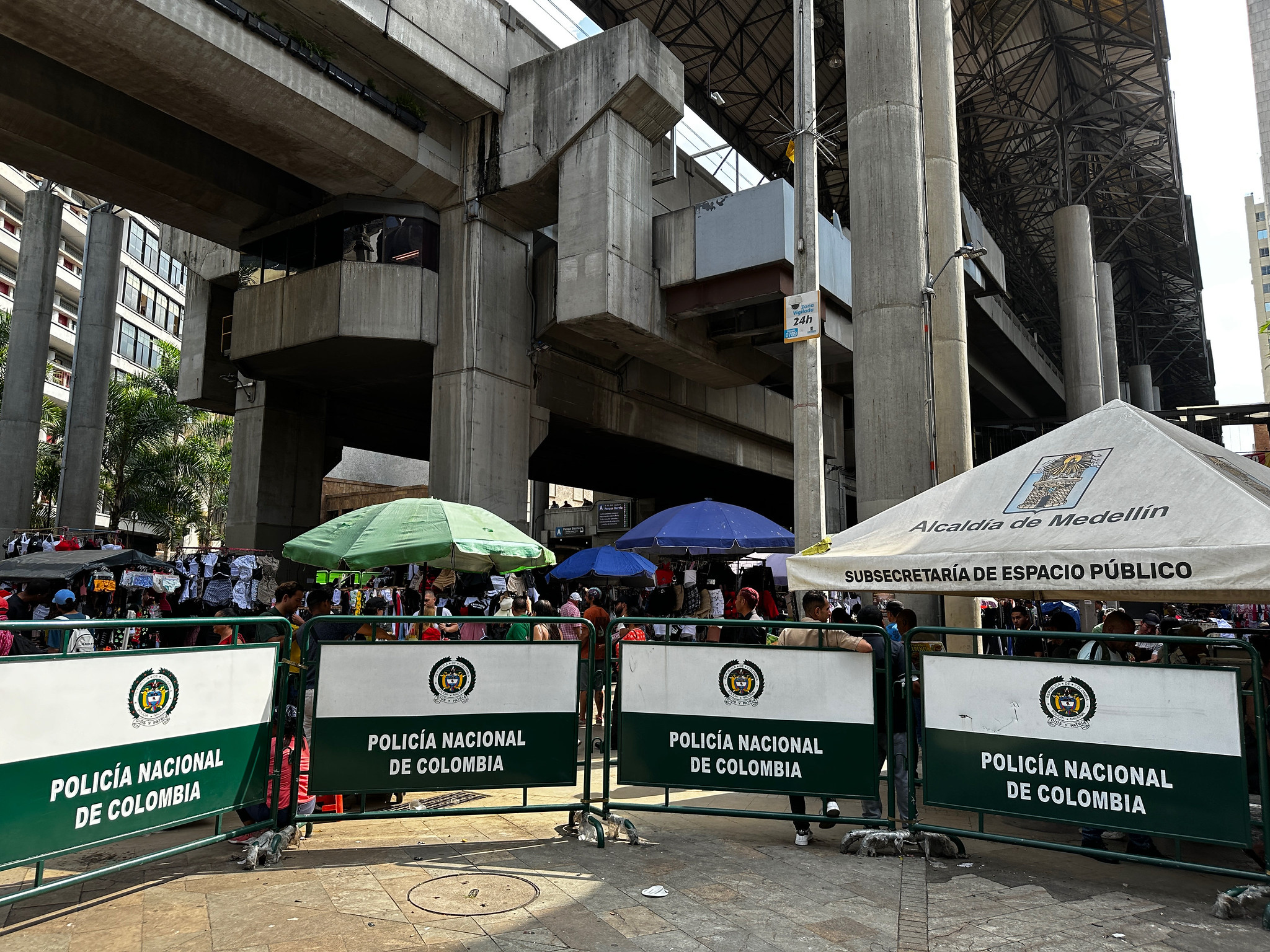
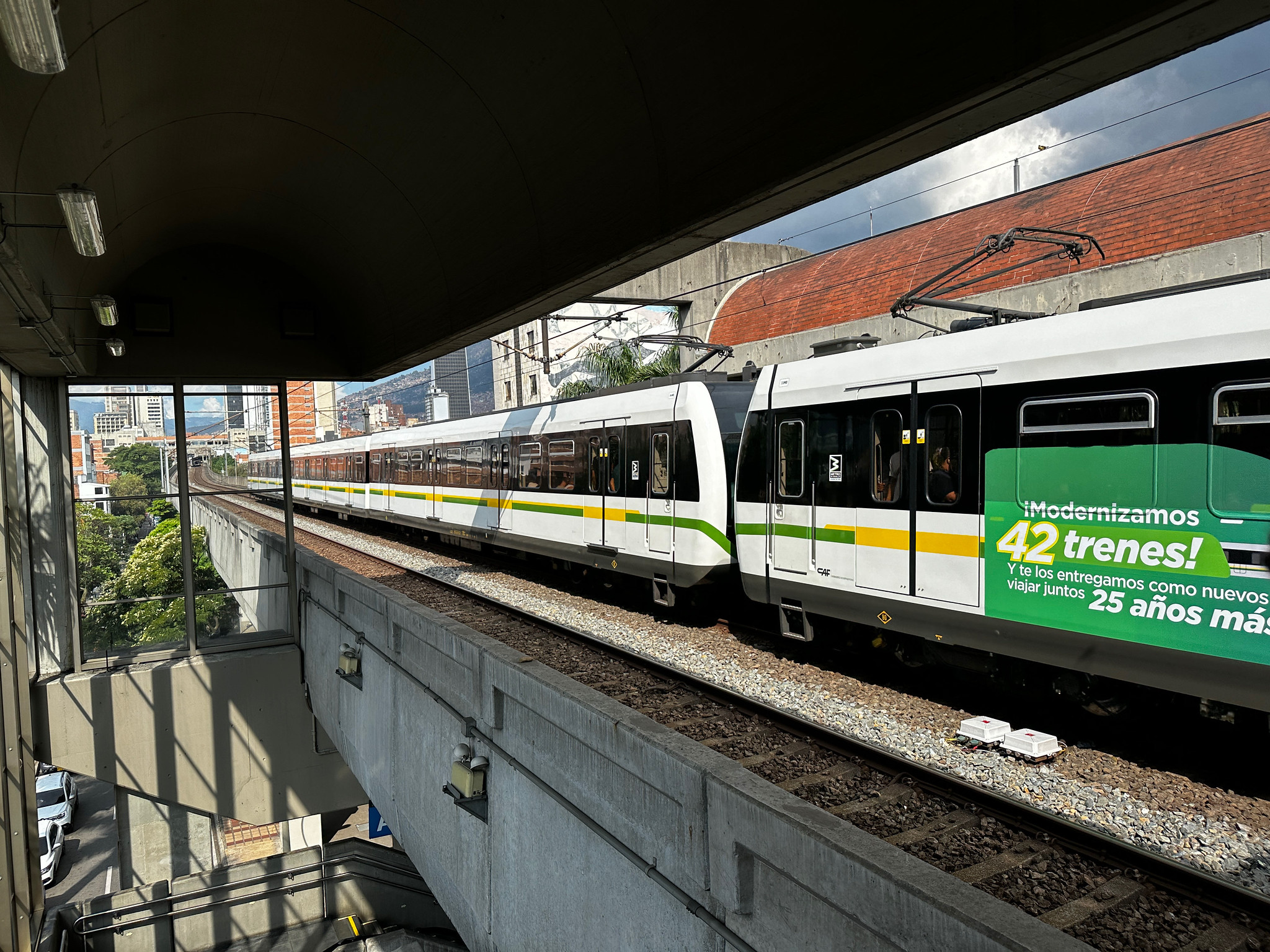
From there we headed into downtown Medellín. The city has undergone a dramatic transformation, It was once one of the most dangerous cities in the world, and today it is celebrated globally for its urban renewal. The metro, built in the 1990s, was a turning point. It is clean, efficient, and affordable, a genuine source of civic pride.
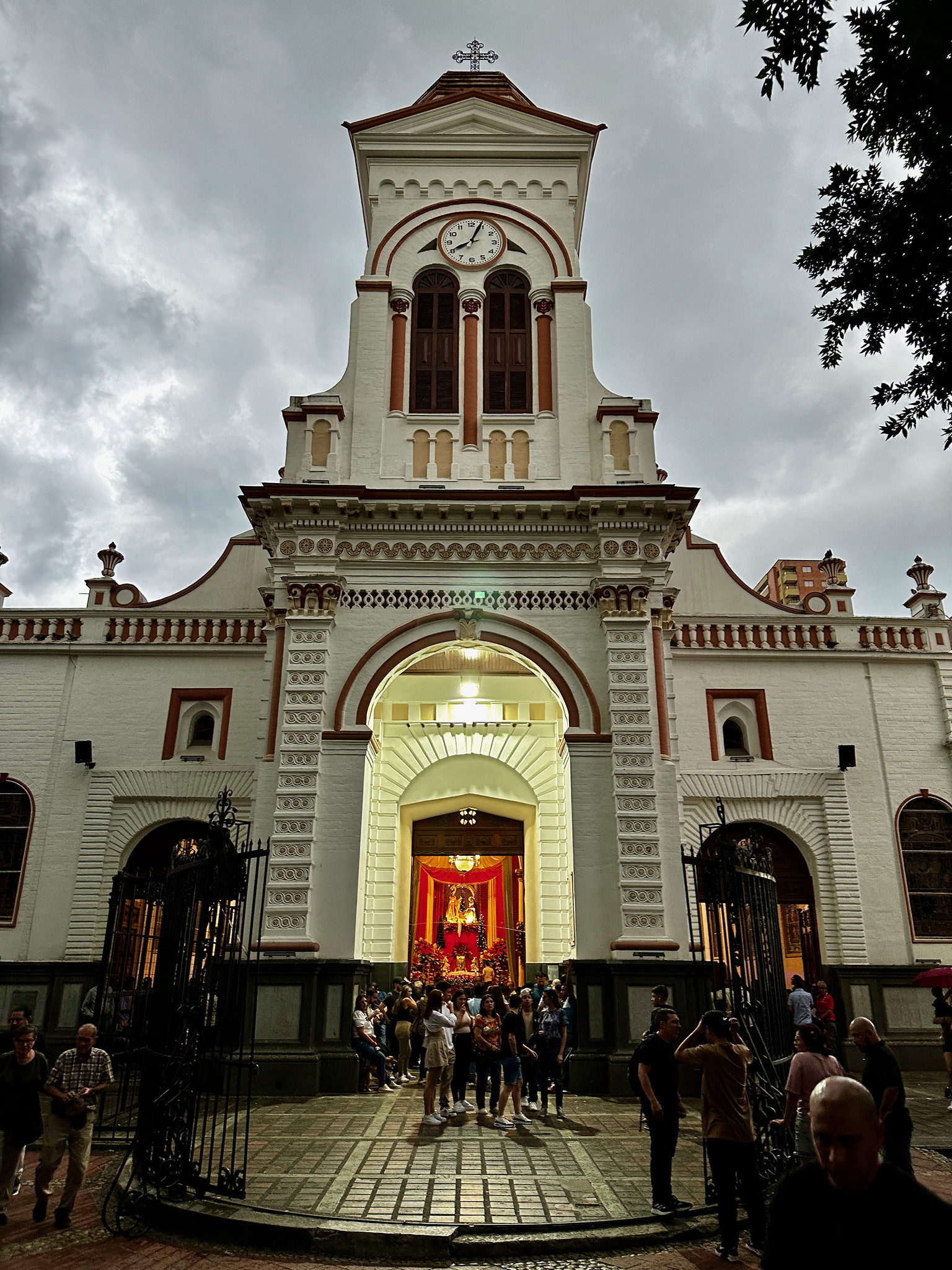
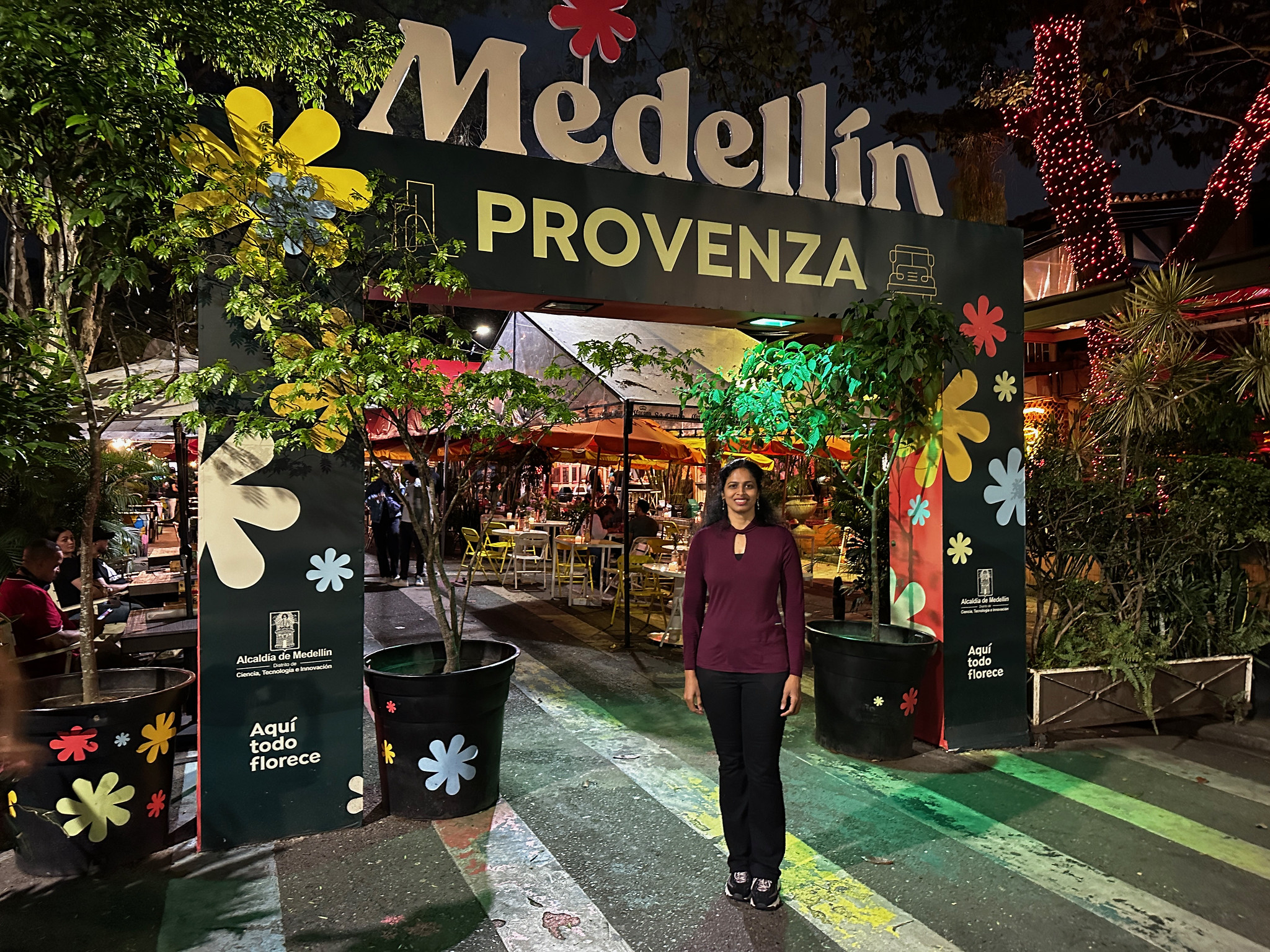
Medellín City Tour
We woke up excited for our first full day exploring Medellín. After a quick breakfast, we met our guide, Carlos, who took us on a fascinating tour through the city’s history.
The Pablo Escobar Story
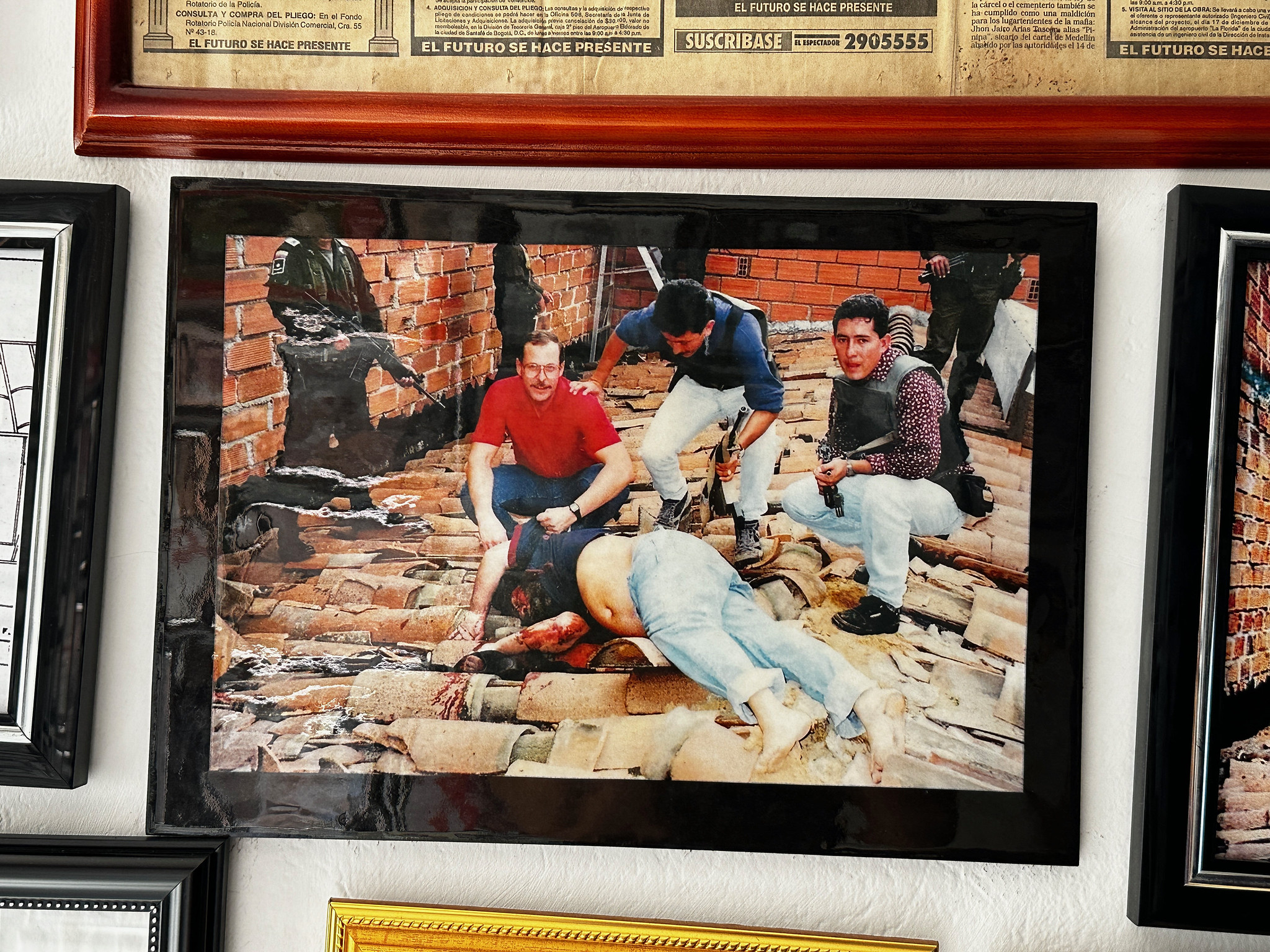
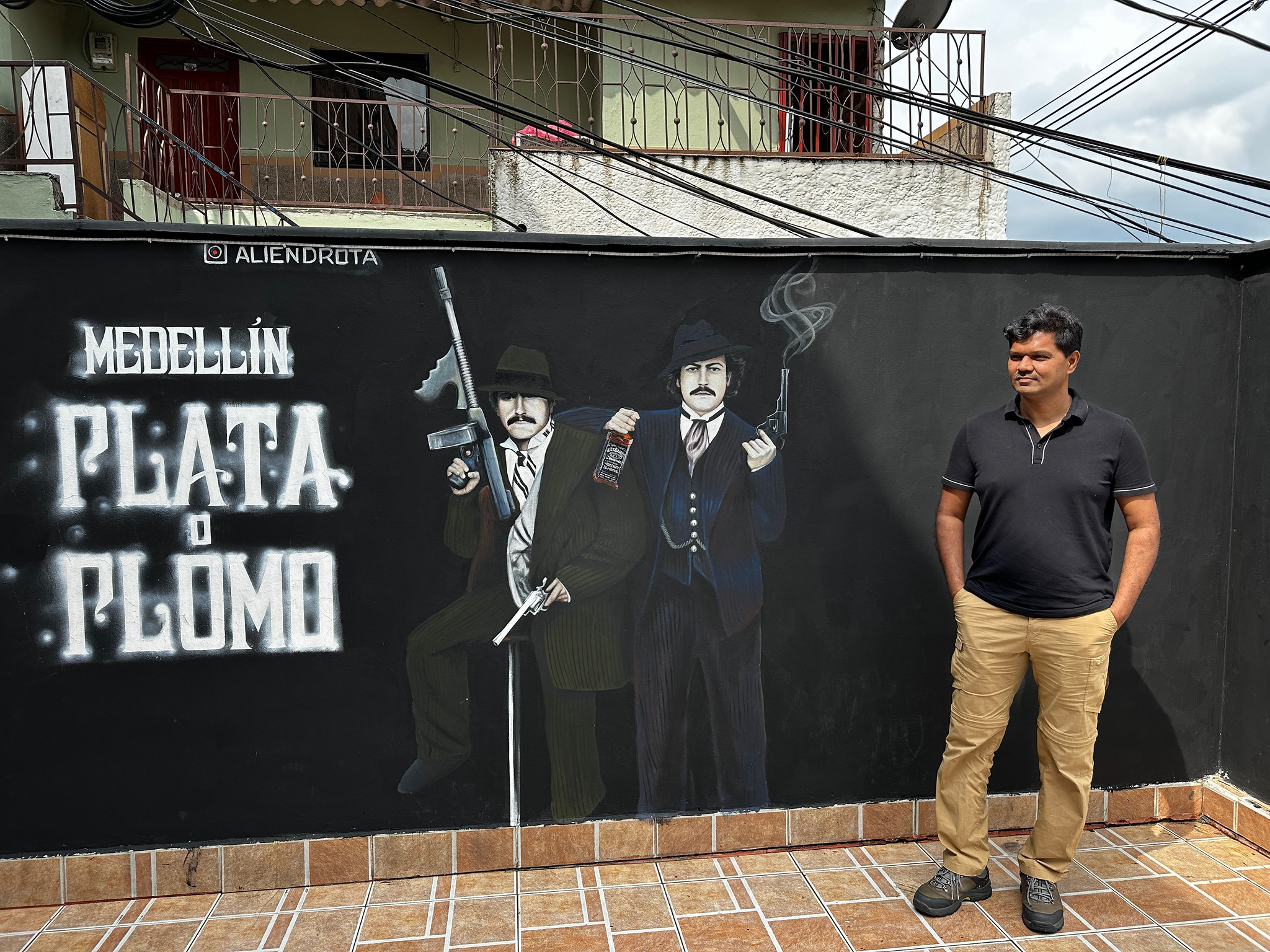
You cannot visit Medellín without encountering the story of Pablo Escobar. Our guide took us through the Escobar history — including areas linked to his rise and the neighborhoods still carrying that legacy. We passed by the Hacienda Nápoles area and saw candlelit memorials. The guide was candid about the complicated feelings locals still have. Most are eager to separate the city’s present from its past. What’s striking is how much Medellín has moved forward.
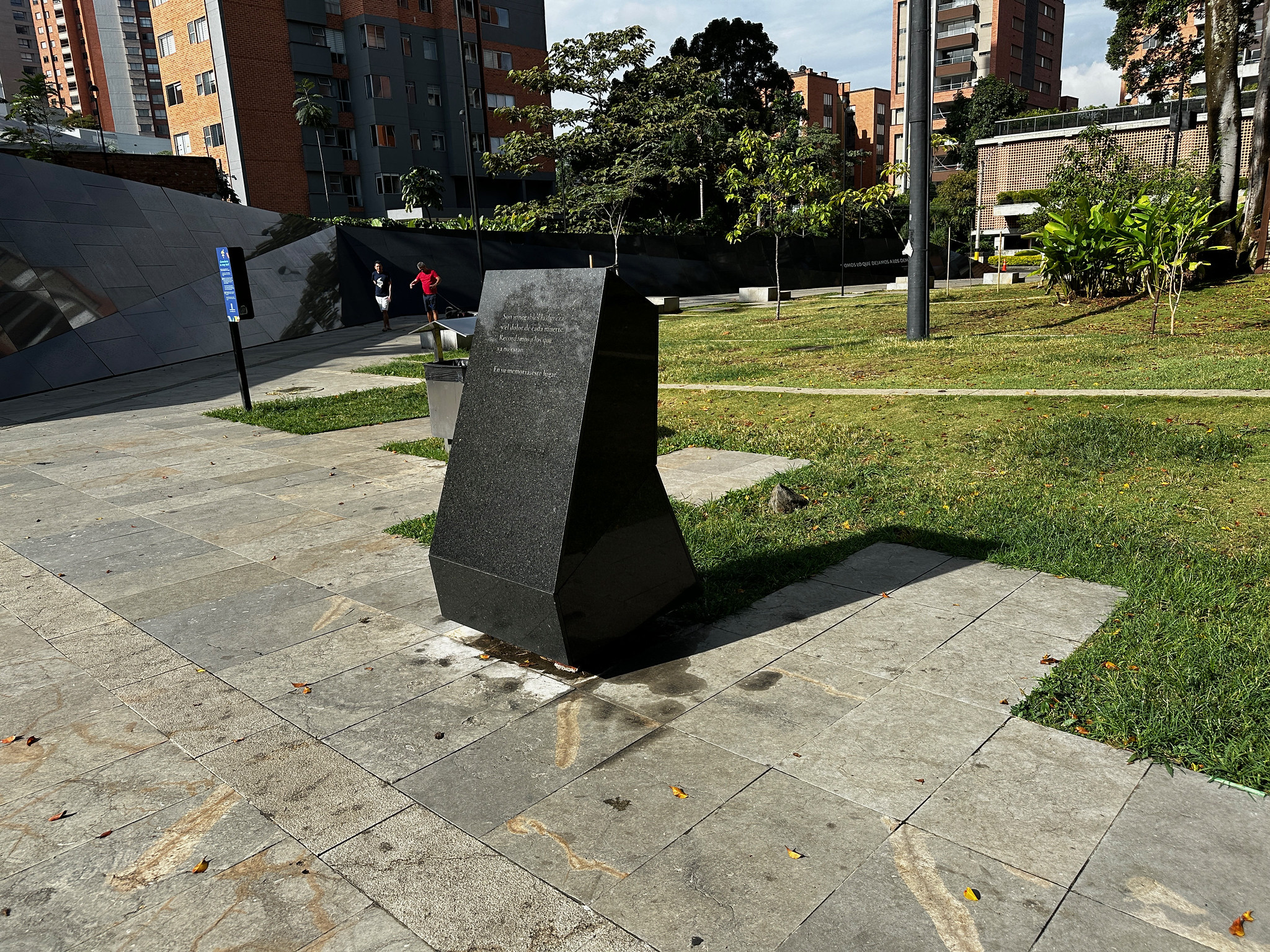
When we joined the Pablo Escobar tour, our guide began at a memorial dedicated to the innocent victims of violence caused by the Medellín Cartel. Starting the tour here set the tone for the experience—it was a reminder that before learning about Escobar’s life, it was important to understand the human cost of his criminal empire.
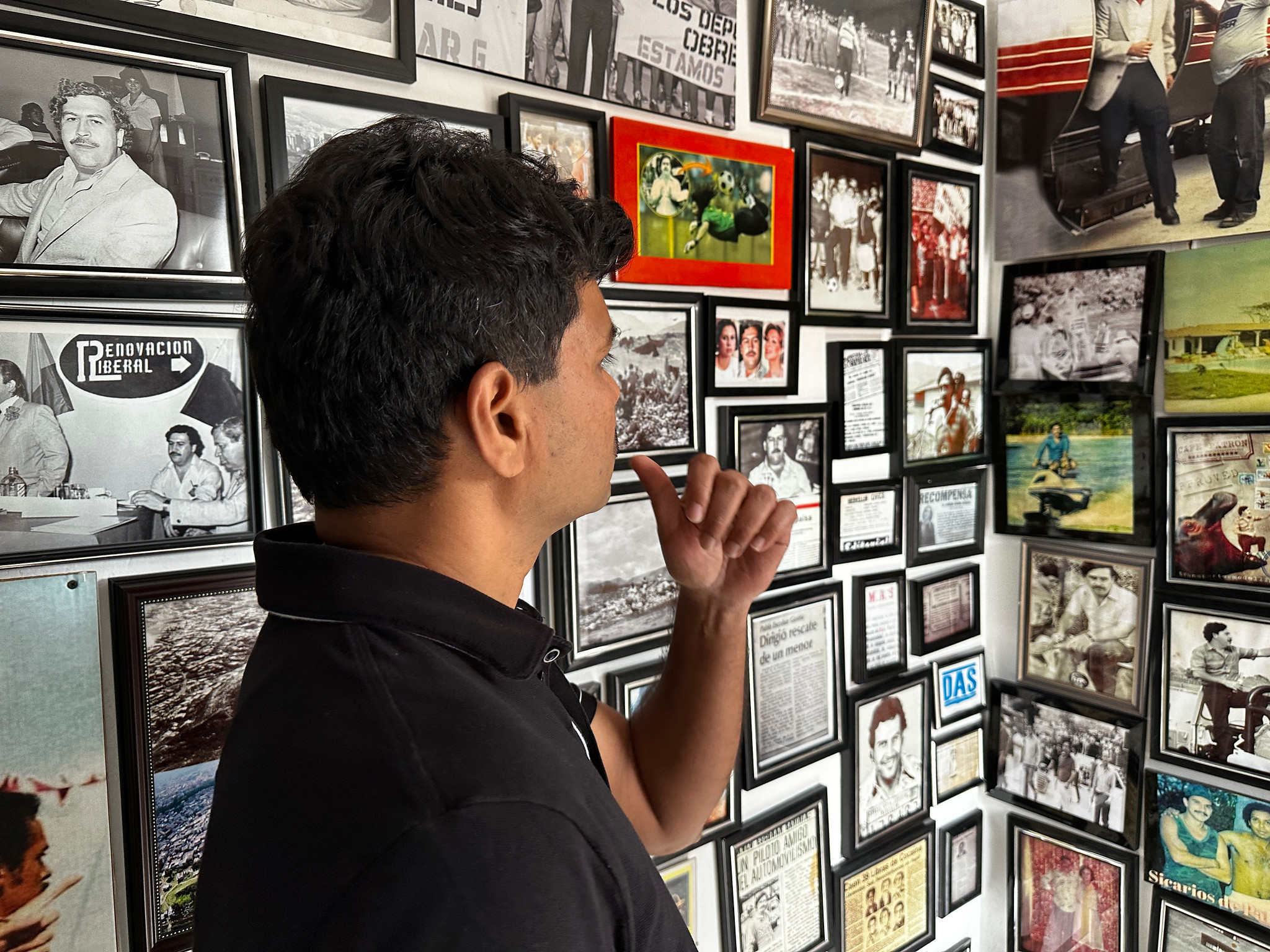
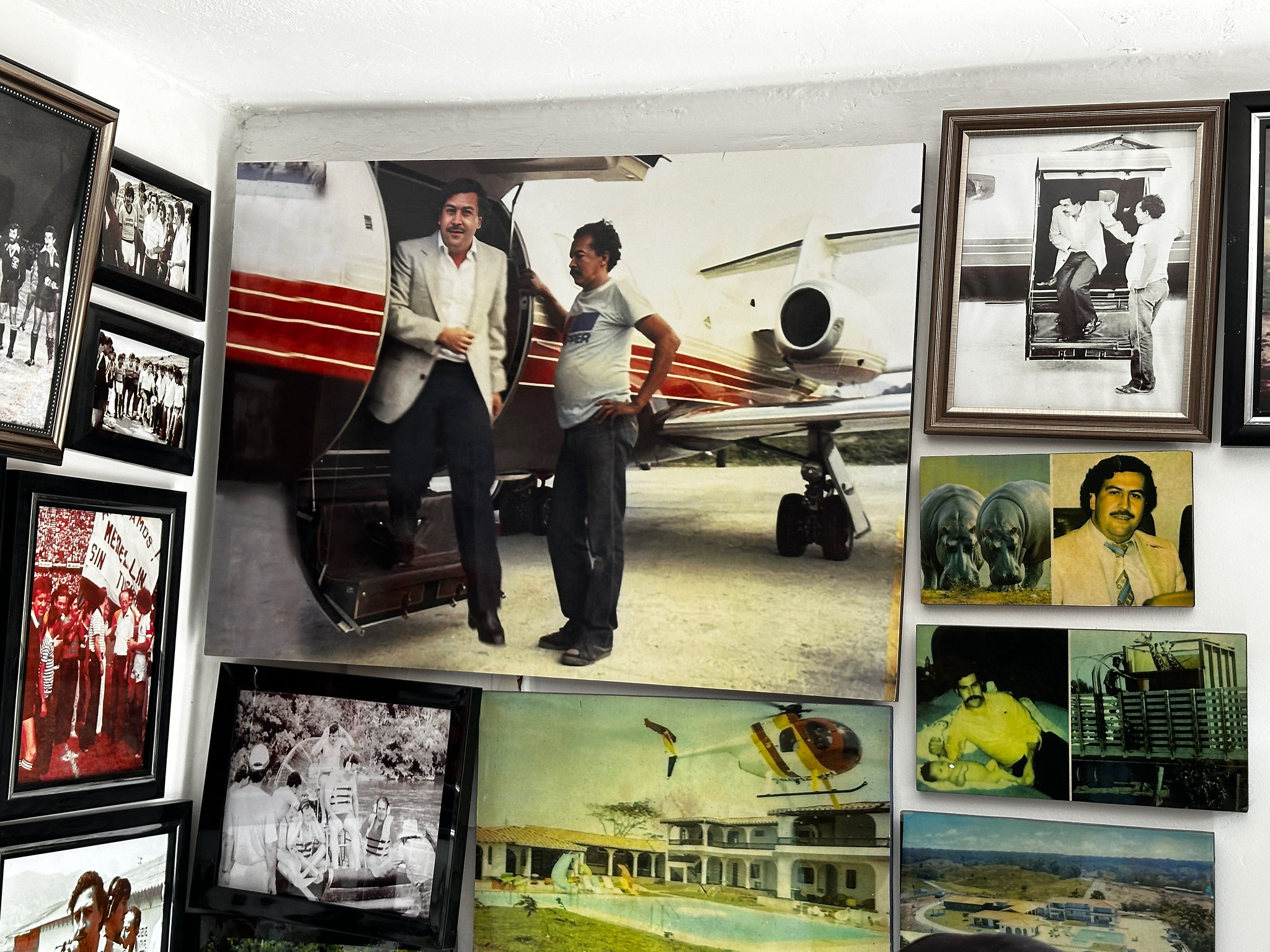
We learned about Pablo Escobar’s rise as the leader of the Medellín Cartel, one of the most powerful drug trafficking organizations in the world. With the vast wealth he accumulated, he built housing for low-income families, donated money to poor communities, and gained support in some neighborhoods where he was seen as a benefactor. He also built Hacienda Nápoles, his massive estate that included a private zoo with exotic animals such as hippos, giraffes, elephants, zebras, and ostriches imported from around the world.
However, Carlos explained that these actions cannot be separated from the violence that defined Escobar’s empire. His cartel was responsible for bombings, assassinations, kidnappings, and the deaths of thousands of people across Colombia. While some communities still remember the assistance he provided, his legacy is largely defined by the fear, instability, and destruction caused by the drug trade.
After his death, Hacienda Nápoles was transformed into a public attraction, and most of the animals were relocated. A small number of hippos were left behind and have since multiplied, becoming an unexpected environmental challenge in Colombia today.
The tour offered a powerful and balanced perspective on Escobar’s story, neither glorifying nor ignoring him, but instead helping us understand one of the most complex and painful chapters in Colombia’s history.
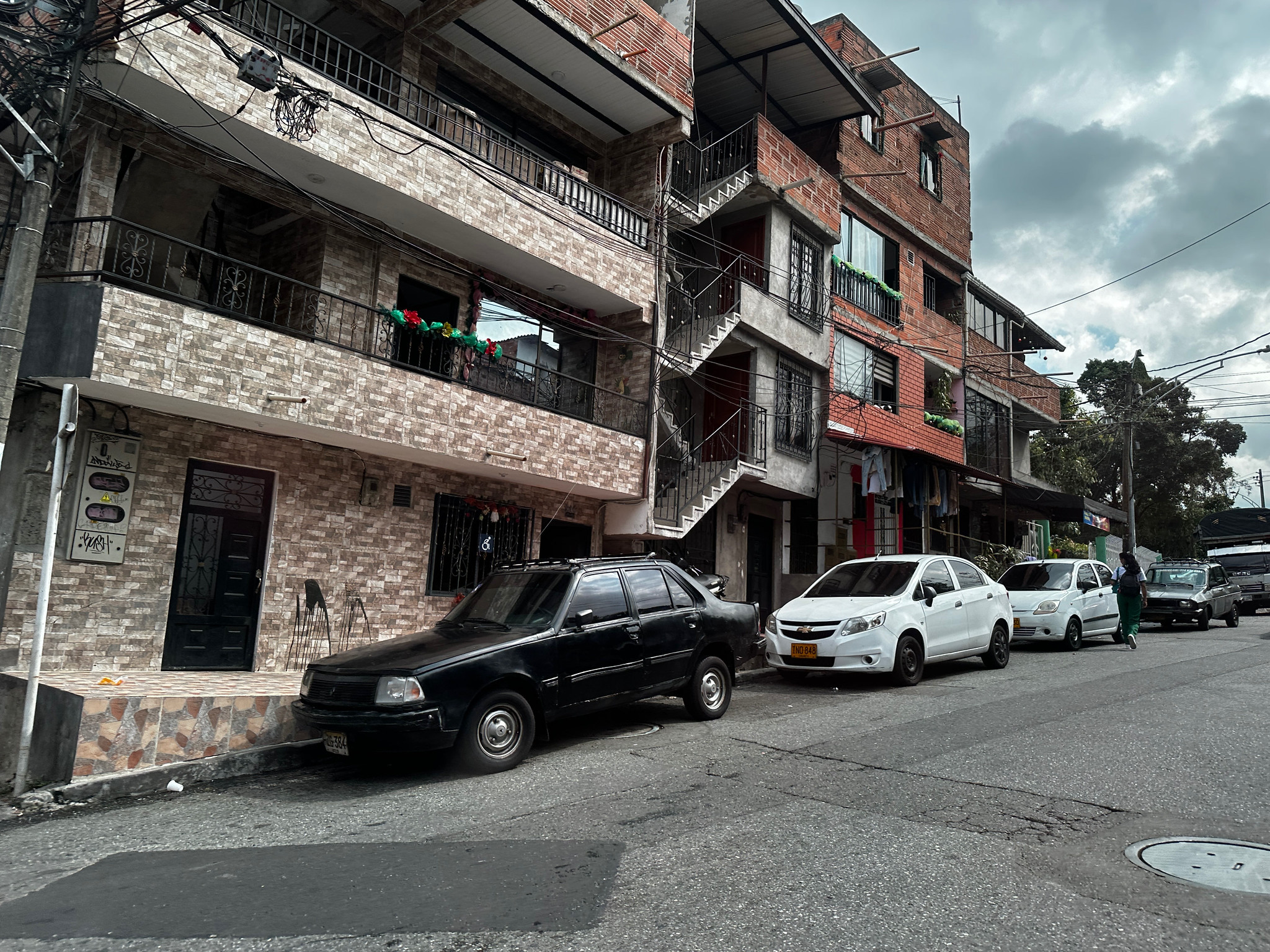
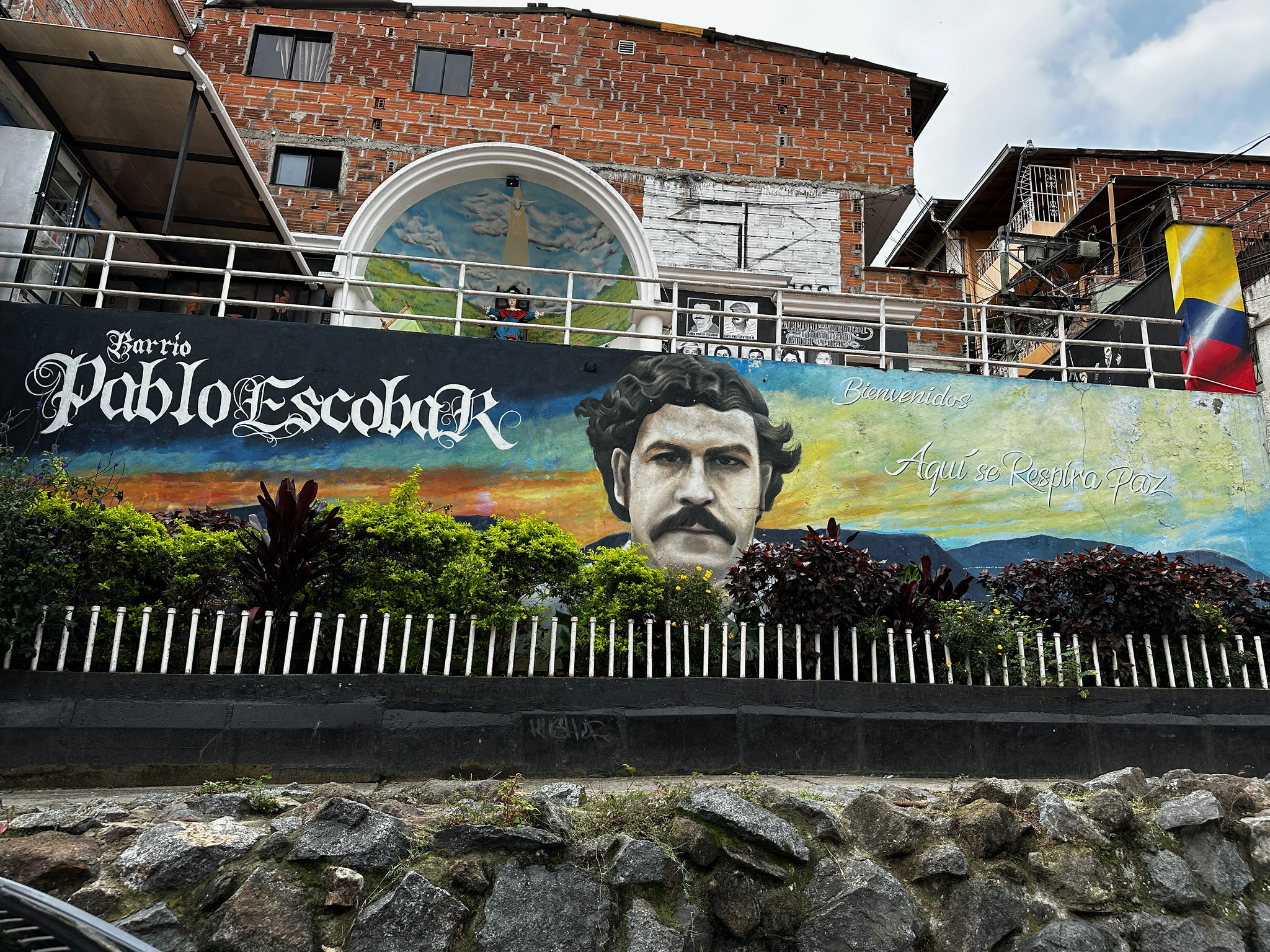
As part of the tour, we also visited several important sites connected to Pablo Escobar’s legacy in Medellín. One of the stops was Barrio Pablo Escobar, a neighborhood that was developed as part of his housing projects for low-income families. Walking through the area gave us a glimpse into how his actions continue to shape local perceptions—some residents see him as someone who provided opportunities, while others remember the violence and instability tied to his name.
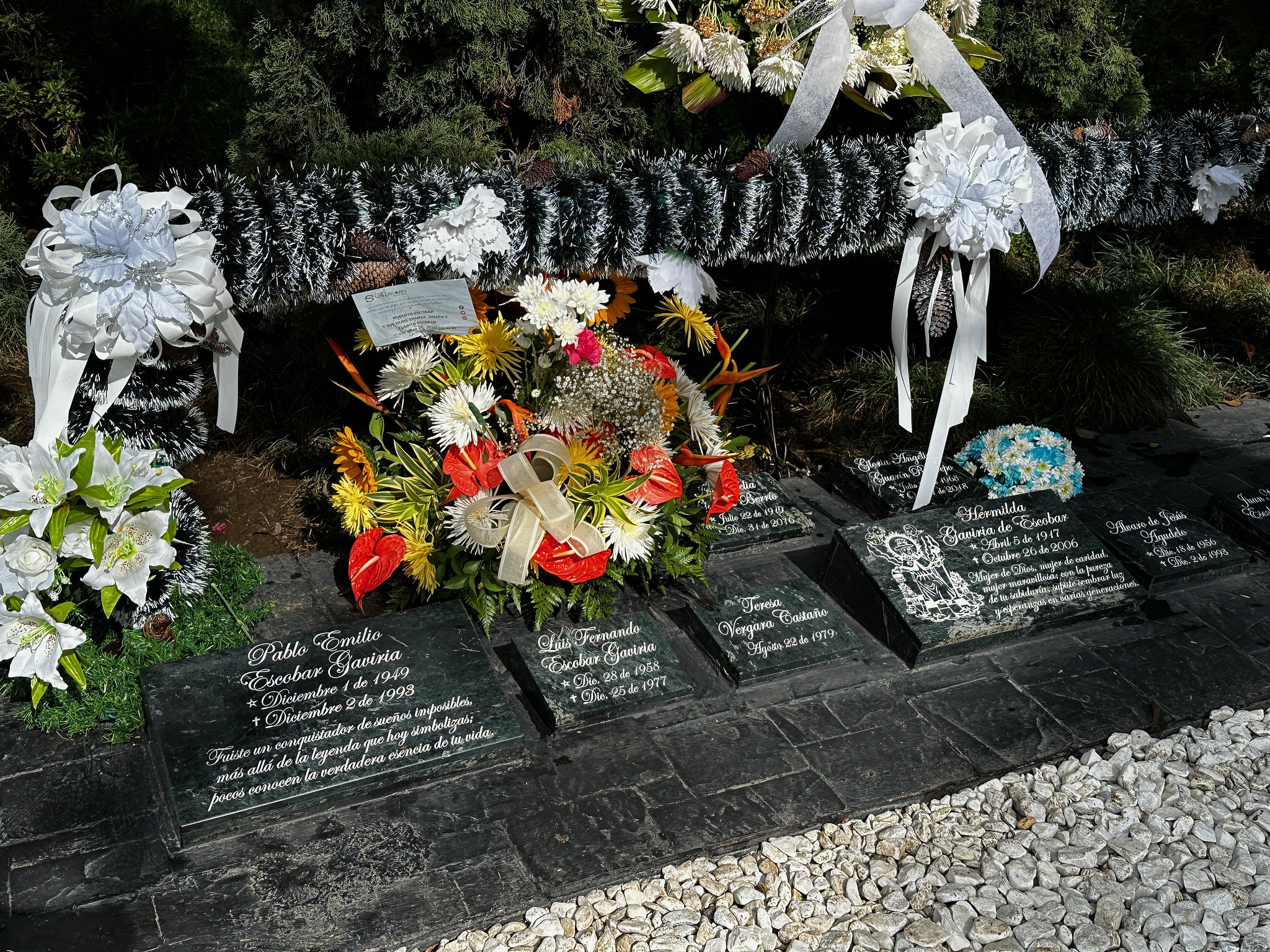
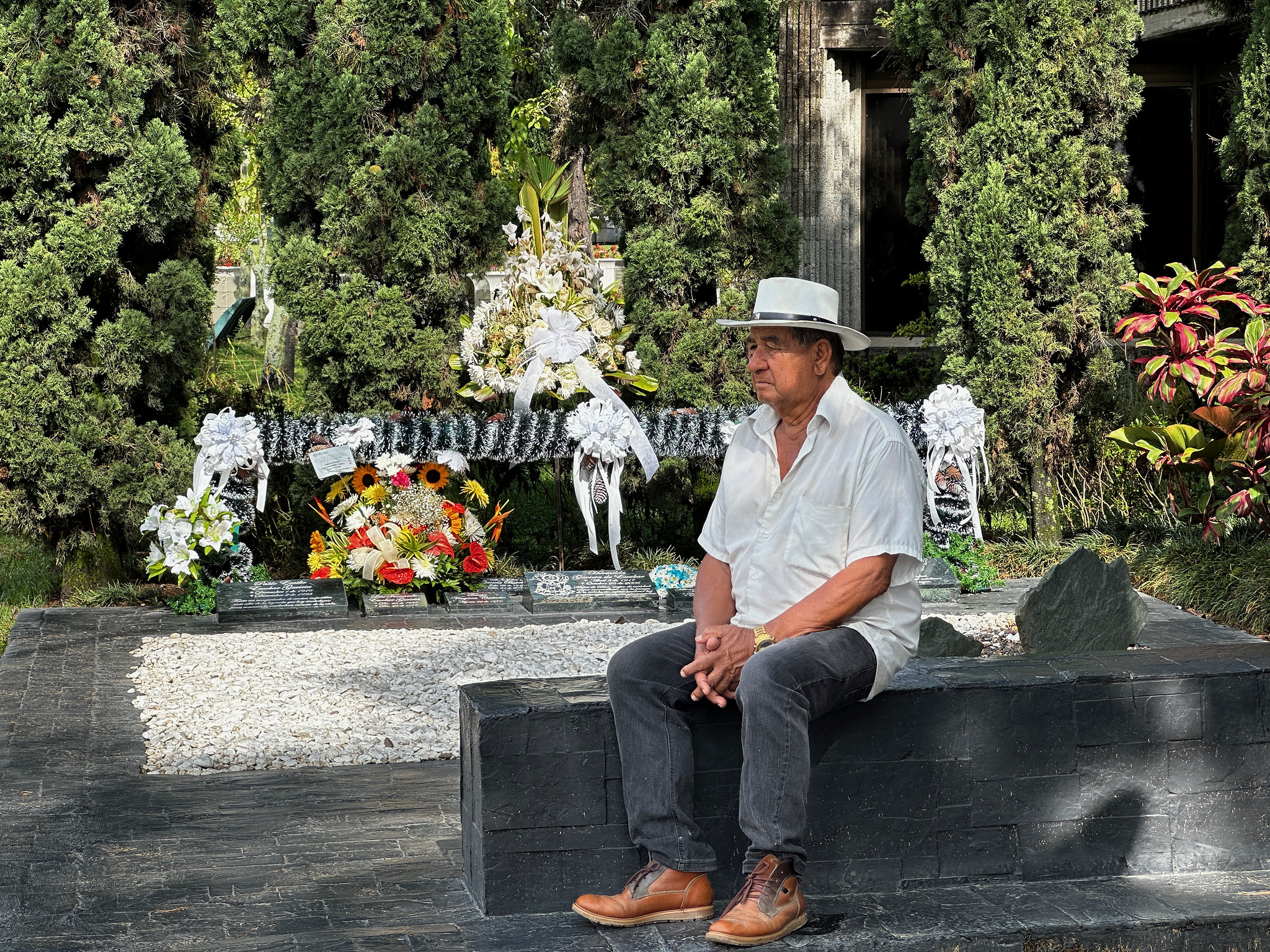
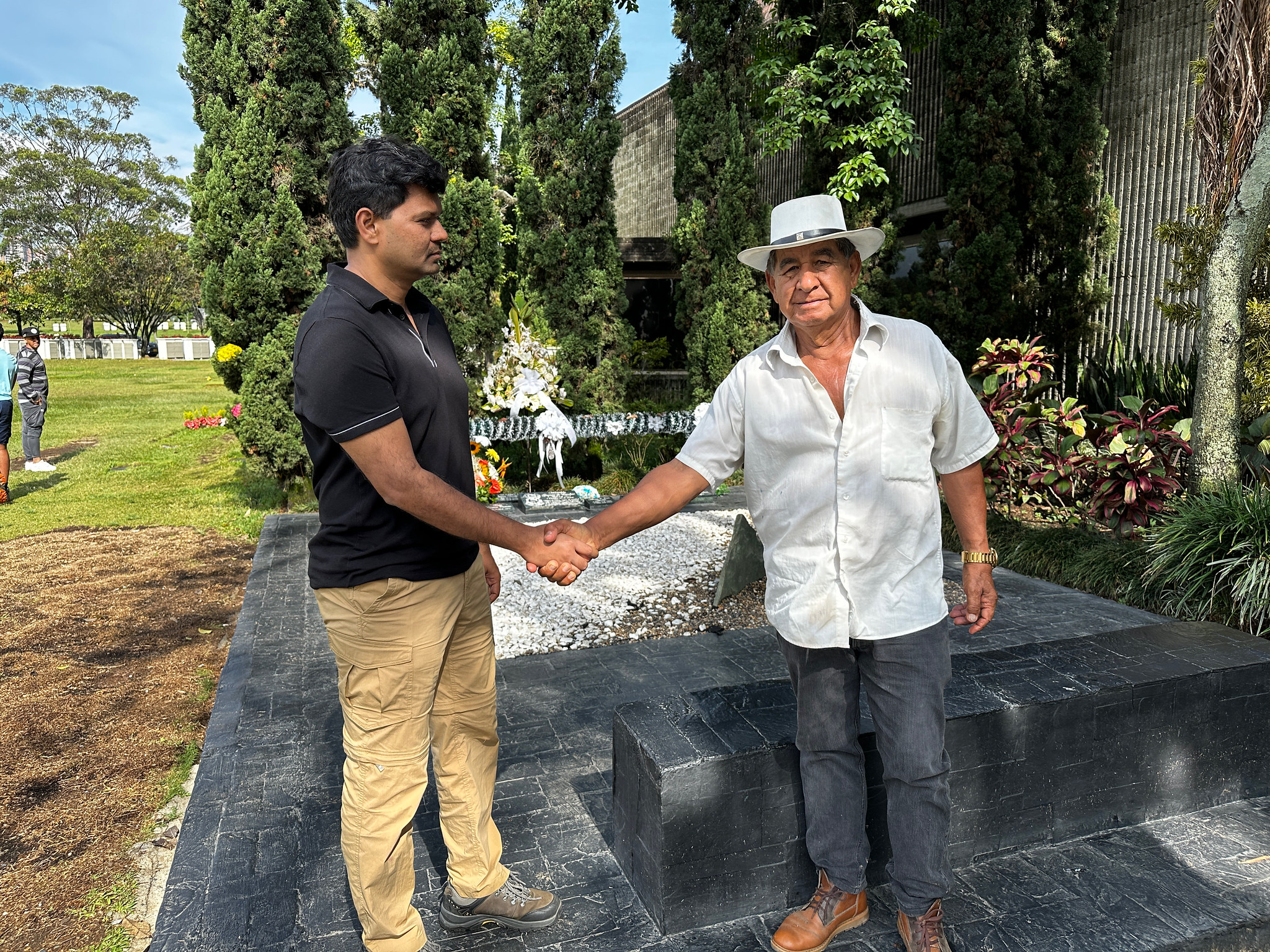
We also visited Montesacro Cemetery, where Escobar is buried alongside members of his family. The site was surprisingly quiet and understated, especially considering the global notoriety surrounding his life. It felt like a place where history, controversy, and reflection all come together in one space.
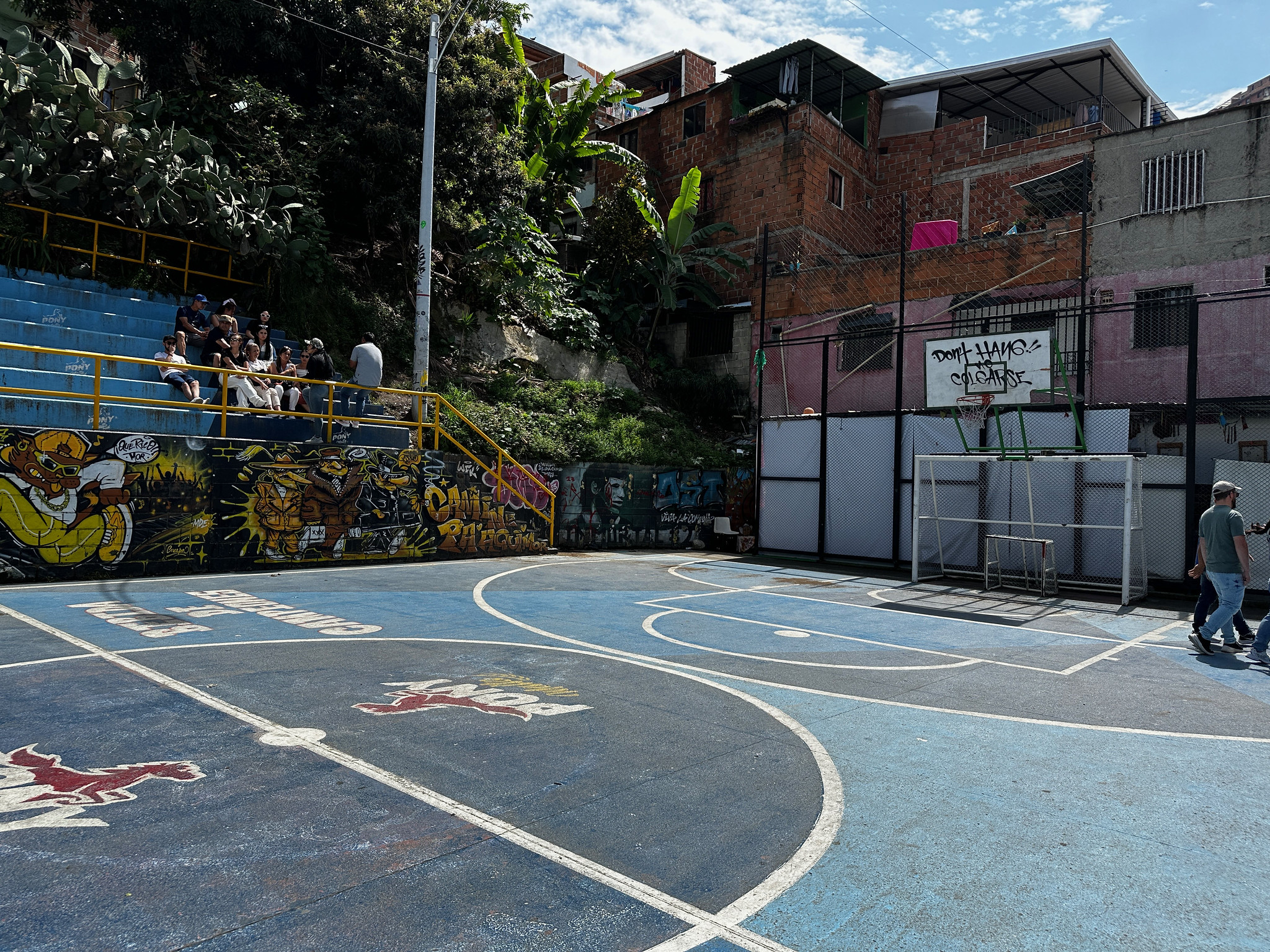
Another stop was Cancha El Dorado, a local soccer field that highlights how deeply Escobar’s influence once reached into everyday community life. Spaces like this show how his presence was woven into both public projects and local culture during that era.
Each of these stops offered a different perspective on Escobar’s legacy in Medellín. Rather than a single narrative, the tour revealed a complex and divided memory, one that continues to be discussed, questioned, and reinterpreted in Colombia today.
Comuna 13
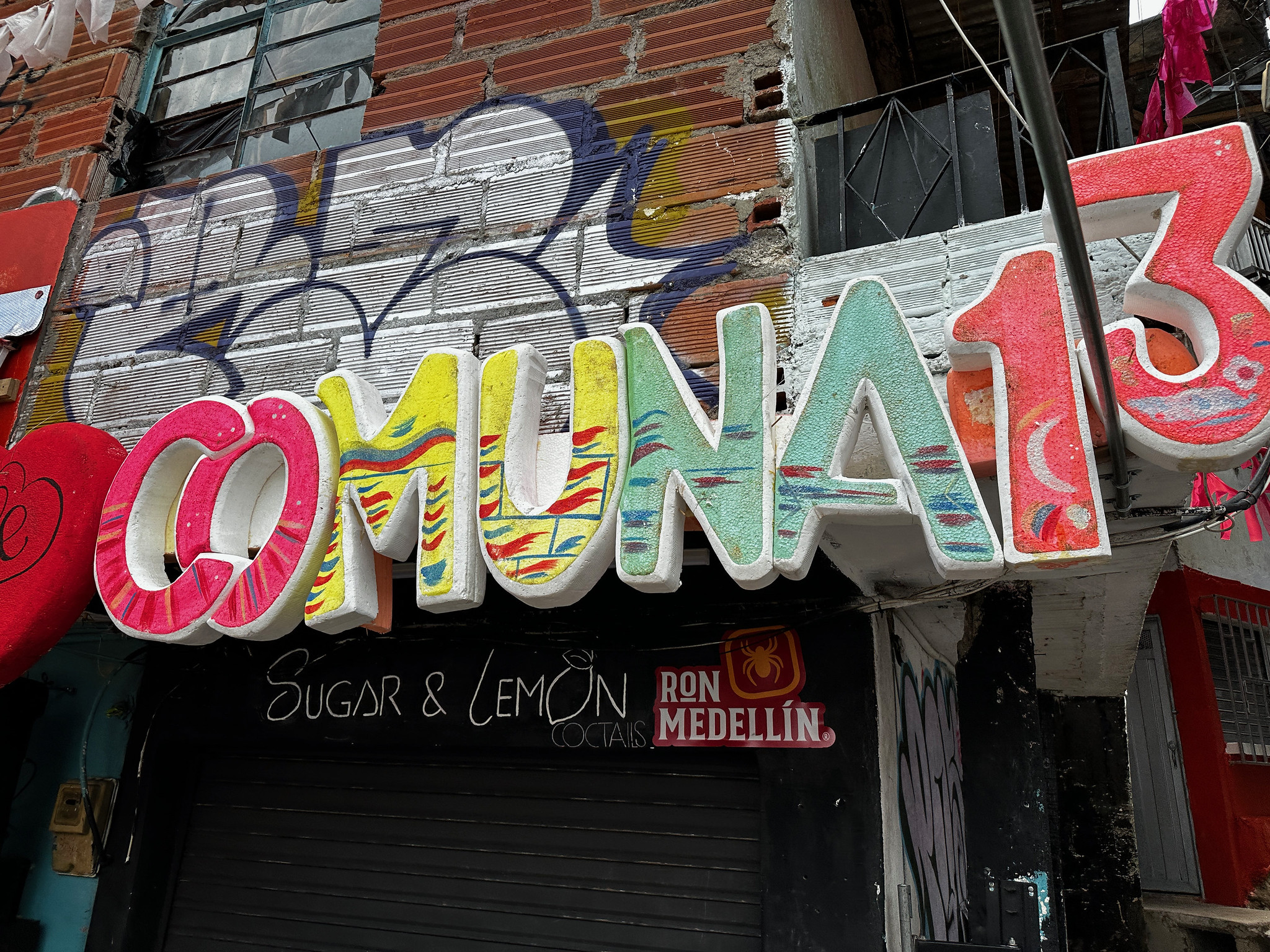
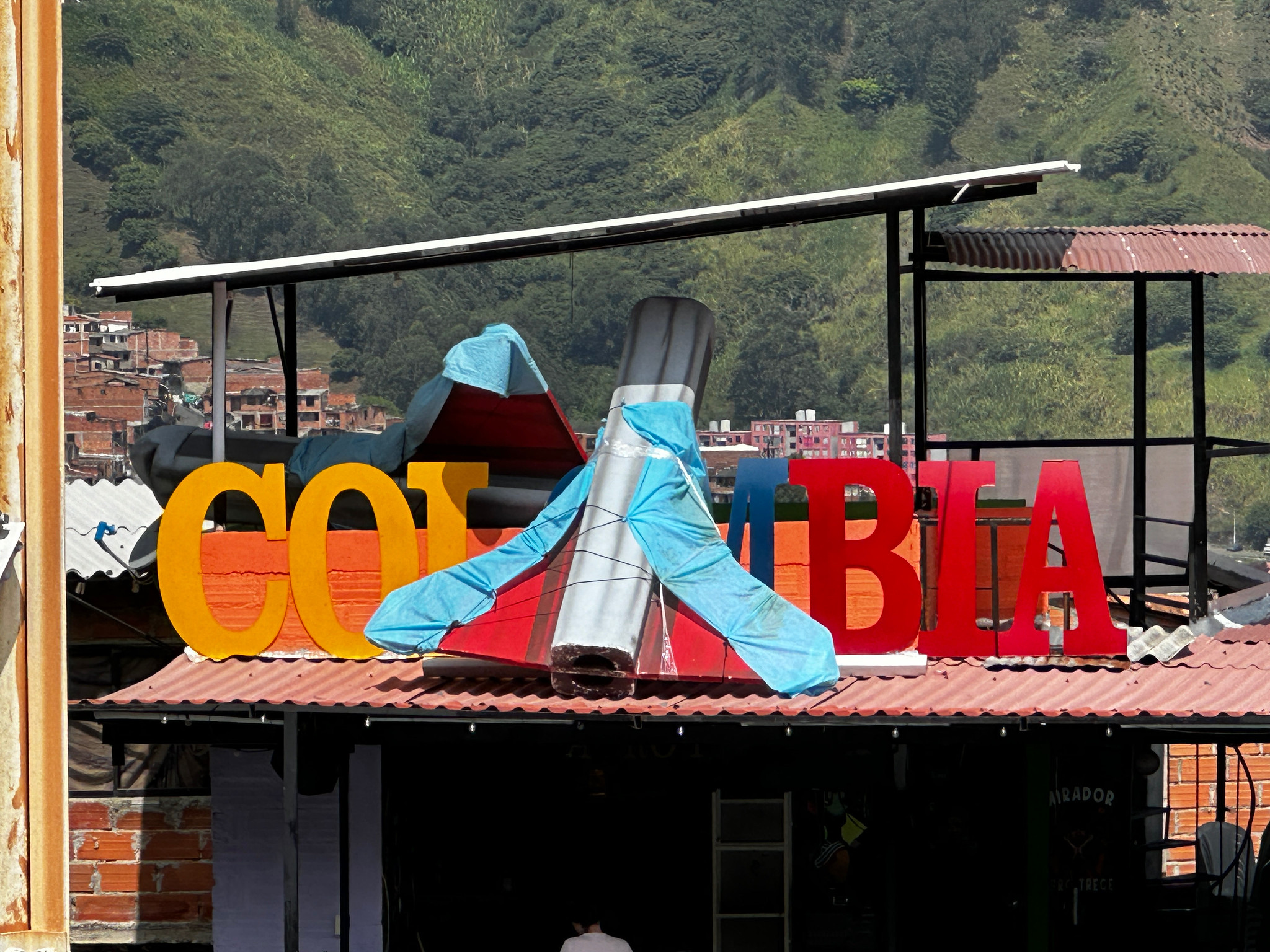
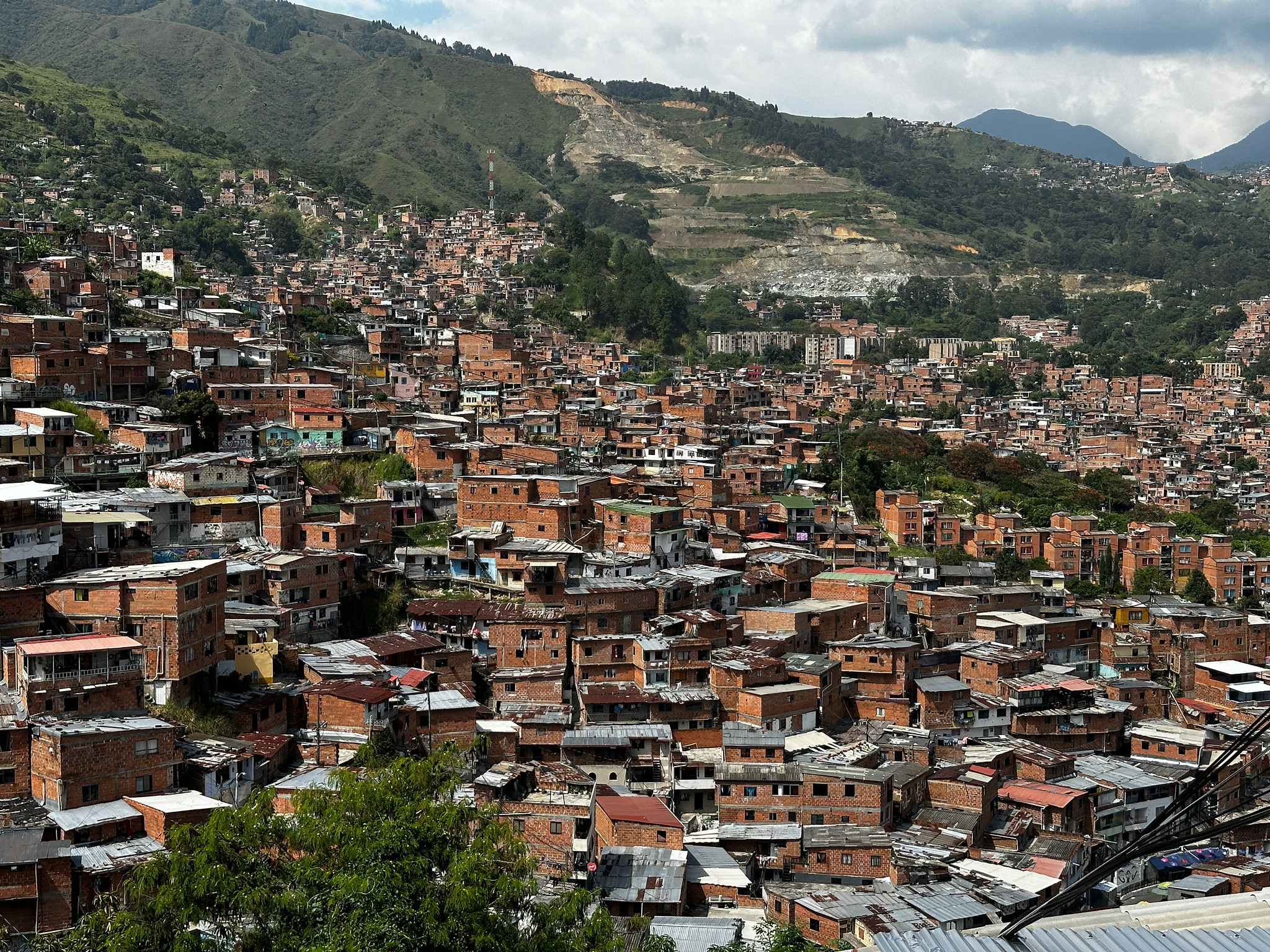
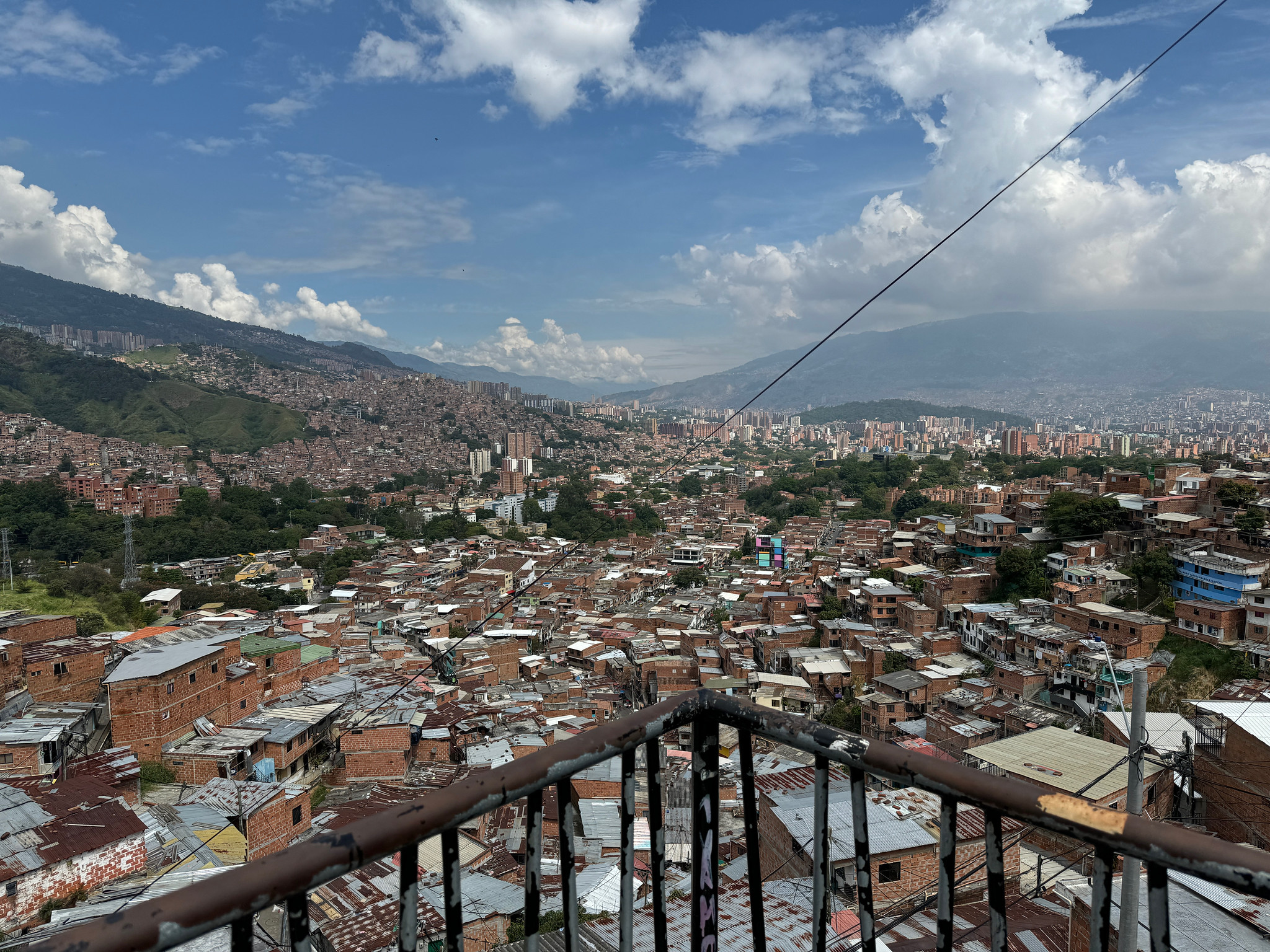
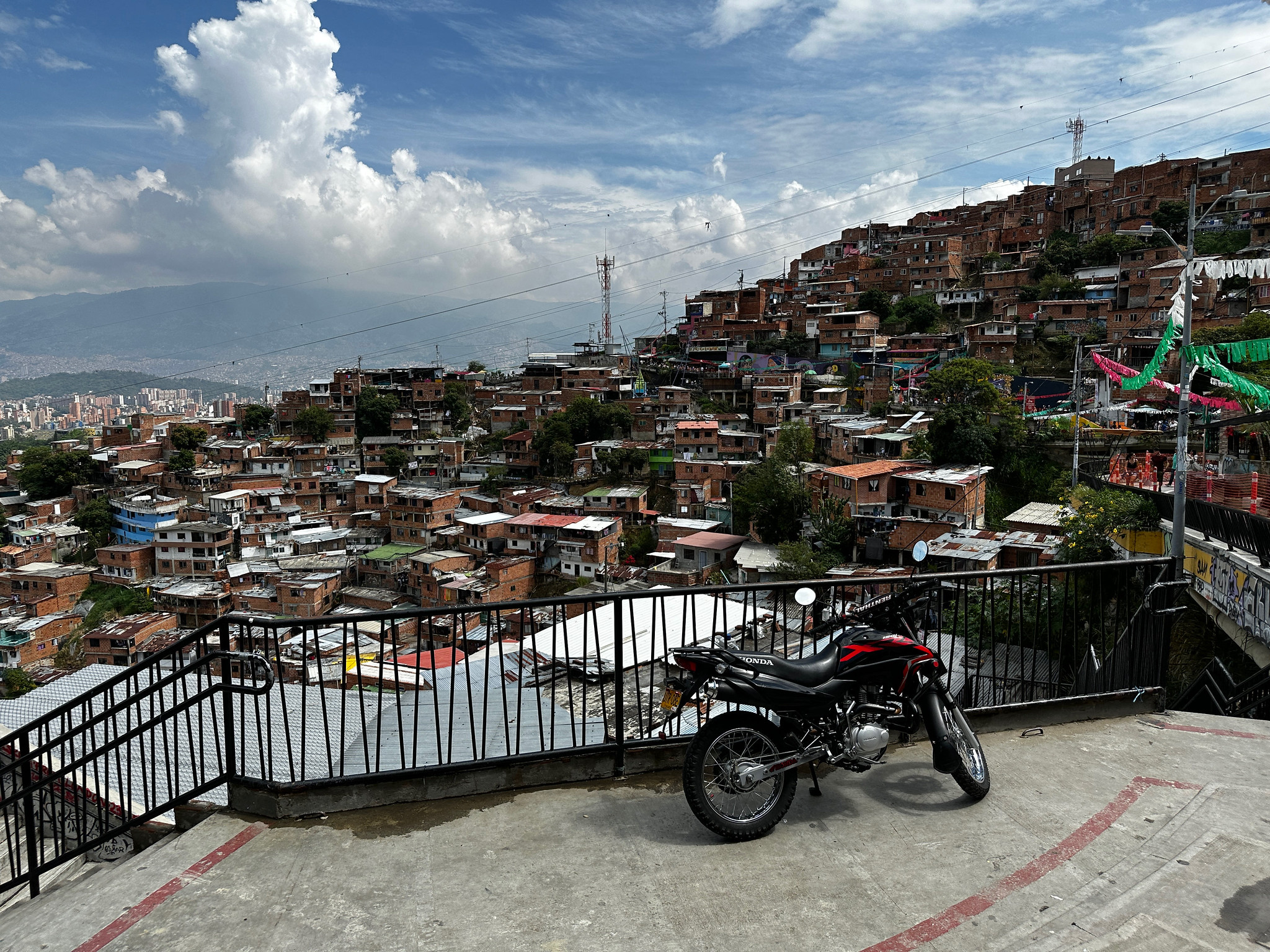
Visiting Comuna 13 was undoubtedly one of the highlights of our entire trip. Once known as one of the most dangerous neighborhoods in Medellín, it was the scene of intense conflict between guerrilla groups, paramilitaries, and government forces during the 1980s, 1990s, and early 2000s. Today, however, it has become a powerful symbol of resilience, creativity, and hope.
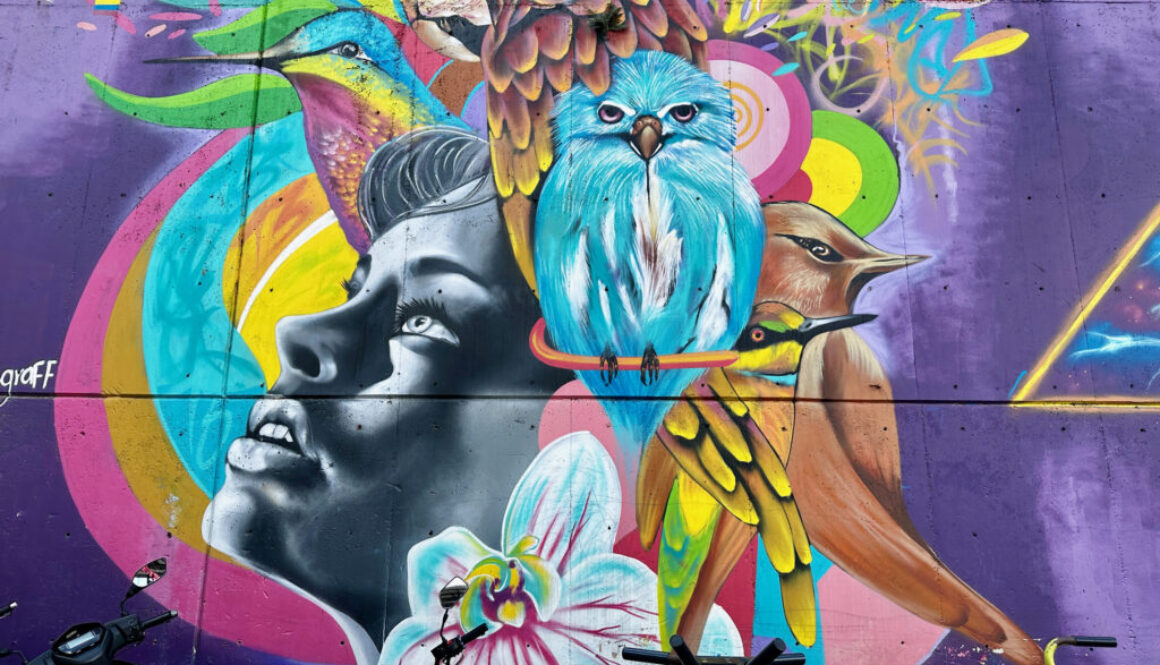
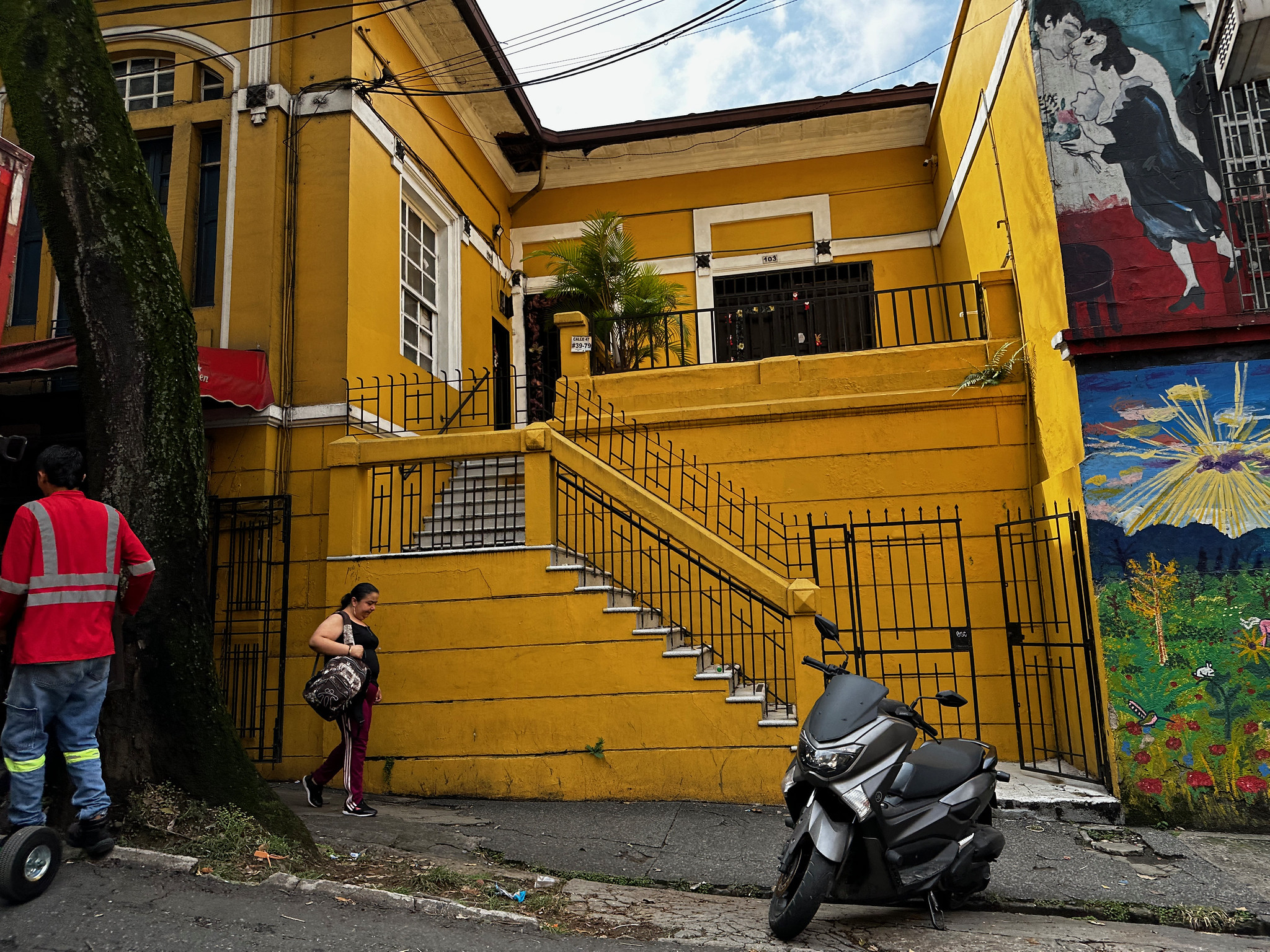
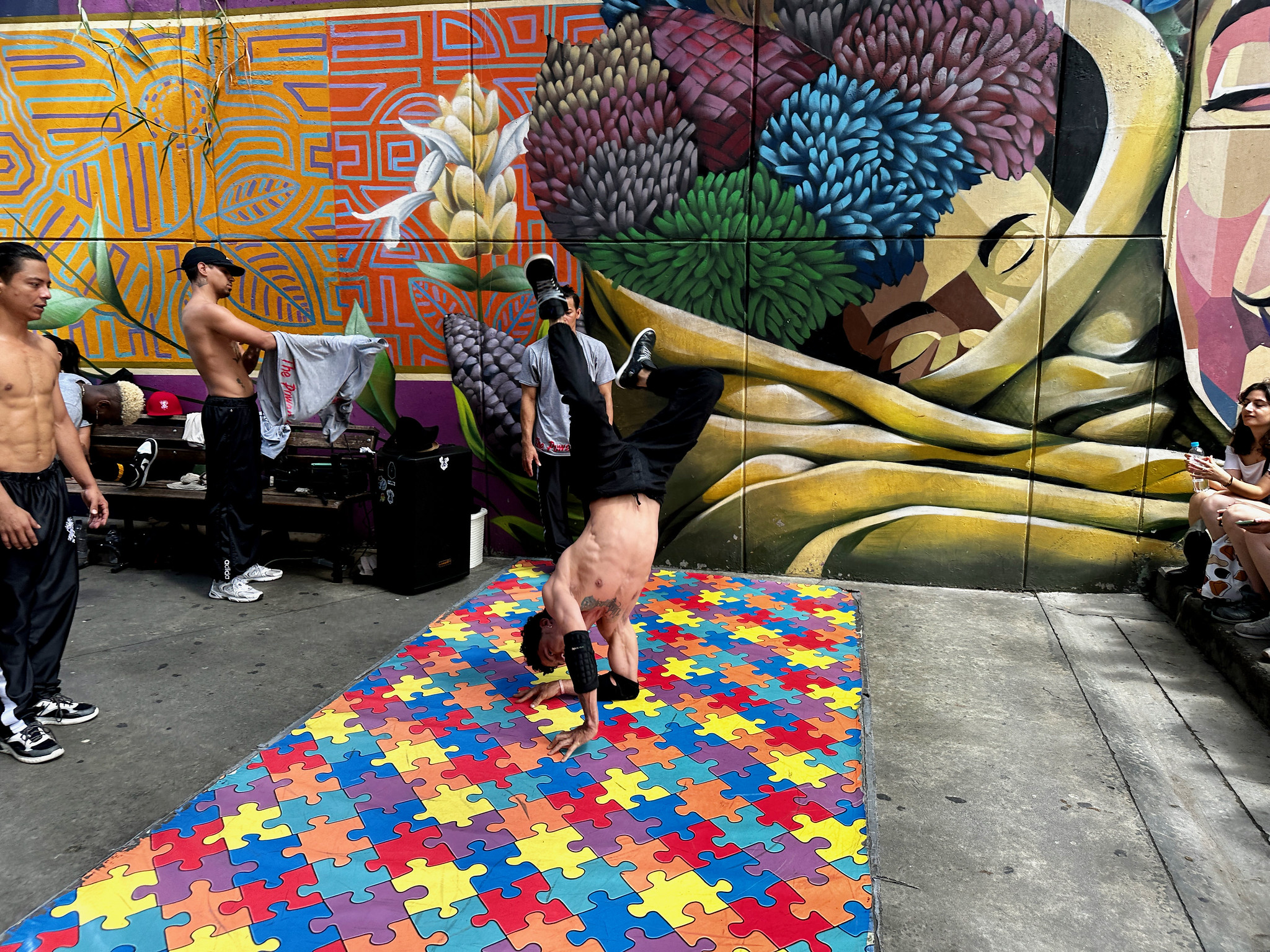
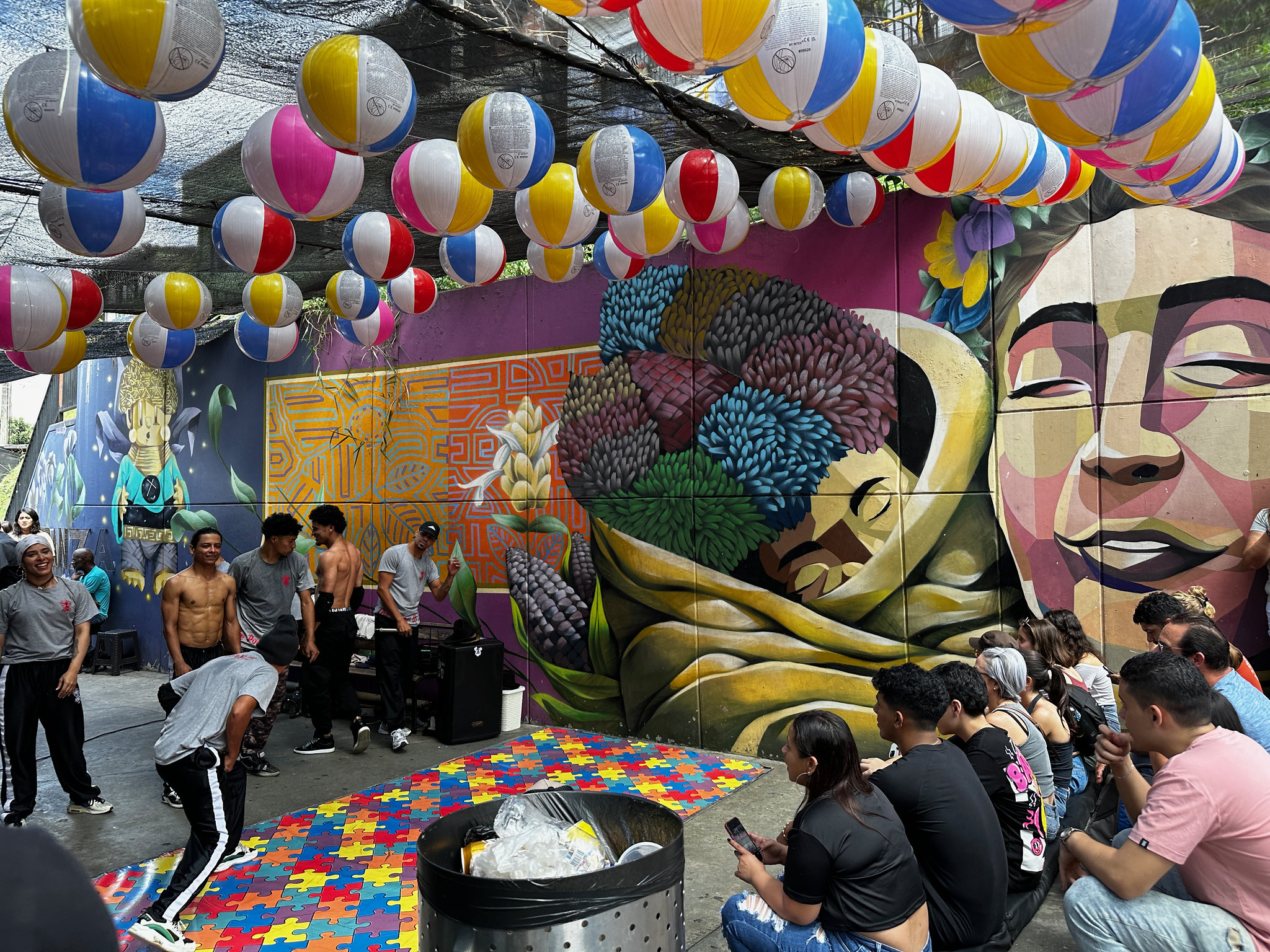
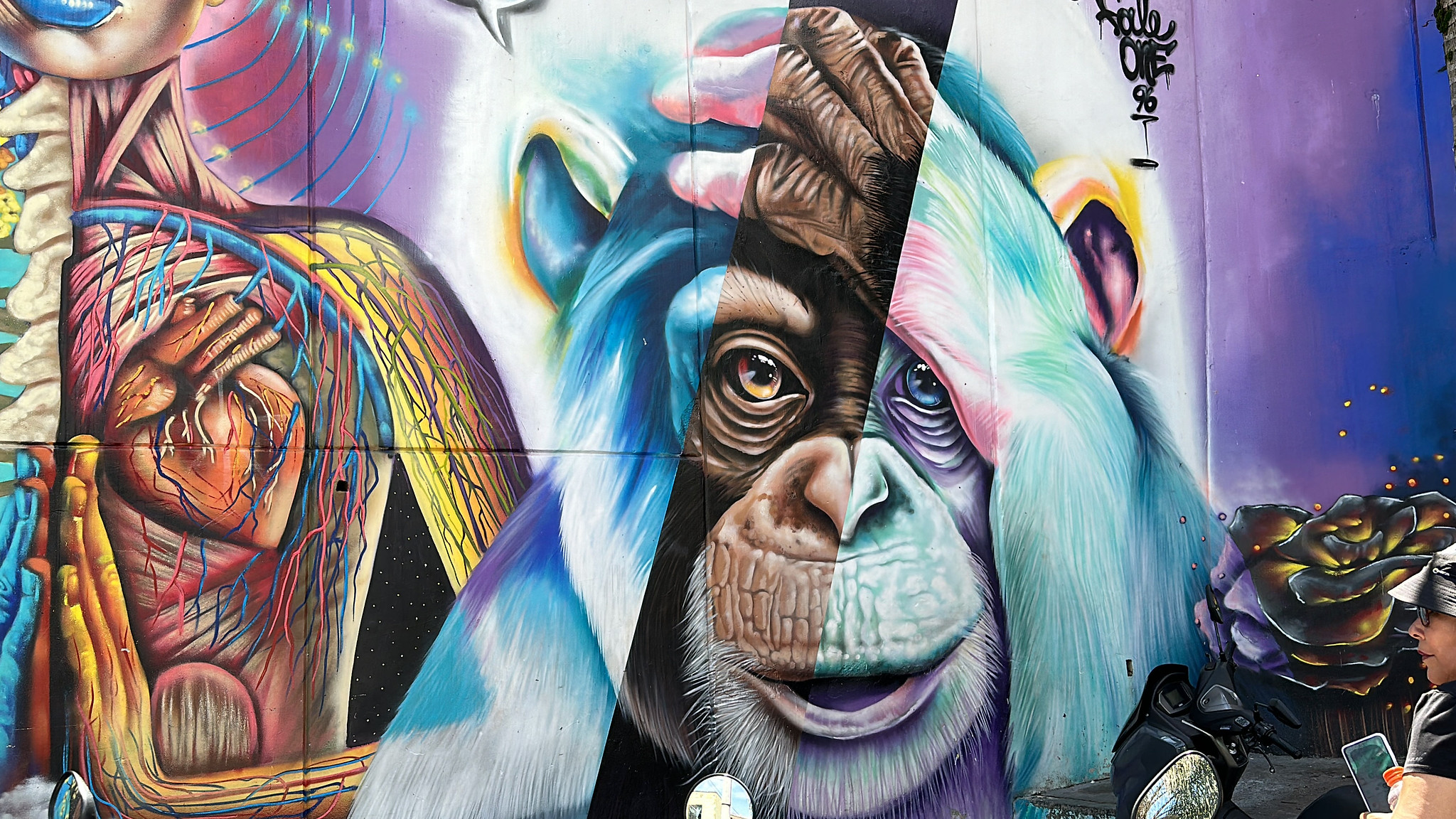
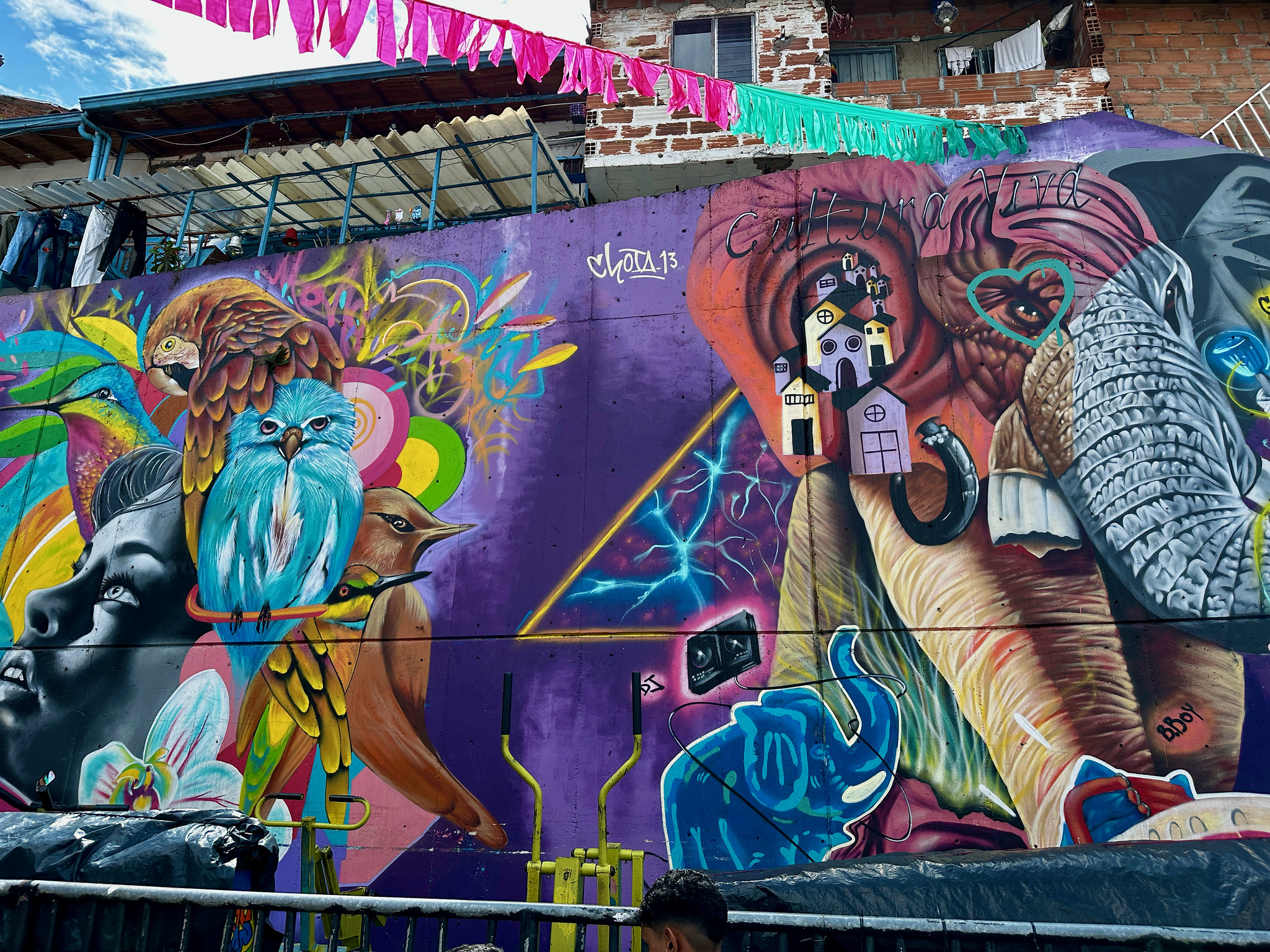
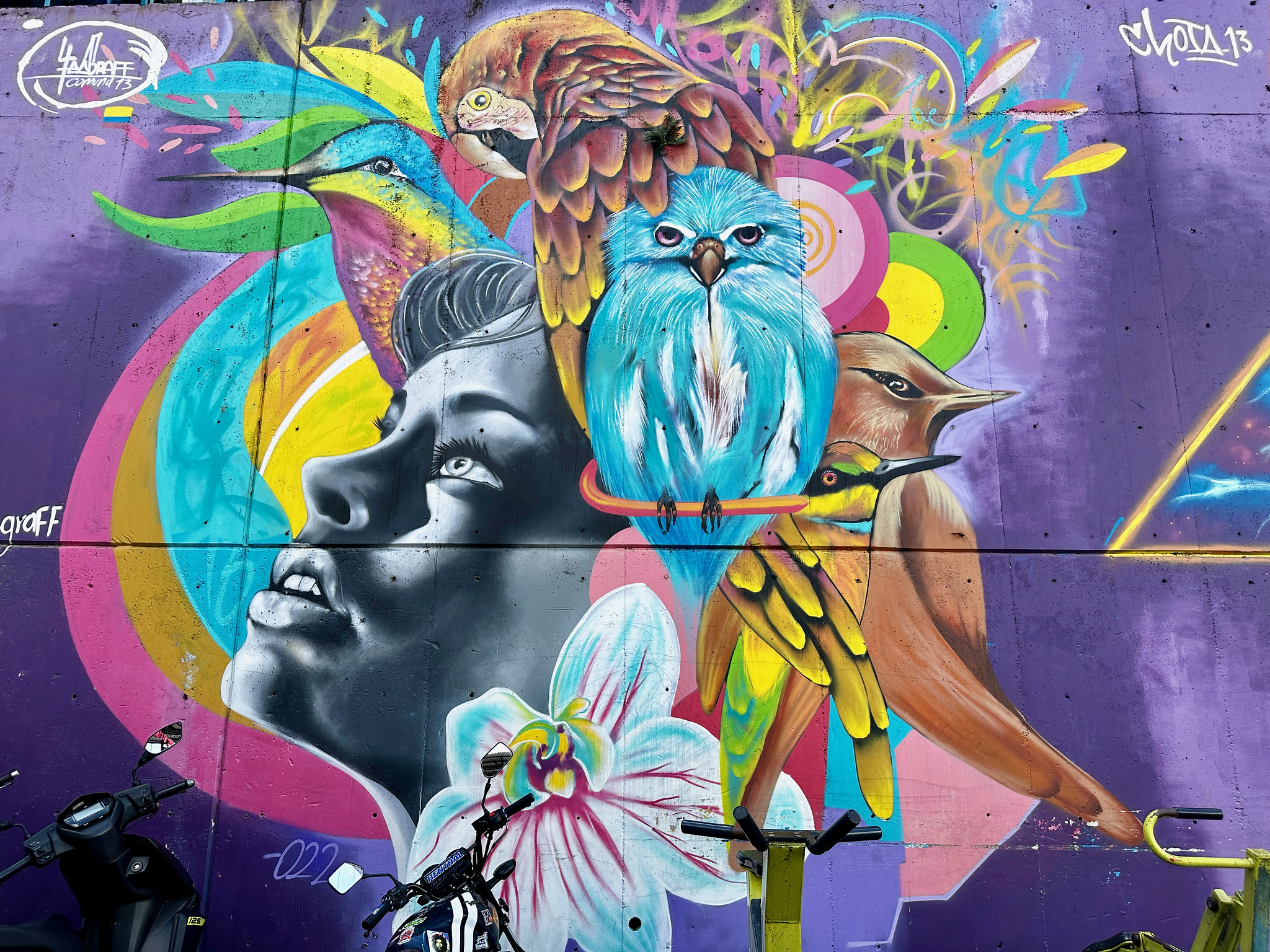
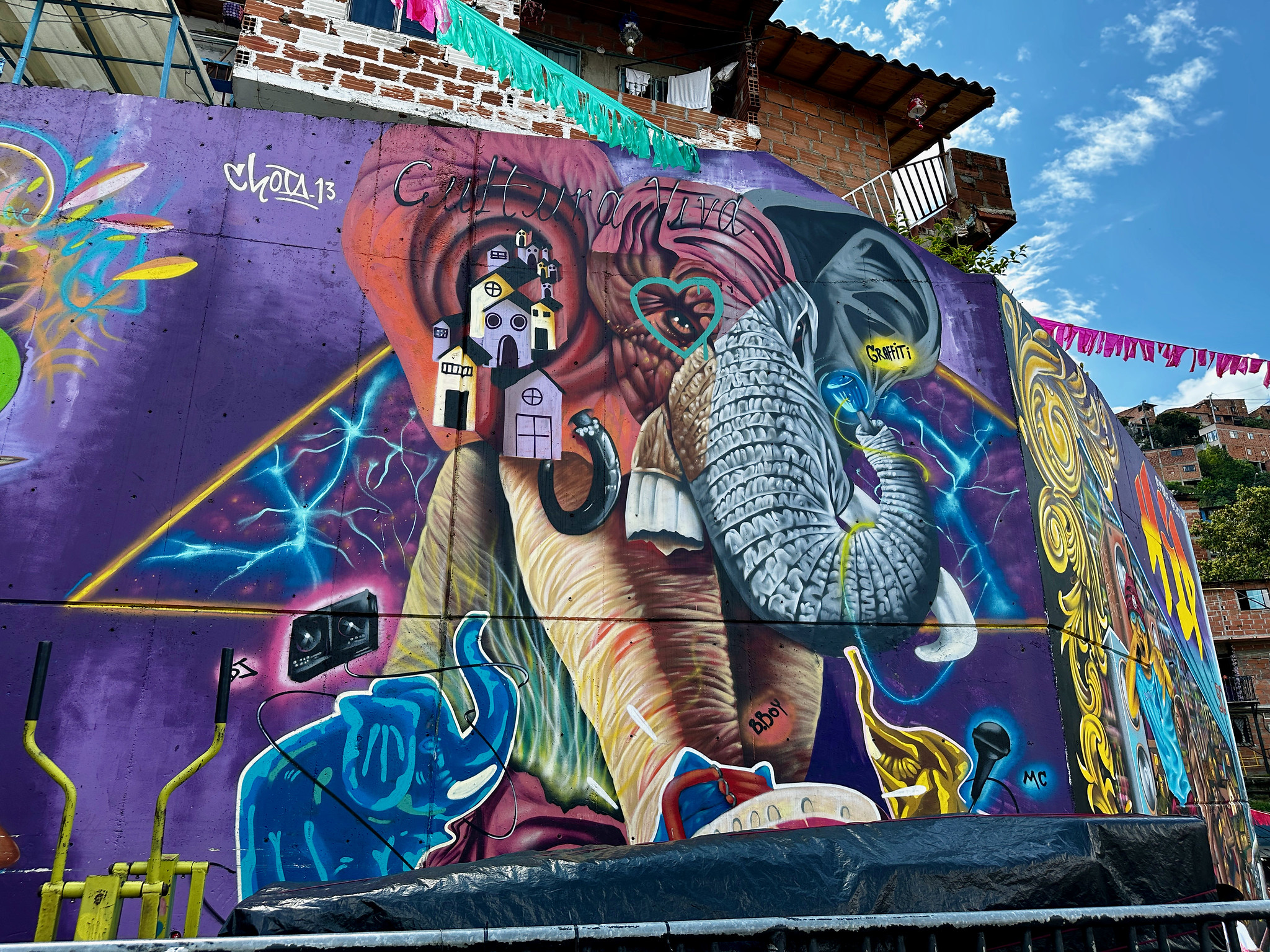
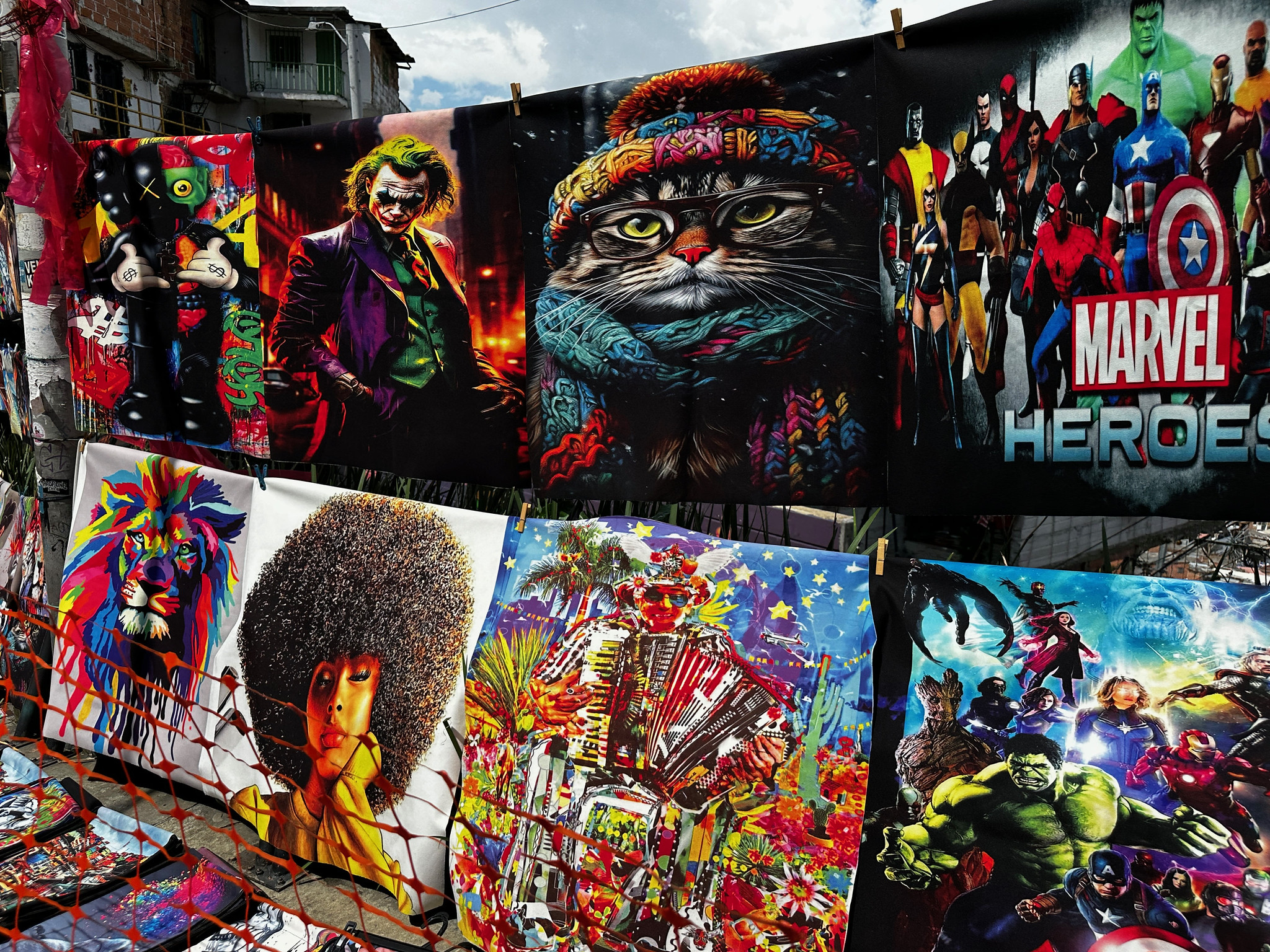
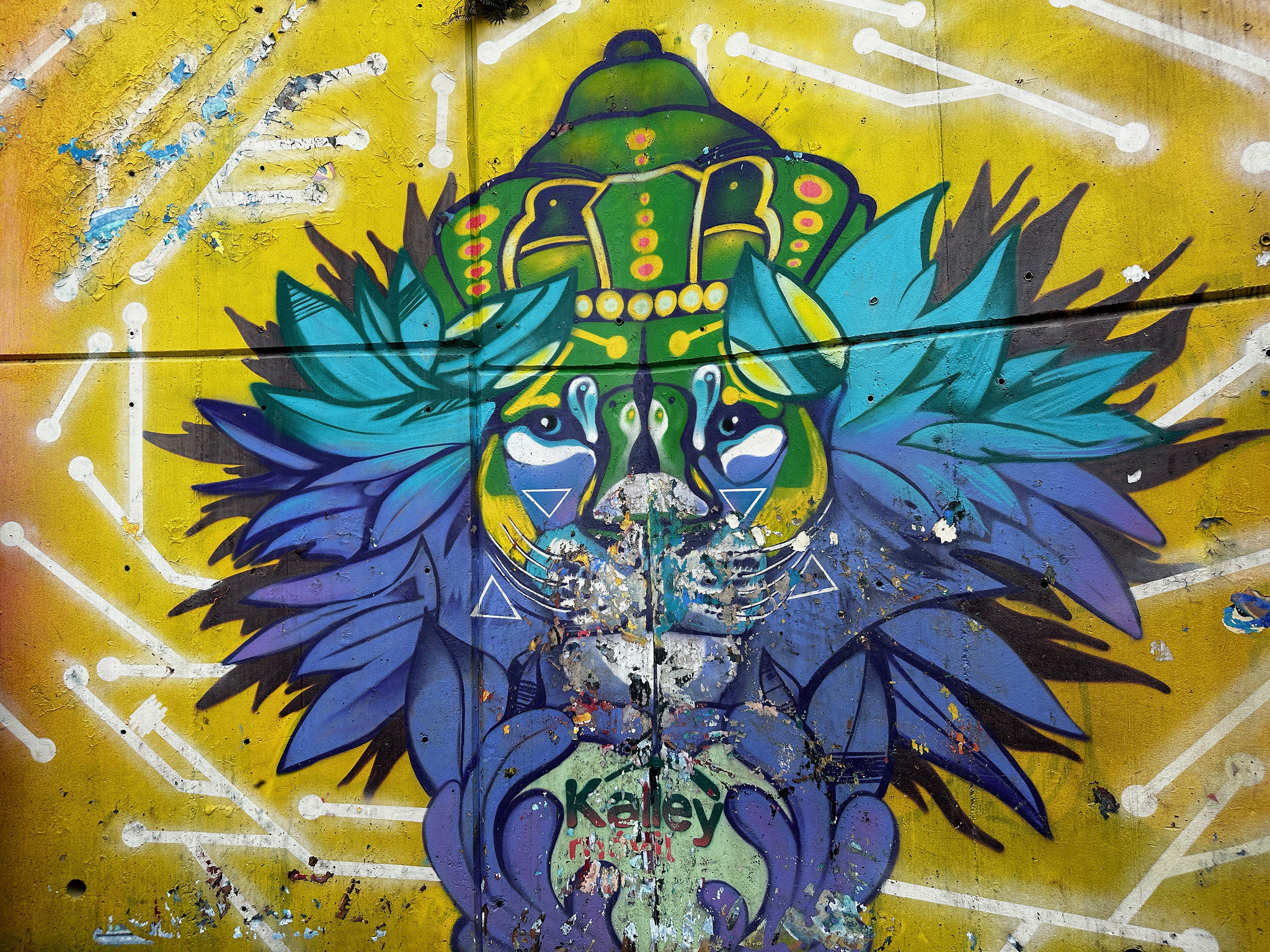
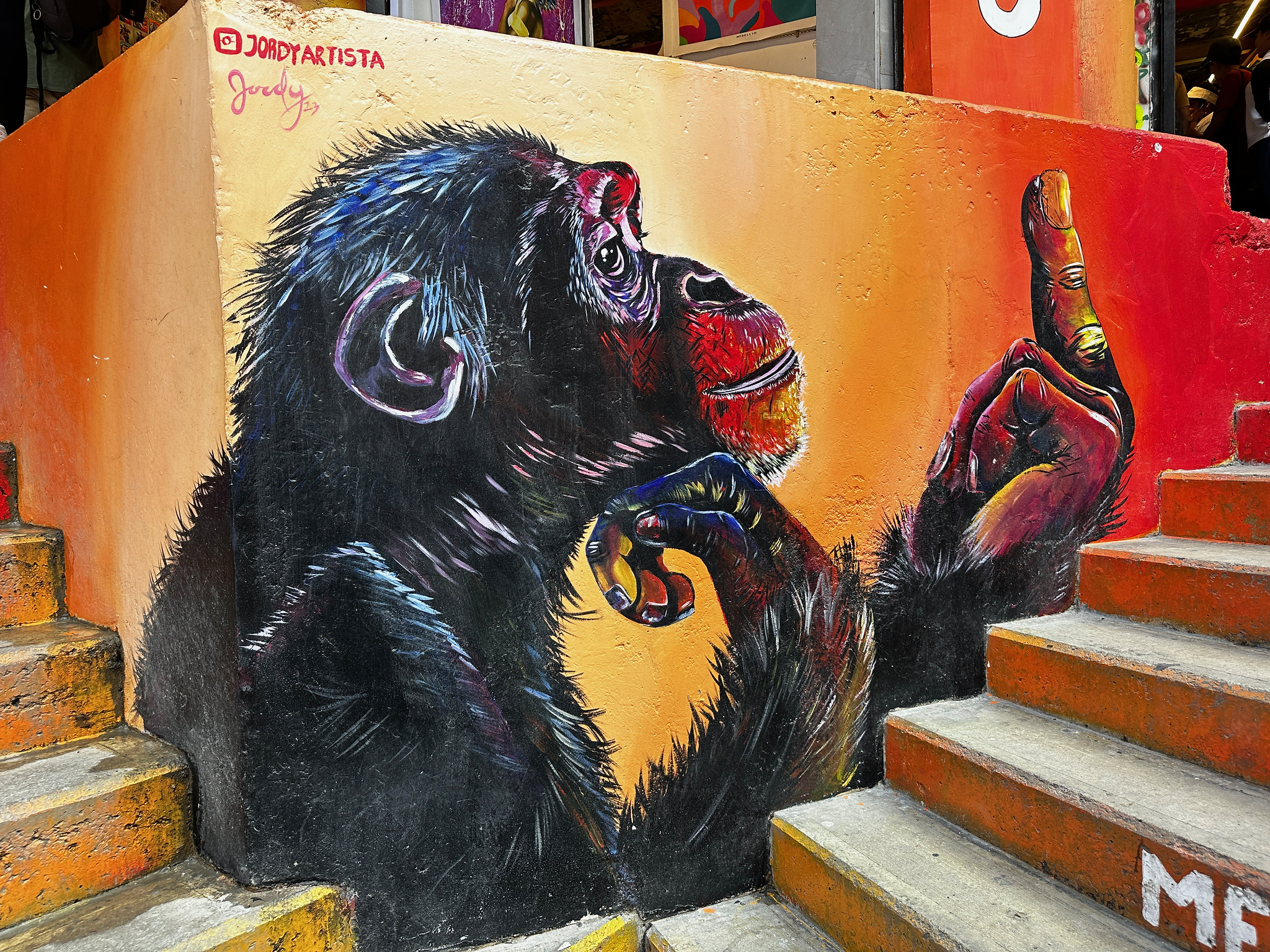
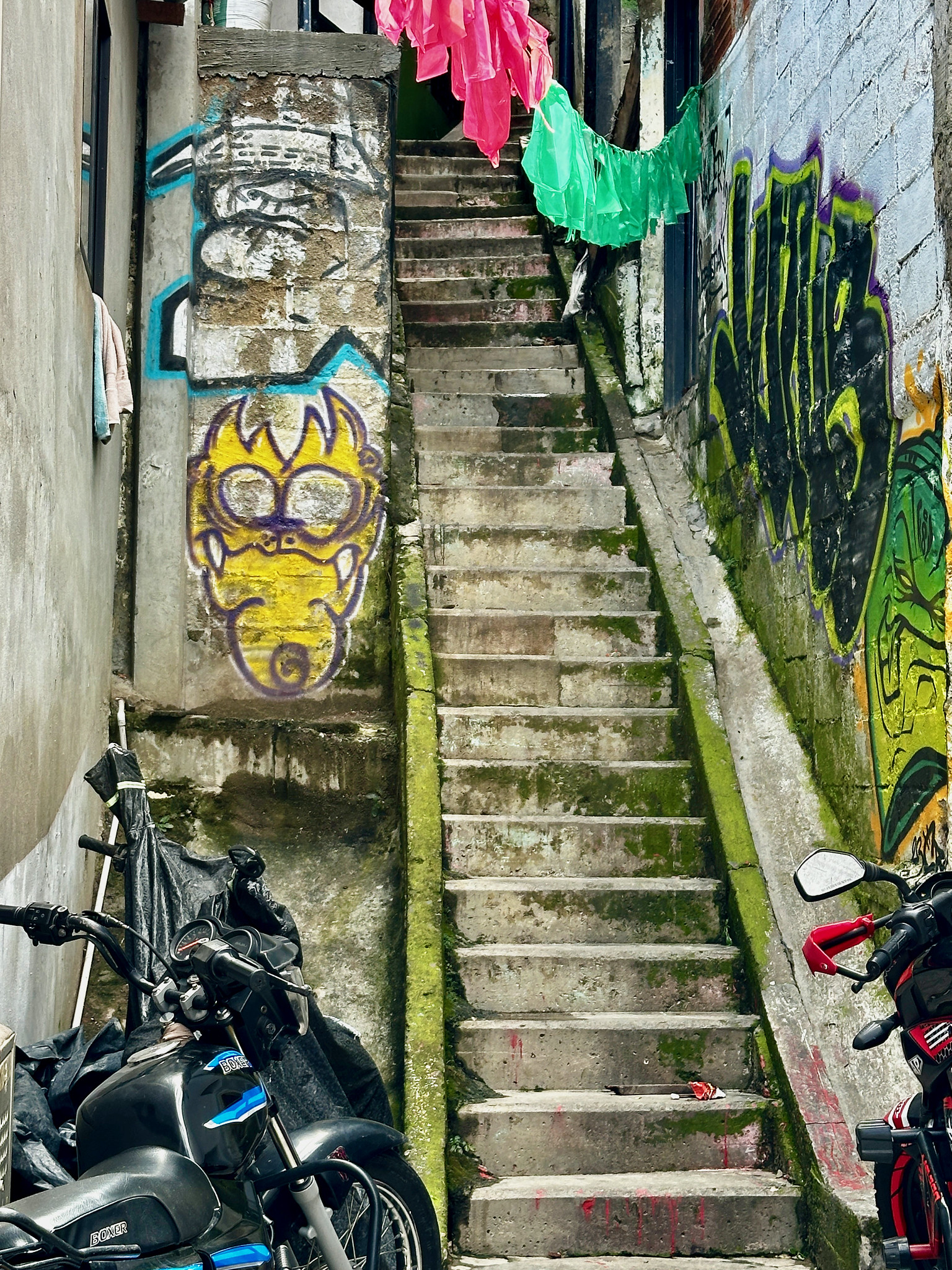
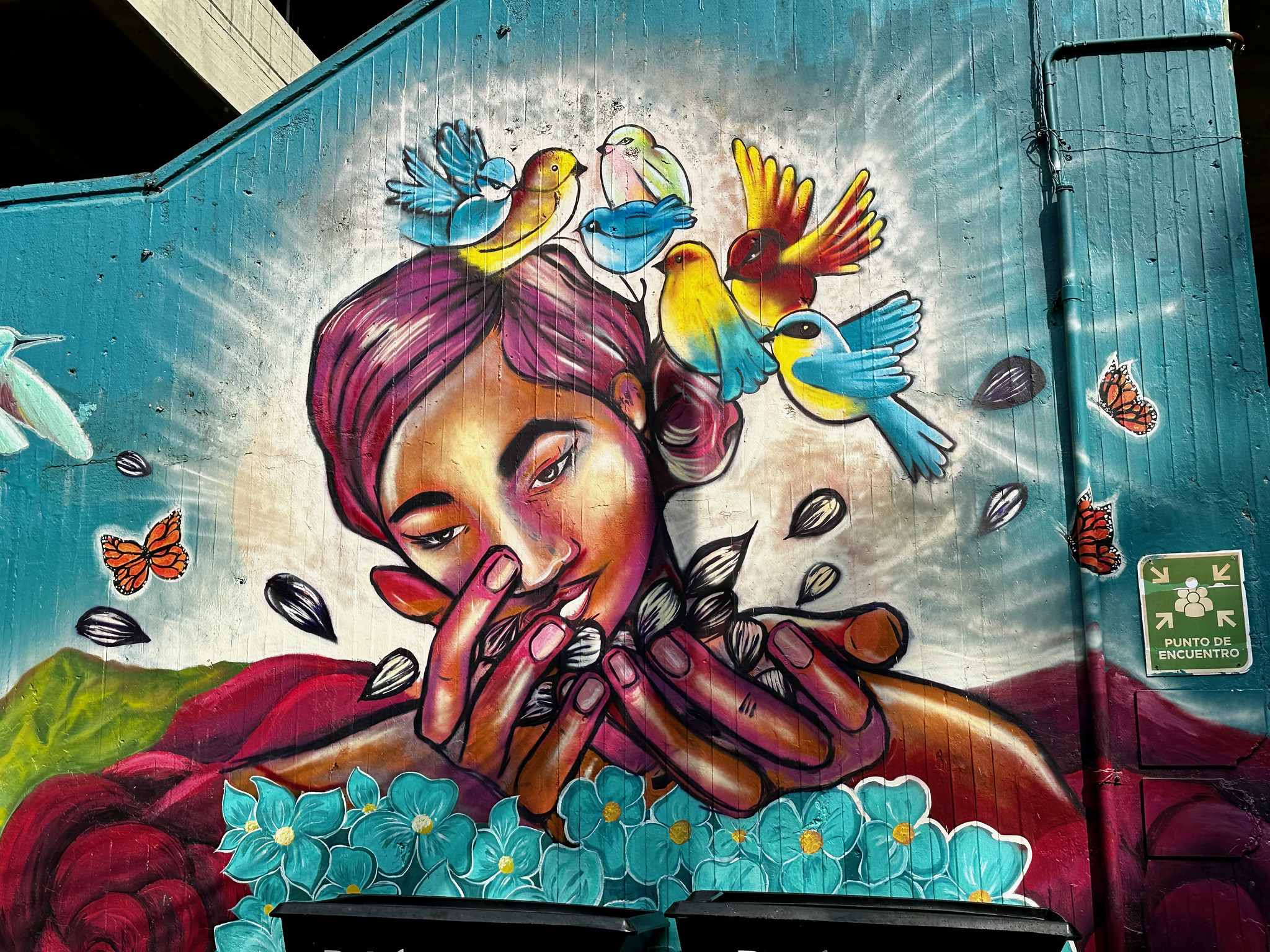
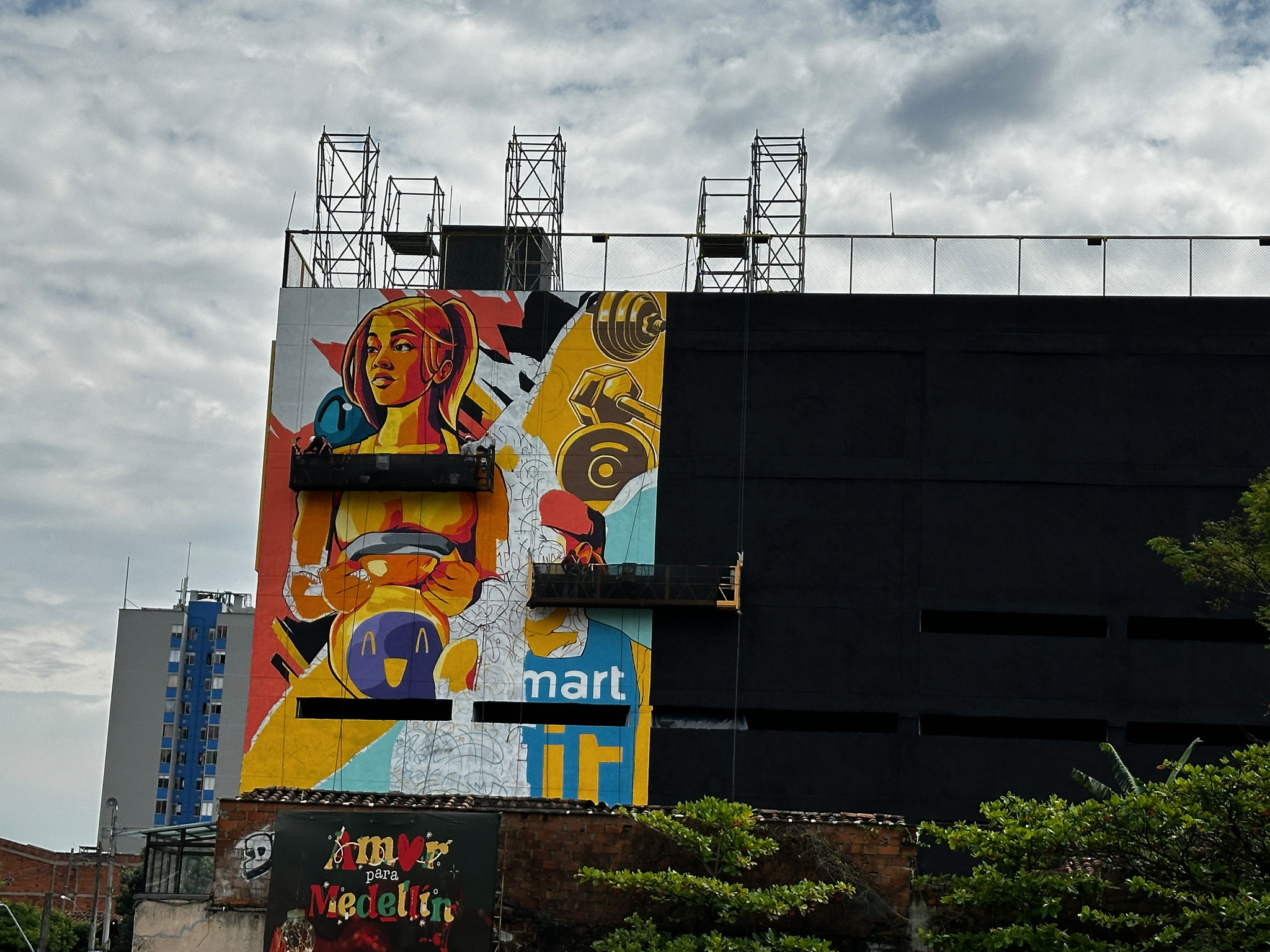
As we wandered through its vibrant streets, we were surrounded by breathtaking murals that tell the stories of the community’s past, its struggles, and its determination to build a brighter future. Every piece of street art had meaning, created by local artists who use their work to preserve history and inspire future generations.
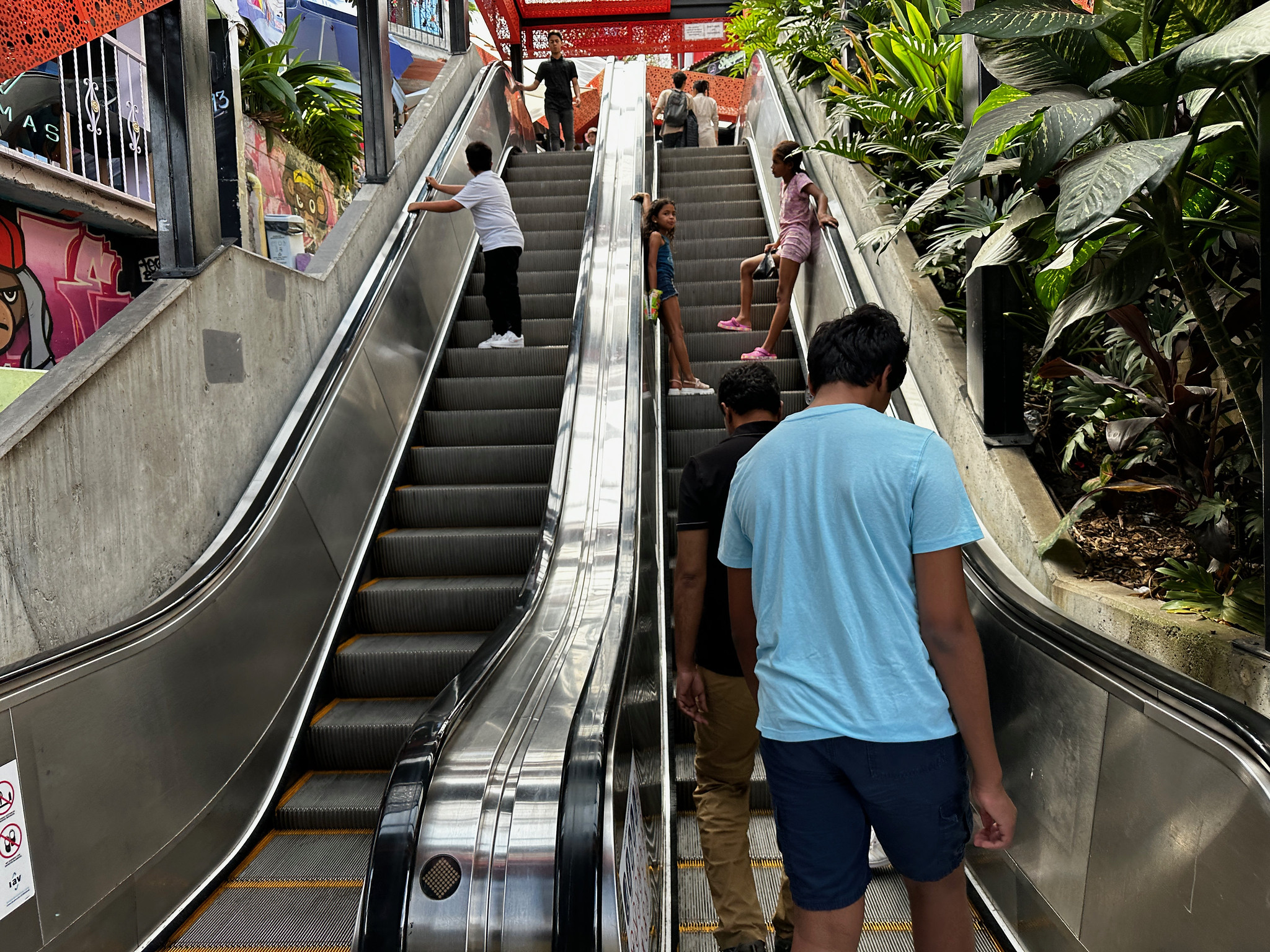
One of Comuna 13’s most iconic features is its outdoor escalator system, built in 2011 to help residents navigate the steep hillside. More than just a convenient way to travel, the escalators have become a symbol of Medellín’s remarkable transformation and its investment in improving the lives of its communities.
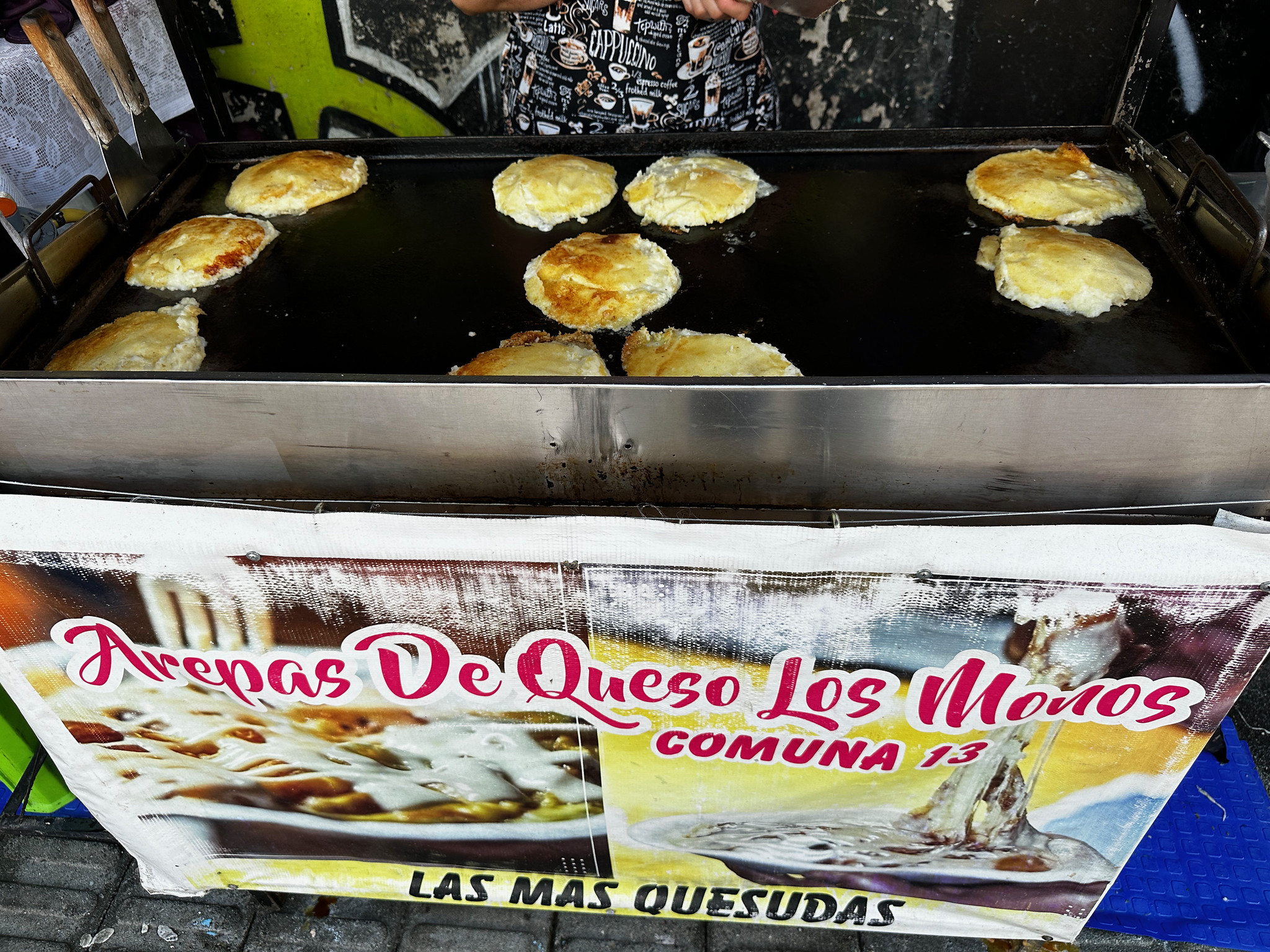
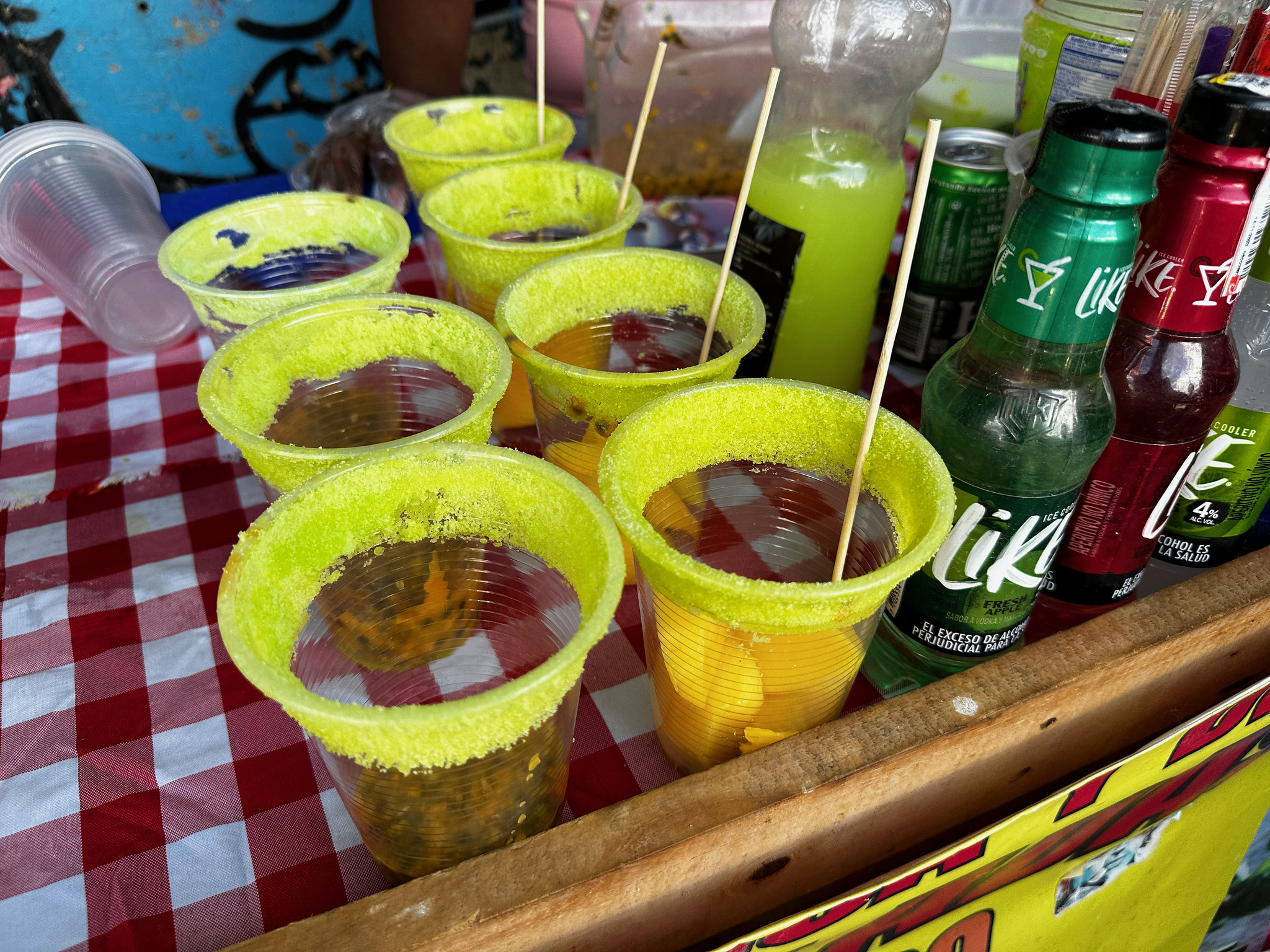
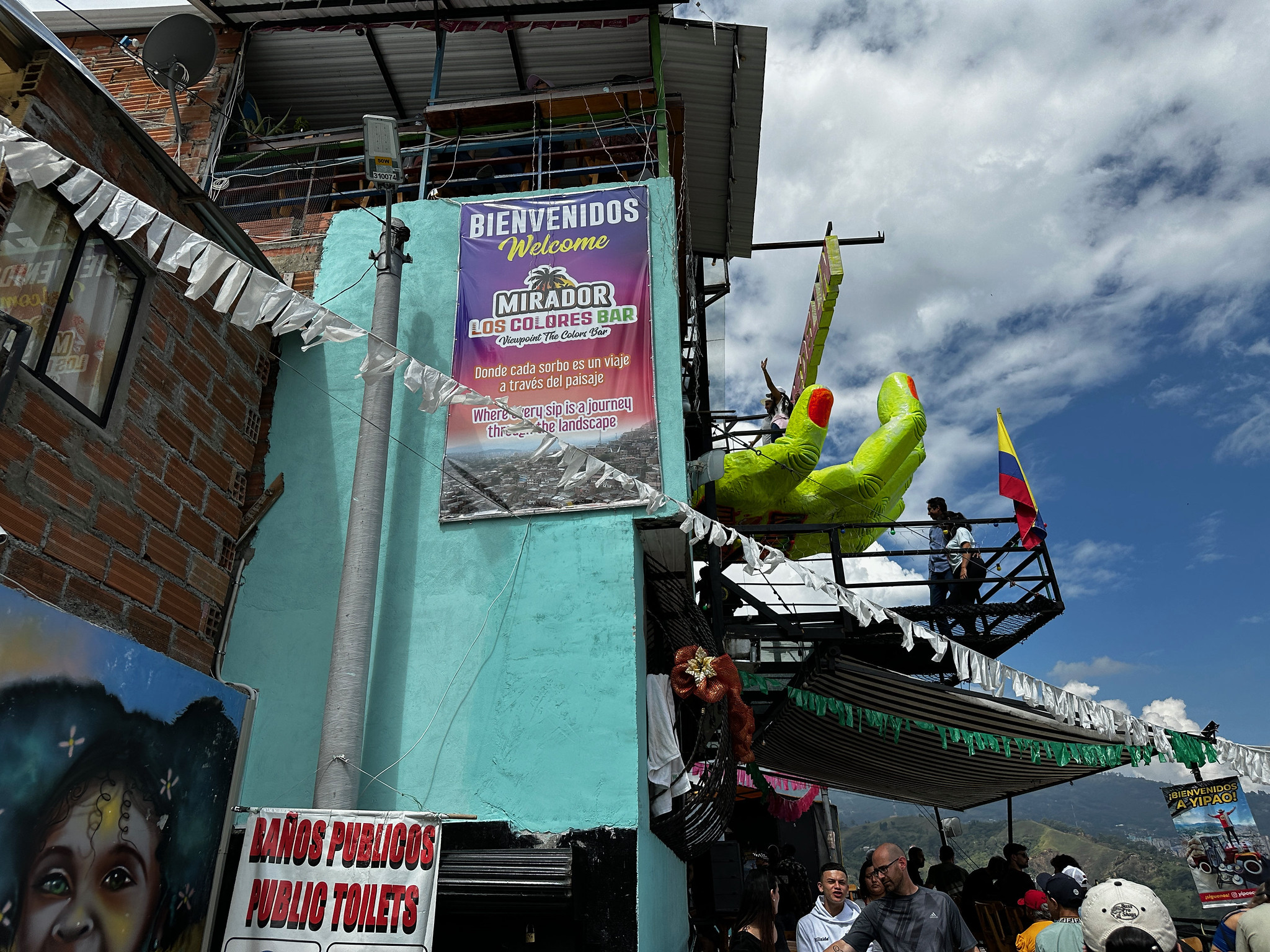
The atmosphere was unlike anywhere else we visited. Music filled the streets as local dancers performed energetic hip-hop routines, artists showcased their talents, and vendors sold handmade crafts and delicious Colombian street food. We couldn’t resist trying the crispy patacones—fried green plantains that made the perfect snack while exploring.
Comuna 13 is far more than a tourist attraction. It is a living example of how a community can transform itself through art, culture, and determination. Walking its streets was both inspiring and humbling, making it one of the most memorable experiences of our time in Medellín.


Botero Plaza & Palacio Nacional
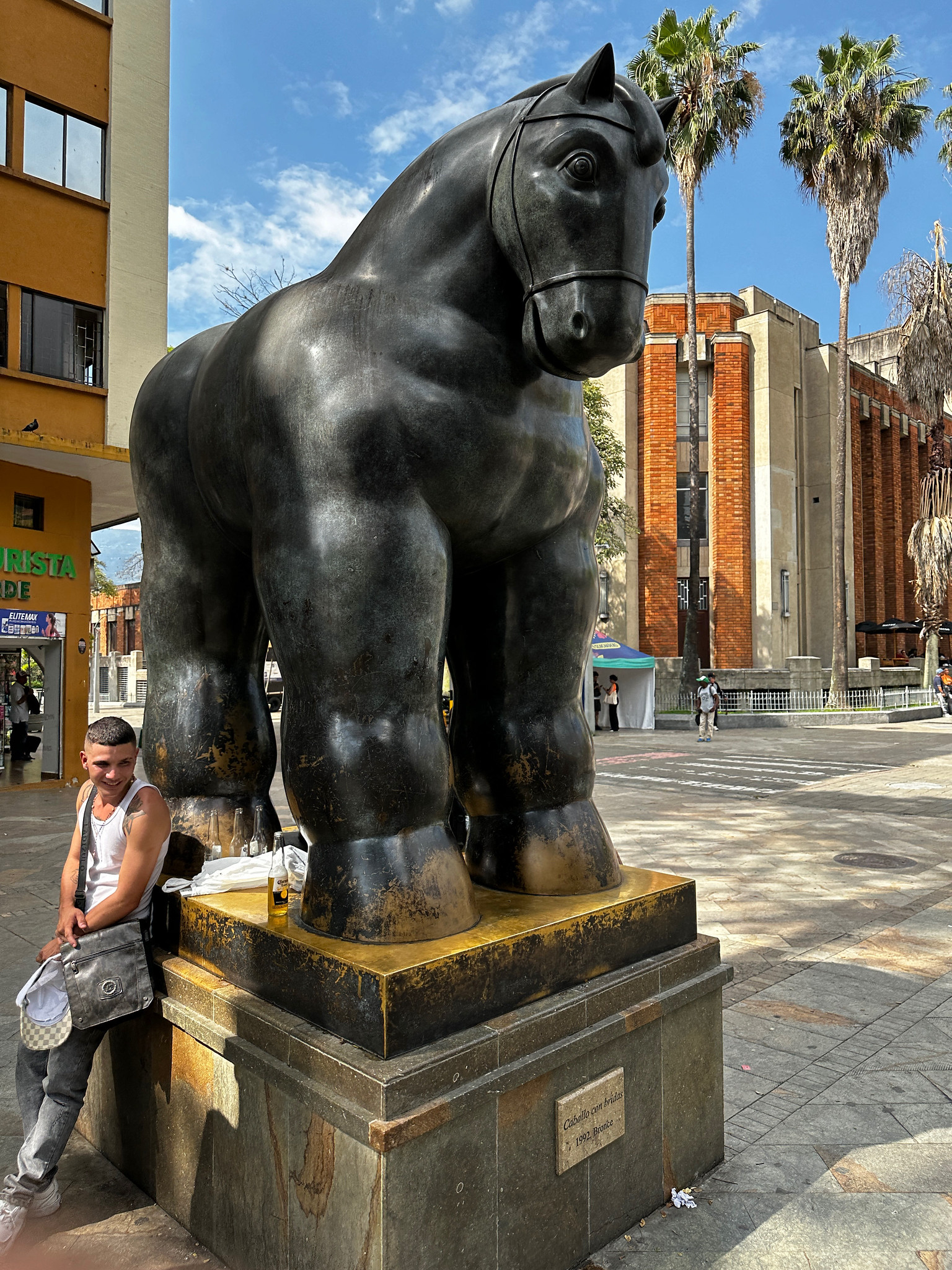
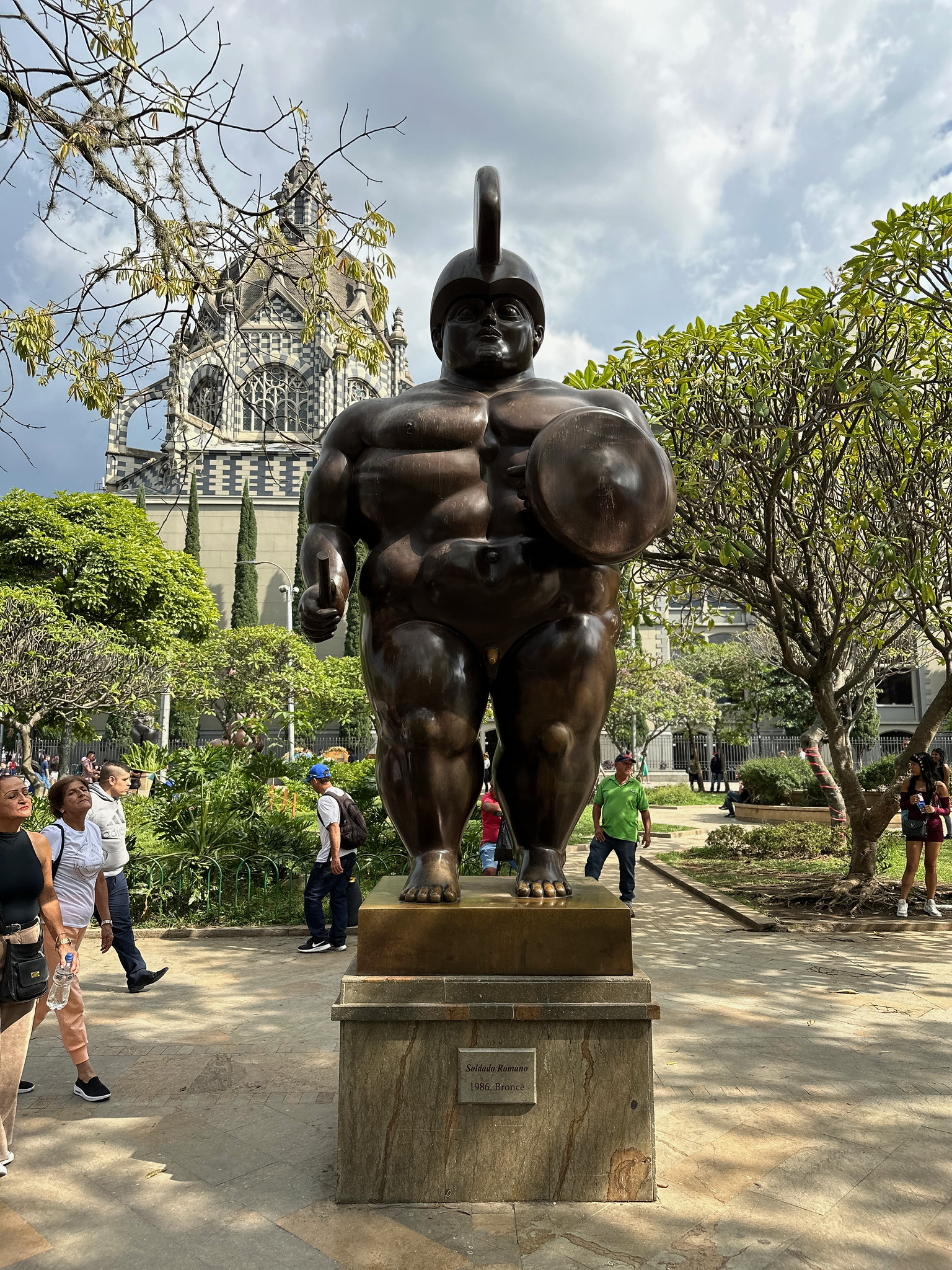
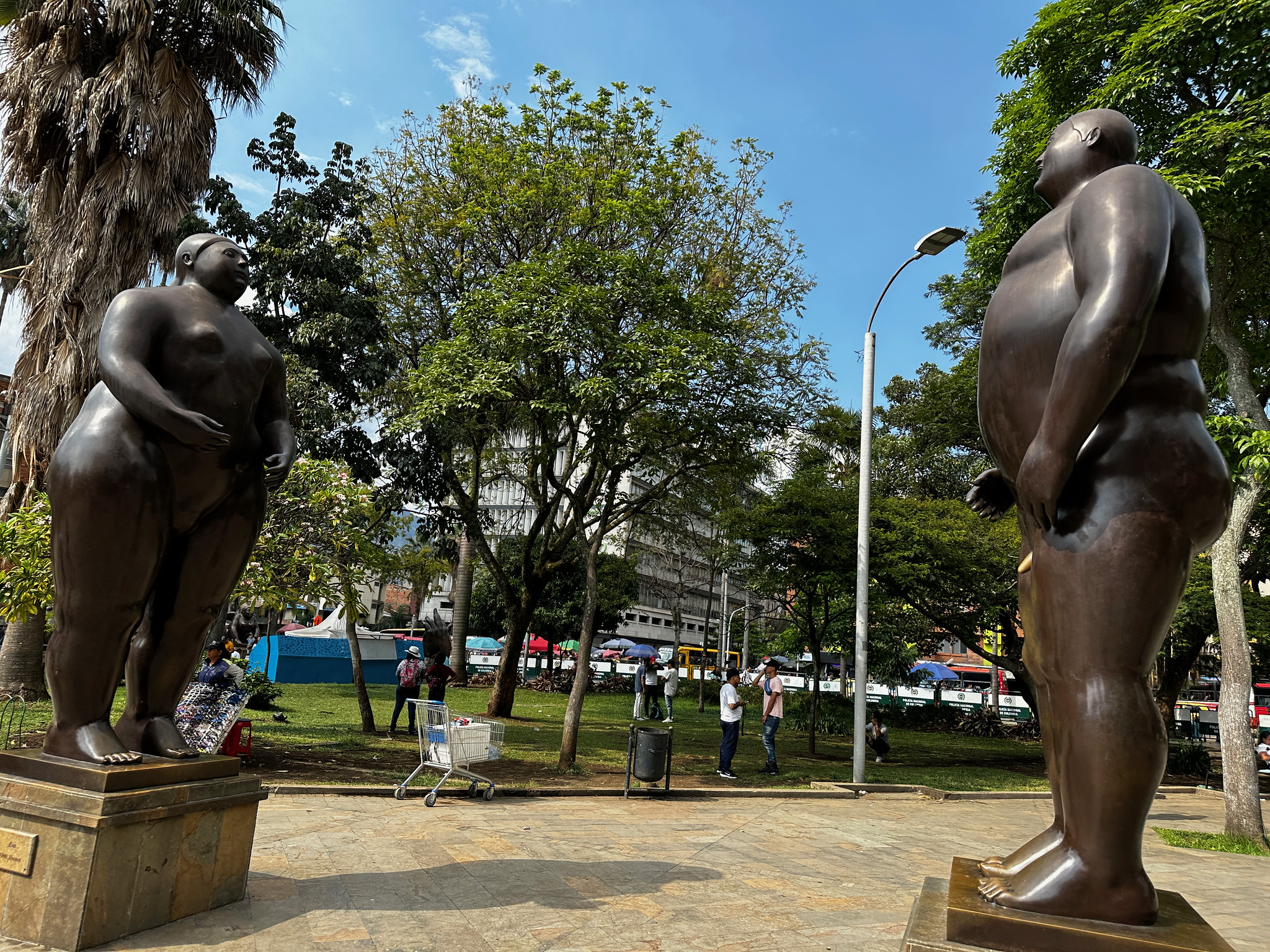
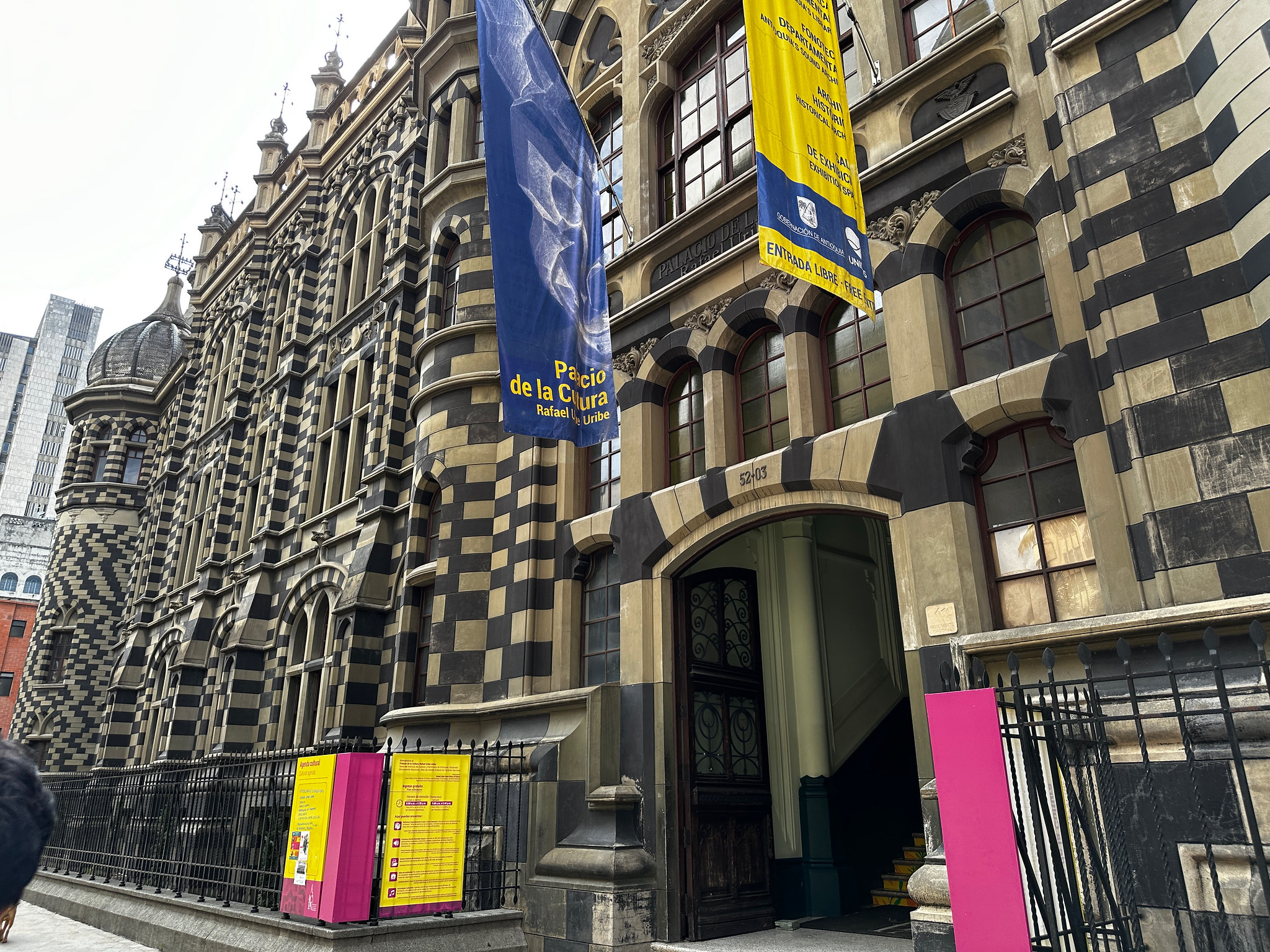
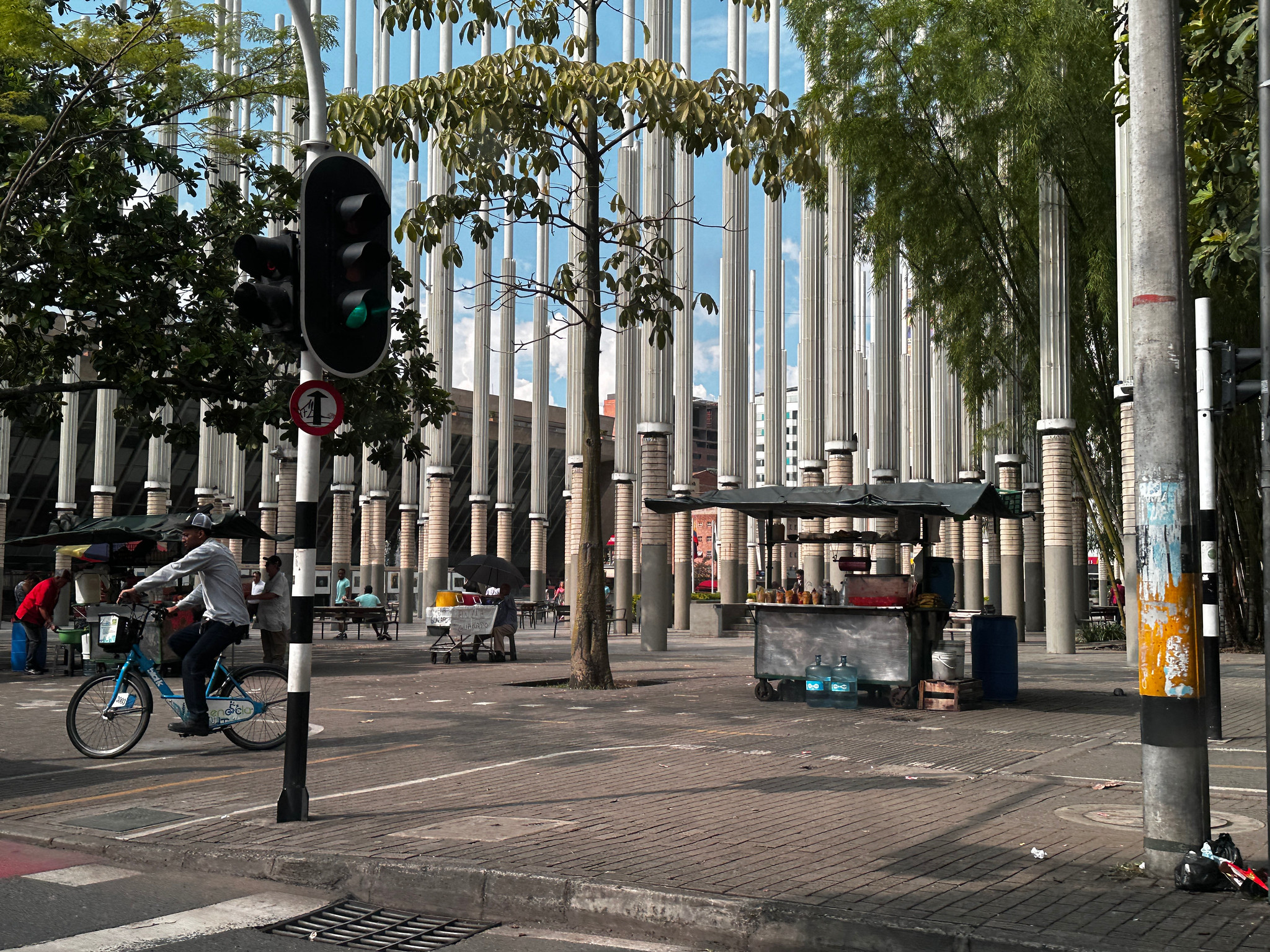
Fernando Botero is Colombia’s most famous artist, known for his rounded, larger-than-life figures. His sculptures fill the plaza that bears his name, a wonderful open-air gallery in the heart of the city. Nearby is the Palacio Nacional, an impressive civic building constructed in 1924. The Alpujarra administrative complex is also close by a large governmental campus.
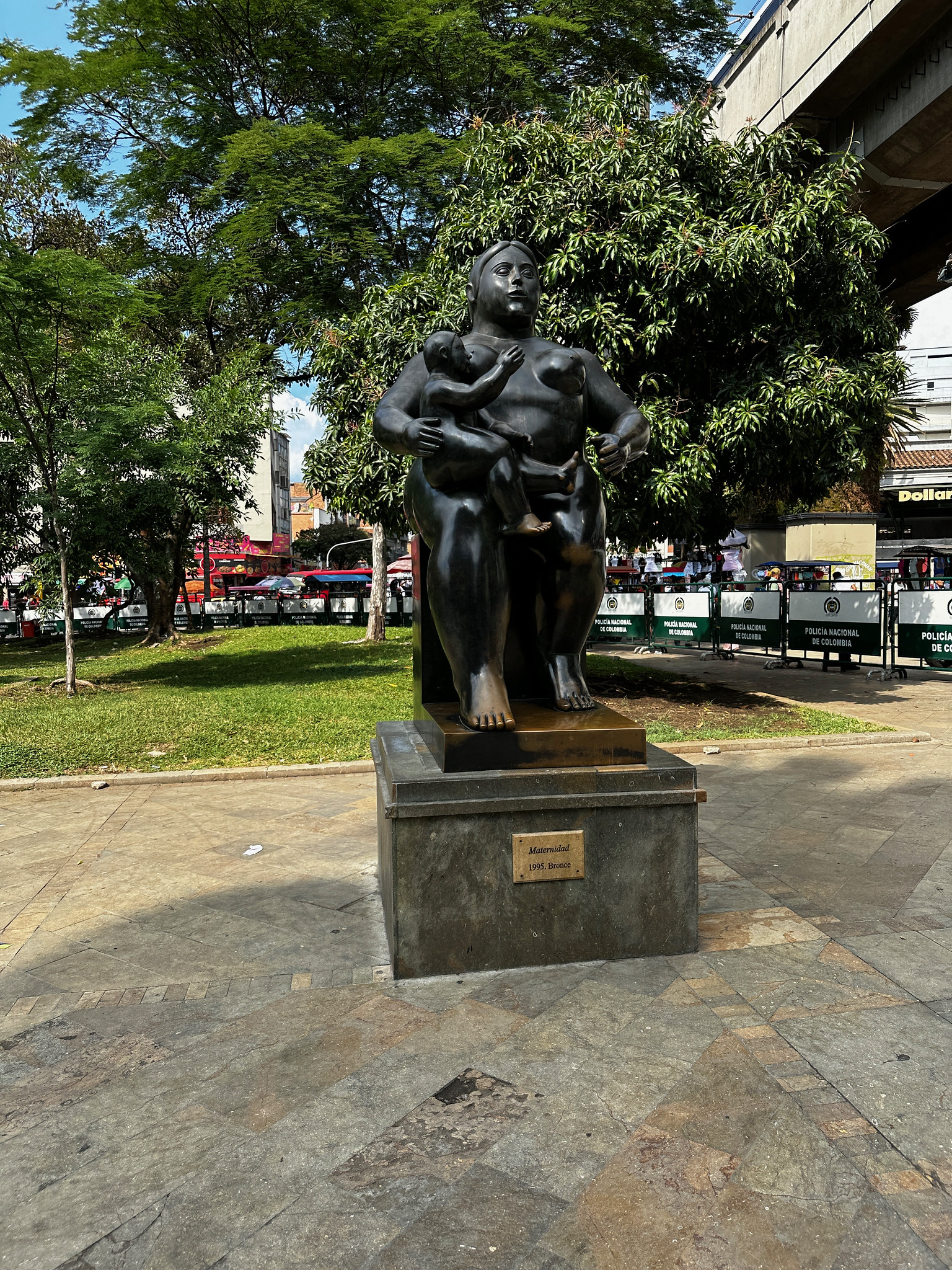
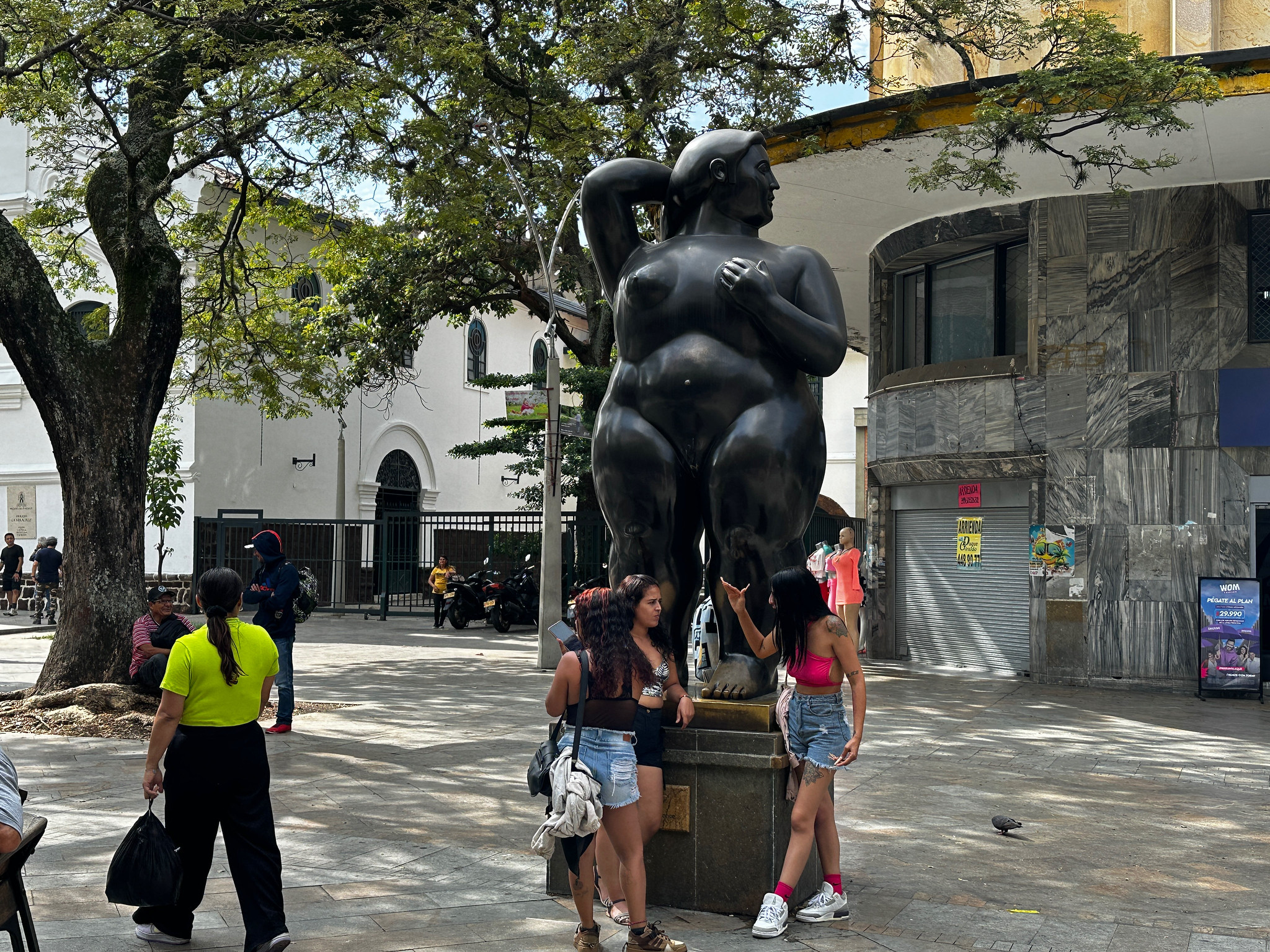
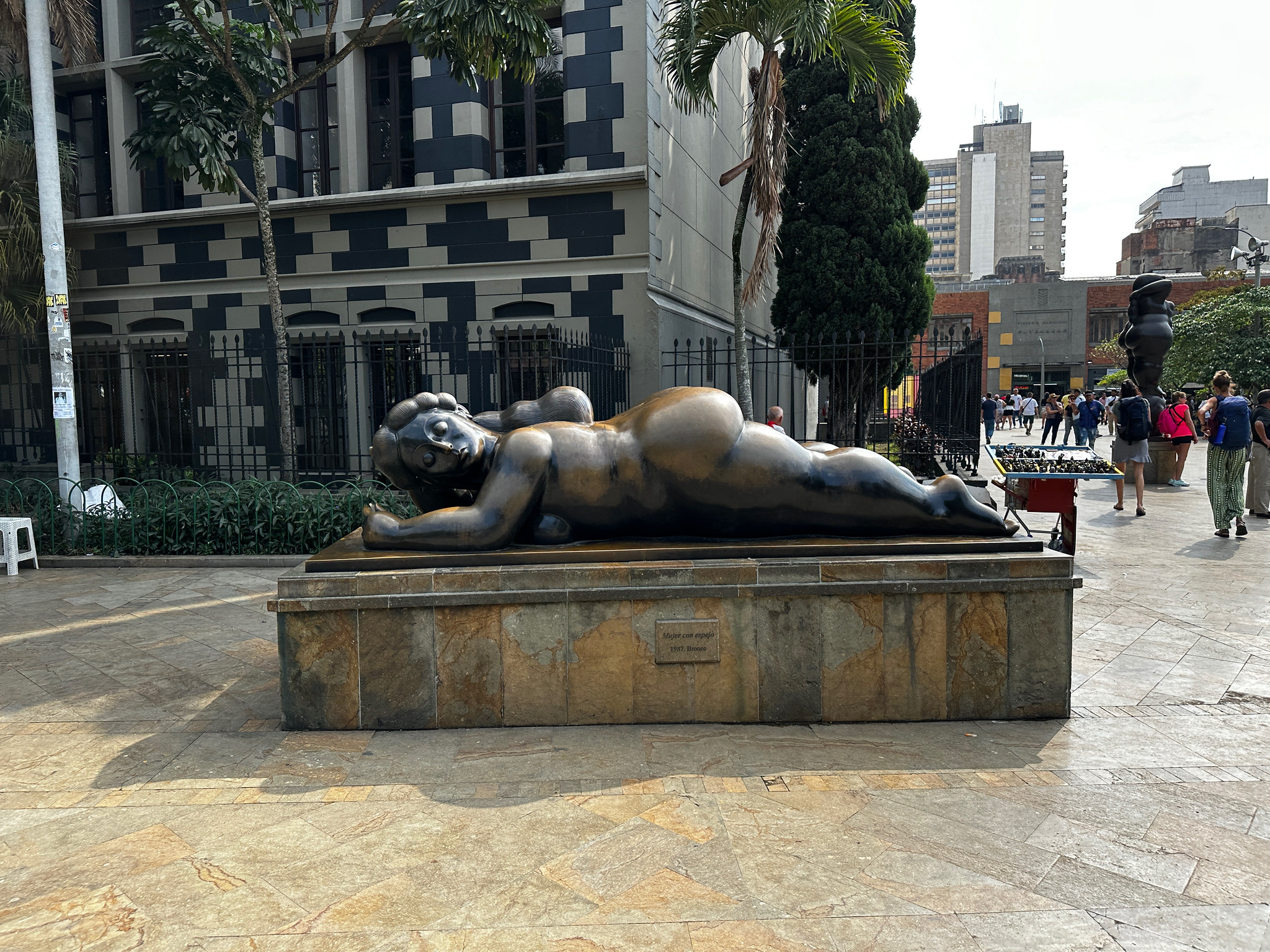
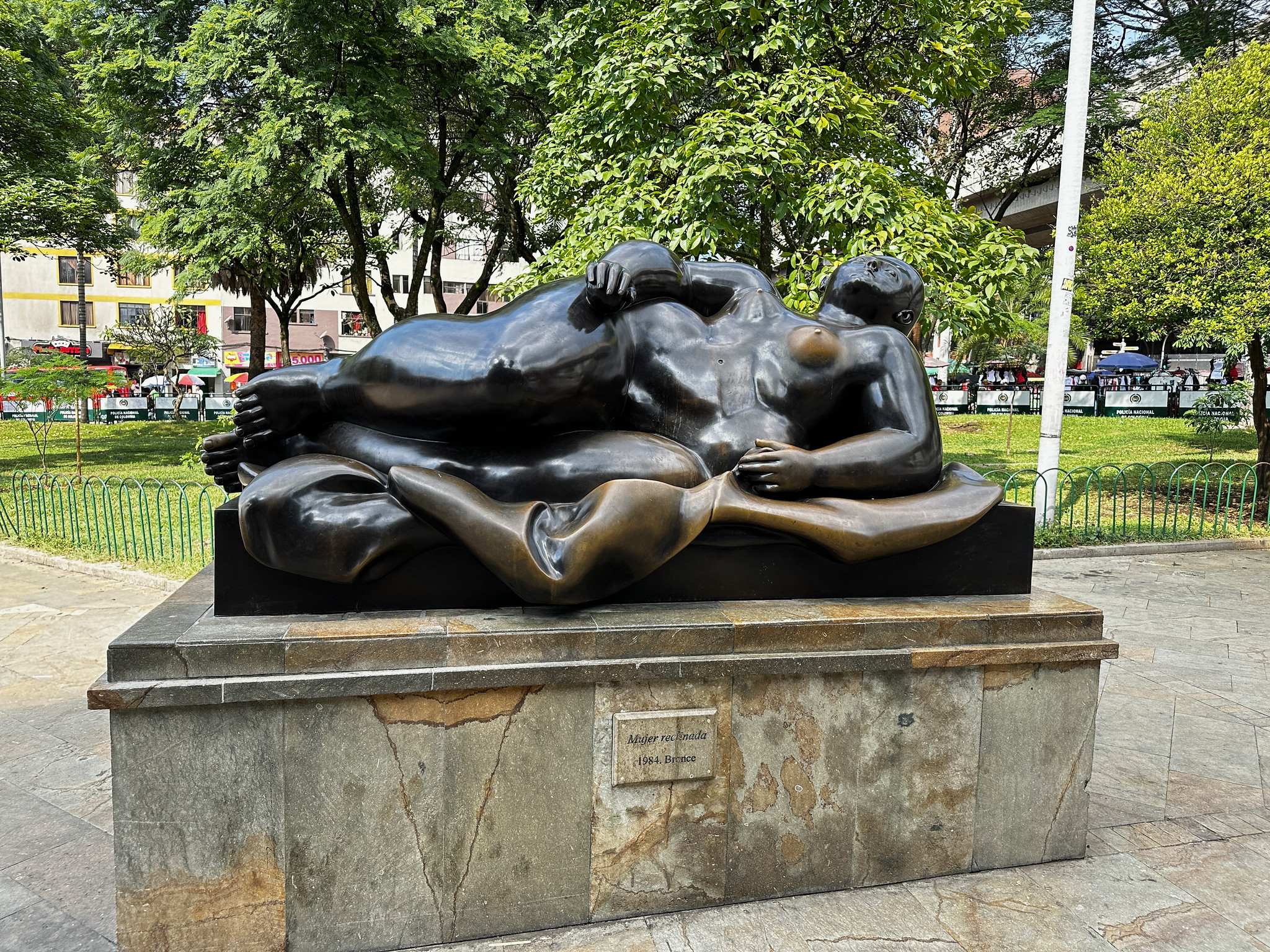
Medellin Metrocable
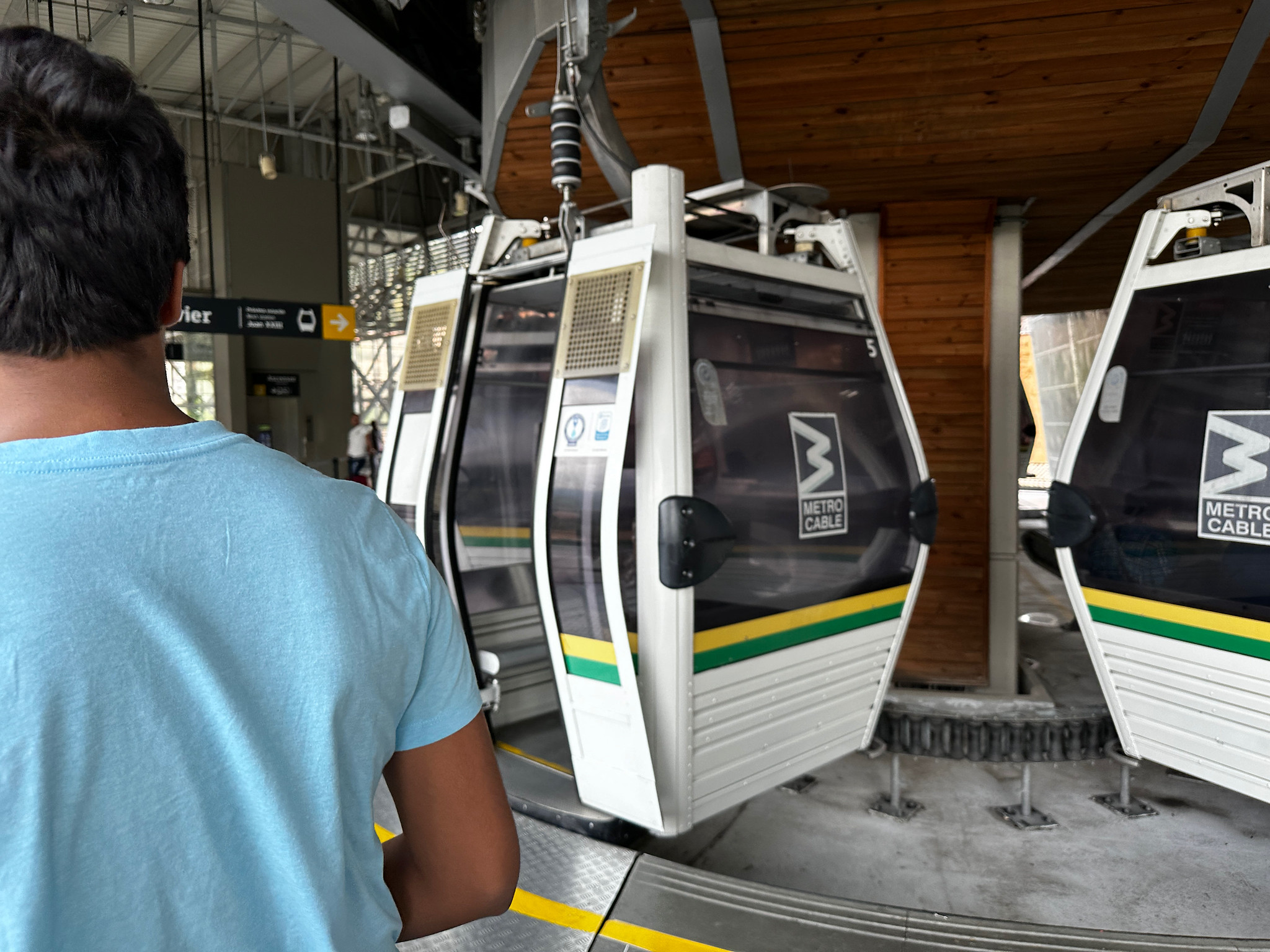
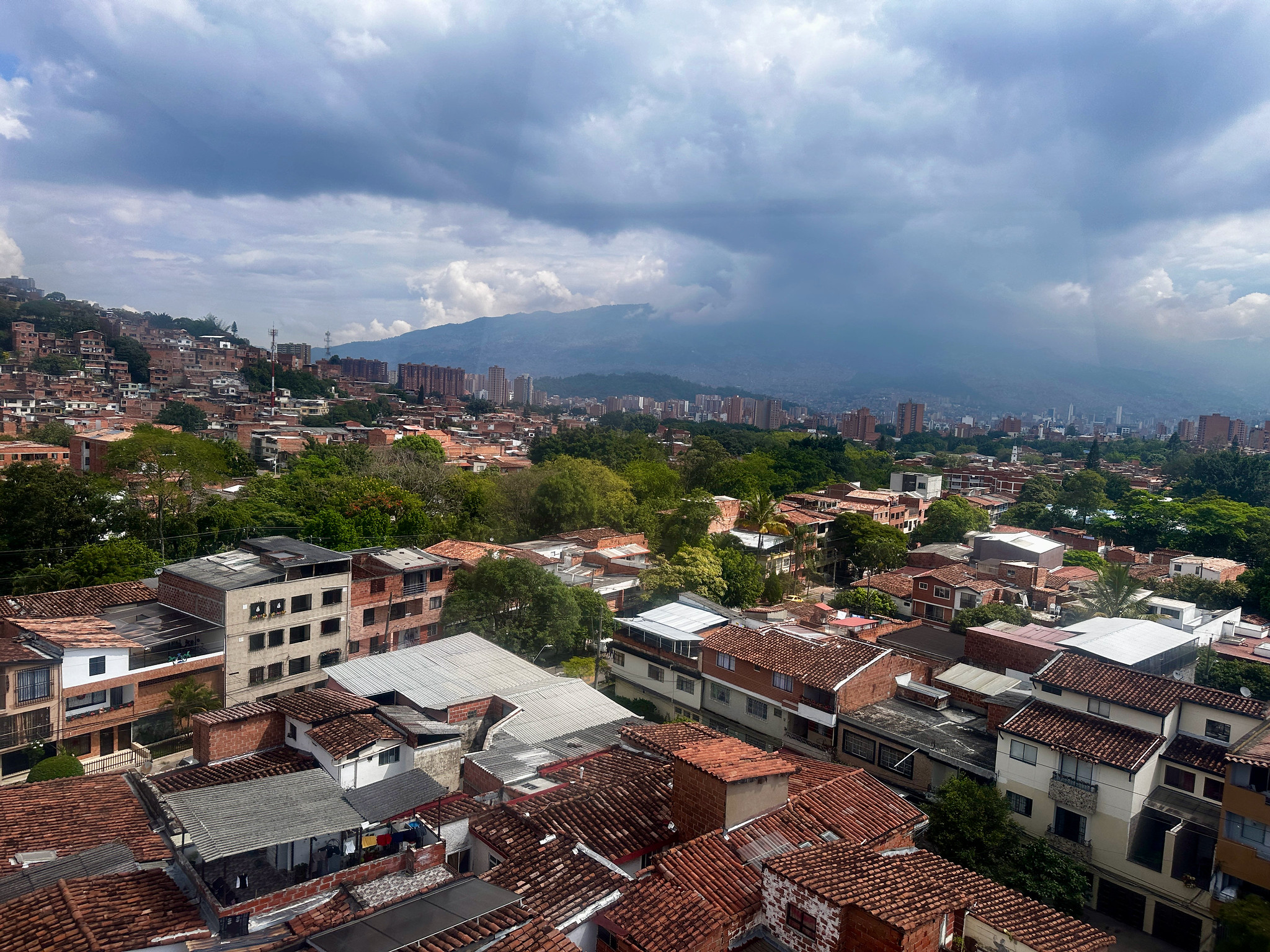
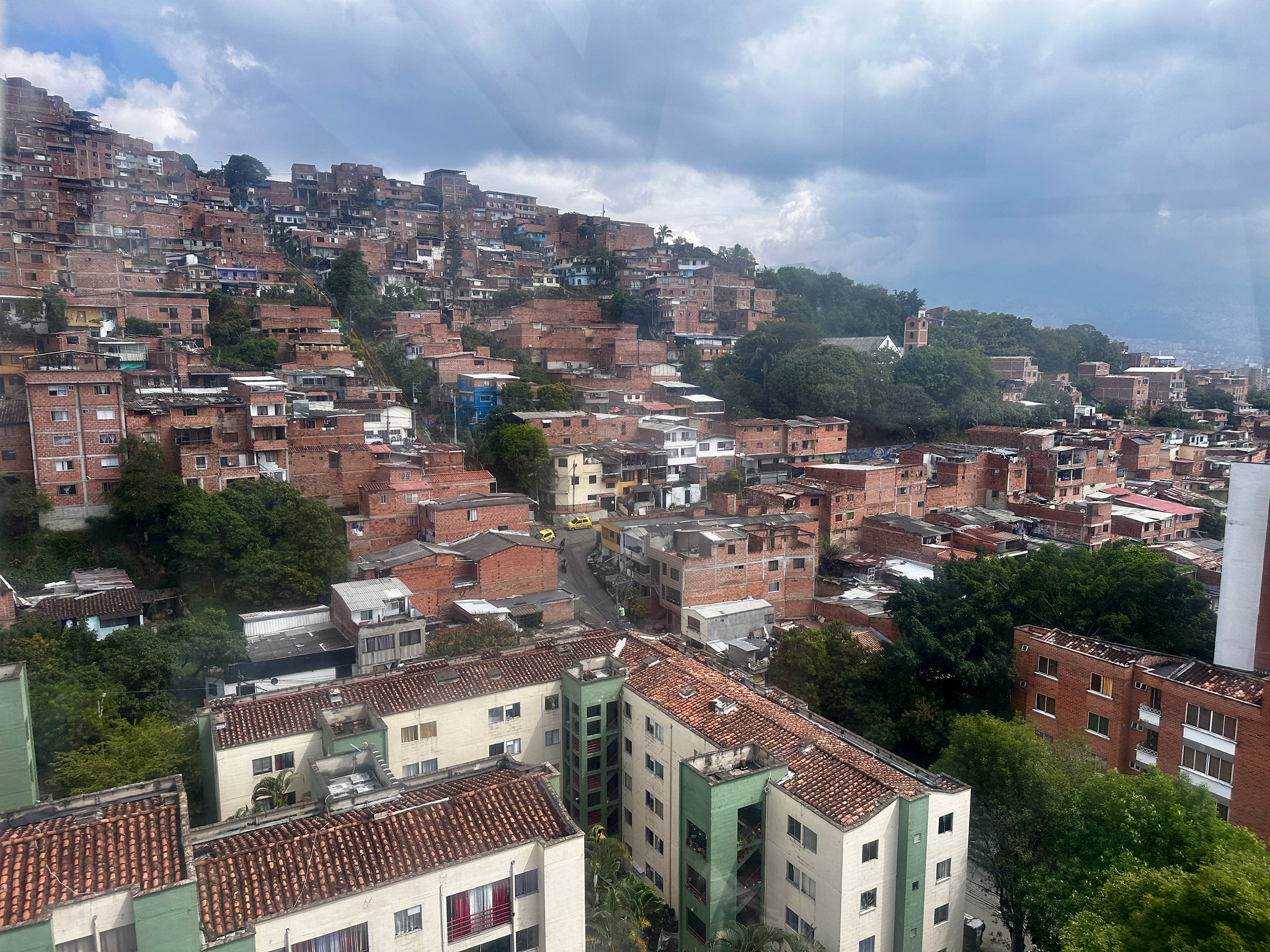
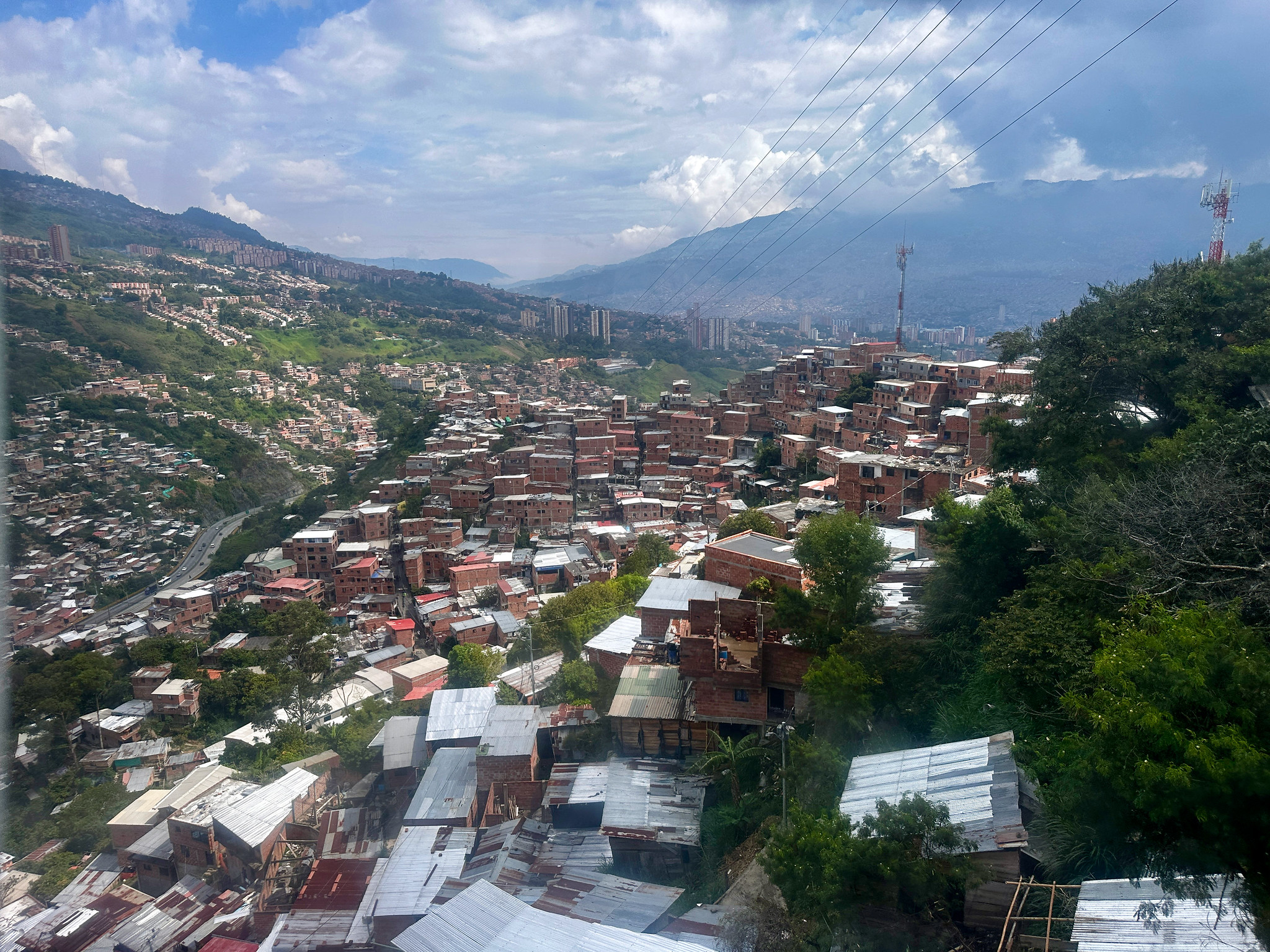
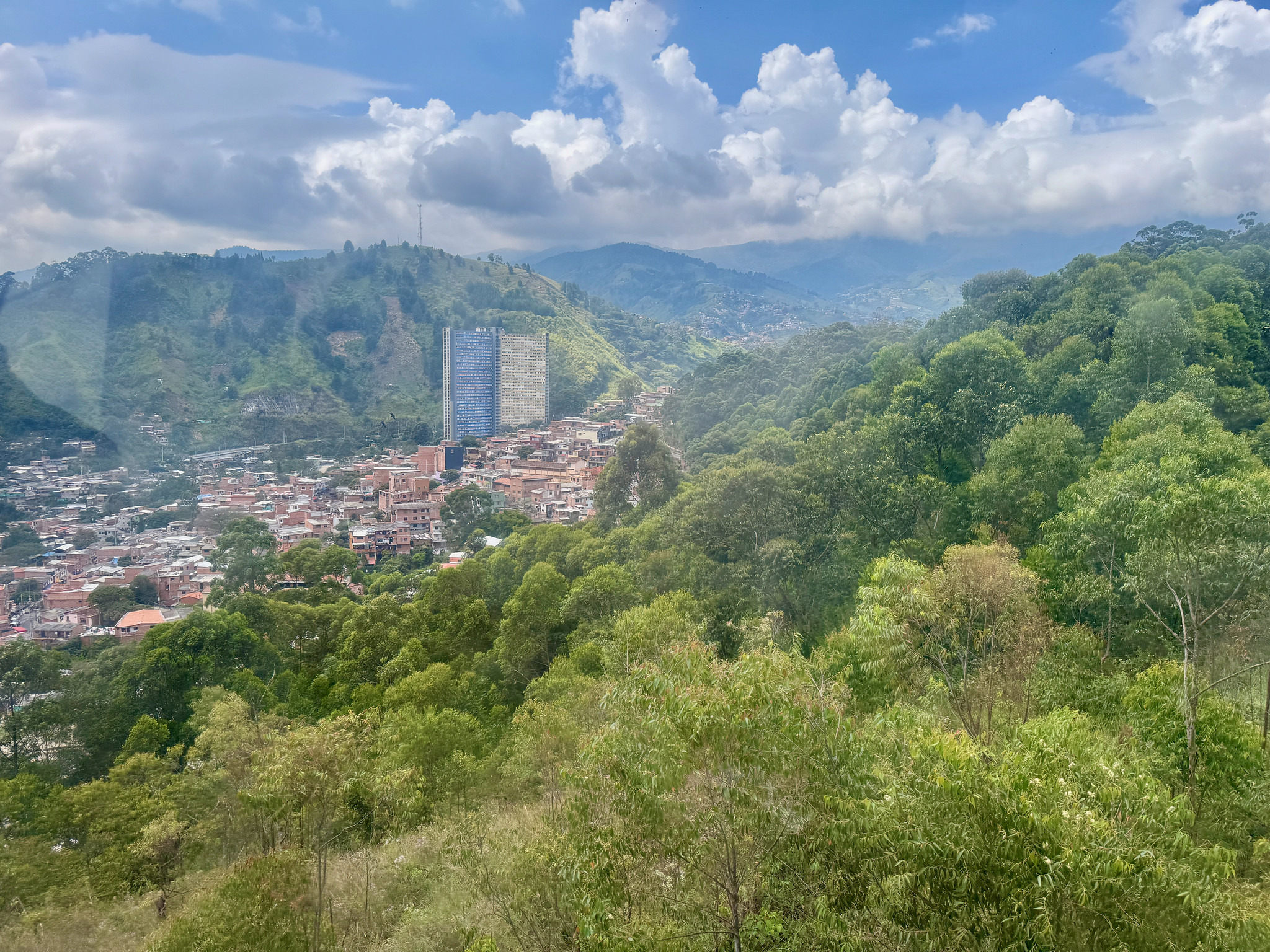
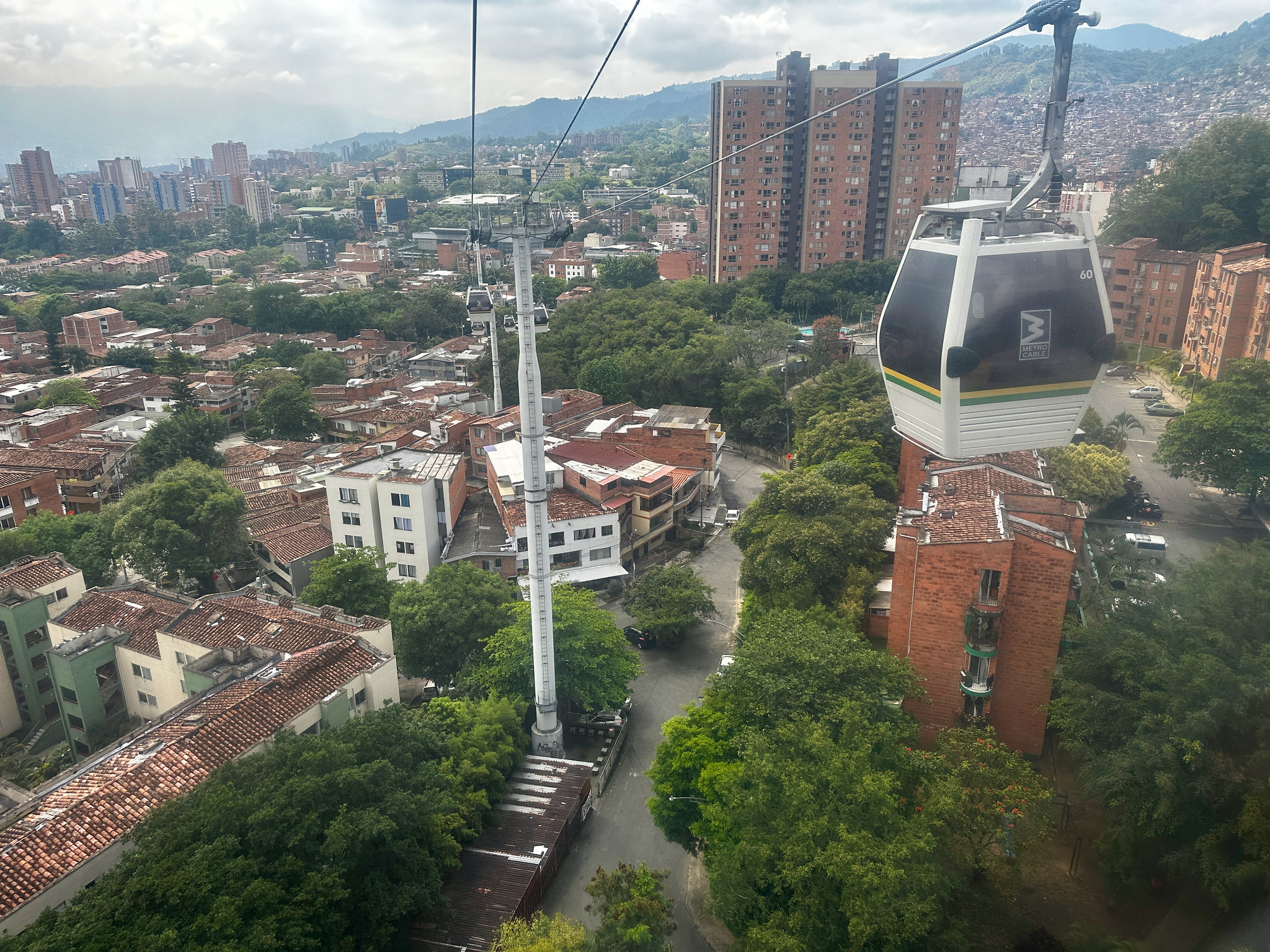
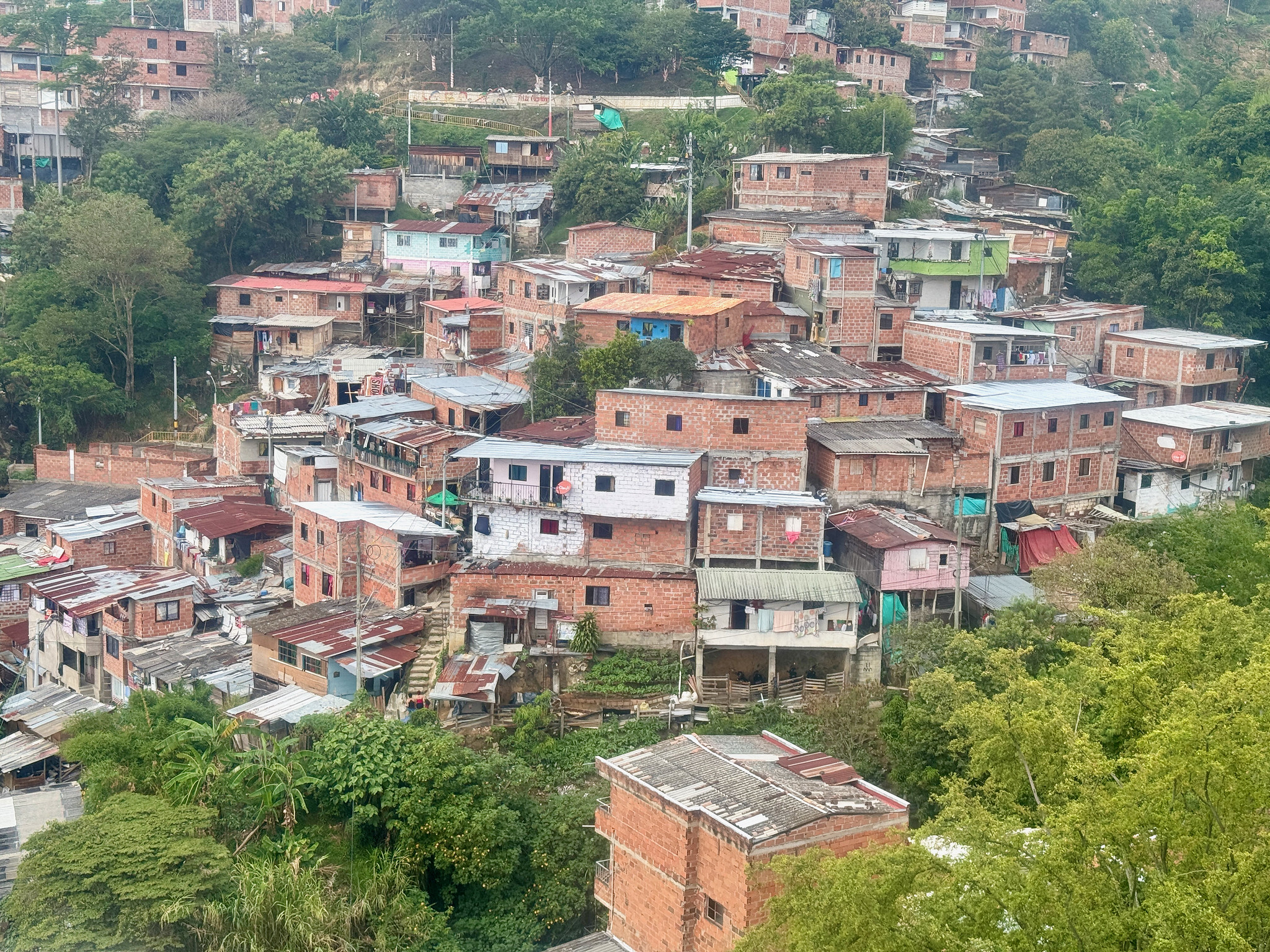
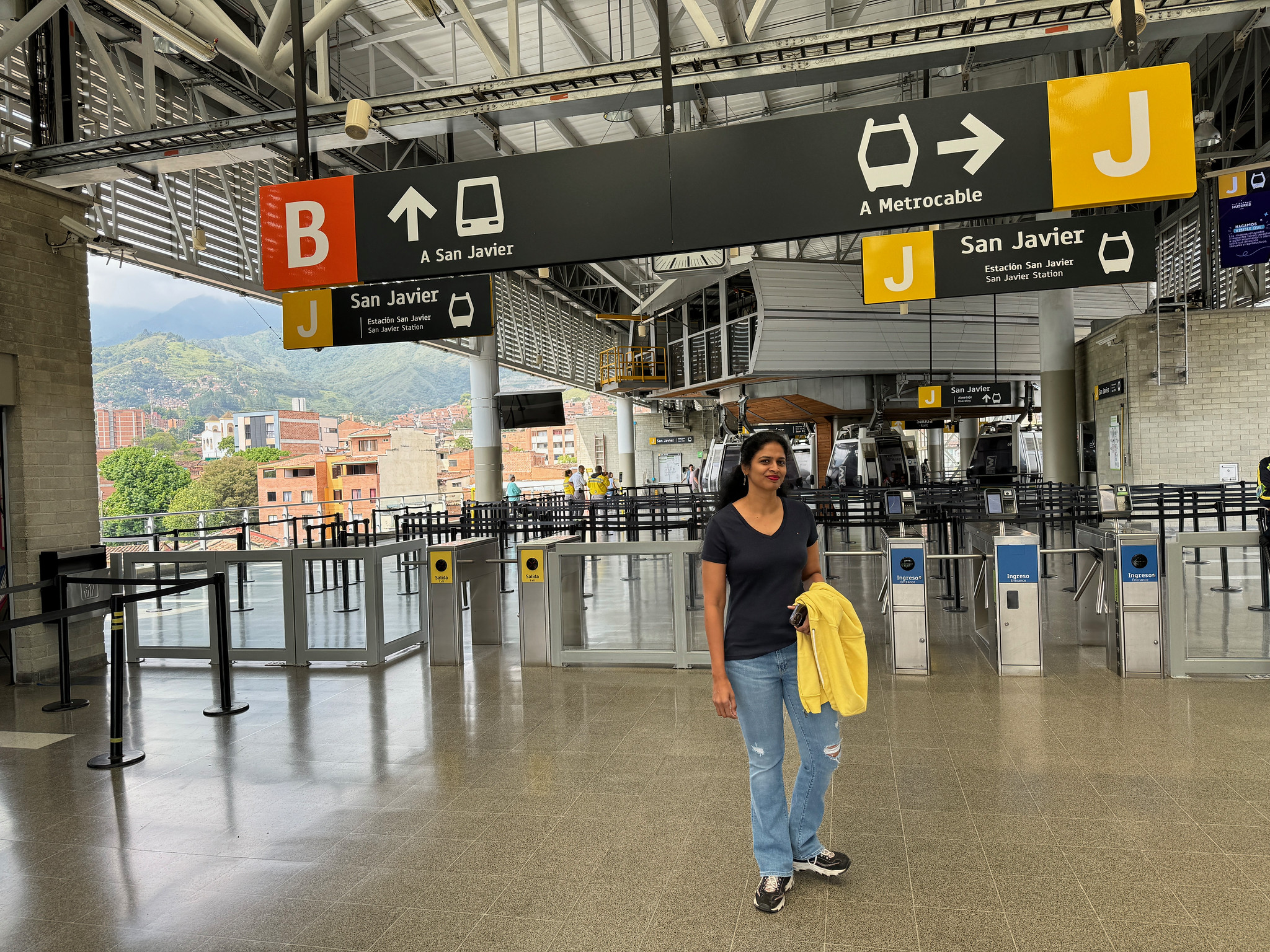
One of the things that impressed me most about Medellín was its Metrocable system. Watching the cable cars glide effortlessly over the steep hillsides was fascinating. Unlike cable cars that are built mainly for tourists, Medellín’s Metrocable is an integral part of the city’s public transportation network and is used every day by thousands of residents. As Medellín grew, many neighborhoods developed on the steep mountainsides surrounding the valley, making transportation difficult. The Metrocable was introduced to connect these communities with the Metro system below, reducing travel times and improving access to jobs, schools, and essential services. Riding above the colorful hillside homes offered breathtaking views of the city and showcased how innovative urban planning can improve everyday life.
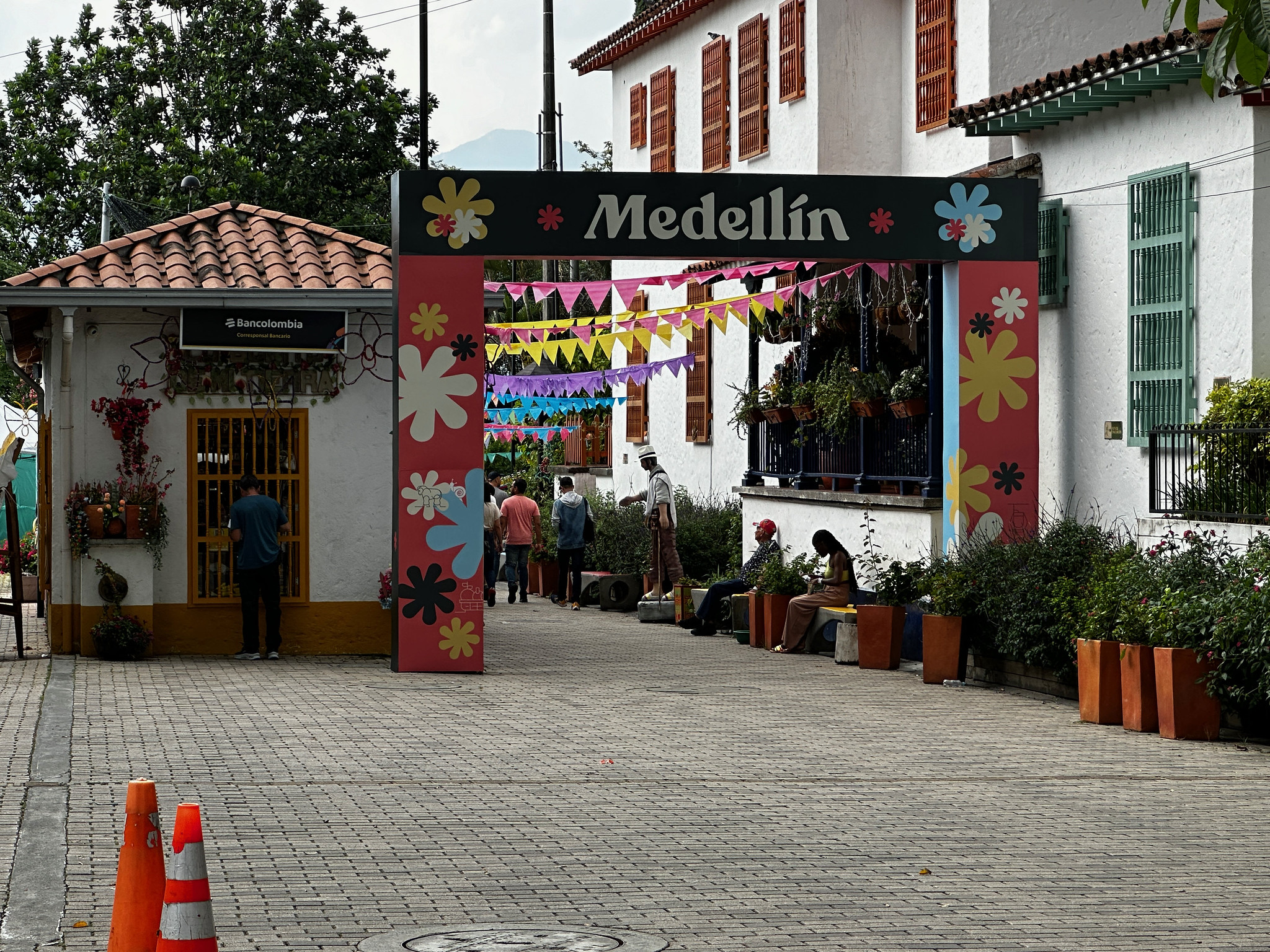
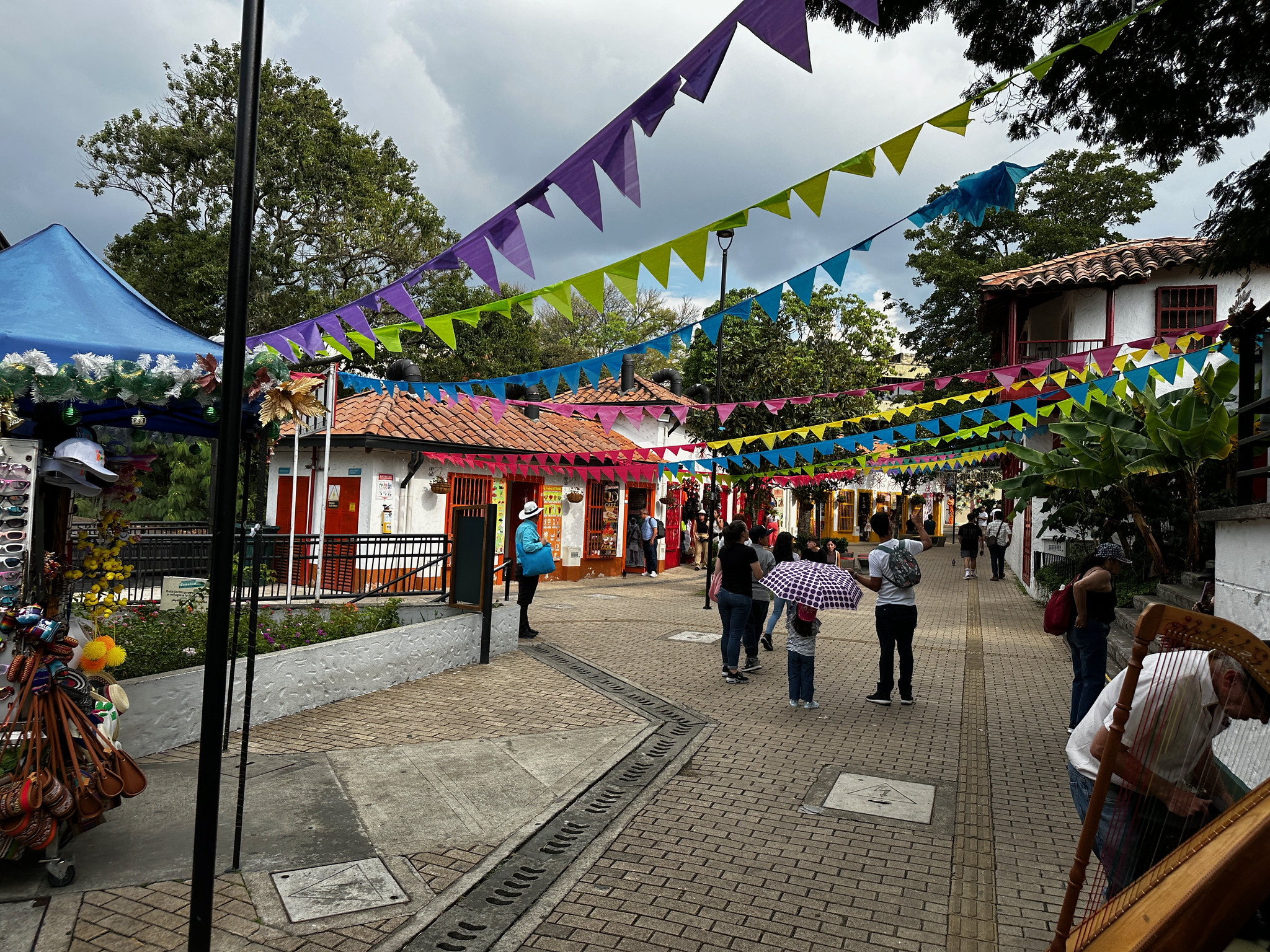
Pueblito Paisa
A charming replica of a traditional Antioquian village perched on top of Cerro Nutibara, one of Medellín’s highest hills.
The real highlight, however, was the panoramic view. From the hilltop, we enjoyed breathtaking 360-degree views of Medellín, surrounded by lush green mountains. It was the perfect place to appreciate just how large the city is and how dramatically it has grown within the valley.
We spent some time wandering through the cobblestone streets, browsing local handicrafts, and soaking in the relaxed atmosphere. There were plenty of souvenir shops selling Colombian coffee, handmade crafts, and traditional snacks. It was a peaceful escape from the busy city below and a wonderful place to learn more about the region’s culture and heritage.
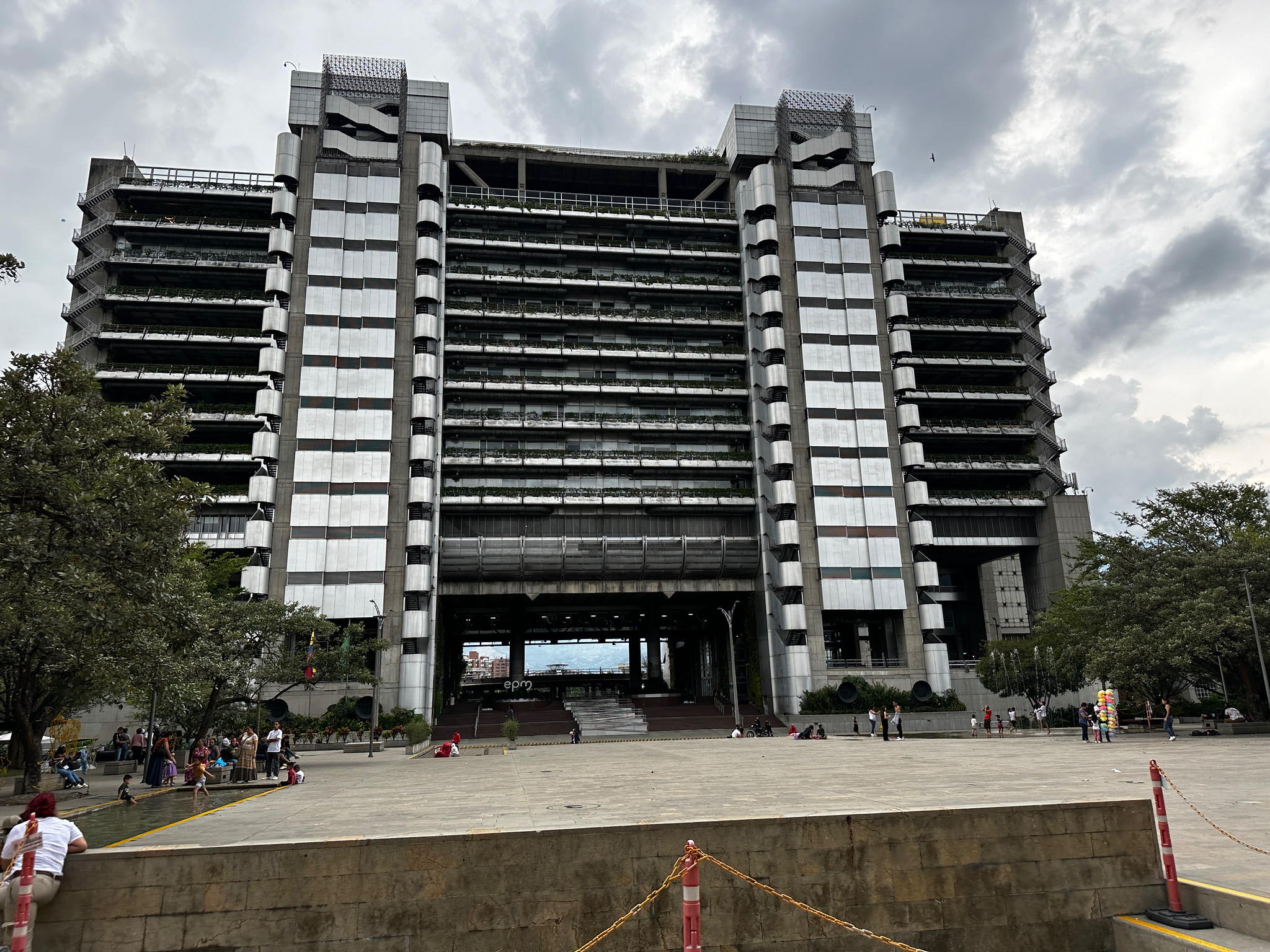
Medellin’s City Hall
Medellín’s City Hall is a modern government building that reflects the city’s transformation through innovative urban design. It is famous for its impressive vertical gardens, which help improve air quality, reduce heat, and bring greenery into the heart of the city. The building stands as a symbol of Medellín’s commitment to sustainability and creating a better quality of life for its residents.
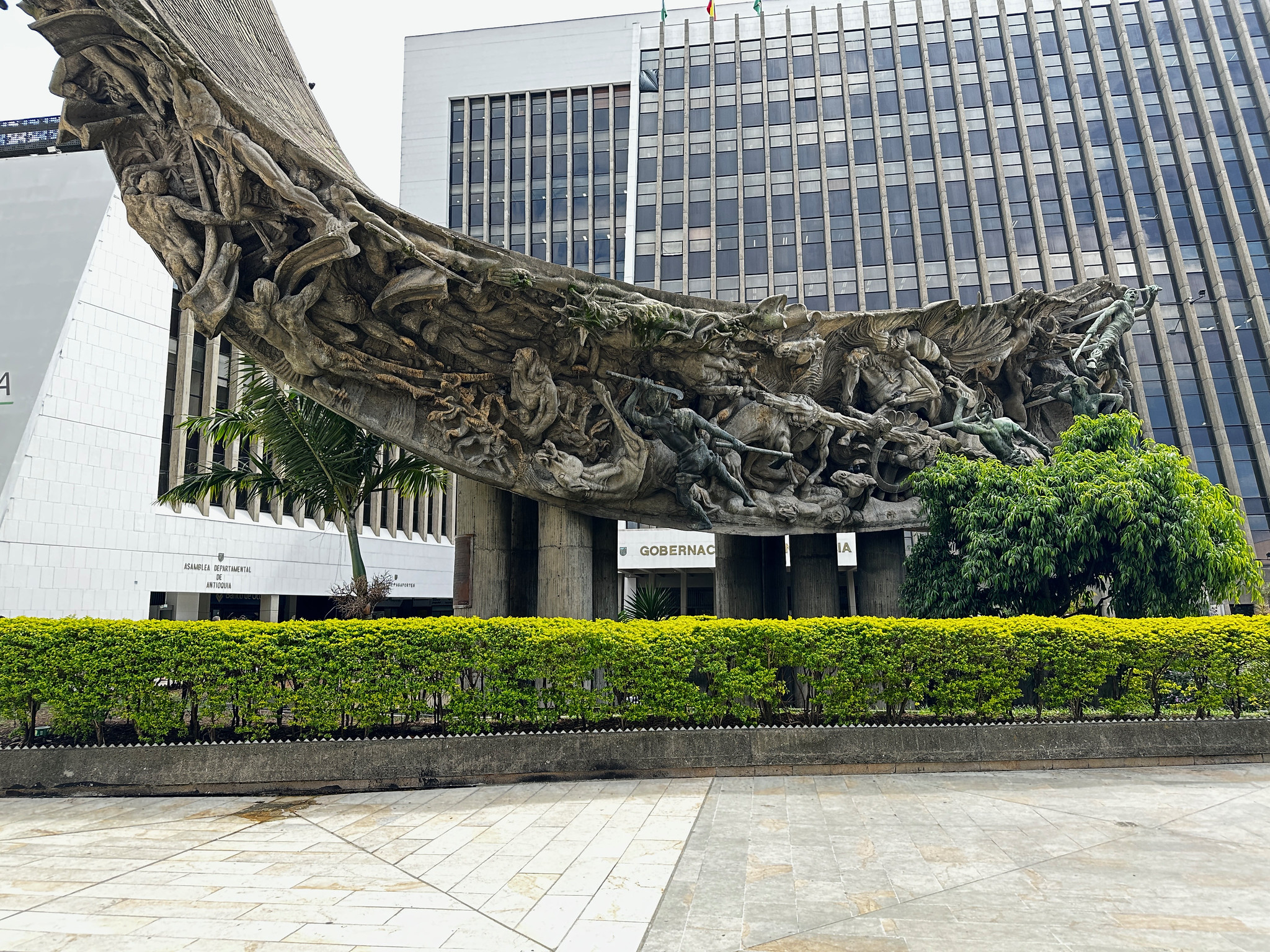
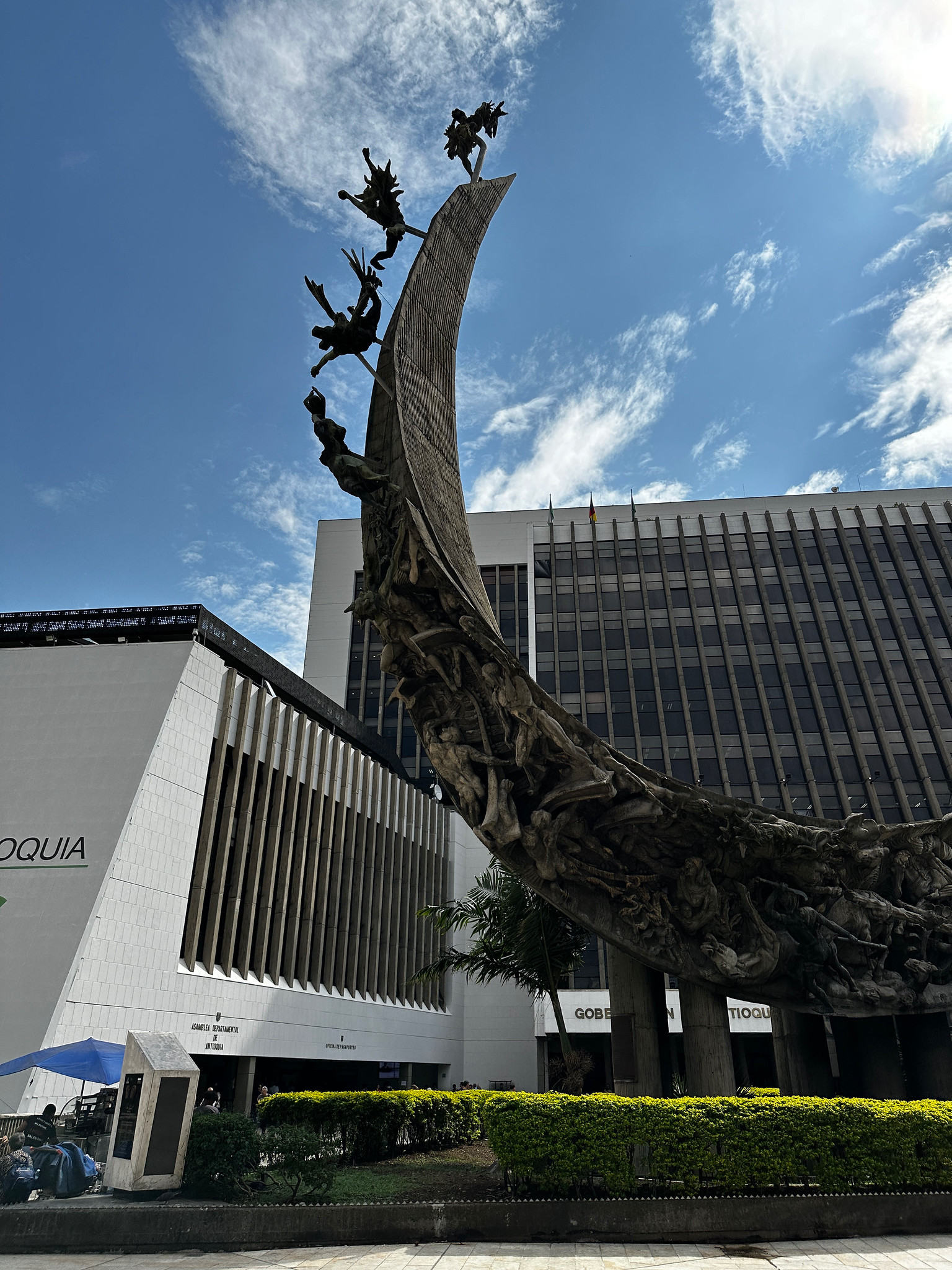

Colombian Emeralds
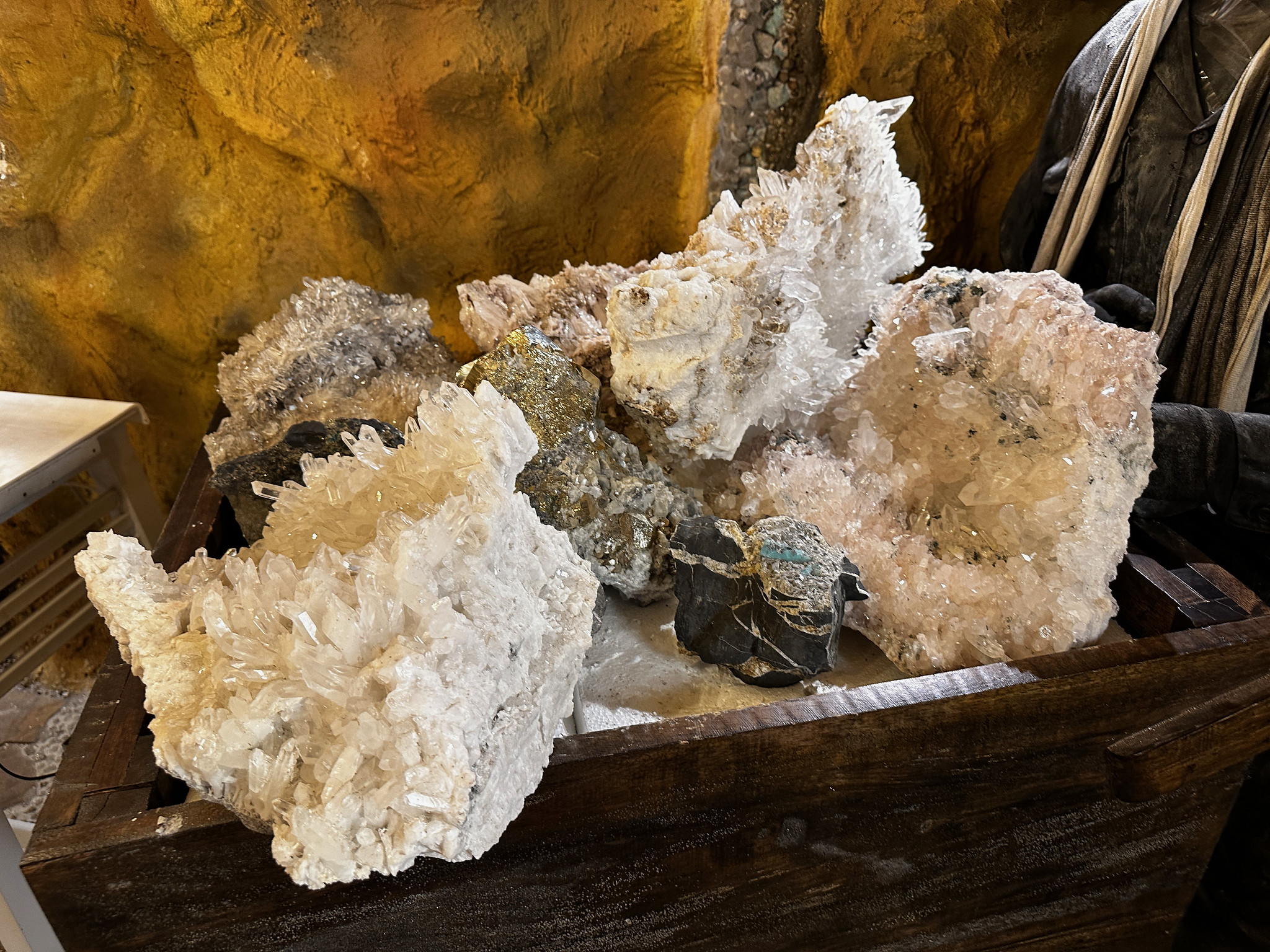
We visited a jewelers’ district where Colombian emeralds, among the finest in the world are sold. Entry to the showroom was $17.50 for adults, $7.50 for kids. The gems are extraordinary, and nothing like the tourist-market versions you find elsewhere. A memorable stop for anyone interested in gemstones.
Cartagena – Walled City & Caribbean Coast
We arrived in Cartagena. Cartagena is Colombia’s crown jewel on the Caribbean coast, a UNESCO World Heritage walled city with some of the most spectacular colonial architecture in the Americas. Founded in 1533, it was one of the most important ports in the Spanish Empire.
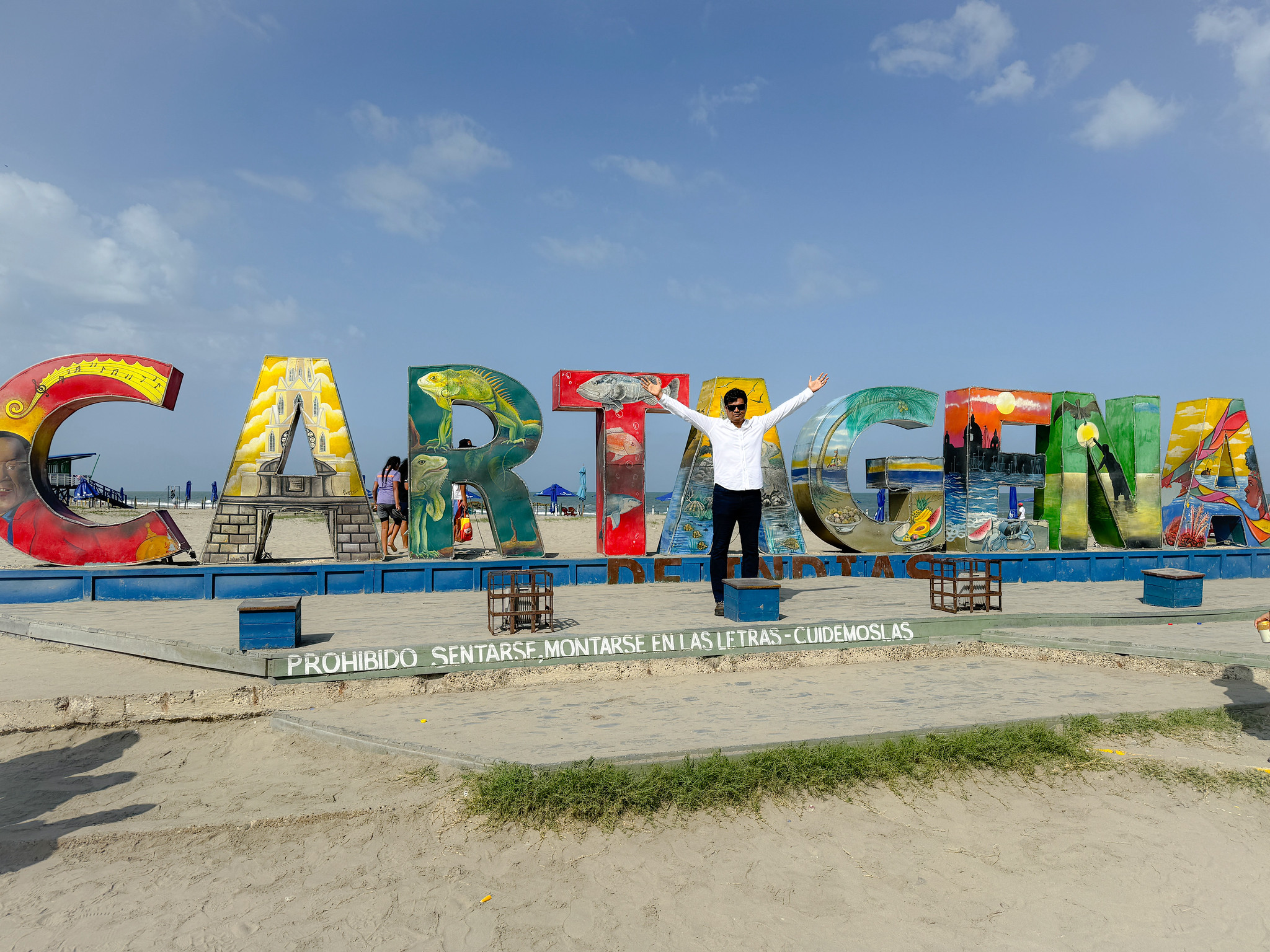
Cartagena sits on the Caribbean coast of northern Colombia. The city has a rich history shaped by Spanish colonization, the Indigenous Zenú people, and enslaved Africans brought to work in the colonial economy. Today it is one of the most visited cities in South America, famous for its colorful colonial buildings, Caribbean beaches, and vibrant local culture, including champeta music and a love of street food. The heat and humidity are real here!
The Walled City
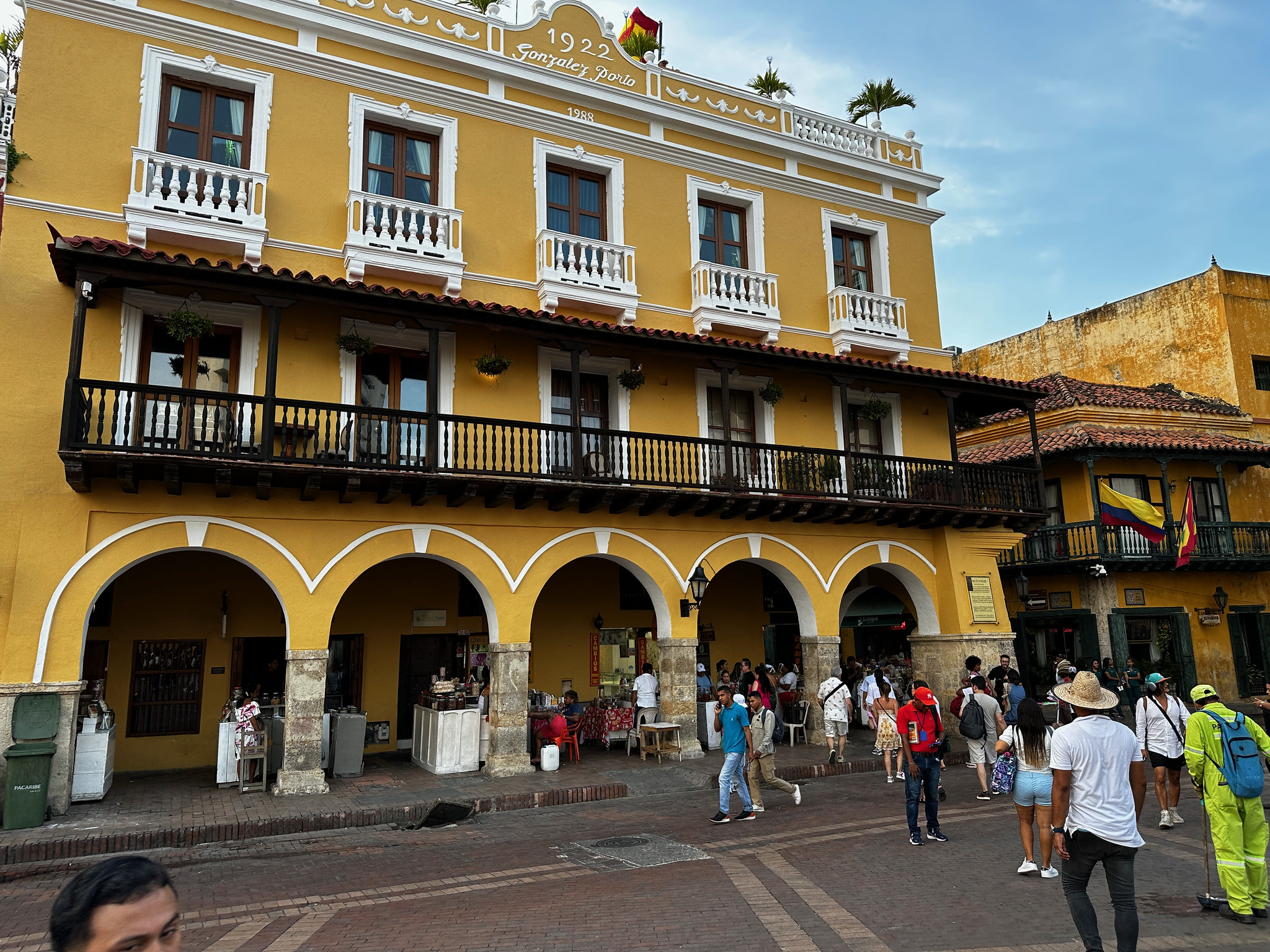
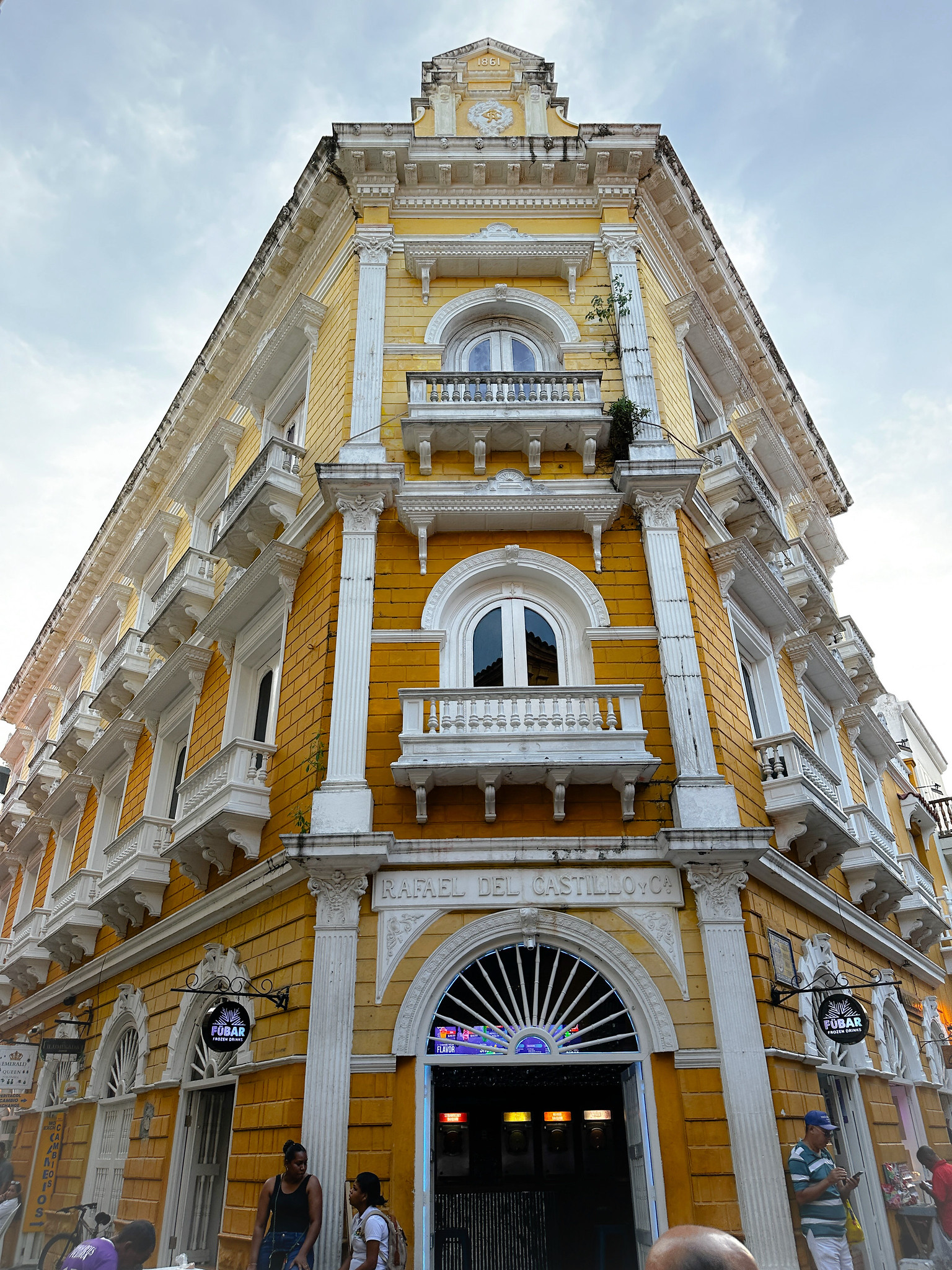
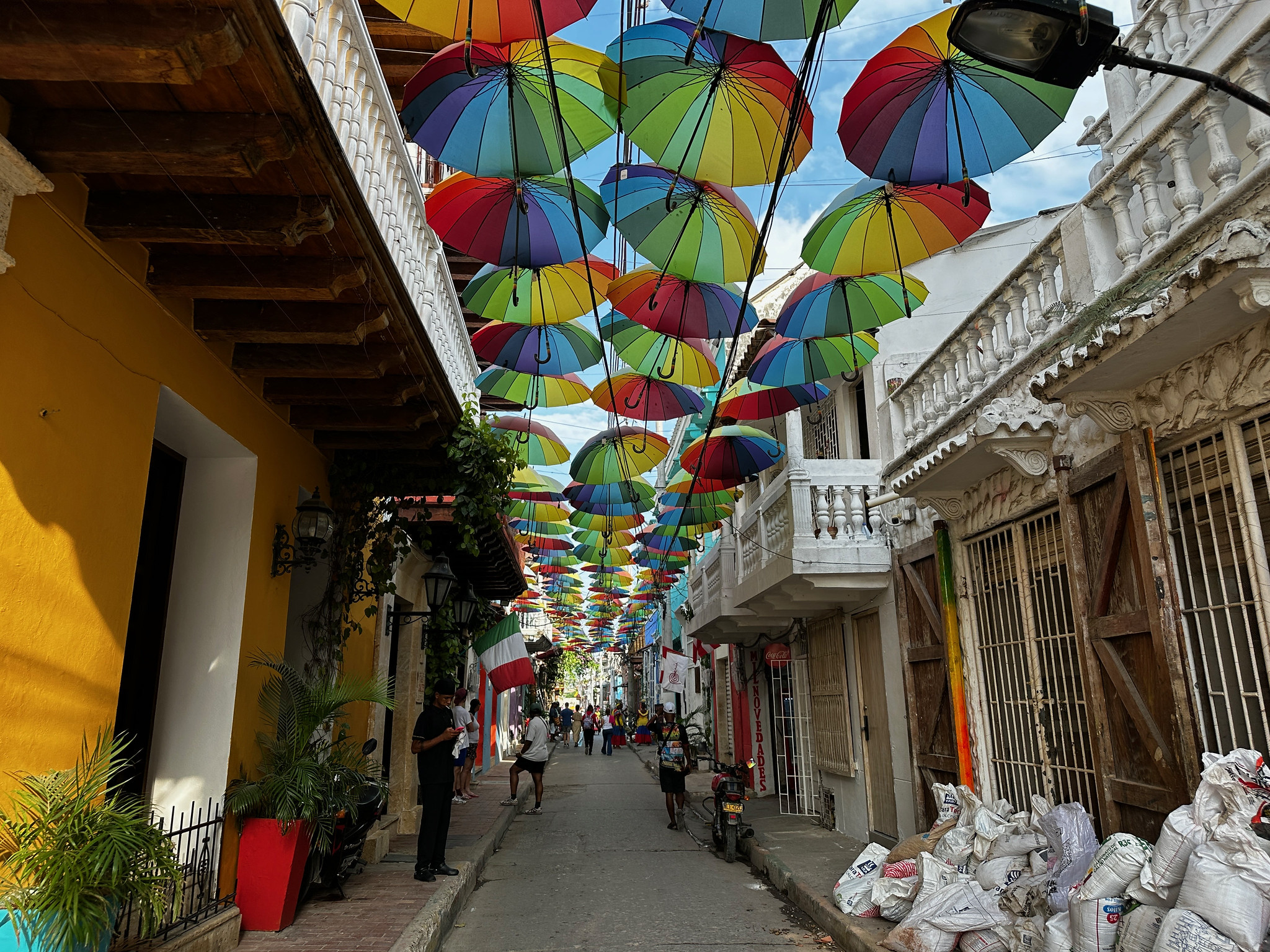
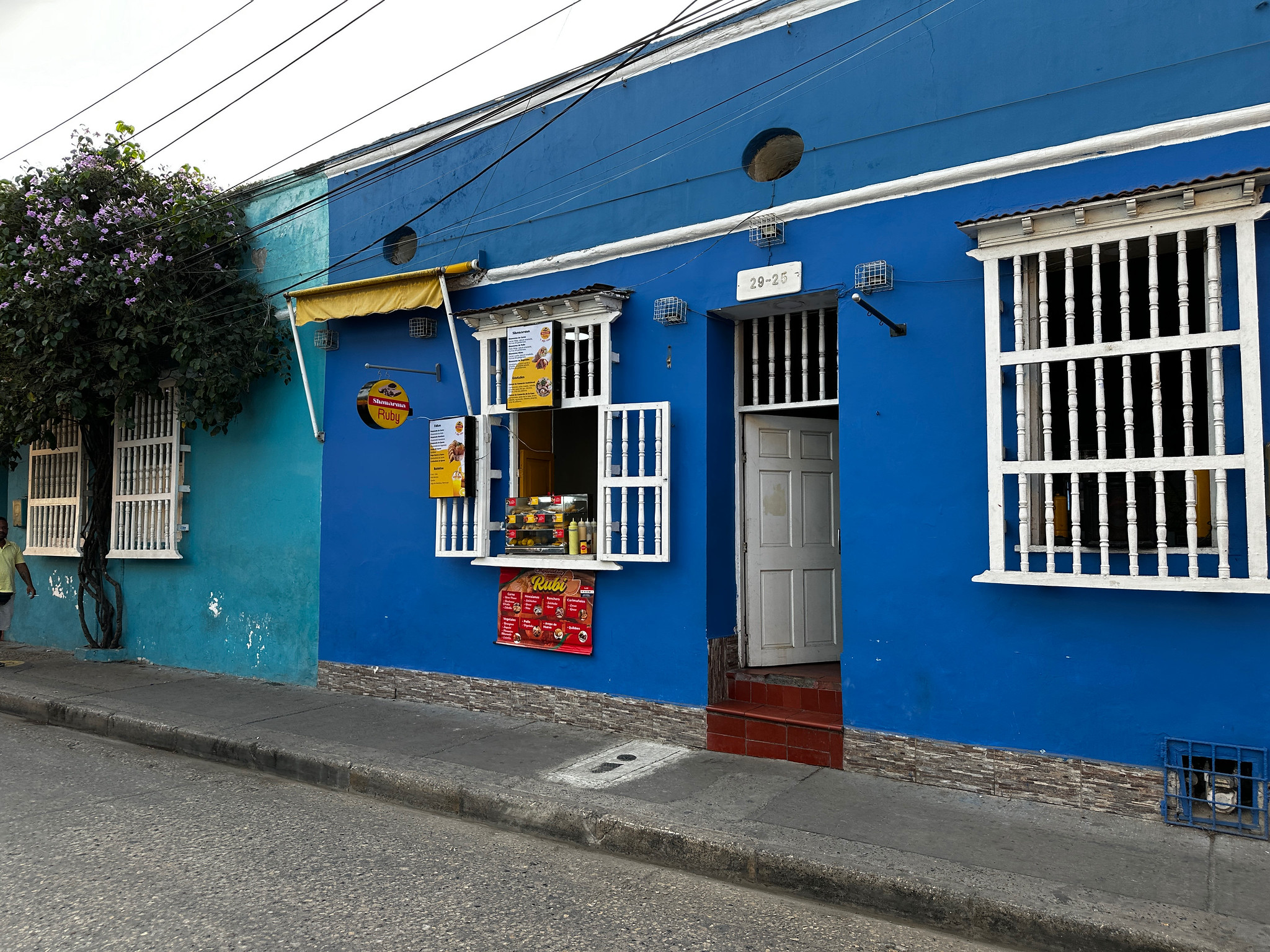
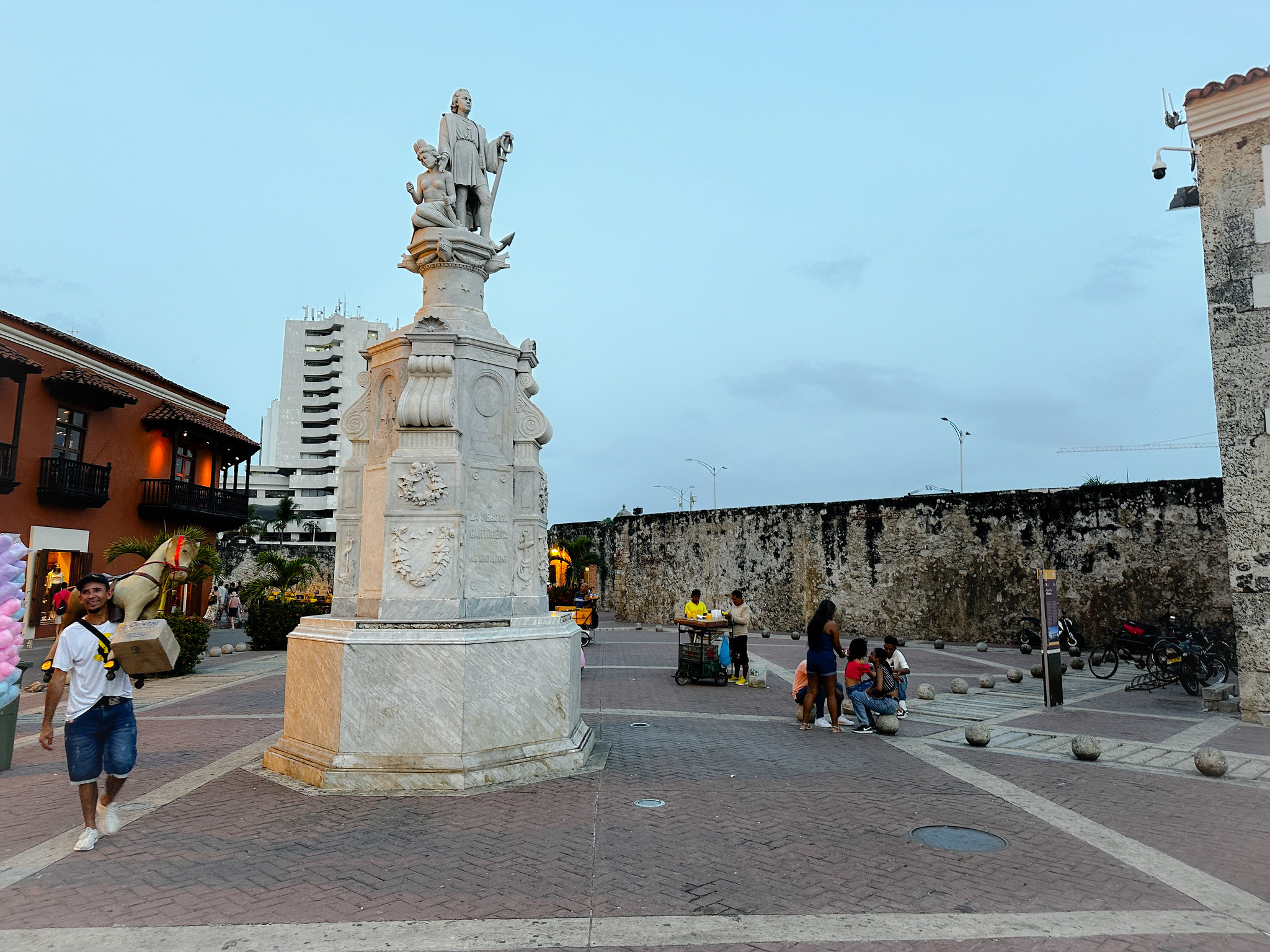
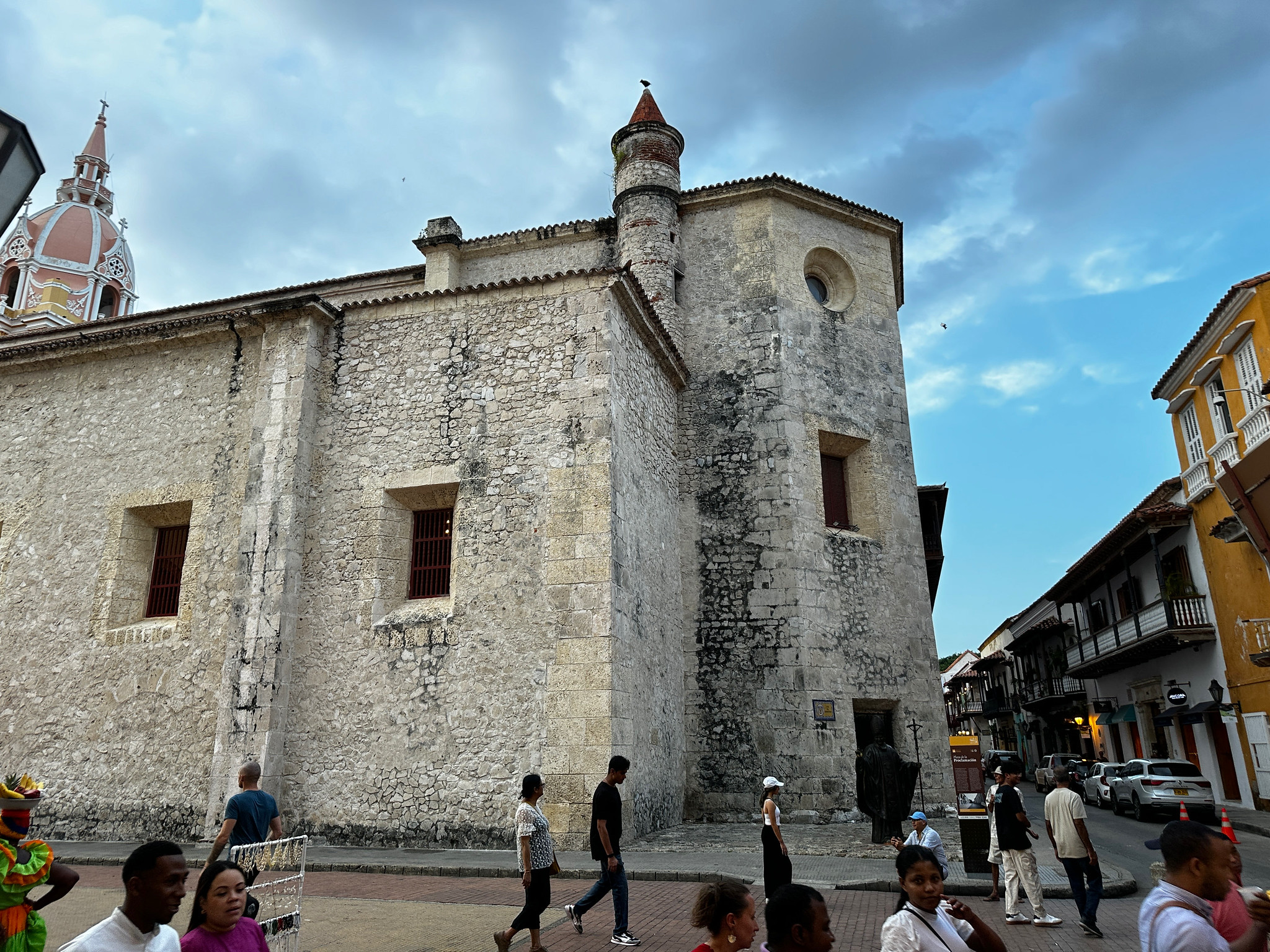
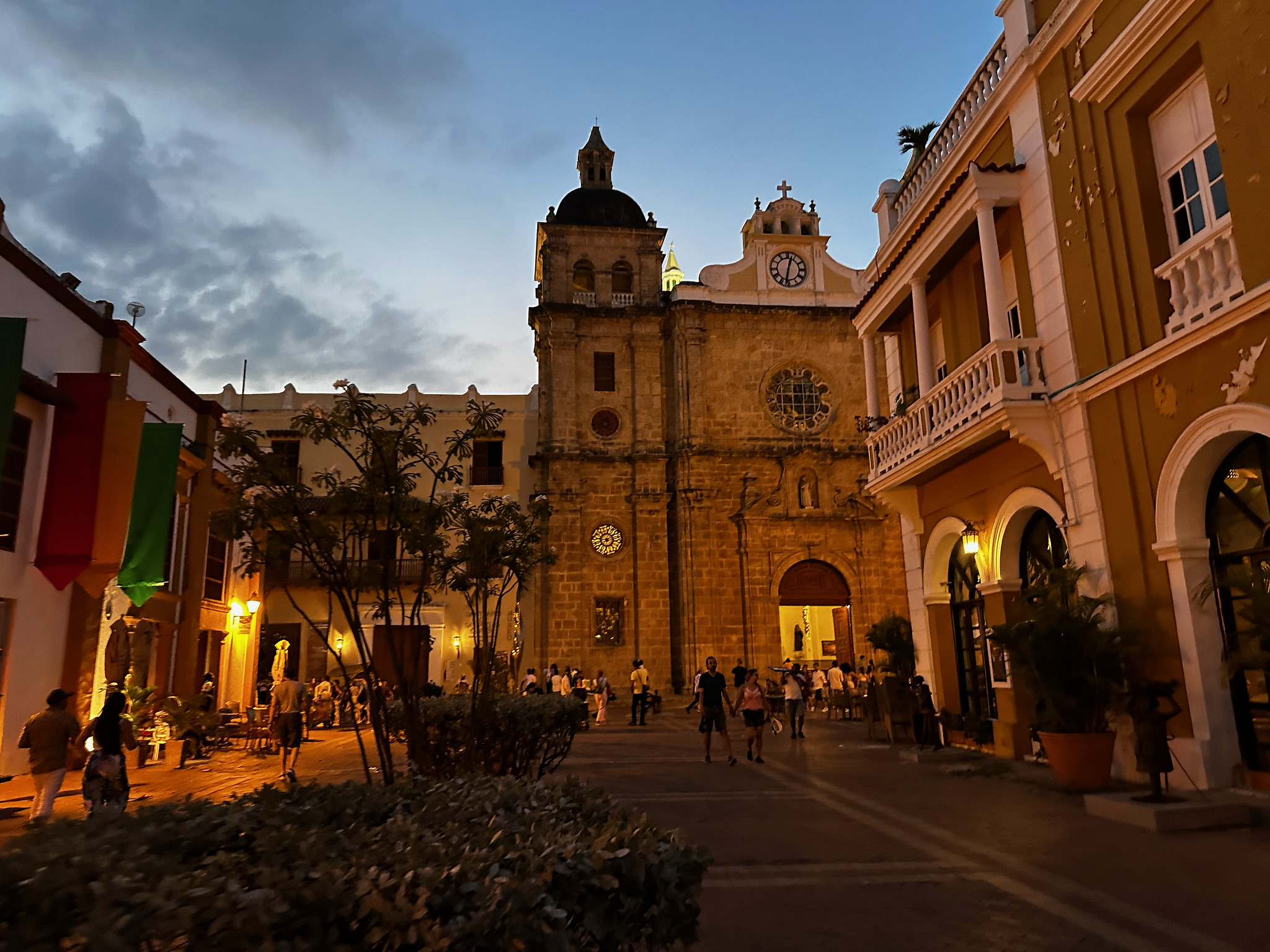
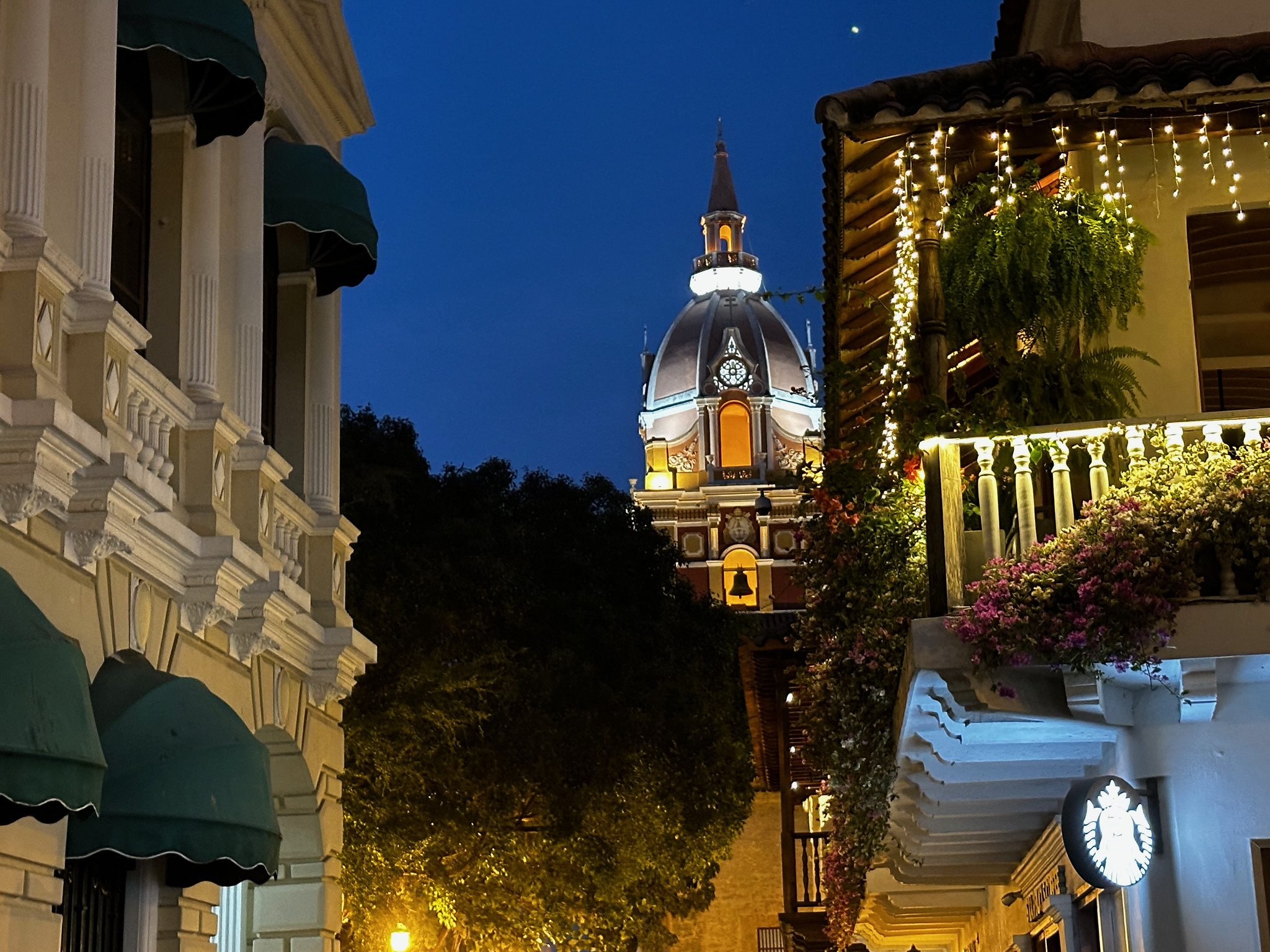
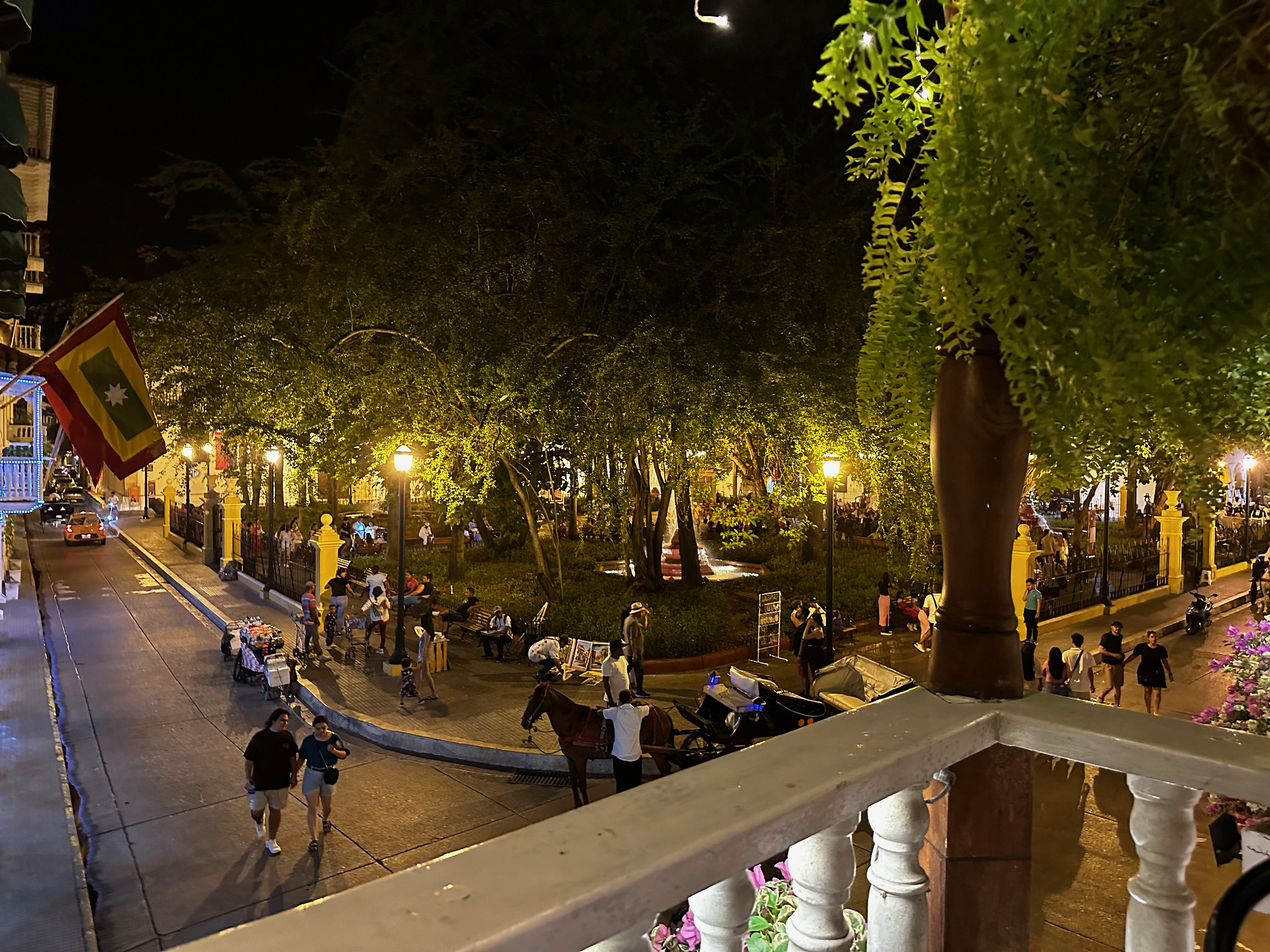
We spent the afternoon walking the streets of the Centro Histórico (Walled City) — cobblestone lanes, bougainvillea-draped balconies, and beautiful plazas everywhere you look.
Key spots:
- Las Bóvedas – former dungeons now turned into artisan shops
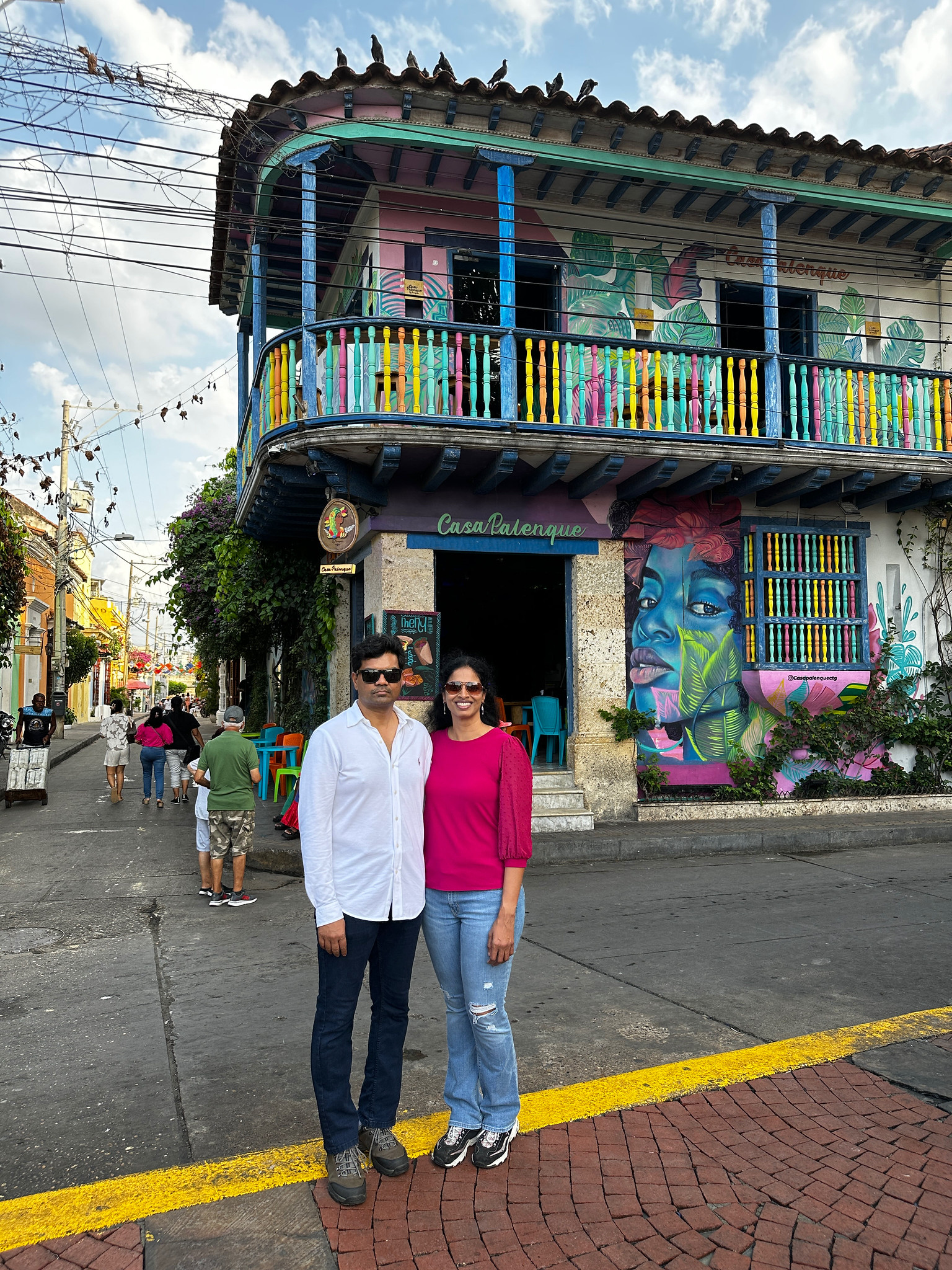
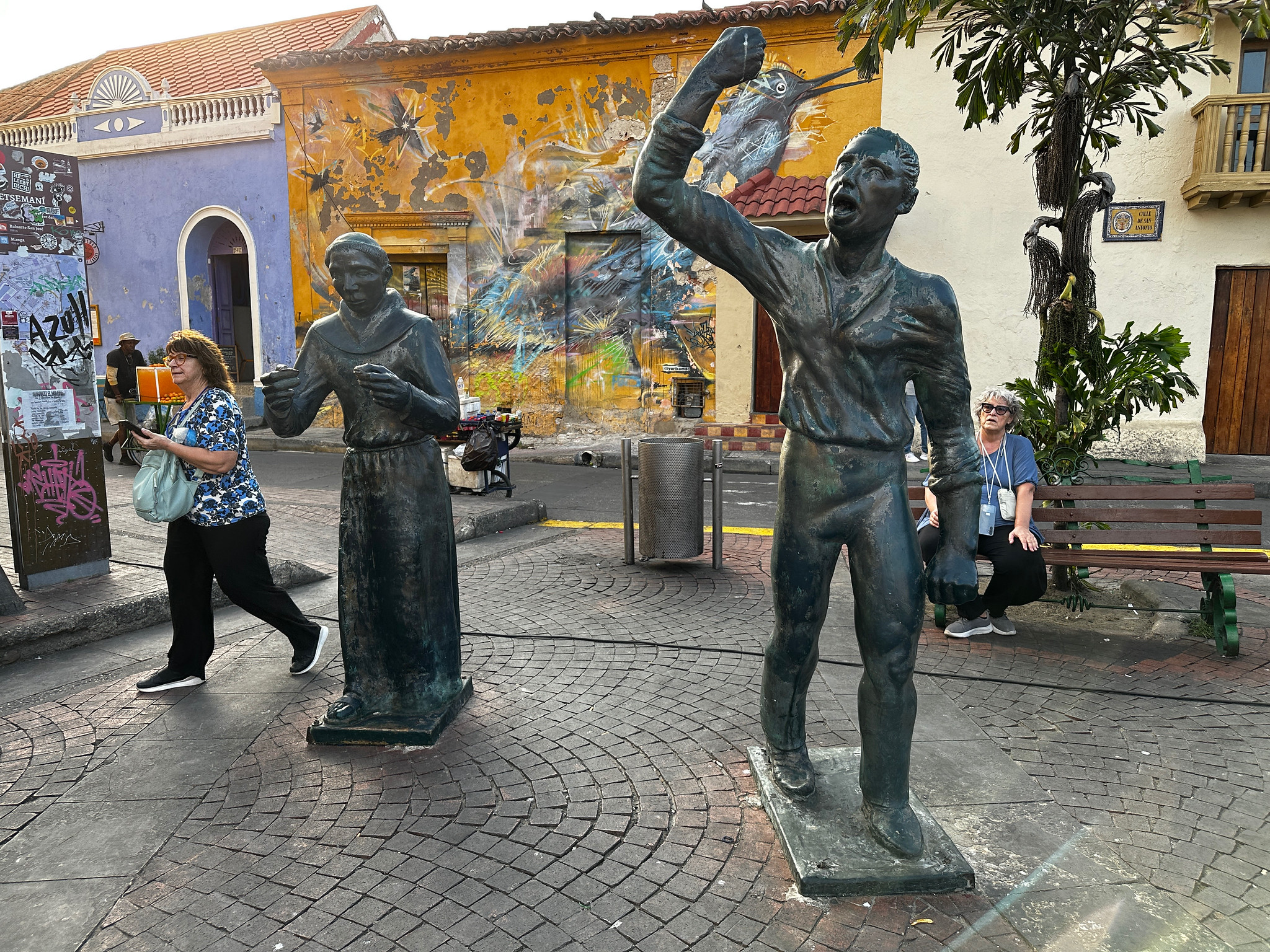
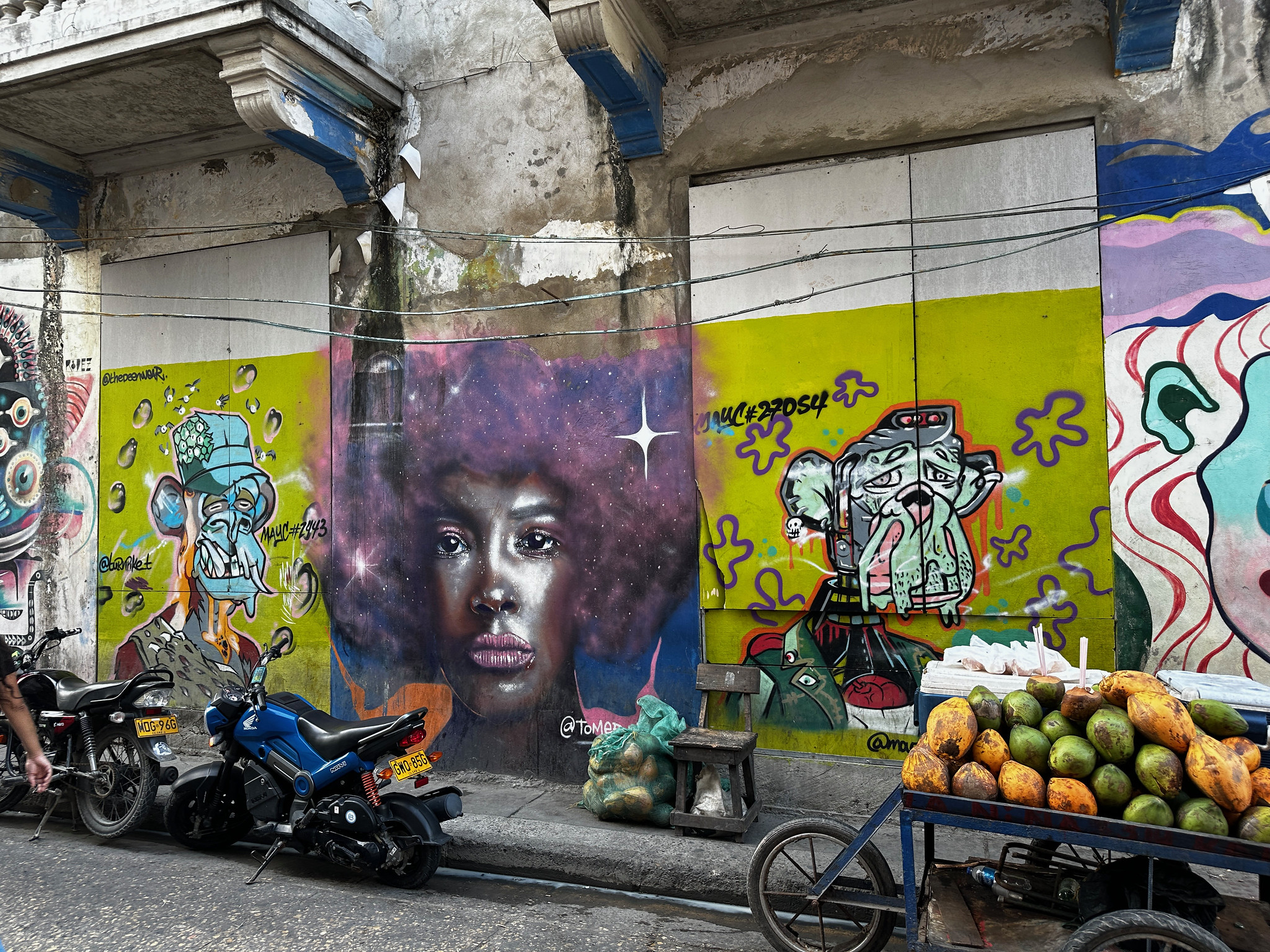
- Getsemaní neighborhood – grittier, more local, wonderful street art
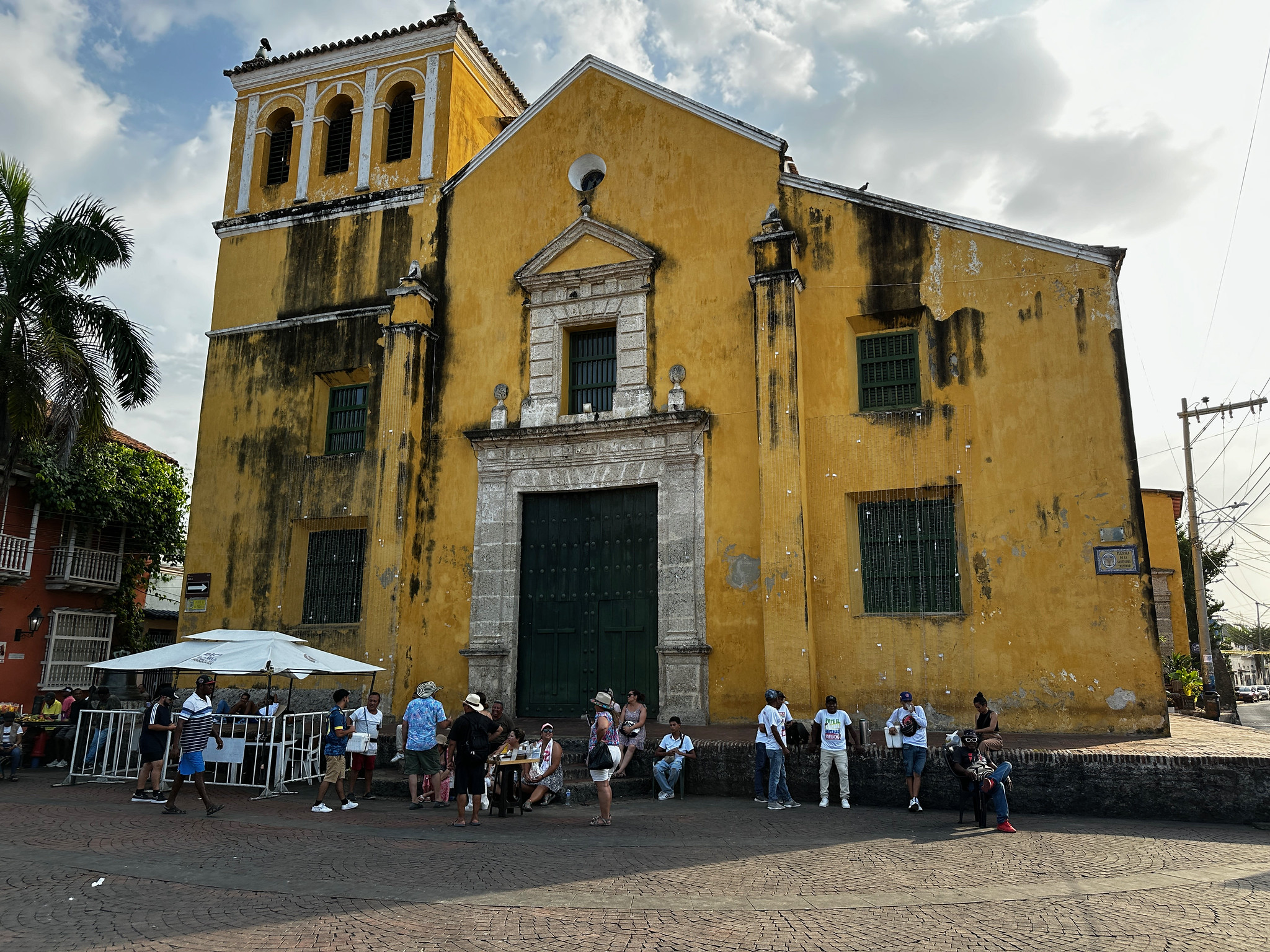
- Plaza de la Trinidad – the heart of Getsemaní, full of life in the evenings
- Cinta Costera waterfront walk along the old city walls
- The city at sunset is magical — the golden light on the colored facades is something you want to photograph endlessly.
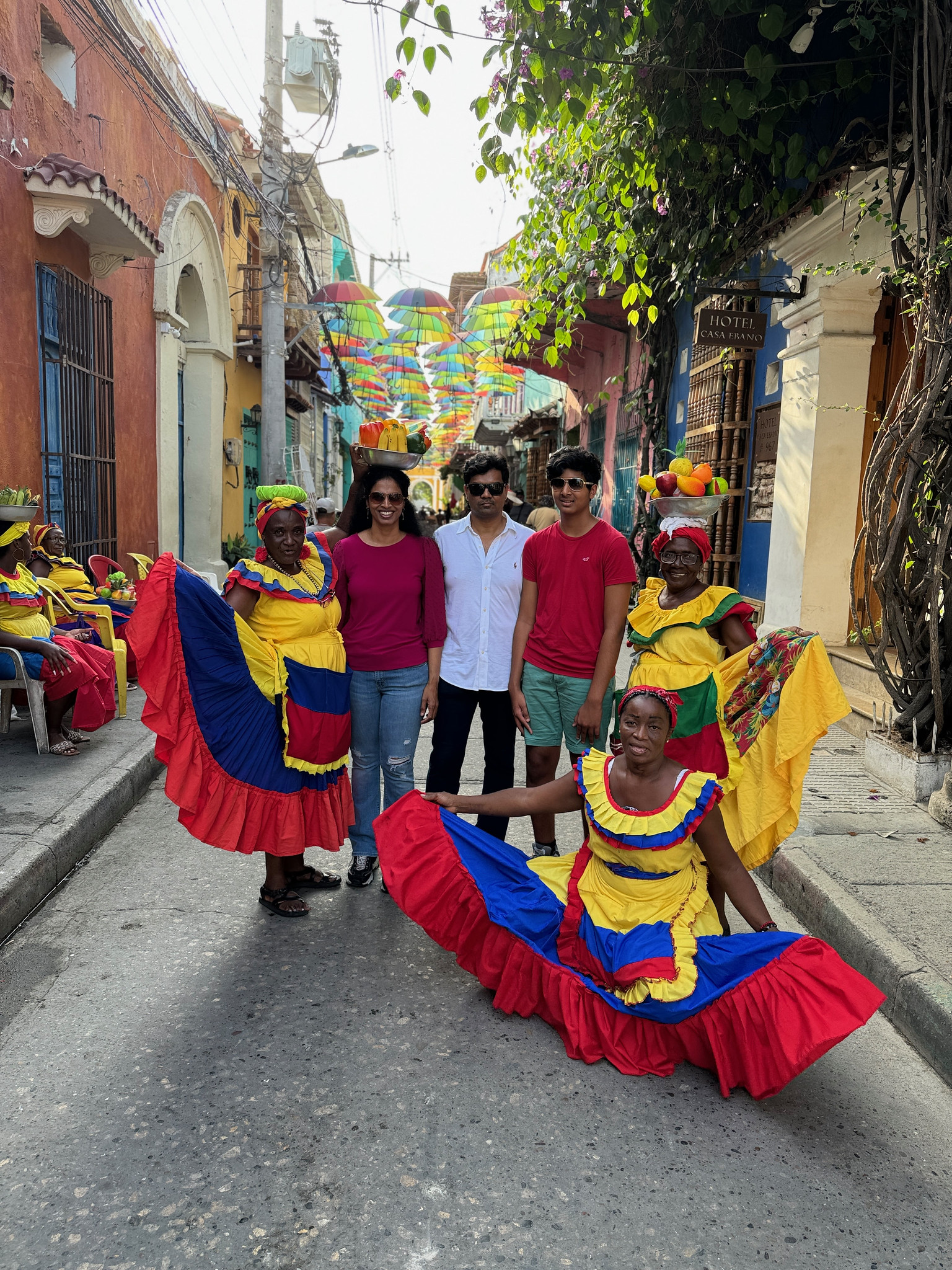
The iconic Palenqueras, women dressed in vibrant, colorful dresses with matching headwraps, often balancing baskets of fresh tropical fruit on their heads.
Plaza Santo Domingo is one of the liveliest and most charming squares in Cartagena’s Old City. Surrounded by colorful colonial buildings, open-air cafés, and restaurants, it’s a wonderful place to relax and soak in the city’s vibrant atmosphere. The plaza is also home to Fernando Botero’s famous bronze sculpture, La Gorda Gertrudis.
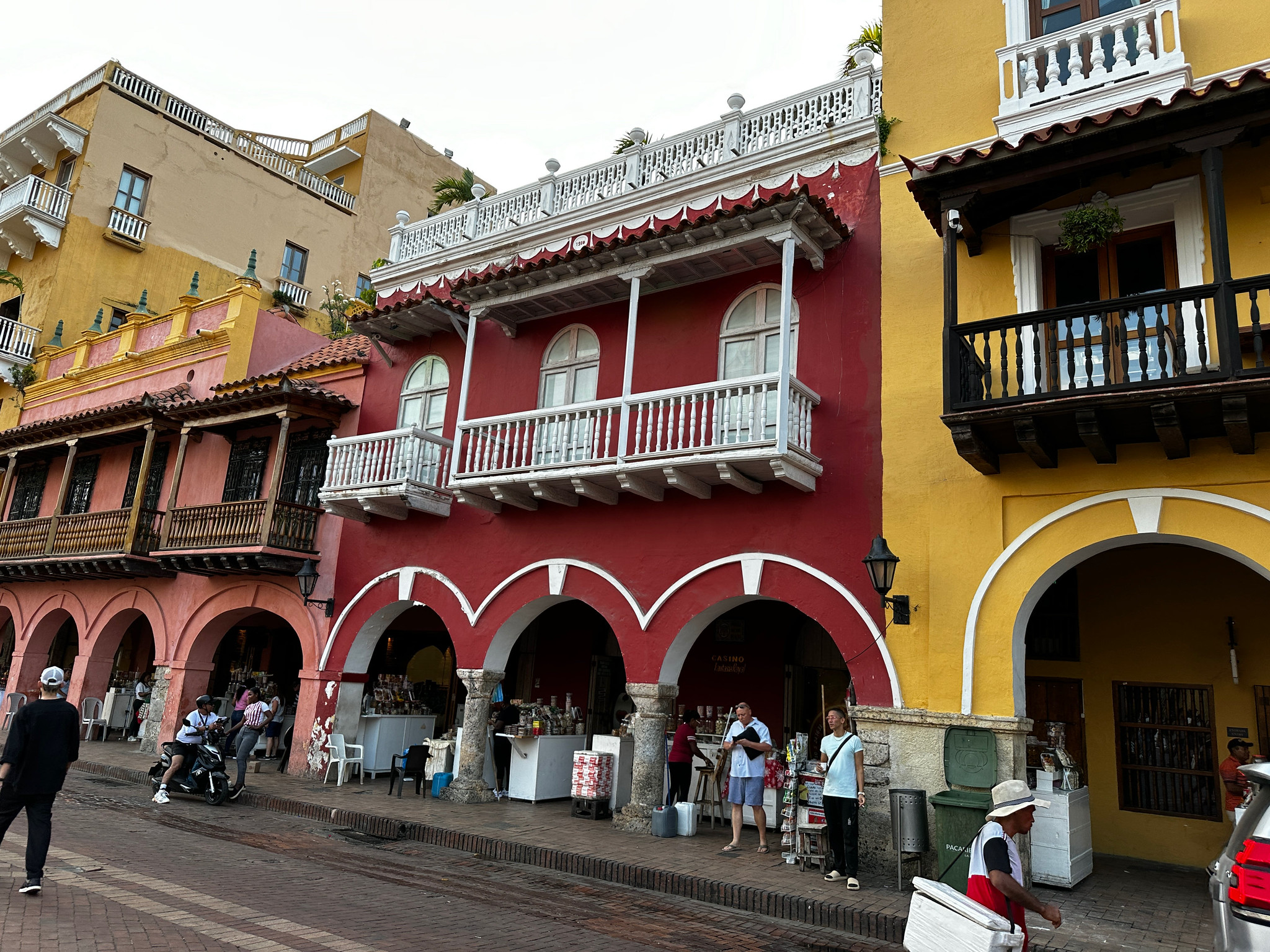
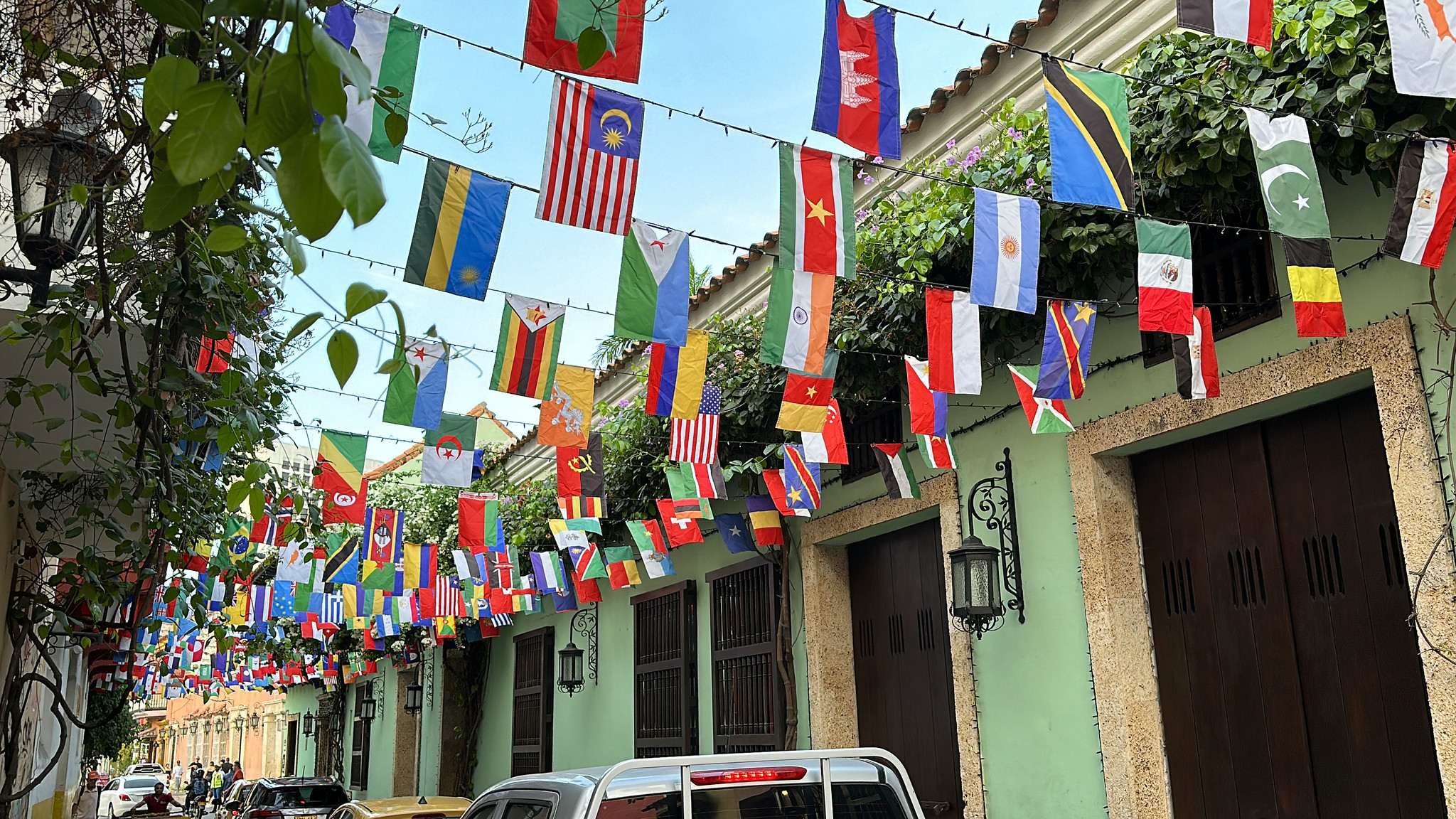
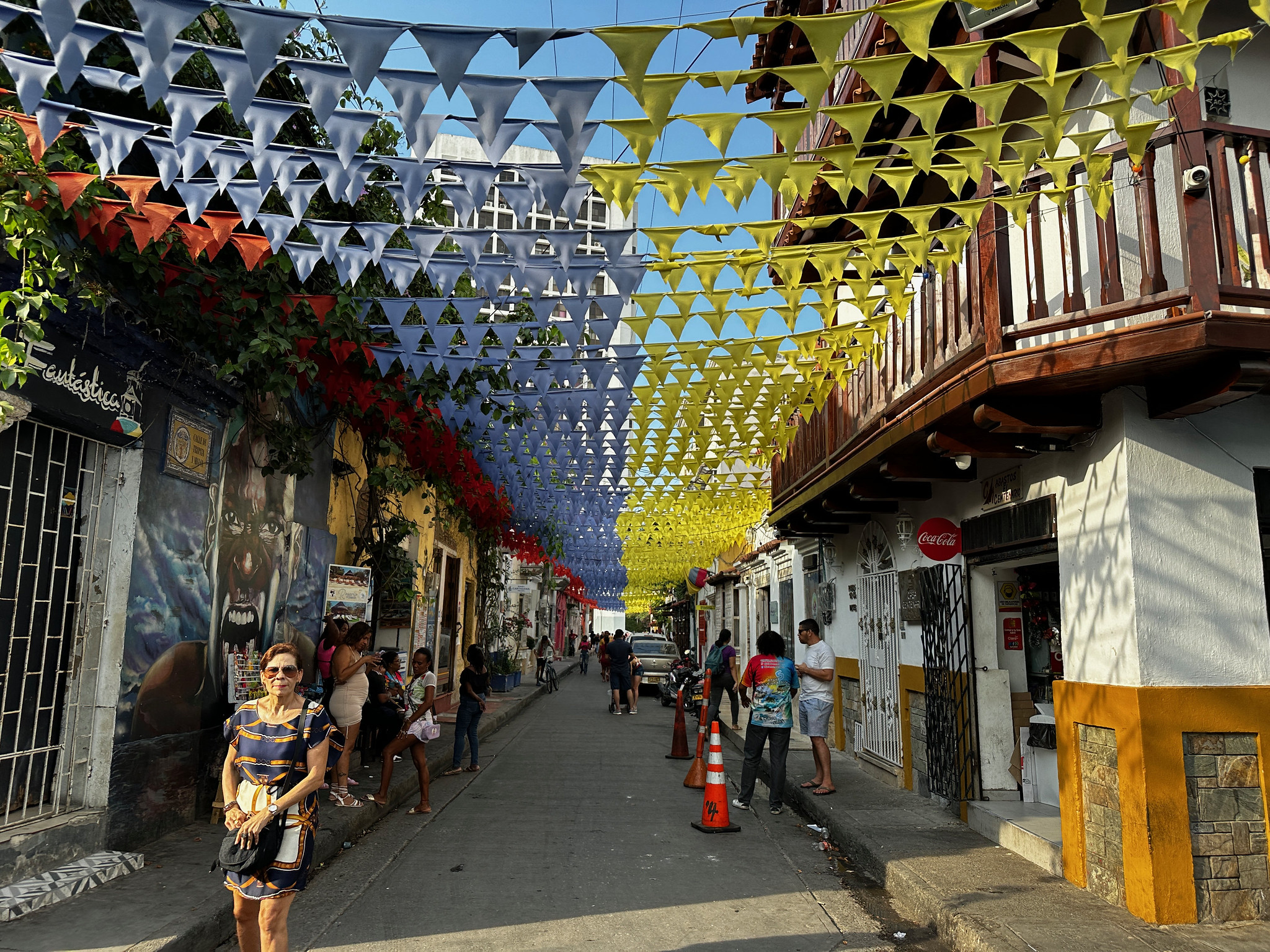
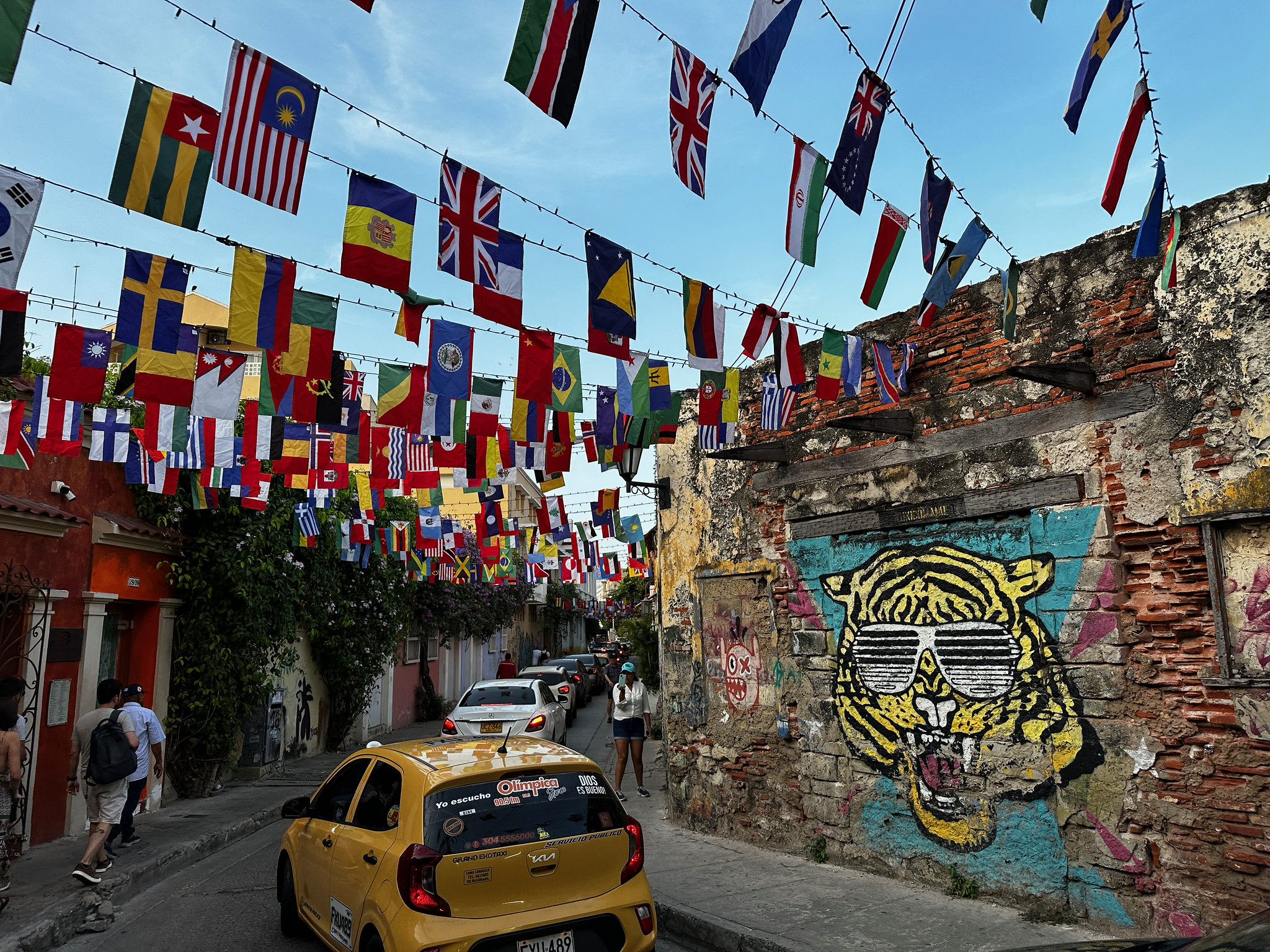
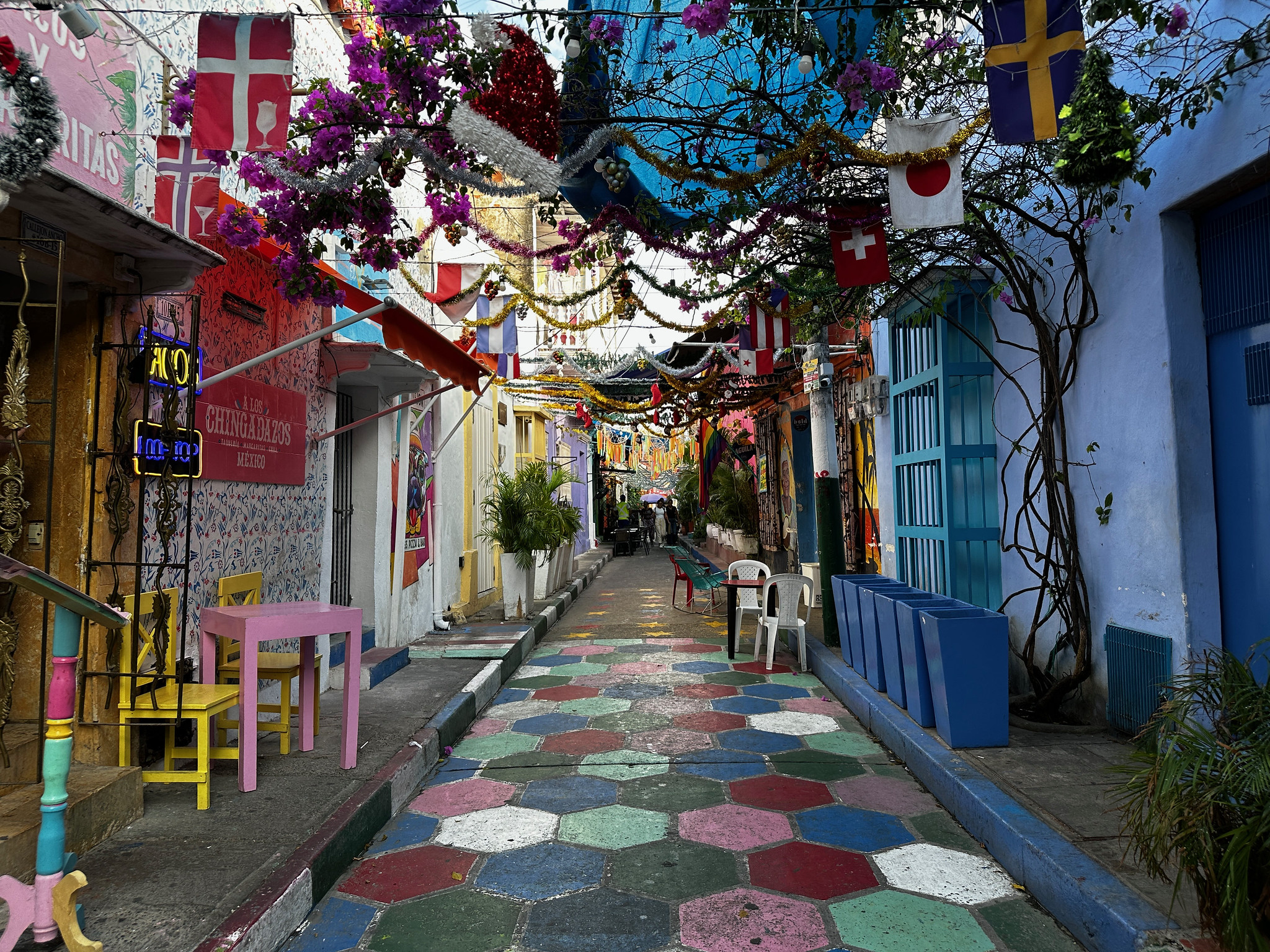
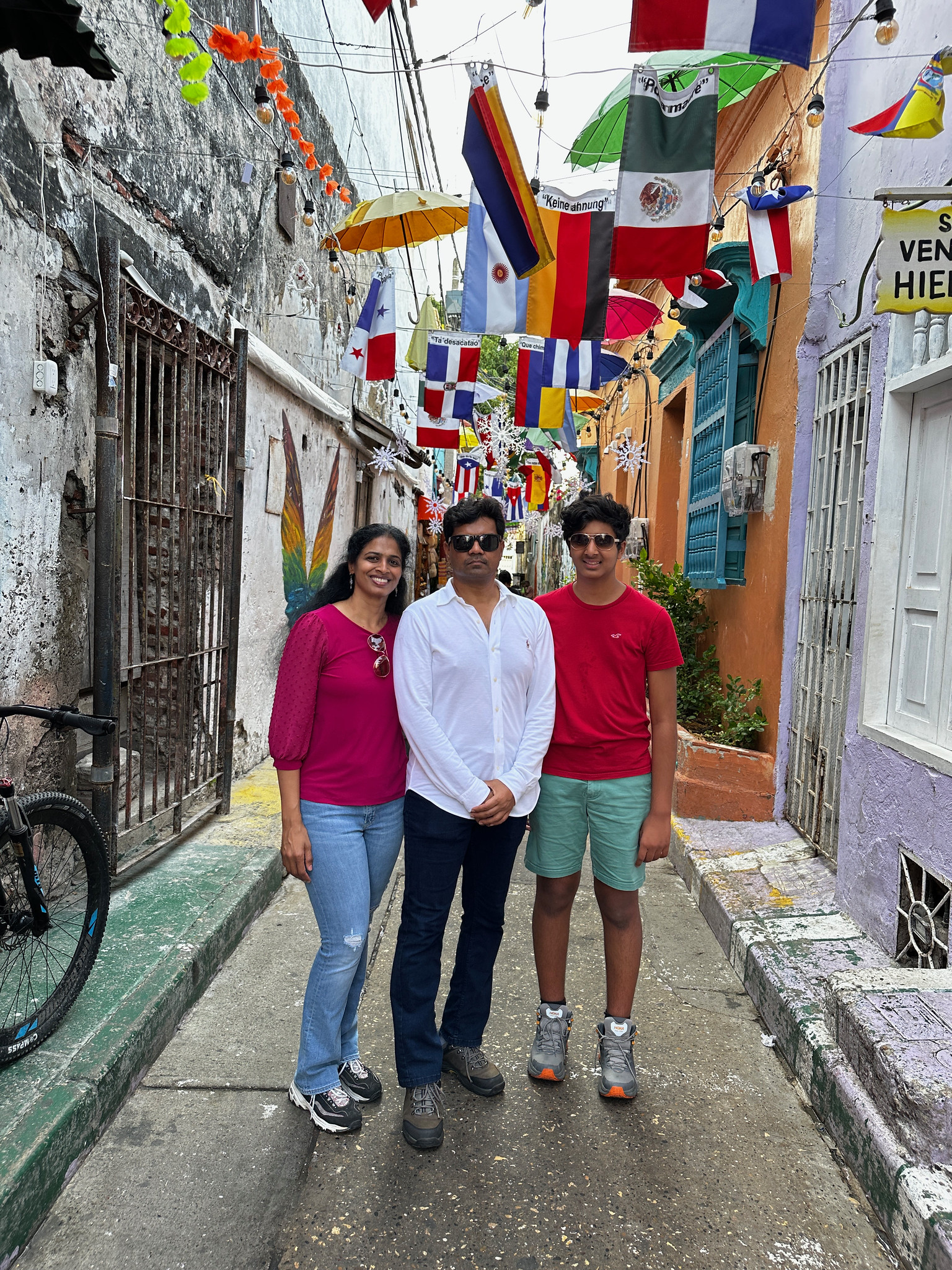
Streets of Cartagena, Colombia. Streets are decorated with Flags of different countries, coloorful umbrellas, colorful strings and many more..
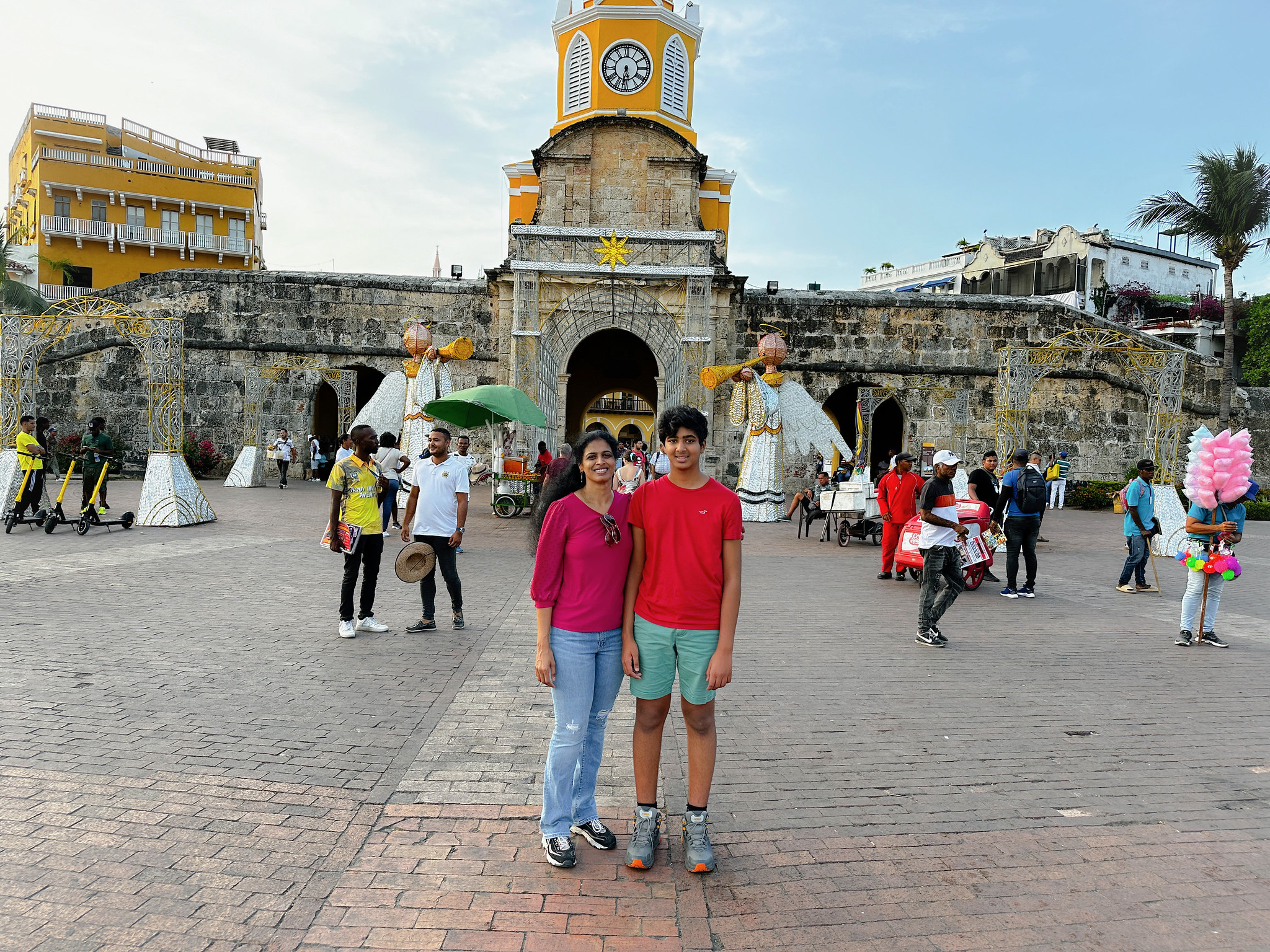
Historic entrance Clock Tower Gate (Torre del Reloj).
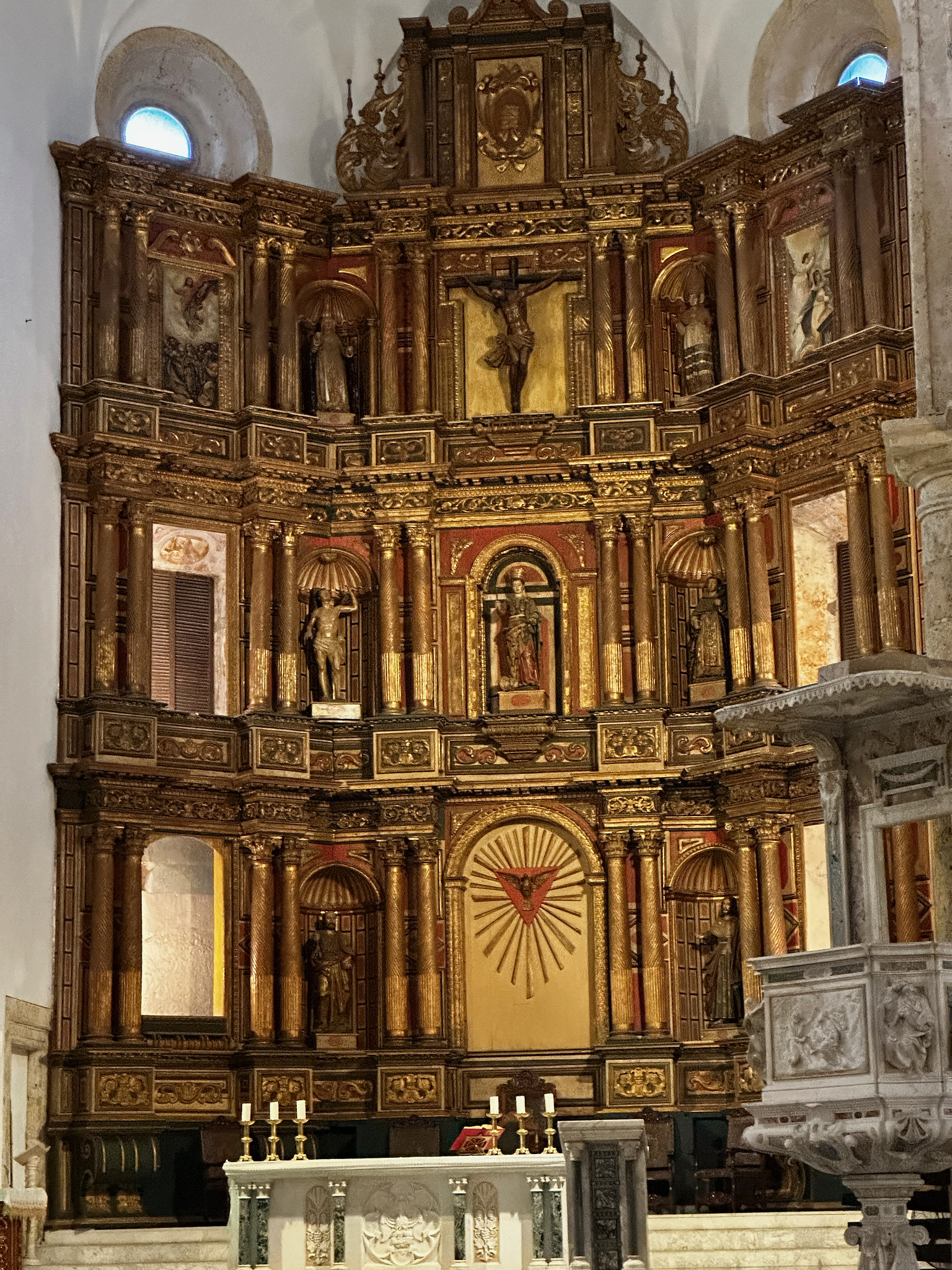
Churches – yellow facade of the Cathedral of San Pedro Claver and the Iglesia de Santo Toribio
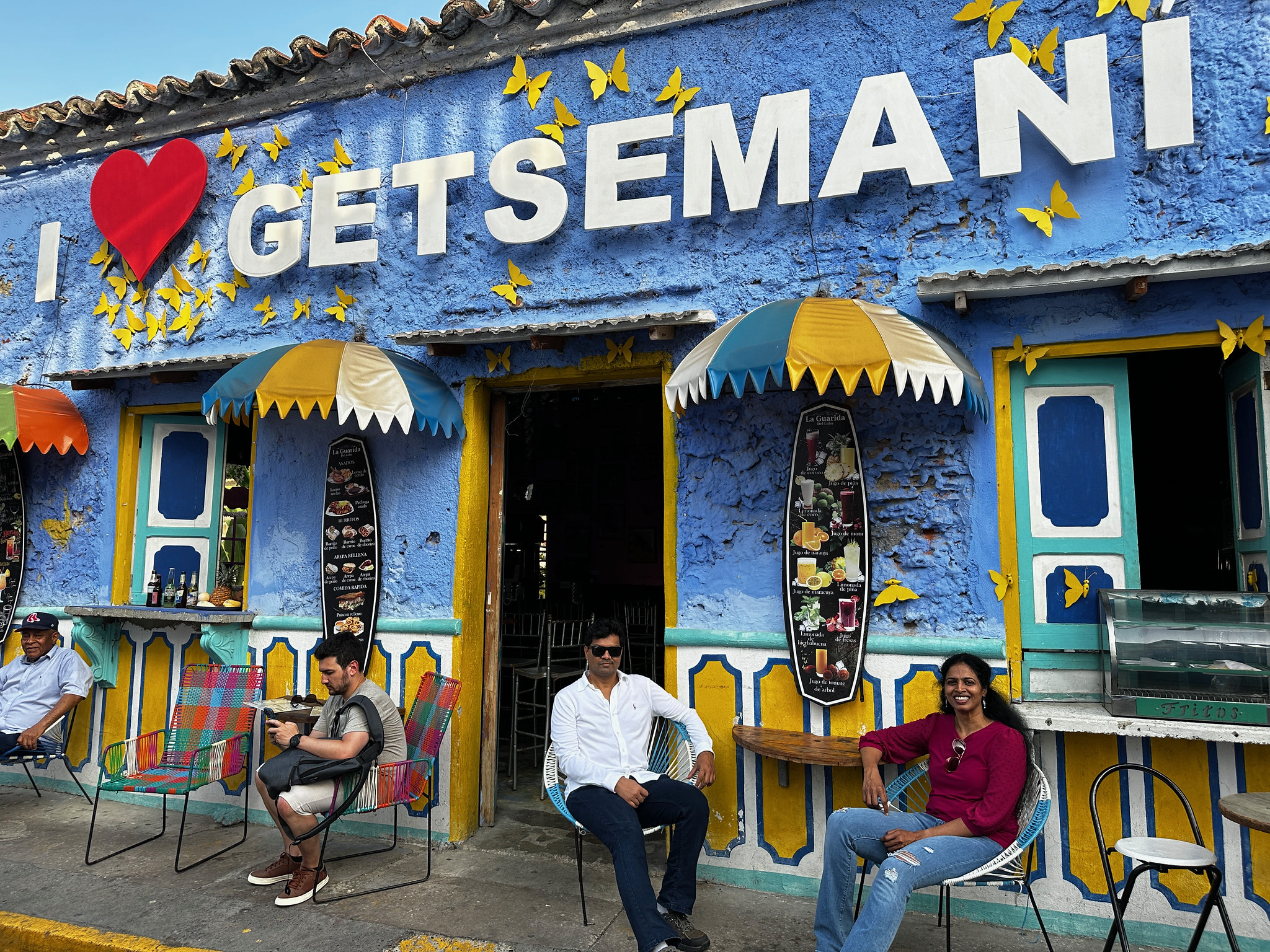
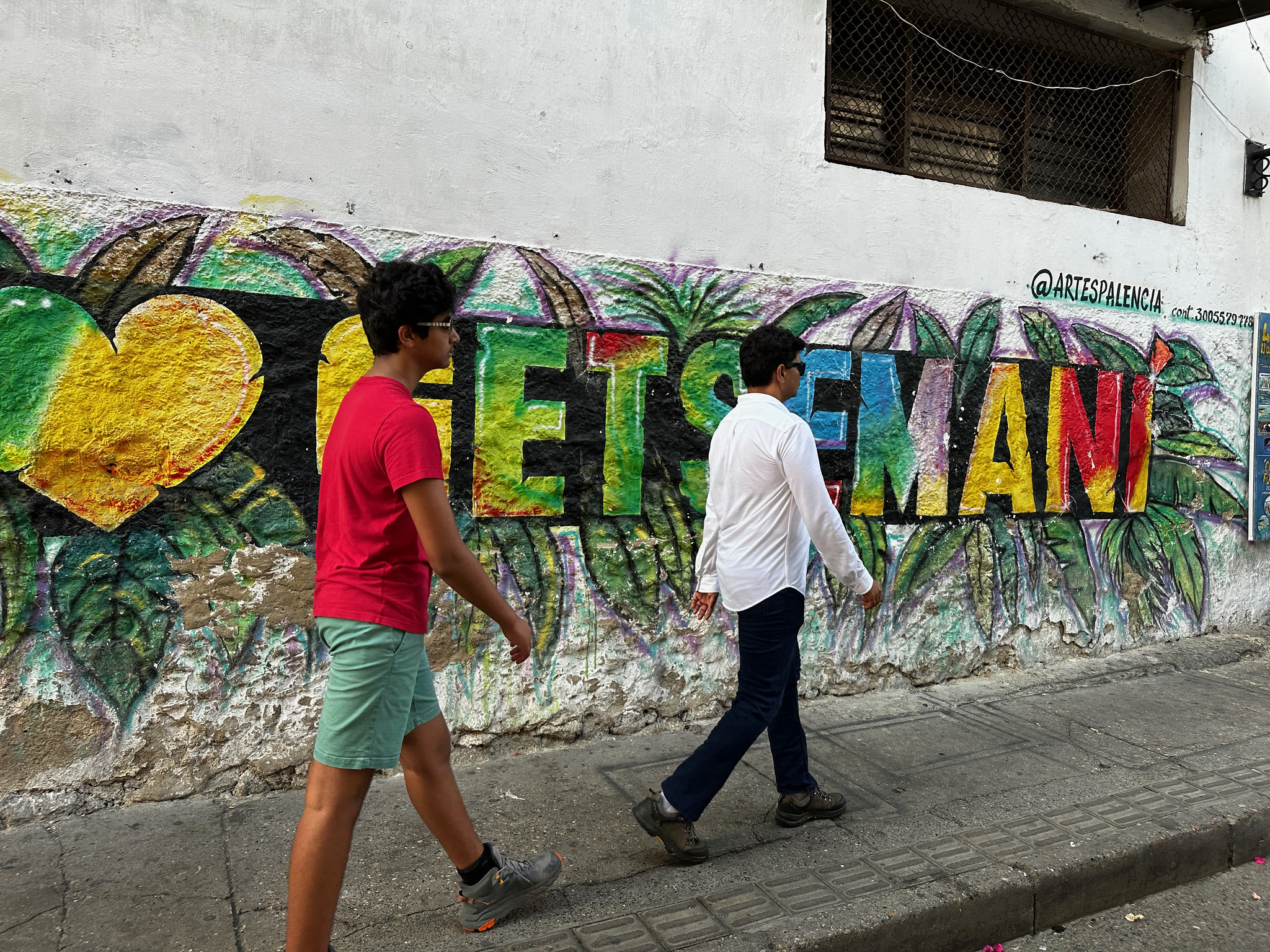
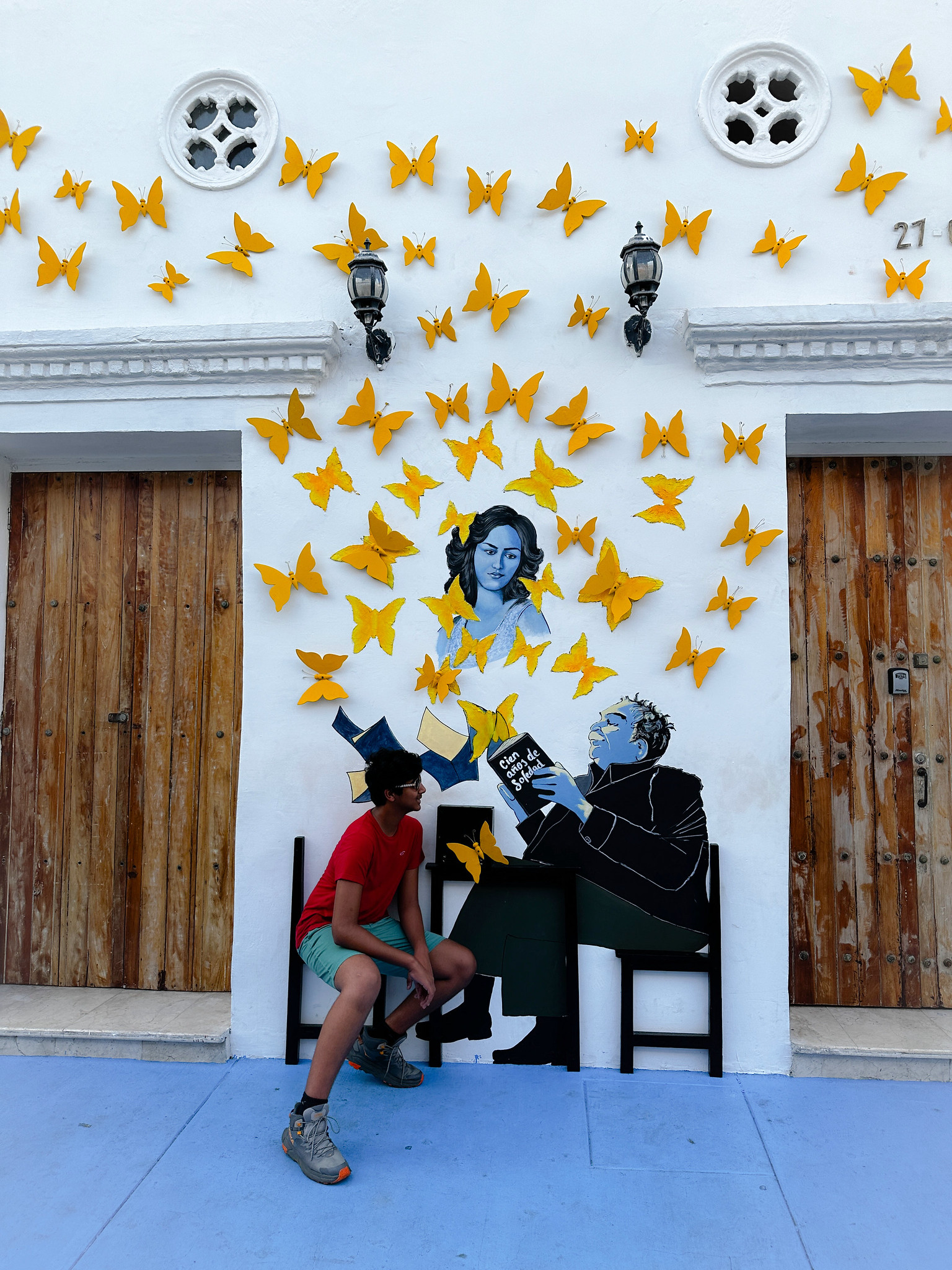
Getsemani: Just outside the walls, this vibrant, artsy neighborhood.
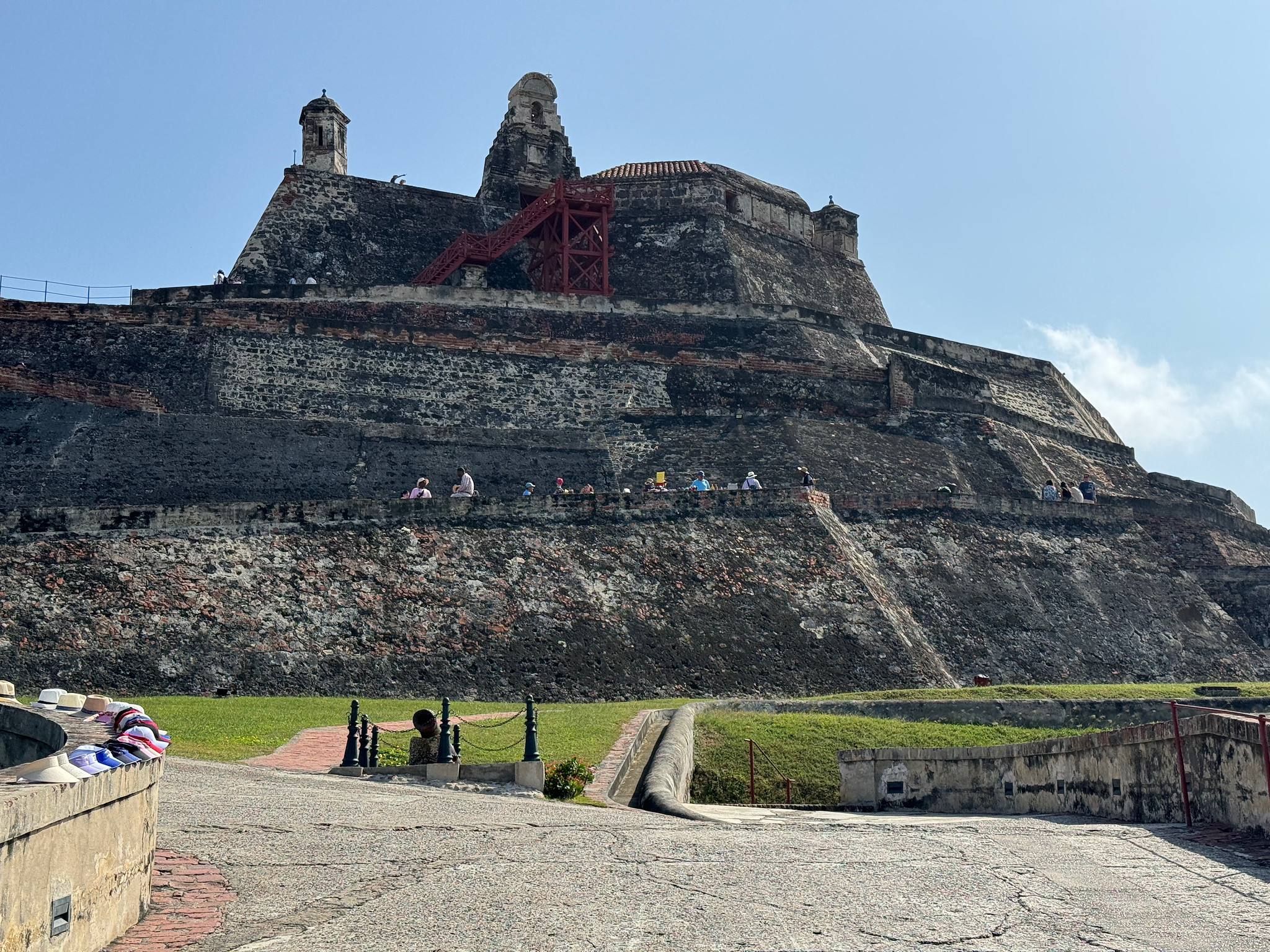
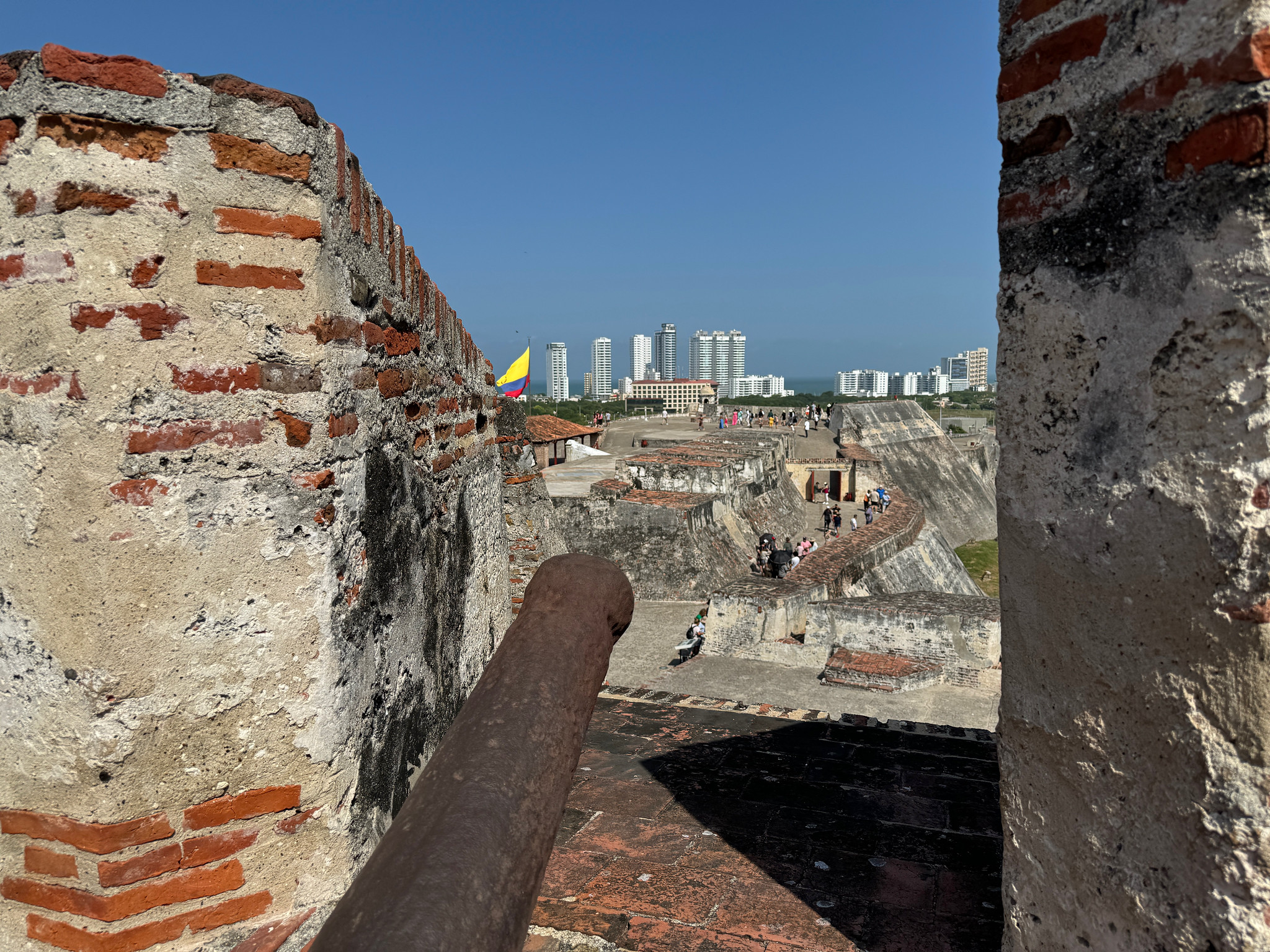
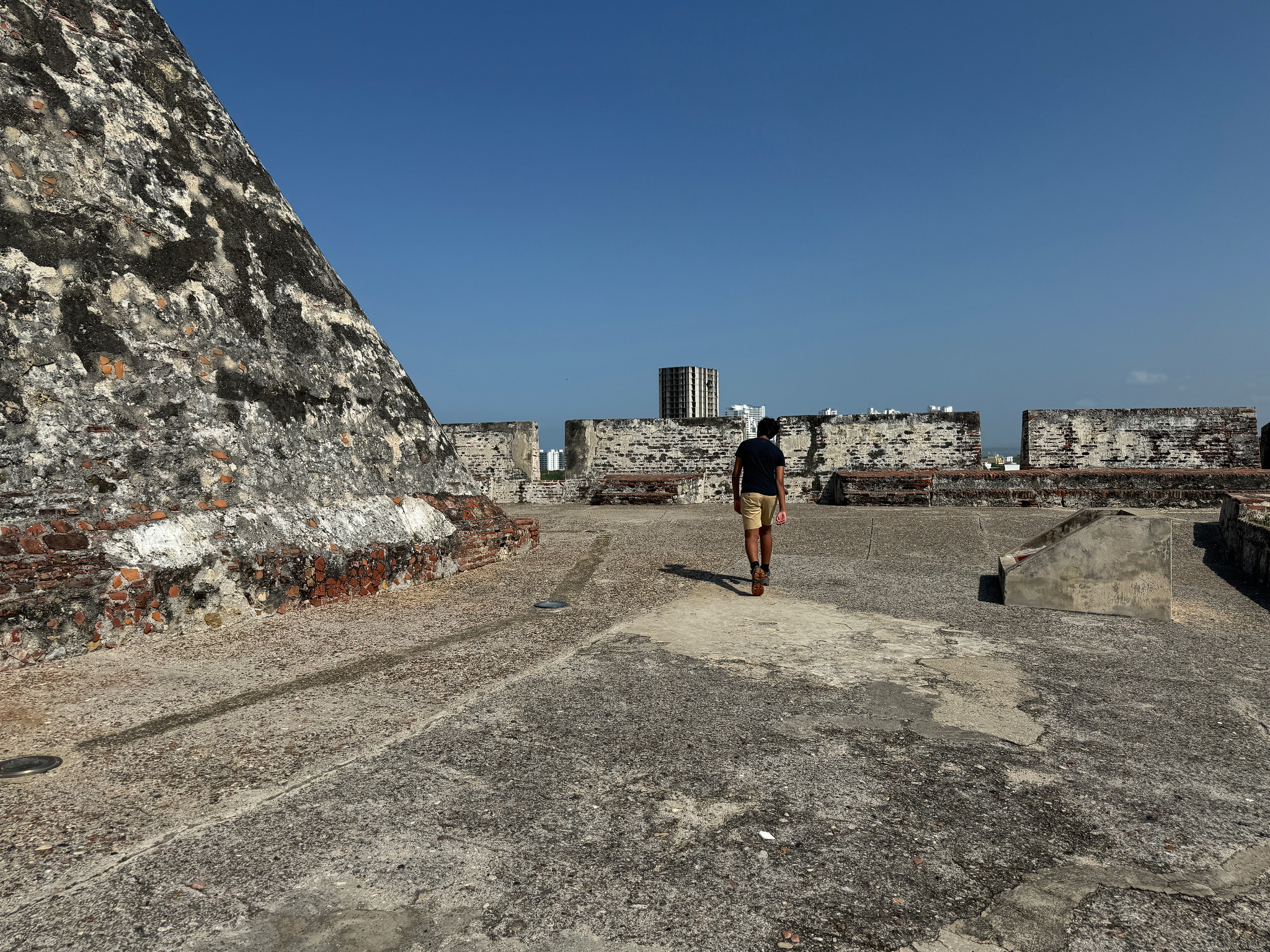
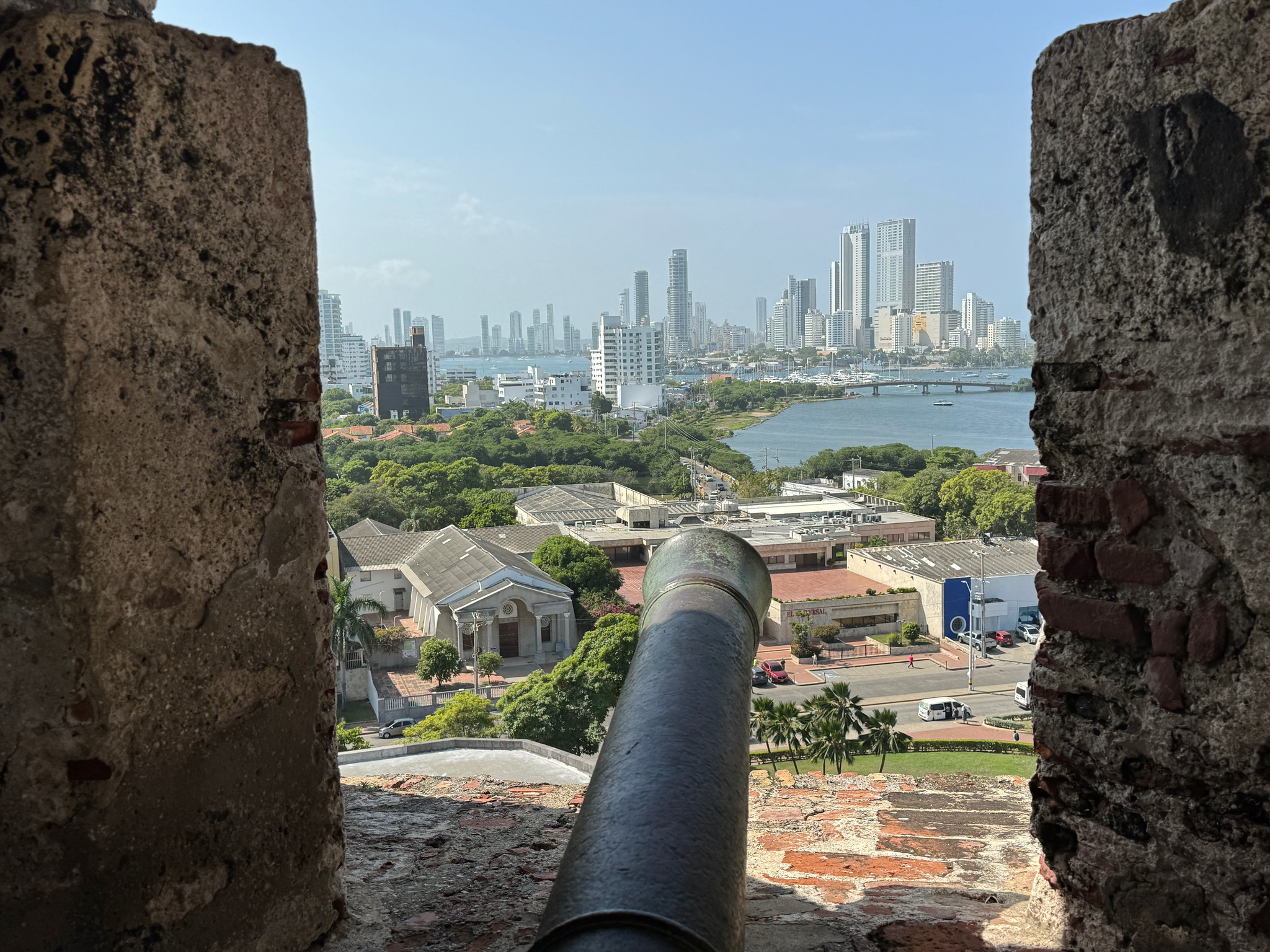
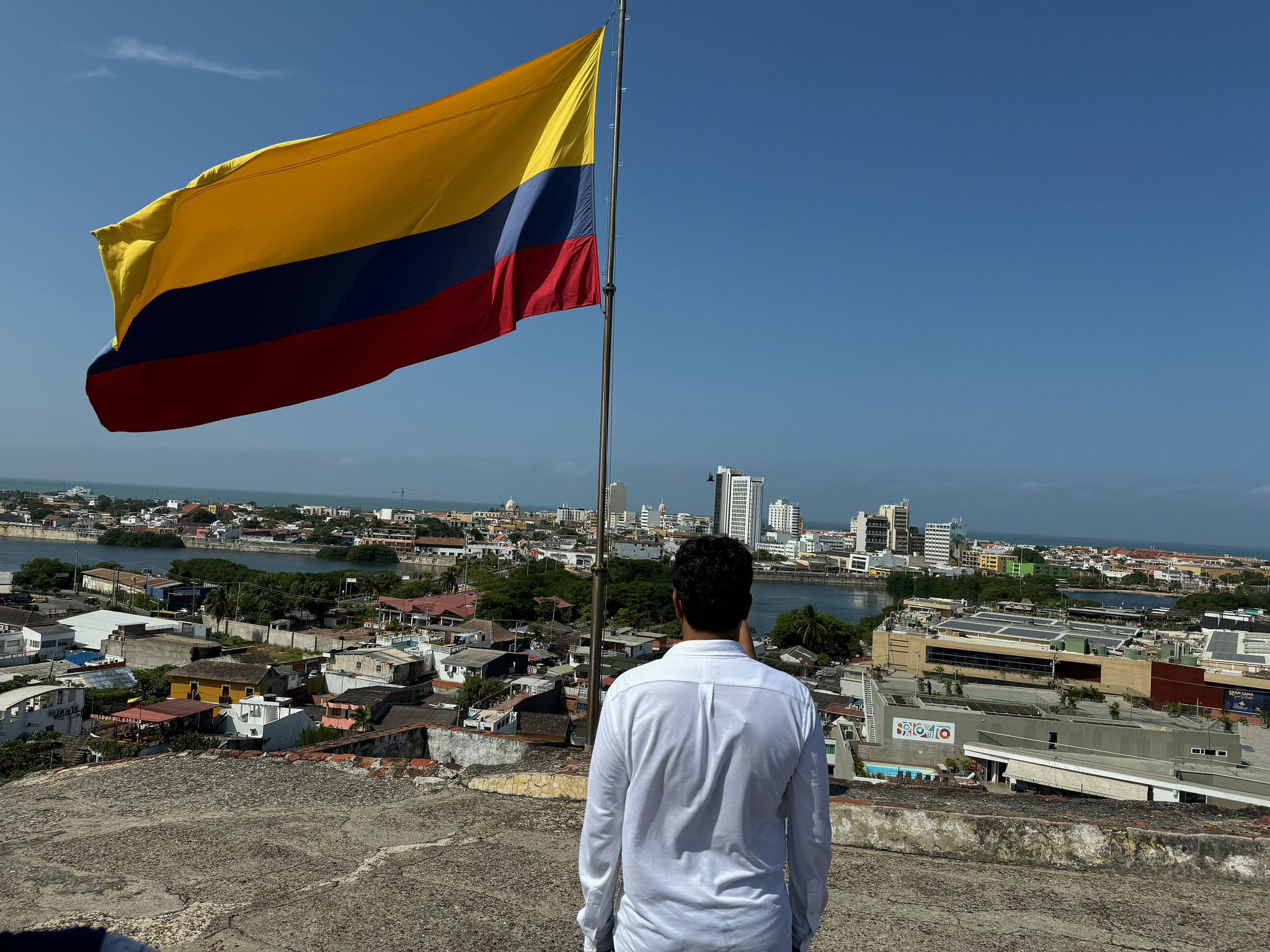
Castillo San Felipe de Barajas
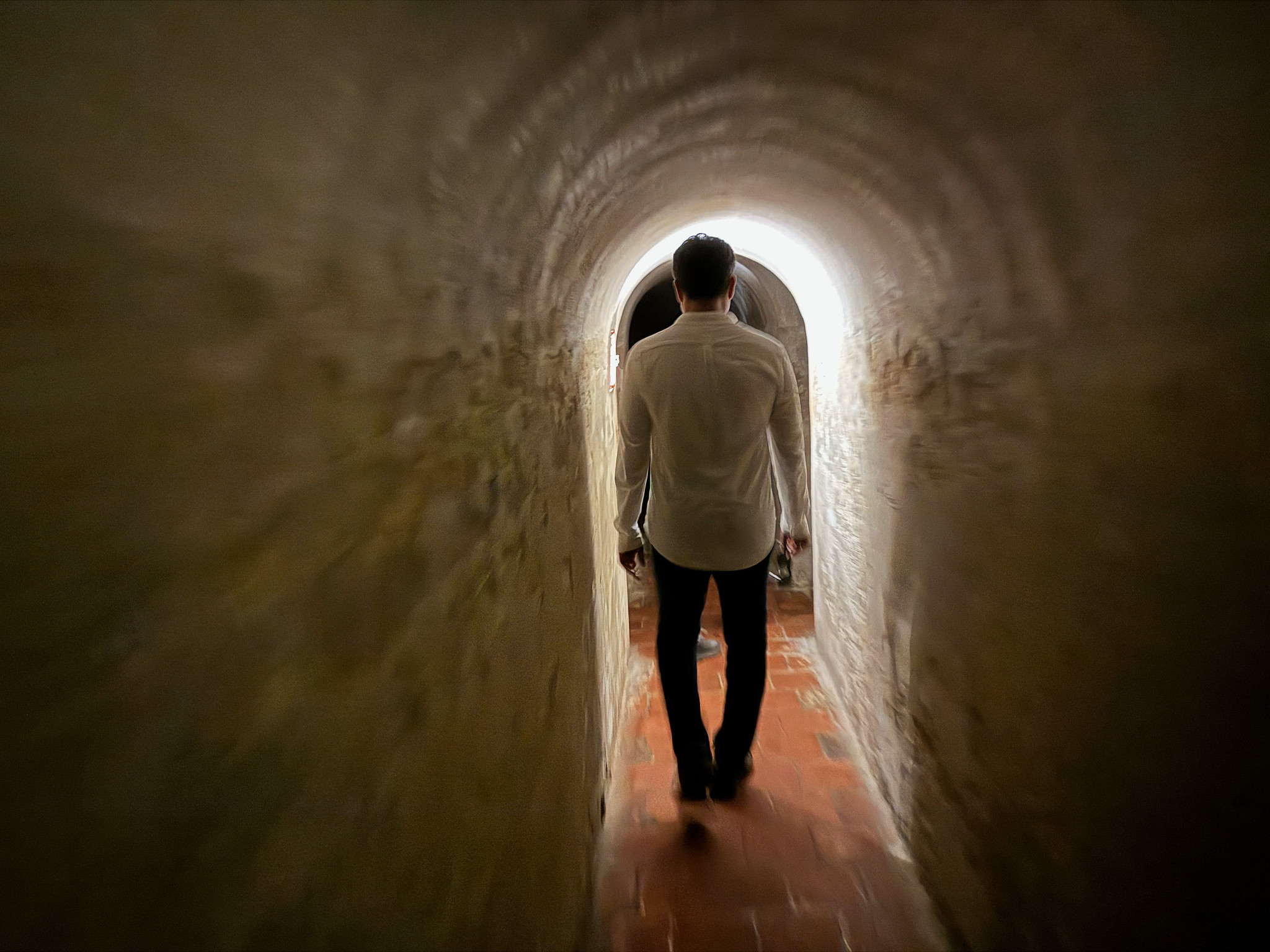
This is the largest Spanish fortress ever built in the Americas, a massive stone structure high on a hill overlooking the city. Built in the 17th century to defend Cartagena from pirates and corsairs, it is an extraordinary piece of military architecture. The tunnels beneath it are a bit claustrophobic, but the views from the top over the Caribbean are stunning. Entry for adults, with reduced prices for children.
La popa monastery
Perched on the highest hill in Cartagena, La Popa Monastery offers some of the most spectacular panoramic views of the city, the Caribbean Sea, and the surrounding coastline. Founded in the early 17th century, this historic monastery features a peaceful courtyard, beautiful colonial architecture, and a chapel filled with religious artwork. Beyond its spiritual significance, La Popa is one of the best places to appreciate Cartagena’s unique blend of history, culture, and breathtaking scenery.
Note: We took Uber to this monastery and it was tough to find ride back. Because everyone has booked either tours or back fourth Taxi’s. After waiting for long time and Uber cancelled multiple times, one taxi driver offer a drop by to down the hill.
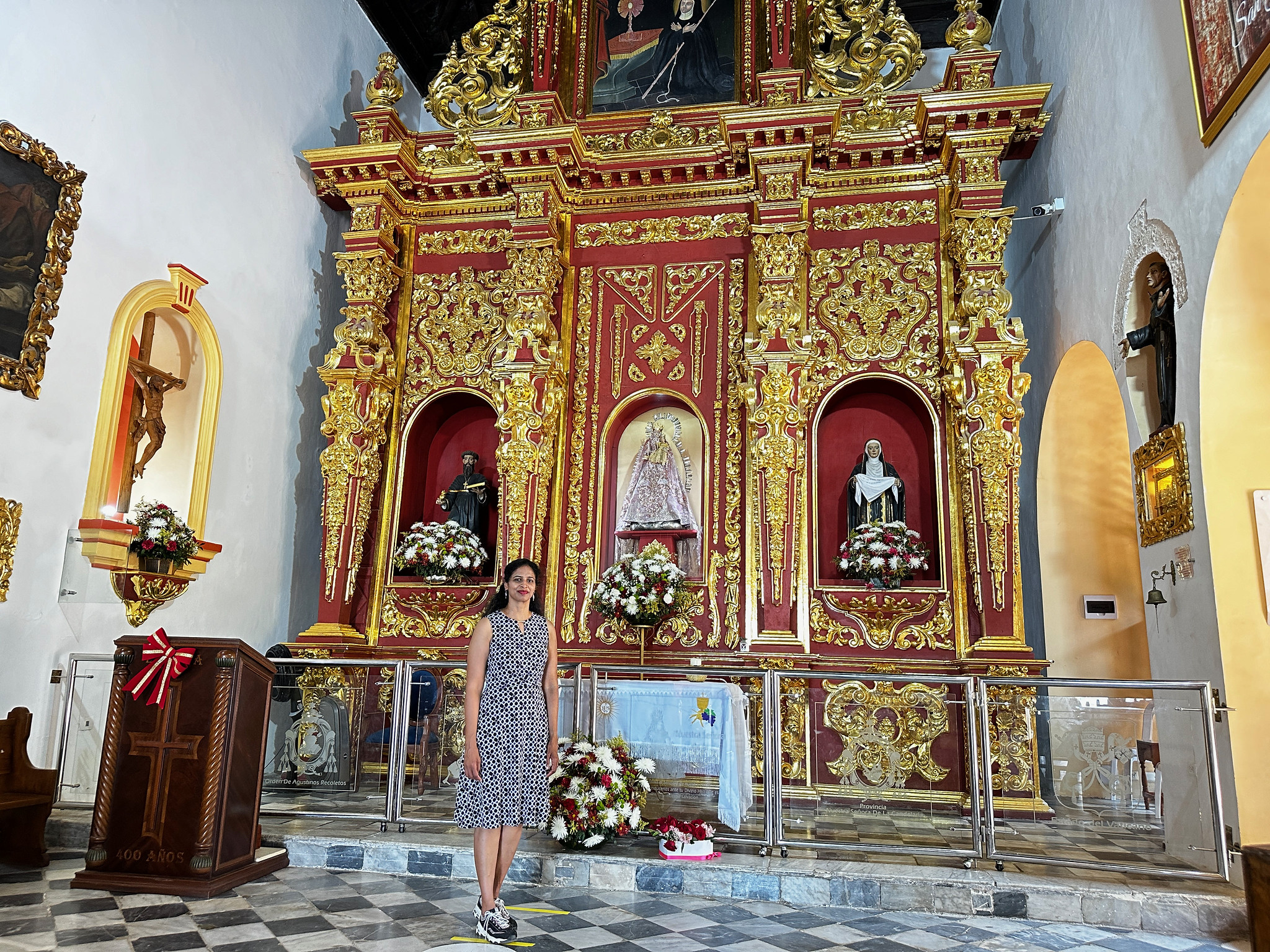
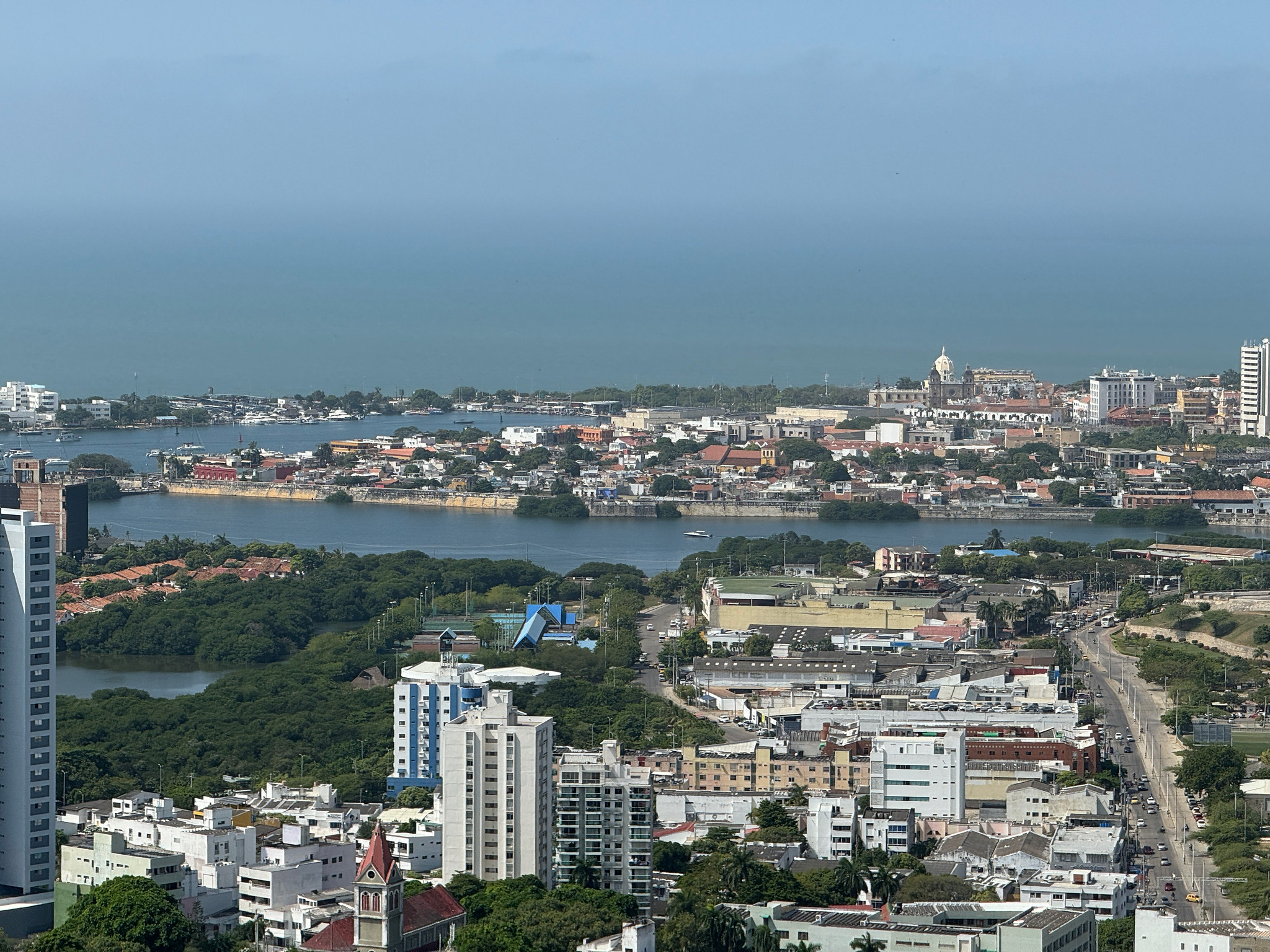
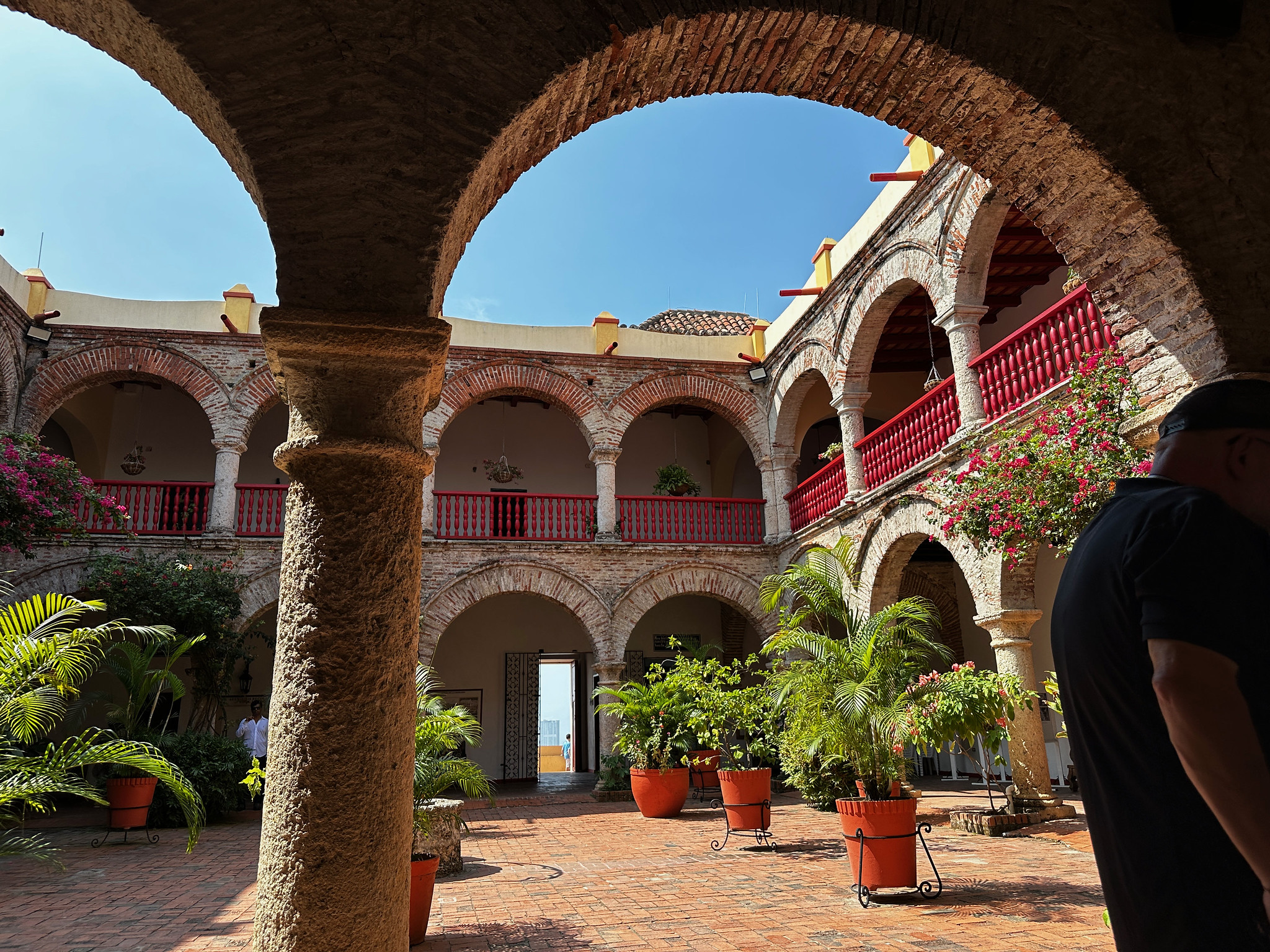
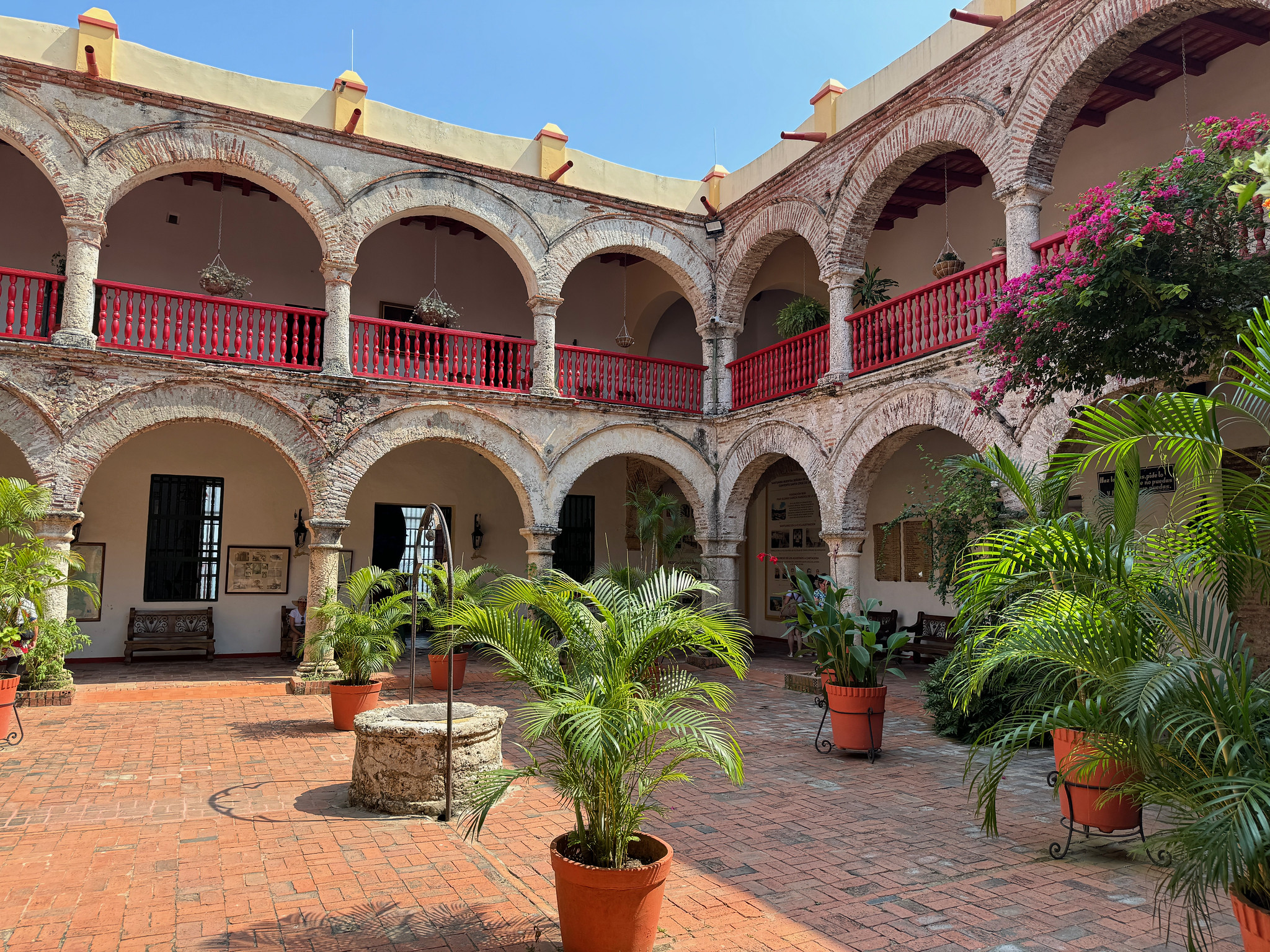
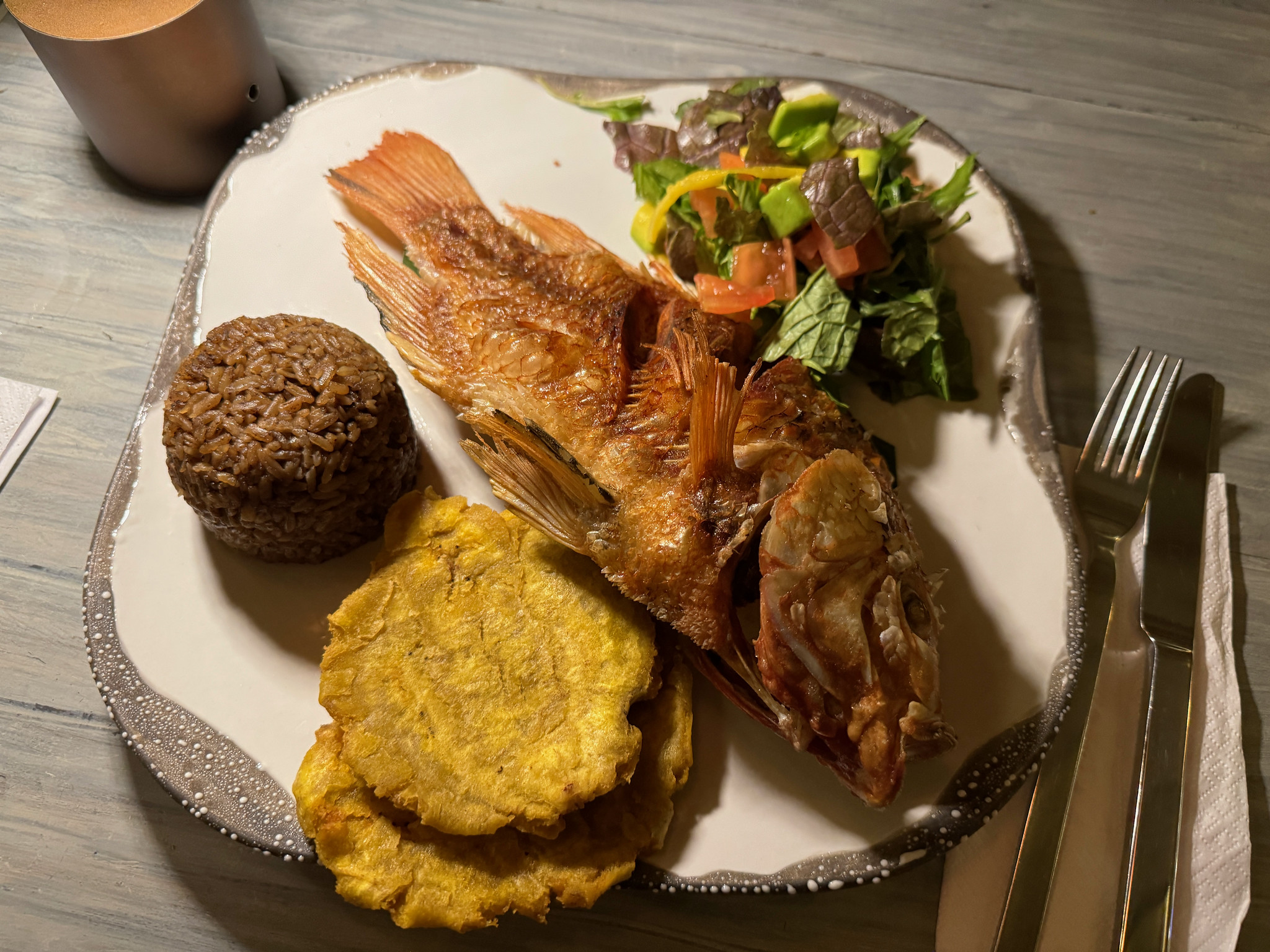
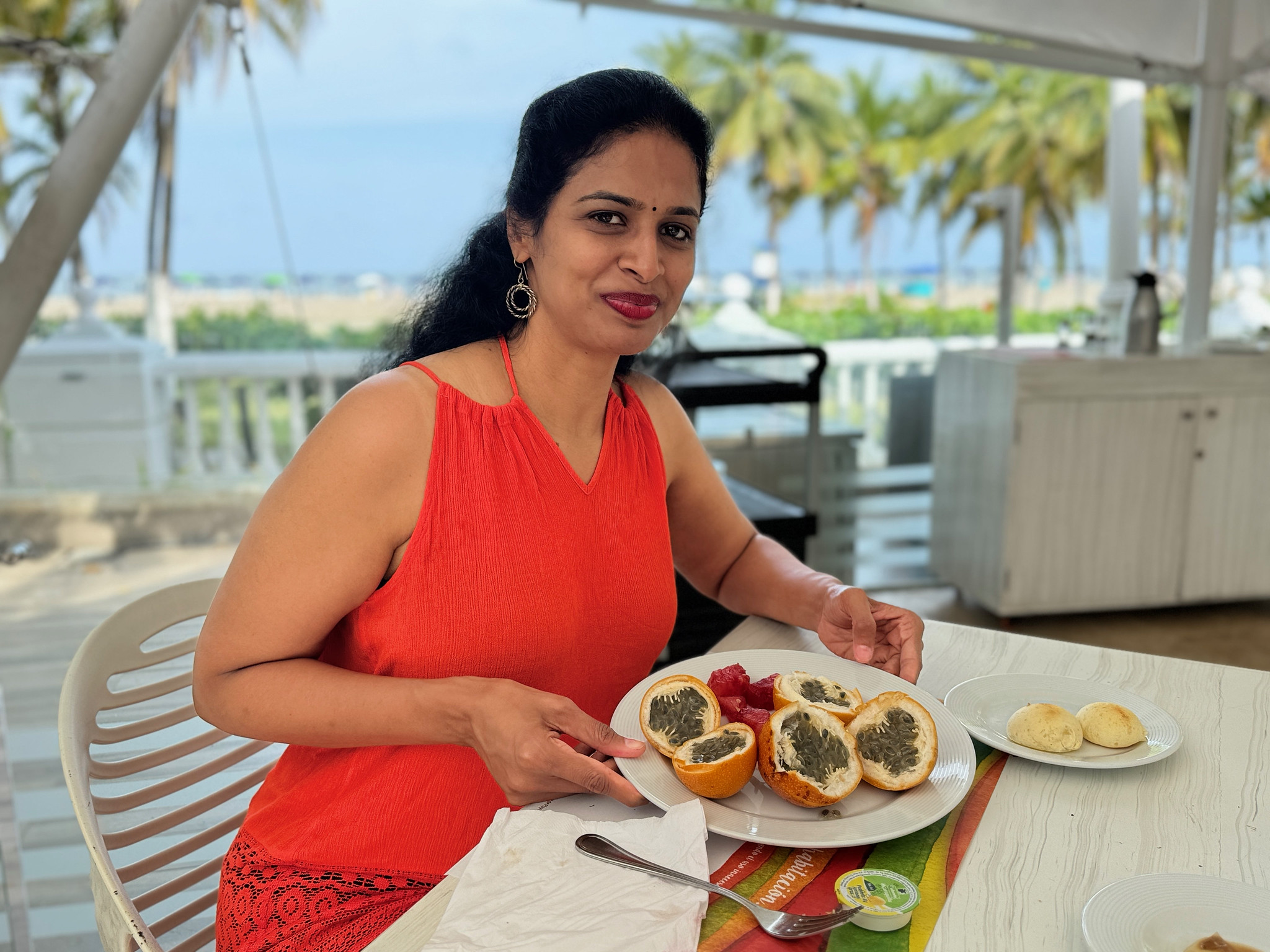
We decided to relax in the resort on the last day. Resort had beautiful show later in the night. I found very sweet passion fruit and enjoyed the fruit. this is the best taste of passion fruit i had.
Interesting Facts
What is Colombia Famous for?
- Colombia Coffee & The Valley de Cocora.
- Emeralds.
- Colombian Art and Colombian Artists.
- Colombian Sports.
- Diversity of Flora and Fauna.
- Colombian Food!
- Colombia’s AMAZING National Parks.
What Are The Most Beautiful Places in Colombia?
- Medellin – Hike the Andes.
- Guatape – An explosion of colour.
- Santander – Stunning natural beauty.
- Chicamocha National Park (Panachi) – Jaw dropping panoramic views.
- Cali – Salsa by the Pacific.
- Sierra de La Macarena – River of seven colors (Caño Cristales)
Why do people love Colombia so much?
There is an energy that can be felt everywhere, from the sparkling coastline to the lush jungles, the bustling cities to the charming villages. It’s a vibe the locals call ‘sabrosura’, a term that doesn’t directly translate but evokes the liveliness, passion and joy that is in the air in Colombia.
Why do people like Colombia?
Many foreigners fall in love with Colombia when they visit for a variety of reasons. The country is known for its stunning natural landscapes, including beautiful beaches, lush rain forests, and towering mountains. Additionally, Colombian culture is rich and diverse, with vibrant music, dance, and festivals.
Why is Cartagena so famous?
During the Spanish colonial period Cartagena had a key role in administration and expansion of the Spanish empire. It was a center of political, ecclesiastical, and economic activity. In 1984, Cartagena’s colonial walled city and fortress were designated a UNESCO World Heritage Site.
Before our trip, we heard many stories about Colombia’s past, including concerns about violence, drugs, and theft. While it’s always important to stay aware and take sensible precautions, our experience was overwhelmingly positive. We stayed in comfortable resorts, explored Medellín with knowledgeable local guides and in well-known, safe areas, and enjoyed the beautiful beaches, colorful Old Town, and historic fortress of Cartagena. Colombia surprised us with its warm hospitality, rich culture, delicious food, and remarkable transformation, making it a destination we would happily recommend to anyone planning a visit.
Travel Date: Dec 2023