Helsinki
Finland
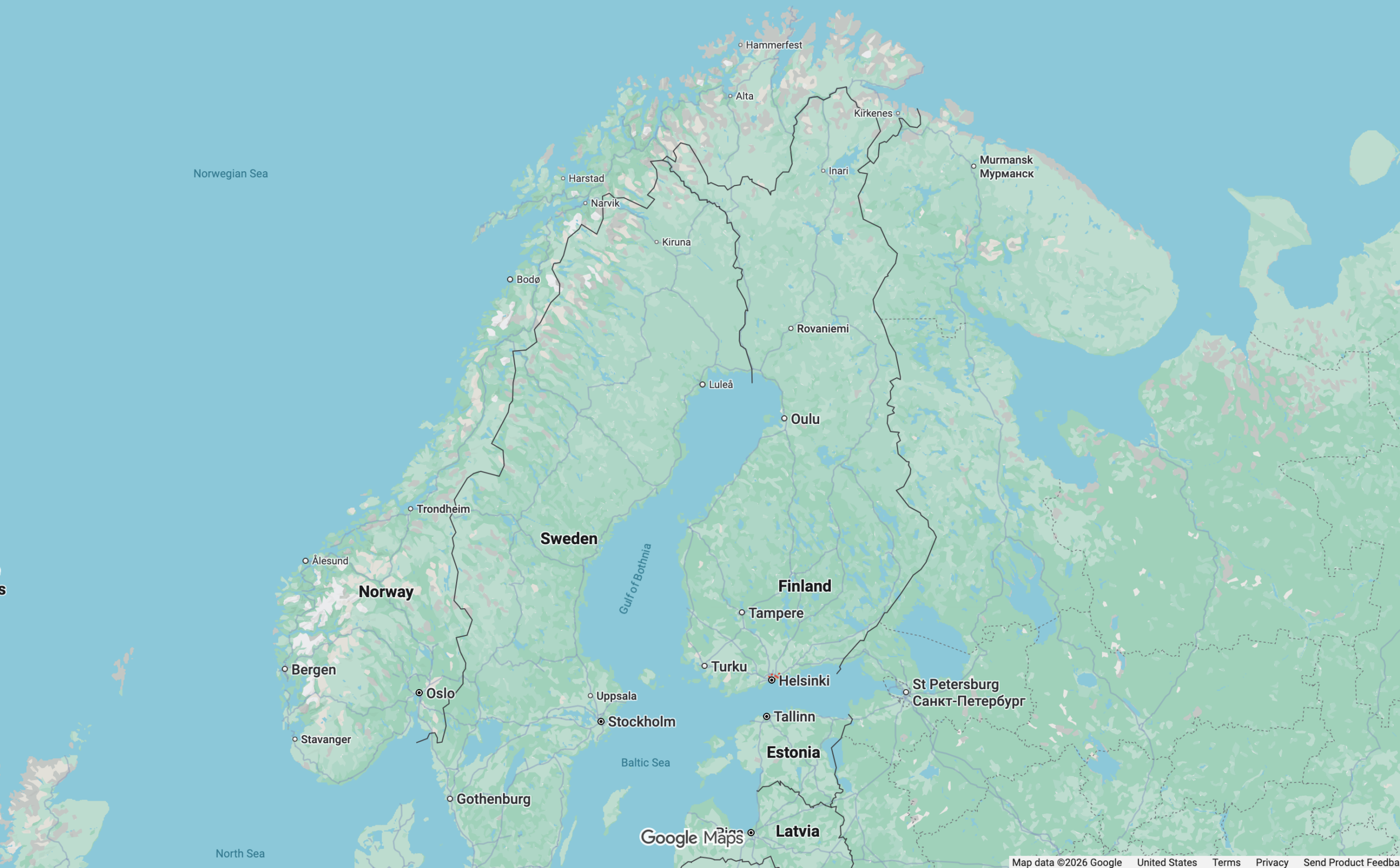
Known as the “Land of a Thousand Lakes”, though it actually has nearly 188,000 lakes. Finland is one of Northern Europe’s most peaceful and scenic countries. Sharing borders with Sweden, Norway, and Russia, Finland is famous for its pristine forests, innovative design, world-class education system, and for consistently ranking among the happiest countries in the world.
The country’s capital, Helsinki, blends modern Nordic architecture with historic landmarks, lively waterfronts, and beautiful green spaces, making it an excellent gateway to exploring Finland.
Finland has a population of around 5.6 million people, with Helsinki, Espoo, Tampere, Vantaa, and Turku among its largest cities. Although Finland became part of the Russian Empire in 1809 after centuries of Swedish rule, it declared independence on December 6, 1917, and has since developed into one of the world’s most prosperous and technologically advanced nations. Today, Finland is a member of both the European Union and NATO, while proudly preserving its unique language, traditions, and close connection to nature.
Currency
Finland uses the Euro (€) as its currency. Like the other Nordic countries we visited, we found that credit cards and Apple Pay were accepted almost everywhere, making it easy to travel without carrying much cash.
Cuisine
Finnish cuisine reflects the country’s natural surroundings, with fresh fish such as salmon, hearty rye bread, potatoes, berries, mushrooms, and reindeer featuring prominently in traditional dishes.
Popular local specialties include Karjalanpiirakka (Karelian pies), Lohikeitto (creamy salmon soup), Poronkäristys (sautéed reindeer), and the famous Finnish cinnamon bun known as Korvapuusti.
And of course, no visit to Finland would be complete without experiencing its legendary coffee culture—Finns are among the world’s biggest coffee drinkers, often enjoying a cup alongside a freshly baked pastry.
Day 1 – Crossing the Baltic Sea to Finland
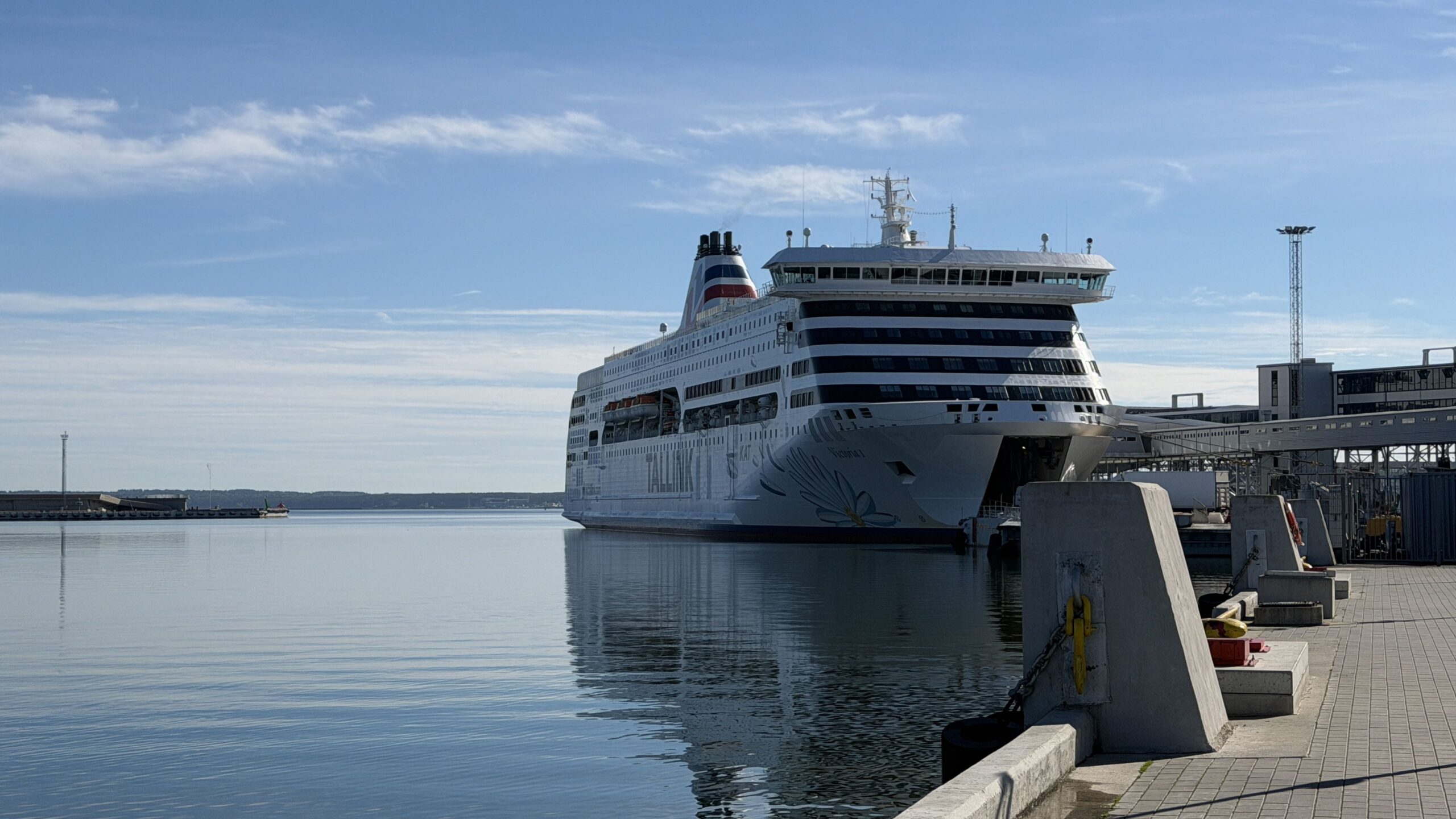
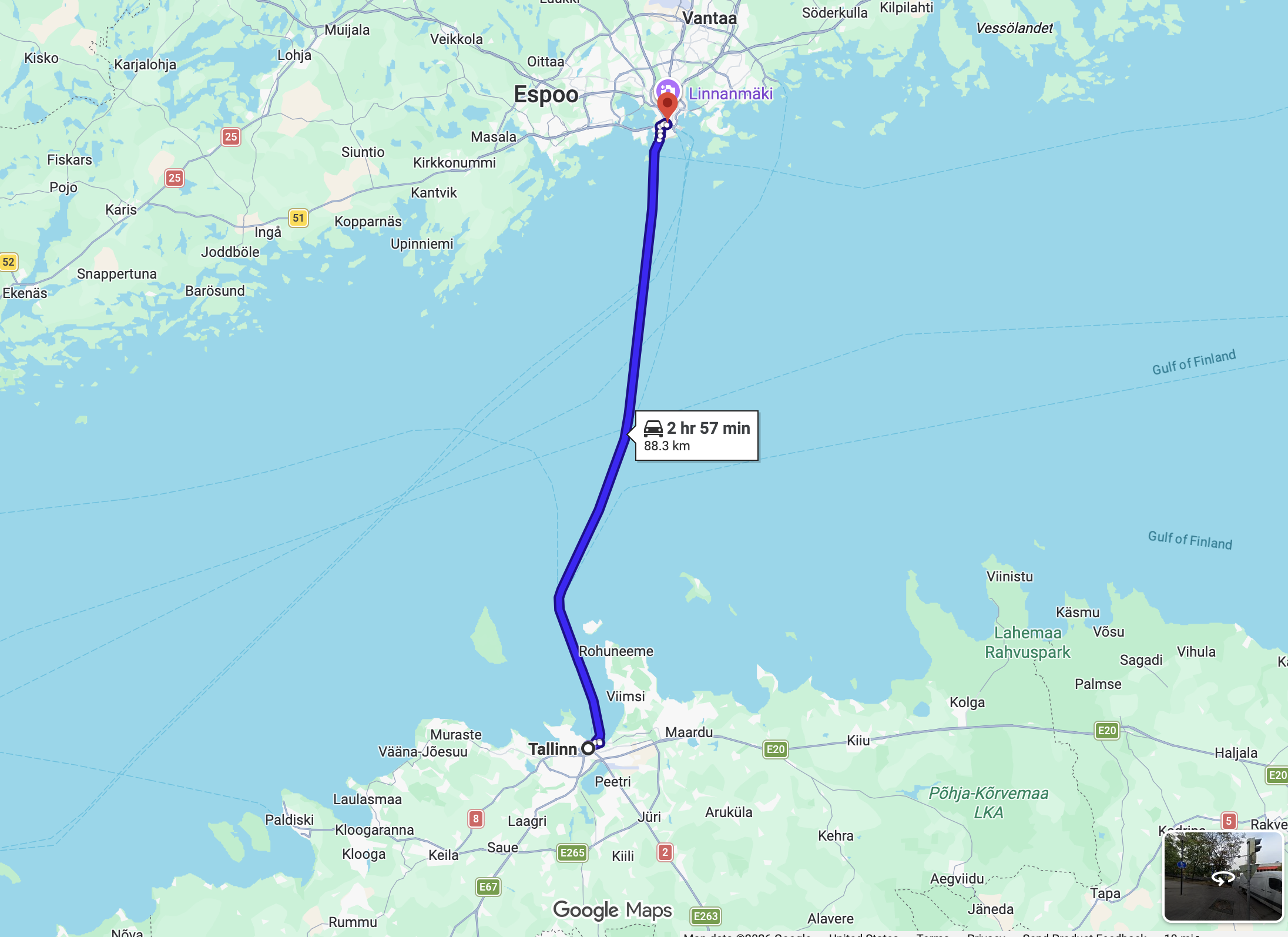
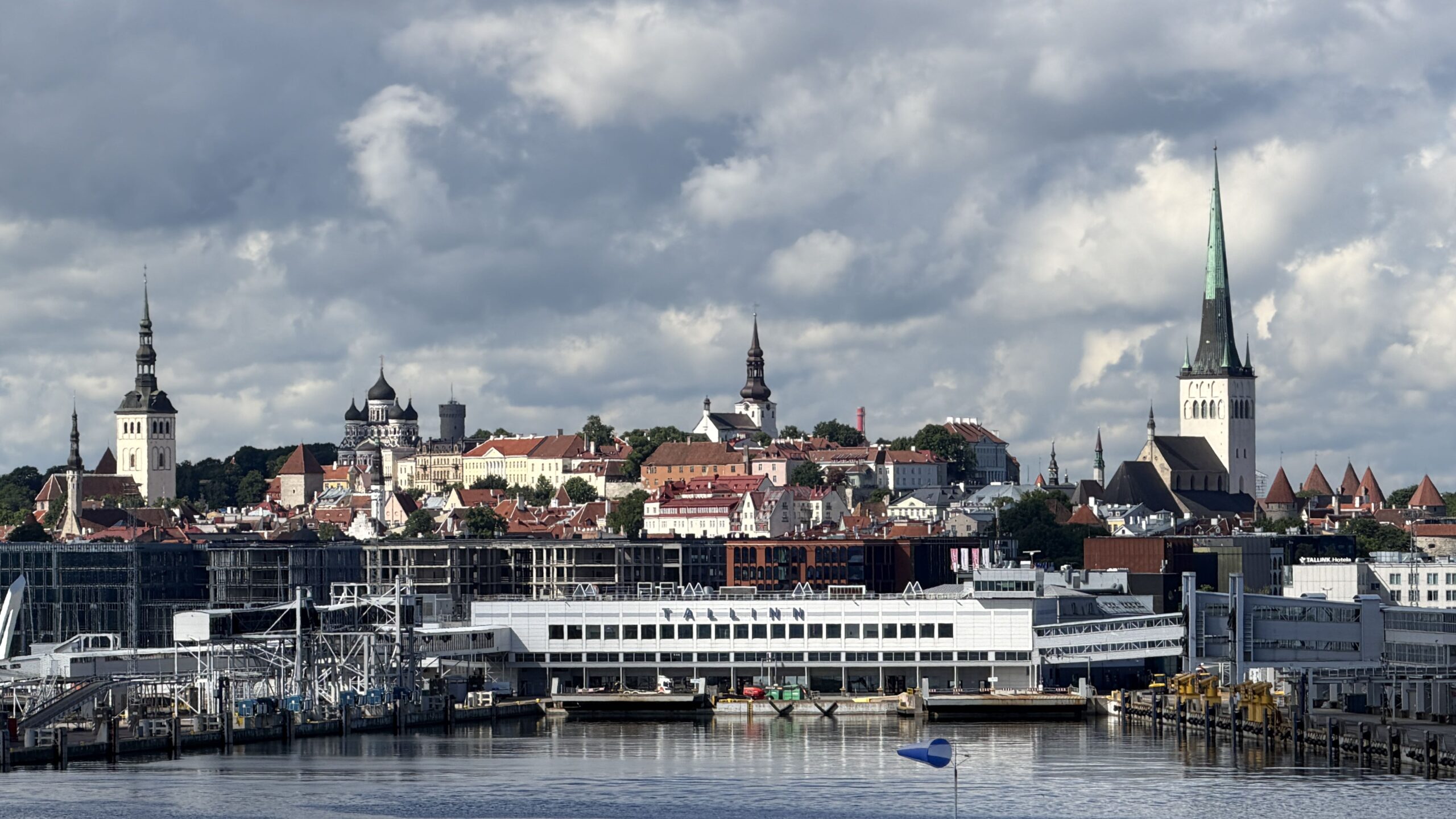
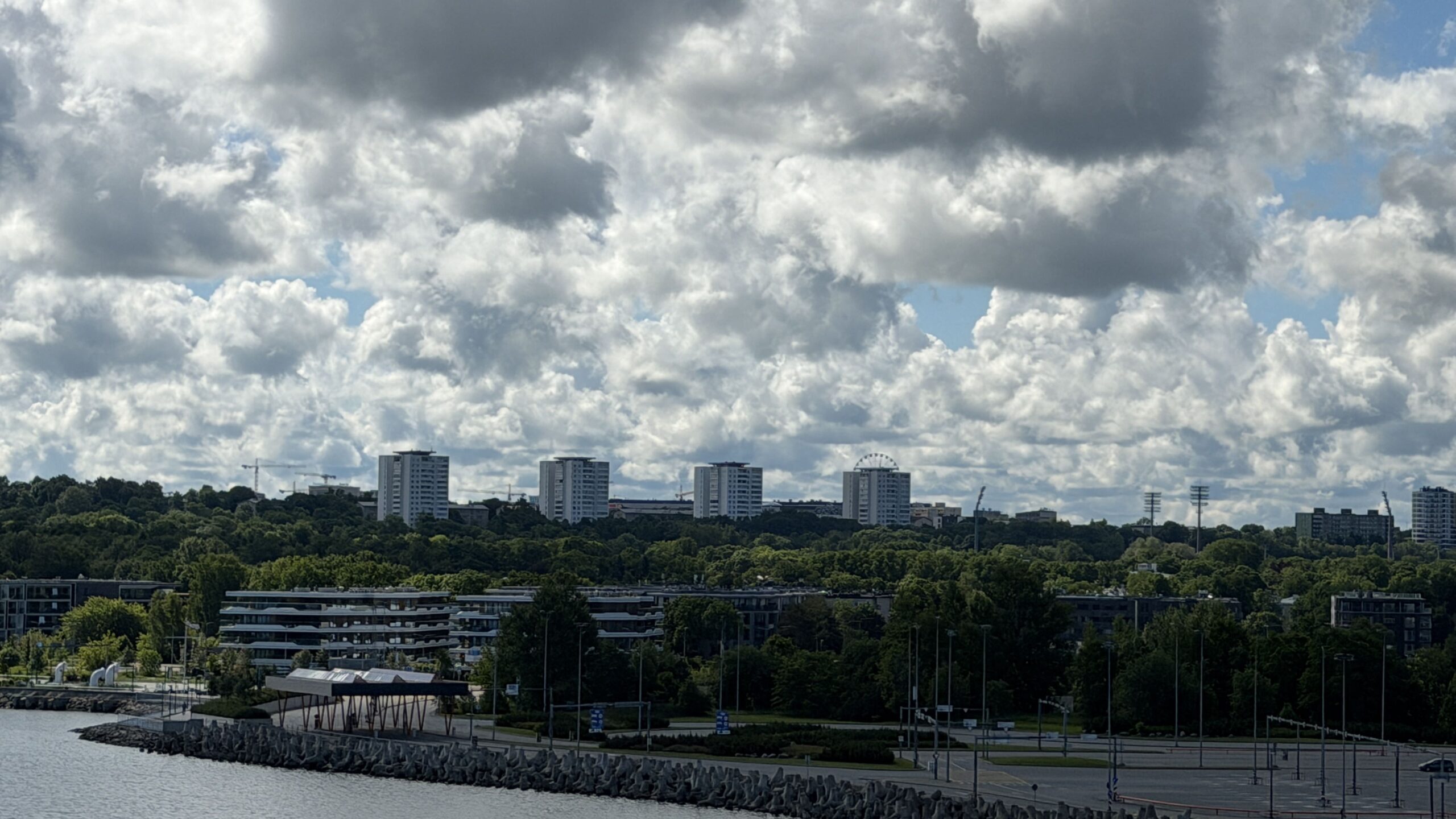
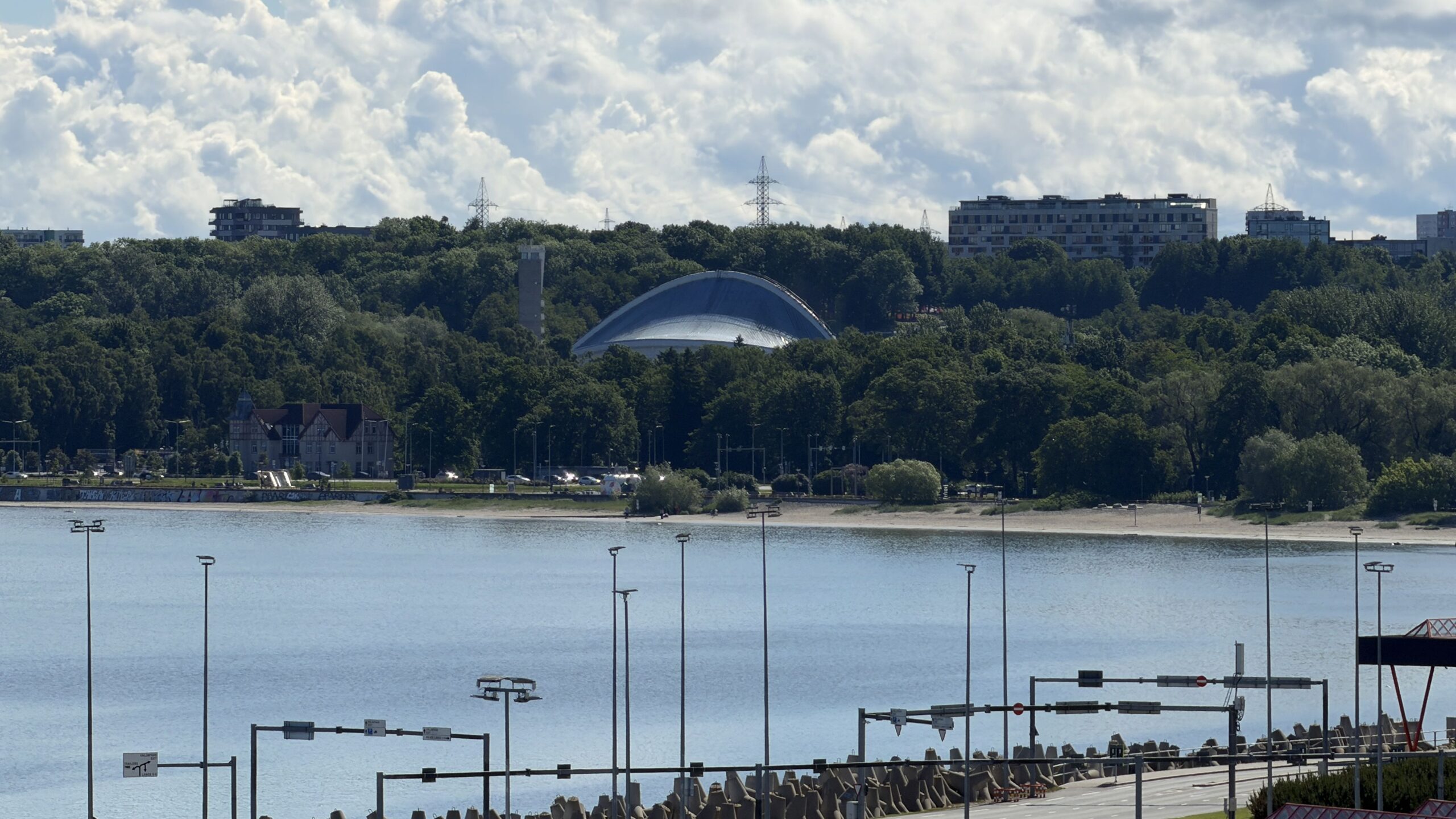
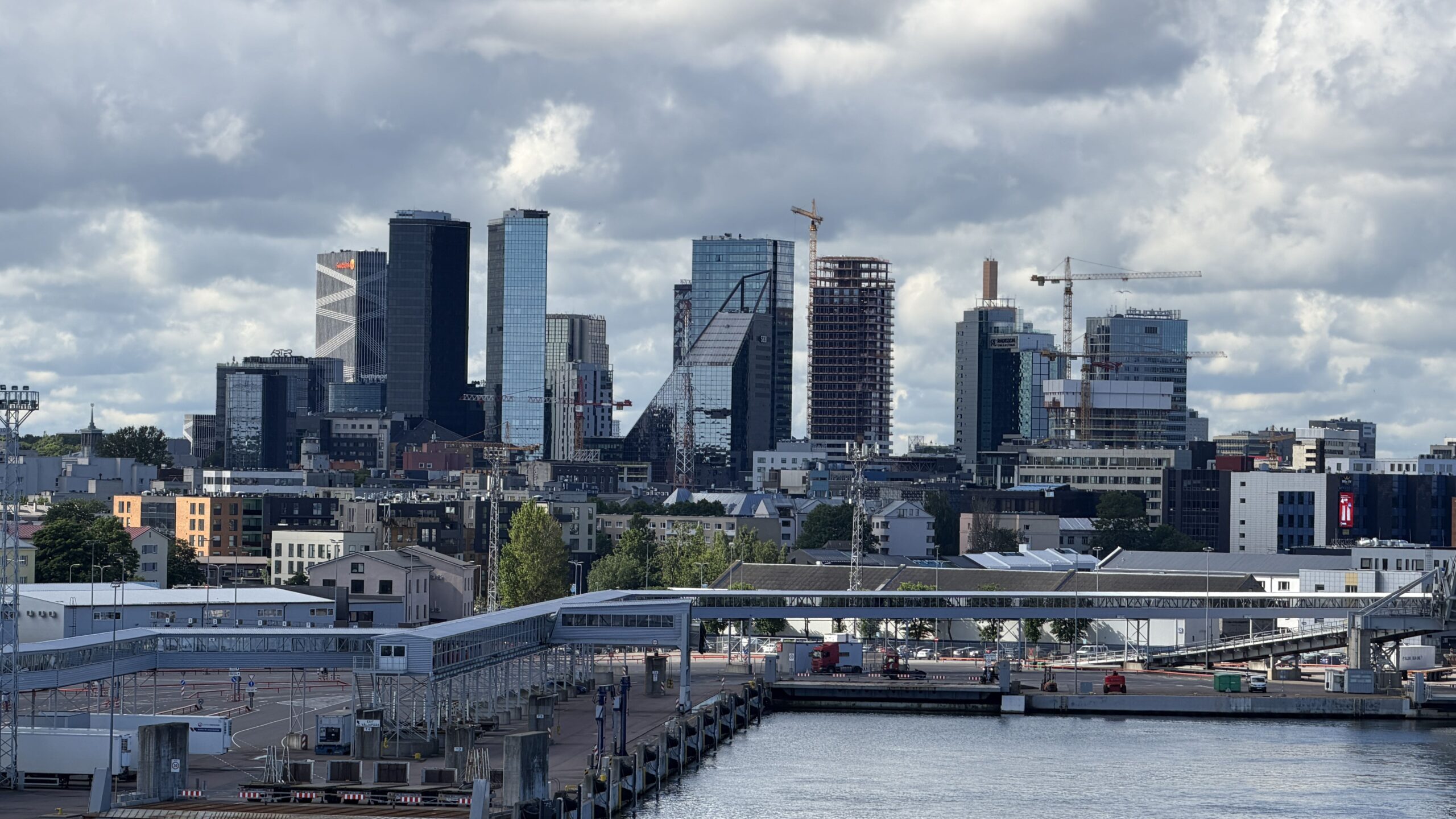
After spending two wonderful days exploring Tallinn, it was time for another country. This morning we boarded the Tallink Megastar cruise for the two-hour journey across the Baltic Sea to Helsinki, the capital of Finland. The ships are enormous, with restaurants, cafés, shopping, children’s play areas, and comfortable seating, making the two-hour journey feel more like spending time in a floating shopping mall than taking a ferry. The crossing was smooth, and before long we were enjoying a quick meal from Burger King while watching ships pass by on the Gulf of Finland.
Views from the Cruise
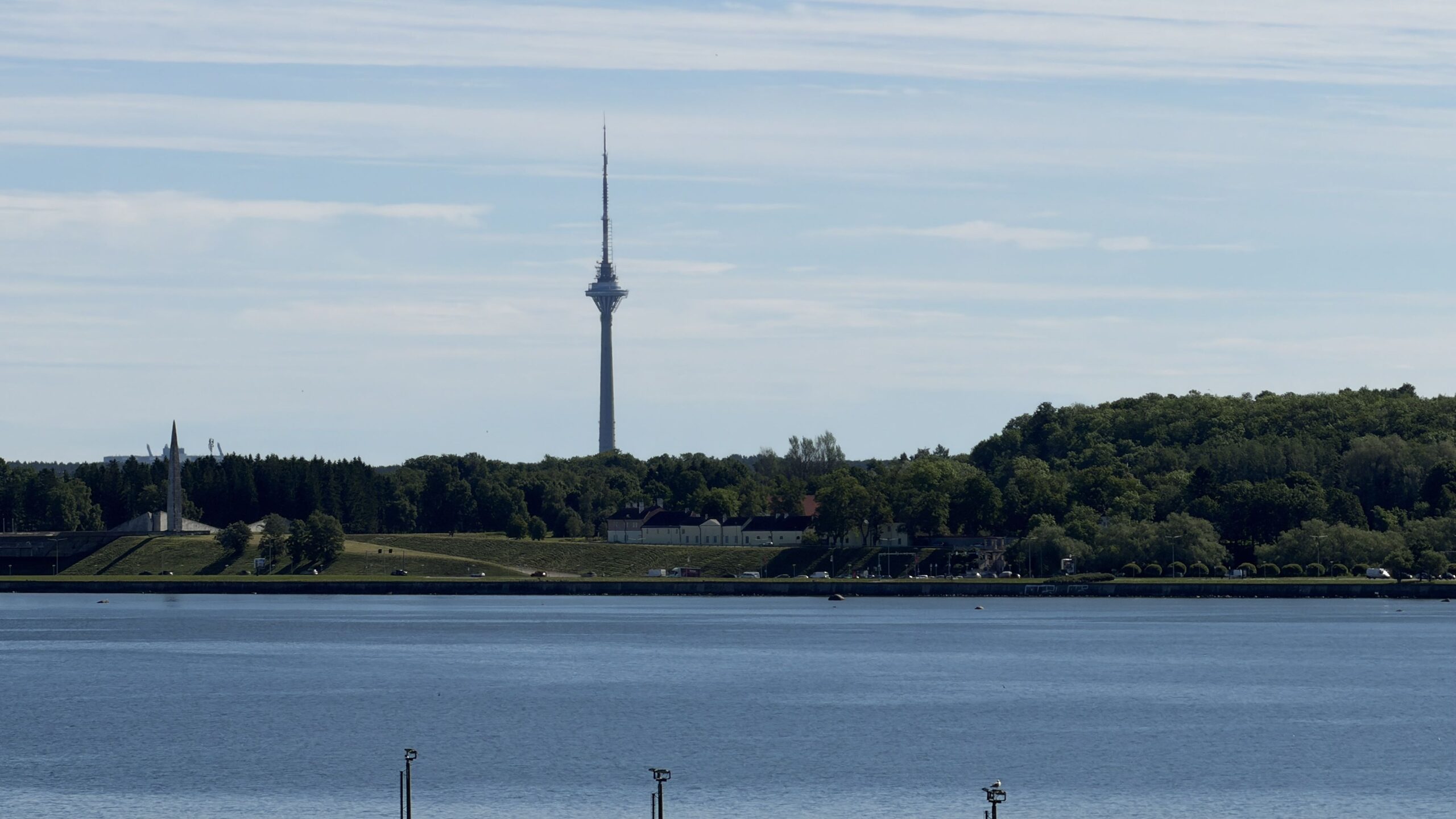
Once we arrived in Helsinki, we met our local guide and boarded our coach for a sightseeing tour. One of the first things we noticed was how different Helsinki felt compared to the medieval cities we had been visiting in the Baltics. Instead of narrow cobblestone streets, the city welcomed us with wide roads, elegant buildings, green parks, and beautiful waterfront views. It immediately gave off a calm, modern, and relaxed Nordic vibe.
Our drive began through Railway Square, home to Helsinki’s impressive Central Railway Station, one of Finland’s best-known landmarks. Nearby stood the beautiful Finnish National Theatre, the country’s oldest Finnish-language professional theater, which has played an important role in Finland’s cultural history.
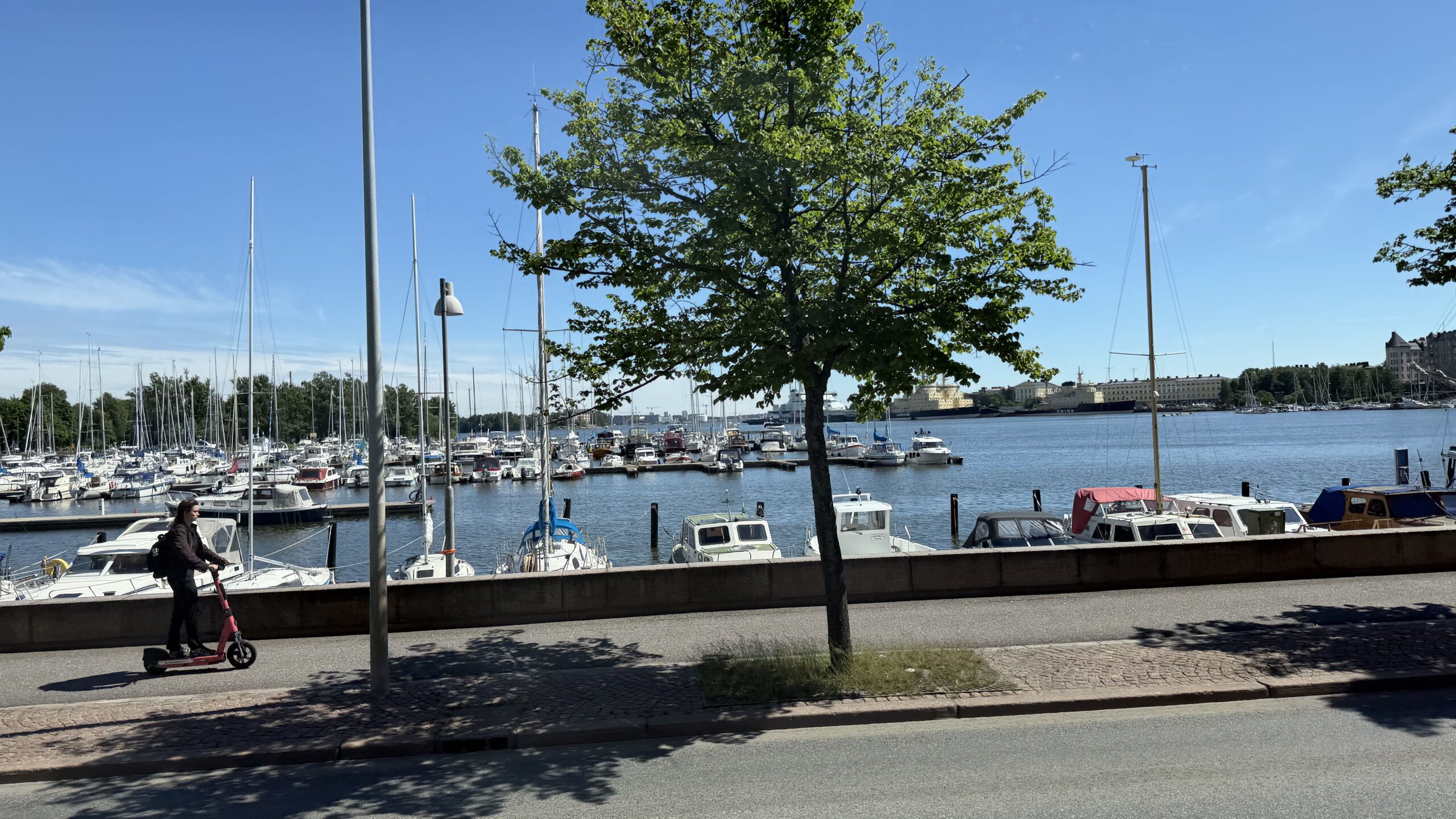
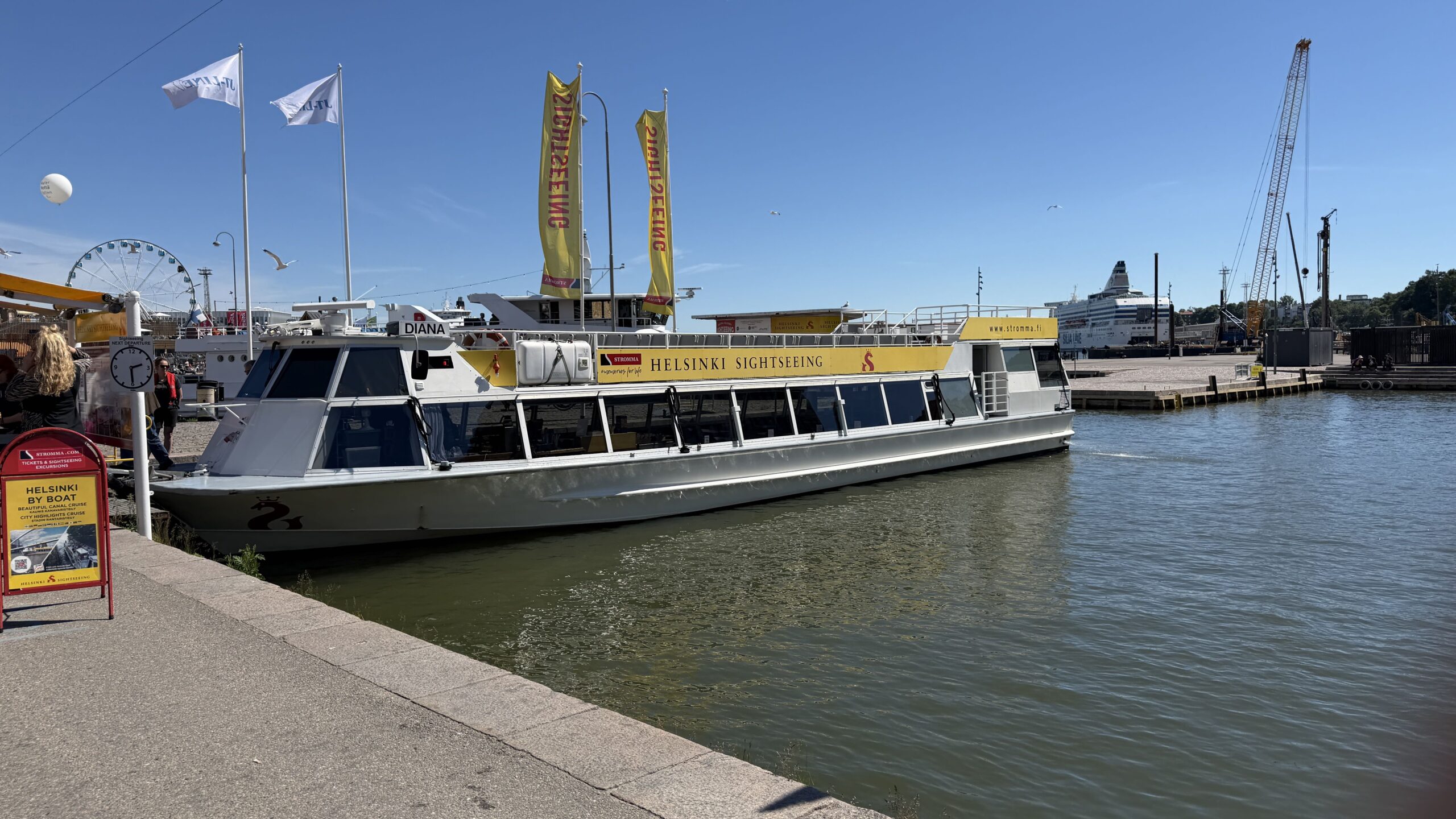
As we continued along the waterfront, we couldn’t help noticing boats of every size docked along the harbor. Our guide explained that boating is a big part of Finnish life. Considering Finland is home to nearly 188,000 lakes and thousands of kilometers of coastline, it wasn’t surprising to see marinas full of sailboats, yachts, and small fishing boats.

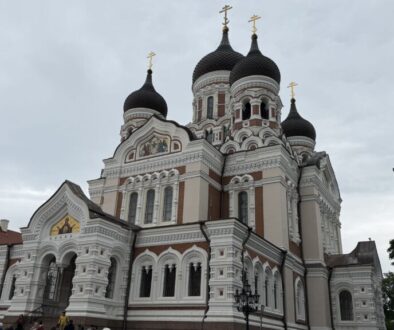
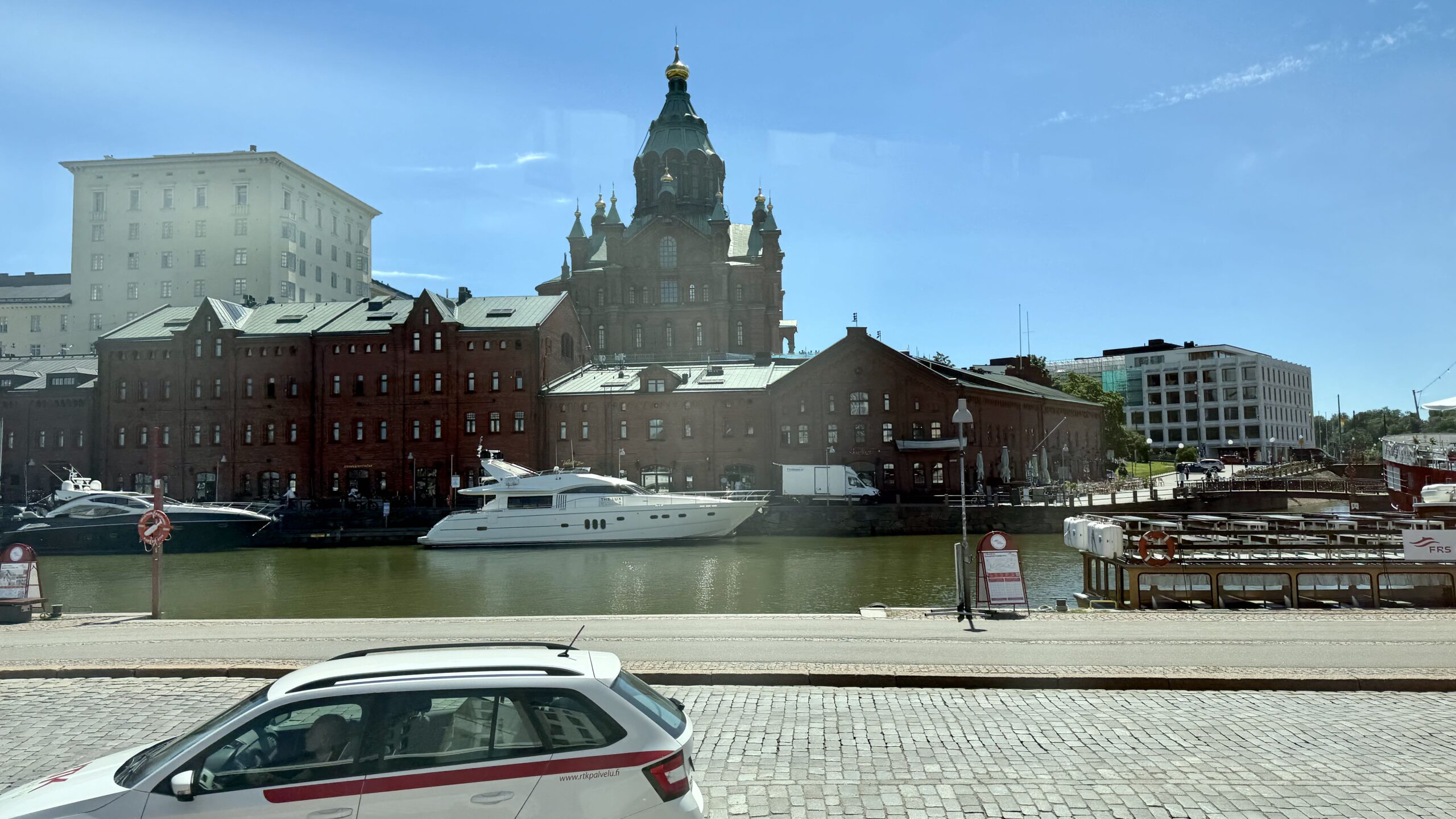
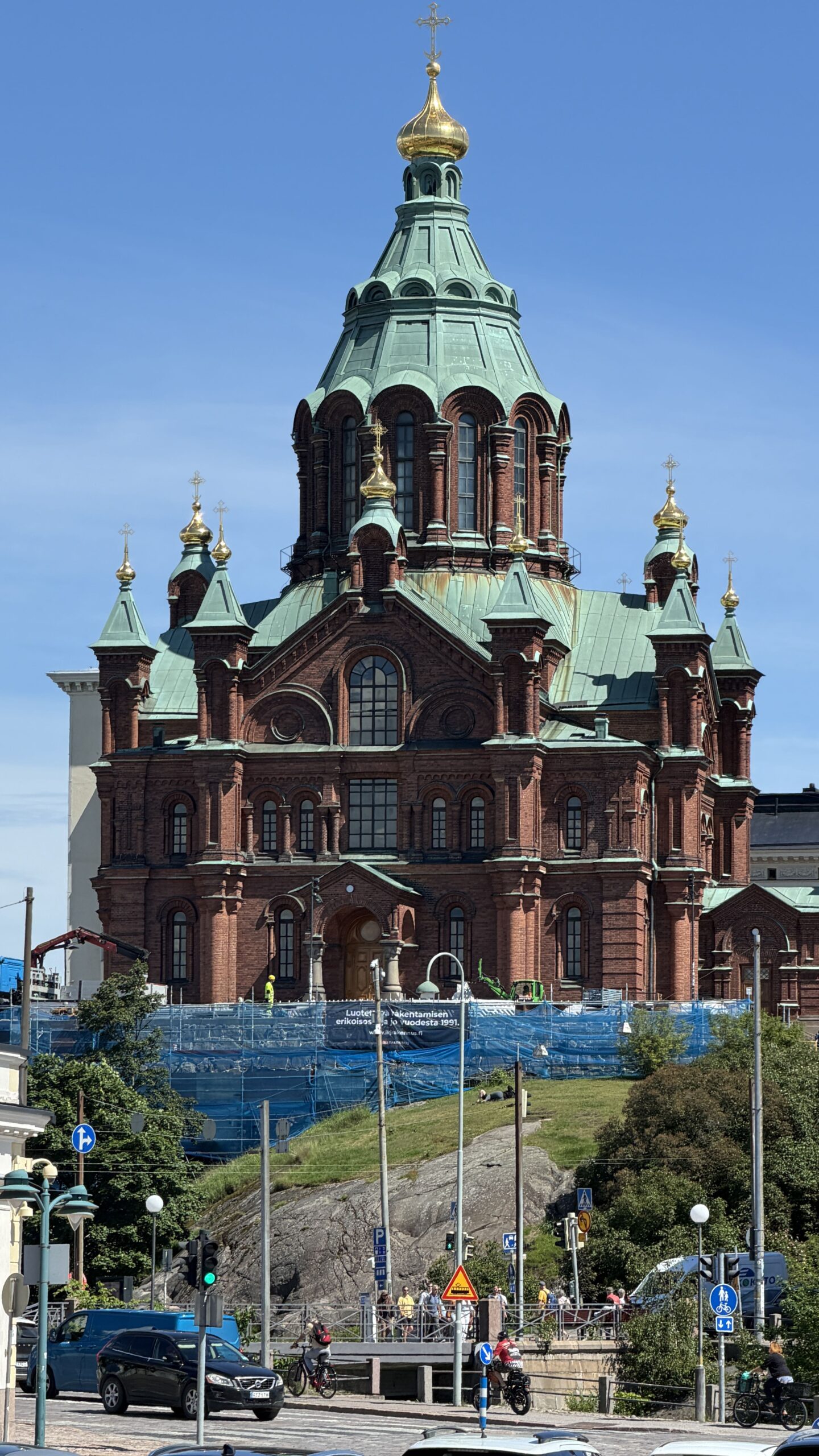
Our first stop was the magnificent Uspenski Cathedral. Sitting on top of a hill overlooking the city, the red-brick cathedral with its golden onion domes immediately caught everyone’s attention. Built in 1868 when Finland was still part of the Russian Empire, it is the largest Orthodox cathedral in Western Europe and remains one of Helsinki’s most recognizable landmarks.
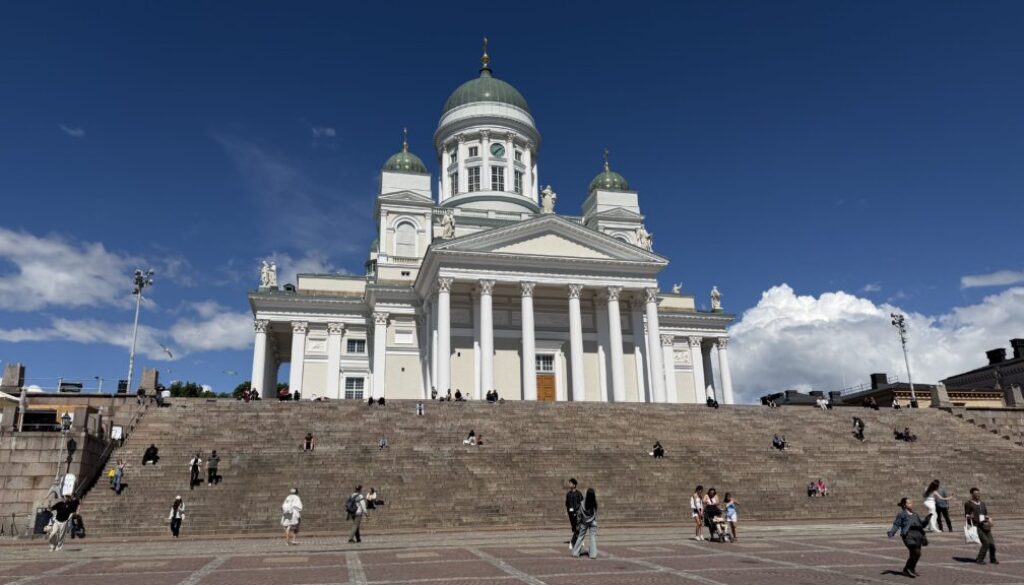
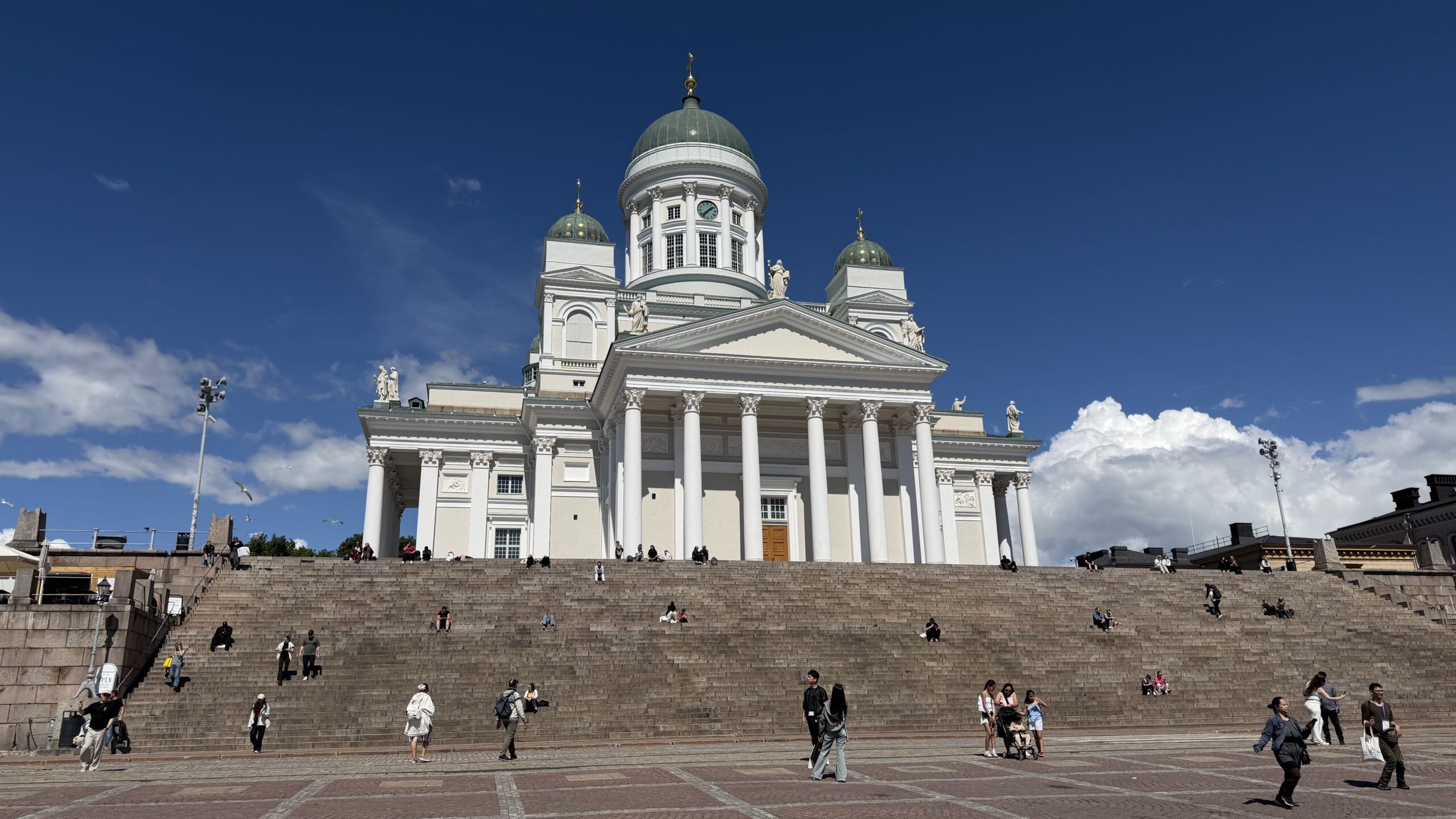
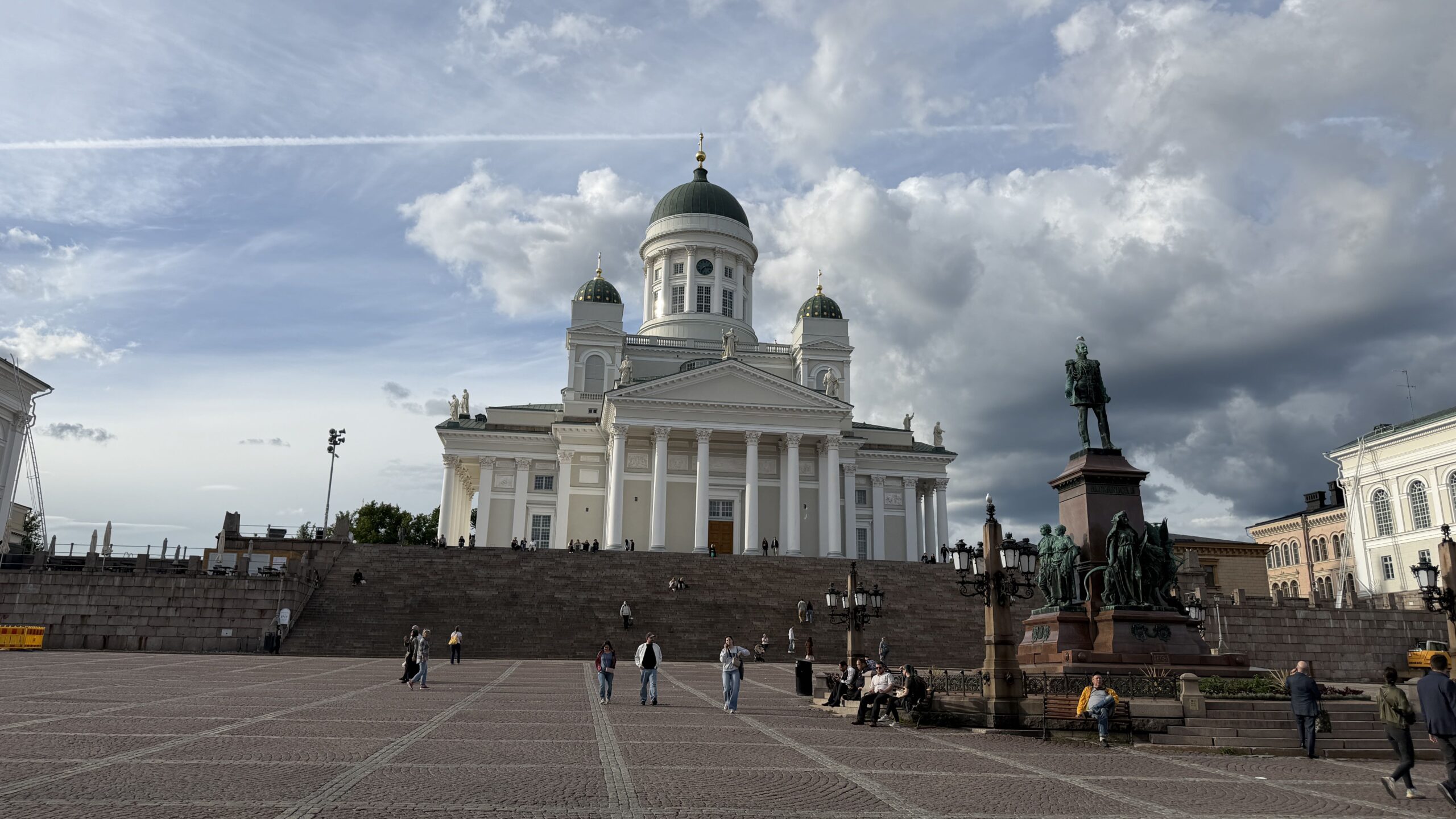
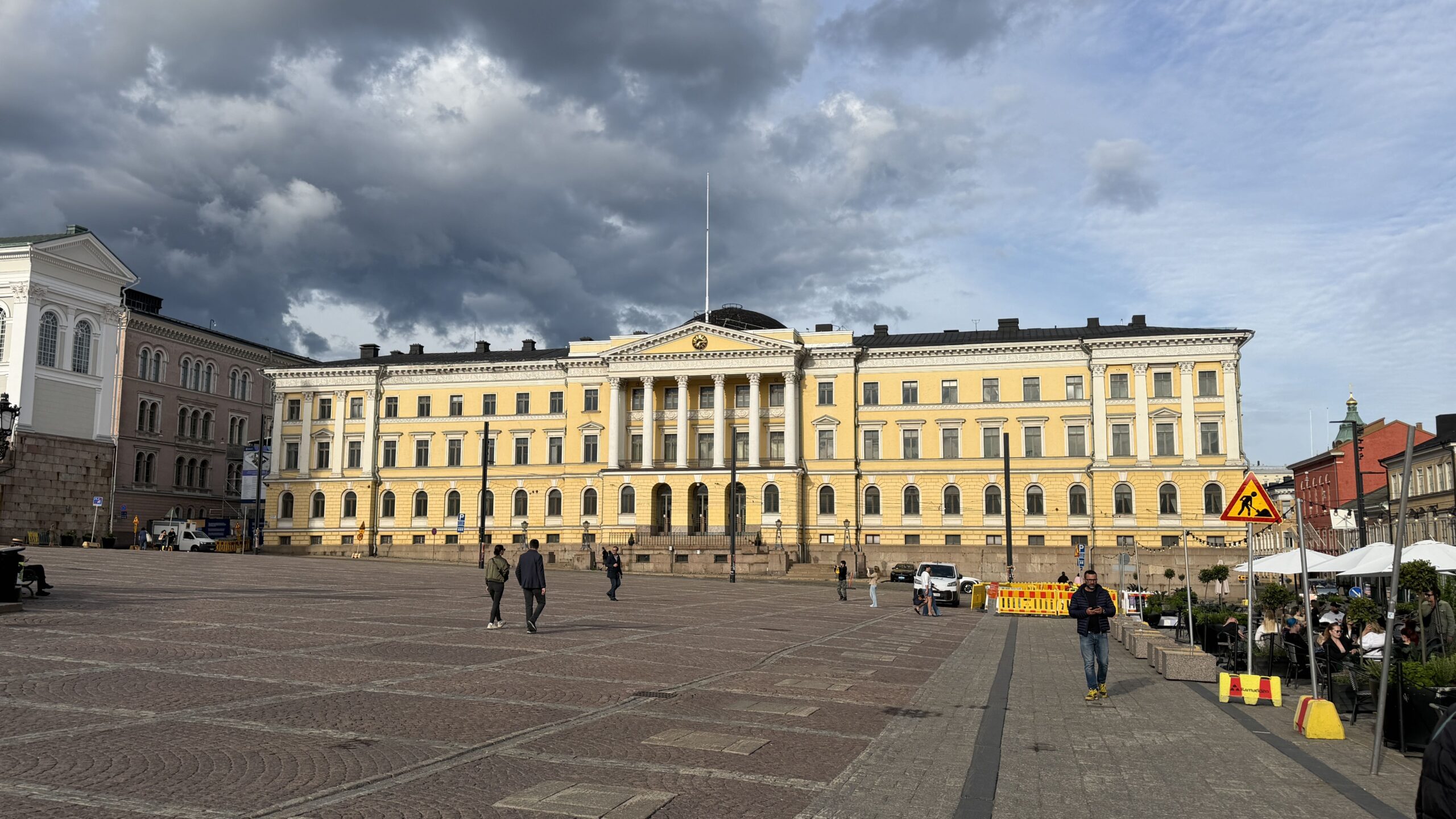
Just a short walk away stood another iconic landmark, the brilliant white Helsinki Cathedral overlooking Senate Square. Built between 1830 and 1852, it serves as the cathedral of the Evangelical Lutheran Church of Finland and has become the symbol of Helsinki itself. Standing in front of it, it was easy to see why almost every visitor to Helsinki has this view on their camera roll.
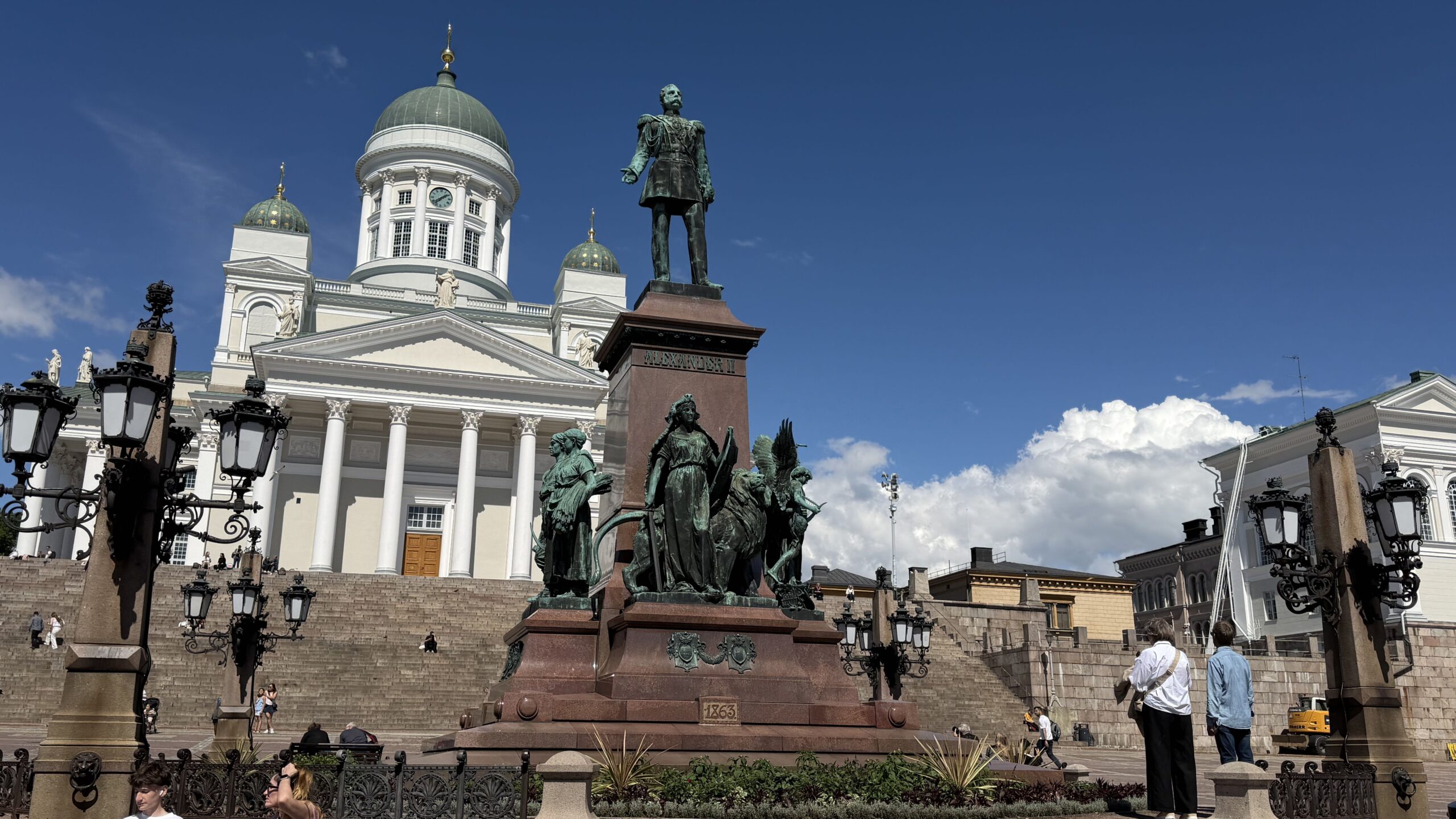
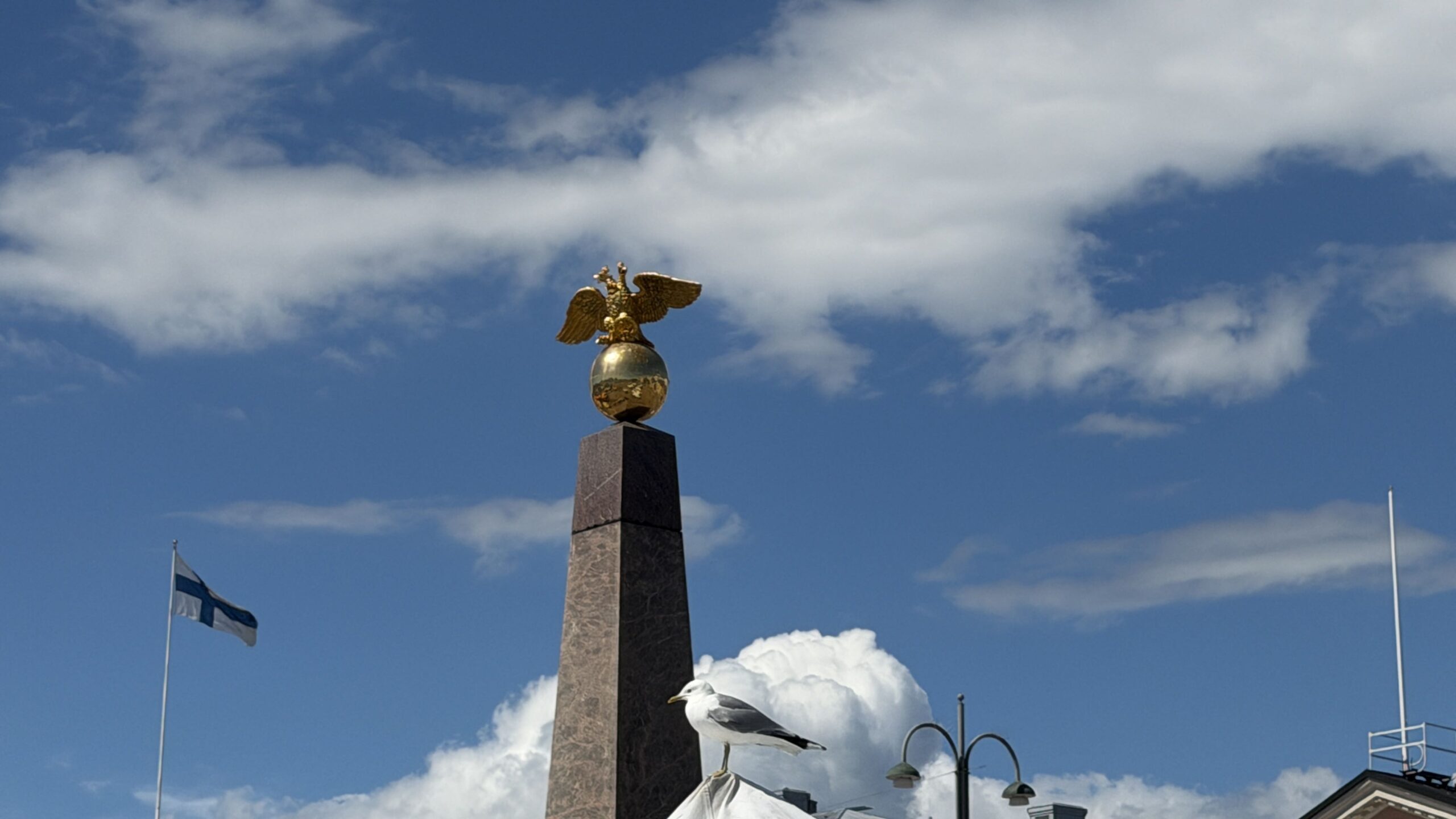
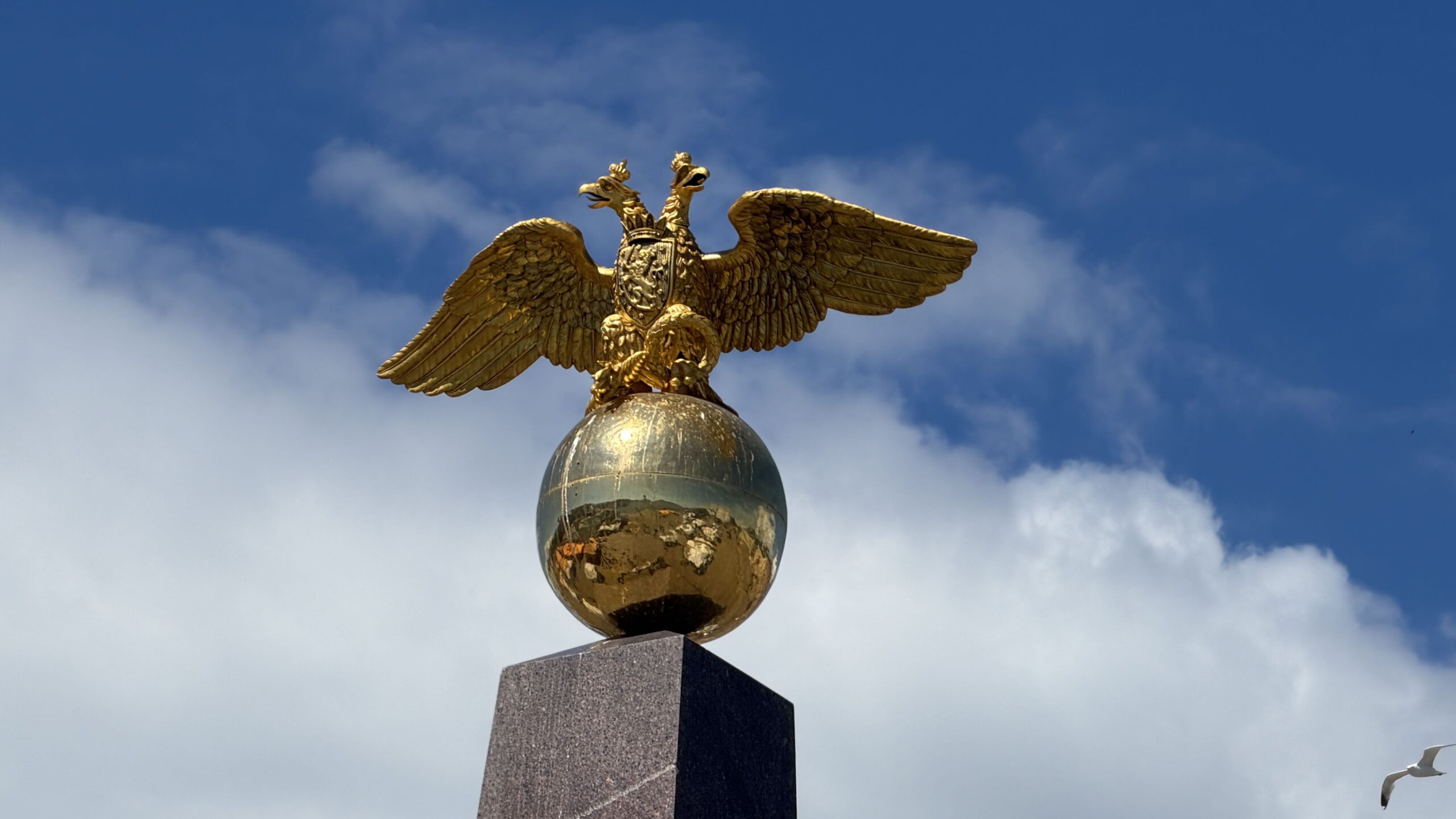
In the middle of Senate Square stands the Alexander II Memorial, unveiled in 1894. Our guide explained that although Alexander II was the Russian Emperor, many Finns respected him because he granted Finland greater autonomy during his reign, making the statue an important part of the country’s history.
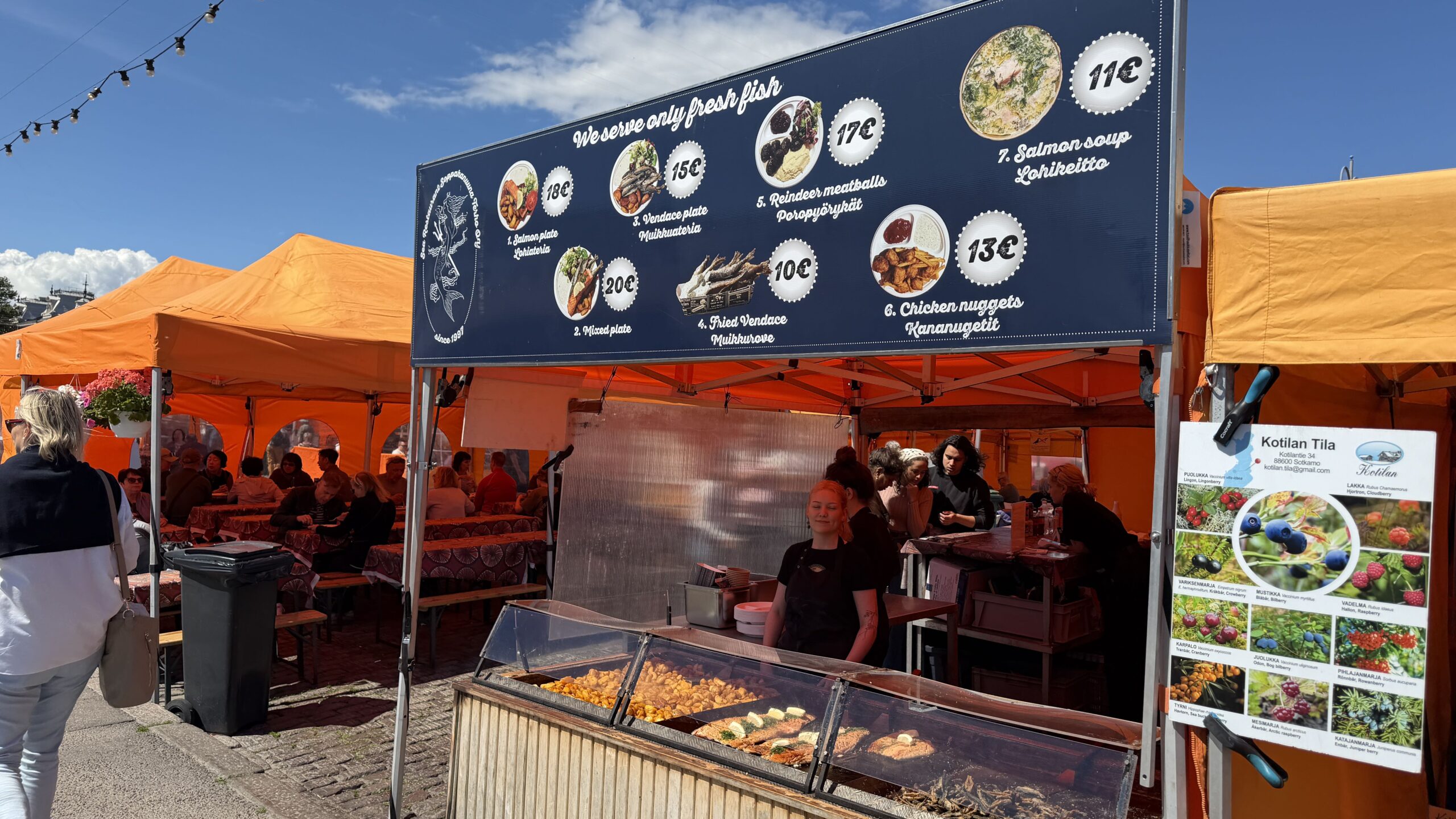
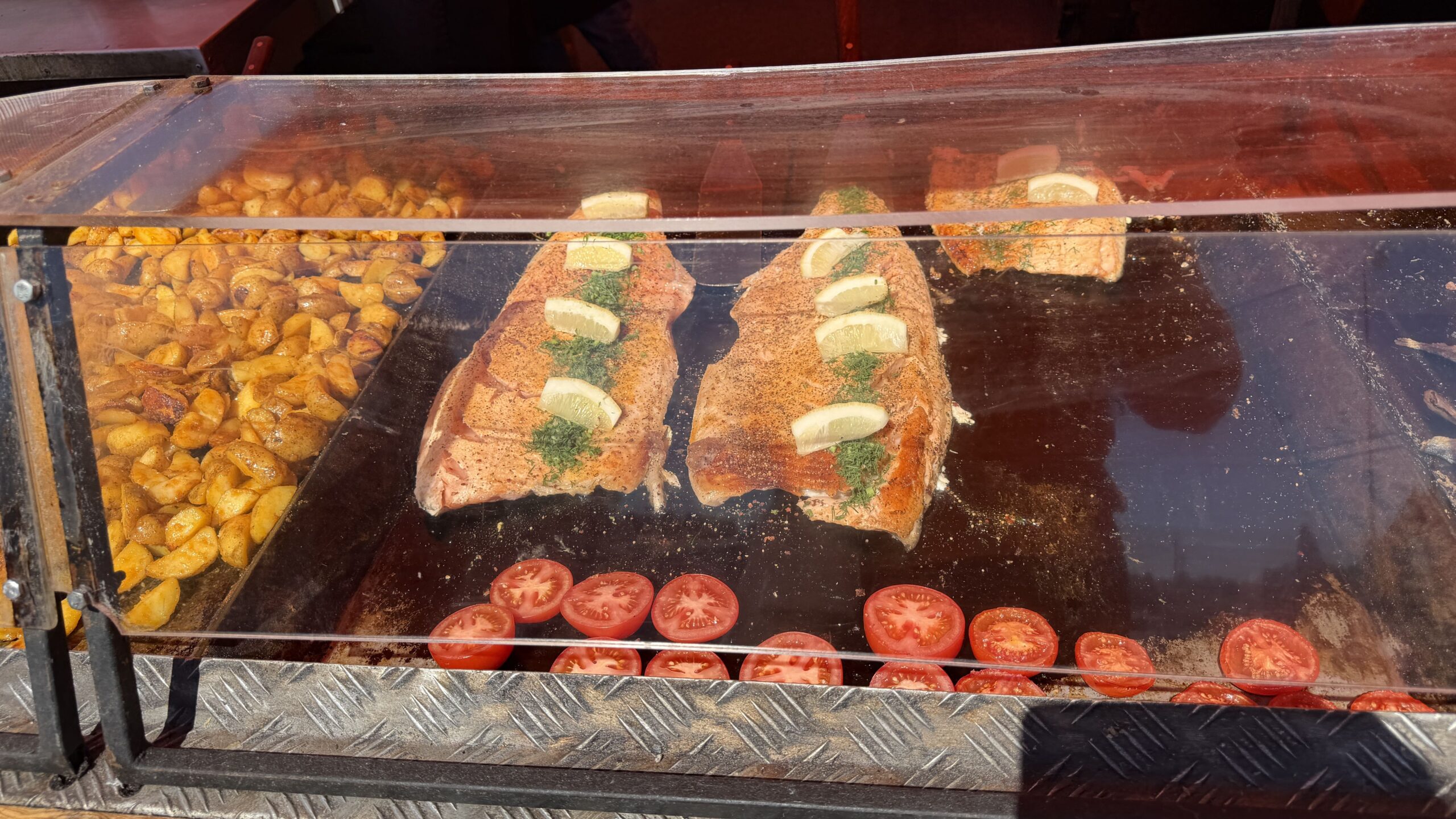
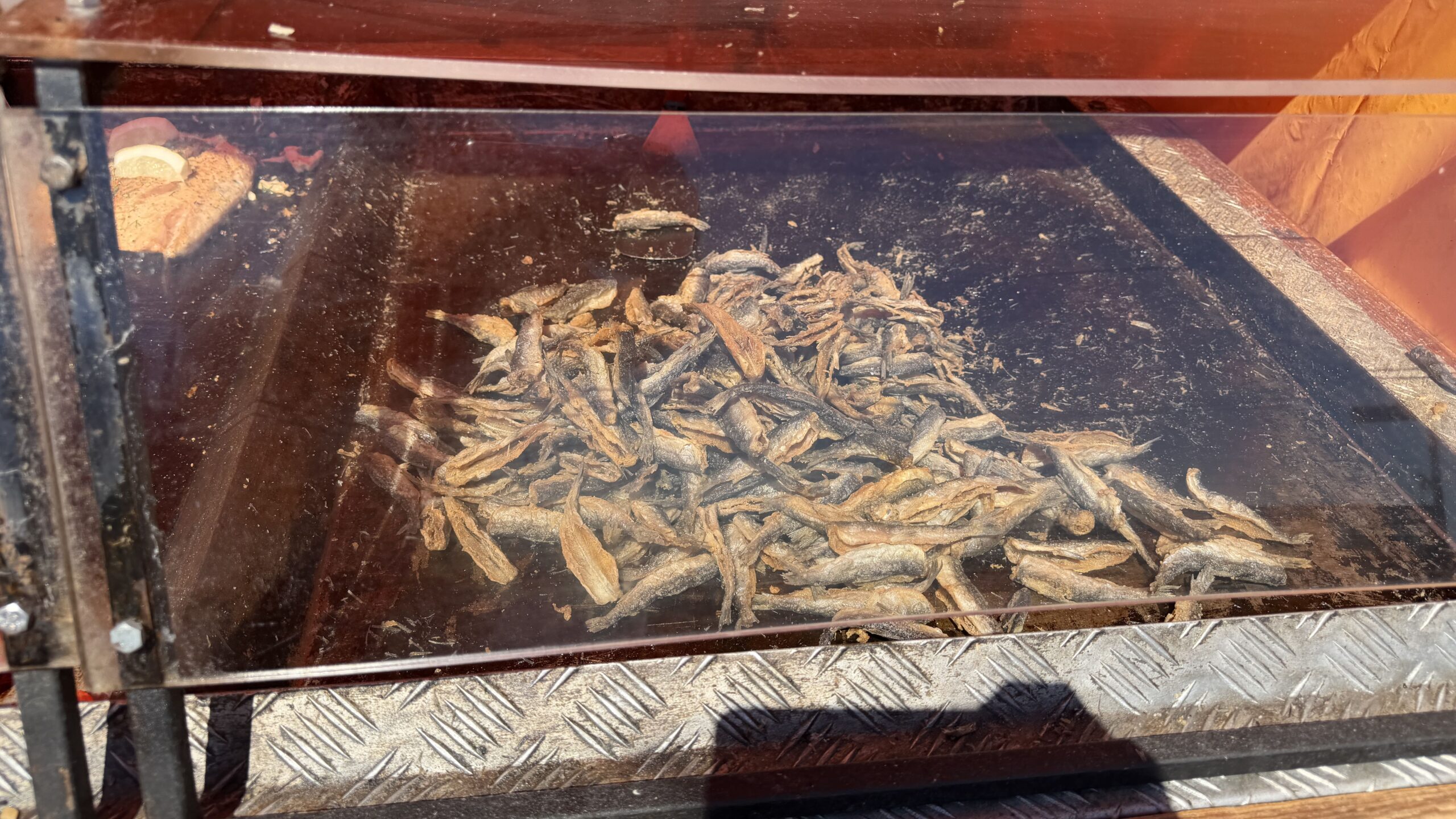
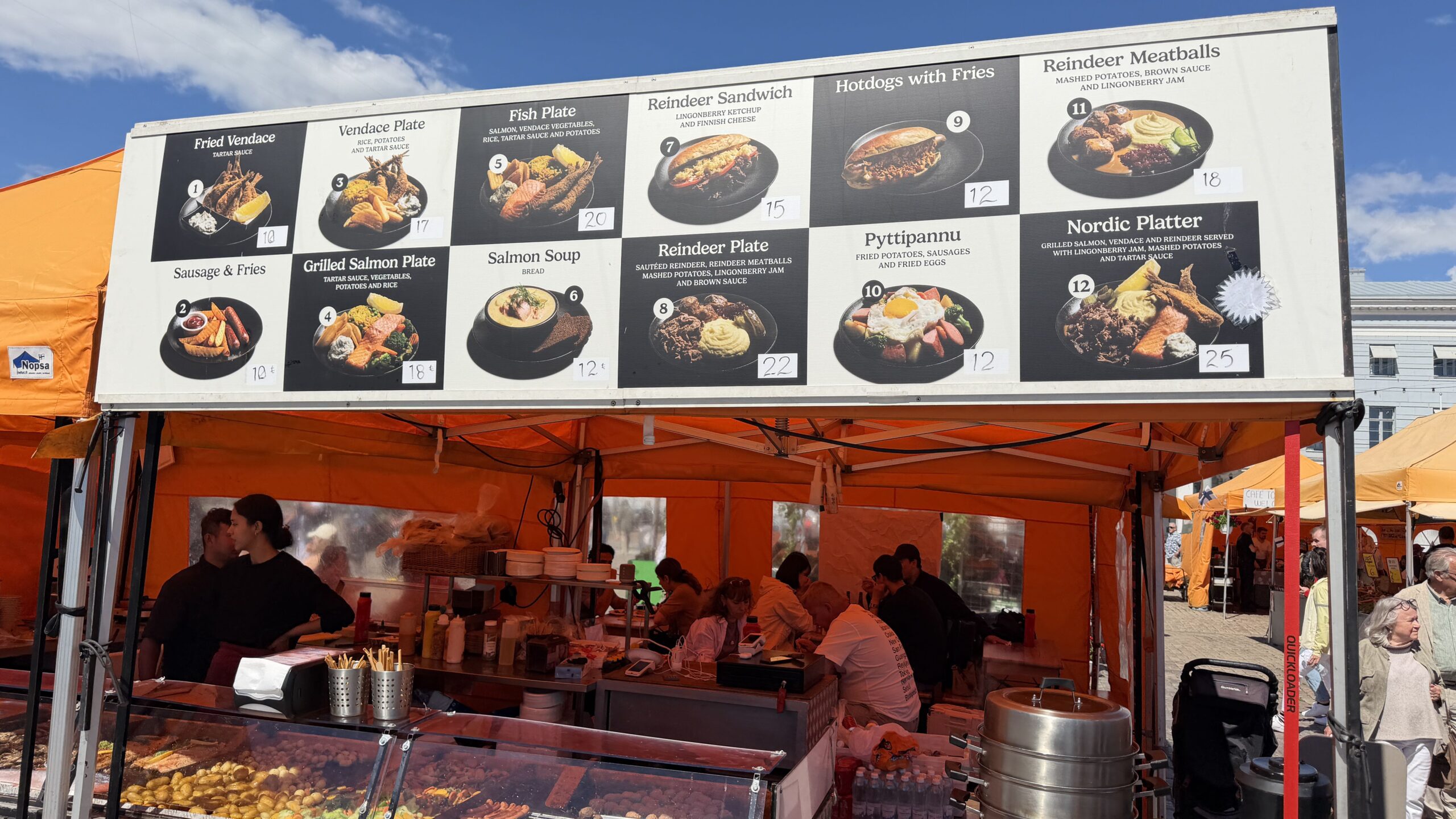
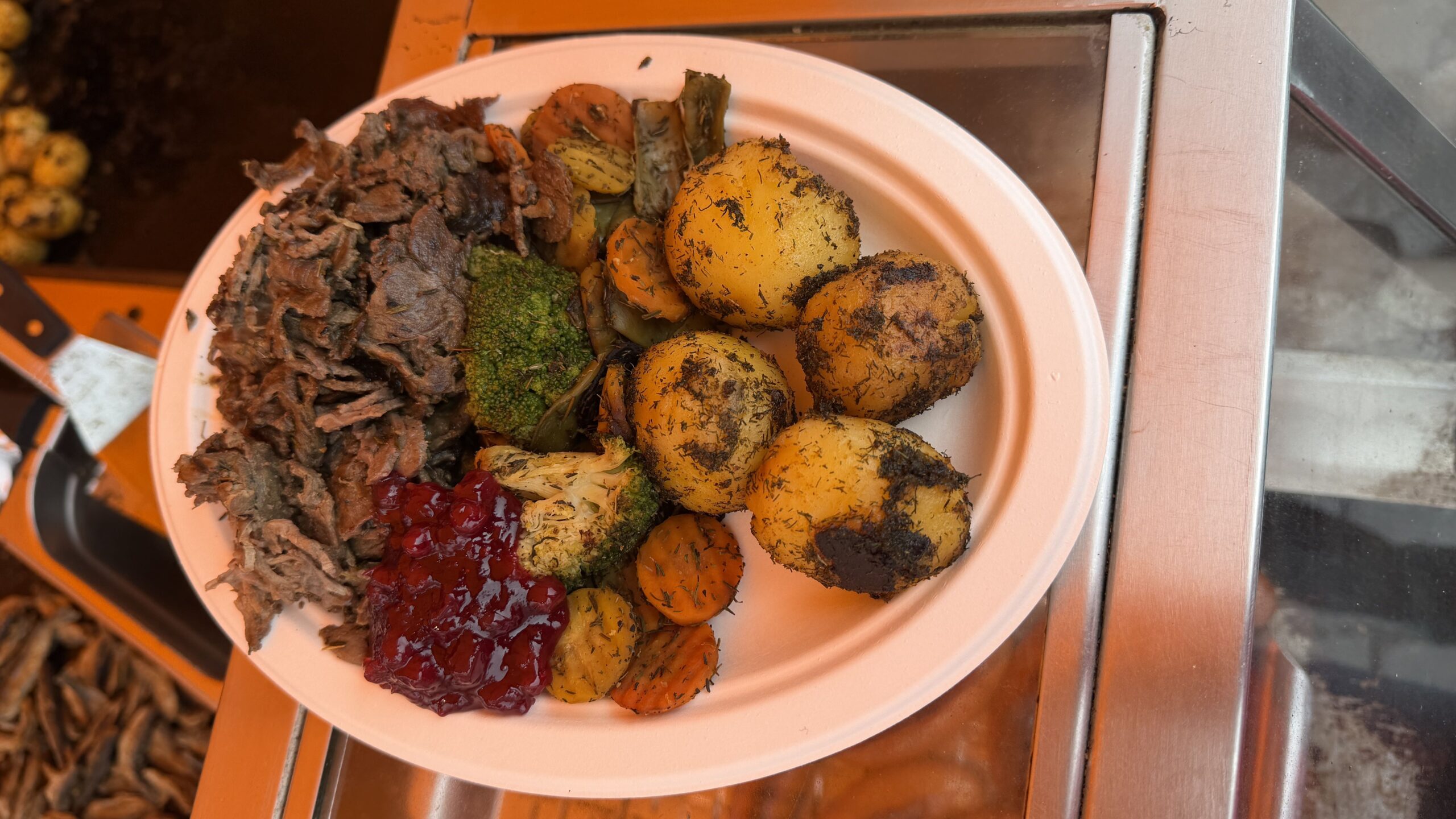
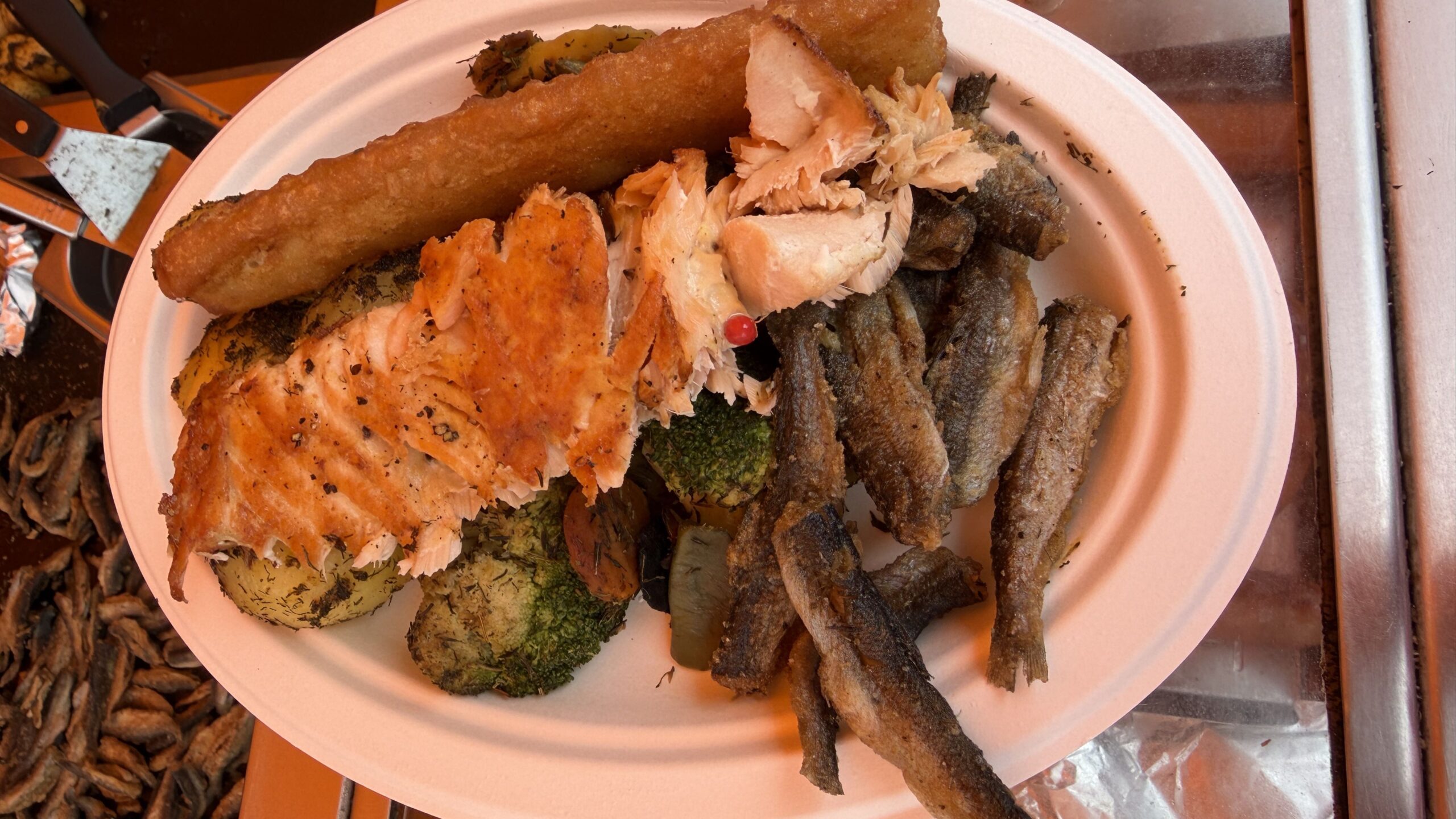
Crossing the street brought us to the lively Market Square (Kauppatori) by the harbor. The market was full of fresh berries, vegetables, flowers, souvenirs, and food stalls. It was fun walking through and seeing local specialties such as reindeer meat, freshly fried small vendace fish, and Finland’s famous creamy salmon soup. Even if you weren’t hungry, the aromas coming from the food stalls were tempting.
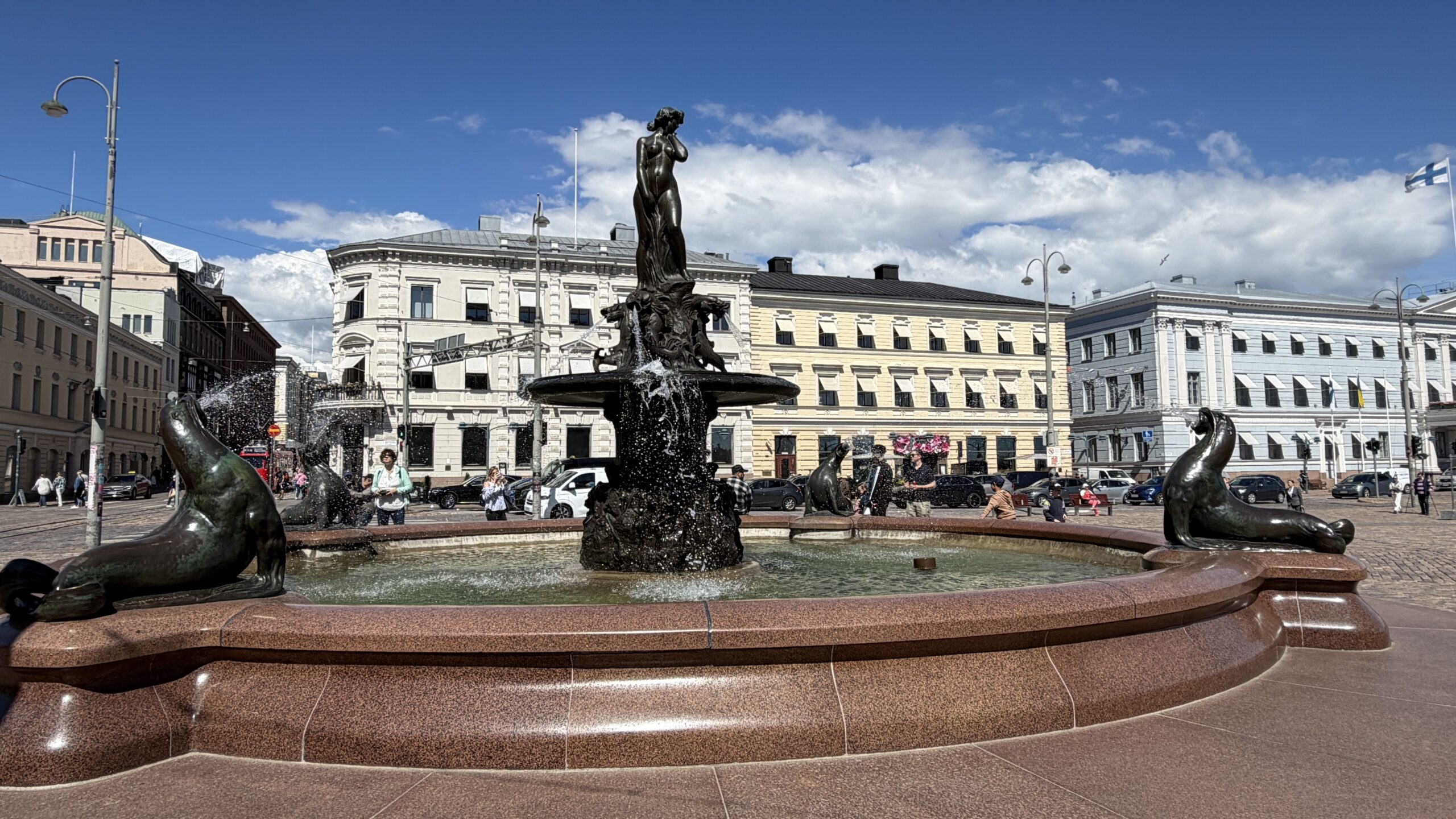
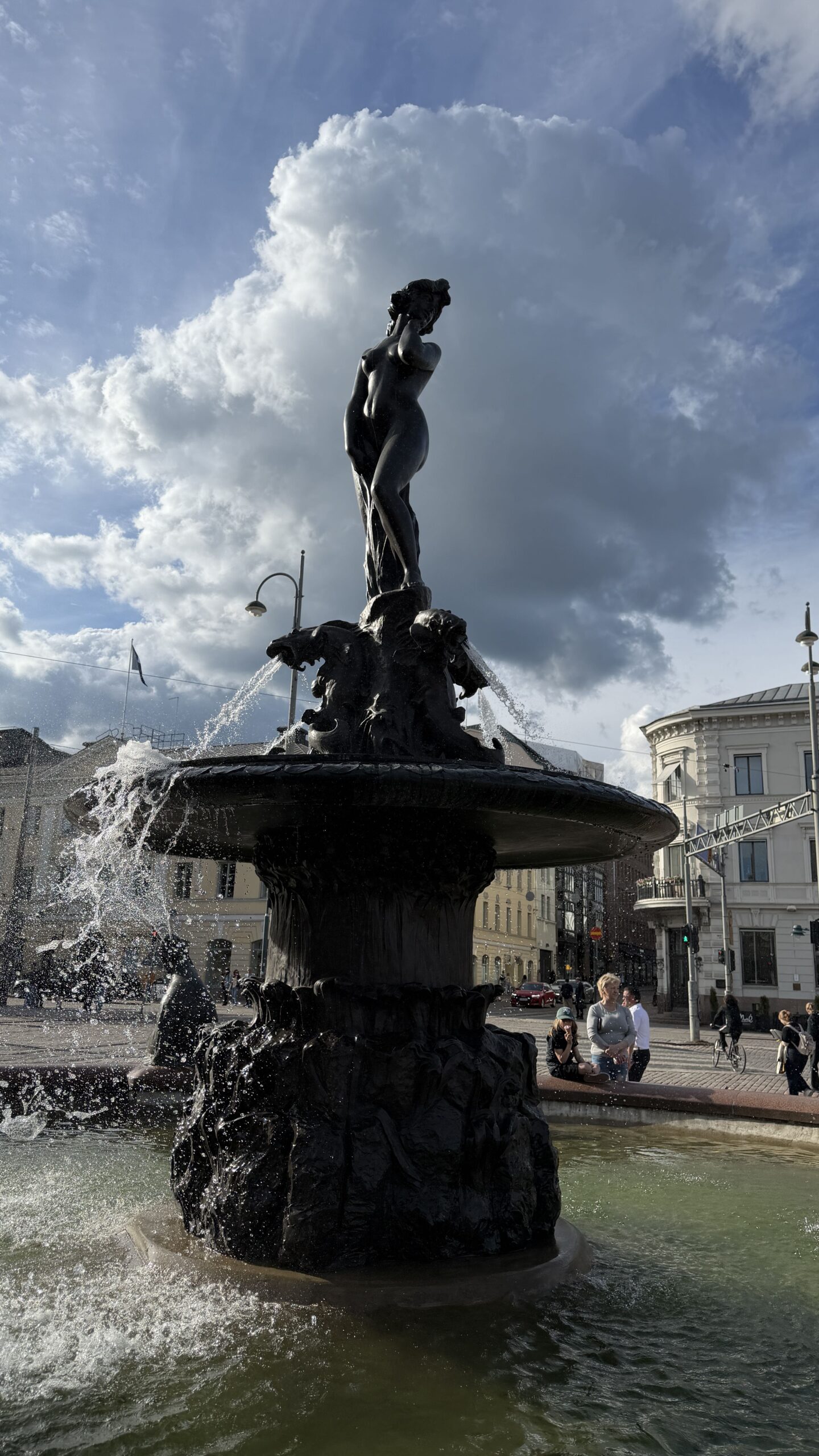
Nearby is Helsinki’s famous Havis Amanda a fountain and a statue by the sculptor Ville Vallgren. The work was modeled in 1906 in Paris, and erected at its present location at the Market Square in Kaartinkaupunki in 1908. Today it is recognized as one of the most important and beloved pieces of art in Helsinki.
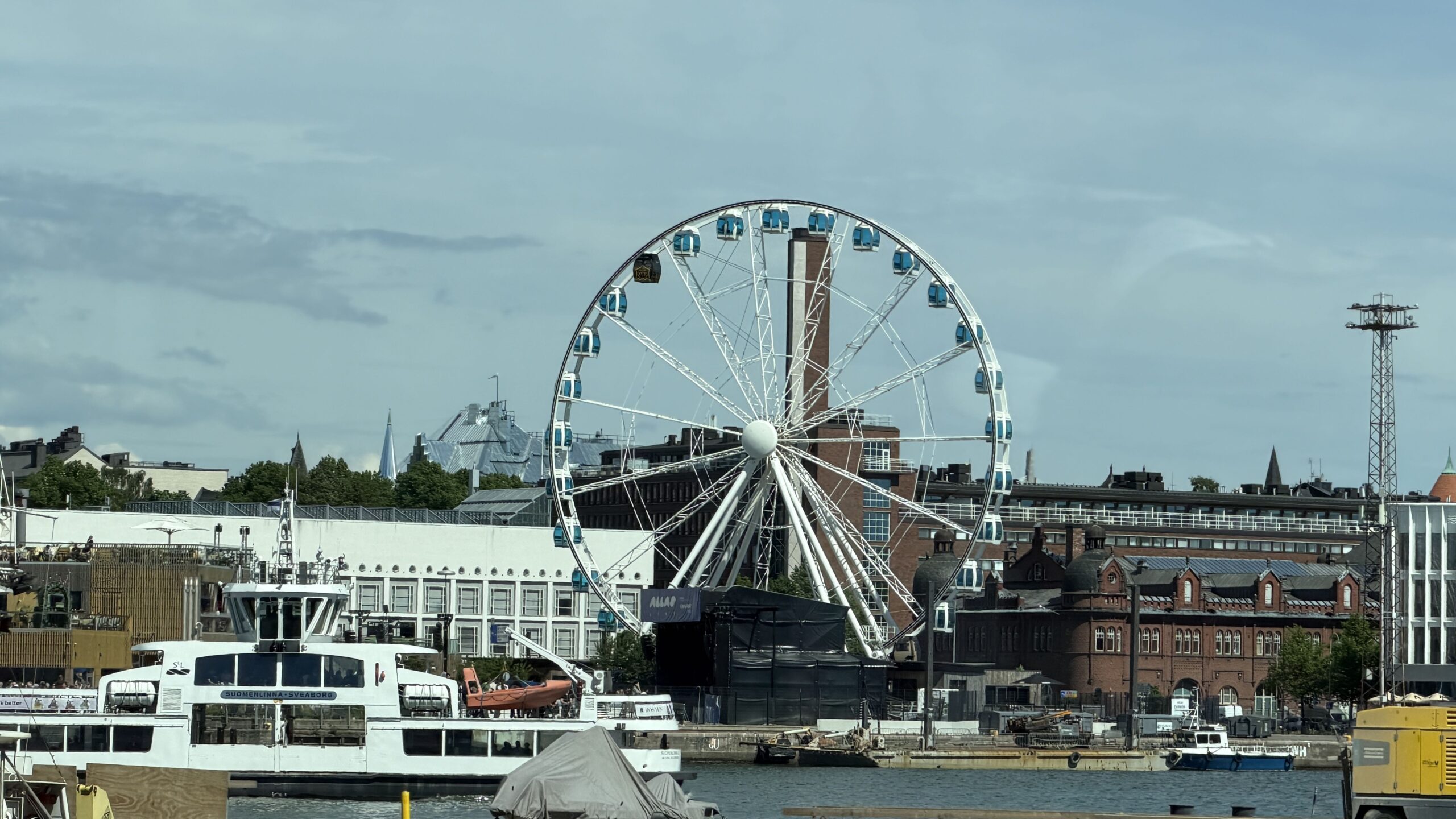
Back on the bus, our guide pointed out one of Helsinki’s most unique attractions—a sauna cabin attached to the city’s giant Ferris wheel. Only in Finland would someone think of combining a sauna with a sightseeing ride! Our guide laughed as he explained that Finns absolutely love their saunas. With more than three million saunas in a country of only about 5.6 million people, enjoying a sauna is simply part of everyday life.
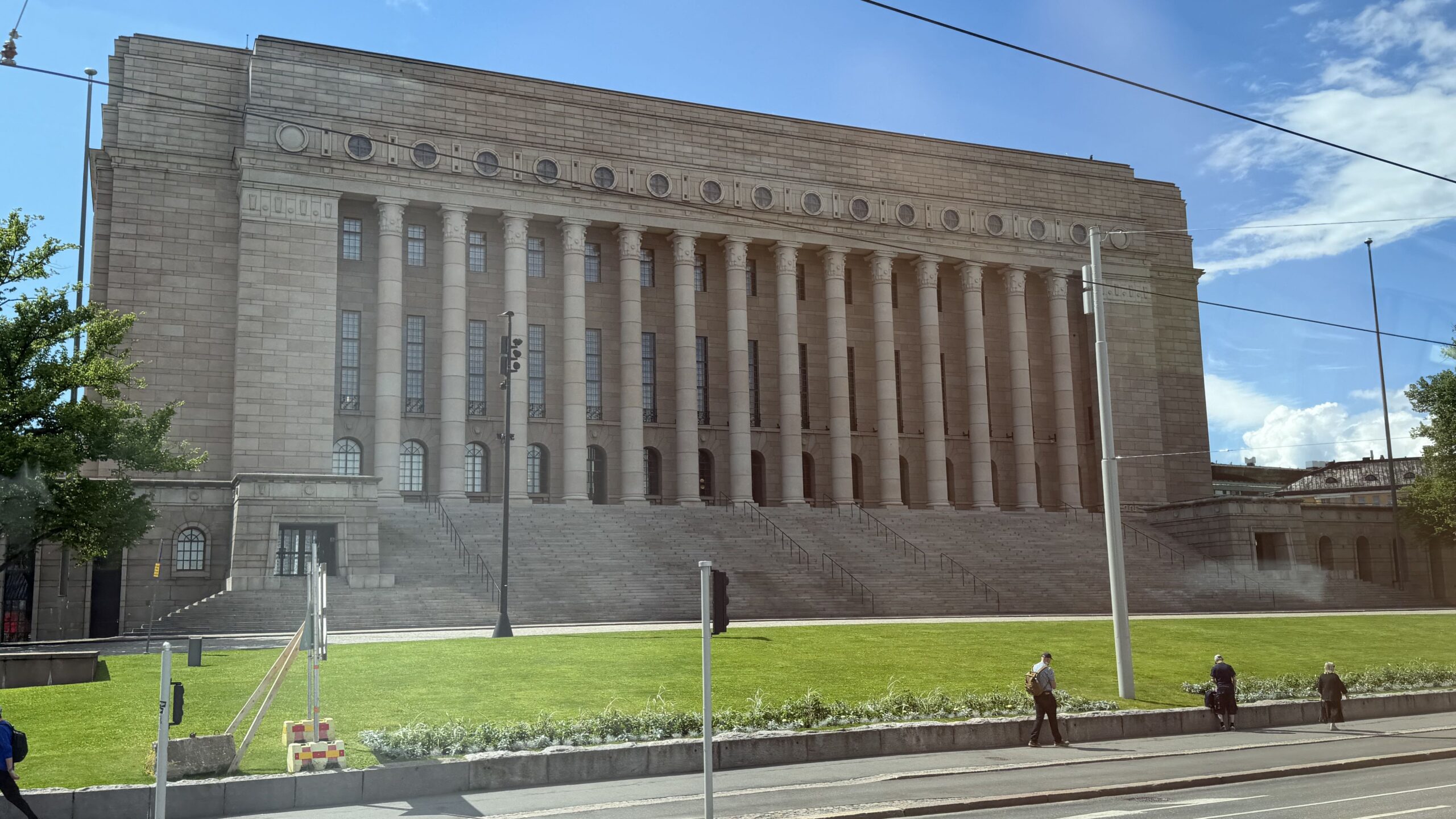
As we continued our drive, we passed Eduskuntatalo (Parliament House) along with several buildings connected to the 1952 Helsinki Olympic Games, the event that introduced Finland to much of the world after World War II.
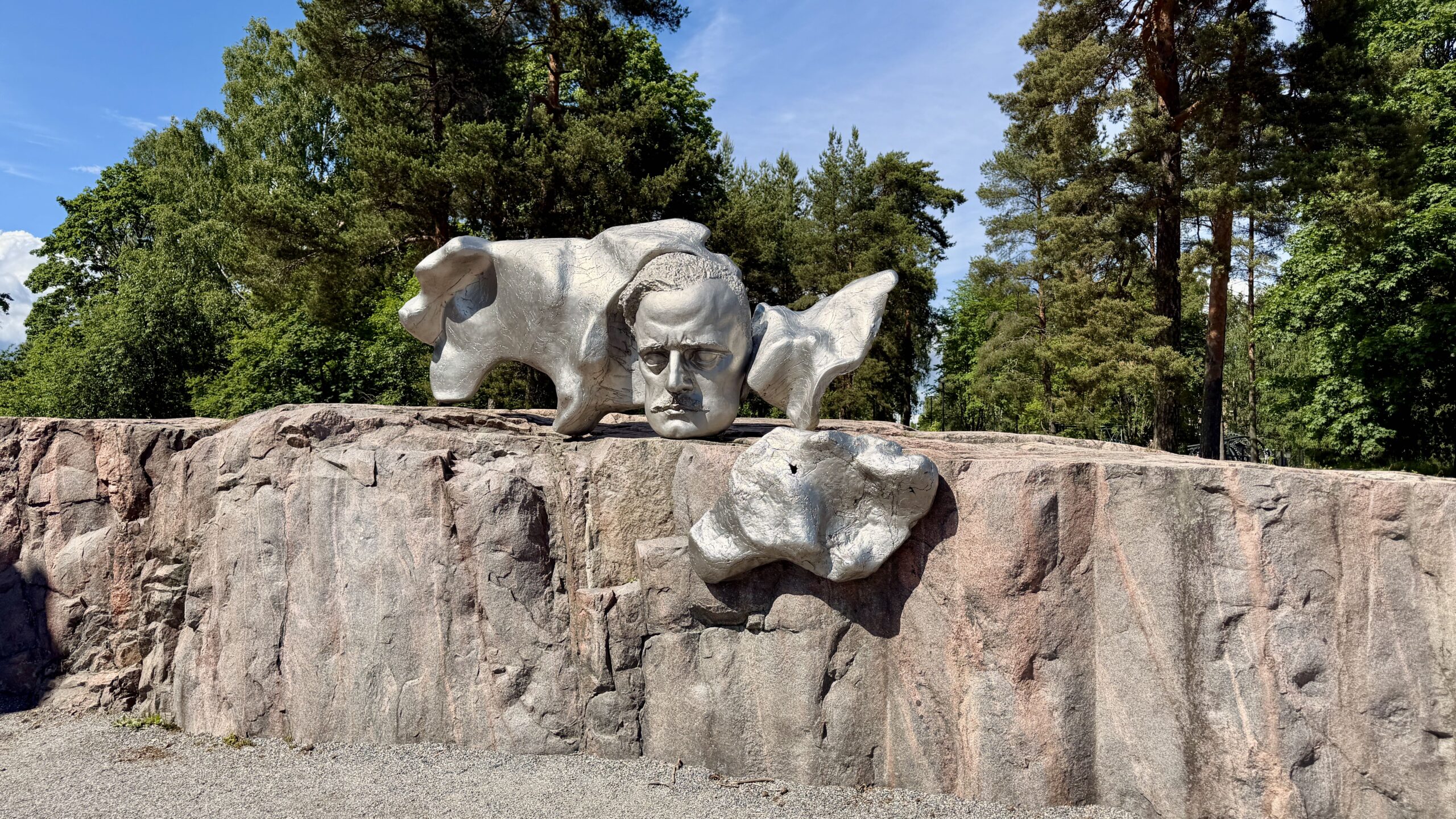
Sibelius Monument
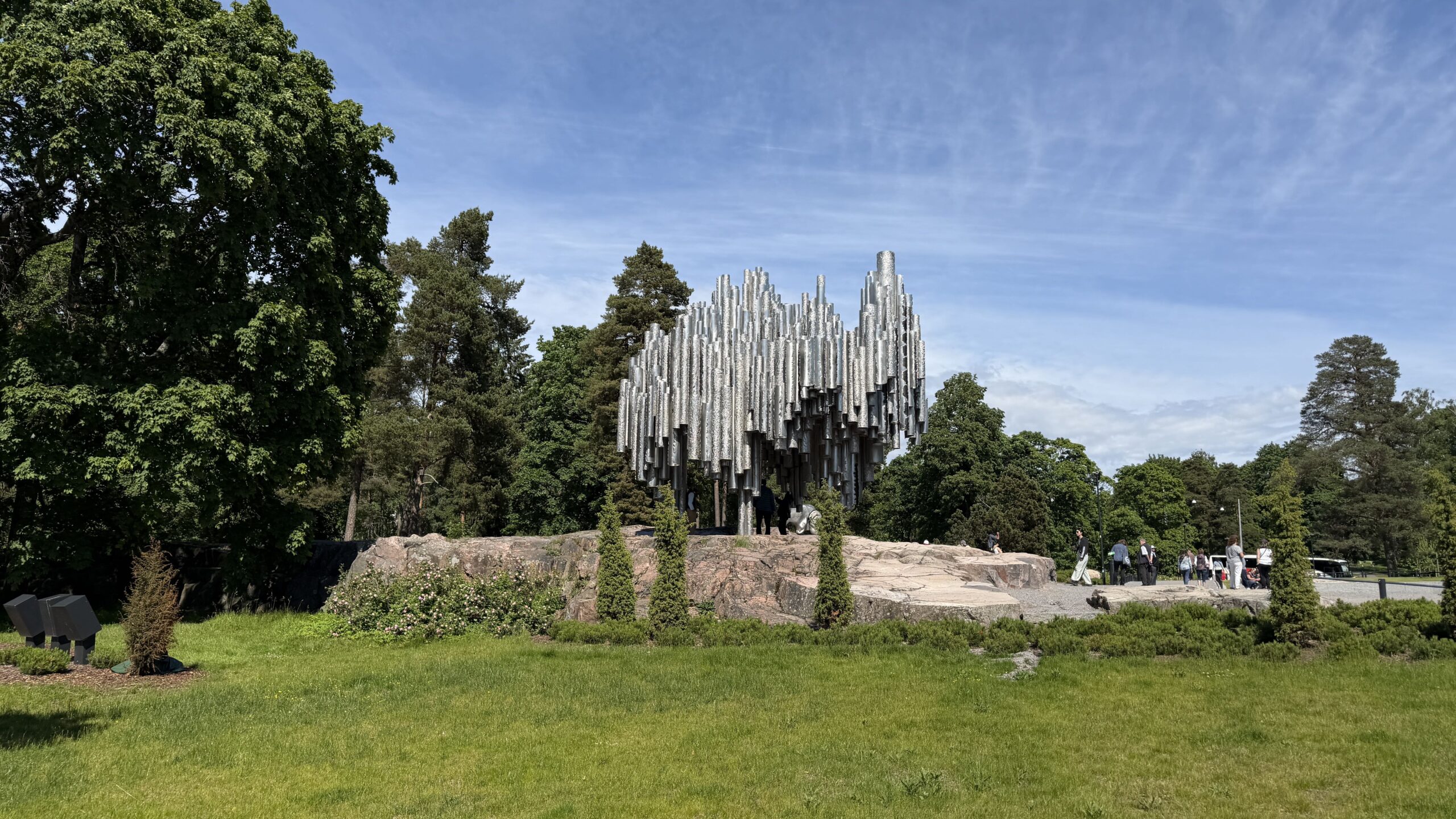
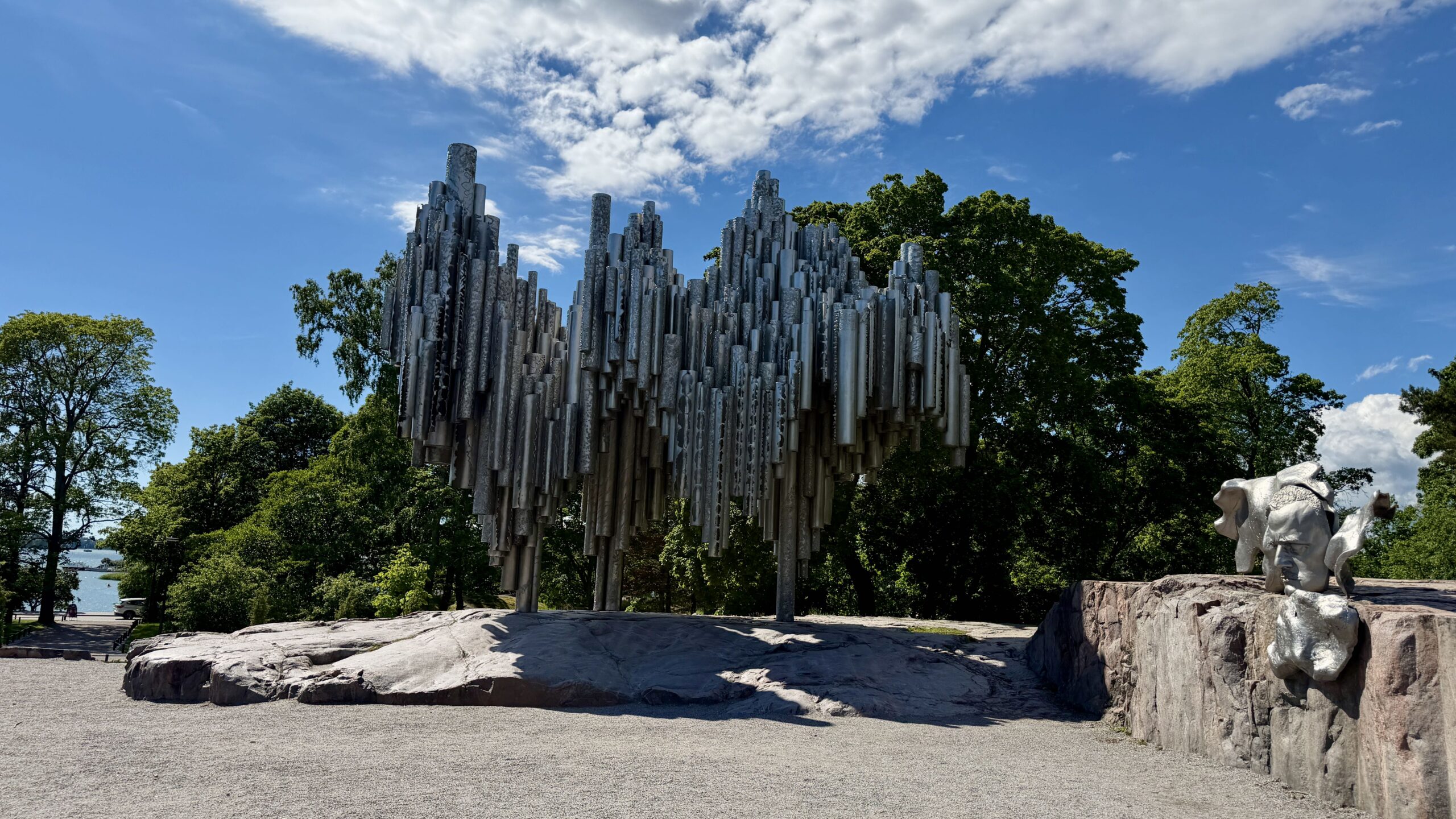
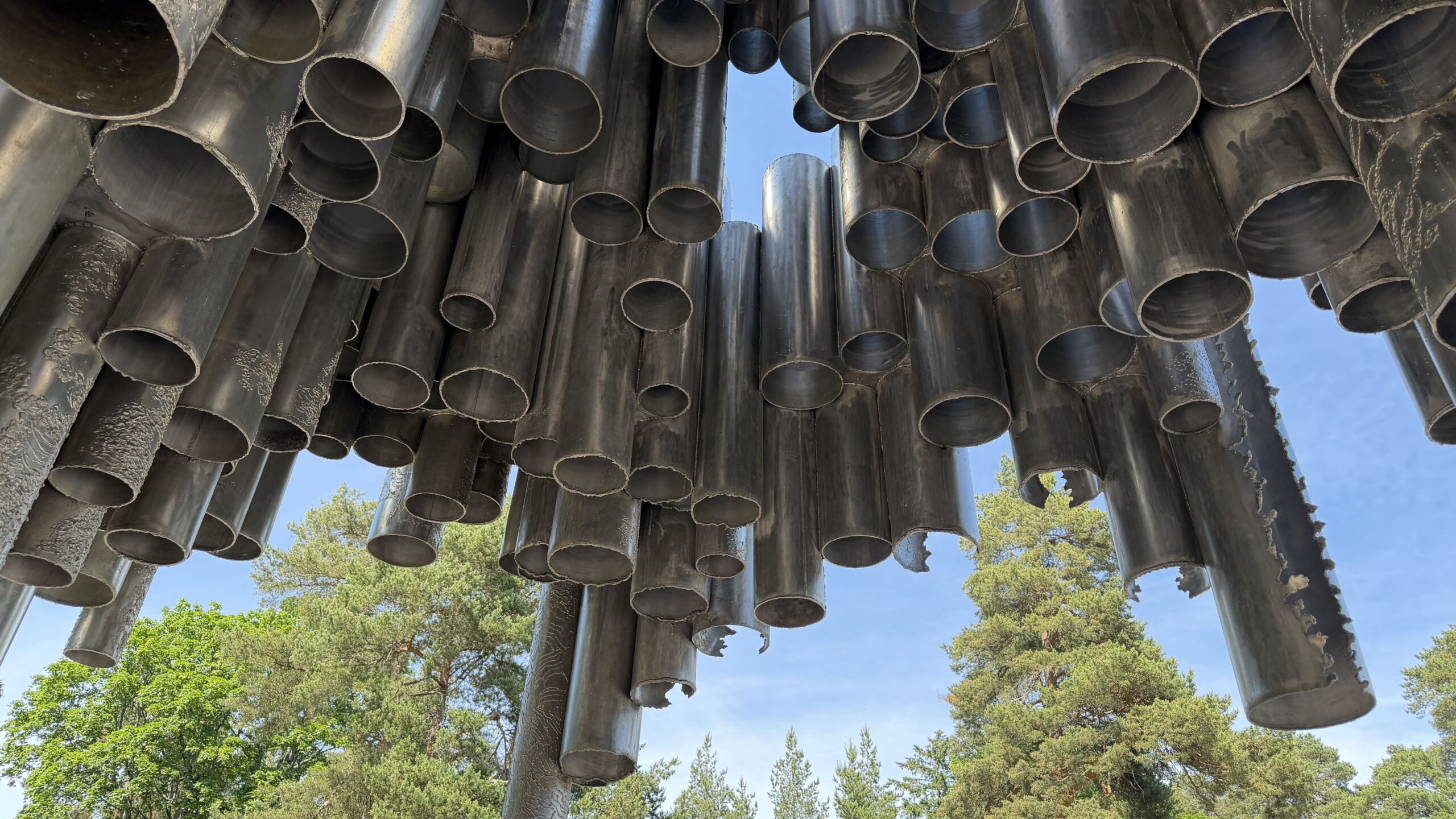
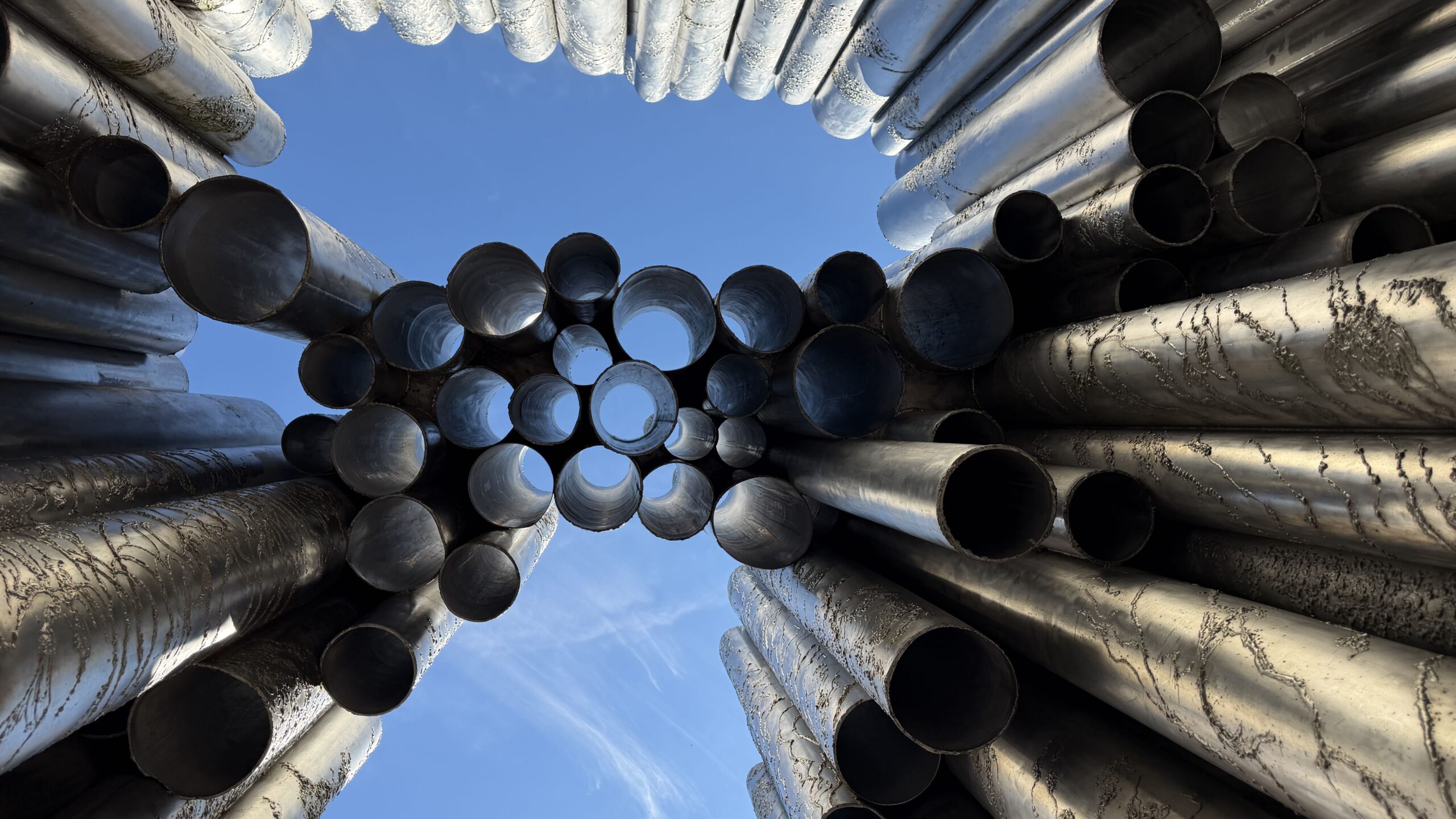
Our final sightseeing stop was the Sibelius Monument, dedicated to Finland’s greatest composer, Jean Sibelius. Created in 1967 by sculptor Eila Hiltunen, the monument is made up of more than 600 steel pipes welded together. From some angles it looked like a giant organ, while from others it resembled waves flowing through the air. It is certainly one of the most unique monuments we have seen during this Europe trip.
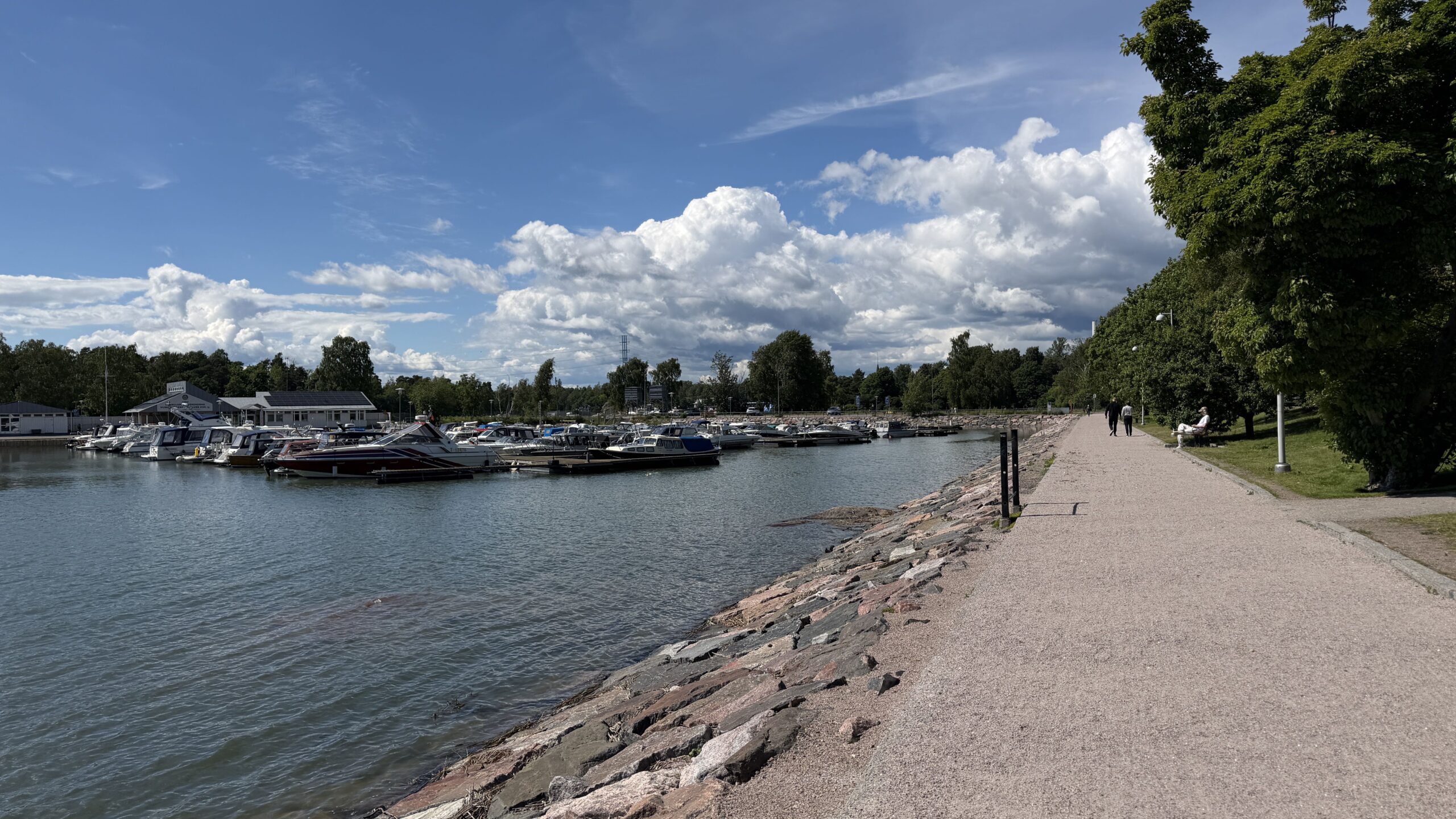
After checking into the Radisson Blu Seaside Hotel, we rested briefly before heading back into the city for an evening walk.
Exploring Helsinki
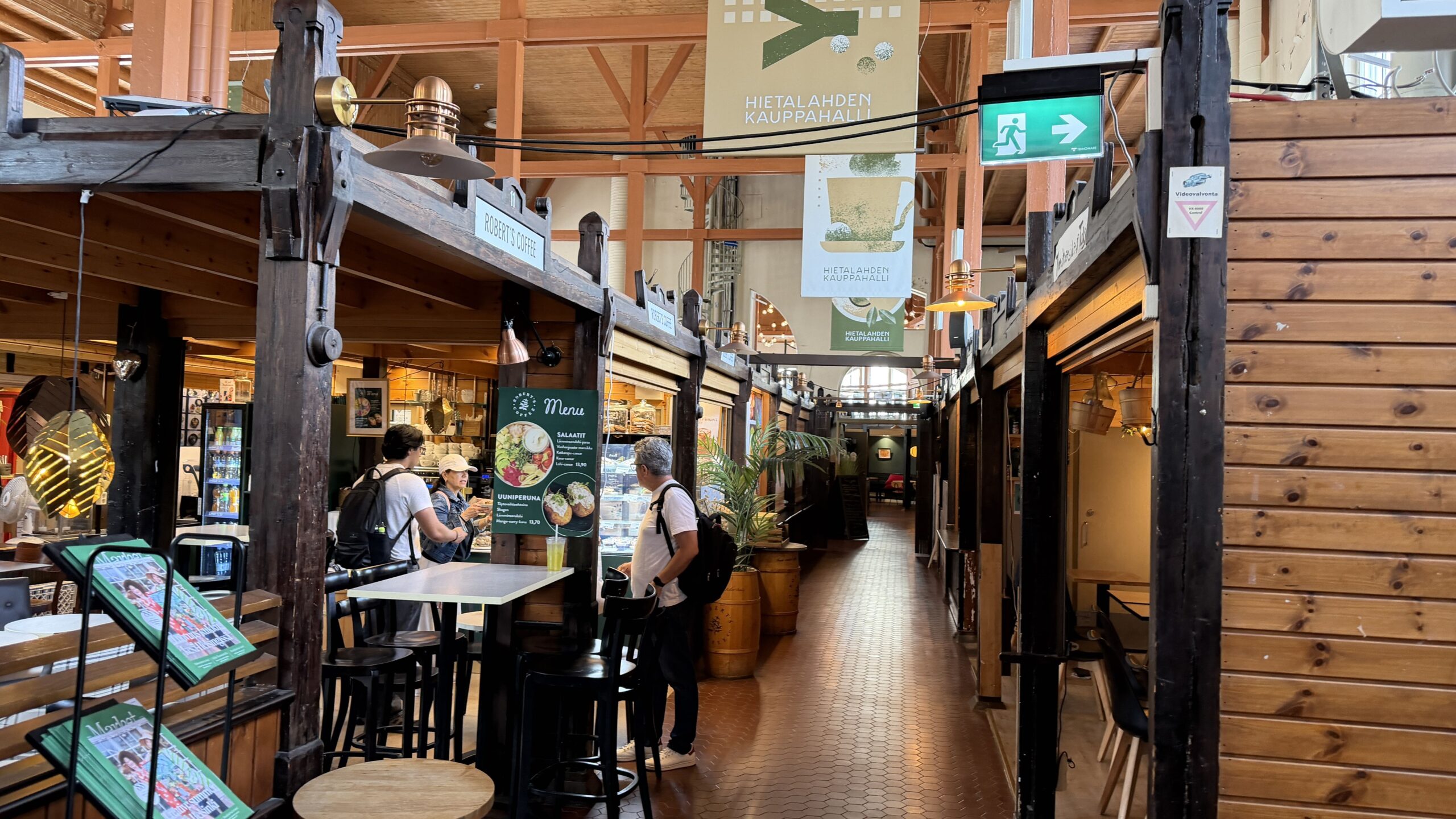
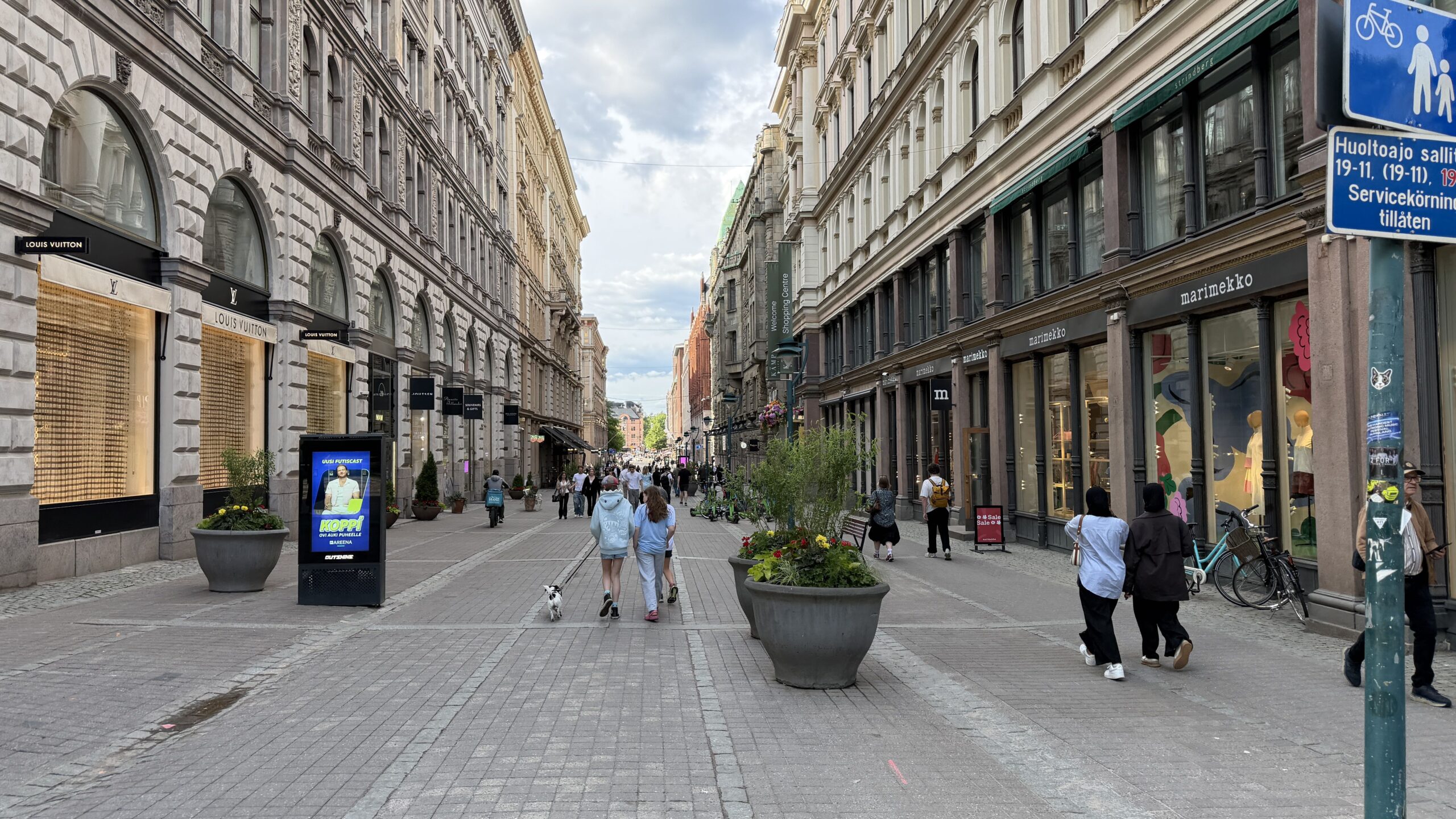
By the time we reached Kauppahalli, most of the shops were already closing, with only a handful still open. Outside, however, there were still full of people enjoying the beautiful summer evening. Some were simply sitting outside, while others relaxed with family and friends.
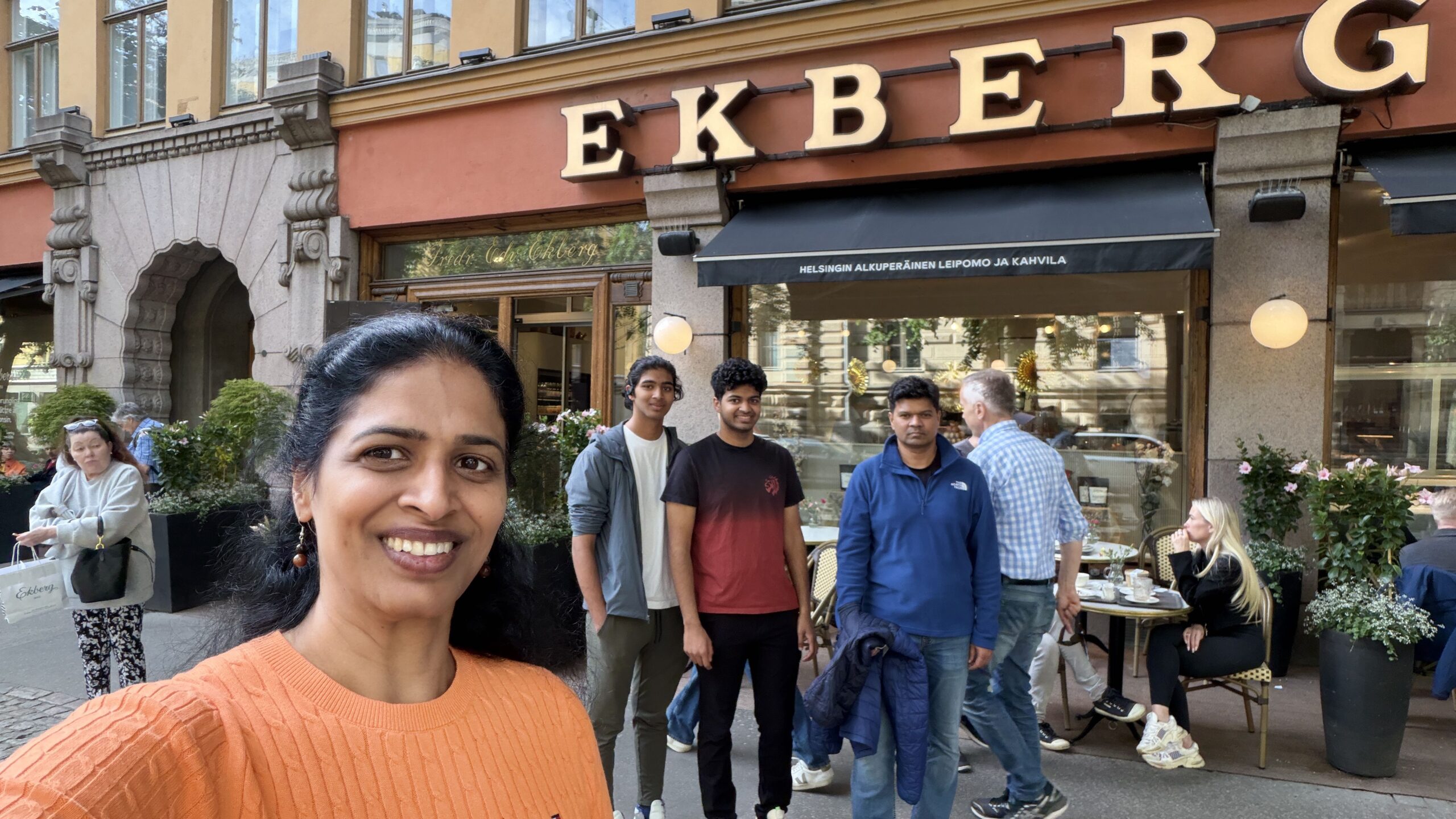
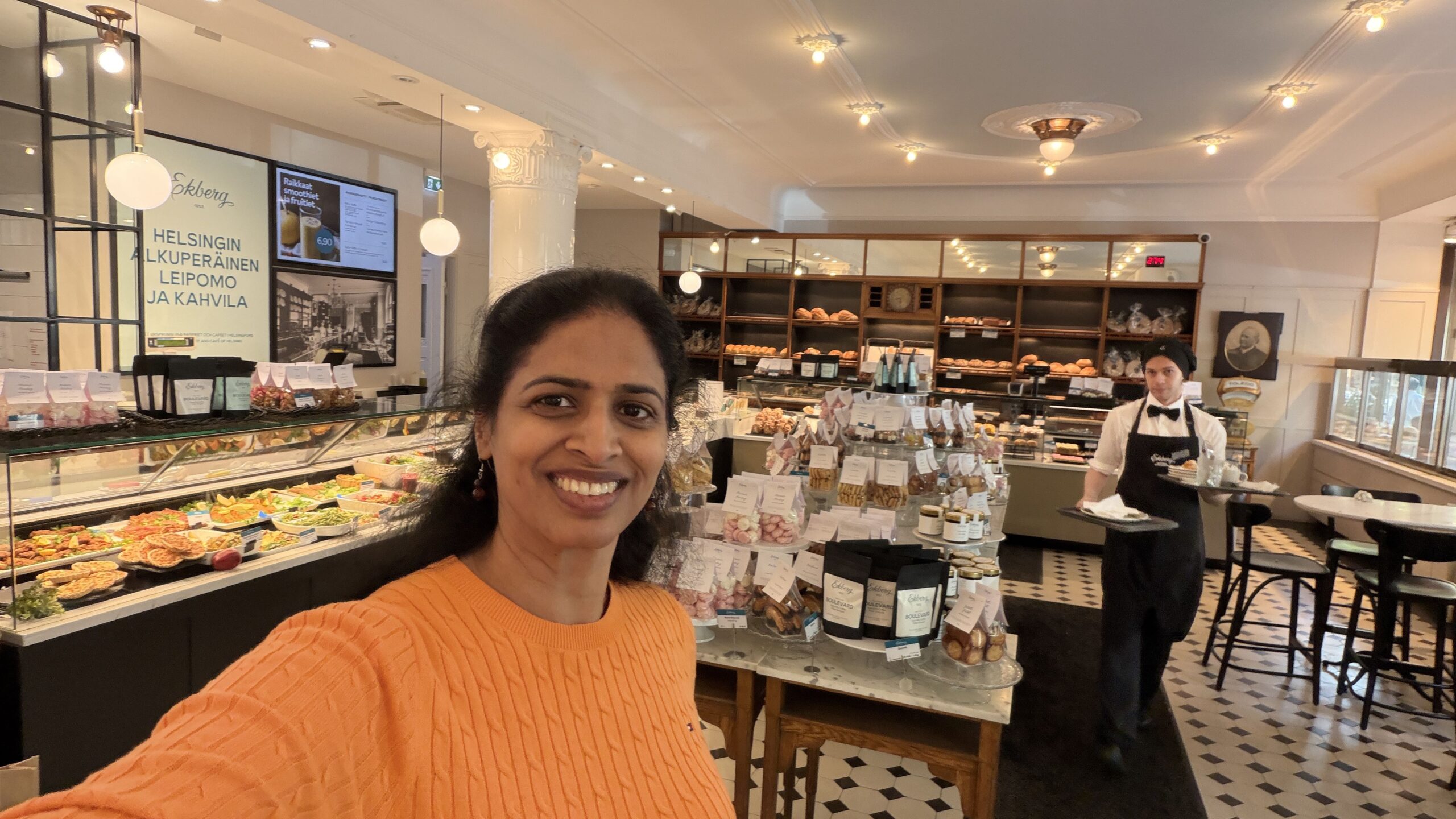
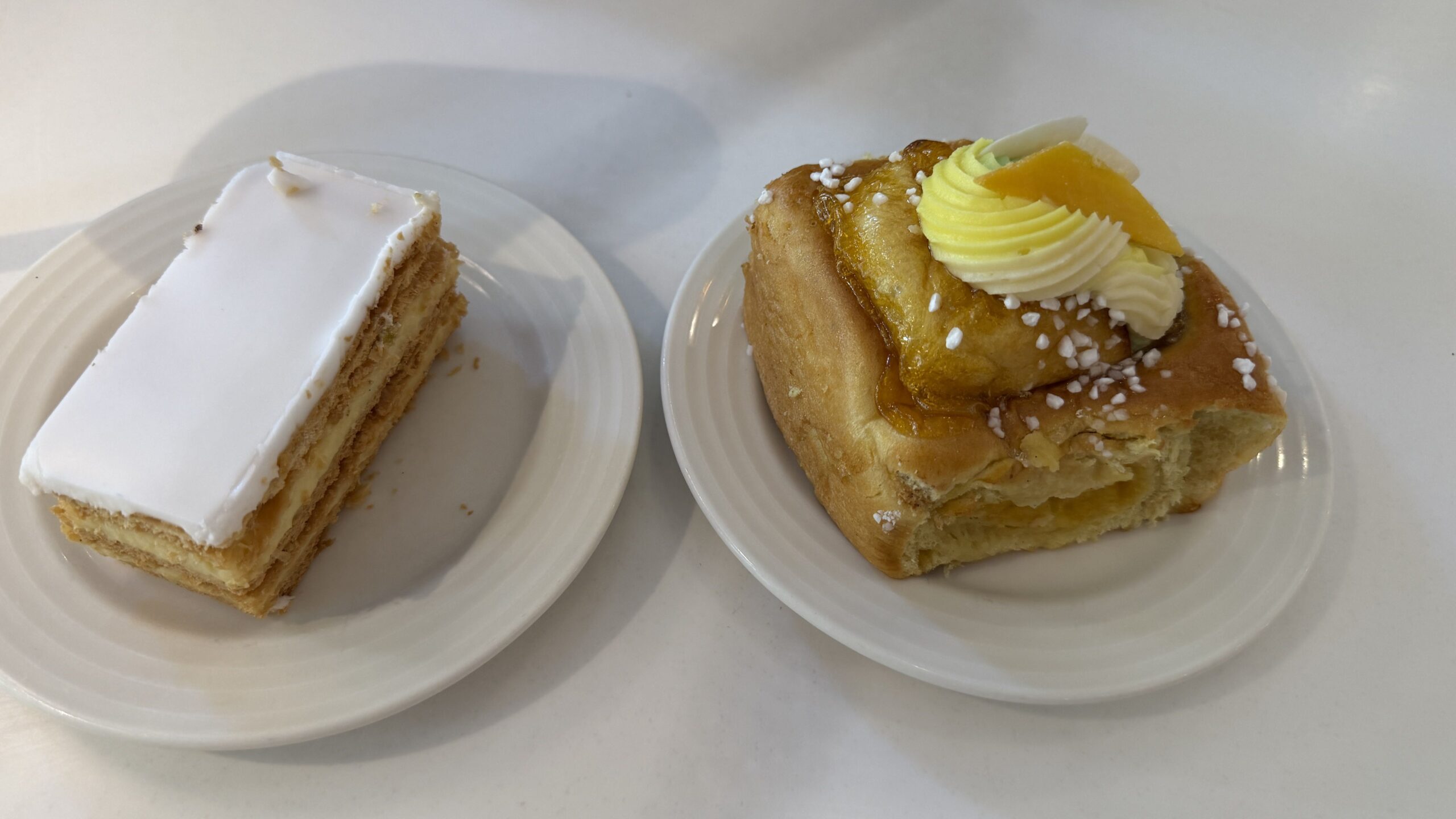
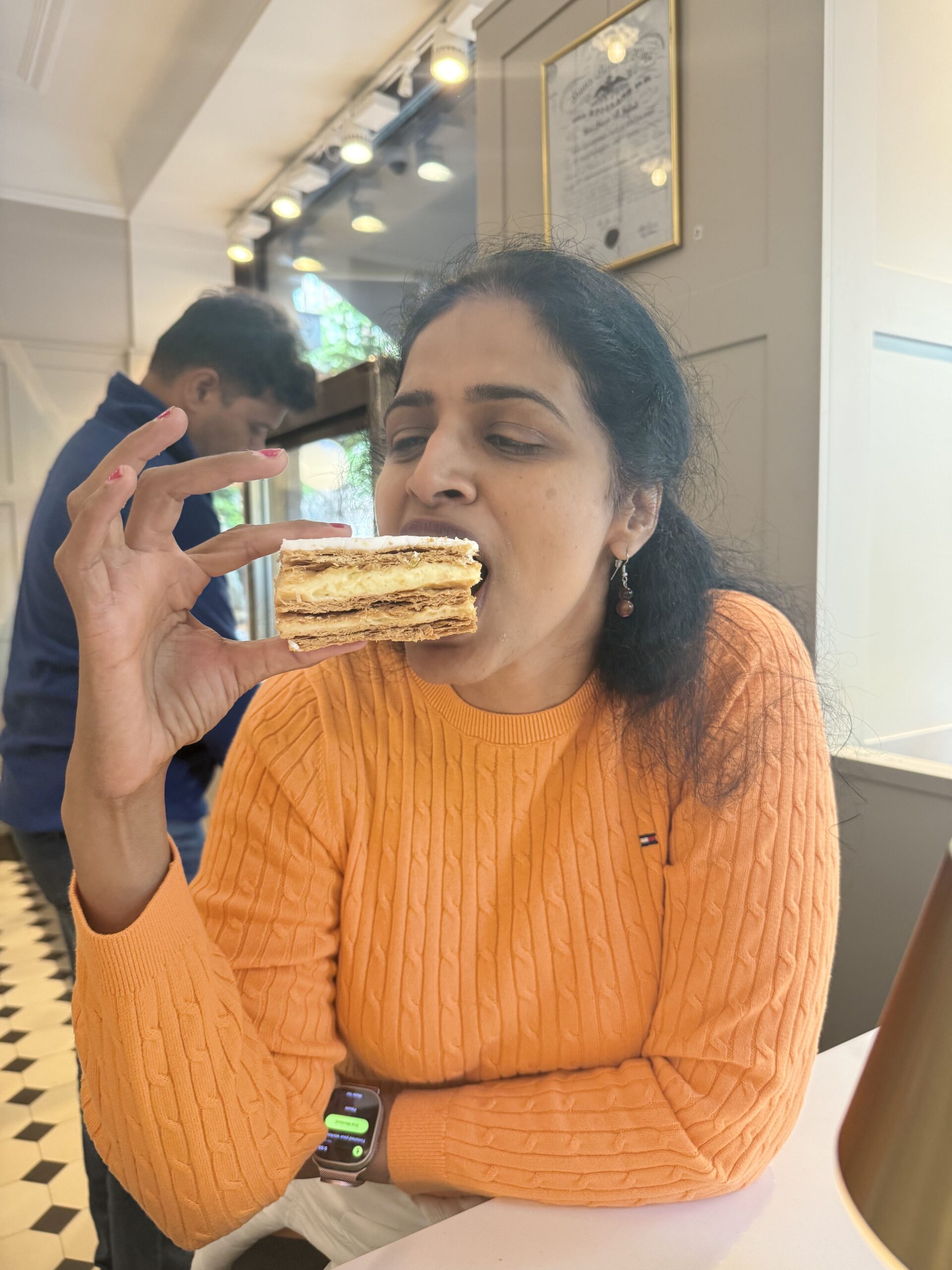
One stop we definitely didn’t want to miss was Ekberg, Finland’s oldest bakery and café, serving customers since 1852. Choosing a pastry wasn’t easy, but we finally decided on two of their specialties. The Napoleon, their signature pastry since 1865, had crispy buttery layers filled with rich vanilla cream and topped with sugar icing. We also tried the Thousand Leaf, made with flaky puff pastry and homemade caramel filling. Both were light, flaky, and absolutely delicious. If you enjoy pastries, this place is well worth a visit.
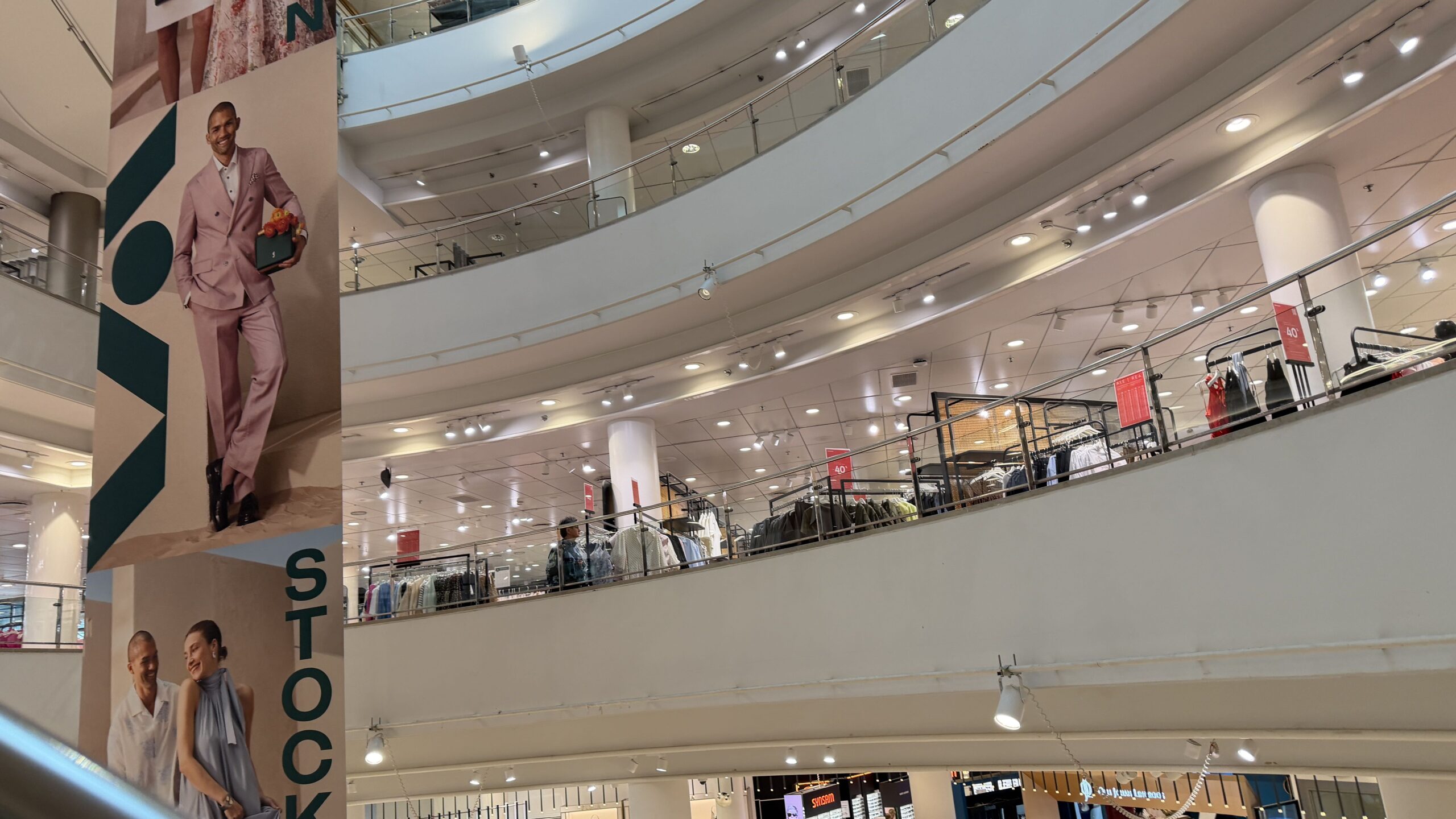
From there we walked past Erottaja Square before stopping at the famous Stockmann department store. Our guide had joked earlier, “If you don’t find what you’re looking for in Stockmann, then you probably don’t need that item.” Walking through its many floors, we could understand exactly what he meant.
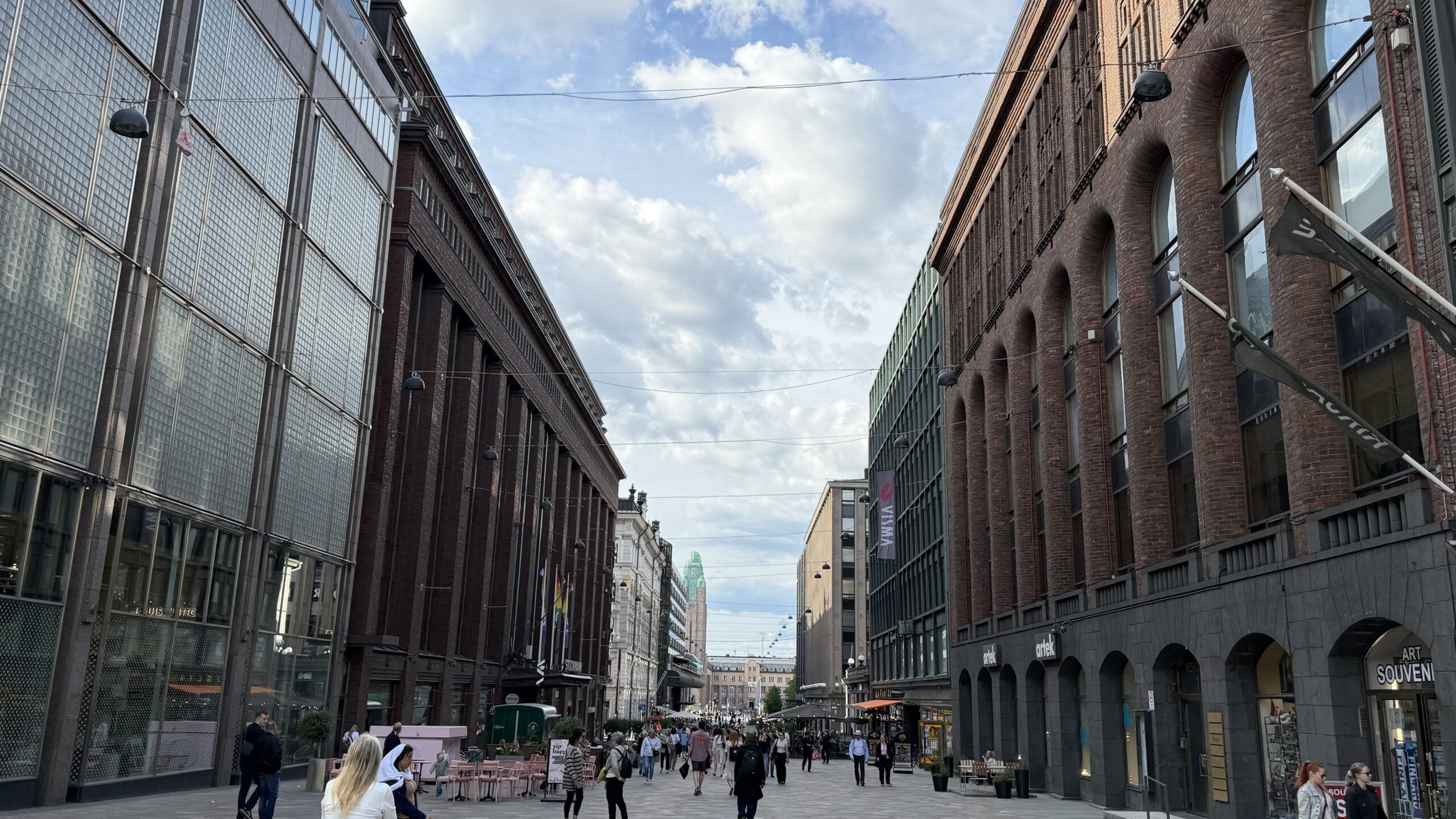
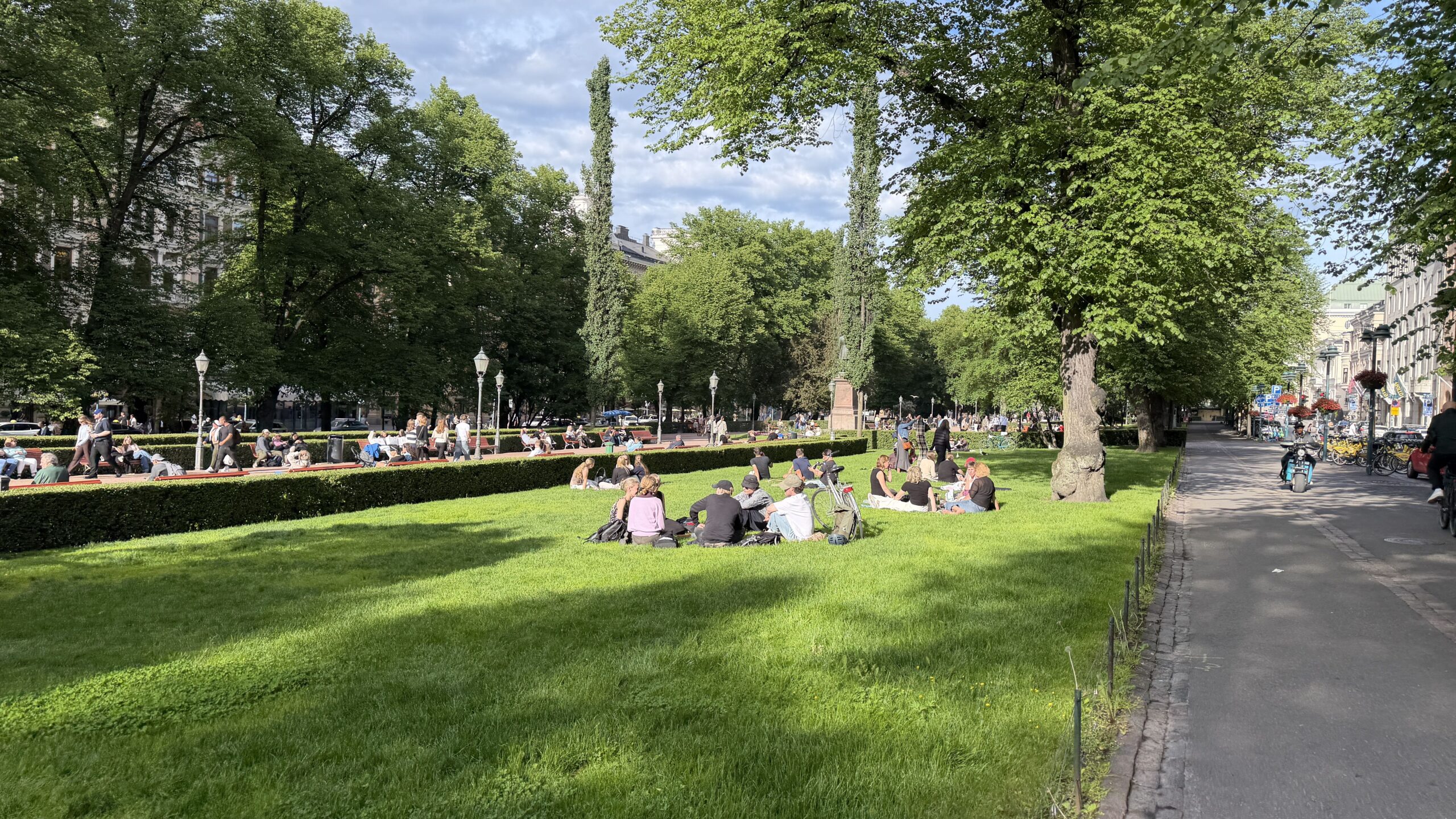
We continued walking past the Central Railway Station toward one of the nearby parks. It was lovely to see so many groups of people enjoying the long summer evening. Families and friends had spread blankets across the grass, sharing snacks, drinks, and conversations. It reminded us how much people in Northern Europe enjoy making the most of every warm summer day.
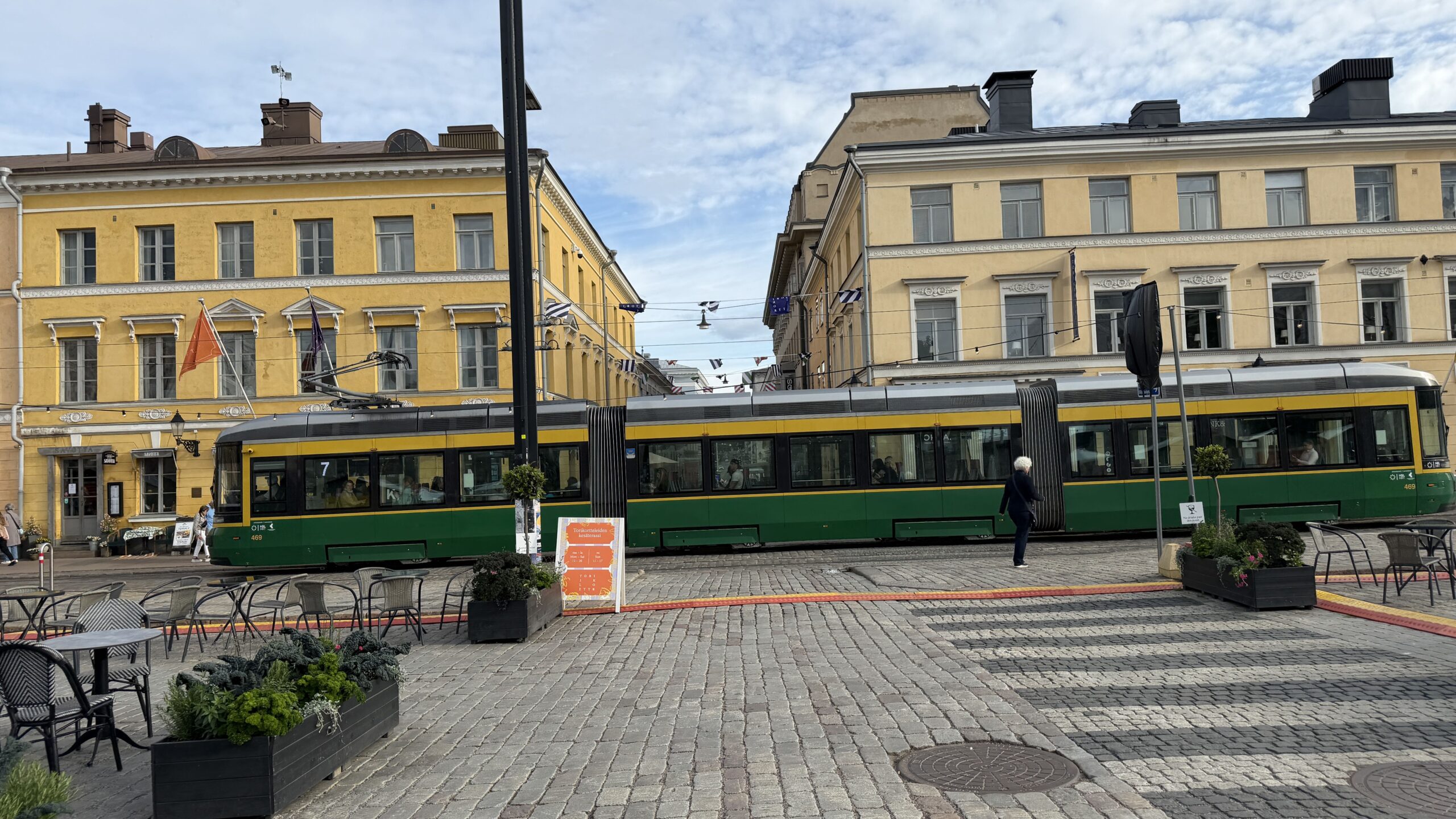
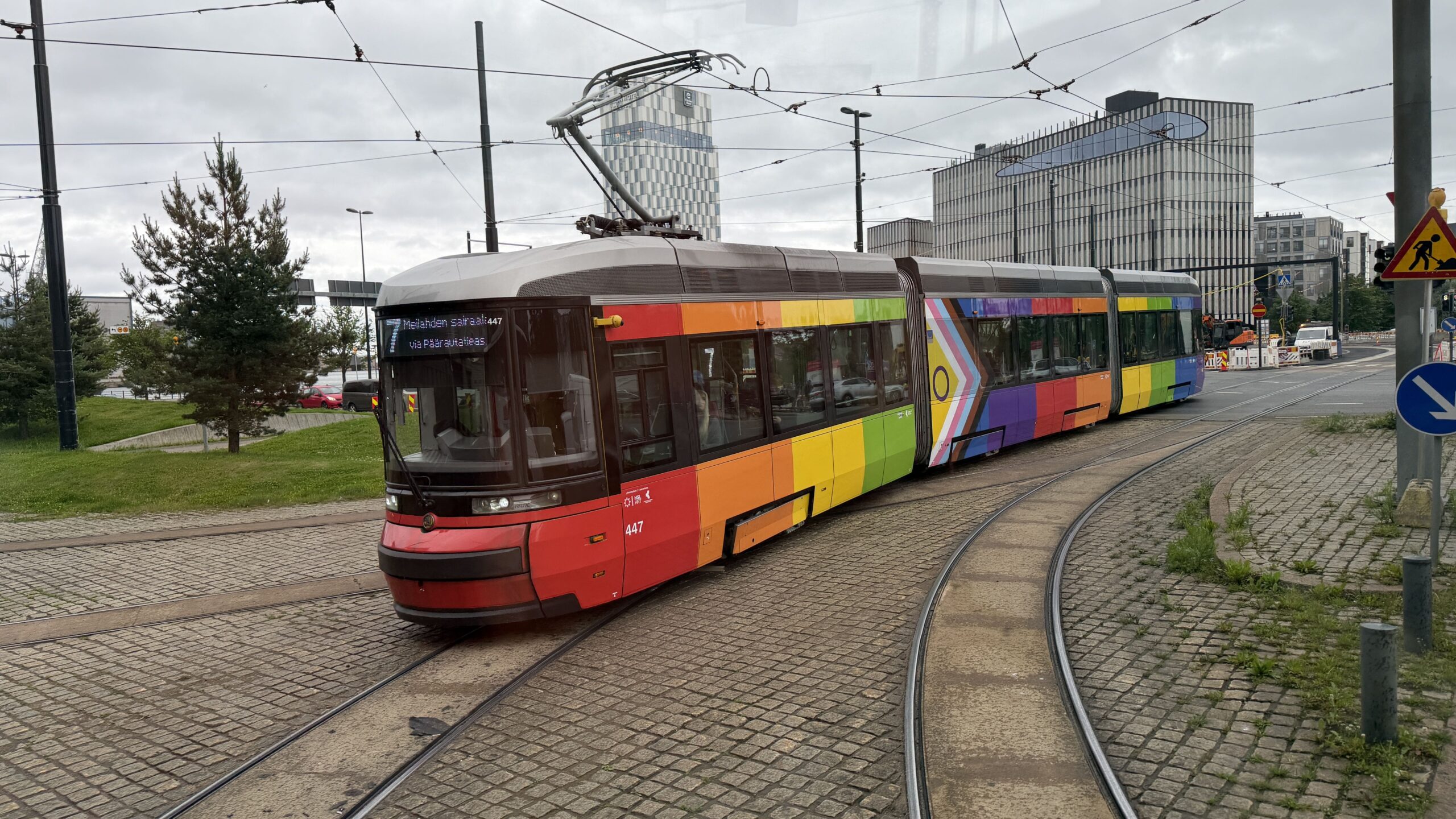
The green trams quietly passed by throughout the city and seemed to be the preferred way for locals to get around.
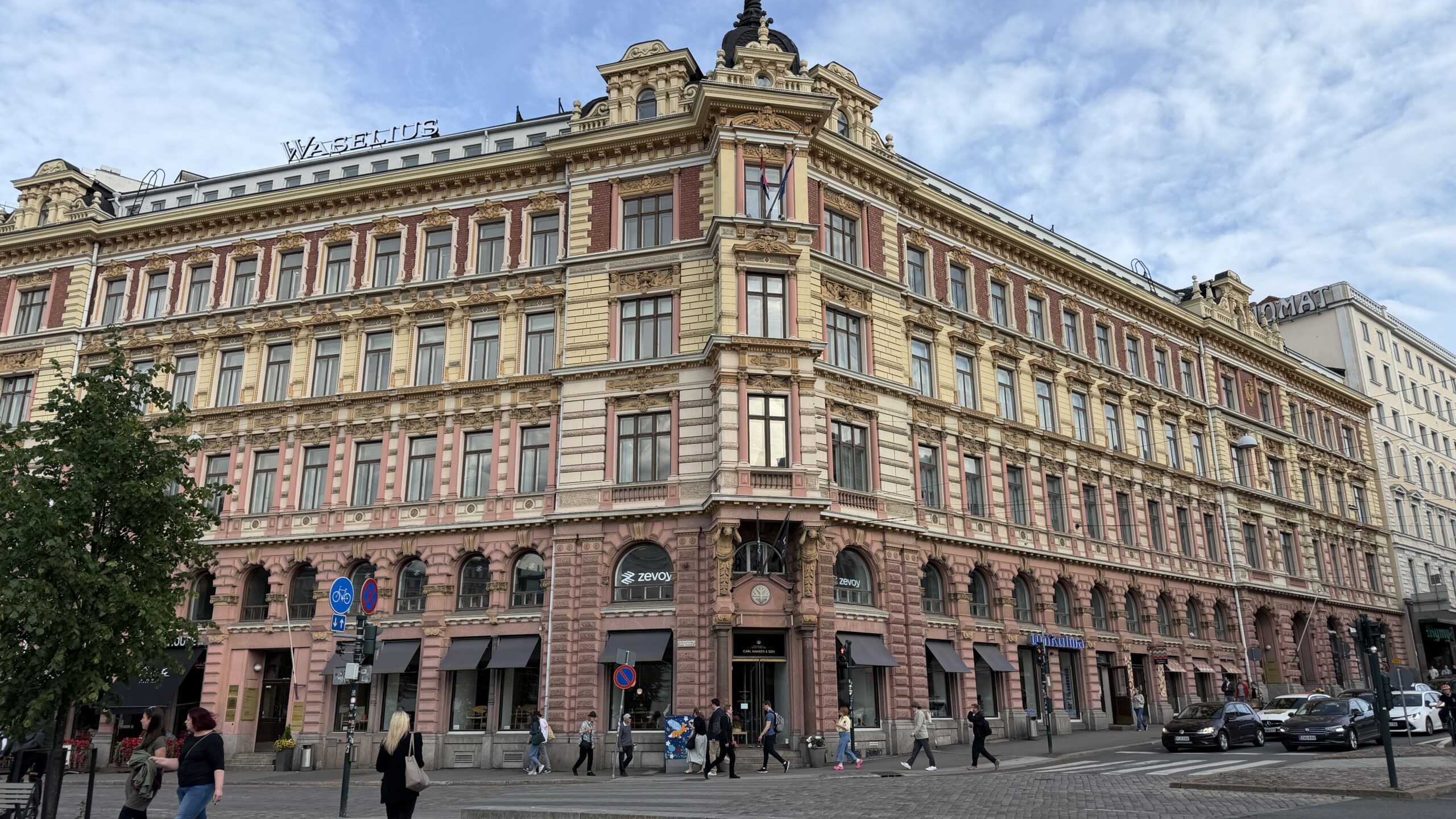
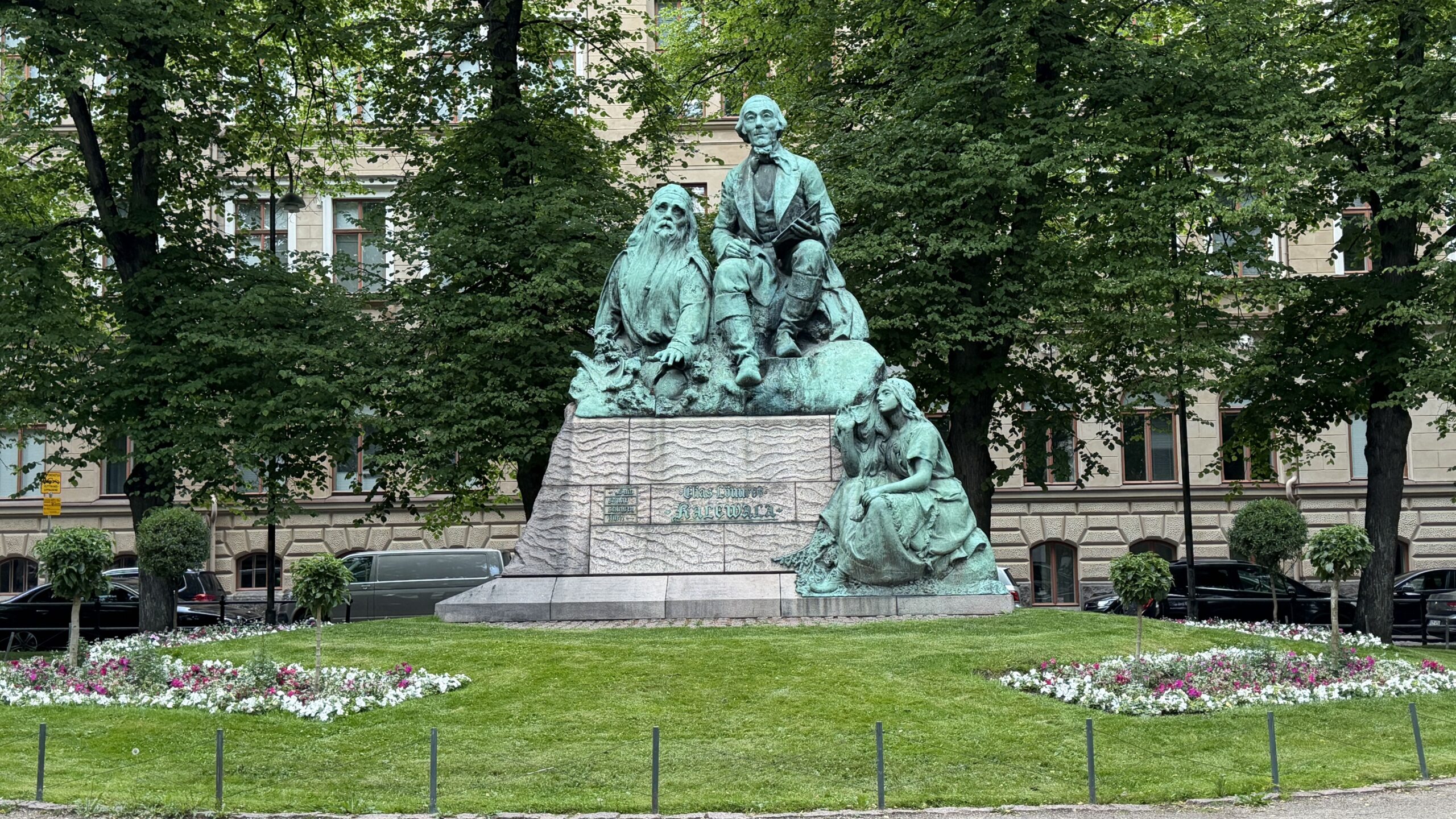
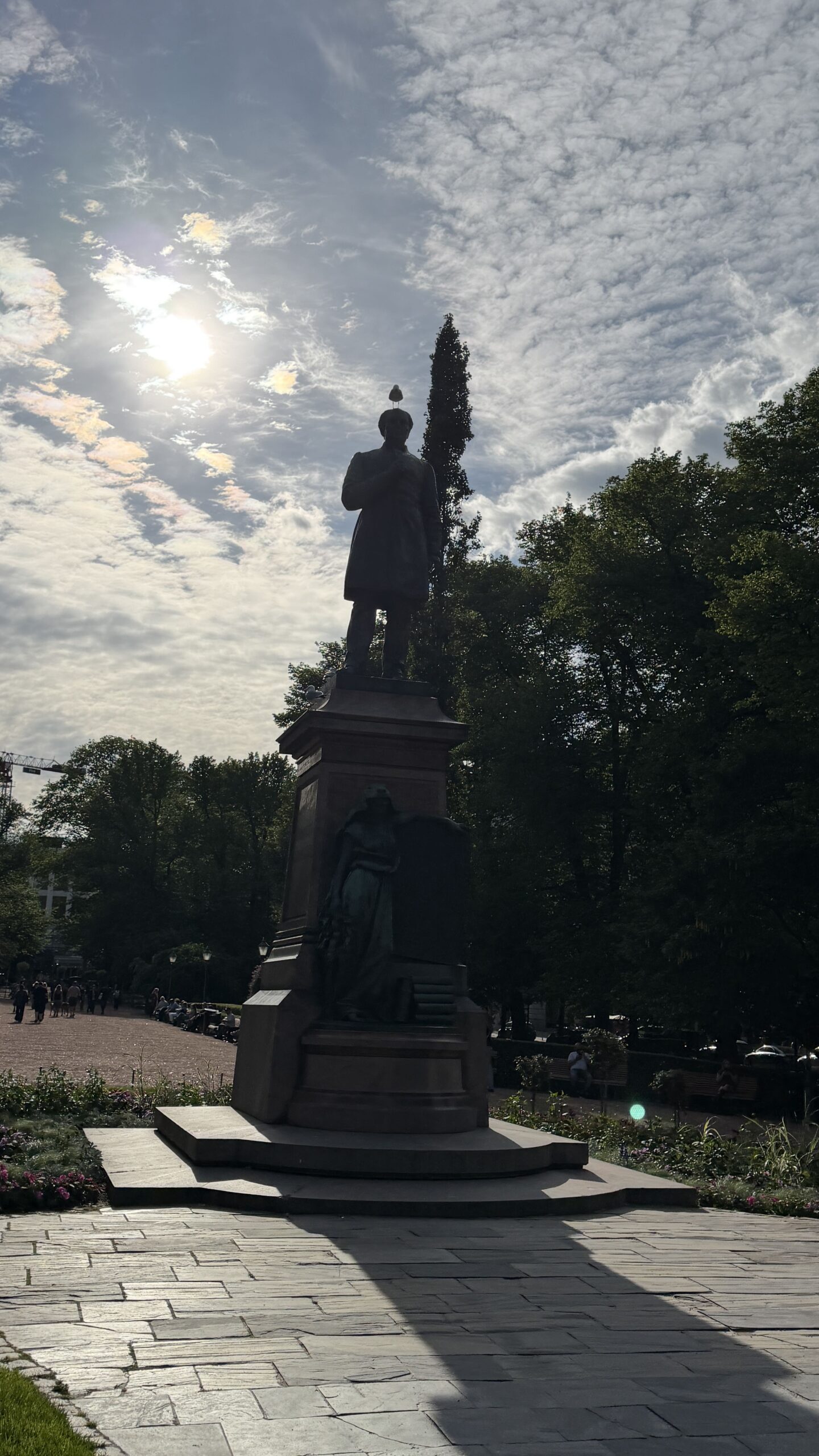
Along the way we passed the bronze statue of Johan Ludvig Runeberg, Finland’s national poet. At a nearby intersection, a group of men were singing and dancing on a small outdoor stage while people gathered around to watch. It gave the city a lively and welcoming atmosphere.
As we reached Havis Amanda once again, the crowds had thinned, making it a pleasant time to stroll through the area. We then walked up to Helsinki Cathedral, where the square was surprisingly peaceful compared to the afternoon. With only a handful of visitors around, it was one of our favorite moments of the evening.
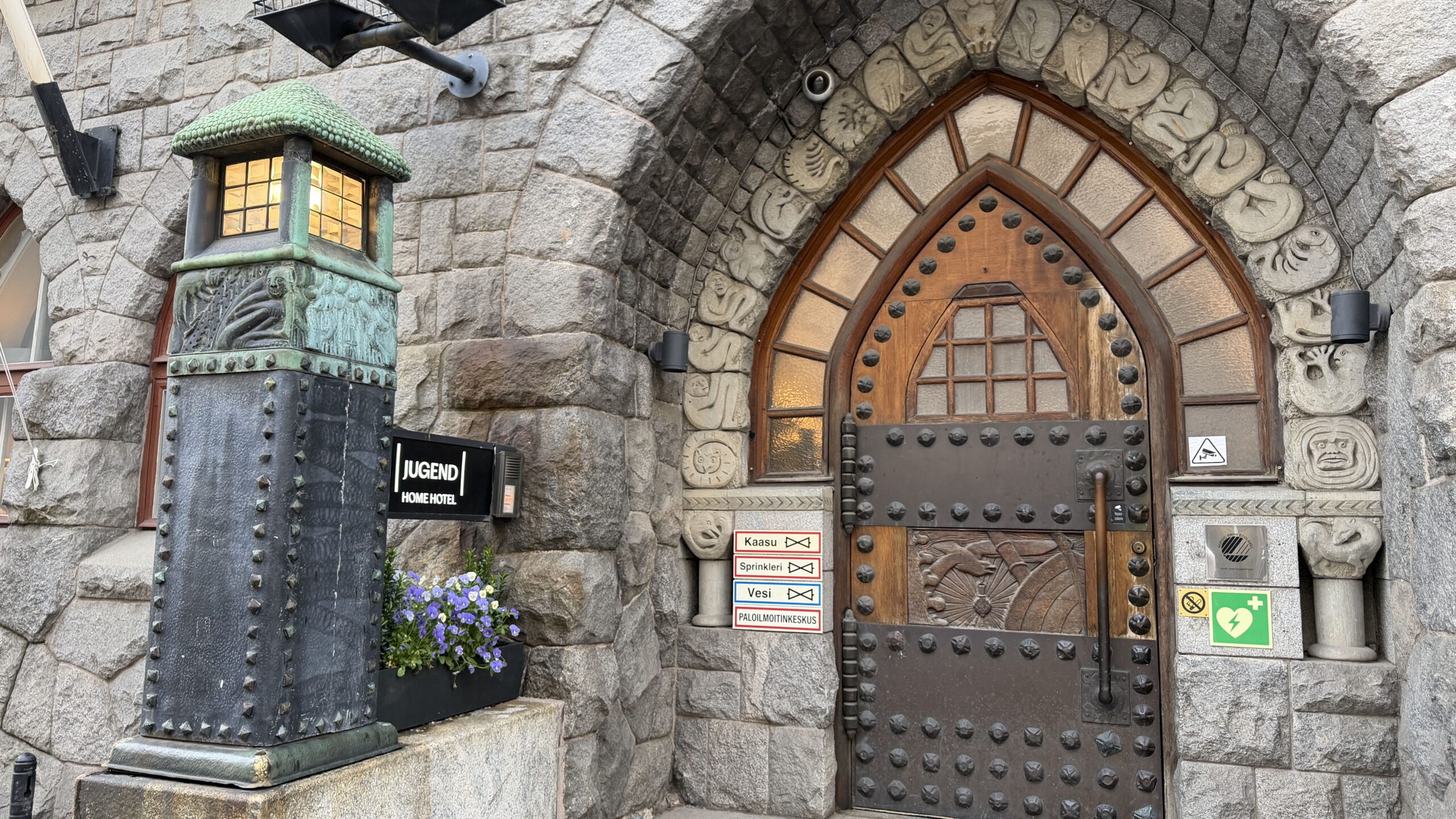
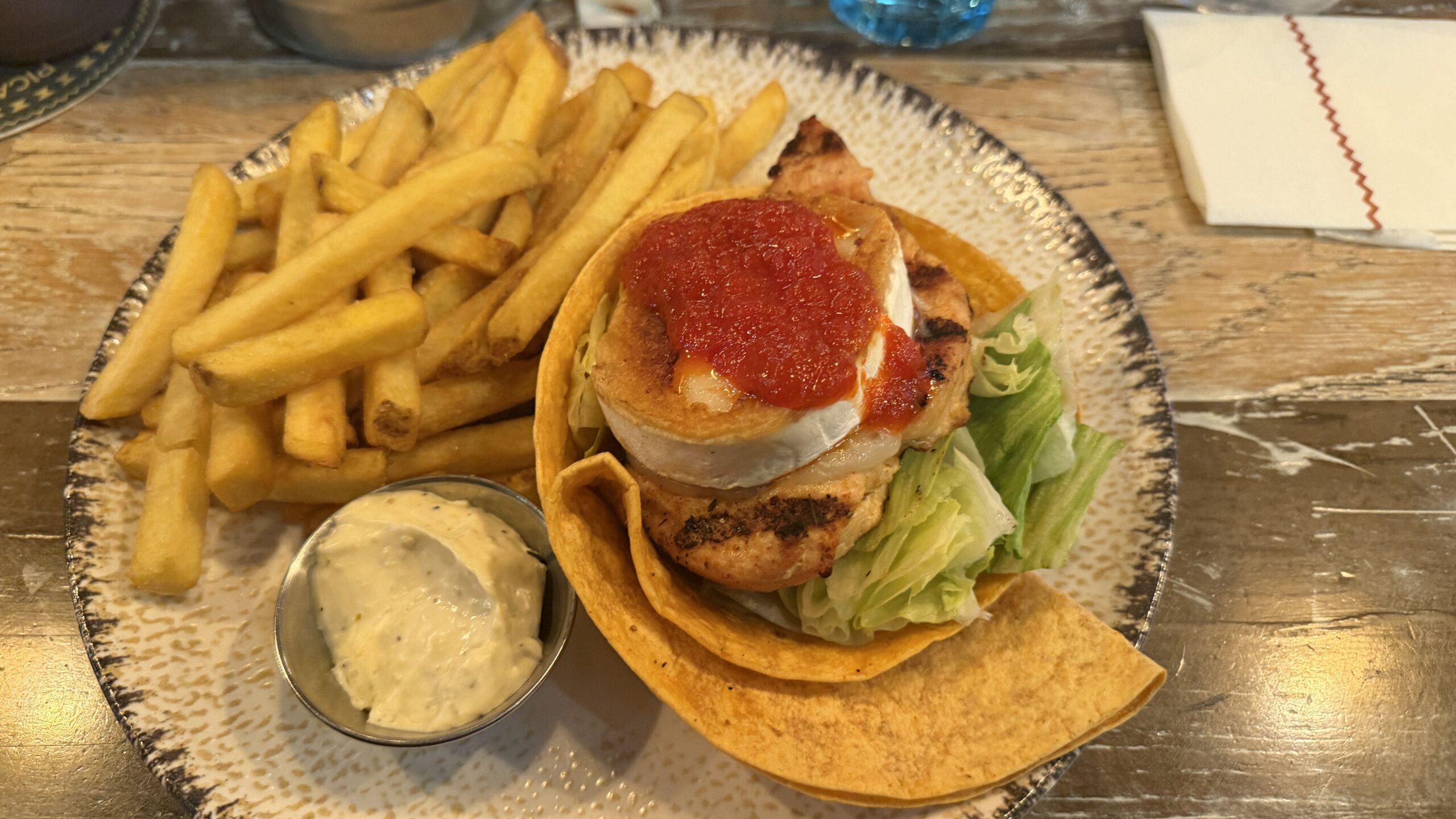
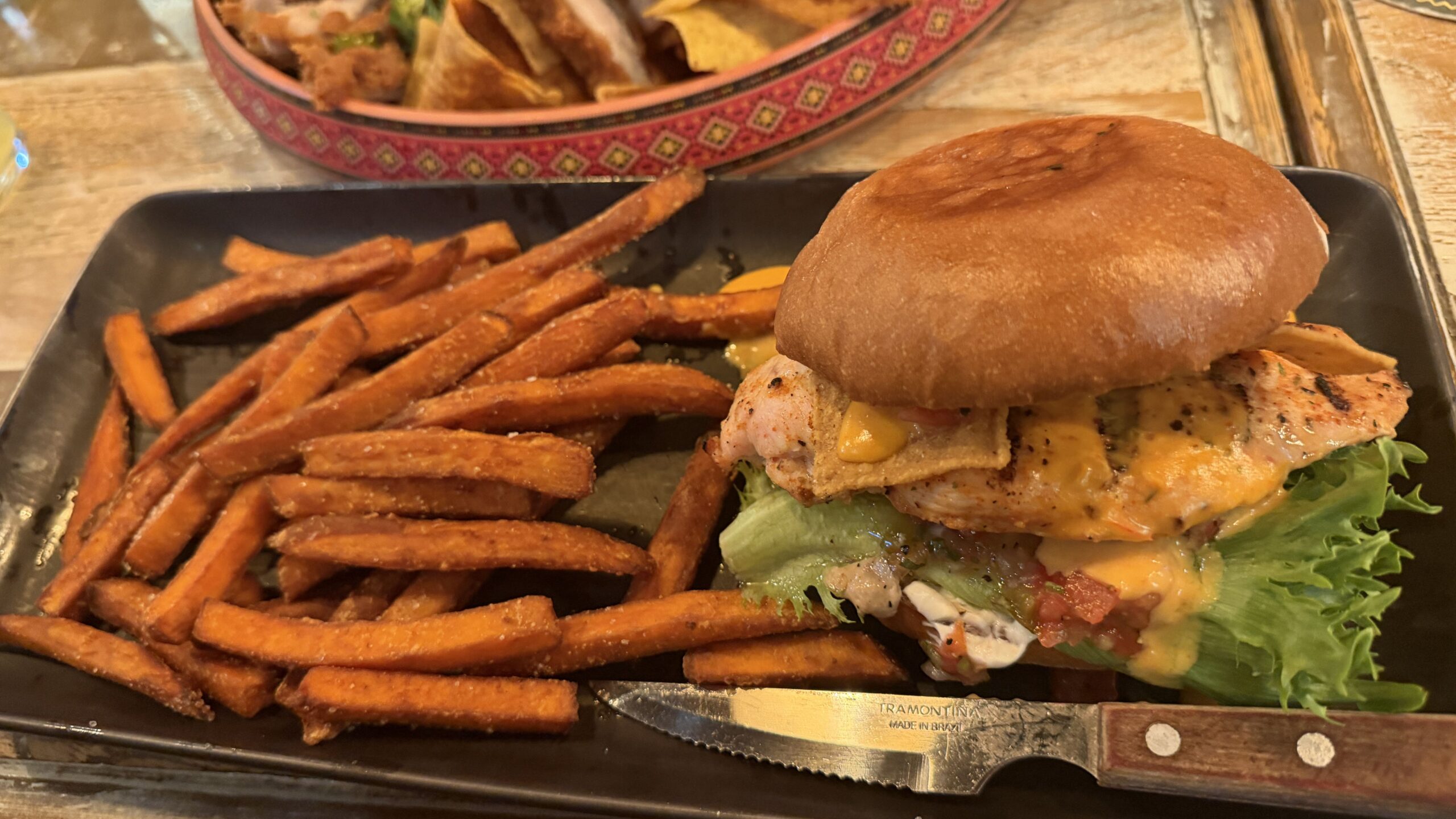
Finding dinner turned out to be a little more challenging than expected. Many of the restaurants along the streets were elegant fine-dining places, but there weren’t many vegetarian and chicken choices for us. Eventually, we settled on Amarillo, which served Mexican food and burgers. The food was good, although Helsinki reminded us once again that dining out in the Nordic countries doesn’t come cheap.

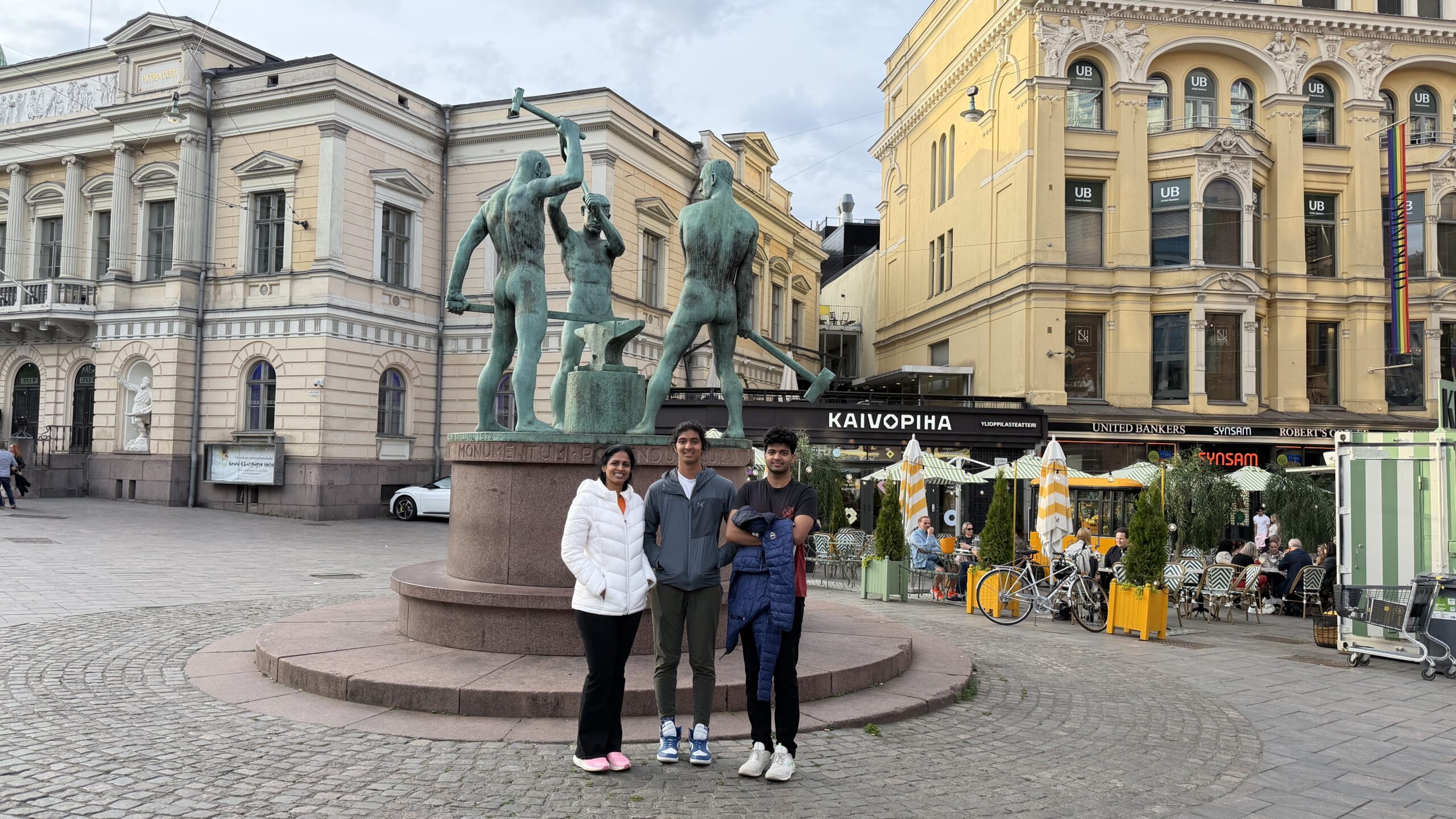
On our walk back to the hotel, we passed the famous Three Smiths Statue, depicting three blacksmiths forging iron together. Created in 1932, it has become one of Helsinki’s best-known public monuments and symbolizes the dignity of hard work.
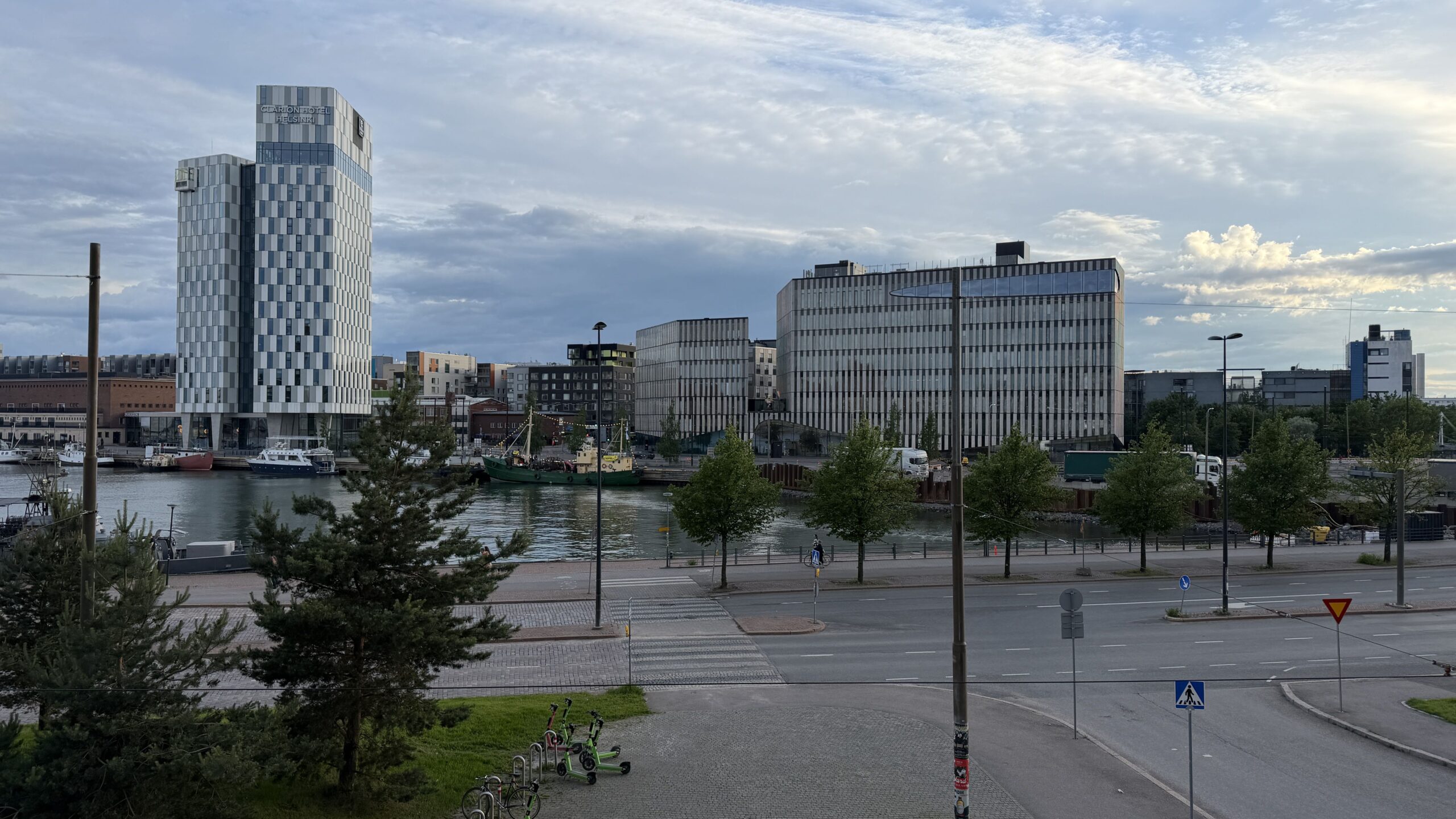
By the time we reached our hotel, we had walked much farther than we had realized. Even though the distance on the map didn’t seem long, after a day of ferry travel, sightseeing, and exploring Helsinki on foot, it certainly felt like it! Still, it was a wonderful introduction to Finland—a city that blends history, beautiful architecture, waterfront charm, and a relaxed way of life that we immediately enjoyed. Even late in the evening, the sky never became completely dark. The long Nordic summer days gave us plenty of time to explore the city after dinner without feeling rushed.
Day 2 – Exploring Suomenlinna Sea Fortress
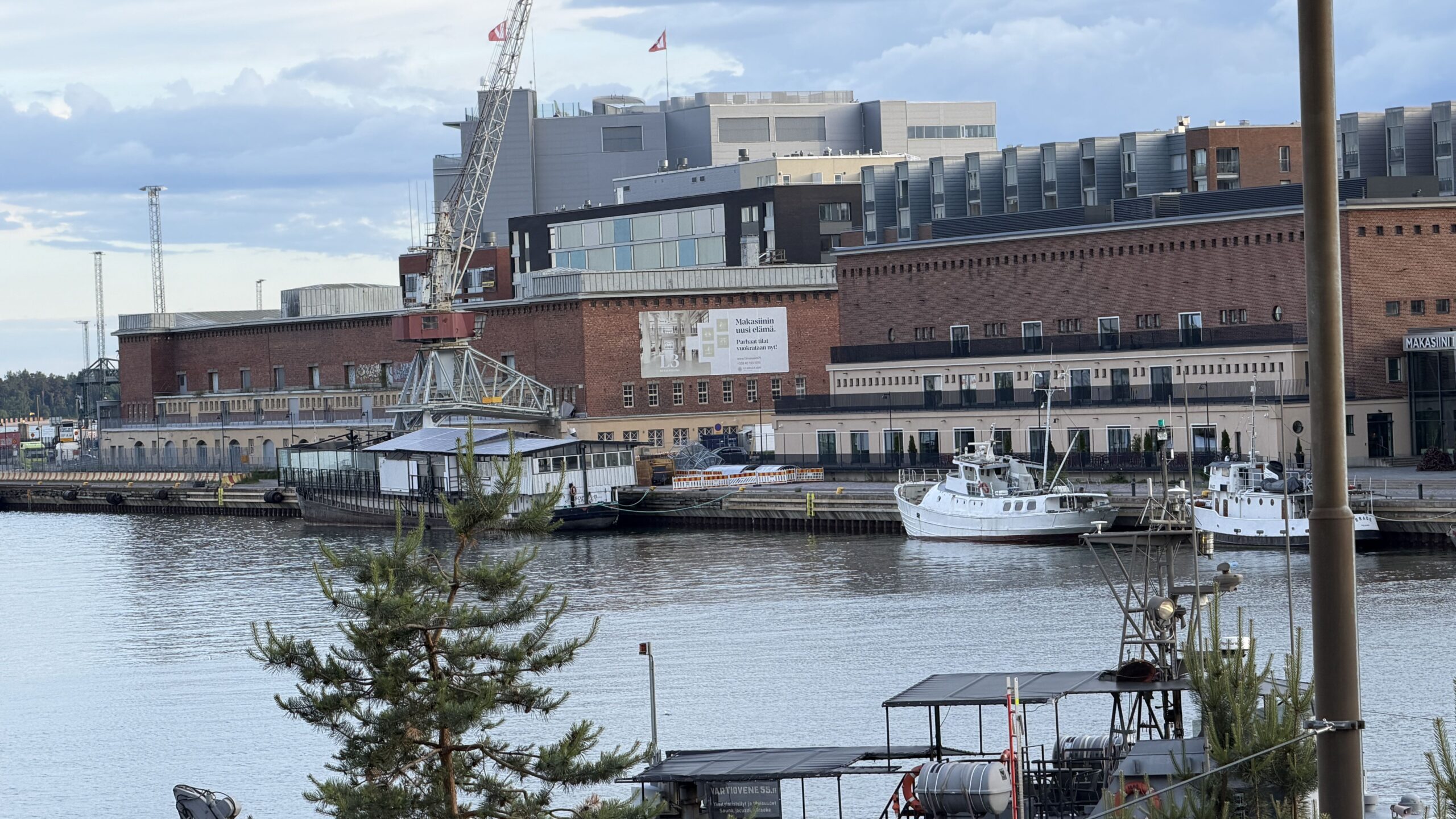
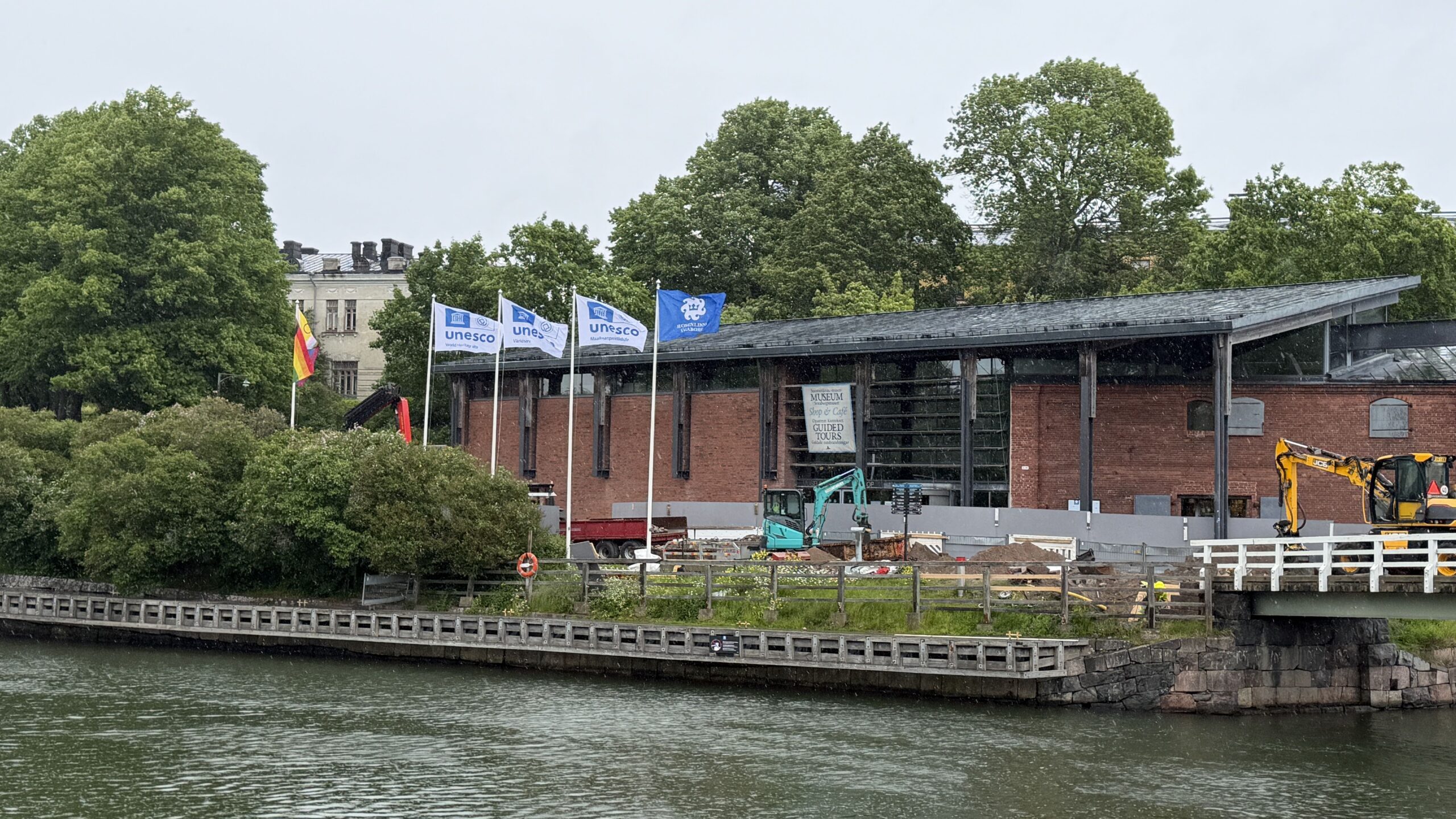
Our morning began with an optional excursion to one of Finland’s most famous UNESCO World Heritage Sites—Suomenlinna Sea Fortress. After breakfast, we walked to the harbor and boarded a small public ferry for the short 15-minute ride across the Helsinki Archipelago. As the ferry pulled away from Market Square, we enjoyed beautiful views of Helsinki’s waterfront and the many small islands scattered across the Baltic Sea.
Suomenlinna, often called the “Gibraltar of the North,” was built by Sweden in 1748 to defend its eastern border against Russia. Today, it stretches across six interconnected islands and remains one of the largest sea fortresses in the world. Although it is one of Finland’s most popular attractions, it is also a residential neighborhood where around 800 people still live year-round.
After arriving on the island, we met our local guide and began our walking tour. Unfortunately, the weather had other plans. It started raining heavily, and the strong winds made umbrellas almost useless. Even with the rain, the fortress had a rugged beauty that made the walk worthwhile.
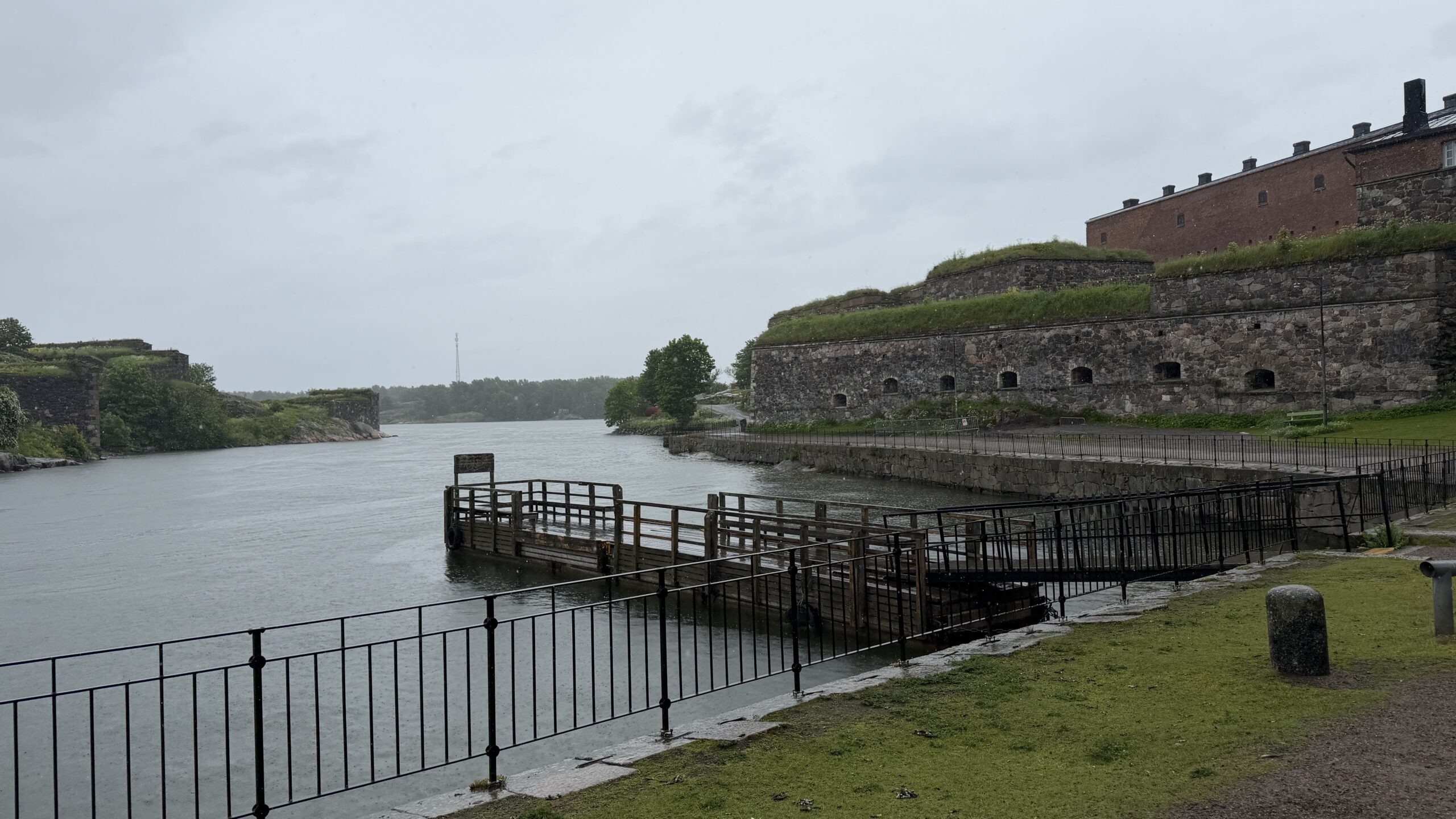
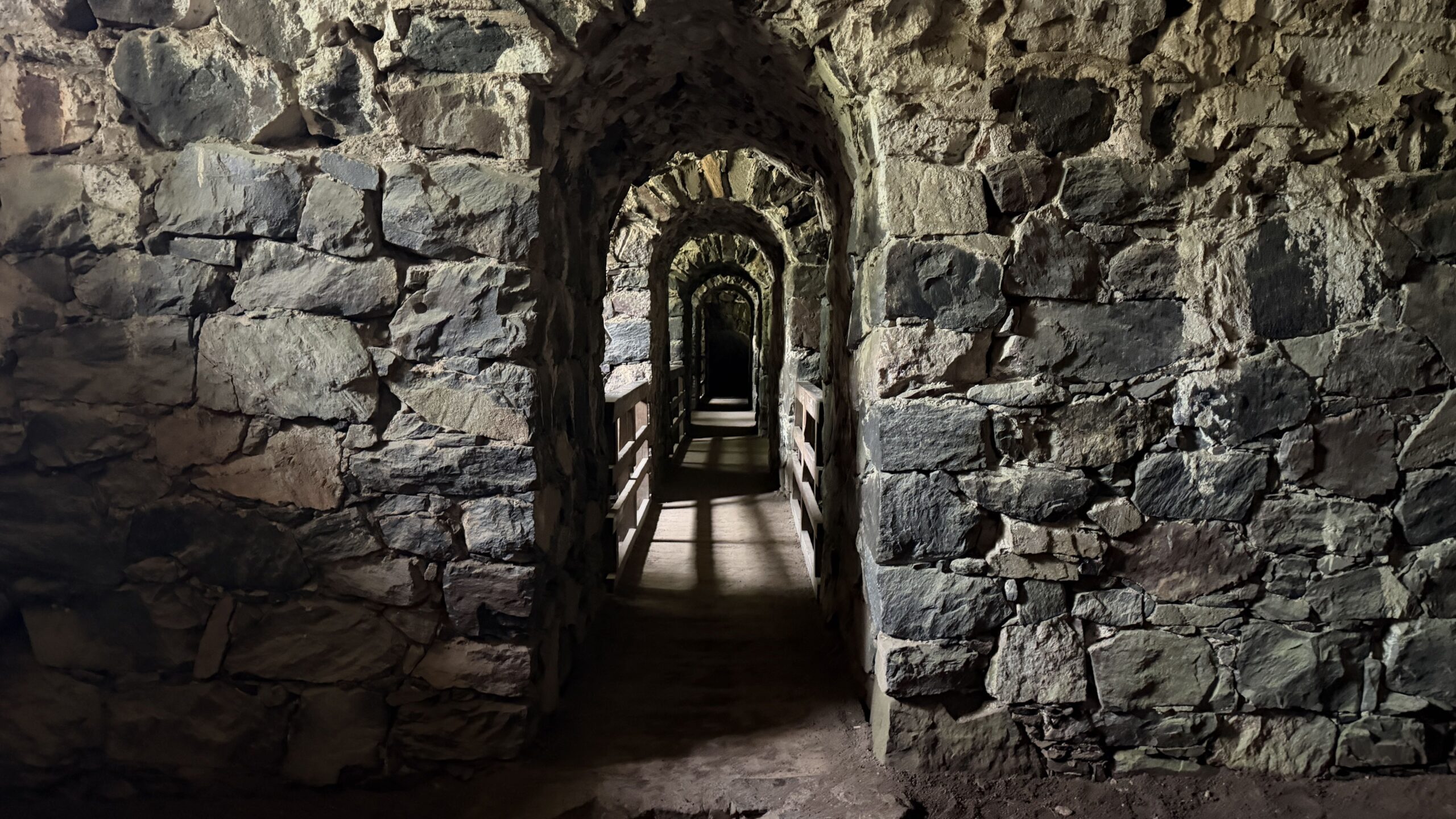
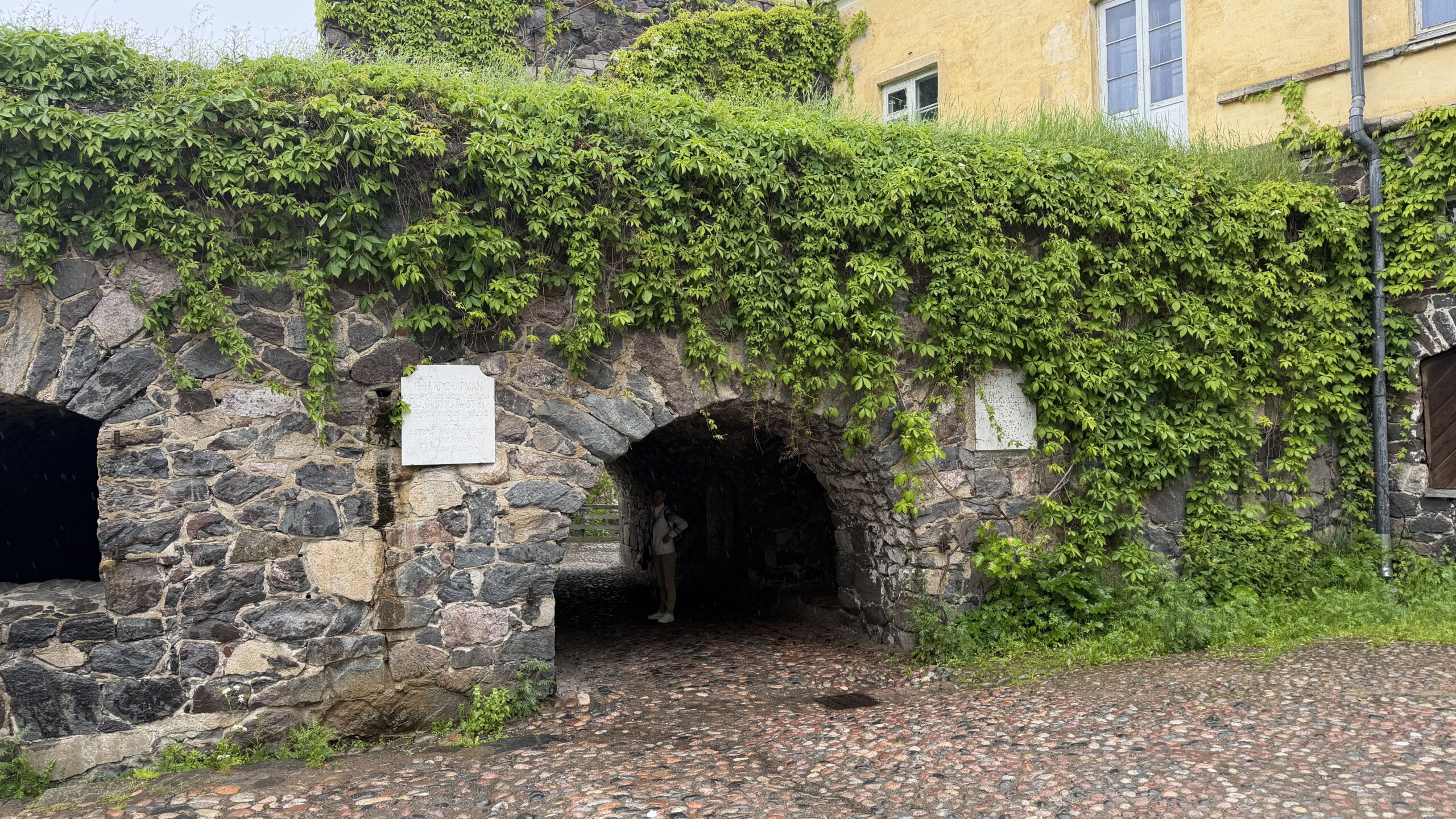
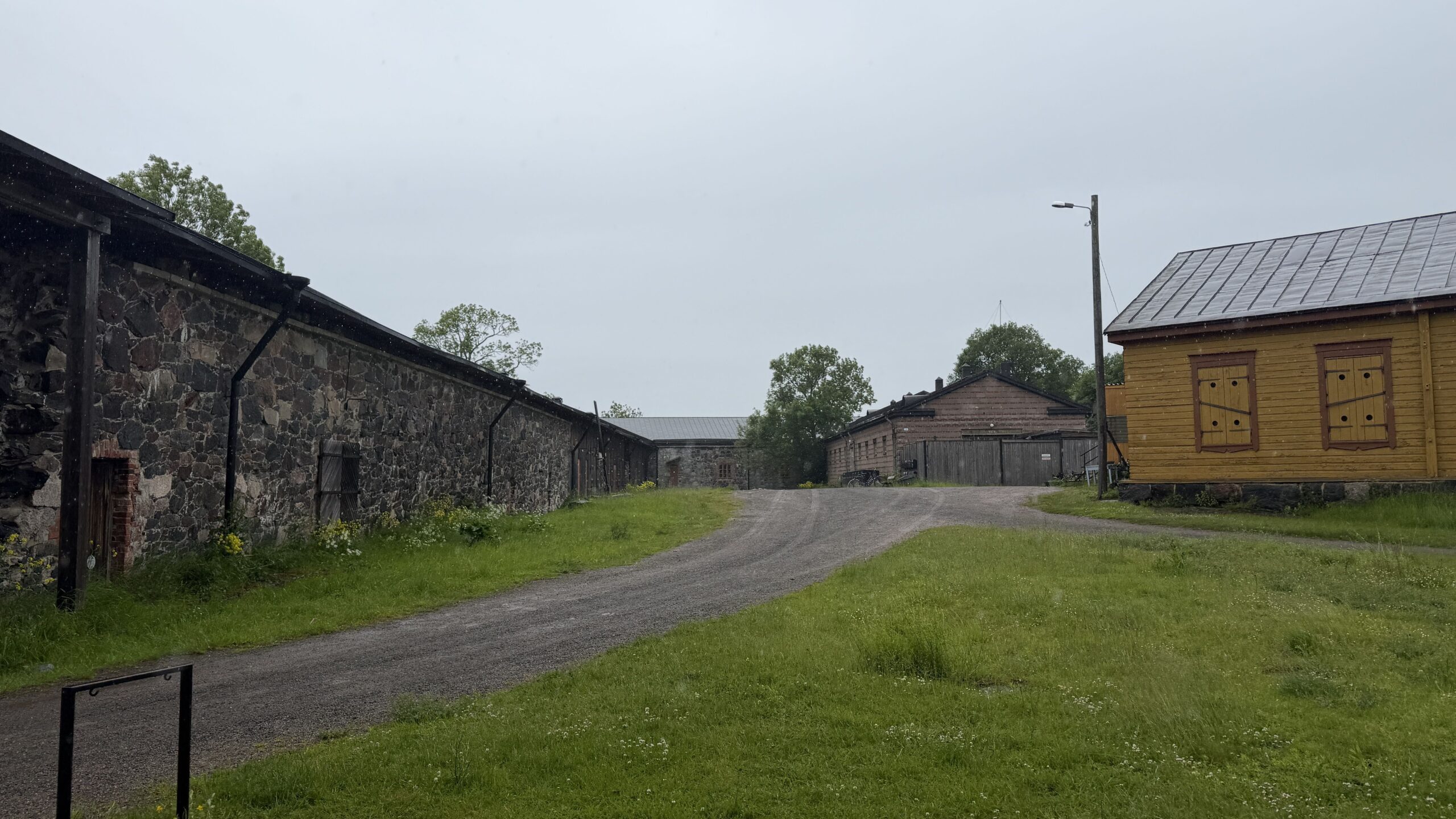
As we entered the massive stone fortifications, the sheer thickness of the fortress walls was impressive. Our guide explained how much labor went into constructing these defensive structures during the 18th century. Standing beside those enormous walls, it was easy to imagine the strategic importance of the fortress during the years when Sweden and Russia fought for control of the region.
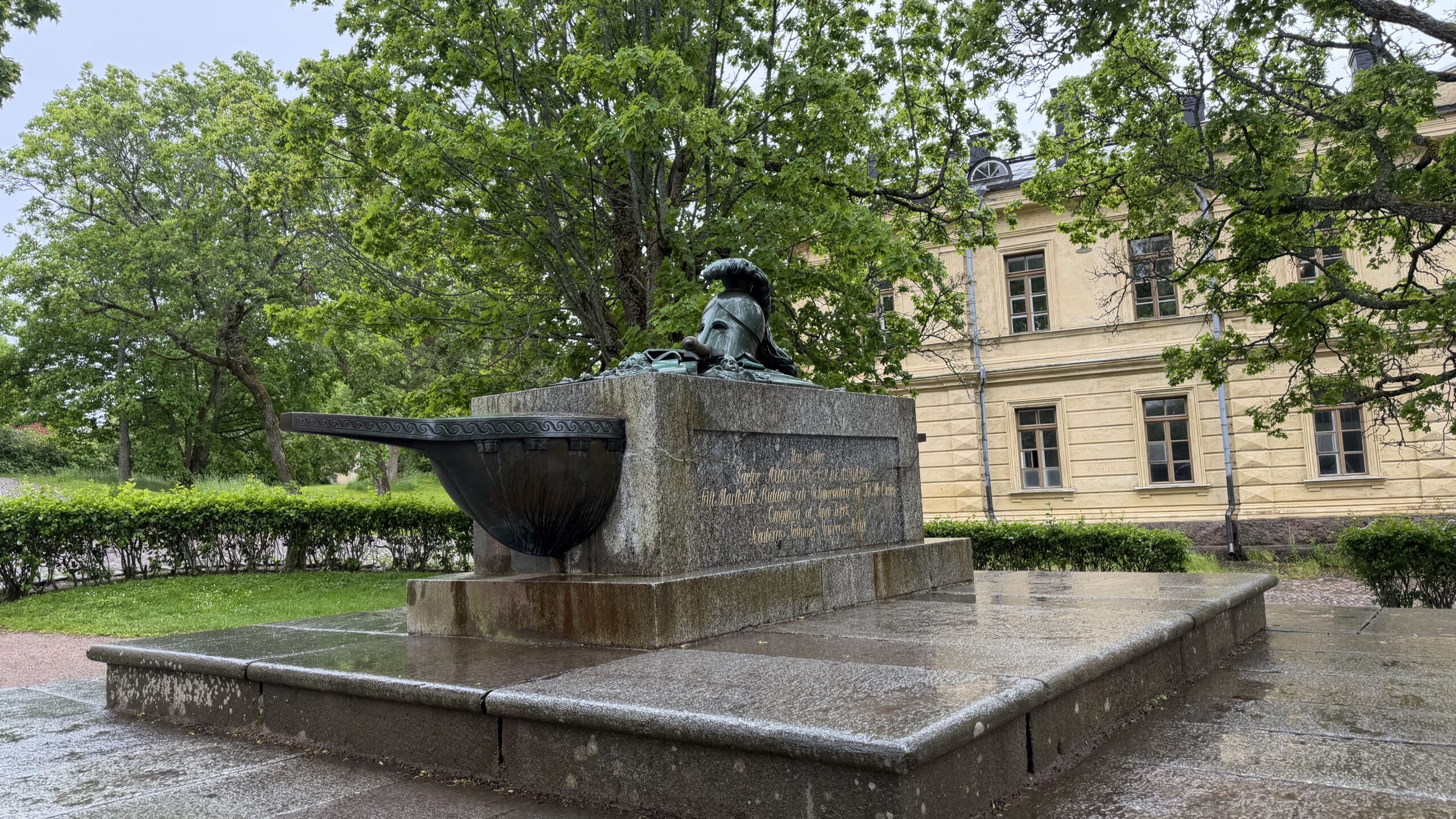
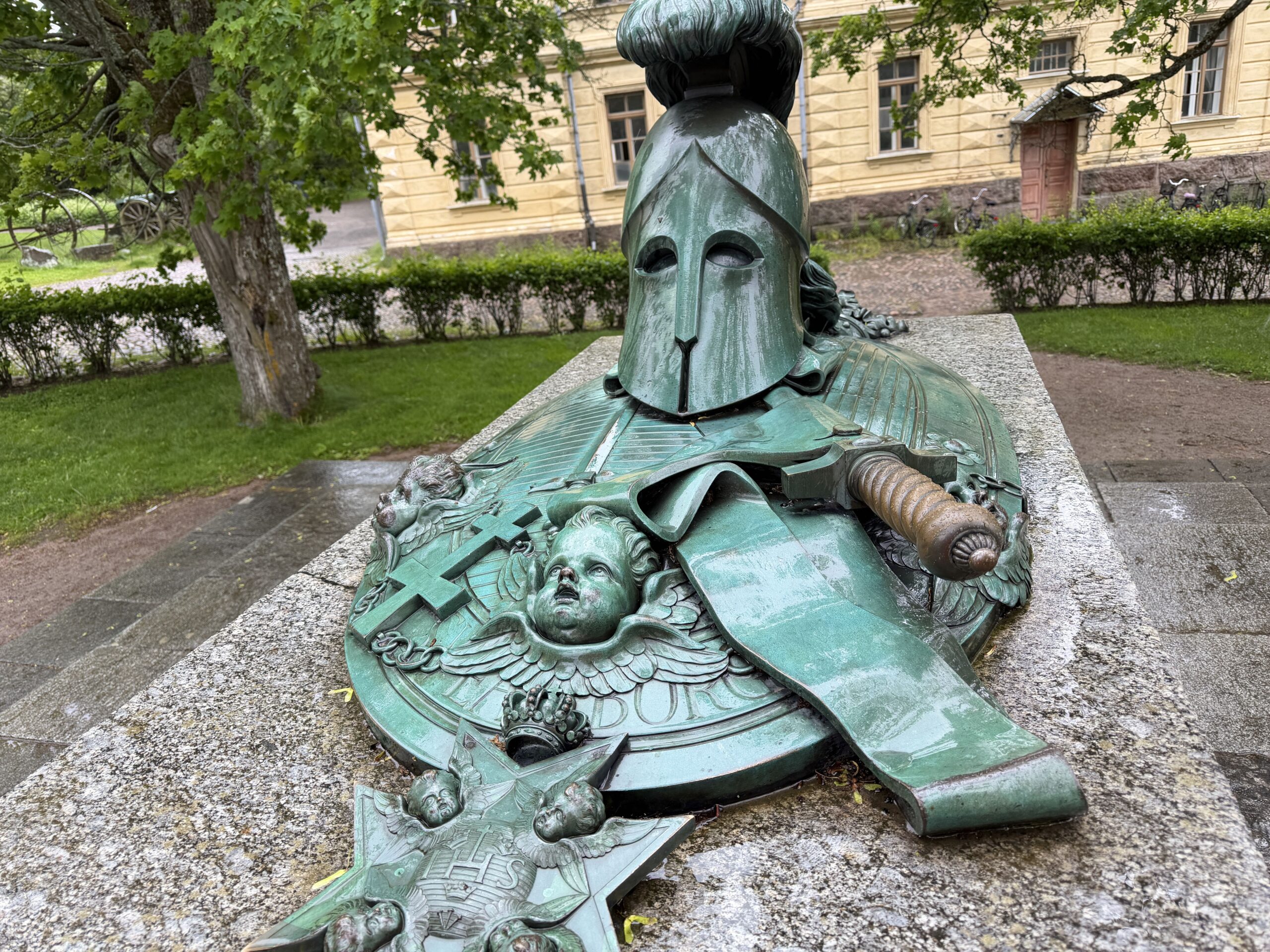
One of our first stops was the tomb of Admiral Augustin Ehrensvärd, the founder and chief designer of Suomenlinna. The monument is beautifully crafted with intricate stonework and features a sword, honoring the man who led the construction of the fortress.
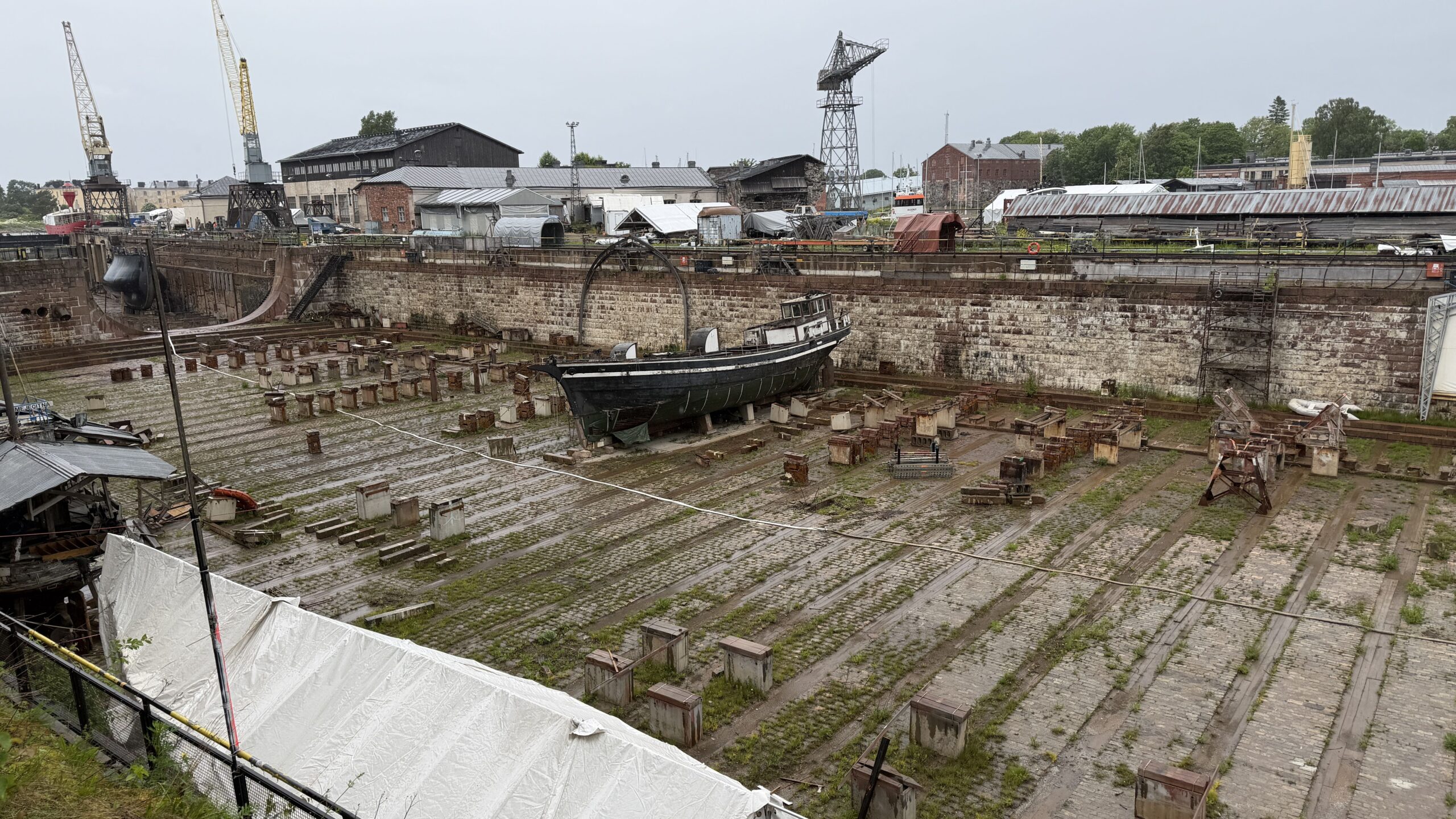
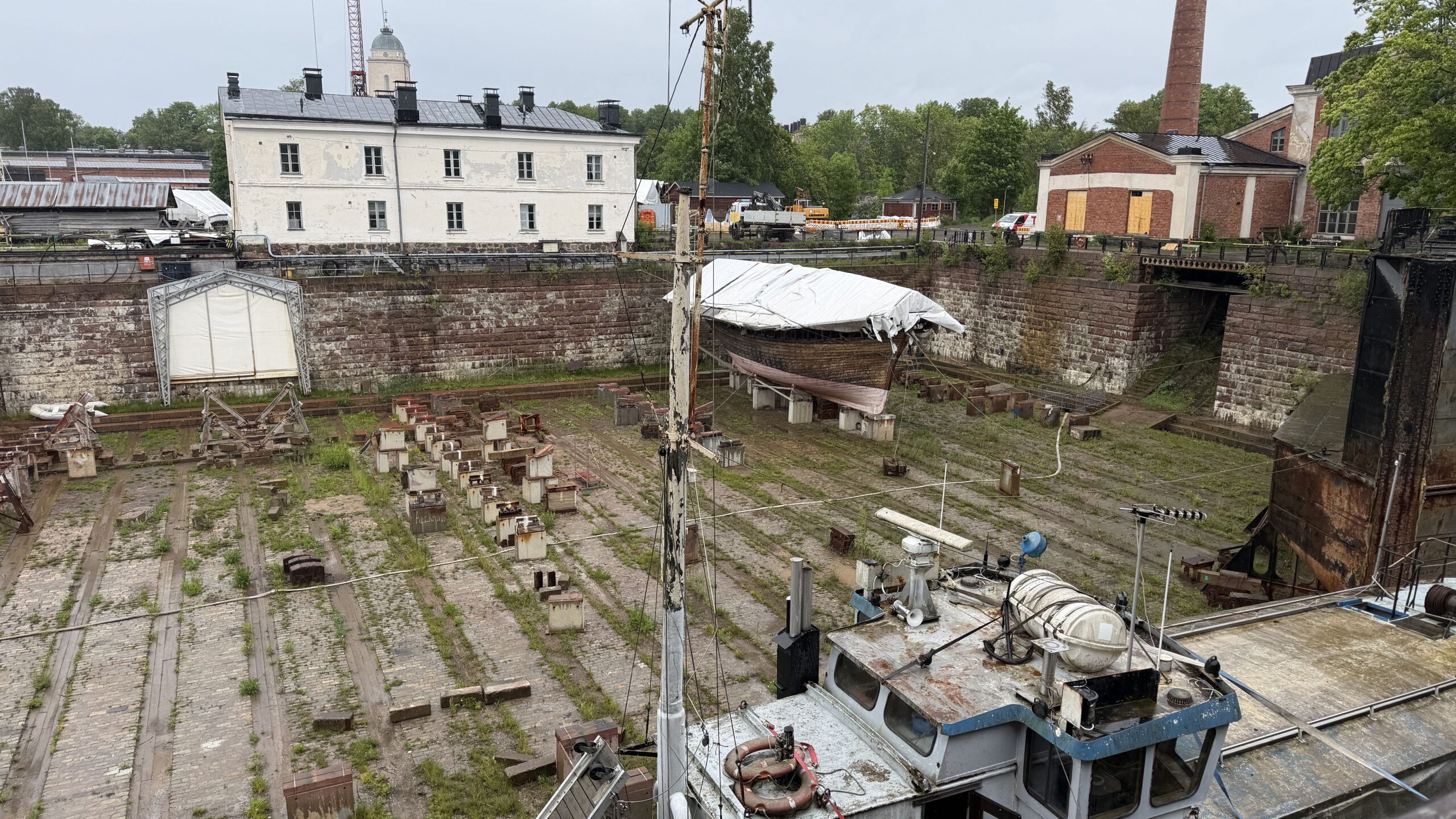
As we continued walking through the island, we passed historic buildings, open courtyards, and the famous dry docks, which were once among the largest in the world. Our guide explained that these docks were used to build and repair warships for the Swedish navy and played a crucial role in the fortress’s military operations.
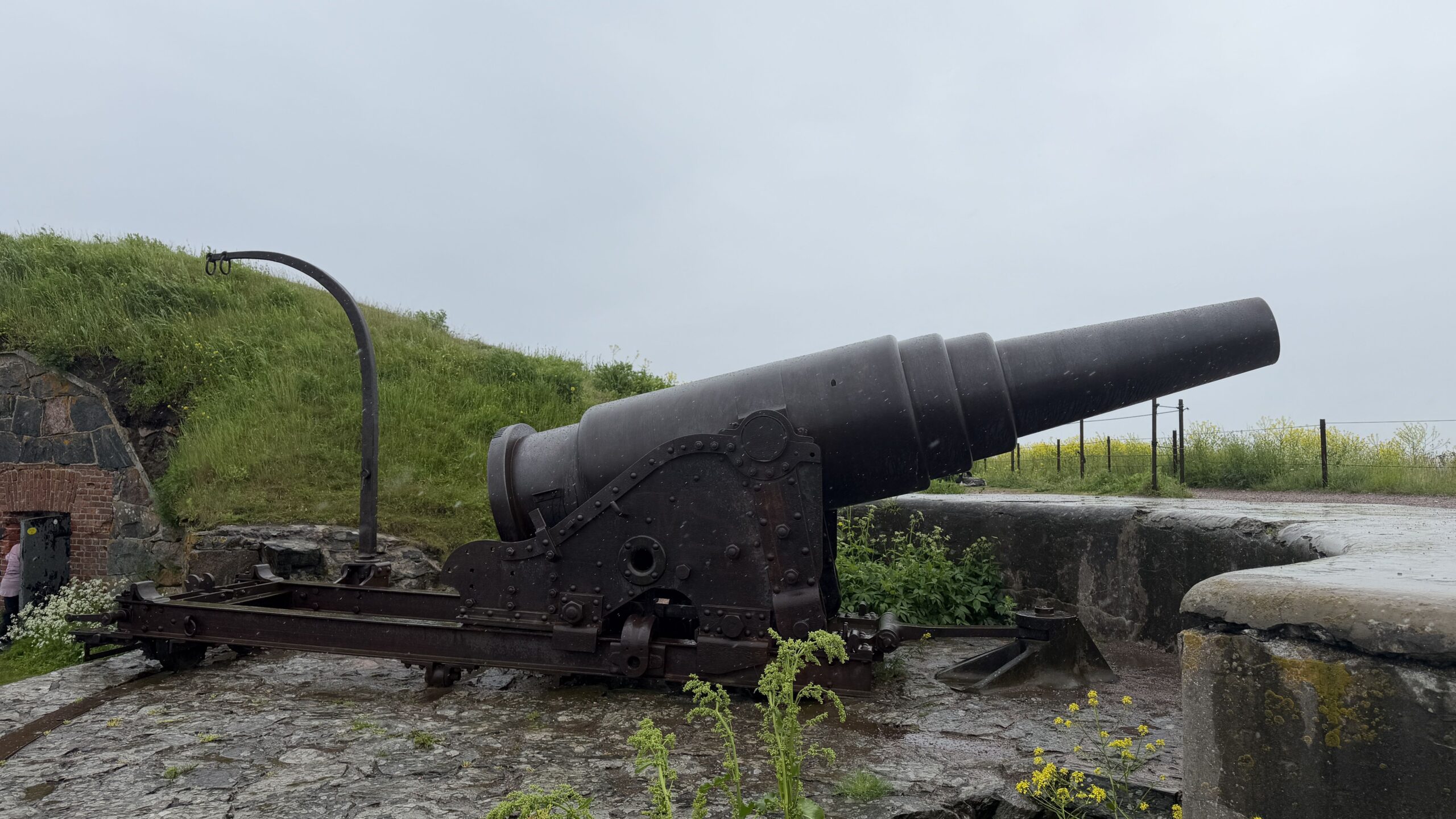
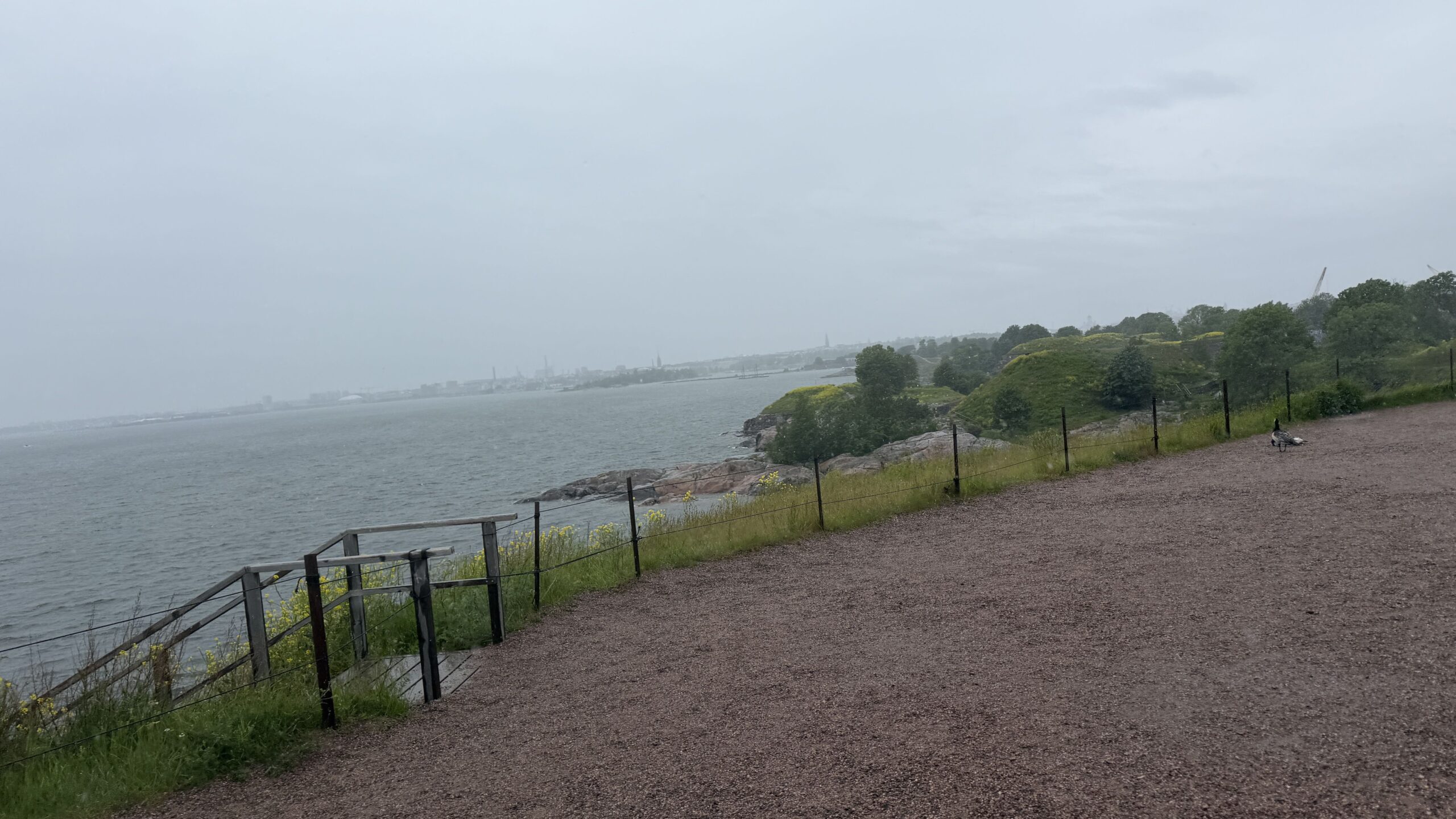
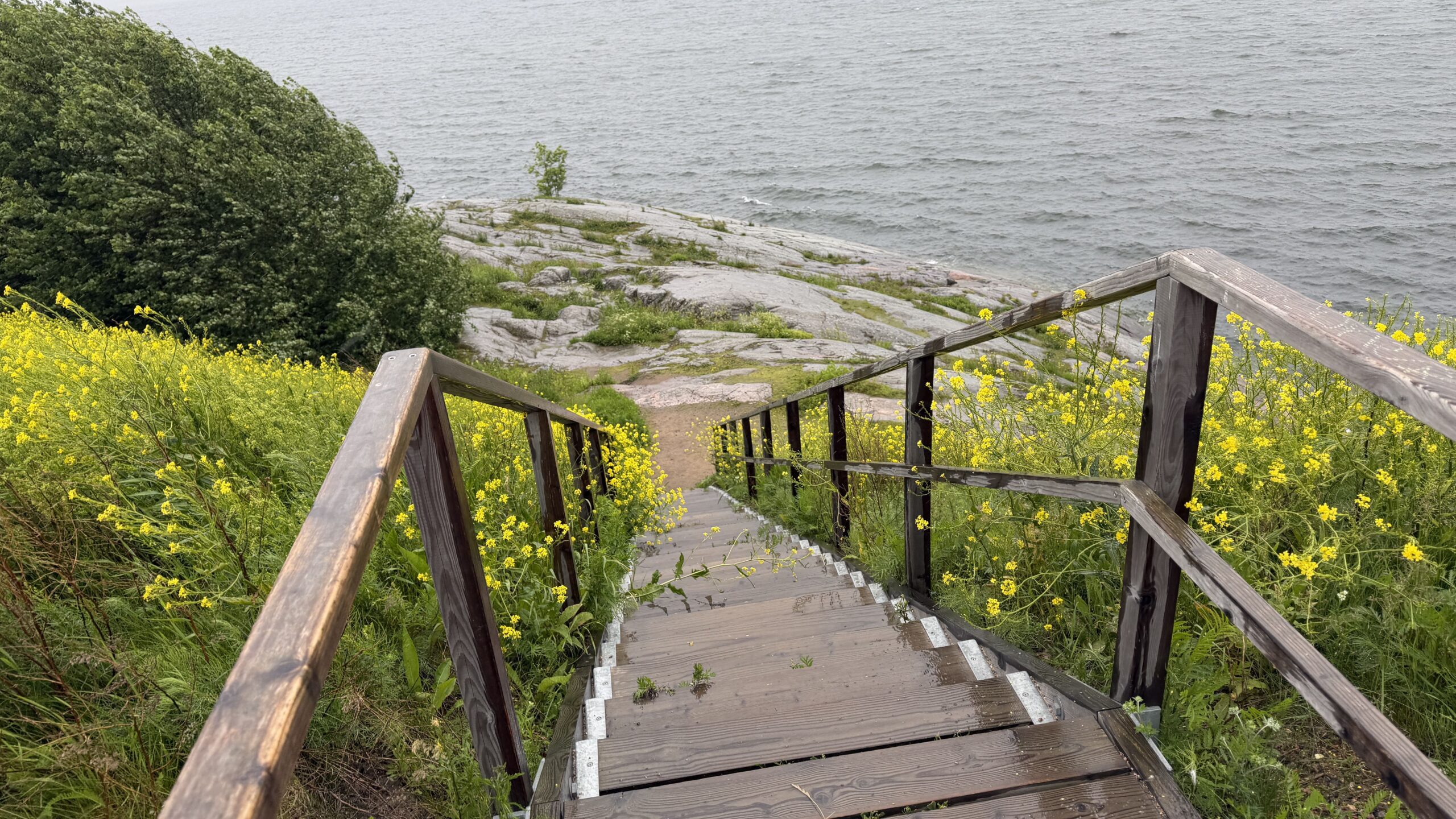
Eventually we reached one of the outer defensive positions overlooking the Baltic Sea. Several old cannons still stand facing the water, reminding visitors of the fortress’s military past. The wind was incredibly strong, and the rain was coming down so hard that it was difficult to stand still for photos. Despite the weather, the scenery was beautiful. A long staircase leading down toward the shoreline, lined with bright yellow wildflowers on both sides, created one of the prettiest views of the day.
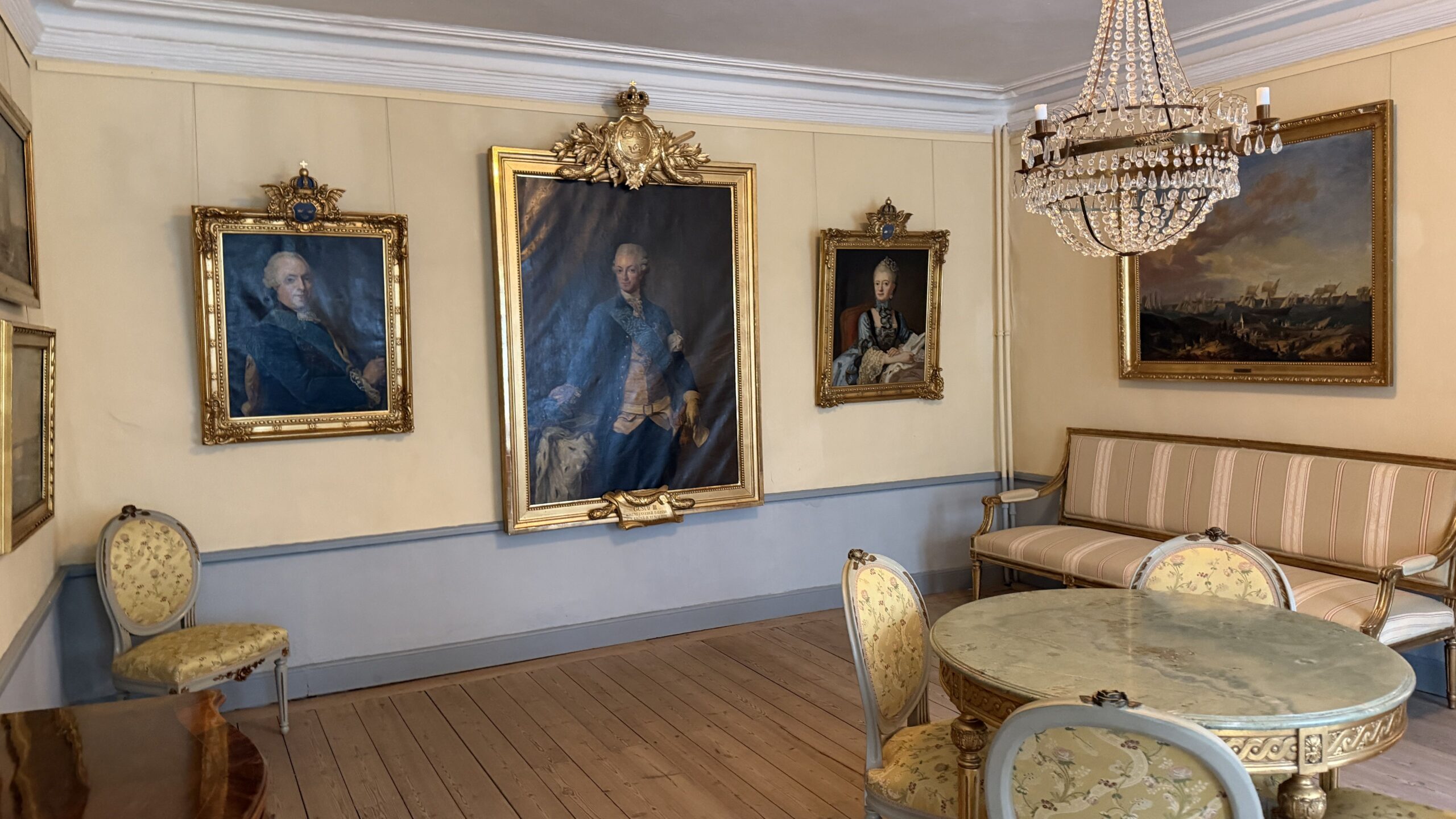
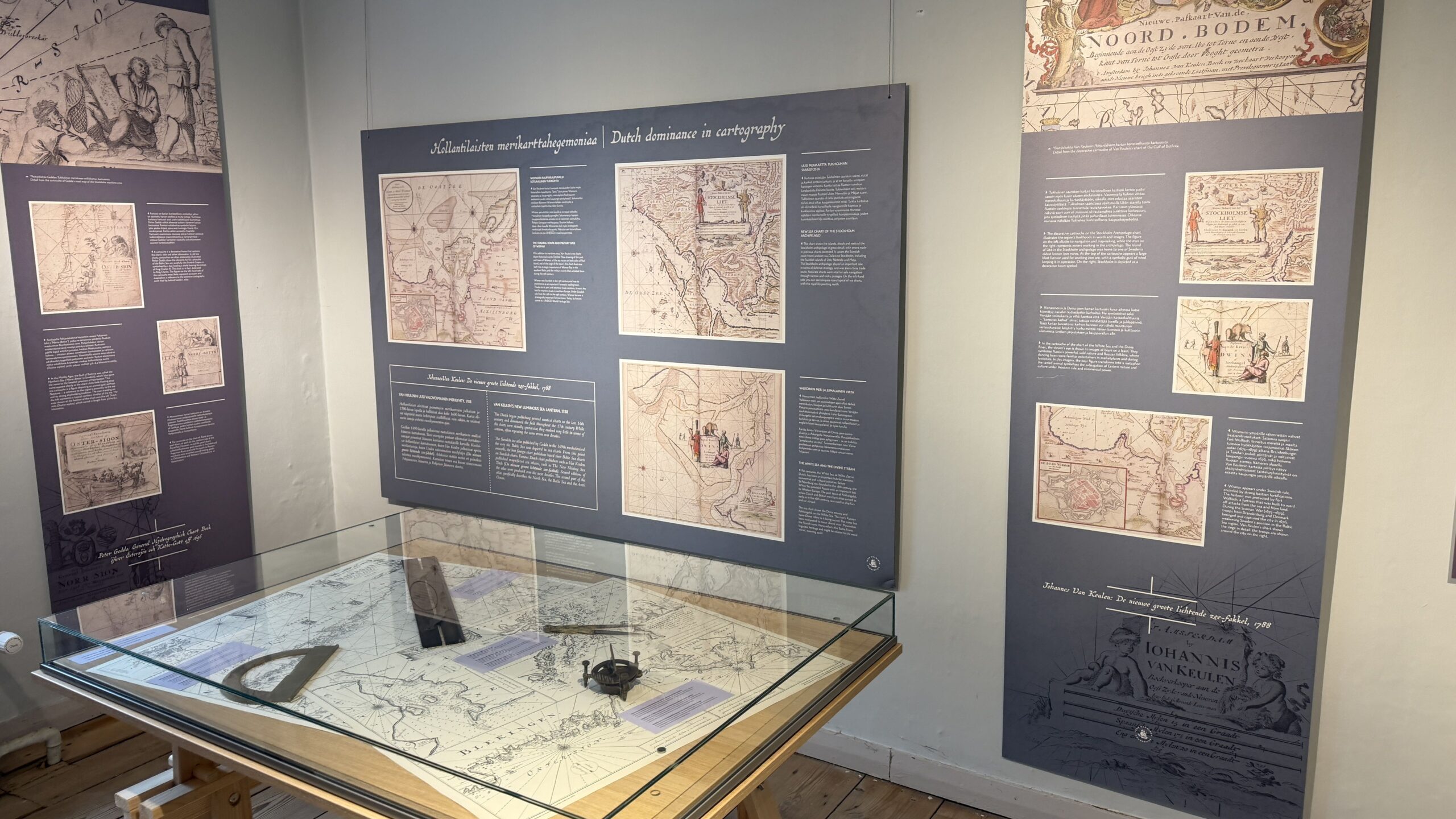
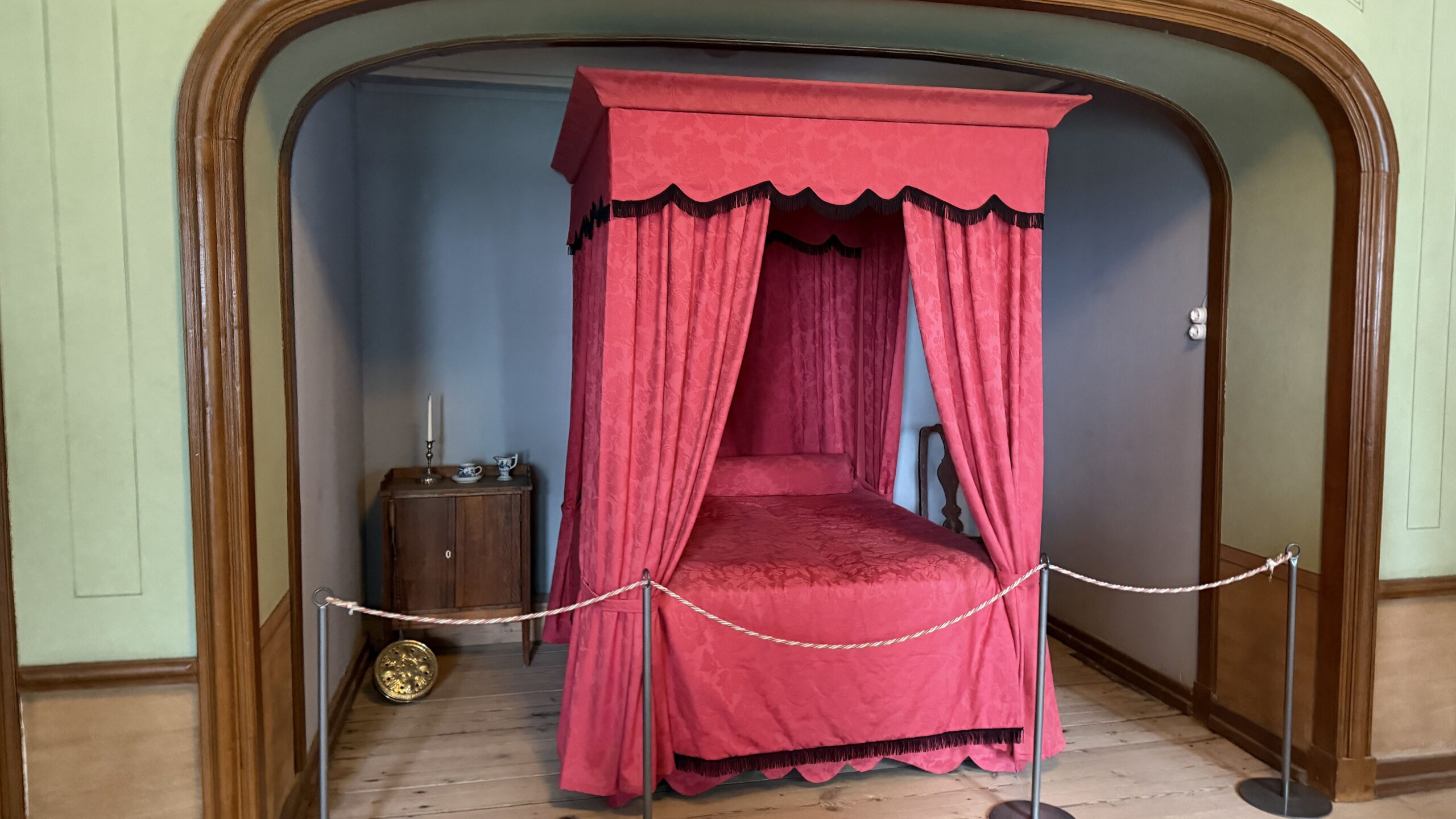
On our way back, we visited one of the fortress museums. Walking through the different rooms gave us a glimpse into life inside the fortress centuries ago. The exhibits included military weapons, artwork, furniture, dining rooms, bedrooms, and other everyday items used by soldiers and officers stationed here. It helped bring the history of Suomenlinna to life beyond the stone walls outside.
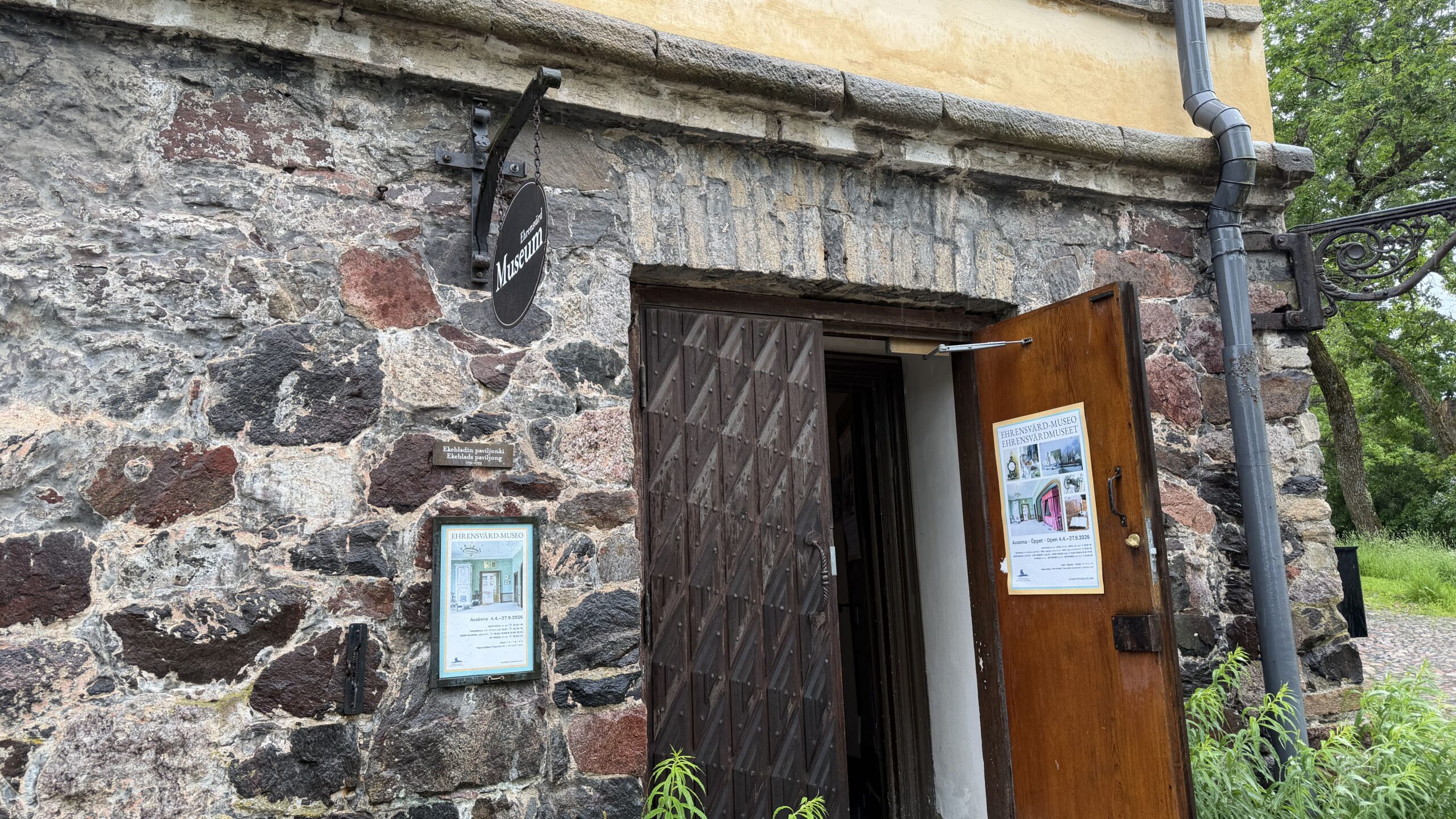
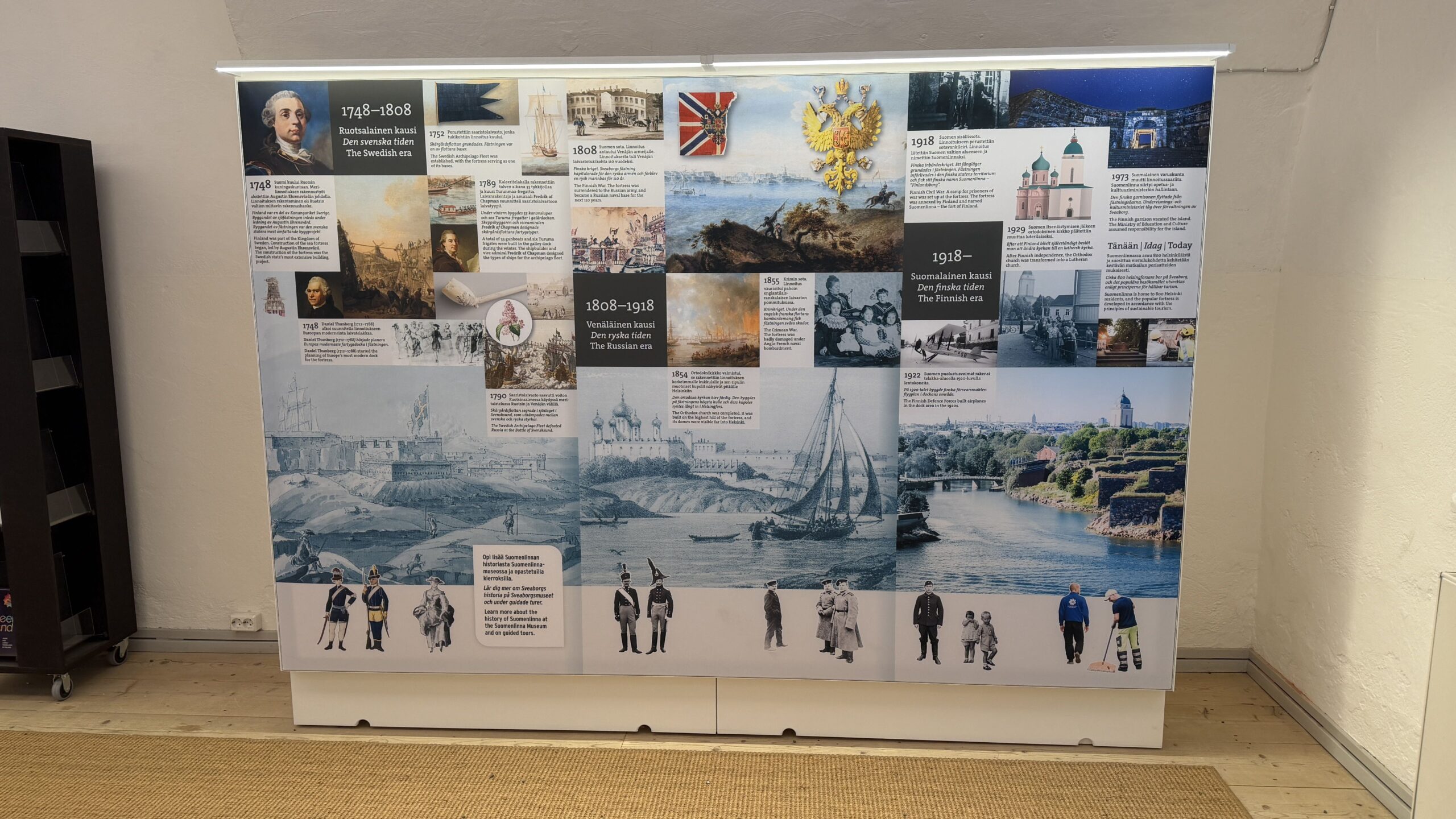
With the rain showing no signs of stopping, we decided to catch an earlier ferry back to Helsinki instead of waiting for our scheduled departure.
Temppeliaukio Church
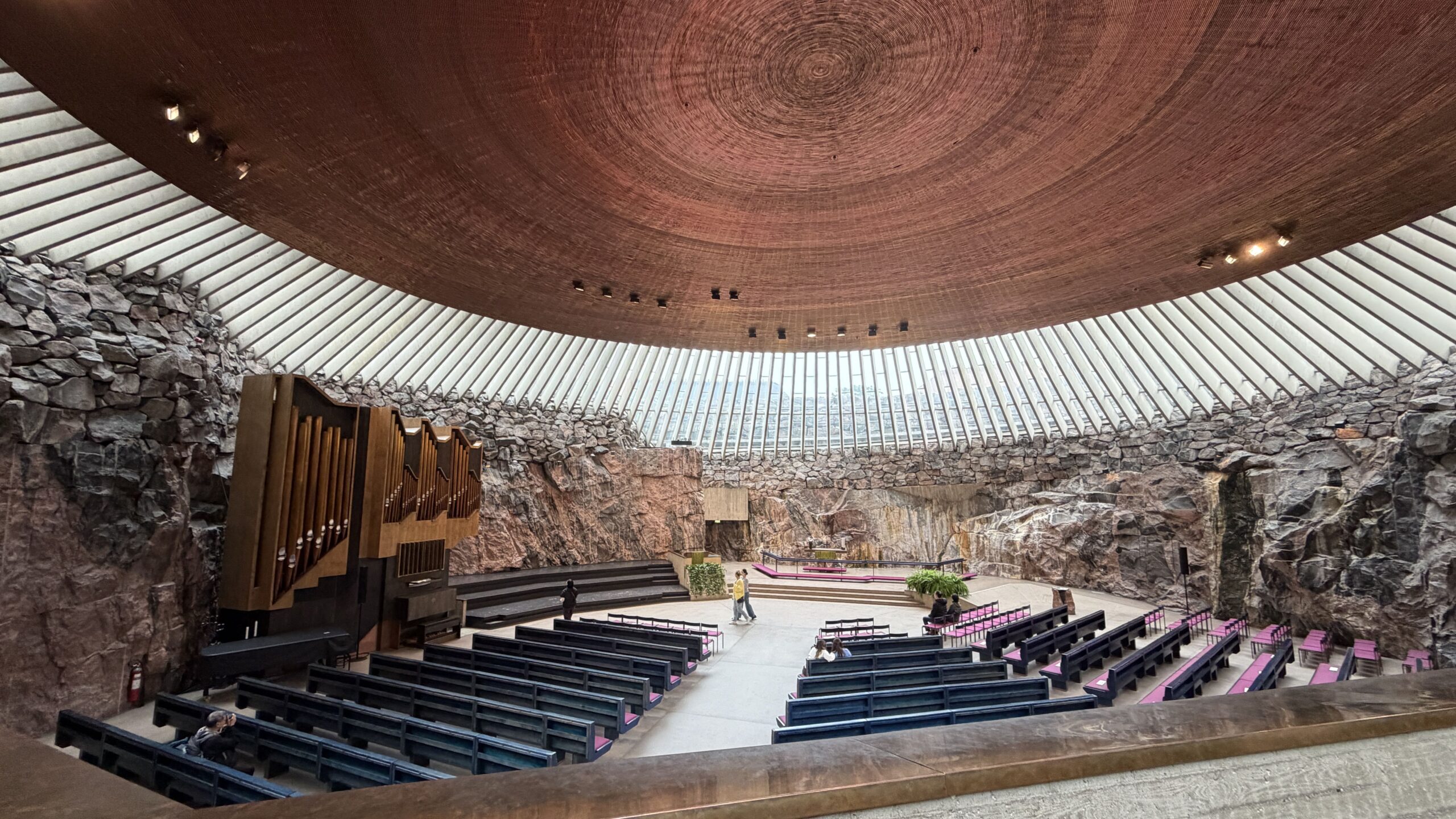
Back in the city, someone from our tour group recommended that we shouldn’t leave Helsinki without visiting Temppeliaukio Church, better known as the Church in the Rock. We quickly booked an Uber from Market Square, and we’re so glad we listened to that recommendation.
From the outside, the church is easy to miss because it is built directly into solid granite rock. But stepping inside was a completely different experience. Completed in 1969, the church is carved out of natural bedrock and topped with a magnificent copper dome. Natural light pours in through the glass surrounding the dome, creating a peaceful atmosphere unlike any church we had visited during this trip. We spent some time quietly admiring the architecture before taking another Uber back to Market Square.
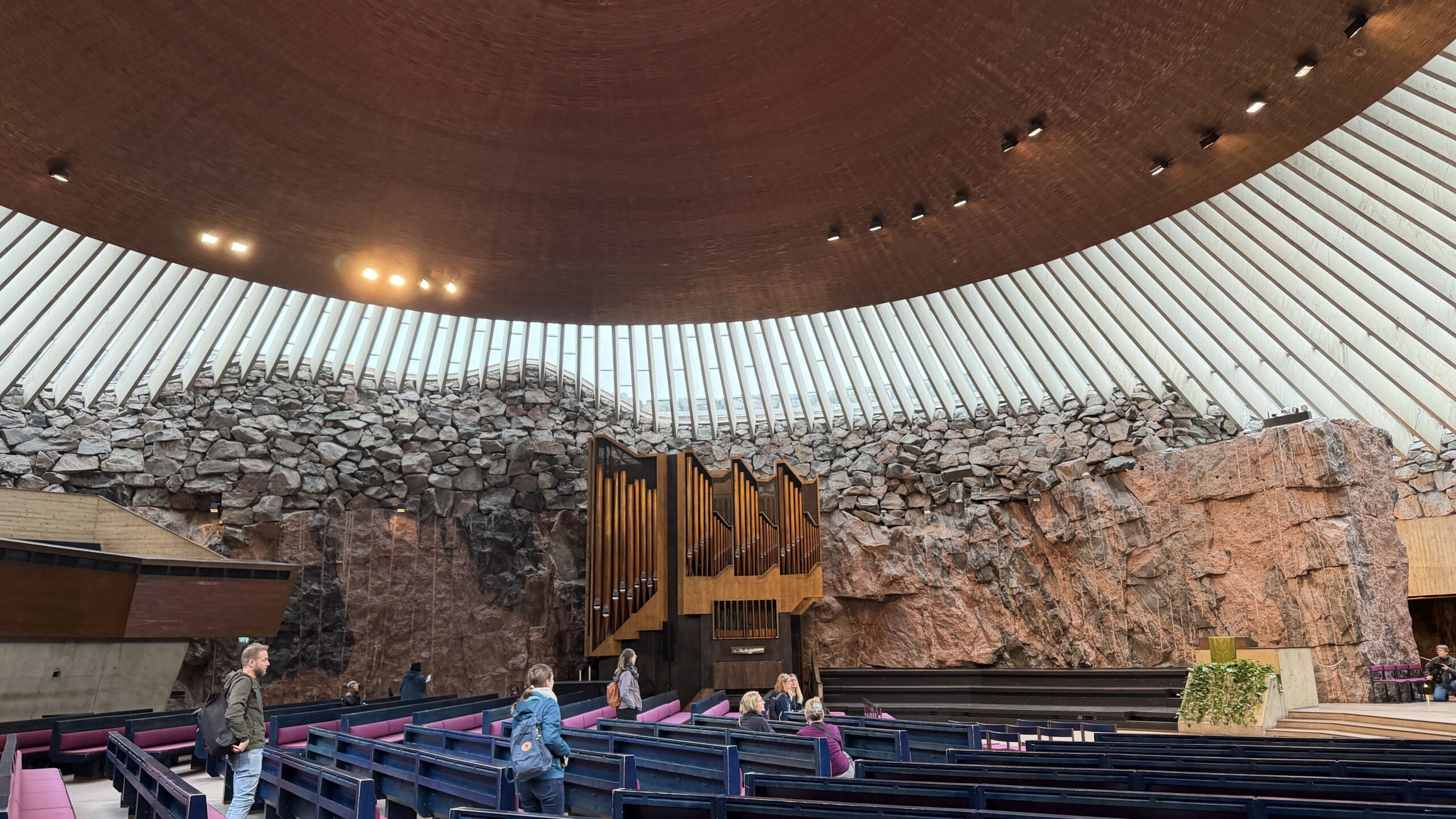
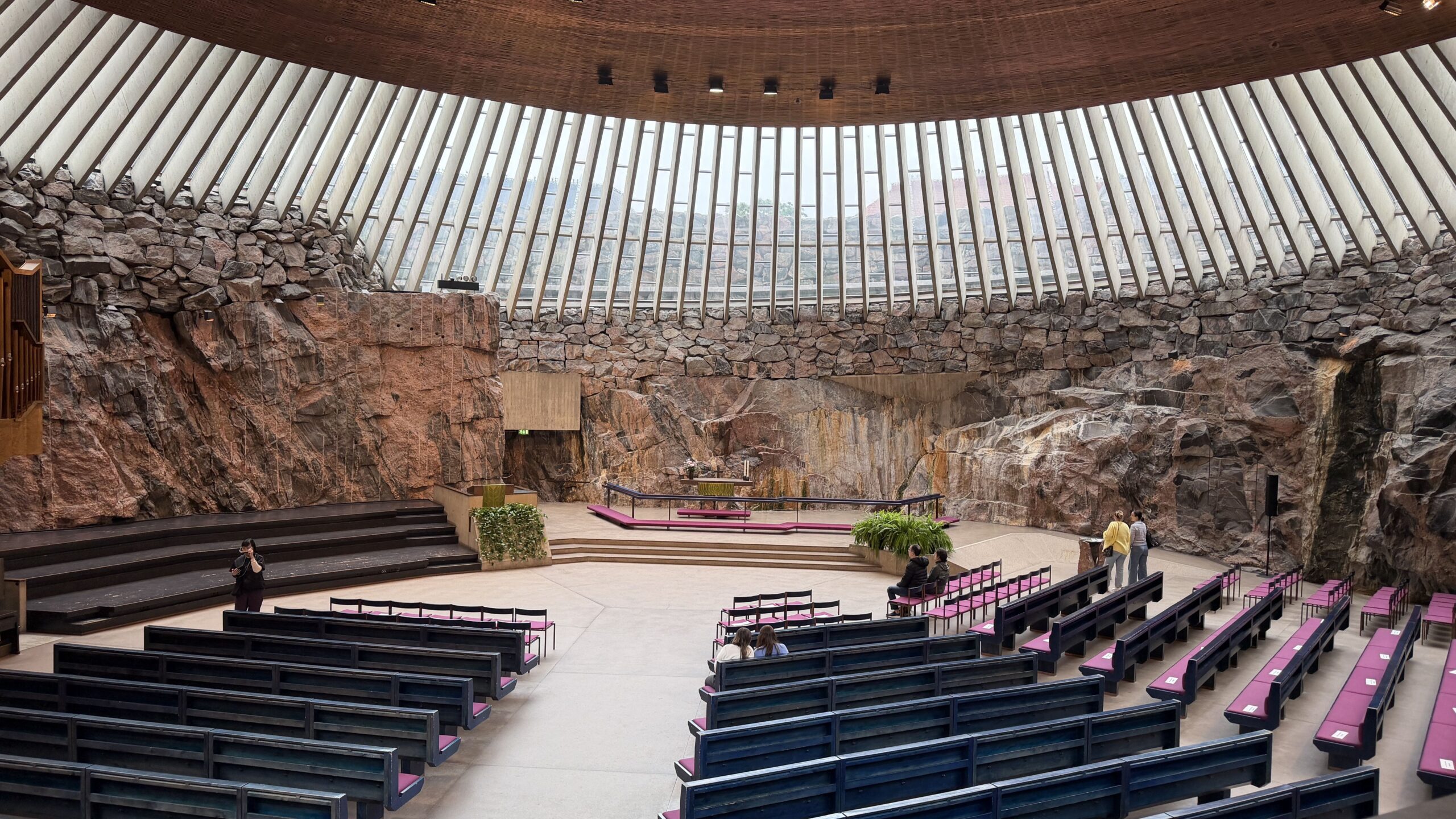
Market Square & Old Market hall
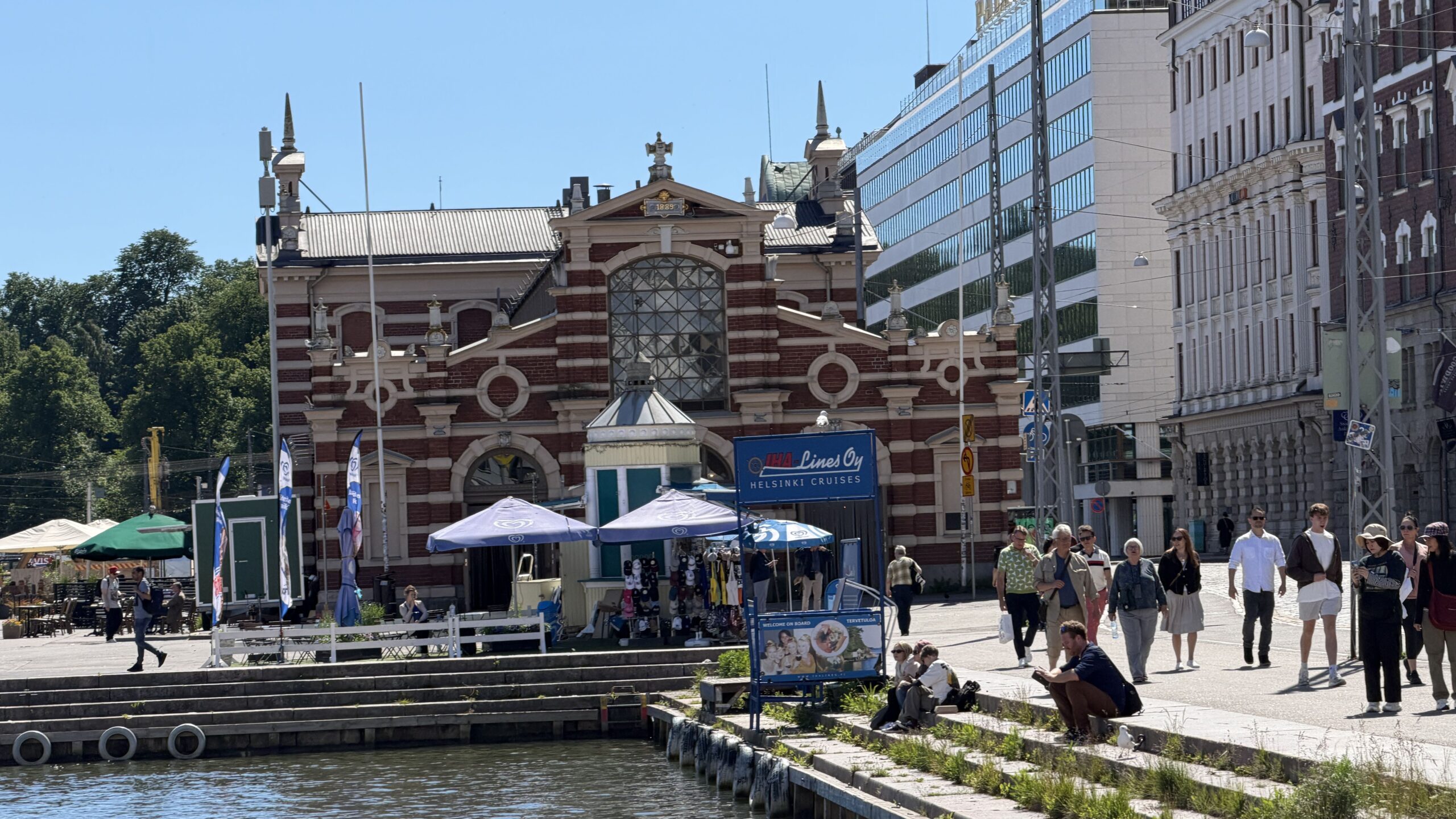
By now it was lunchtime, and instead of heading to a restaurant, we decided to try some of the local food from the market stalls. It was the perfect opportunity to sample traditional Finnish flavors. The stalls offered everything from reindeer meat to freshly fried fish and the famous creamy salmon soup. Markets like this are always a fun way to experience local cuisine while watching everyday life unfold around you.
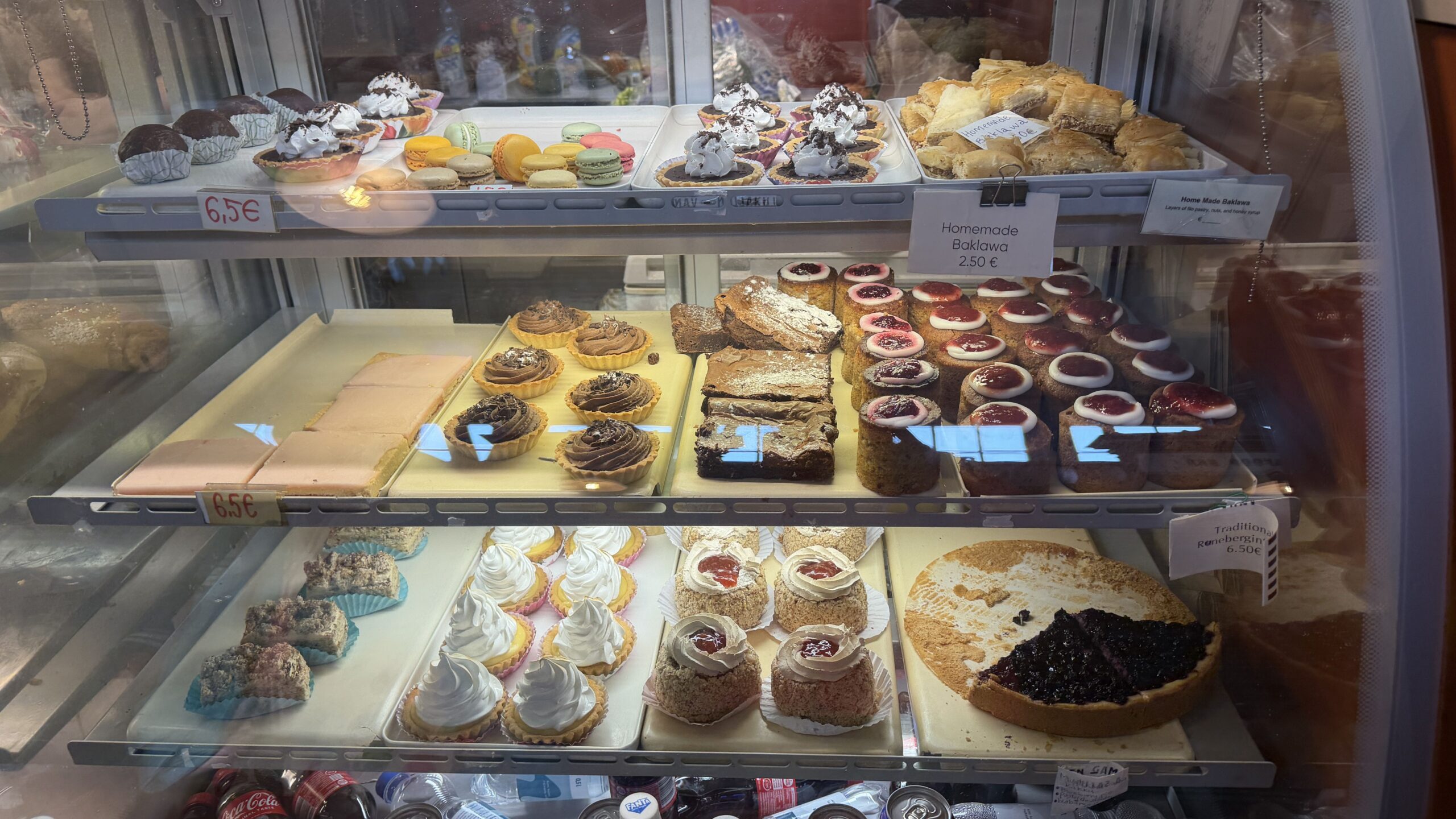
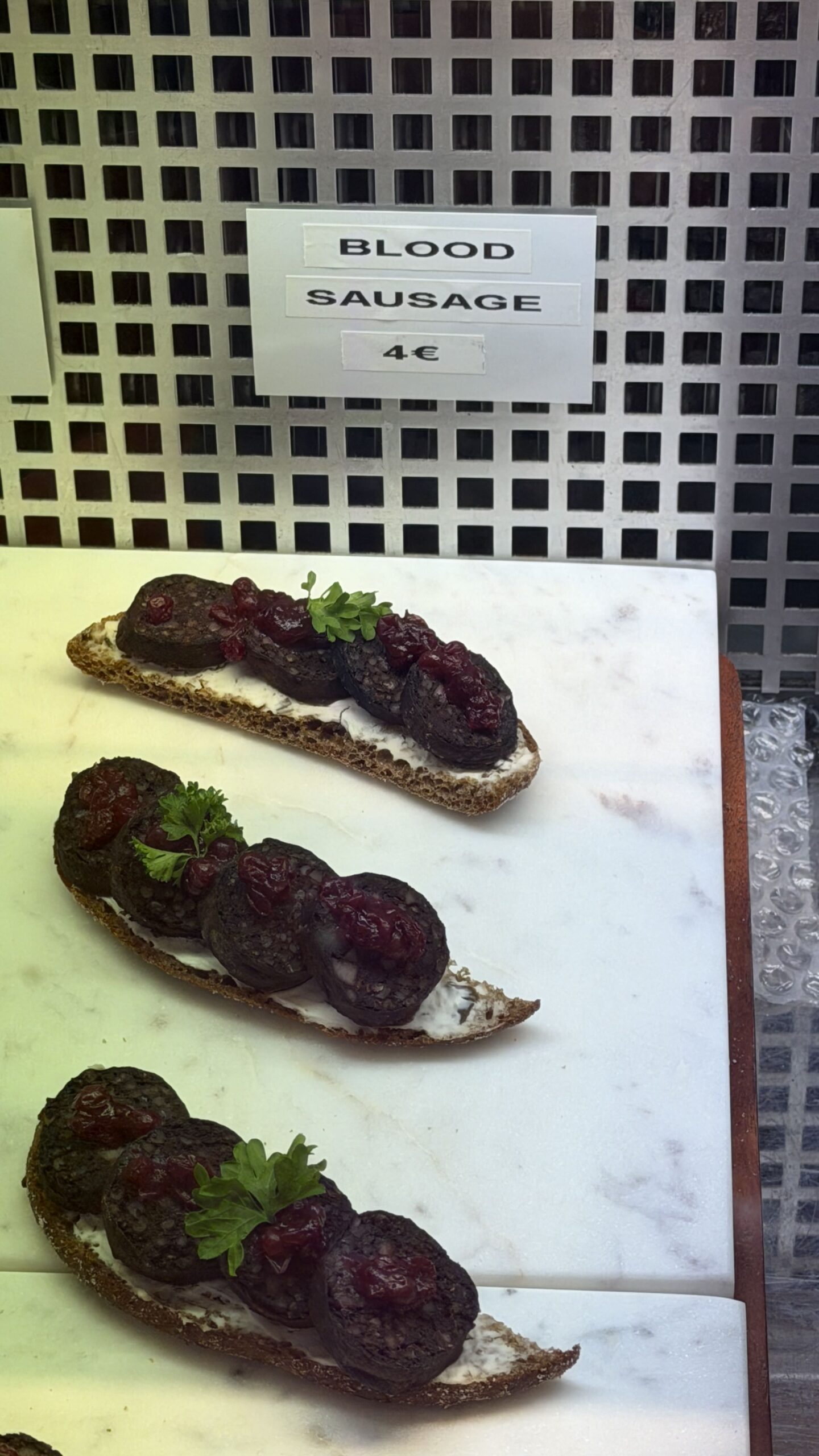
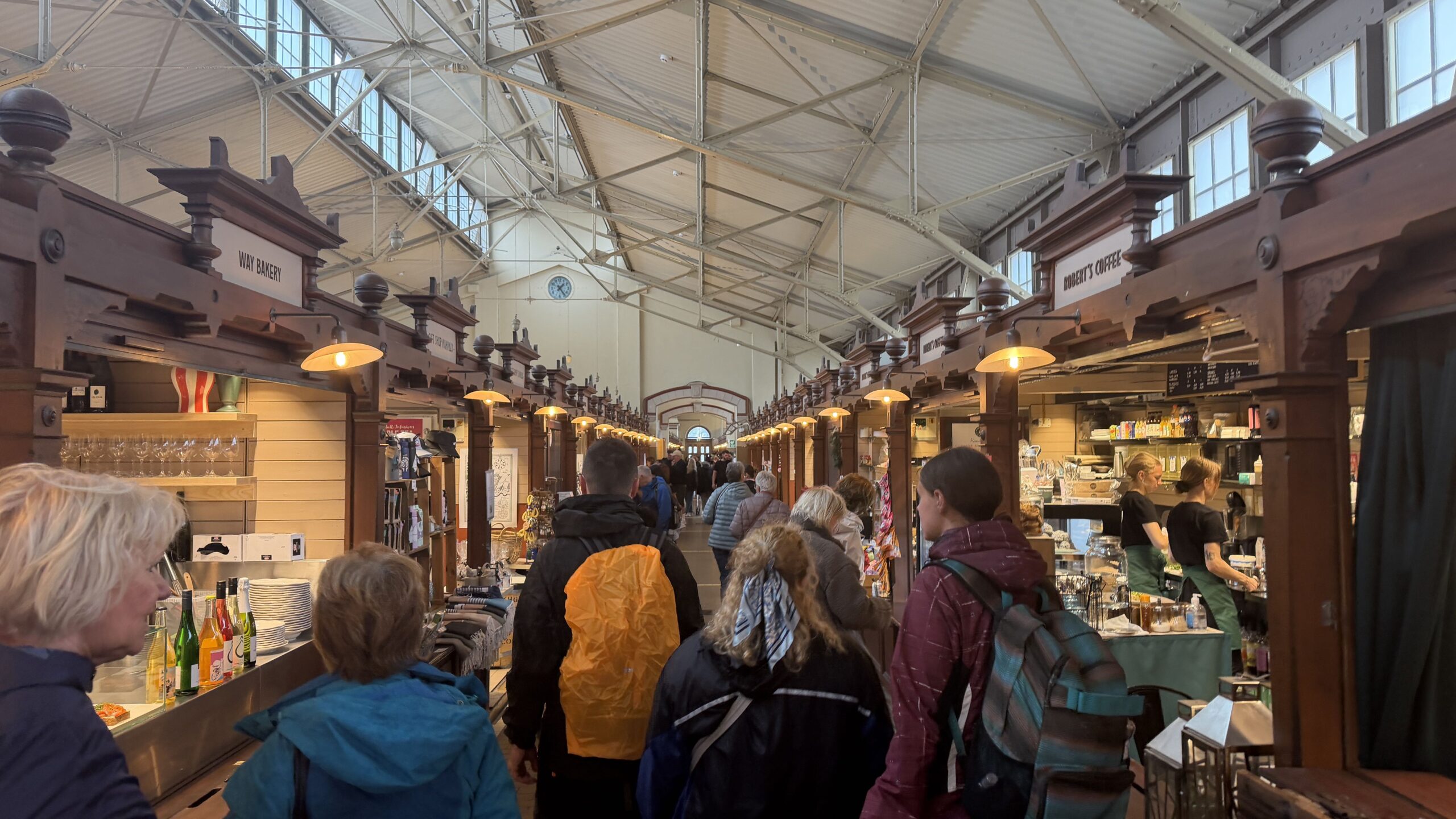
Before leaving the harbor area, we stopped inside the historic Old Market Hall for coffee and dessert. It was a nice place to relax, warm up after the rainy morning, and enjoy one last taste of Helsinki before continuing our journey.
Helsinki Cathedral
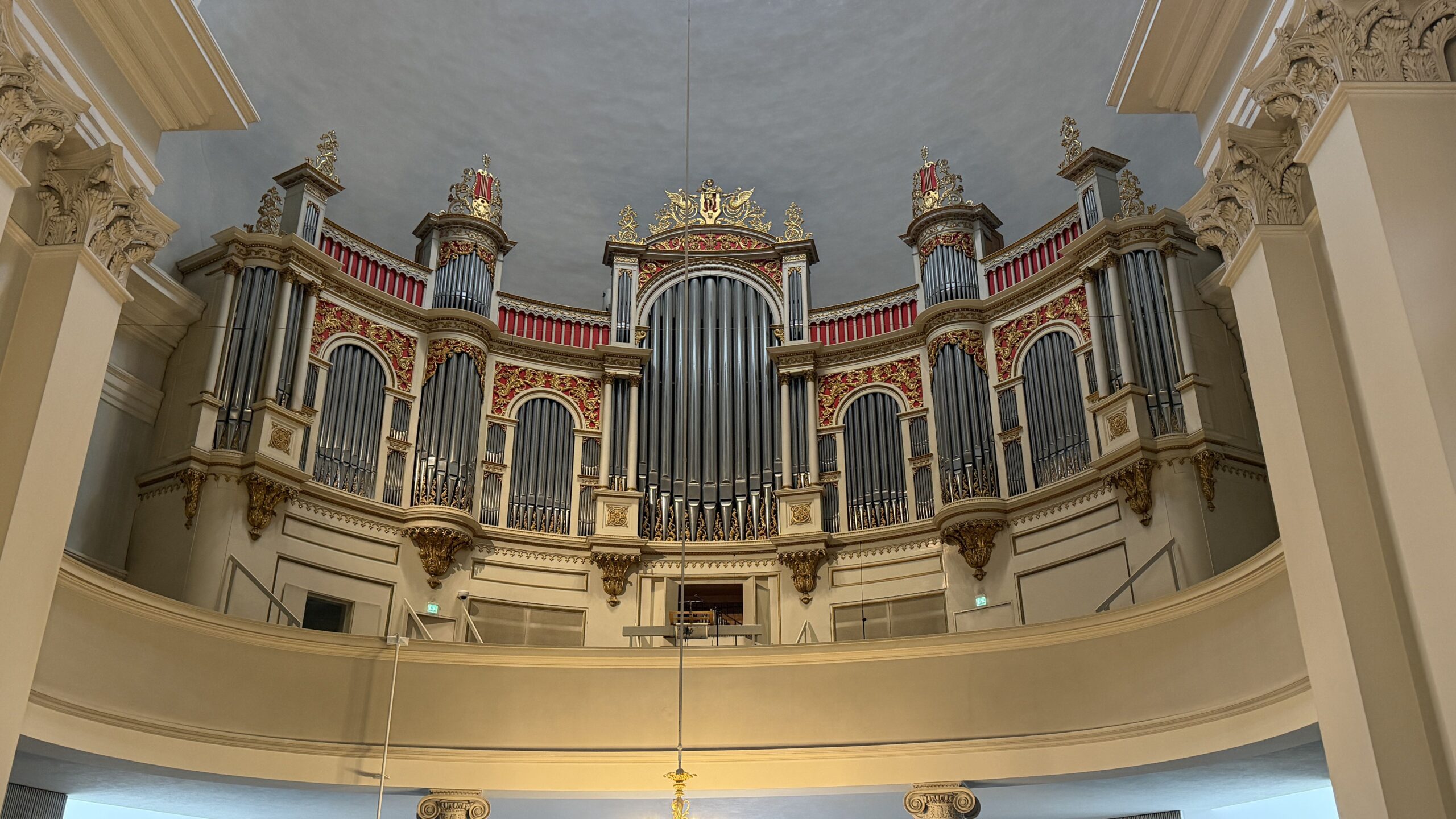
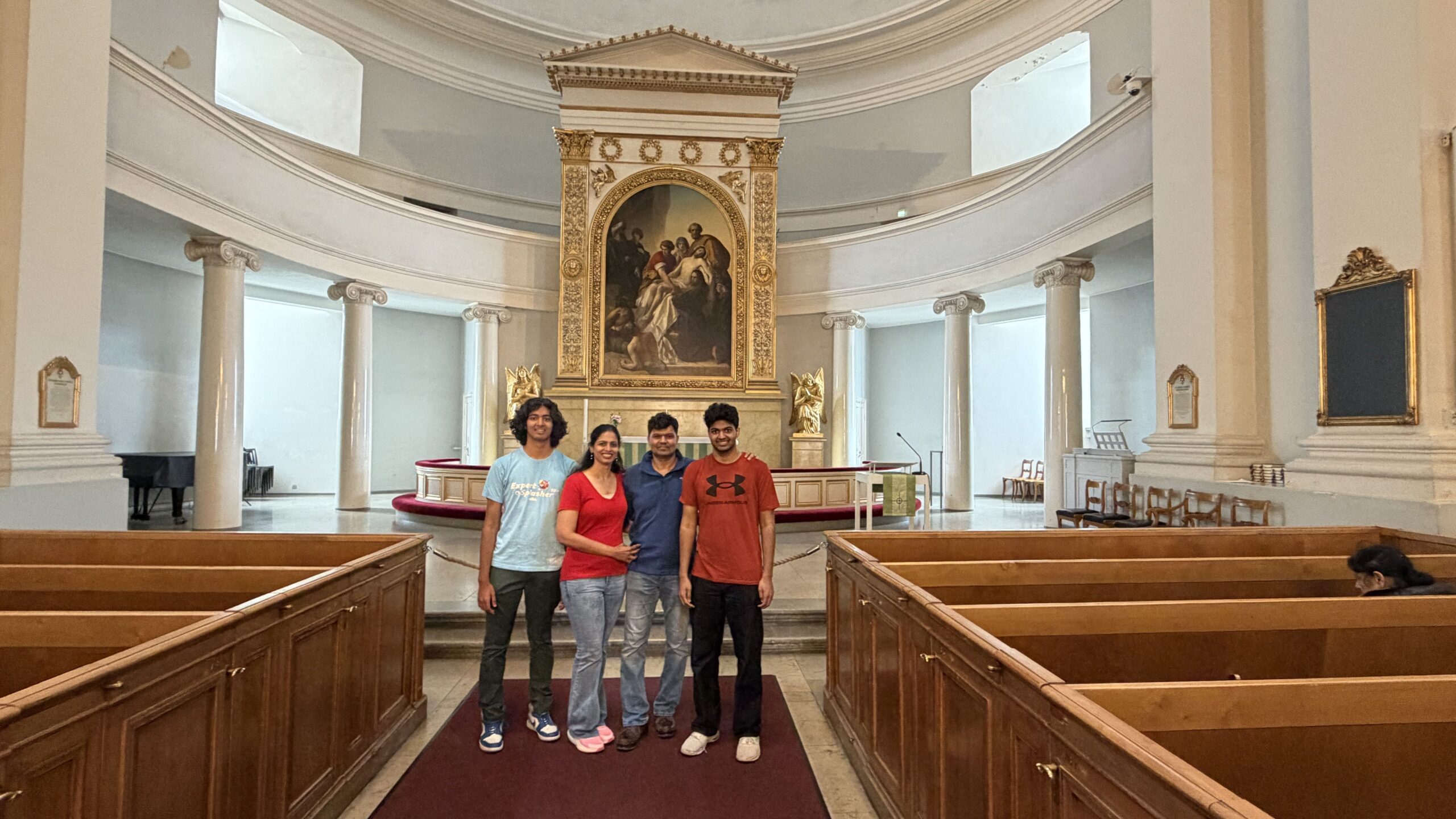
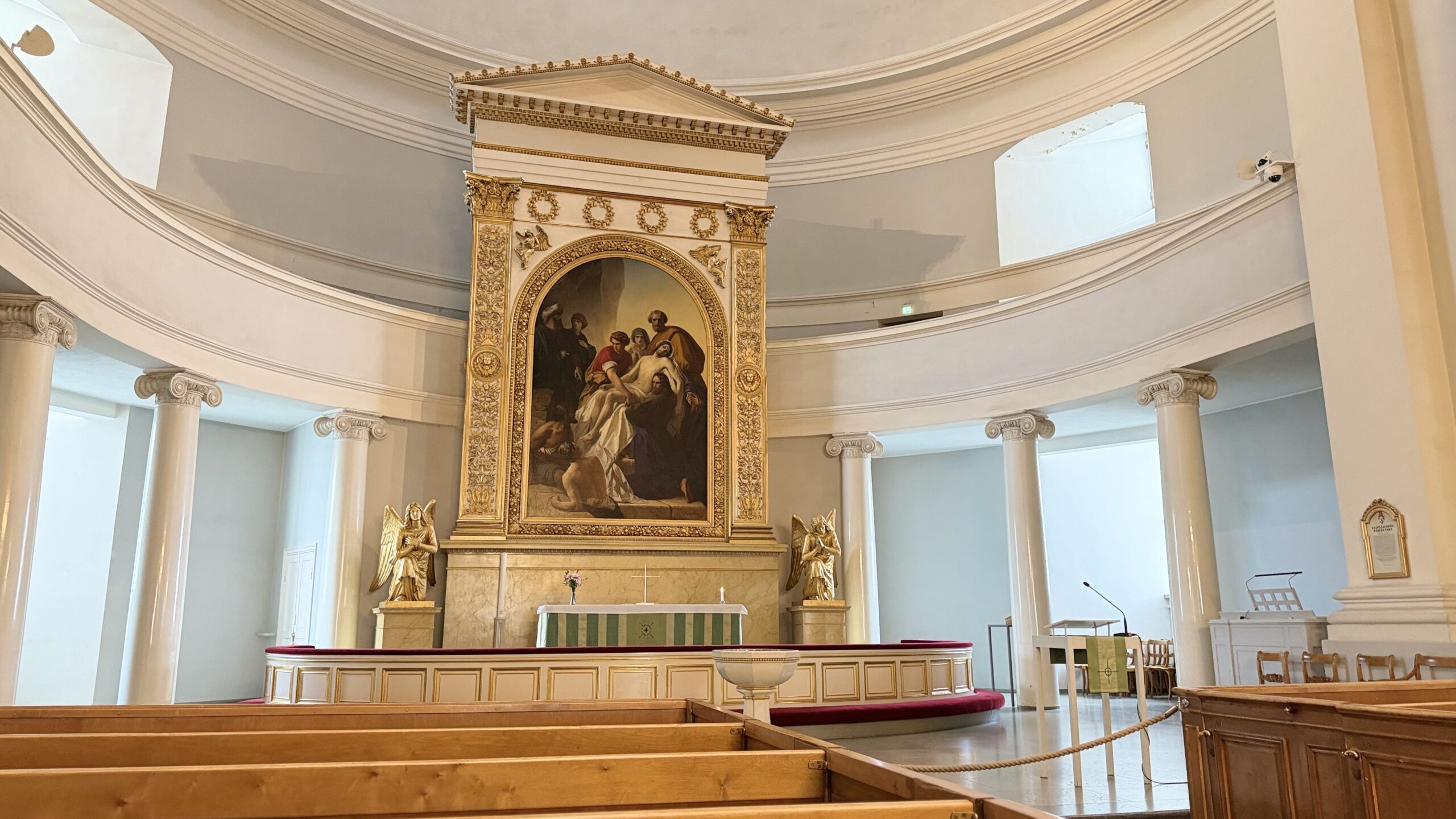
Since we had admired Helsinki Cathedral from the outside the previous day, this time we purchased tickets online and stepped inside. Compared to many of the richly decorated churches we had seen throughout the Baltics, the interior was surprisingly simple. The clean white walls, minimal decoration, and bright open space reflected the Lutheran tradition and created a calm, peaceful atmosphere.
By late afternoon it was time to say goodbye to Finland. We made our way to the port and boarded the Silja Symphony for our overnight cruise to Sweden. As the ship slowly departed Helsinki, we watched the city’s skyline disappear behind us. It was a relaxing end to our visit and a memorable way to continue our journey through Scandinavia.
IKTraveler Tip
- Helsinki is a very walk able city. Most major attractions are within walking distance of Market Square, and the waterfront makes for a pleasant evening stroll.
- Buy a day pass if using public transport frequently.
- If you’re visiting Helsinki, don’t skip Temppeliaukio Church just because it isn’t included in your city tour. It turned out to be one of our favorite places in the city and was well worth the short Uber ride.
- Also, if you’re visiting Suomenlinna, carry a good rain jacket or umbrella. The weather can change quickly, especially on the islands, where strong winds make it feel even colder.
- Finally, try at least one meal at Market Square—it’s a great place to sample authentic Finnish food while enjoying the waterfront atmosphere.
Finally..
Our two days in Finland may have been short, but they left a lasting impression. Helsinki felt calm, clean, and easy to explore, with beautiful waterfronts, impressive architecture, and plenty of green spaces where people simply enjoyed spending time outdoors. From walking through the historic Suomenlinna Sea Fortress in pouring rain to admiring the unique Rock Church and sampling local food at the Market Square, every experience gave us a glimpse into Finnish life and culture.
One thing that stood out throughout our visit was how much Finns value nature, simplicity, and quality of life. Whether it was people relaxing in parks with family and friends, the love for saunas, or the peaceful atmosphere around the city, Helsinki felt like a place where life moves at a comfortable pace.
As our overnight cruise sailed away toward Sweden, we looked back at Helsinki knowing there was still much more of Finland to explore—from the countless lakes and forests to the magical landscapes of Lapland. For us, Finland was a wonderful introduction to the Nordic countries, leaving us with beautiful memories and another destination we’d love to return to someday.
Travel Date: June 2026